Kazuya Ishida
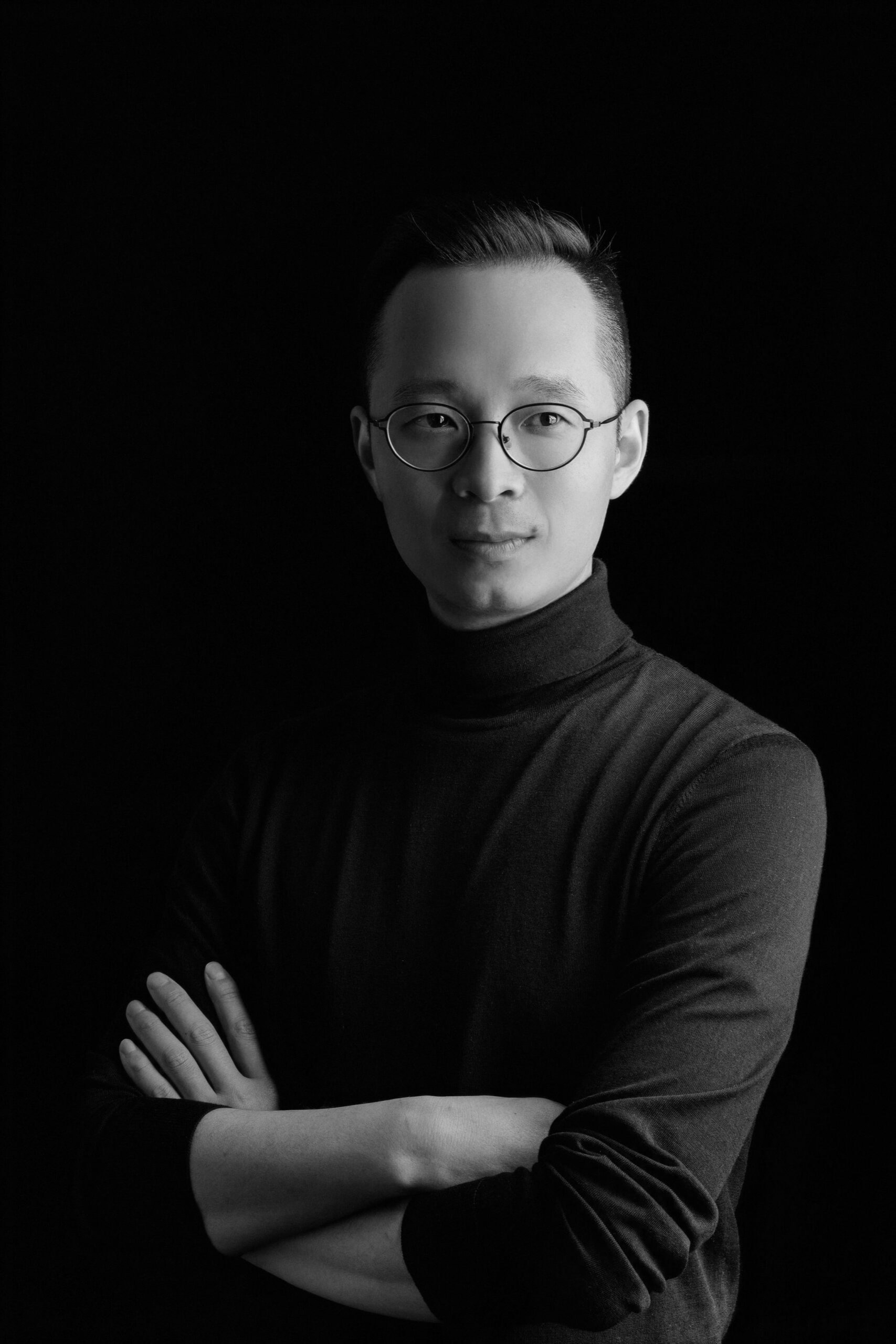
Kazuya Ishida is a Japanese ceramic artist based in Bizen, one of Japan’s six ancient kiln sites, known for its traditional unglazed stoneware. Born into a family of potters, he trained at the Bizen Ceramics Center and Kyoto Prefectural Ceramics Technical Institute before completing an apprenticeship under Jun Isezaki.
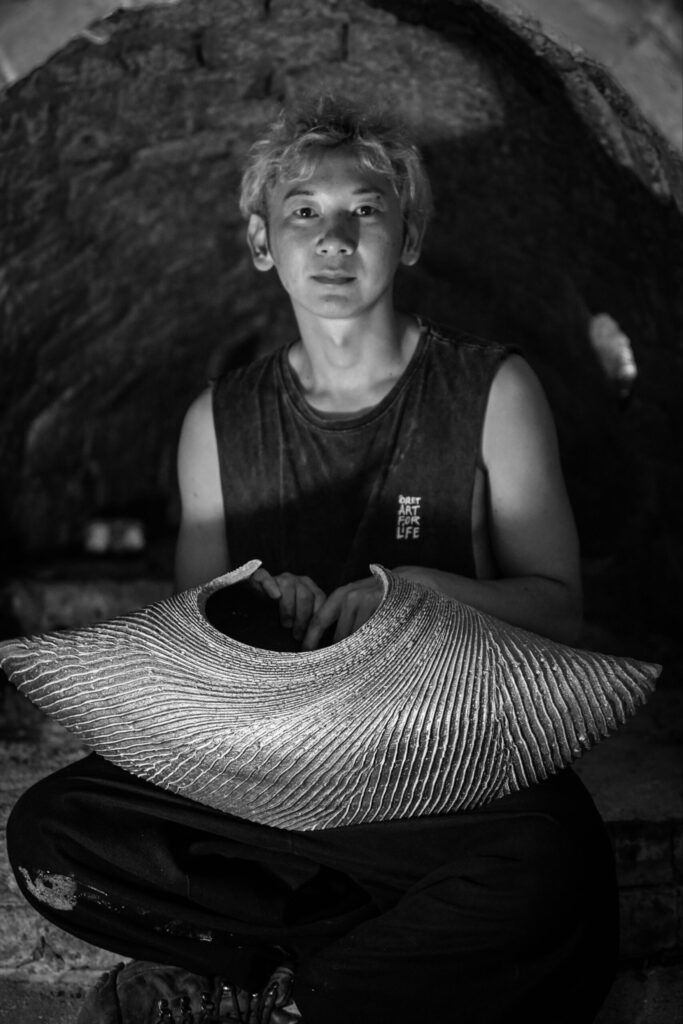
Following several years in the UK, where he expanded his approach to ceramic practice, Ishida established his independent studio in Bizen in 2013. His work is distinguished by dynamic, spiraling surface marks—an expressive language rooted in rhythm and movement, influenced by his early interest in breakdancing.
Working with natural clay and ash glazes in dialogue with Bizen tradition, Ishida develops contemporary forms that evoke elemental landscapes—eroded rock, shifting tides, and geological textures. Bridging heritage and experimentation, his practice reflects a deeply physical engagement with material, where process, fire, and movement shape each piece into a singular, tactile expression.
Interview
I was born and raised in Bizen City, Okayama Prefecture, Japan.
Since my father is a ceramic artist and Bizen City is one of Japan’s oldest pottery hubs, I grew up naturally surrounded by traditional crafts. At the time, ceramics were so close to my daily life that I didn’t feel particularly inspired by them. However, when I was 20 and attending a ceramics vocational school, I encountered an exhibition by the contemporary ceramic artist Takahiro Kondo. That was the moment I realized the profound appeal of merging art with ceramics.
For the first ten years of my career, I primarily focused on traditional craftwork. After moving to the UK, I was exposed to the world of conceptual design, which gradually shifted my practice toward a more individual and expressive style. Currently, I navigate both the art and craft worlds—sometimes working in parallel and sometimes switching my mindset between the two.
My work is diverse, so it’s difficult to generalize. However, with Japanese traditional craftsmanship as my foundation, I always strive to integrate the essence of materials, high-level techniques, and my personal touch into my designs.
My process starts by identifying the setting for the work and the client’s vision. I value the idea of creating something relevant to this specific moment, which leads me to the right choice of materials and methods. In terms of influence, I’ve always loved natural shapes and scenery, but recently, the ‘realizations’ I gain through hands-on experimentation and the physical act of creating have become my biggest source of inspiration.
Since I operate as a private studio, I handle a wide range of tasks, so my schedule changes almost every week. For example, my work involves everything from excavating and preparing raw clay to the actual creation and firing of pieces. At the same time, I manage office tasks like responding to inquiries and emails, as well as packing and shipping works for exhibitions or clients. Amidst all this, I am constantly conceptualizing new pieces and upcoming projects.
I want to honor my roots and identity as someone from a historic center of traditional crafts. Based on that foundation, my desire is to create works that only I can produce by using materials that connect my heritage to my own creative vision.
My work is defined by two distinct styles:
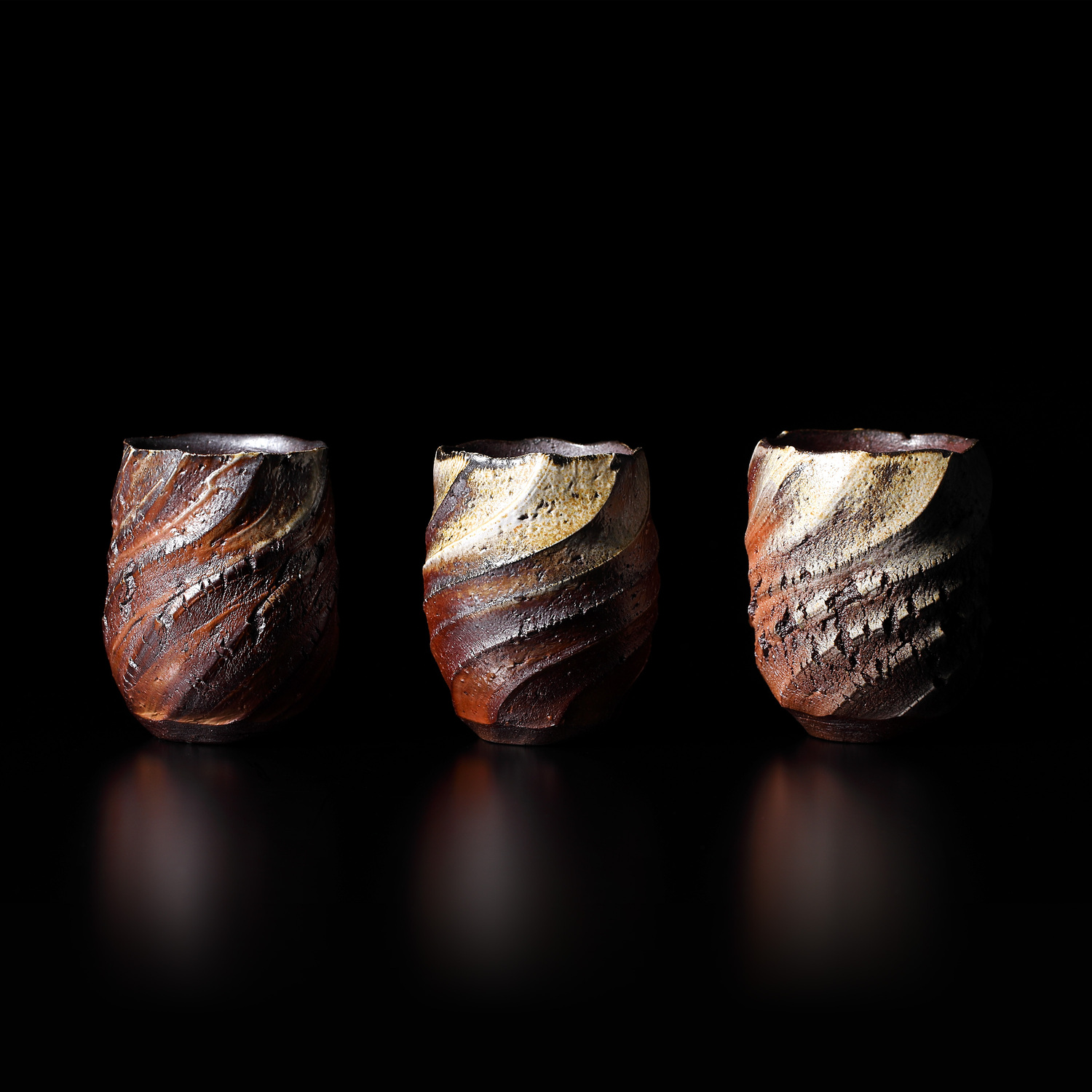
- Raho (Spiral throwing technique): This involves using highly plastic Bizen clay on an electric potter’s wheel. I use centrifugal force to create unique twisted patterns and textures.
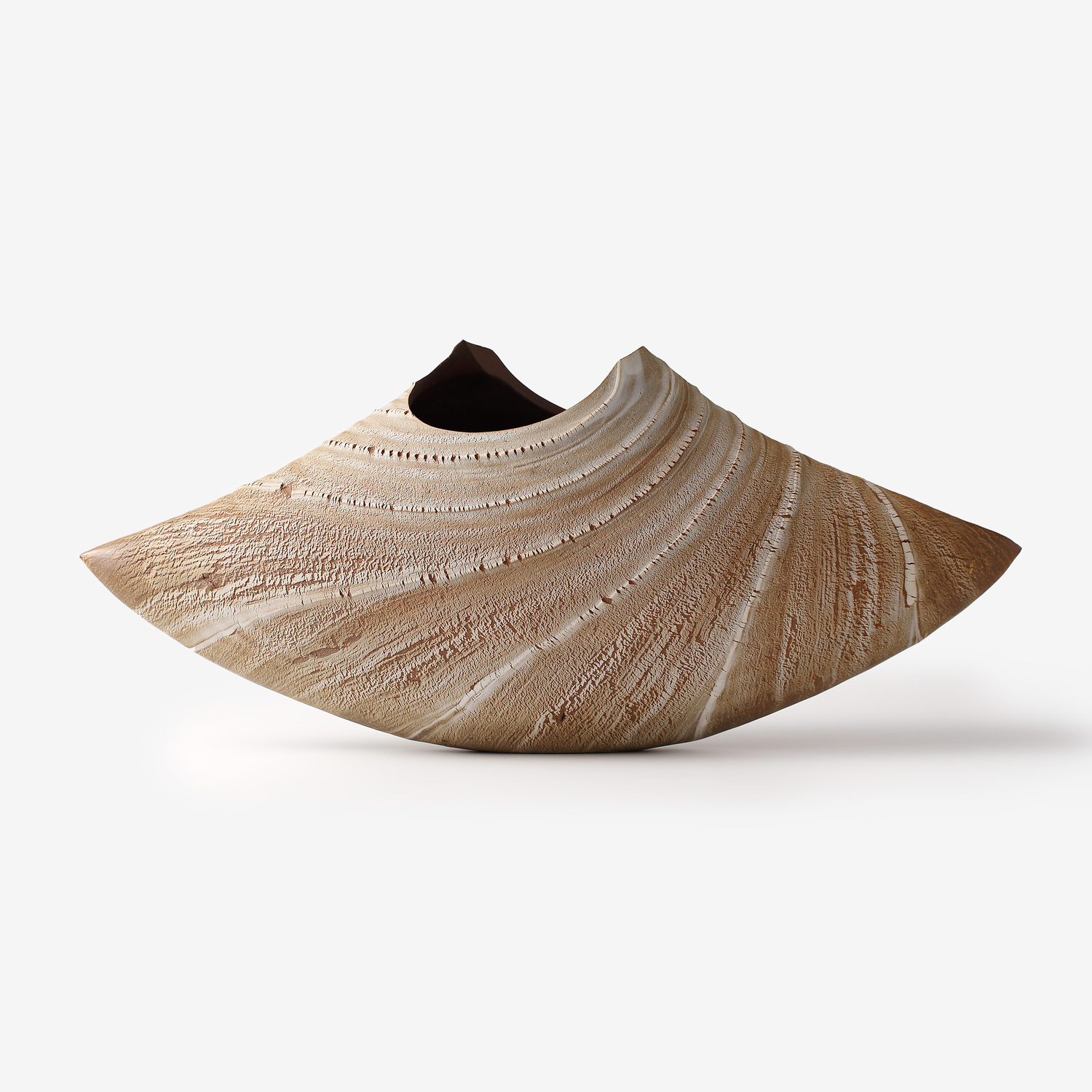
- Bizen Wild Porcelain: I personally excavate natural porcelain clay from deep underground in the Bizen area to create these works. Both styles are deeply rooted in the land of Bizen, yet they utilize my own original techniques and materials.
Identify what you truly love and what your strengths are. It is also essential to have a clear understanding of how the times are changing and where the market for your work exists.
I would place my work in the category of “Traditional Craft evolving into Modern Interior Design,” or perhaps “Contemporary Art rooted in the consciousness of Traditional Craft.” I aim to challenge the boundaries between these fields.
- Hans Coper (British studio potter)
- Jun Nishida (Japanese ceramic artist)
None in particular.
- Hans Coper (British studio potter)
- Jun Nishida (Japanese ceramic artist)
“Ripple” — because I want my work to represent the outward spread of new values and perspectives.
“Identify what you truly love and what your strengths are.”
The Questions
(The Proust Questionnaire is a set of questions answered by the French writer Marcel Proust.
Other historical figures who have answered confession albums are Oscar Wilde,
Karl Marx, Arthur Conan Doyle, Stéphane Mallarmé, Paul Cézanne…)
Spending my time doing what I love and excel at, while meeting the world’s needs.
A state where none of the above exists.
Caring too much about others’ opinions and gazes.
A lack of gratitude or respect.
Ryuichi Kakurezaki (Bizen ceramic artist).
Being surrounded by teammates I can truly trust.
Moving on to the new chapter.
Profitability.
Sincerity.
Intuition.
“Maybe…”
A profound aesthetic eye (Sense of discernment).
To further increase my intellectual curiosity.
The experience of living alone and dedicating myself to club activities during high school.
A chameleon.
Currently, Bizen. In the future, a dual-base life between Bizen and Europe.
My clothes.
Being betrayed by those close to me.
An entertainer (e.g., in a circus).
Kindness and originality.
Possessing qualities I do not have myself.
Makoto Shinkai.
Yoda.
Miyamoto Musashi.
The ancestral potters who have sustained Bizen ware for 1,000 years.
Abyss.
Clusters (Trypophobia).
I recently cut my finger with a kitchen knife.
Peacefully, after expressing gratitude to my loved ones and without causing trouble.
“One drop, endless ripples.”
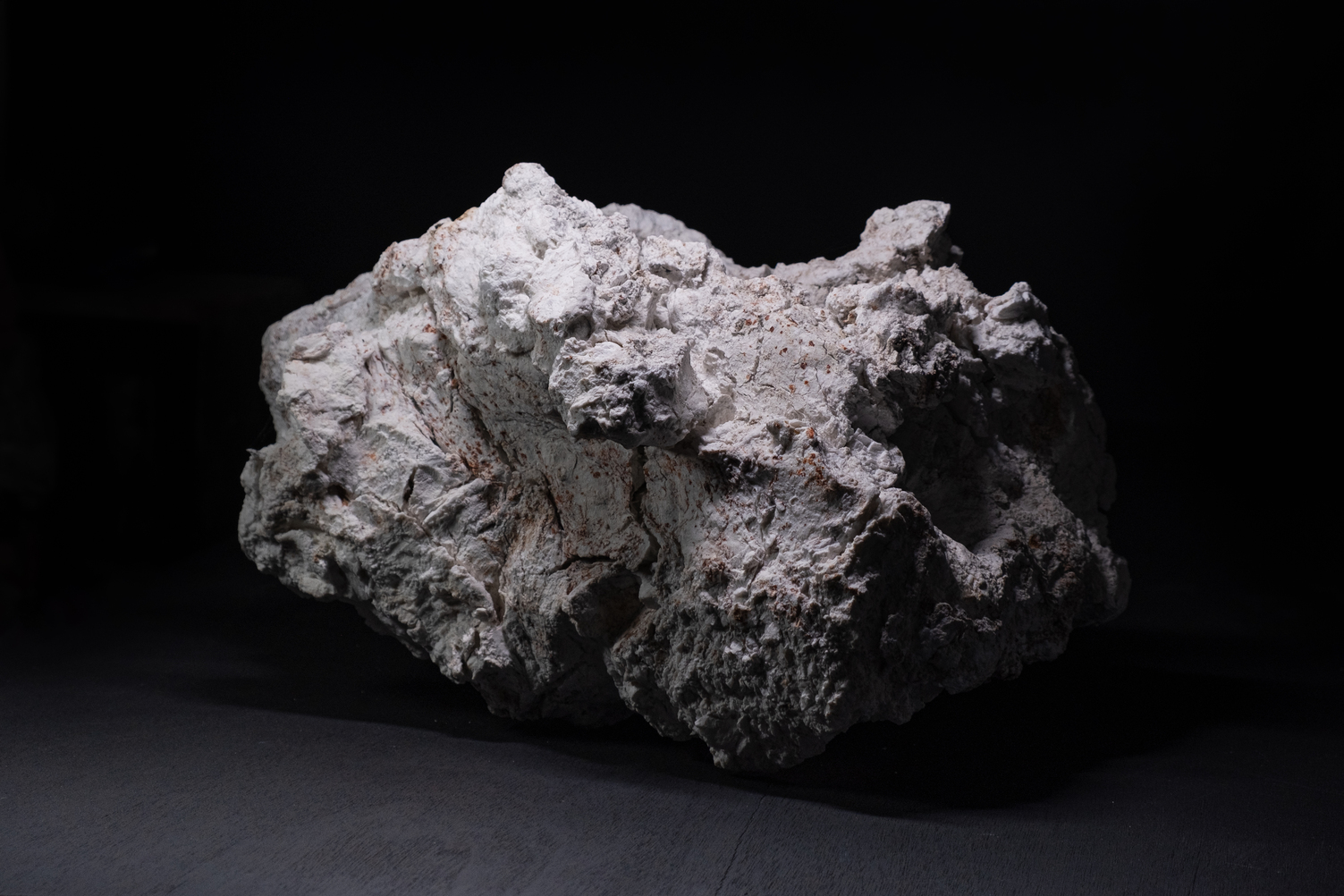
“I aim to challenge the boundaries between traditional craft, modern interior design, and contemporary art.”
SHARE :