Kevin Frankental
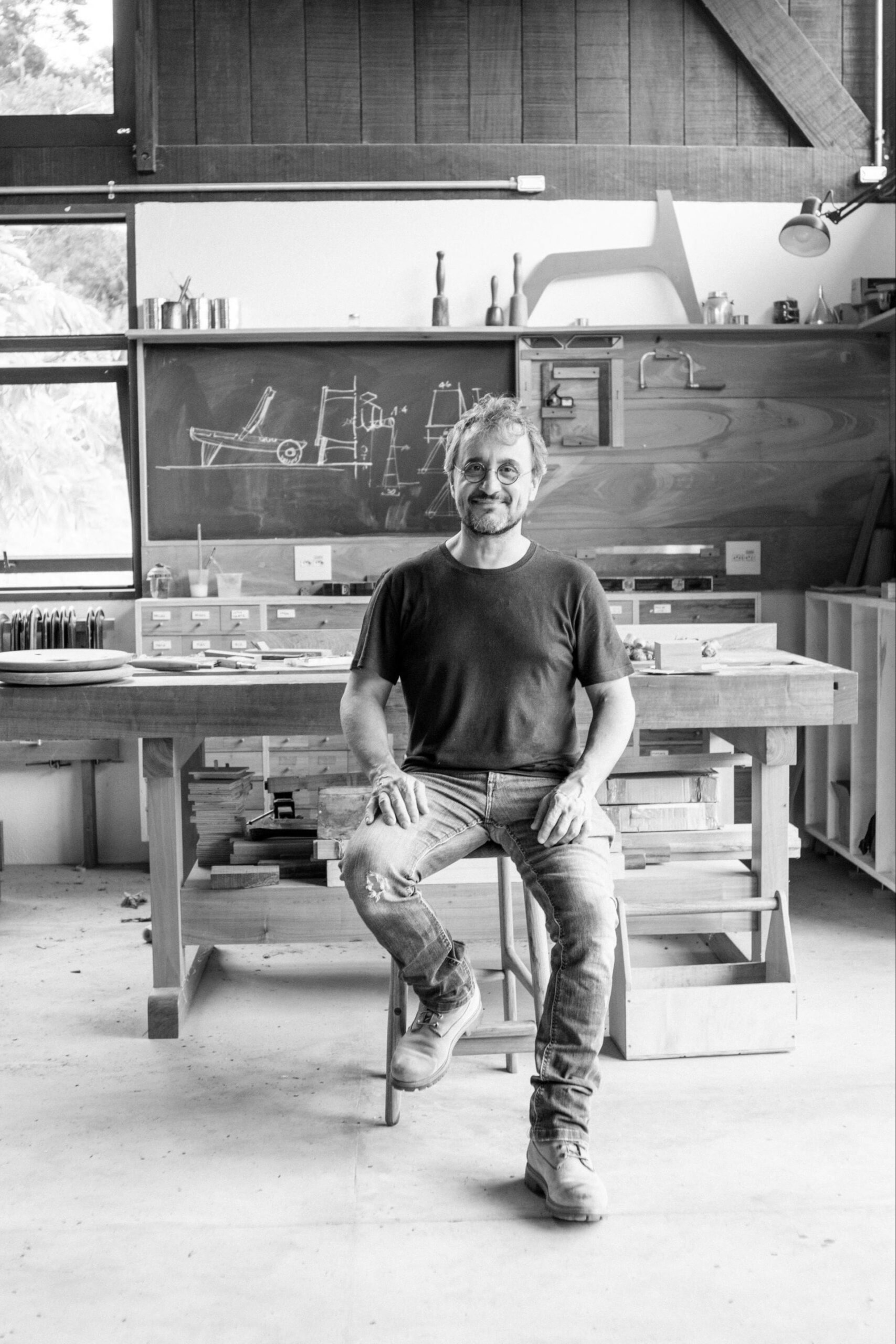
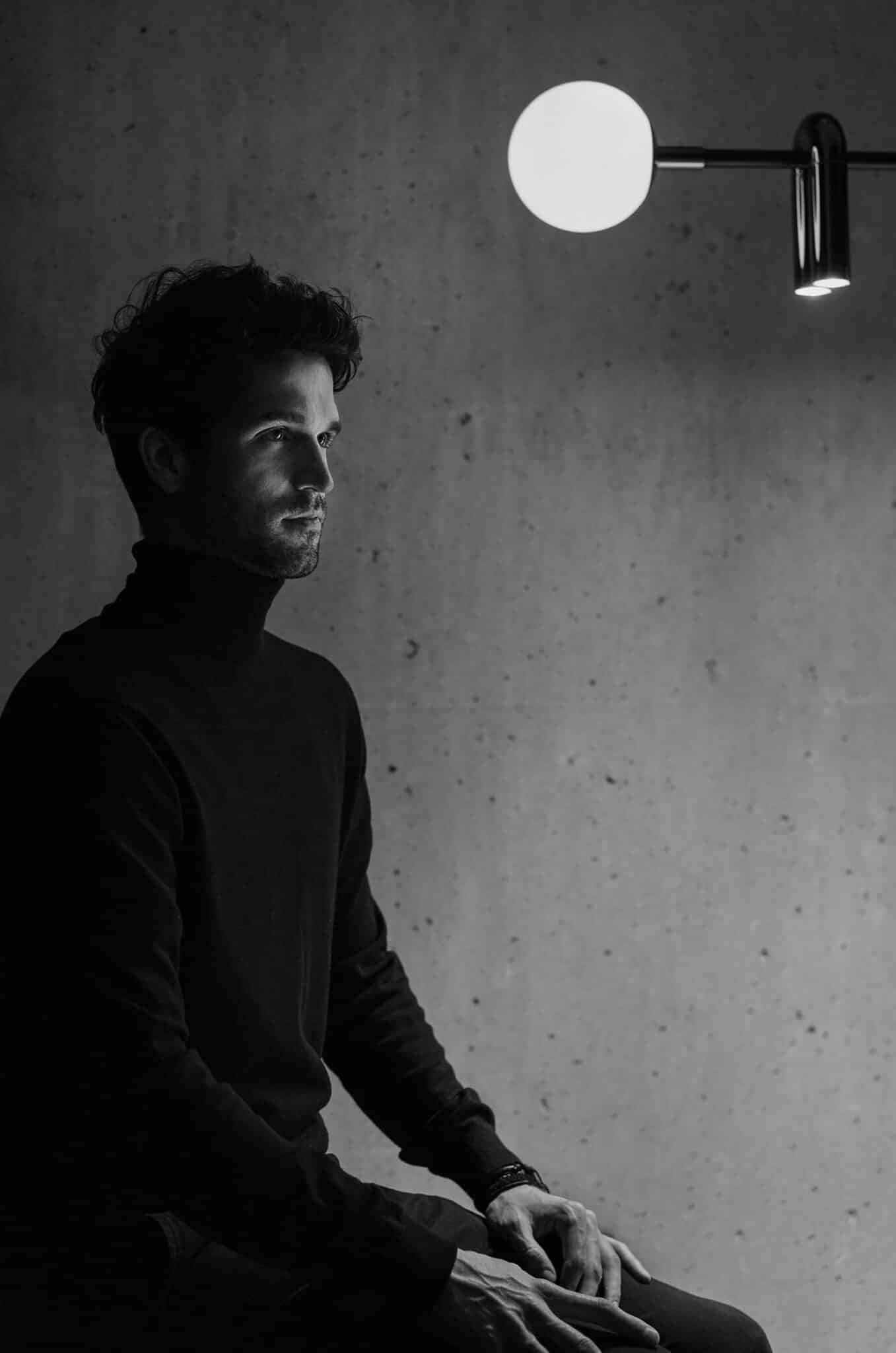
Kevin Frankental is a South African designer and the co-owner and Creative Director of Lemon. Working across furniture and collectible design, his practice is rooted in a profound appreciation for natural materials and the enduring relationship between craftsmanship and time. Guided by an intuitive understanding of stone, wood, and other earth-derived materials, he creates pieces that reveal their intrinsic character while balancing sculptural expression with functional clarity.
Through his work, Frankental explores the idea of timelessness—not as a stylistic pursuit, but as a lasting dialogue between material, form, and making. His designs embrace authenticity, restraint, and permanence, creating objects that transcend trends and celebrate the enduring beauty of nature and craftsmanship.
Interview
Born and raised in Johannesburg, South Africa, where I still reside.
I have always struggled with drawing; my first memory is when I became conscious of this fact. When your ego starts forming, it can hinder creativity and bravery in a sense.
For most of my professional career, yes, although my first job was at a media company strongly centered around print, where I learned some important technical aspects.
Spending time with fabricators, especially working with steel and brass, has been invaluable. Watching, learning, experimenting… I remember when I first became interested; a friend of mine had to explain the difference between square tube and square bar, and how these simple elements can be used to create interesting forms. At the time, I knew nothing, but in the long run, this has worked to my benefit because it’s allowed me to push the boundaries of what certain materials can do.
For me, good design is not time-bound. I have worked on certain designs for years and eventually grown to dislike them, while other pieces I’ve worked on for just 30 minutes and loved. What interests me is where, in the subconscious, the ideas come from. I’m mostly fascinated by design history and, to some degree, enjoy honoring the past; however, I’m very aware that these pieces need to exist in the modern world. I like the push and pull of this.
No two days are the same in our industry. I spend a large amount of my time in the factories we work with and chatting with our designers. However, there is some sacred time I need to carve out to put my best work out. It’s only three hours, but it’s critical. I get up early, head into nature, and walk. I tend to solve a lot of unresolved design issues during this time. I then spend two hours simply researching and playing. I work on multiple ideas at once because when I get stuck on one, I need to move on and revisit it later. I’m quite disciplined about this process. I’m not a big believer in waiting for a moment of inspiration to strike.
I like that my pieces appear to be aesthetically very simple, but on closer inspection, small details emerge that are both beautiful and functional. I think people appreciate the time and care that is taken.
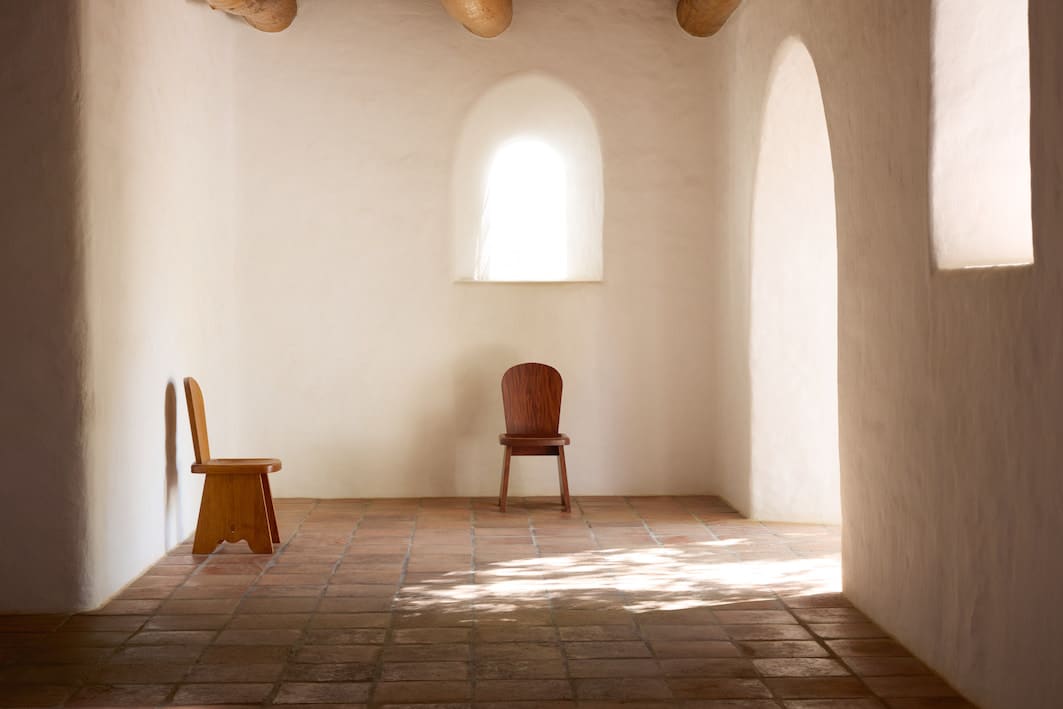
Don’t try to create something perfect on paper or a computer. Get the general idea down, then find a way to start playing and making. So much gets resolved once you begin the process. The design often evolves from this.
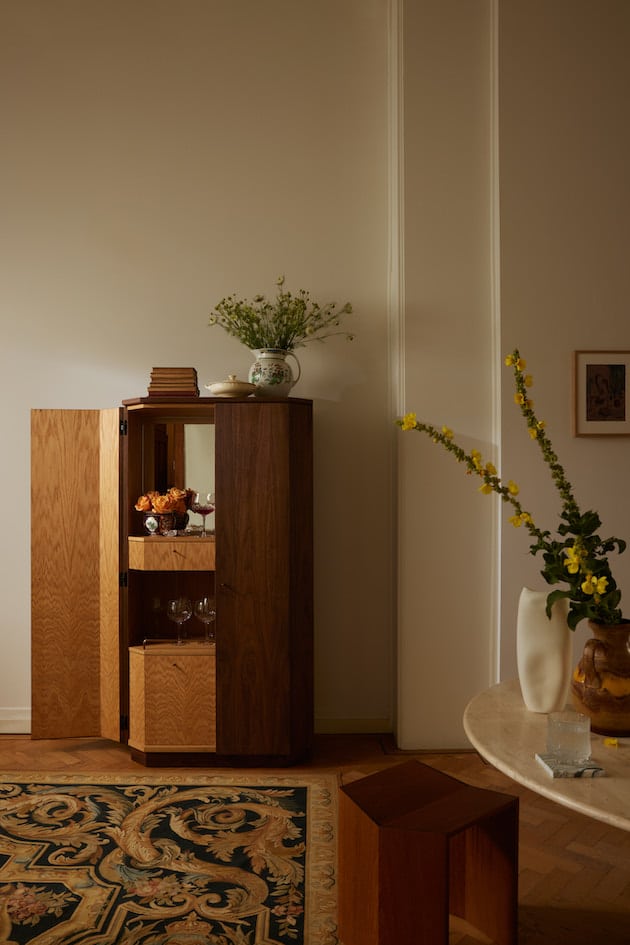
I think they would fit most comfortably within the mid-century modern movement, though I’m heavily influenced by Art Deco, Art Nouveau, and Arts and Crafts. Perhaps they would look like they’re having a bit of an identity crisis, which is how I prefer it.
Jean Prouvé, Charlotte Perriand, Carlo Mollino, Joseph Hoffman, Jean Michel Frank, Gabriella Crespi.
Vincenzo de Cotiis, Fabrizio Casiraghi, Rick Owens.
I have always found fellow South African designer Gregor Jenkin’s series Migrant Migrate to be so striking and compelling as an idea.
A dialogue between past and present, woven into form.
“A dialogue between past and present, woven into form.”
The Questions
(The Proust Questionnaire is a set of questions answered by the French writer Marcel Proust.
Other historical figures who have answered confession albums are Oscar Wilde,
Karl Marx, Arthur Conan Doyle, Stéphane Mallarmé, Paul Cézanne…)
Being in the African bush, off the grid, with loved ones.
Dying young.
Conflict avoidance.
Inaction and blame.
My family.
Travel.
Slightly on edge.
Relentless productivity.
People who don’t take themselves so seriously.
Quiet confidence like my wife and daughter.
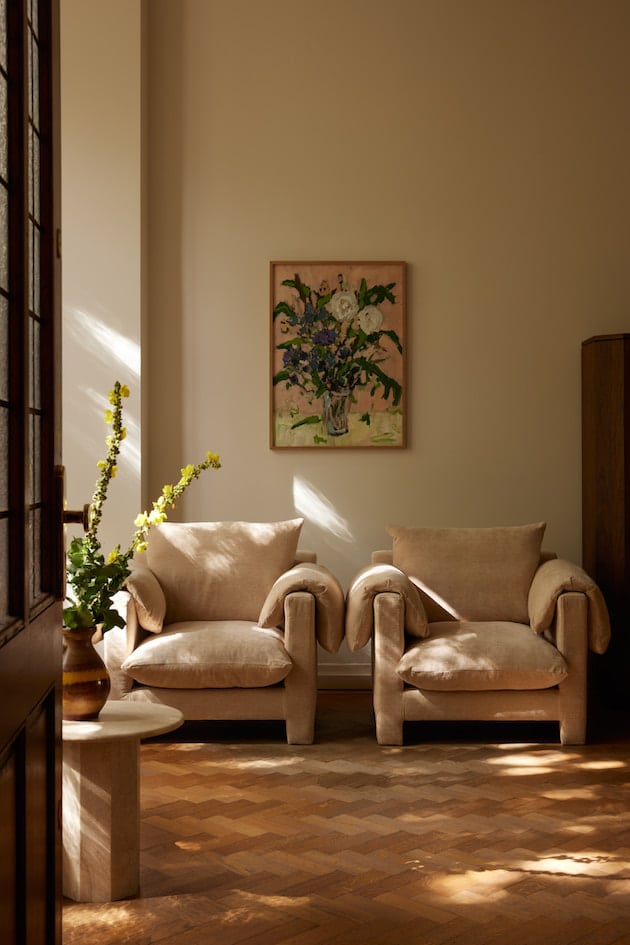
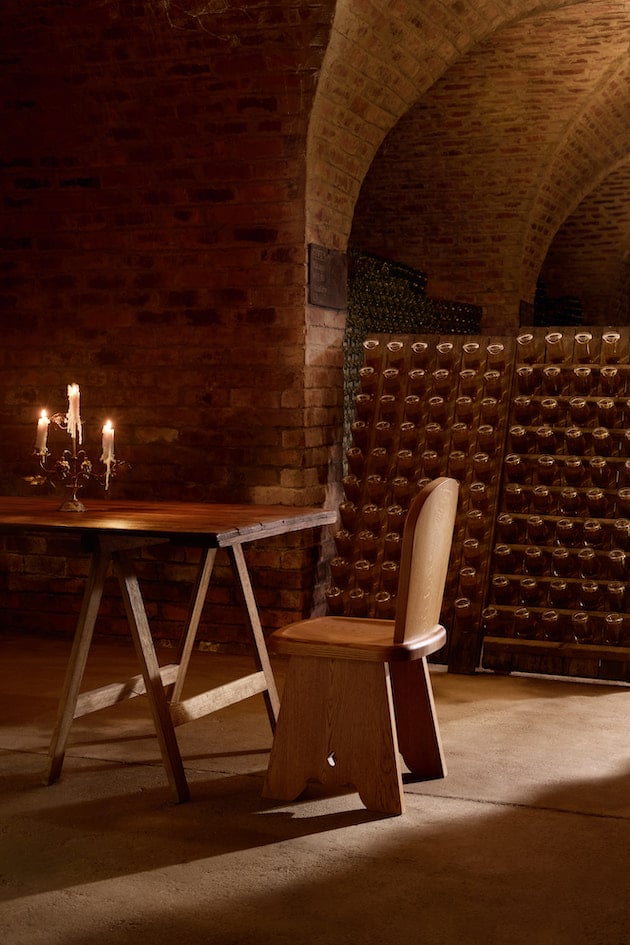
“Cool” but I also love mocking the idea of overused business buzzwords; someone told me the other day they were having a quick ‘scrum session’.
Musician.
Calorie intake (joking – probably being more reliable).
I like that I can make friends with people from all walks of life. It sounds obvious, but lots of people are too guarded.
An elephant, they have unbelievable ways of communicating and I need to know more about it.
South Africa, where I am.
Two very early Ercol lounge chairs my wife bought me.
No meaning.
Interesting conversation with friends.
Inappropriate humour.
Relaxed, don’t expect too much, funny, authentic.
David Sedaris, Murakami, Joan Didion.
Moira Rose.
Bob Dylan.
Anyone who can disconnect.
So many, but nothing on trend. Always biblical or classic.
Going to an event of someone I hardly know (got that from my father) and show-offs.
Not trusting my intuition.
Something cool, like a long-range bow and arrow.
No superfluous details.
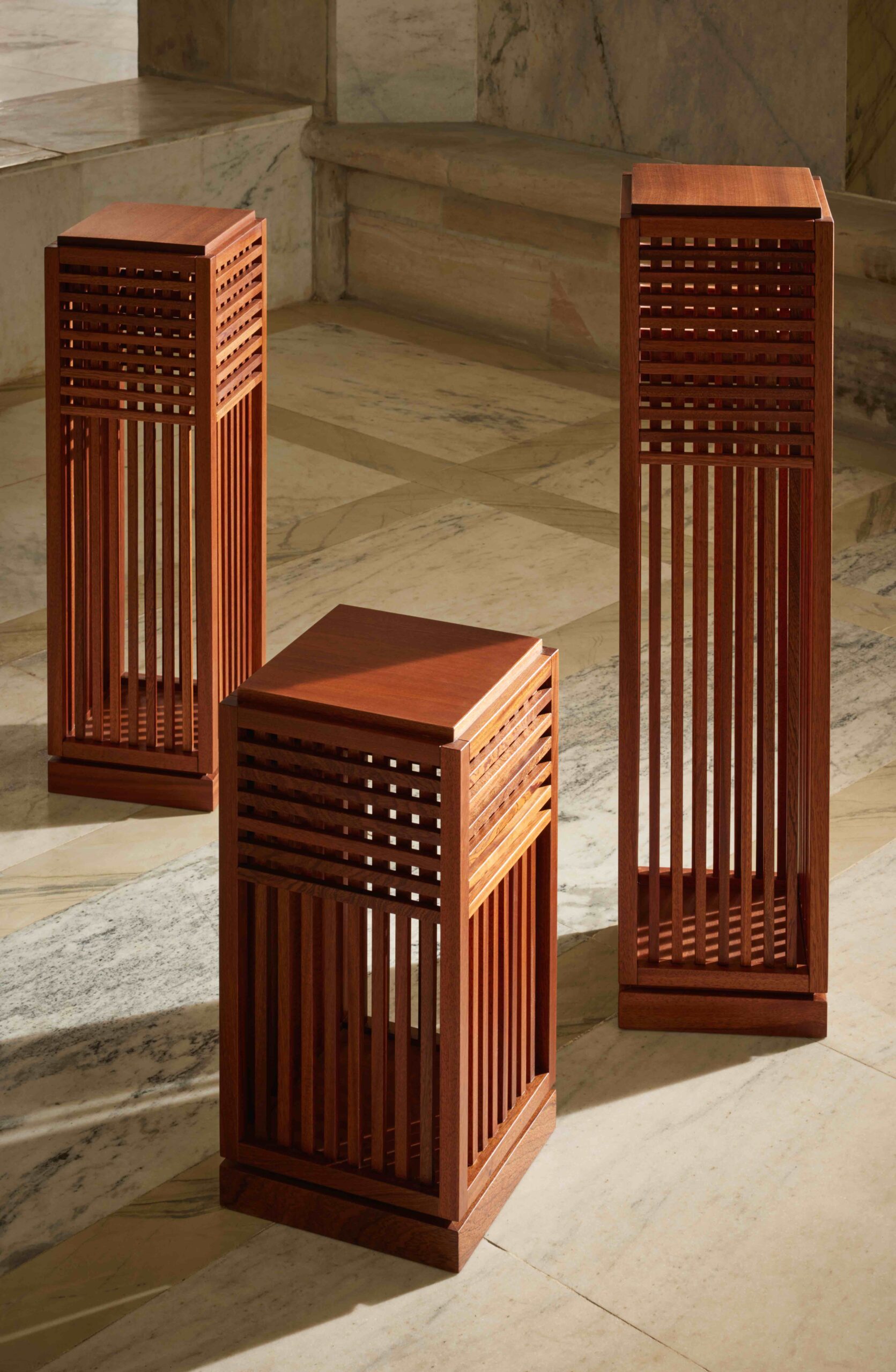
“Don’t try to create something perfect on paper or a computer. Get the general idea down, then find a way to start playing and making.”
SHARE :