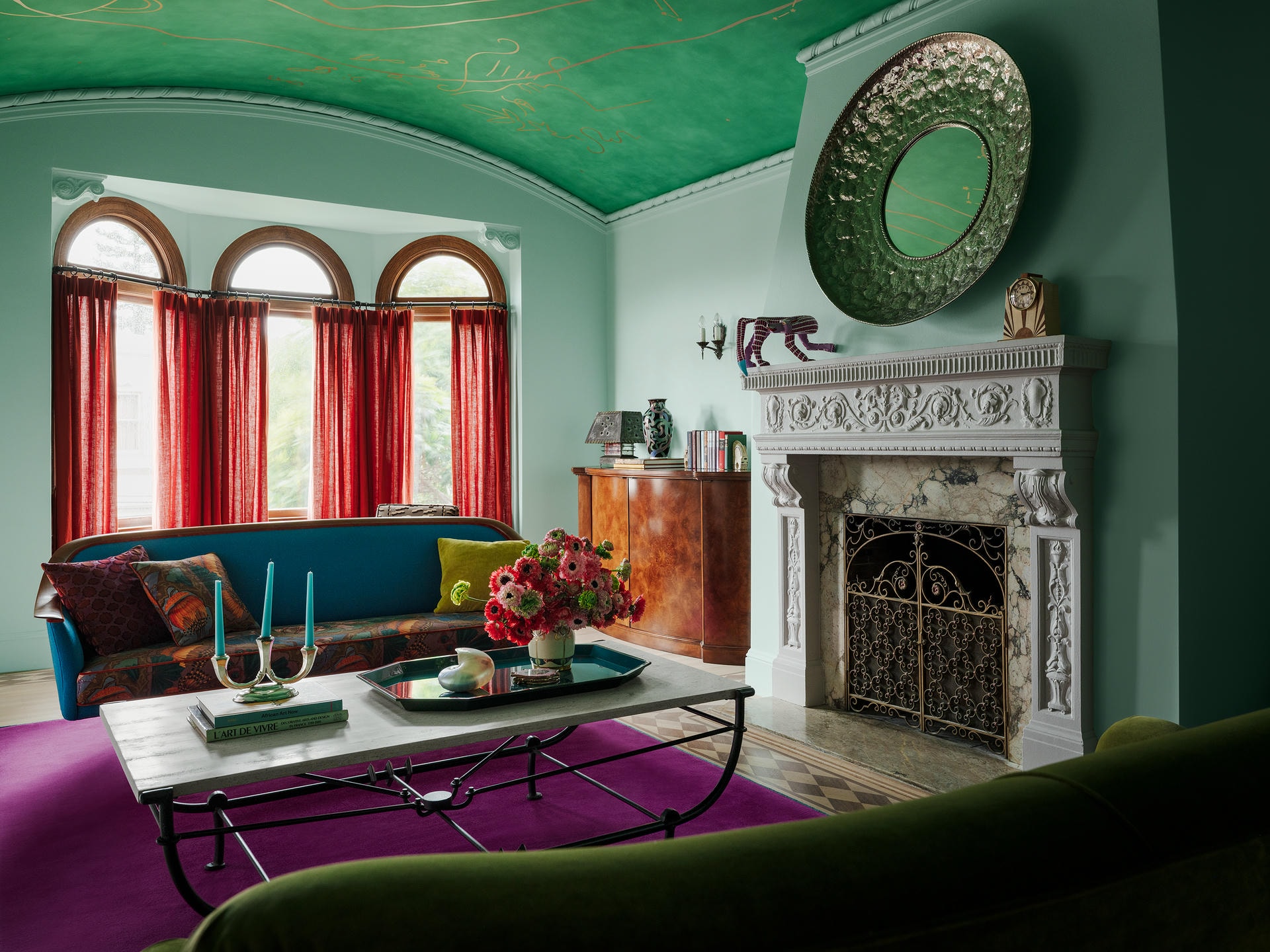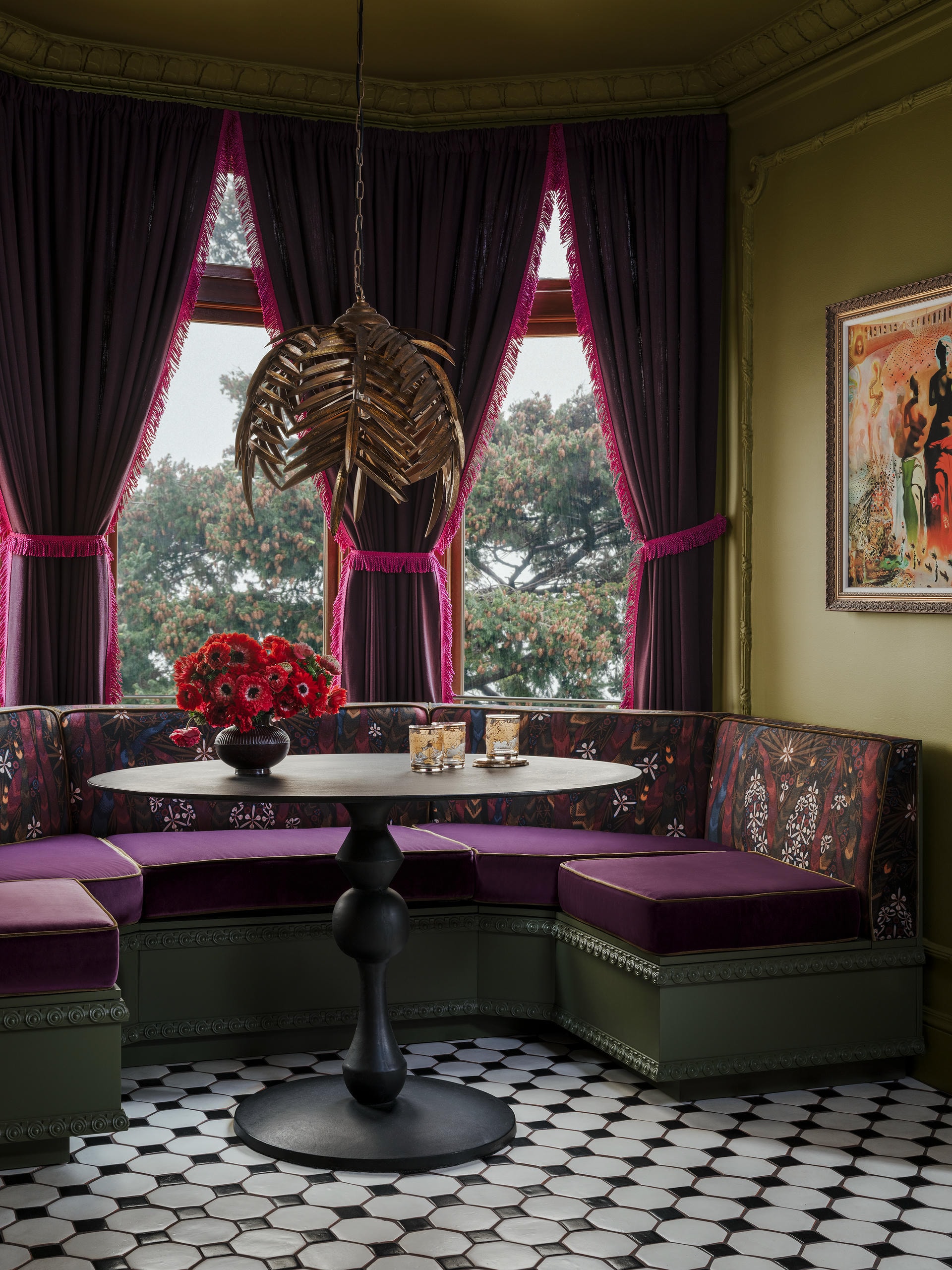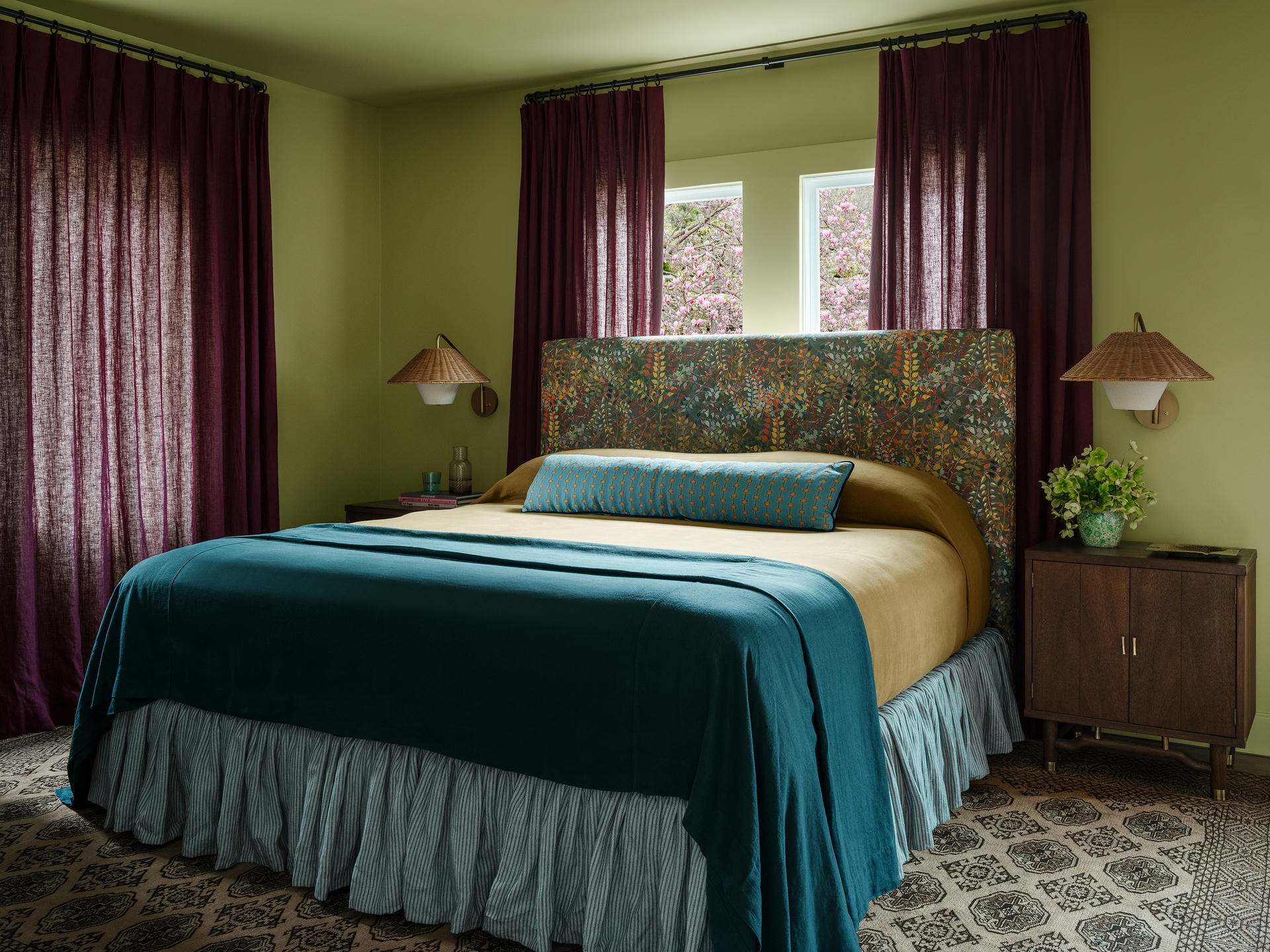
Leah Ring – Another Human
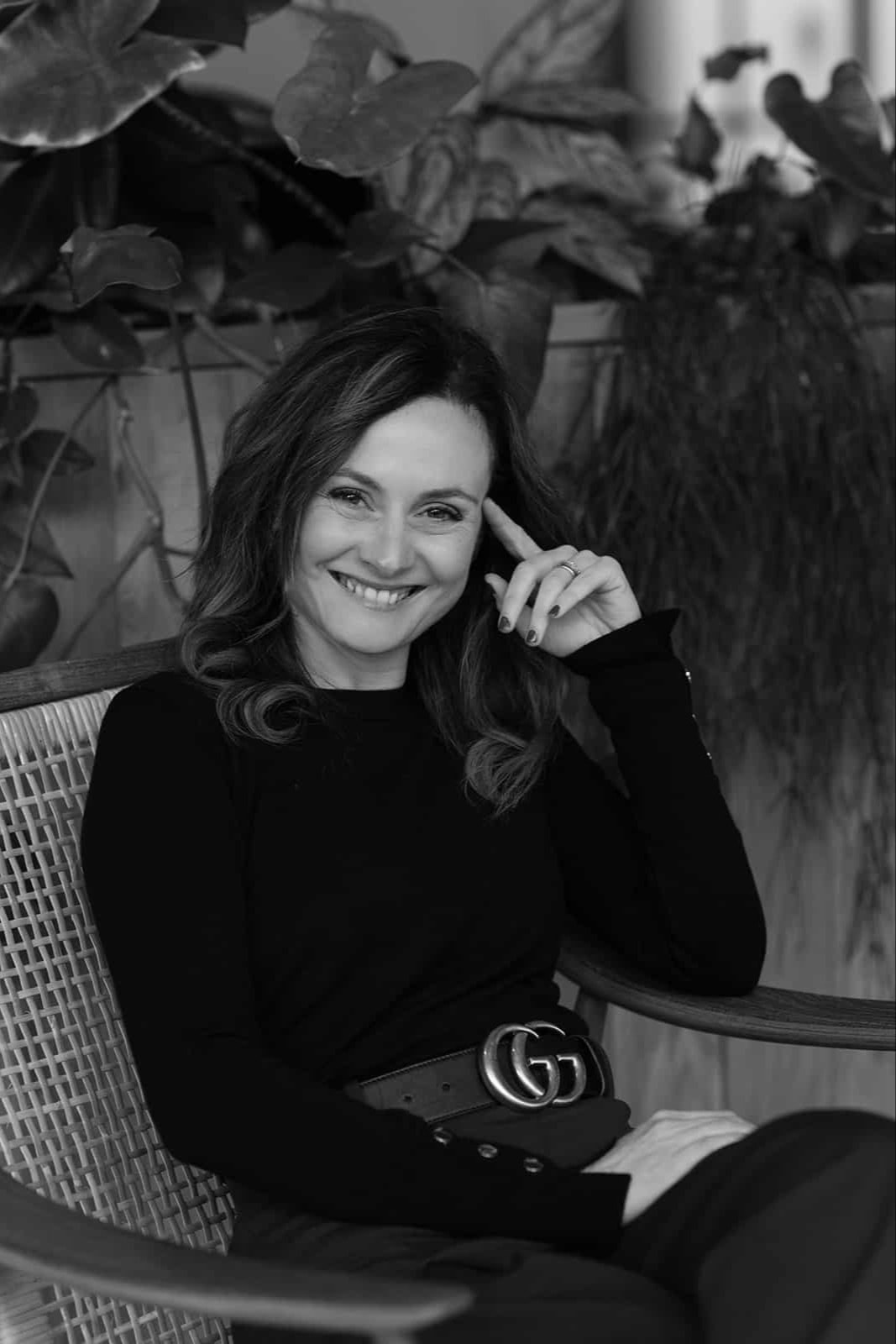
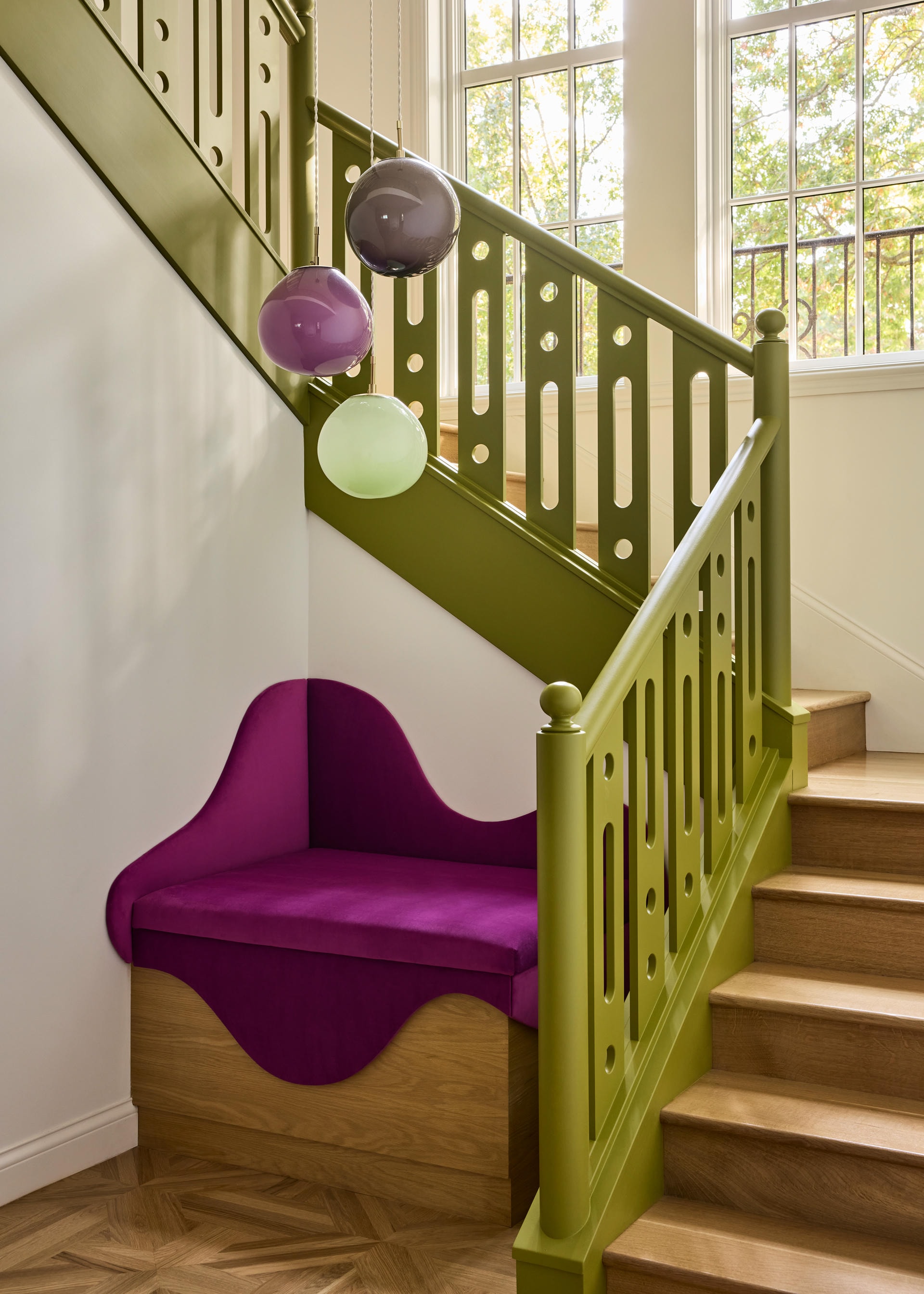
Leah Ring is an interior designer and the founder and principal of Another Human, a Los Angeles-based design studio specializing in highly personalized residential and commercial interiors. Initially established as a furniture design practice, Another Human brings a maker’s sensibility to interior design, combining custom furnishings, vintage pieces, and personal heirlooms. Characterized by a distinctive use of color and a layered approach to materials and forms, Ring’s work responds to the architecture of each space and the individuality of its inhabitants.
Prior to founding Another Human, Ring spent a decade developing her design perspective and practice in New York City, Los Angeles, and San Francisco, working with established design firms including Julie Hillman Design and Reath Design. Drawing on her extensive knowledge of design history, she approaches each project with a balance of creativity and consideration. Her studio works with clients across the United States, with completed projects spanning New York, San Francisco, the Midwest, and the Pacific Northwest.
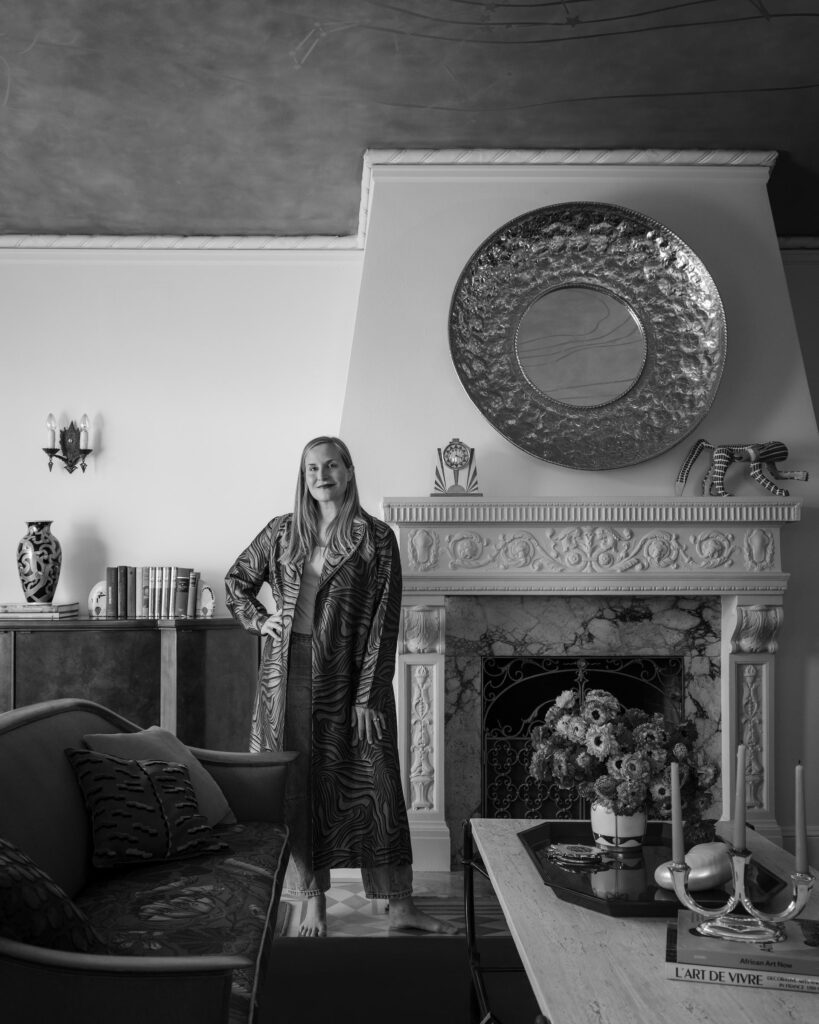
“More is more when it comes to color.”
INTERVIEW
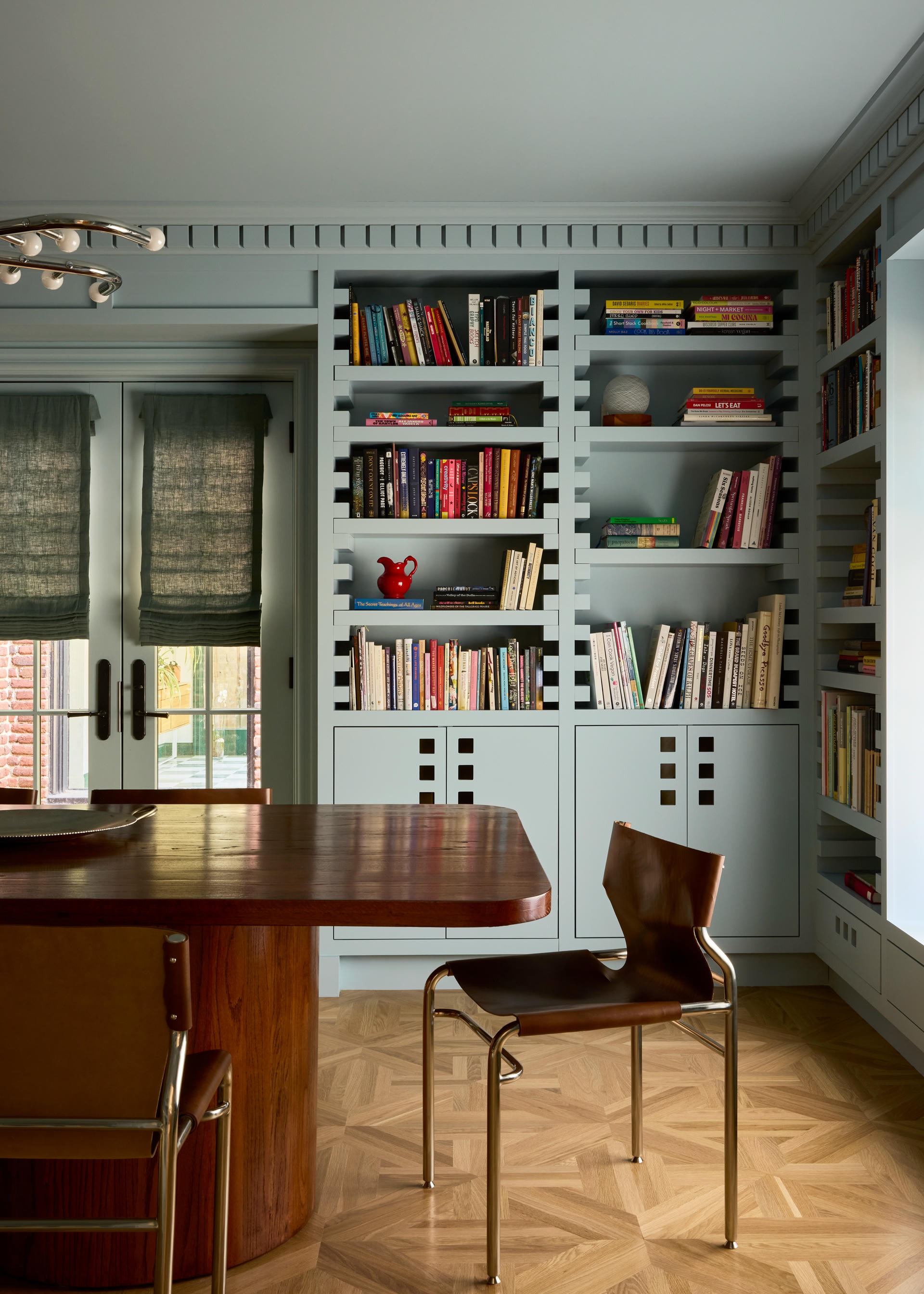
My first job out of college was in advertising on the account management side, and I knew pretty quickly that I wanted to do something more creative. I enrolled in a visual communication program and tried a few internships, and once I landed an internship in interior design, I never looked back. I got hired working at a hospitality and residential firm straight out of school and then jumped around in my twenties to different cities working in a range of jobs, but always in the design sector. My last job before going out on my own was as a senior designer at Reath Design, where I learned a lot about how to run a small business, and I then felt confident enough to go out on my own.
I don’t, actually. When I was younger, I used to think that this project or this bit of press would be a huge break, but in actuality, my career has just been building since I started and each new project provides new opportunities for creativity and trying new things. I feel very fortunate that I’ve had clients who put a lot of trust in me and editors who have been kind enough to publish my work.
I don’t think I have a signature style, other than I love the use of color and a lot of it. The projects I’m the most excited about have a vibrant palette and a strong color point of view. I can sort of dial from minimal to maximal based on the client, but color is definitely a throughline in my work.
I truly strive to make each project look different than the last, because I really want the homes I design to reflect the taste of the owners. Obviously, people come to me because they like what I do with color or proportion, but I work very hard to try to understand my clients so I can give them the best version of what they want, not what I want for them. In terms of business, I would just recommend working as hard as possible with each opportunity presented to you and being considerate of everyone you work with, including contractors and vendors. So much of my business is based on word of mouth referrals, so you want everyone you work with to find the experience professional and enjoyable. Also, the design industry is fairly small when you get into it, and people move around a lot within the industry, so having good relationships with people across the industry can really make your job so much more enjoyable!
We provide a questionnaire to our clients with a variety of questions for us to try to get into their heads a bit – where do the clients like to travel, what colors do they respond to, are there any movies or soundtracks that they want their house to feel like. We take those responses and build out a broader design presentation with a few potential directions for each major space, and then continue to narrow down the vision from there. The beginning phase of the project is always so fun – you’re engaging on a discovery process with the client and it’s always interesting to see where the visual language for the project lands.
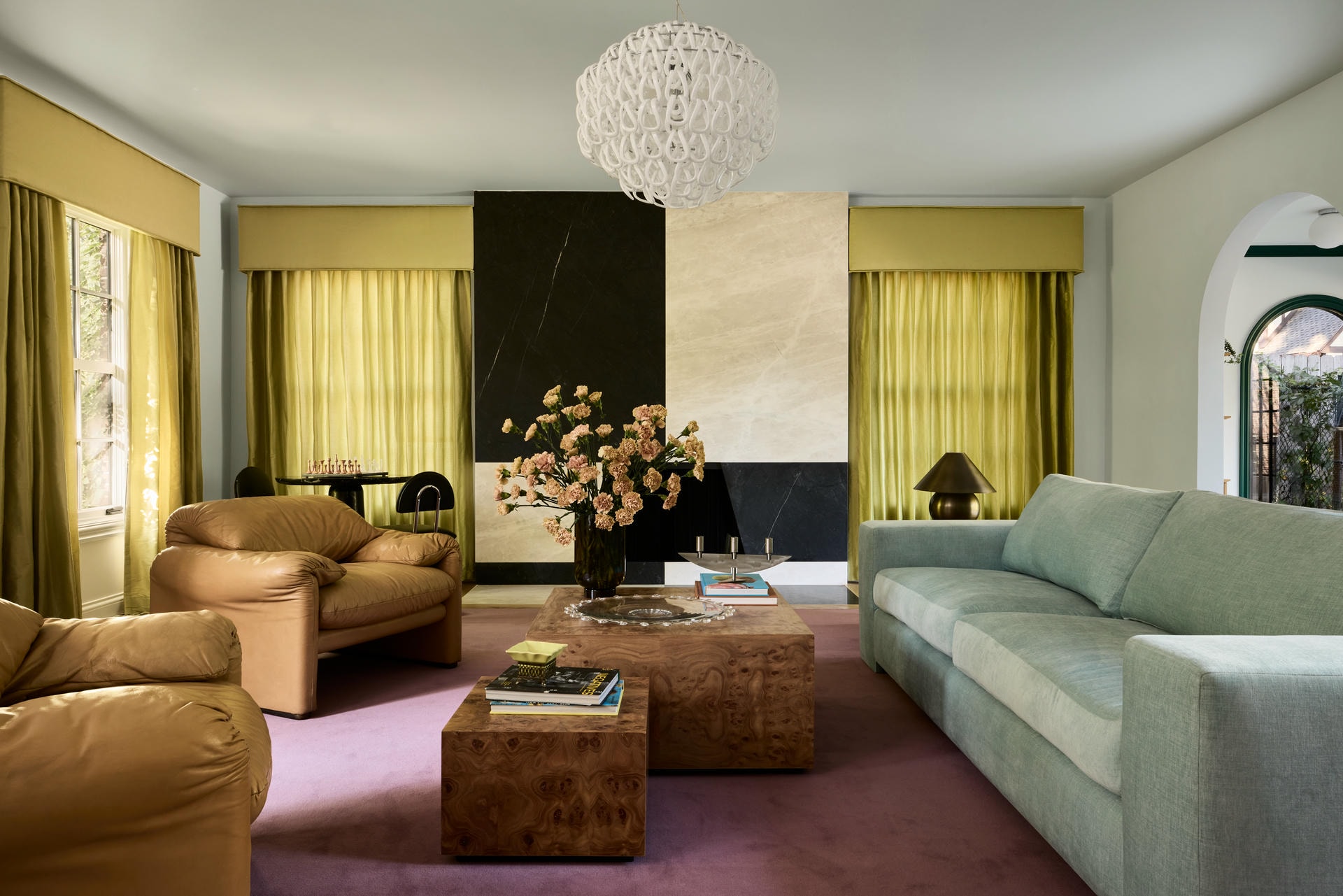
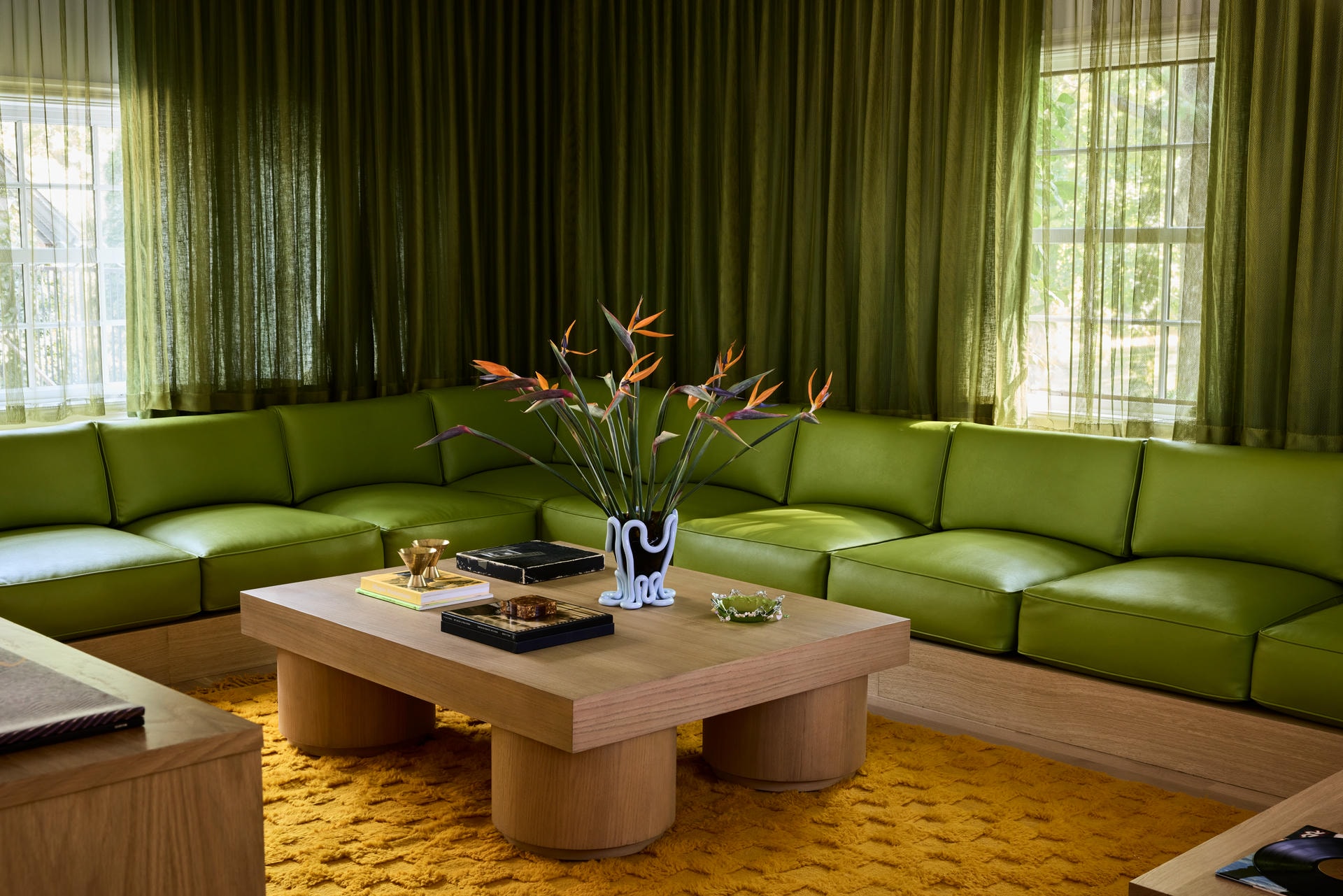
I recently had a San Francisco project published in Architectural Digest that was one of my favorite projects I’ve had the pleasure of working on. The building was built in 1929 and had beautiful architectural details, so we were starting with such a lovely foundation, and these clients were so invested in the design process and decision-making that it was really fun and fulfilling. Every design decision was considered and I think you can see the love that went into the project when you view the photos.
The hardest part of running a small business is that you have to learn how to do everything yourself. Now I have a very small team that helps me, but you have to learn how to do bookkeeping, accounting, marketing, sales – you spend so much time just running the business and a lot less time designing than you’d like. With that, there are always hard lessons – which generally result in updates to your client facing contract – and then you don’t make the same mistake twice.
Stay true to your design taste and the clients will come! When I first started my firm, I would say yes to anything and everything because I was trying to build a business. Now, I can be more selective about the clients I work with and I feel like the clients who seek me out really understand what I can offer them that’s unique to me and my taste and skill level, and that makes the whole process so much more fun and collaborative.
I worked at several firms, including Julie Hillman Design and Reath Design, and just soaked up as much information as I could. It was essential for me to work for designers whose work I admired and to learn from them – both creatively and how they ran their businesses. It’s not just enough to have great taste – you have to be able to manage clients, manage an immense amount of logistics, and manage your team. I don’t think I would have felt confident enough to step out on my own had I not worked for great designers.
I recommend collecting vintage design books as an inspiration source. I think it’s very helpful to use hard copy material for inspiration, so that you’re not just seeing the same images that get served to everyone via the algorithm.
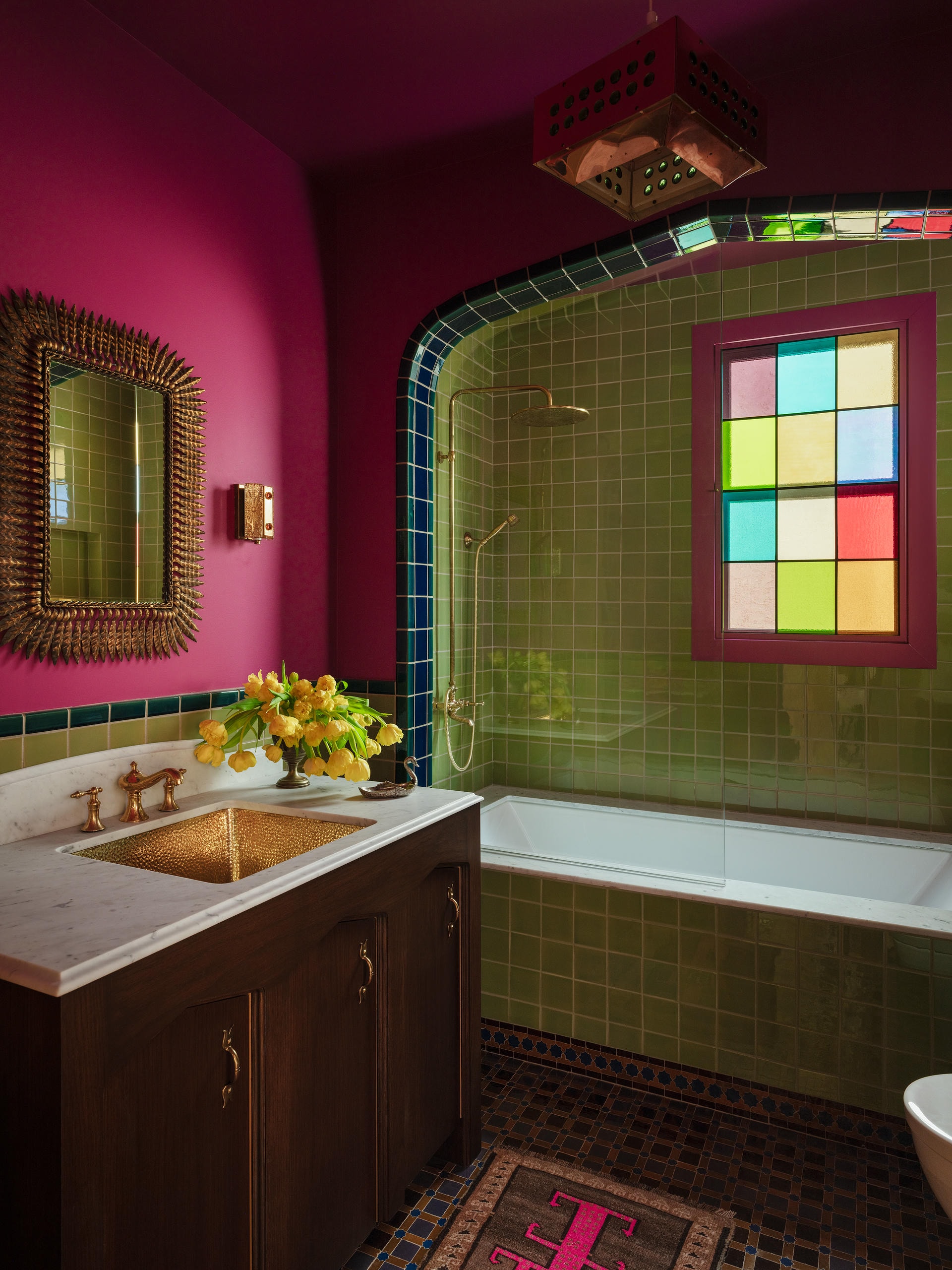
More is more when it comes to color. I don’t really believe in a “pop” of color – I think it looks strange. I like to fully saturate rooms and build a rich palette of tones that work harmoniously together, which results in a space that feels balanced rather than drawing your eye to that one “pop” of color.
I’m working on a ground up build in Altadena, a full gut renovation in Los Feliz, an Aspen home, a Santa Monica home and a smattering of other renovation projects on the East Side of Los Angeles.
Thank you so much Leah, for this lovely interview!
Share article :