
Cinzia Moretti
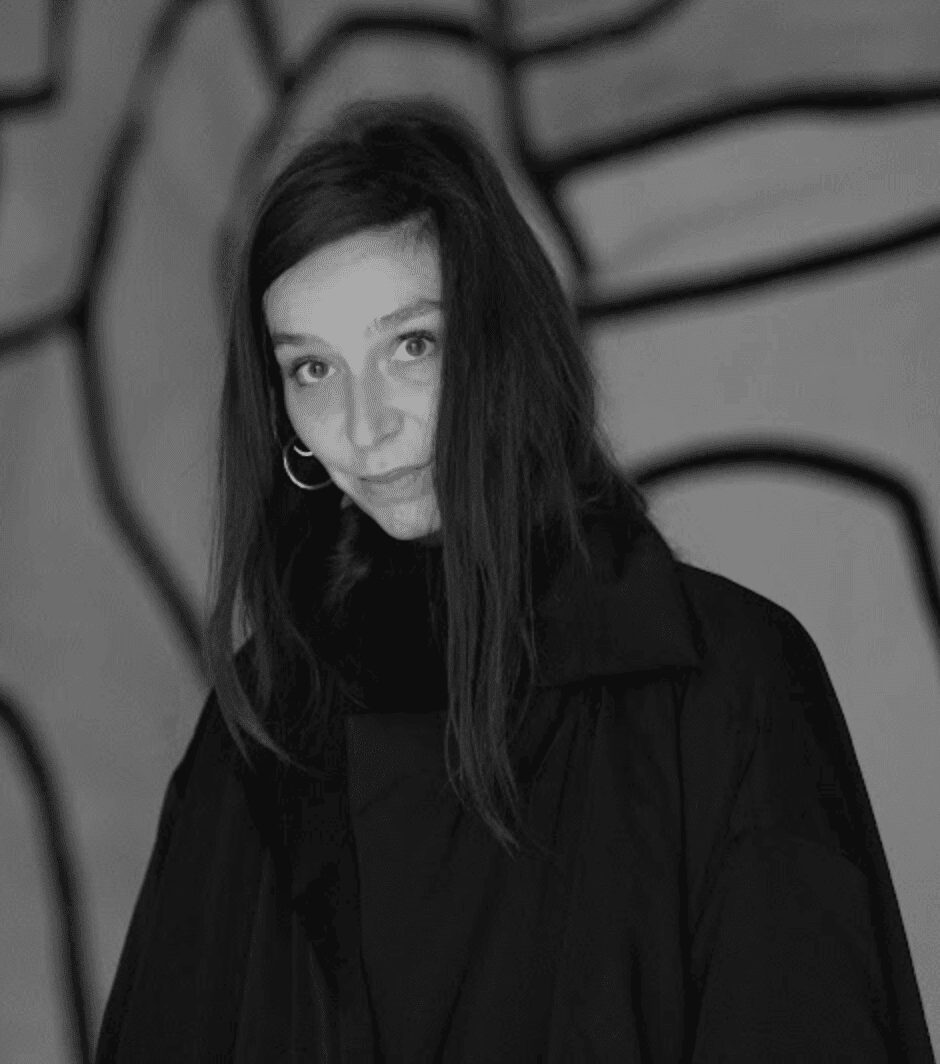
Cinzia Moretti is the founder and Creative Director of Moretti Interior Design, an internationally acclaimed, multi-award-winning interior architecture and design studio based in London. Run by husband-and-wife team Cinzia and Michele, the studio specializes in crafting luxury interiors both in the UK and overseas. Their expertise lies in blending colour psychology, lighting design, and biophilic principles to create spaces that enhance well-being and elevate luxury living.
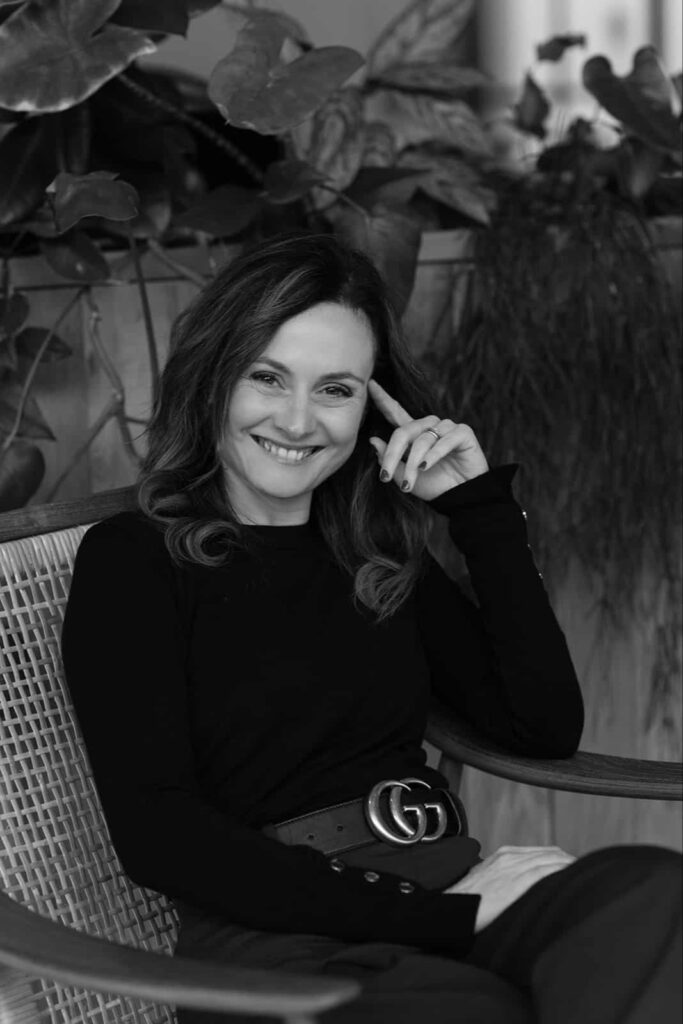
“Great design is not just about aesthetics but about creating a space that reflects and enhances the client’s lifestyle, emotions, and well-being.”
INTERVIEW
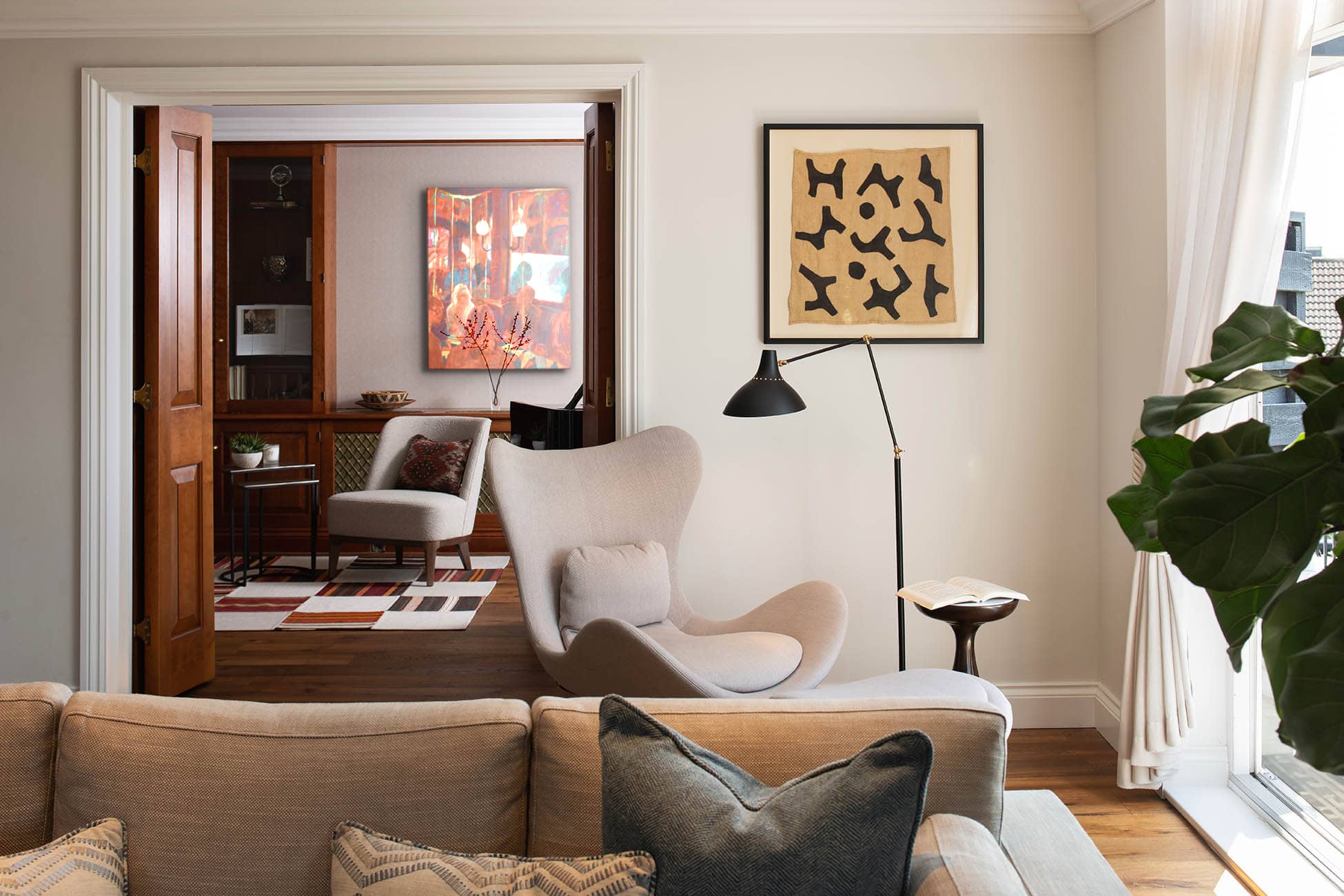
I think that the key to successful interior design lies in a combination of creativity, functionality, and a deep understanding of the client’s needs. In general, in my business, I believe that it comes from a combination of creativity, strategy, and strong client relationships. Having a clear, recognizable design approach sets a designer apart. Whether it’s a focus on biophilic design, color psychology, or luxury interiors, a unique perspective attracts the right clients. But don’t we forget that Interior design is not just about creativity; it’s also about running a business efficiently. Managing budgets, timelines, suppliers, and client expectations is just as crucial as the design itself.
My journey in interior design began when I purchased my first house, which needed extensive renovation. Coming from a family involved in property, I was surrounded by floor plans and architectural drawings from a young age. Interestingly, my background is in ballet, which instilled a deep appreciation for aesthetics and movement.
When I renovated my first home, I approached it with the same discipline and creativity I had learned in dance. The process was both challenging and rewarding, and shortly after, I found myself renovating another property.
Encouraged by those around me who saw my potential, I enrolled in a two-year interior design academy. During my final year, at the Ideal Home Show, someone approached me and asked if I could sketch an idea for their bathroom. I did, they liked it, and I got the job. That opportunity propelled me into the field, and I haven’t stopped since.
Driven by a passion for continual learning, I pursued a second degree in Design and Innovation while running my business. It was during this time that I developed a deep interest in biomimicry, which naturally evolved into a focus on biophilic design and color psychology.
Together with my husband, our company grew organically and expanded internationally.
A defining moment in my career came when I started to deeply explore color psychology and apply it to my projects. Understanding how colors influence emotions, behavior, and well-being transformed the way I approached design.
It has allowed us to connect with our clients on a much deeper level, creating truly bespoke spaces that enhance their lifestyles.
For me, the brief is the foundation of every successful design project—it is the most fundamental stage. Truly understanding the client is at the heart of my process, as I believe that great design is not just about aesthetics but about creating a space that reflects and enhances the client’s lifestyle, emotions, and well-being.
I begin with a psychological brief analysis, delving into the client’s personality, daily routines, and emotional connections to their space. This allows me to design not just visually appealing interiors but ones that feel deeply personal and intuitive.
From there, I find my inspiration in something unique to the client—it could be a specific detail they mention, a treasured piece of furniture, a work of art, or even a memory they associate with home. This element becomes the anchor for the design, shaping the narrative of the space.
I usually start with color, as it has a profound impact on mood and atmosphere. Then, I consider the architecture of the dwelling, ensuring that the design harmonizes with its structure and history. The surrounding landscape also plays a role in influencing materials, textures, and the overall flow between indoor and outdoor spaces.
Our style is not defined by a particular aesthetic, but by an emotional and psychological approach to design, so I would not say I do follow a signature style.
Every project is an exploration of how colour, space, and materials interact to create an environment that is not only beautiful but also deeply personal and functional.
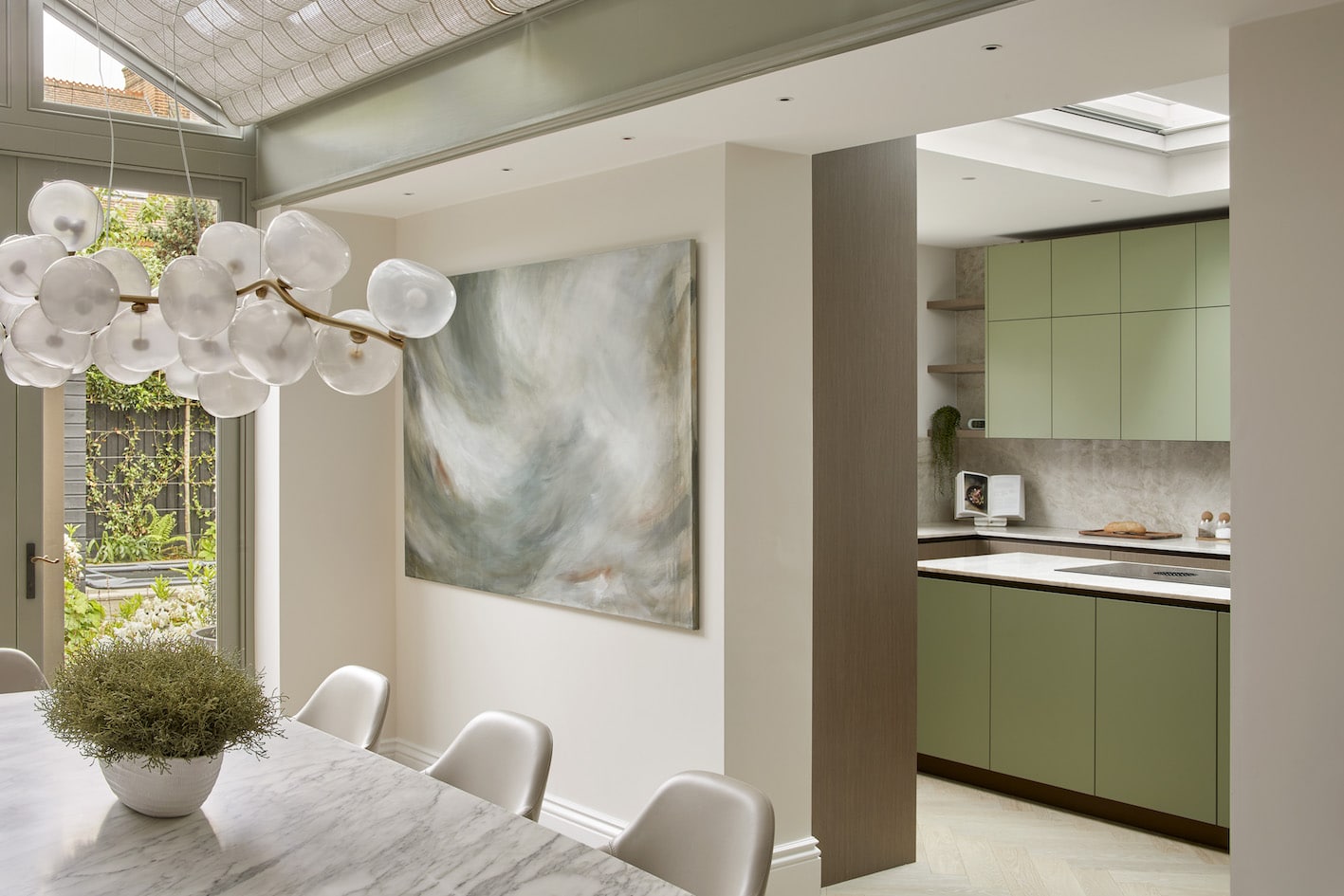
I have to say we love all our projects, so it is really hard to choose, but our Grade II listed property that we completed last year has a special place in my heart. We have been transformed into a refined and sophisticated home while preserving its historical integrity. For the interior, we seamlessly blend classic architectural elements with contemporary design, creating a timeless aesthetic.
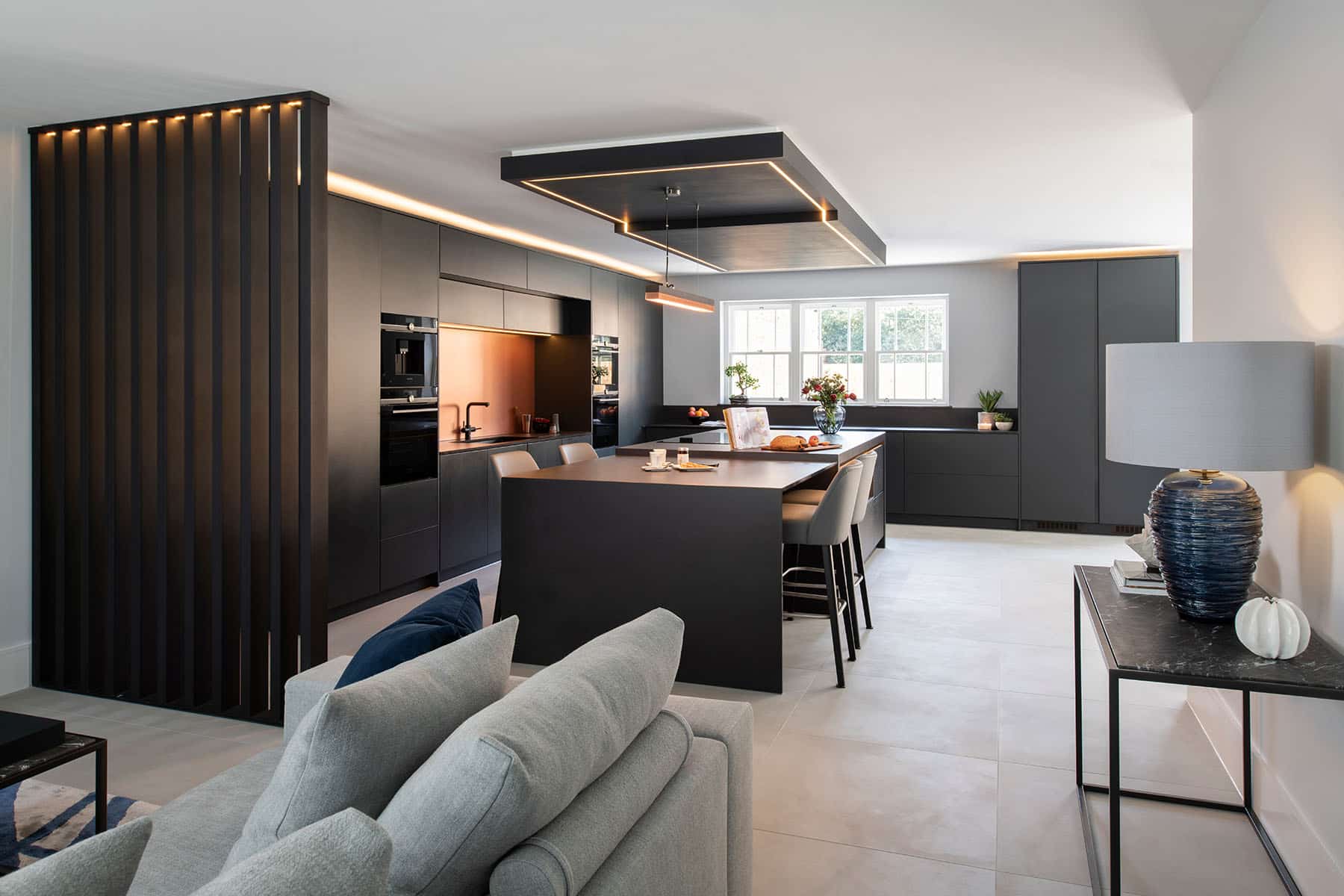
The best advice I ever received came from a friend who works in a completely different industry. She shared valuable insights on managing multiple projects simultaneously and optimizing my time effectively.
Interior design is, after all, a business, and like any other business, its success relies on a strong structure and efficient organization.
The hardest lesson I have learned has to be the ability to say no. It was really hard for me because you want to please my clients and accept proposals, but that can become overwhelming and not healthy for the business.
As Podcast, I recommend following https://www.youtube.com/watch?v=1iW4mxMmo0c, which is my podcast together with David Del Greco.
A book I recommend is “The Greatest Rooms of the Century” – Phaidon, and “Kelly Wearstler: Evocative Style” – Kelly Wearstler
My tip will be to layer your lighting in each project. The design does not come alive if the lighting is not considered properly.
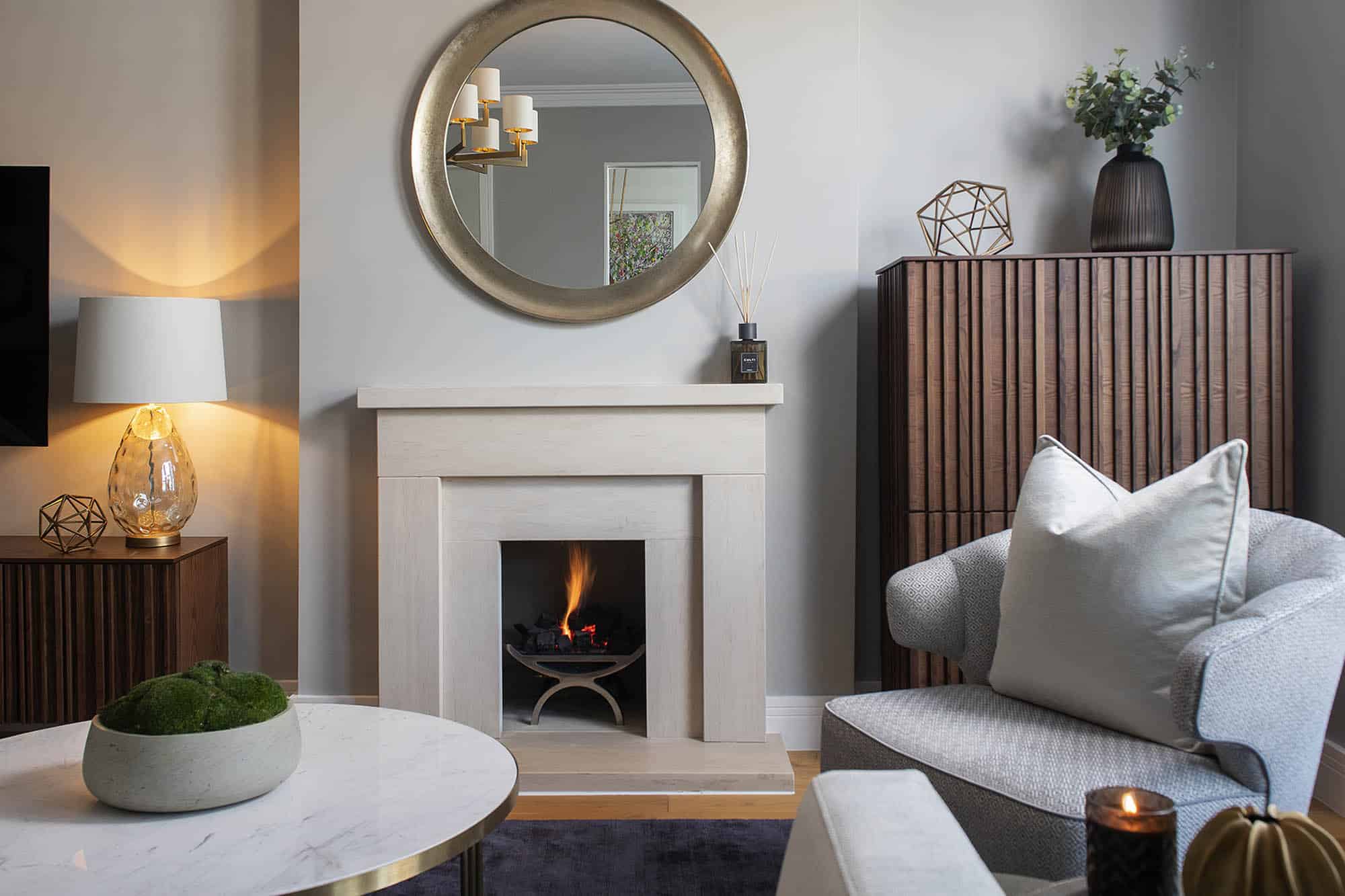
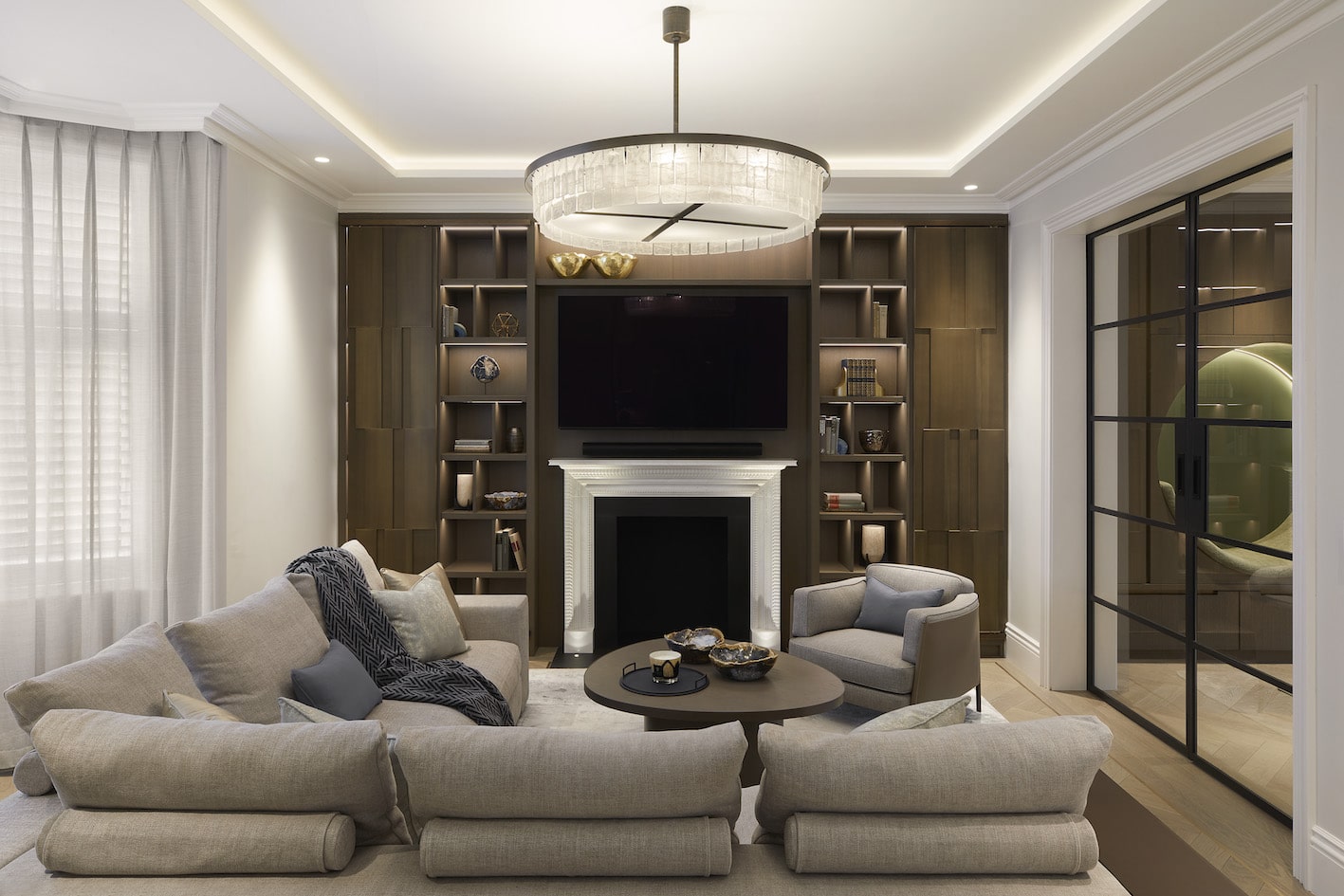
In the living room at a Grade II listed project, for instance, we created different lighting scenes with the aim of enhancing the space, creating a warm, inviting ambiance, and accentuating both modern and traditional features seamlessly.
We have a few exciting upcoming projects, such as an apartment in Monaco, a few properties in Dubai, a historical villa in Venice, and a few projects in Central London and in Hertfordshire.
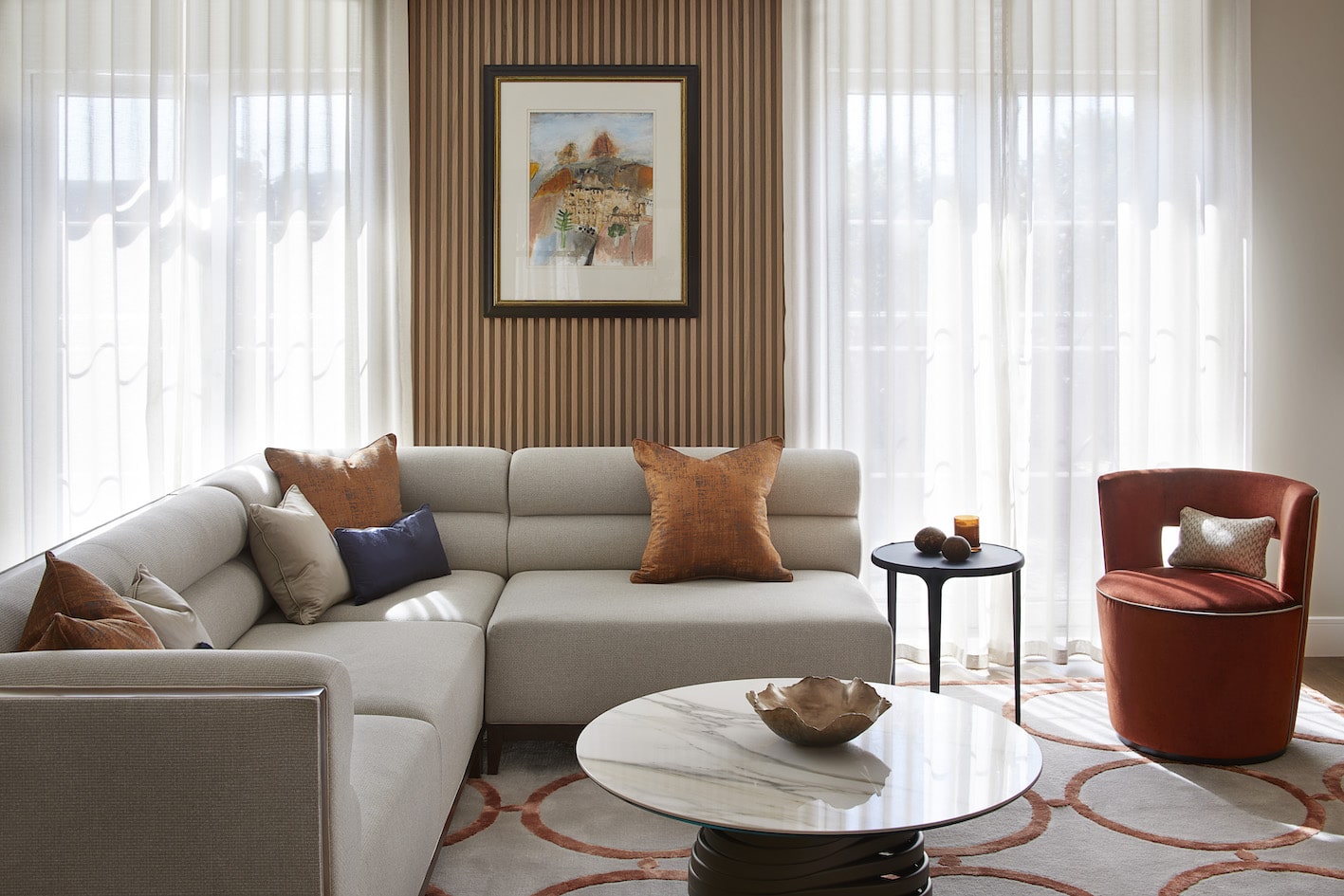
favorite pieces from the Philia Collection
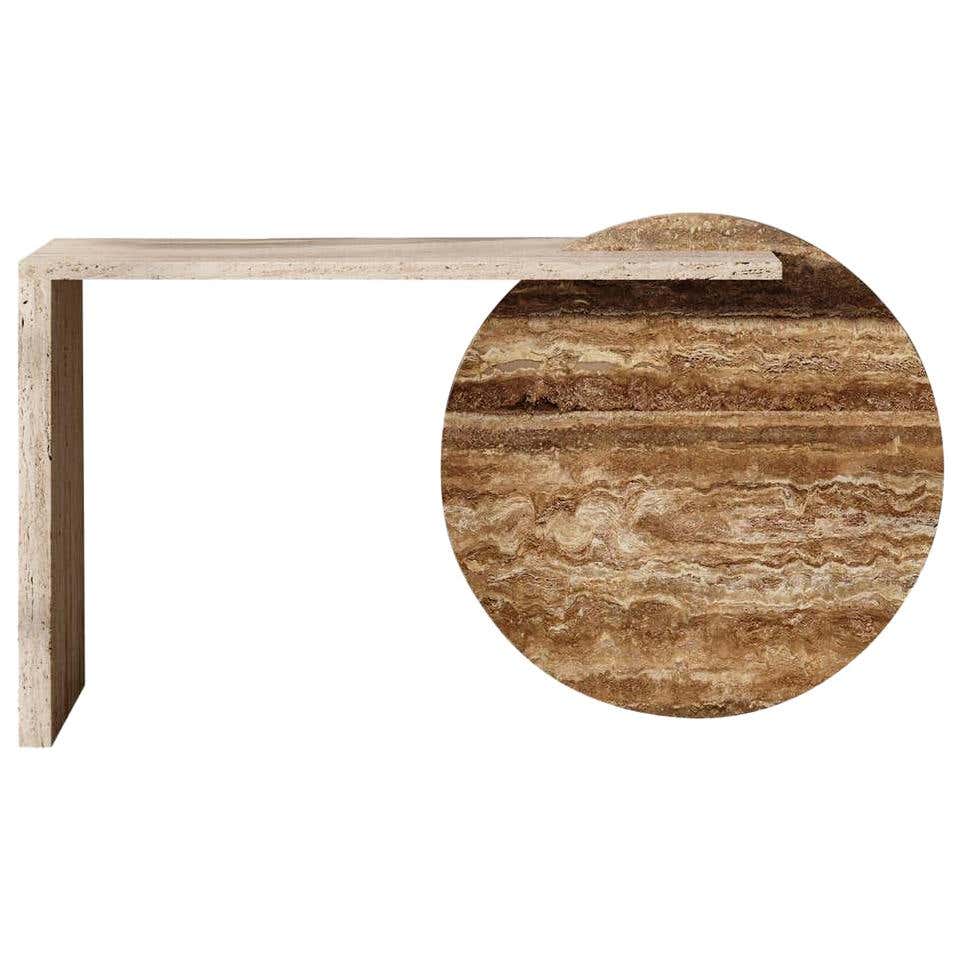
Gol. 001 Marble Console Table by Chapter Studio
This console is unique work of art with its own personality and soul. This combines effortless composition with an eccentric design and will be a stunning focal point for an entrance.
Thank you so much Cinzia, for this lovely interview!
Share article :
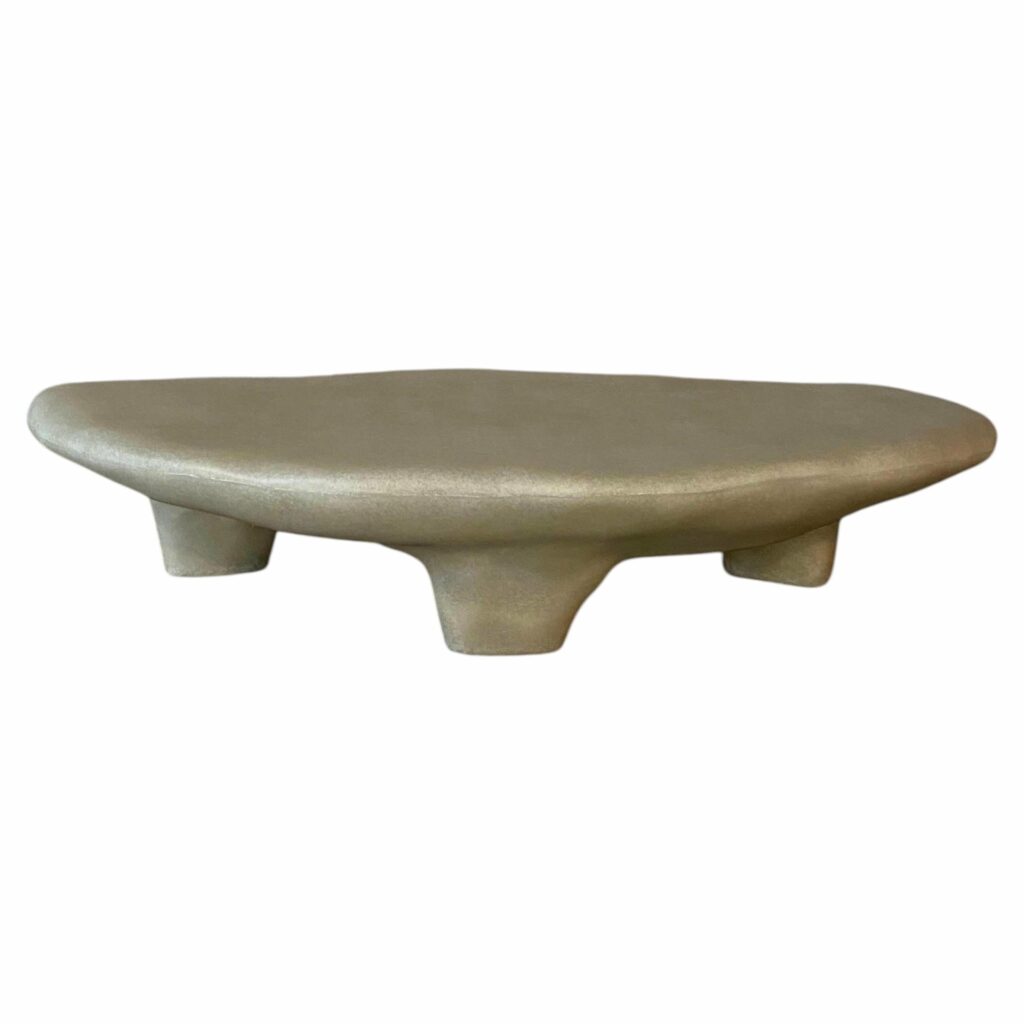
This coffee table is a beautiful sculptural piece inspired by ancient three-legged utensils, reflecting a blend of historical influence and contemporary design. Its triangular structure and irregular lines create a solemn yet organic aesthetic.