
Luca Rizzi Brignoli – V10 Studio
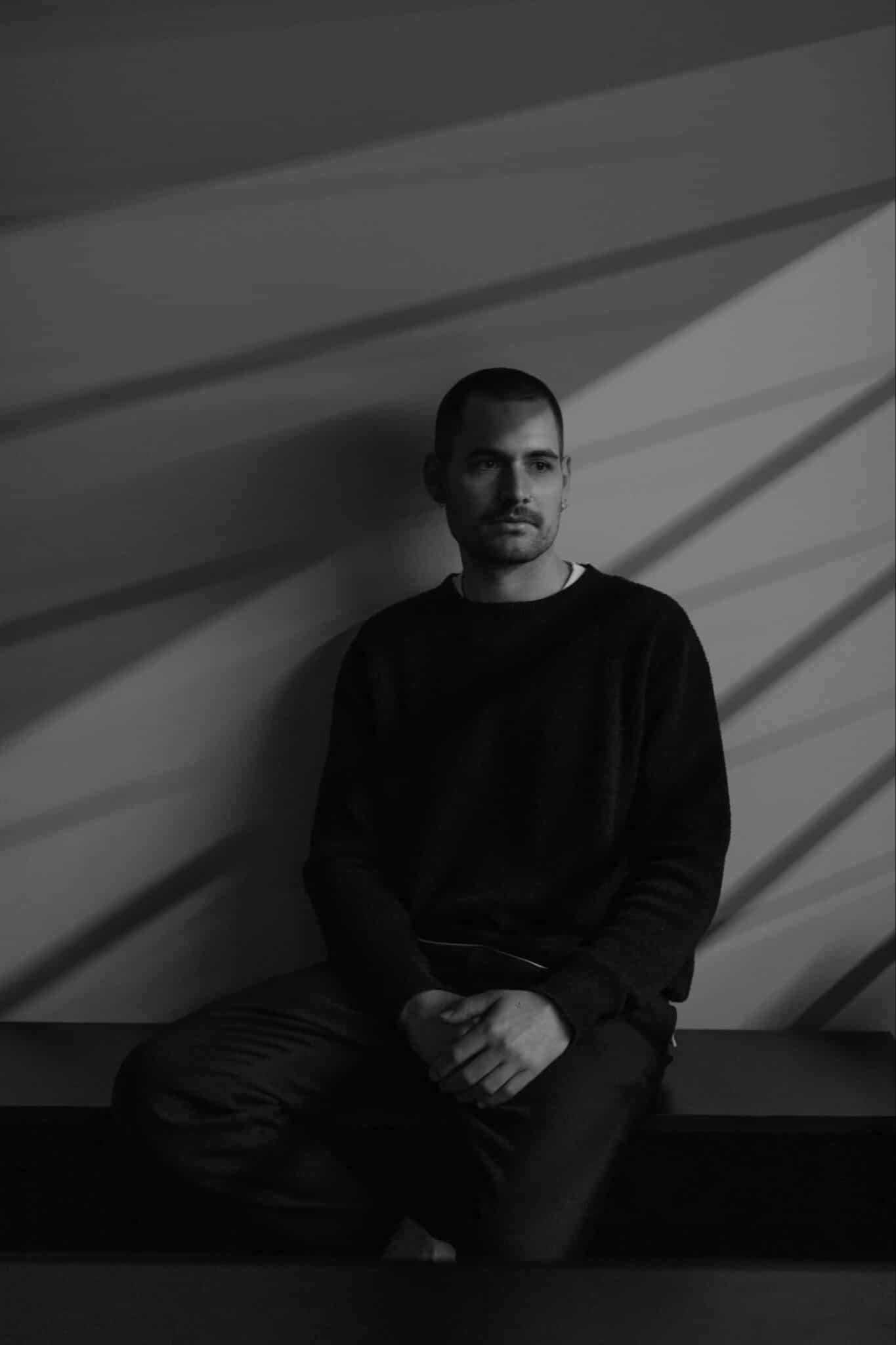
Luca Rizzi Brignoli is an Italian architect and designer, and co-founder of V10 | 惟拾设计, a cross-cultural design studio established with Chinese architect Fang Zhou. Working across architecture, interiors, and collectible design, the duo develops projects that merge Italian design heritage with contemporary Oriental perspectives, creating spaces and objects shaped by material exploration, craftsmanship, and cultural dialogue.
Coming from a family of furniture makers, Brignoli brings a deep appreciation for making and production to his practice. Through architecture, furniture, and collectible objects, he explores repetition, rhythm, and the expressive potential of materials, creating works that balance architectural clarity with refined craftsmanship while transcending fixed stylistic boundaries.
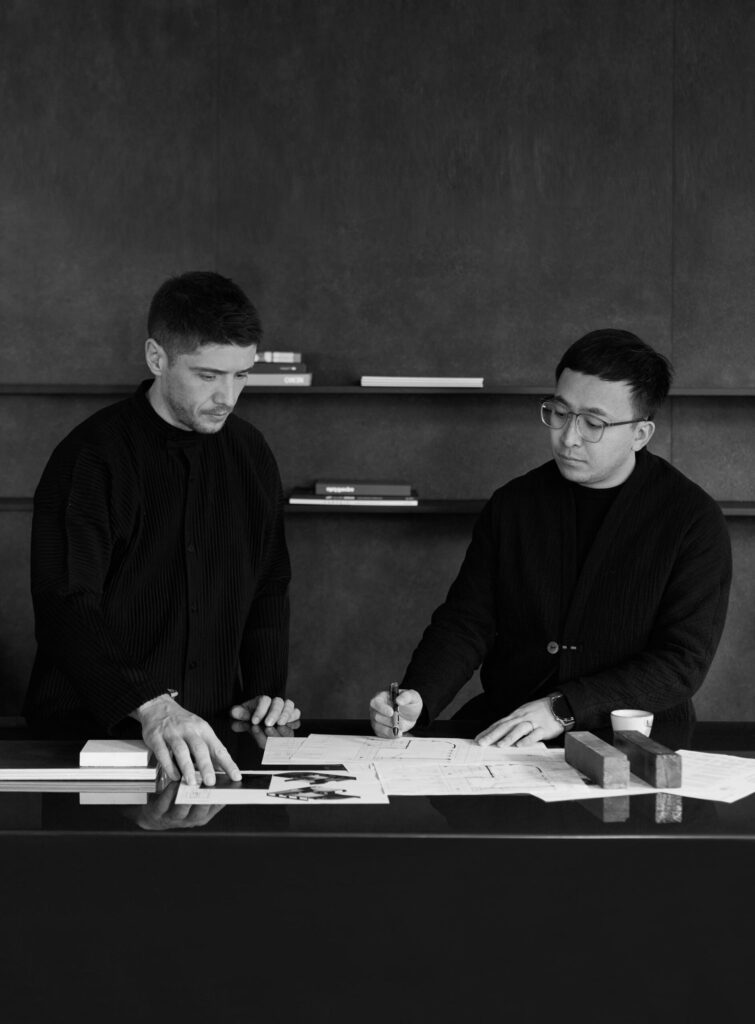
“We are interested in creating spaces and objects that reveal more the closer you look at them.”
INTERVIEW

Villa 29, Shanghai. Custom aquarium carved into stone
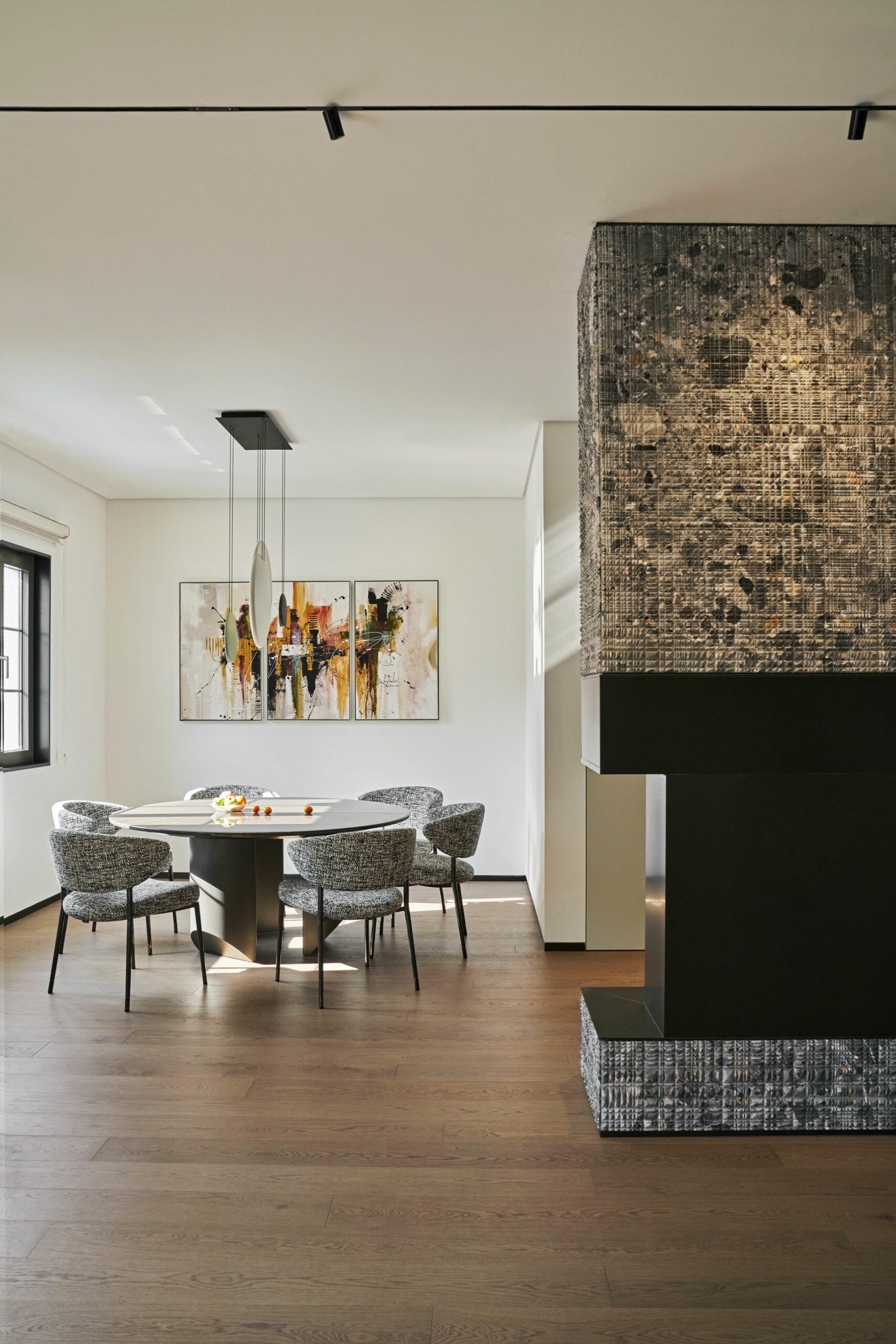
Each project starts differently, sometimes from a material, sometimes from an atmosphere, sometimes from a conceptual idea.
What we always try to do is reduce it to a simple title and image that captures its essence. It becomes a way to guide the process and communicate it clearly.
In a way, it’s like a film; the title doesn’t always come first, but it defines how the work is remembered.
It started very early, growing up around my grandfather’s furniture company, Saporiti Italia. I spent a lot of time as a child in the factories, surrounded by prototypes, materials, and production spaces.
It was a very inspiring environment, not only creatively, but also in terms of entrepreneurial energy. He worked closely with architects and designers during a very experimental period in Italy, and that mix of design and industry stayed with me.
Even though I initially studied architecture to build my own path, I naturally returned to interiors and furniture later on. Today, my work moves between architecture, interiors, and collectible design.
Yes, moving to Shanghai.
After studying and working in Europe and spending time in London, arriving in China for the first time completely changed my trajectory. It was a moment of discovery, but also an opportunity.
I’m still very grateful to China, as it gave me the possibility to start my own studio and build an independent practice.
Curiosity.
Design today requires openness to materials, technologies, and ways of living. We’ve always tried to stay early in adopting new tools and ideas, including AI, not as a trend but as part of the creative process.
At the same time, clarity of identity is essential: knowing who you are, but staying flexible enough to evolve when opportunities appear.
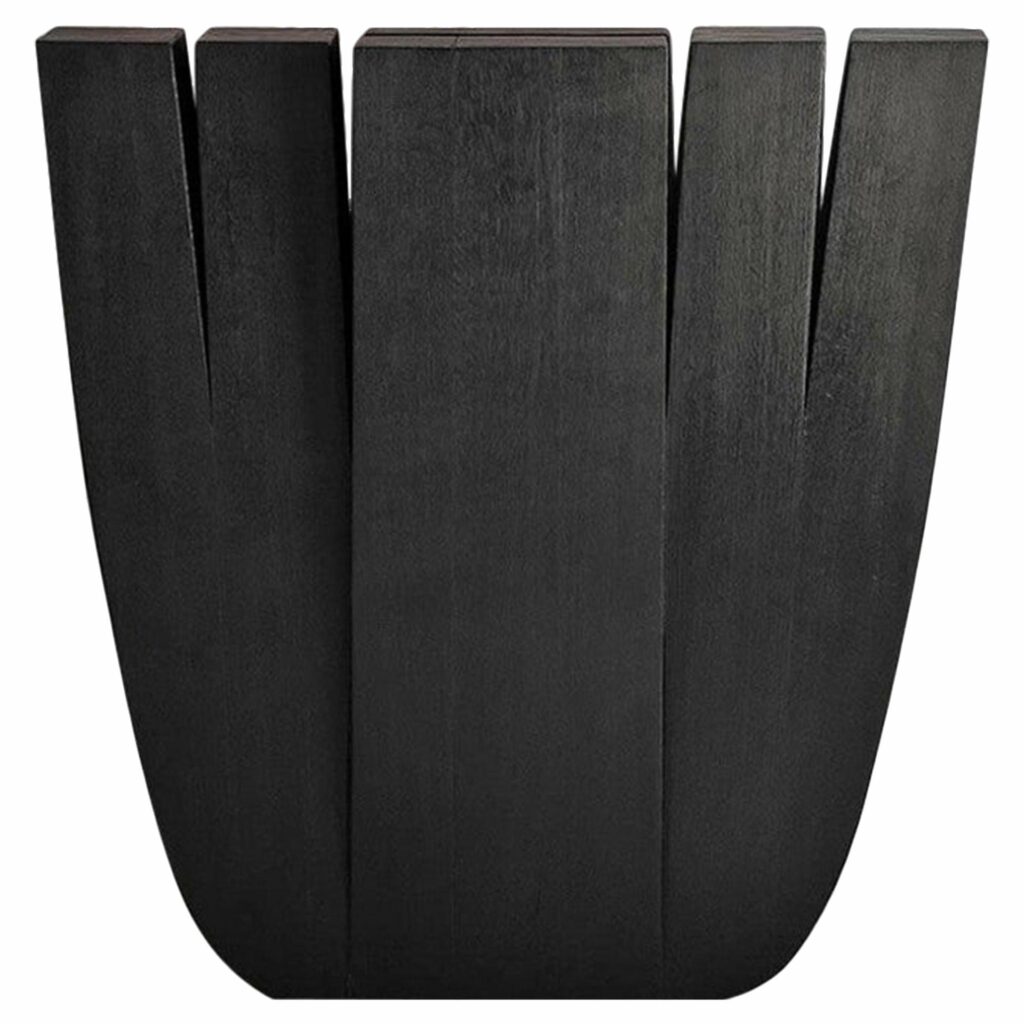
favorite pieces from the Philia Collection
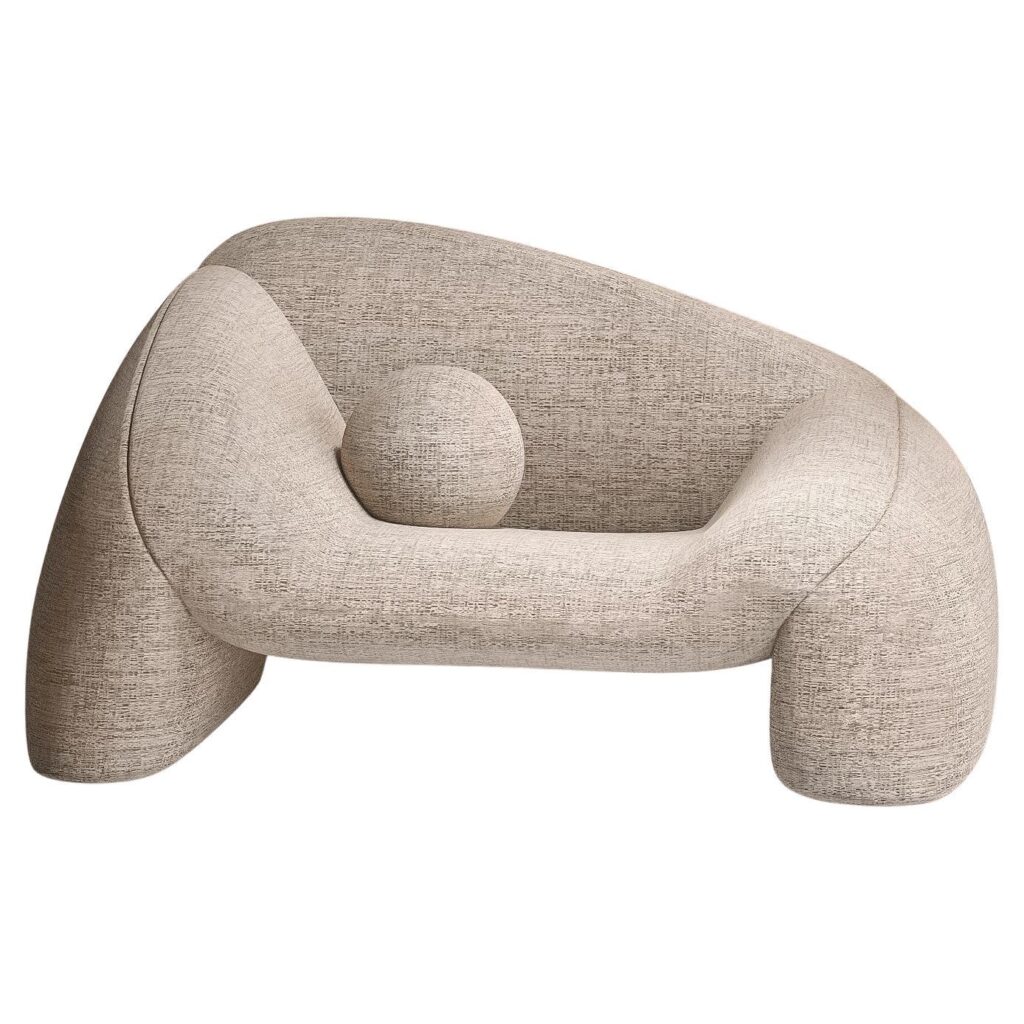
Jell Armchair by Alter Ego Studio
The Jell Armchair is interesting for its asymmetry and its tension between comfort and form.
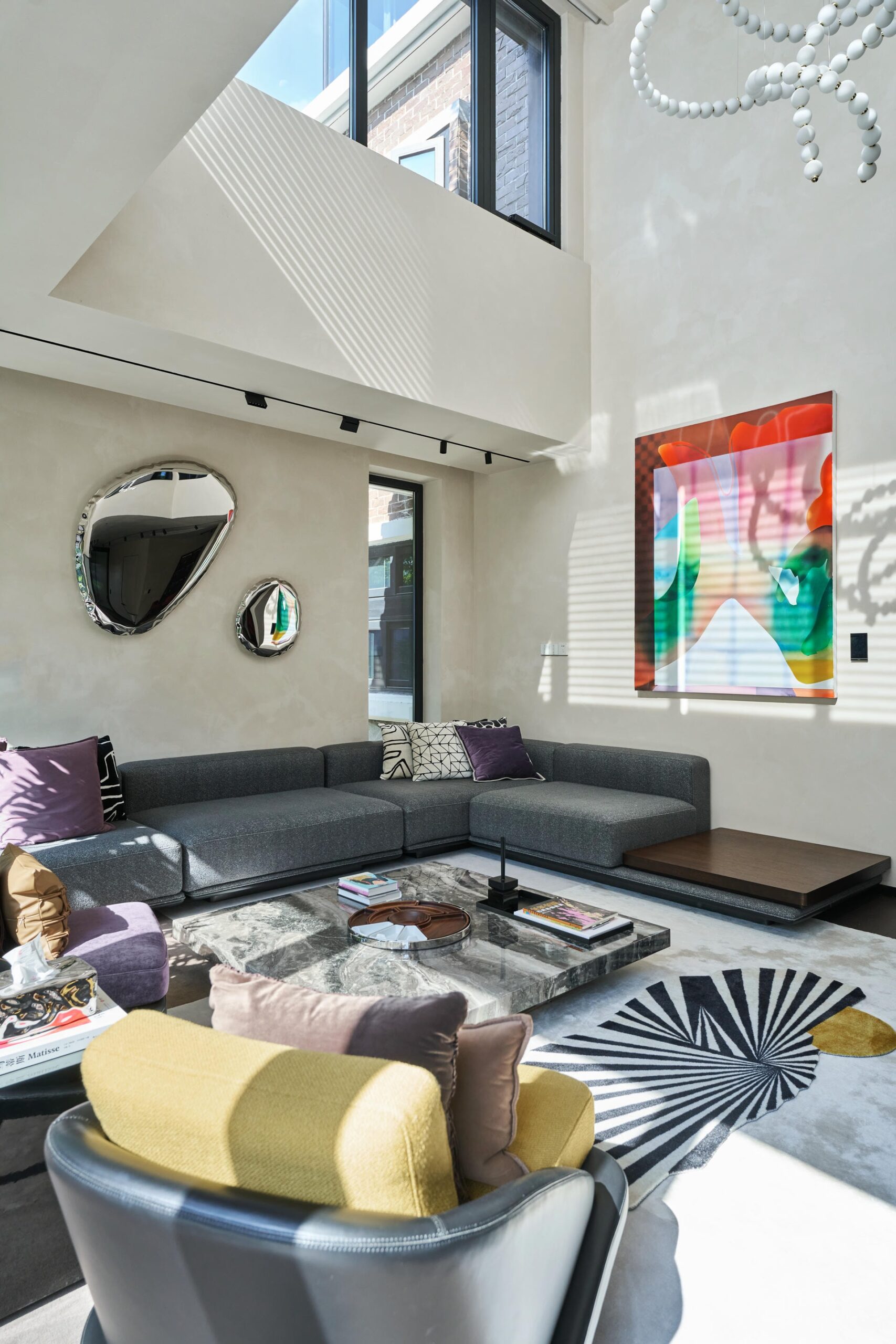
Villa 34, Shanghai. Renovated double-height living space
Stay curious and build relationships beyond design.
Some of the most valuable influences come from music, cinema, literature, and art. These disciplines expand how you think and how you design.
And it’s important to build those connections early—because they often become a long-term creative ecosystem.
Our work is built on a cross-cultural foundation between Italian and Chinese design thinking.
From this dialogue, we develop what we call warm minimalism, a balance between simplicity and richness. Italian influence brings detail, texture, and material warmth, while Chinese influence brings clarity, composition, and restraint.
The result is a quiet but layered aesthetic, where minimal forms are enriched through light, tactility, and material depth.
One of the most meaningful projects for us was our first studio project—a gallery in Shanghai.
The concept was based on contrast: black and white spaces designed for exhibitions and performances. It was a very pure idea, but it set the foundation for many themes we still explore today—contrast, narrative space, and the relationship between art and architecture.
Learning how to listen properly.
Working across cultures taught me that communication is not always direct. You need to understand the meaning beyond words.
Over time, I learned that design becomes much stronger through dialogue—especially when balancing conviction with openness.
Travel as much as possible.
Travel shapes perspective more than anything else. It keeps your work open, culturally aware, and constantly evolving. It remains one of the strongest sources of inspiration in my practice.
I would mention Carlo Scarpa, L’Arte di Esporre.
What inspires me most in his work is not only the theory, but the way he approaches detail, material transitions, and exhibition space with such precision and sensitivity.
We are interested in creating spaces and objects that reveal more the closer you look at them.
From a distance, a project should feel clear and immediate. But as you approach it, and then go even closer, more layers should appear—material, detail, and intention.
This idea is central to our work, especially in our collectible design series at V10 Gallery, where we develop our own series of collectible design projects.
For example, our table Lapis incorporates real pencil shavings embedded in resin. From afar, it reads as a simple surface. But up close, it reveals its origin—traces of drawing, iteration, and process.
It becomes a visual representation of design itself: ideas, sketches, revisions, and evolution embedded into the object.

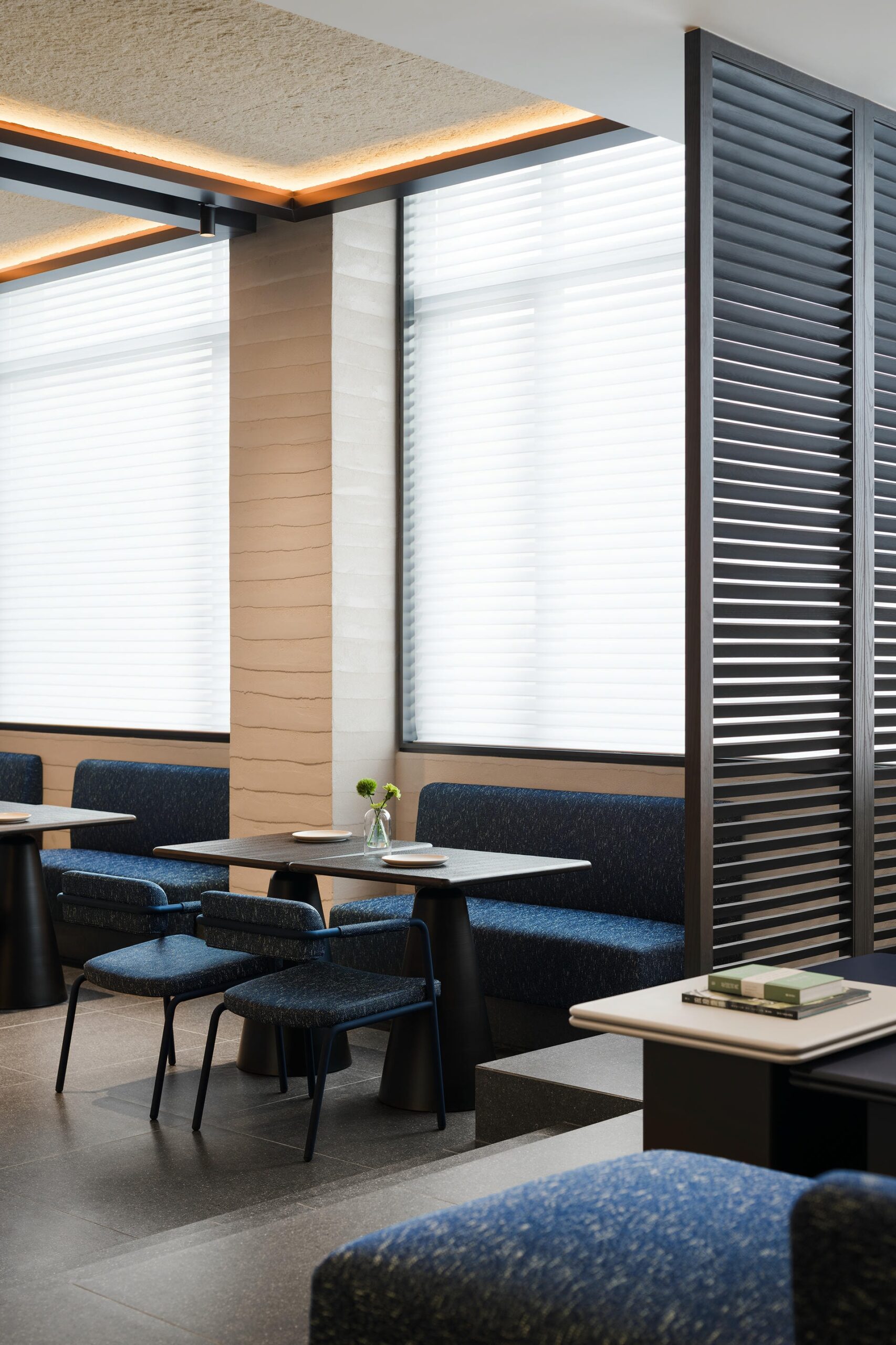
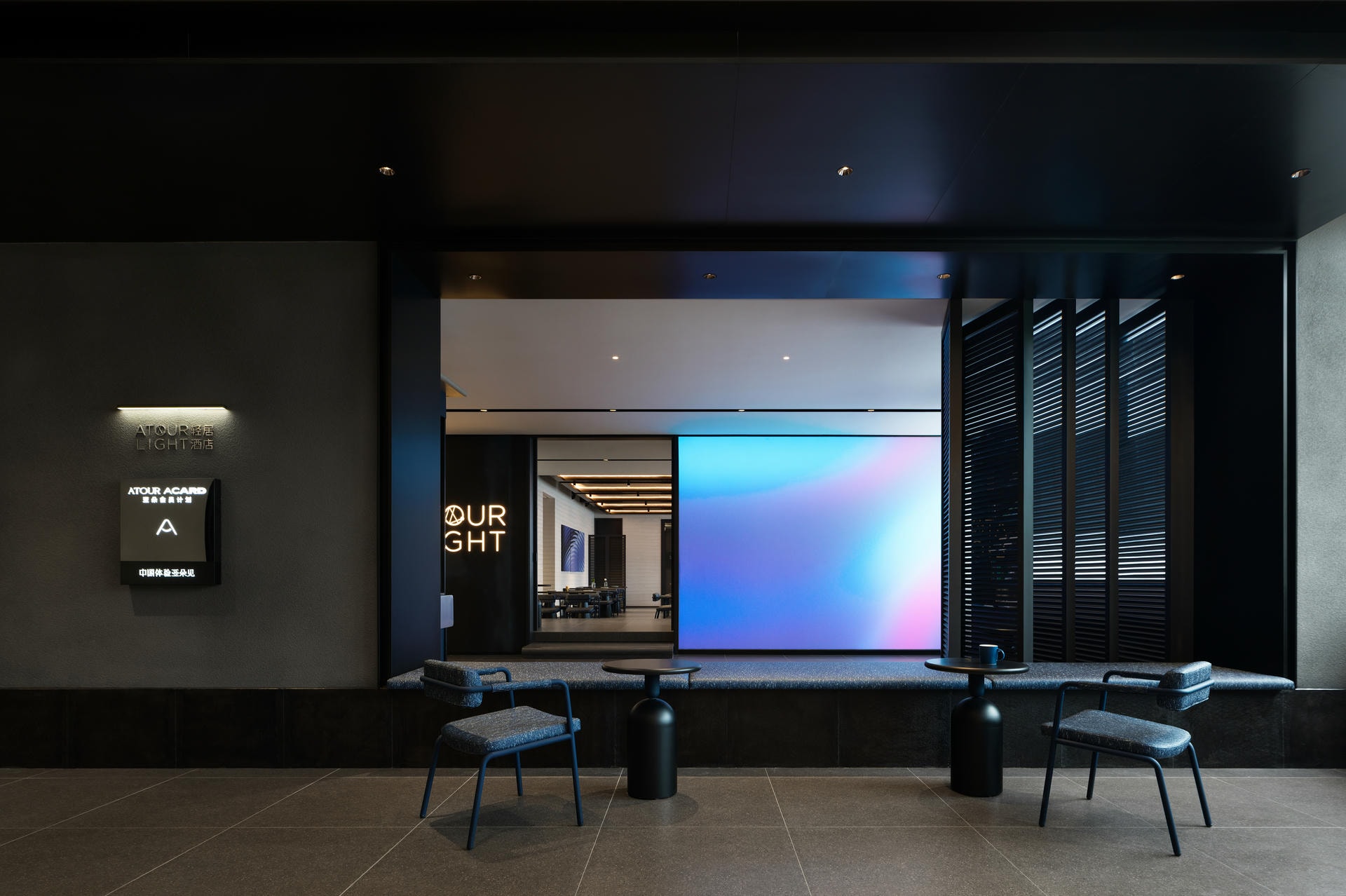
Atour Light Hotel. Restaurant with sculptural partition screens
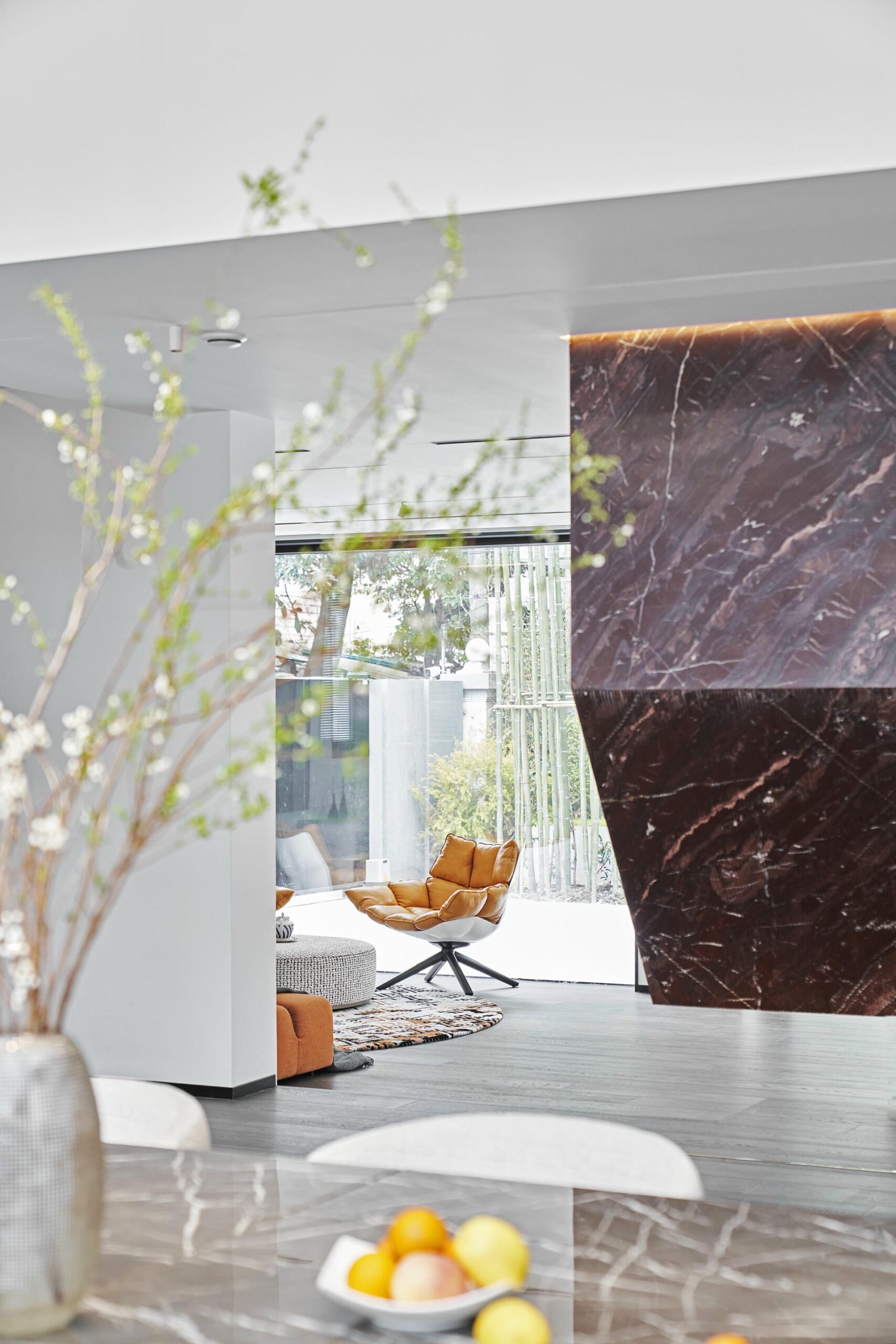
Villa 18, Shanghai. Renovation of an existing villa
At V10惟拾设计, our work spans hospitality, residential, and collectible design, always through a dialogue between Italian and Chinese perspectives.
In hospitality, we collaborate with international groups and Chinese developers to develop new concepts for contemporary hotel experiences. From new brand creations to individual boutique hotels.
We are also currently working on a private art collector’s residence in Hangzhou, exploring the relationship between art, architecture, and collectible furniture.
We continue to develop new collectible design pieces, which will be presented during Salone del Mobile 2026.
Looking forward, we are expanding into the Middle East, particularly Dubai and Riyadh, markets that feel dynamic, experimental, and naturally aligned with our cross-cultural approach between Europe and Asia.
At the core, our ambition is to continue building a practice that connects cultures, scales, and disciplines through a clear design language.
Thank you so much Luca, for this lovely interview!
Share article :
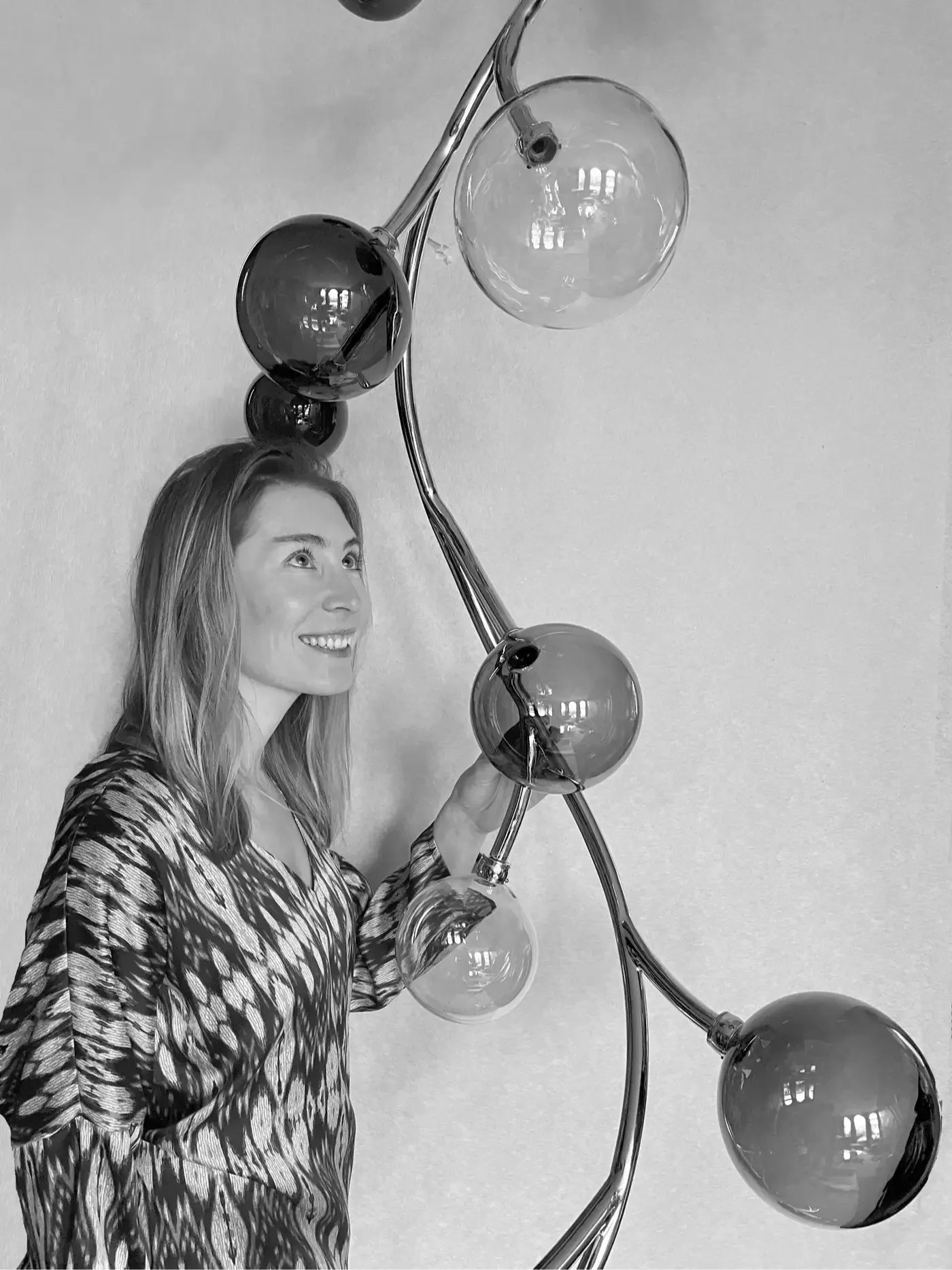
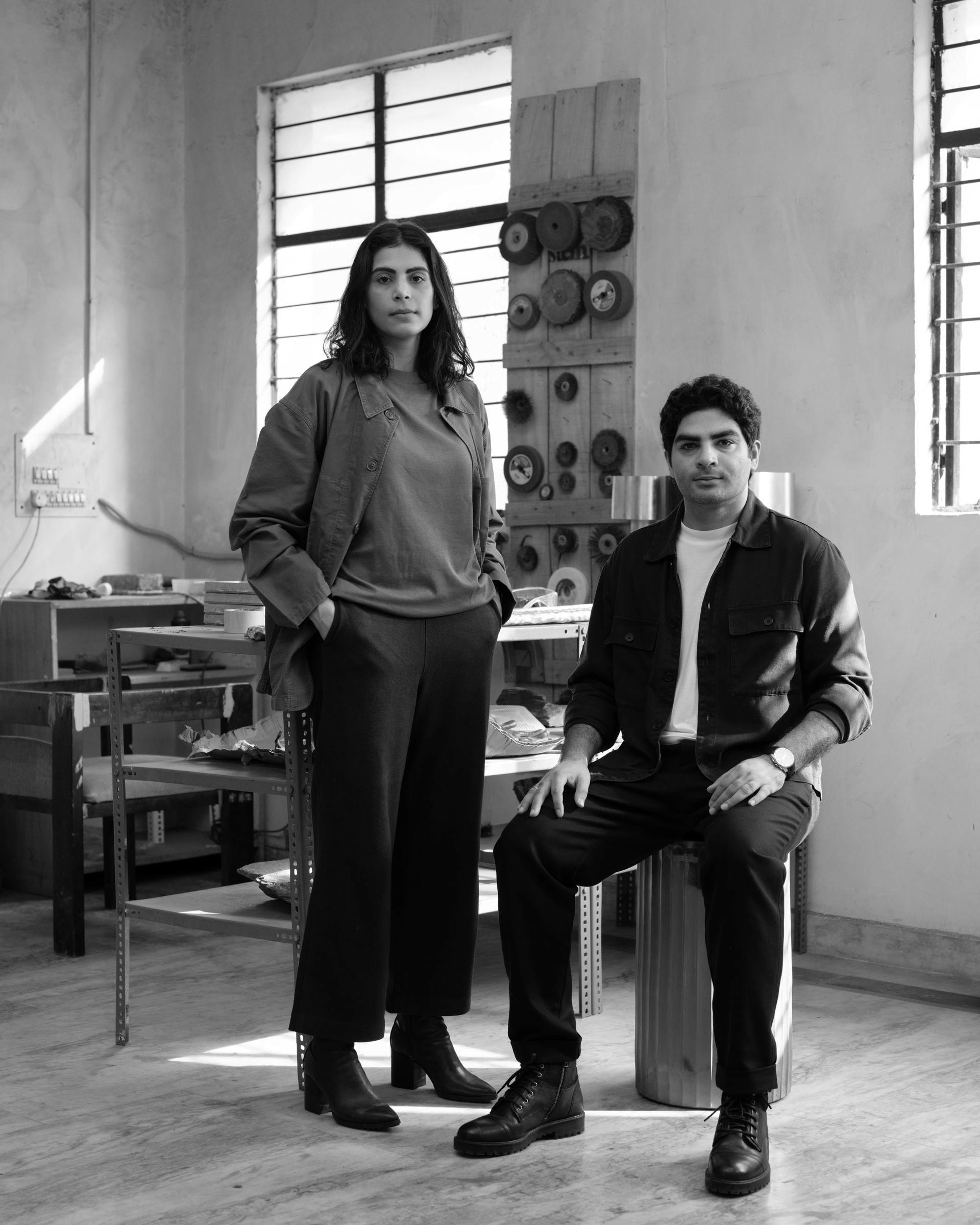
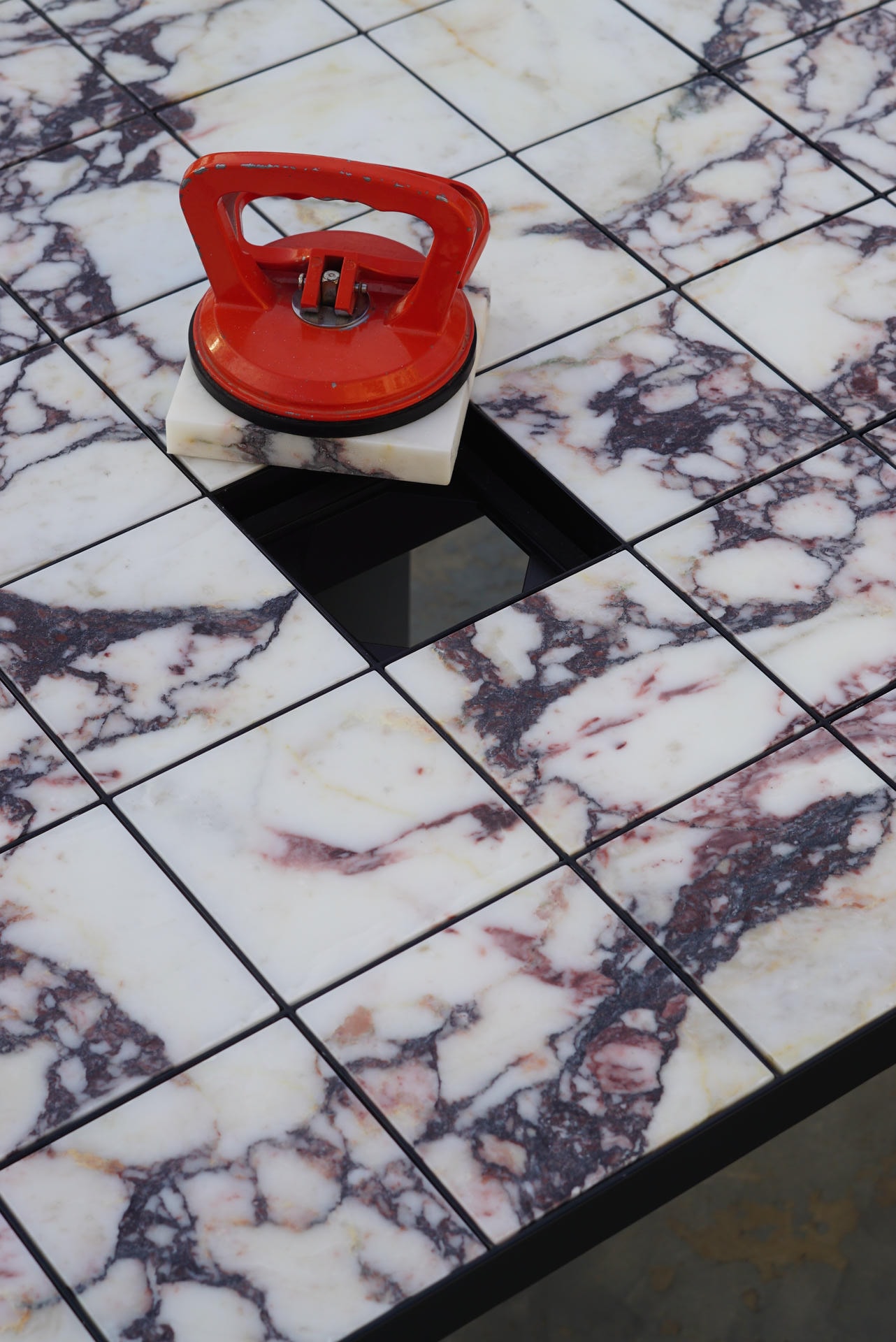
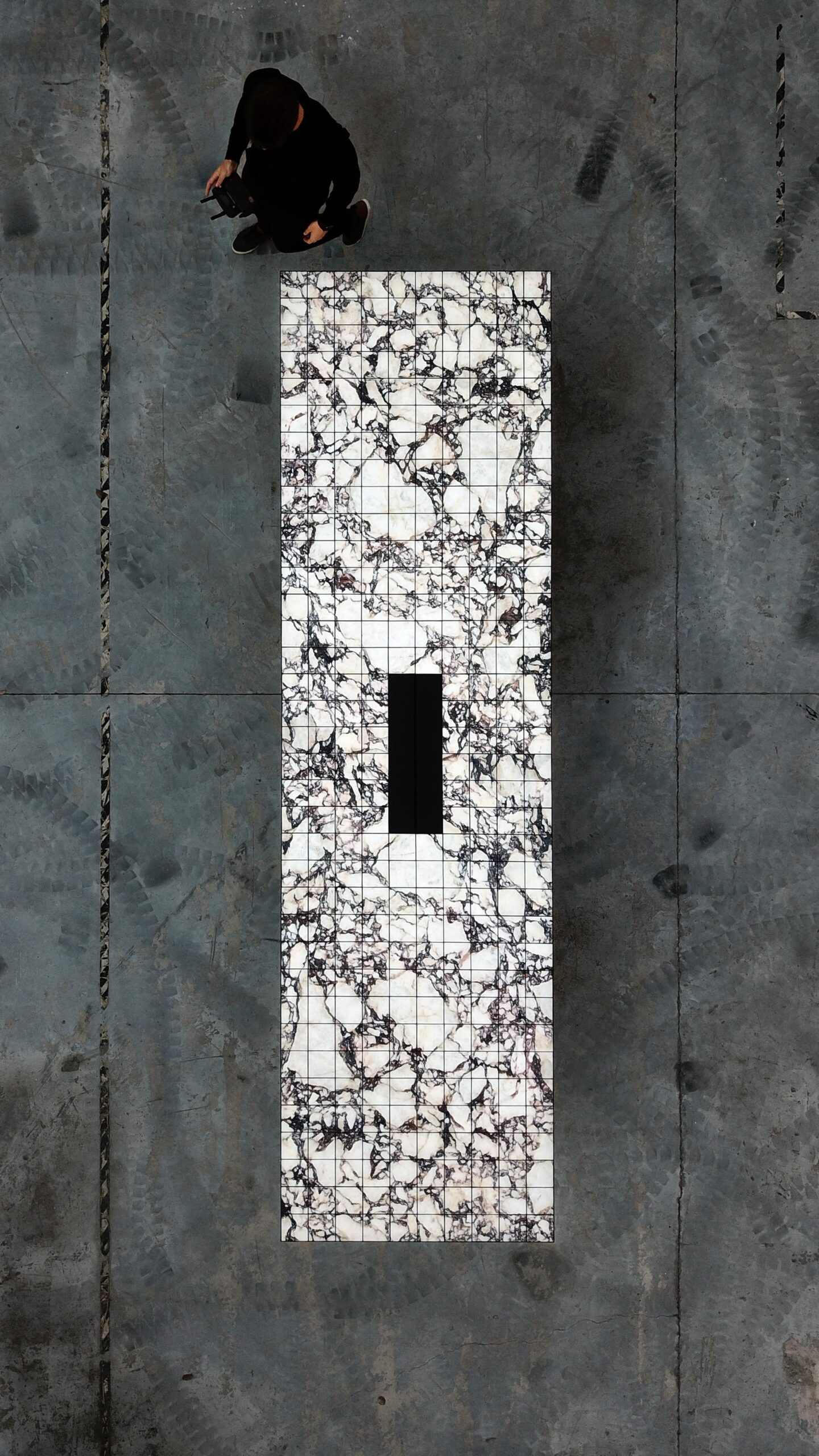
The Hallway Table challenges the idea of the table as a flat surface and becomes almost sculptural.