Mati Sipiora
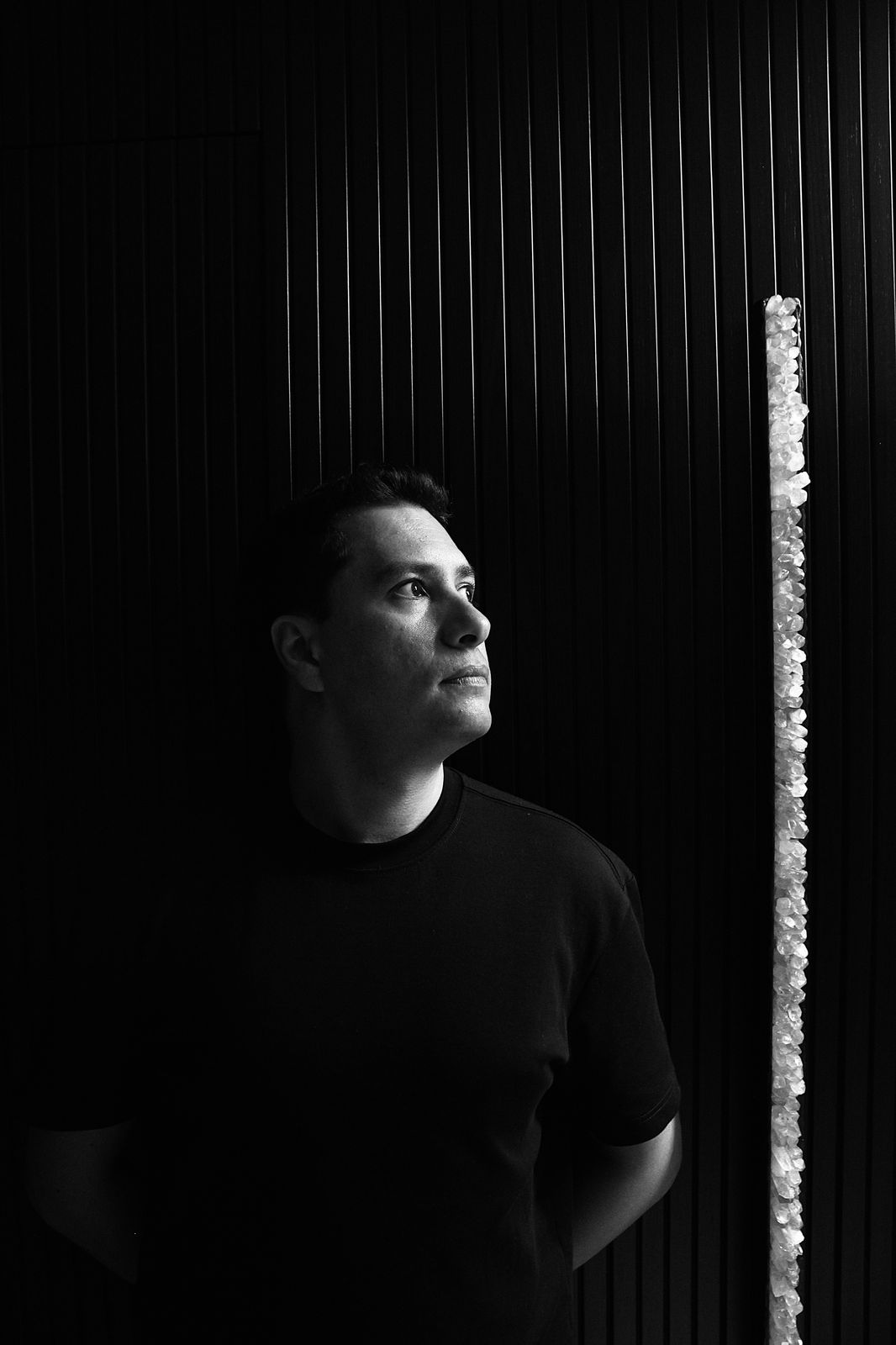
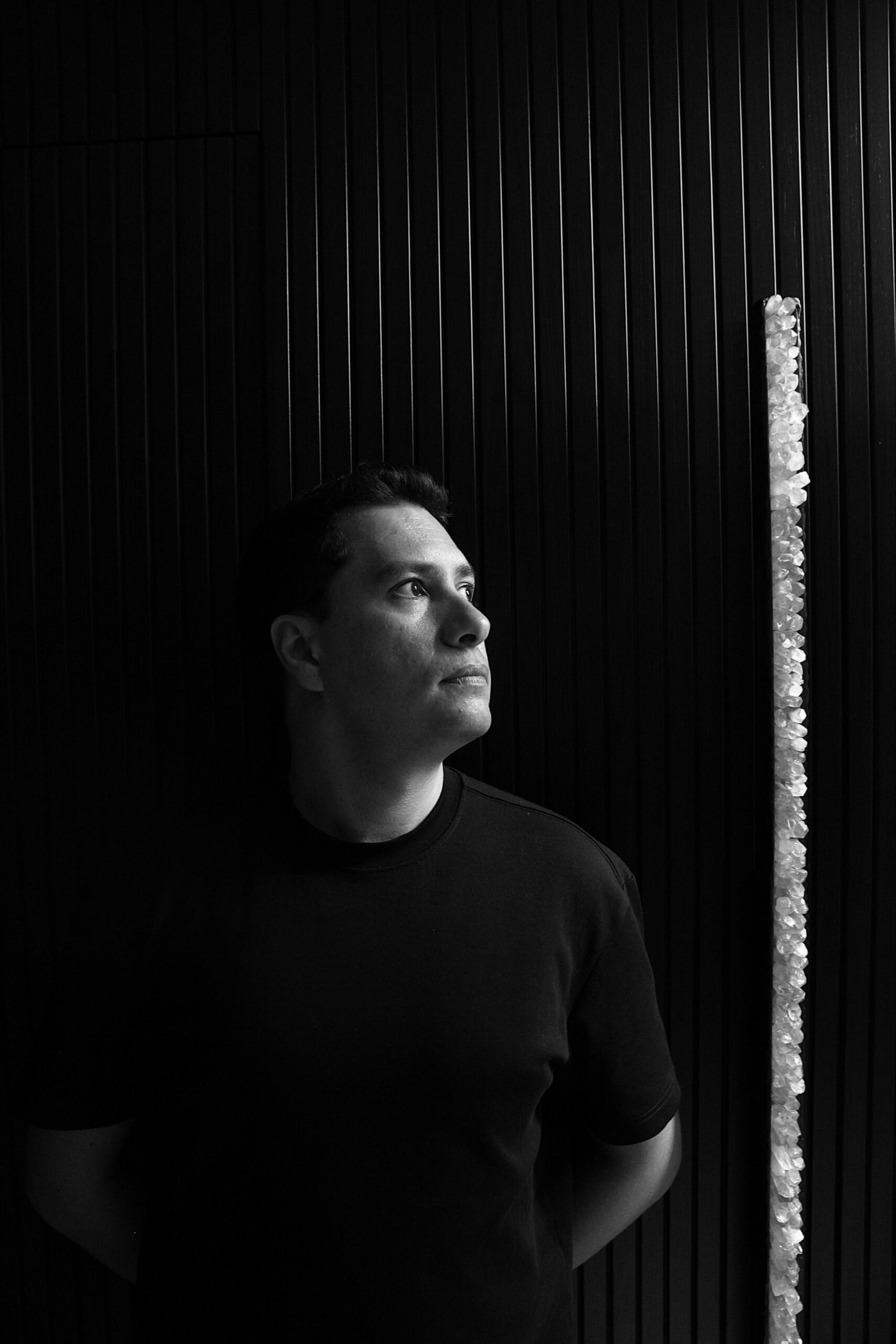
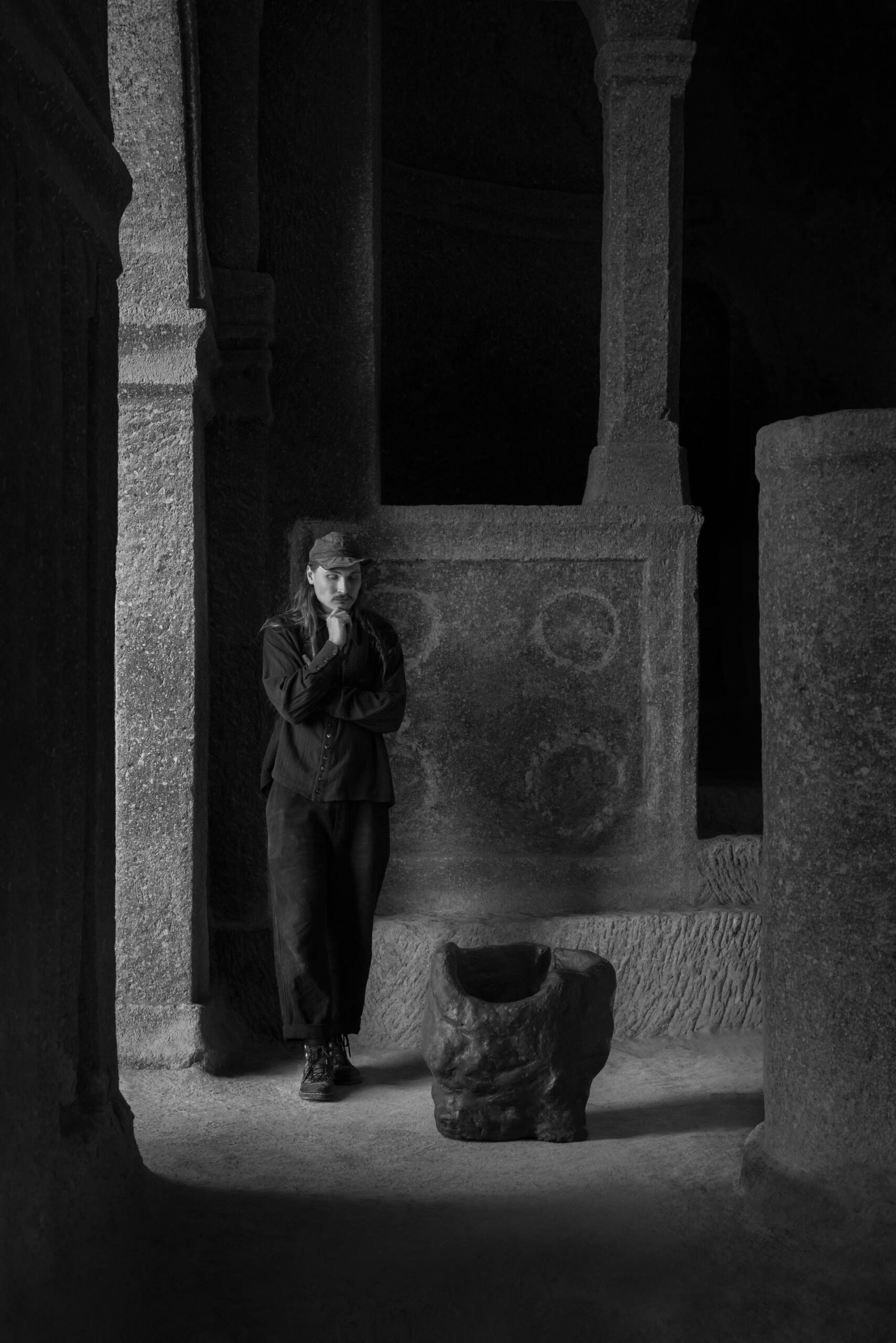
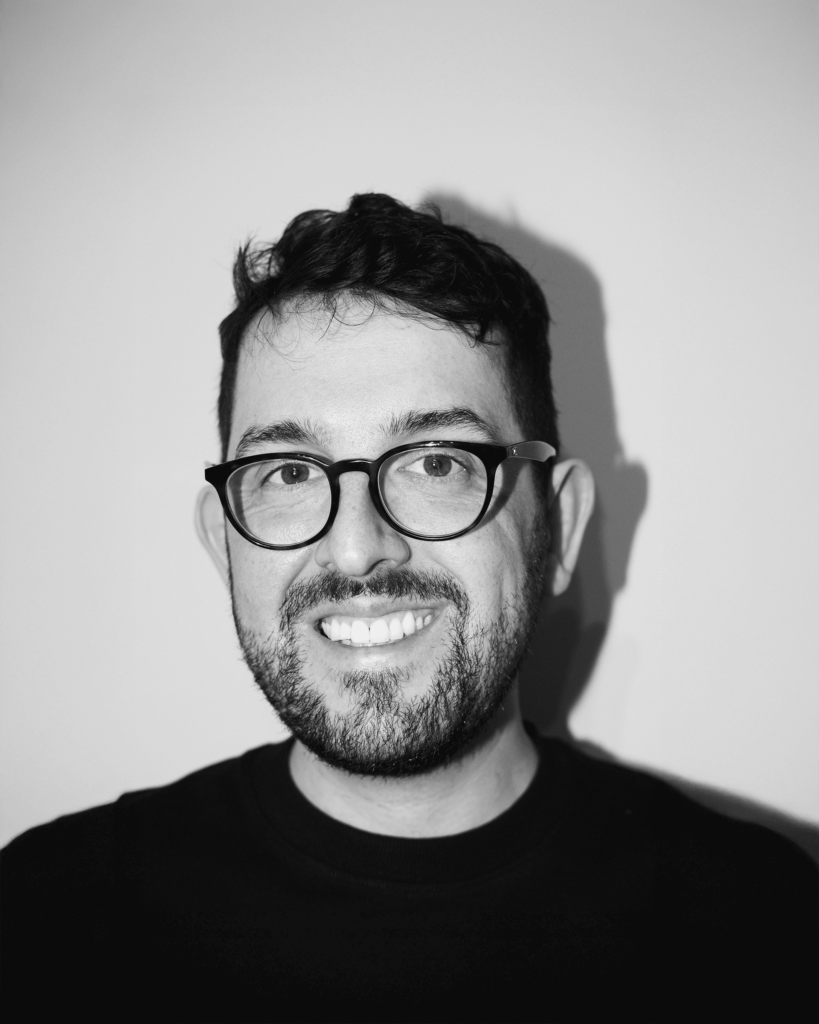
Mati Sipiora is a Polish designer and craftsman whose furniture practice grew out of his family’s metalworking workshop in Czepino, Poland. Combining contemporary design with traditional techniques, he creates small-batch objects entirely by hand, working primarily with steel. Using tools such as a lathe, hydraulic press and welding equipment, he explores minimalist forms through a direct engagement with the material, deliberately avoiding CNC machining and automated production.
Sipiora holds a PhD in design and spent more than a decade in industrial design, with a particular focus on products for people with neurological impairments. After gaining professional experience in Poznań and Berlin, he returned to the family workshop to establish his independent practice. His work, including the Poodle Armchair and Cosmic collection, builds on more than 30 years of family metalworking expertise through material exploration, precise craftsmanship and a considered approach to production.
Interview
I was born in Gryfino, Poland. But in a more honest sense, I am from a metal workshop in Czepino, a small place where my family has been bending steel for forty years. I grew up between lathes and welding machines, which explains a lot.
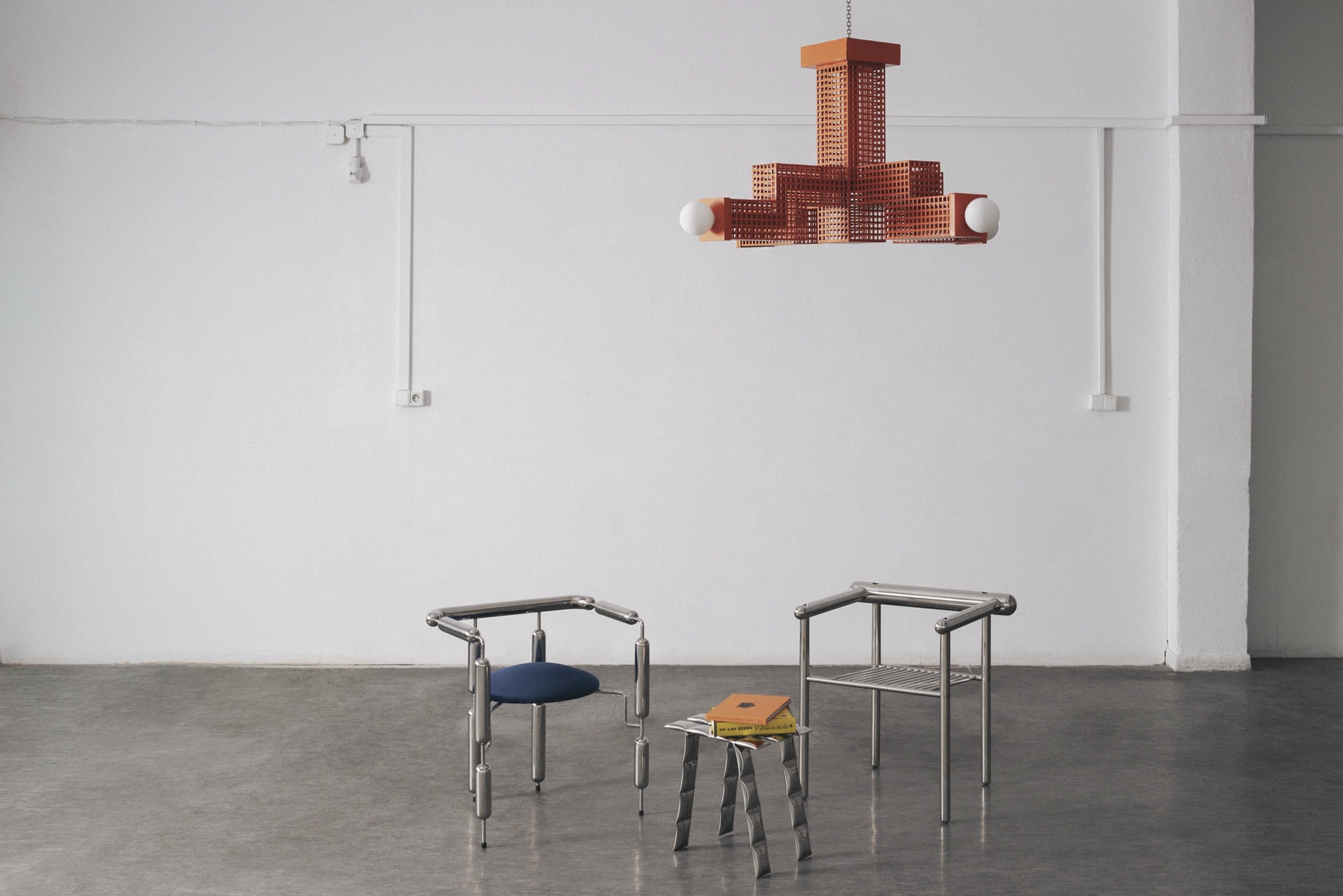
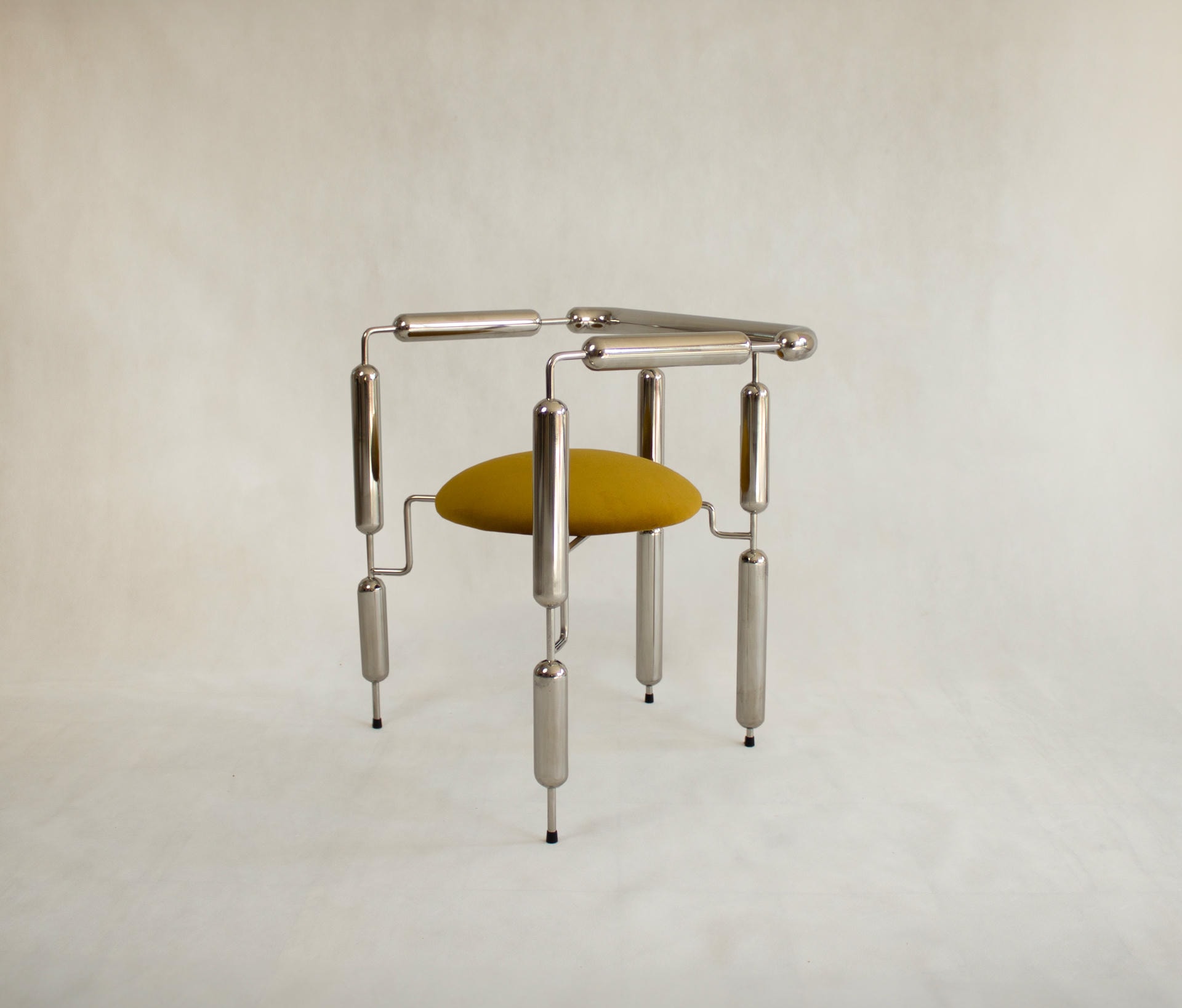
Probably the workshop scrapyard. As a child, I treated it as a sculpture garden that nobody else recognized as one. Years later, I found stainless steel bulrush stems there, and they became the Poodle Armchair, so the memory turned out to be a business plan.
Not exactly. Before starting my own practice, I worked as a medical device designer. It taught me discipline: when you design for the human body, nothing is decorative, and every millimeter has a reason.
The family workshop gave me the means of production before I had anything to produce. At some point, the question stopped being “can we make this?” and became “why is nobody making this?” Avant-garde furniture was my answer.
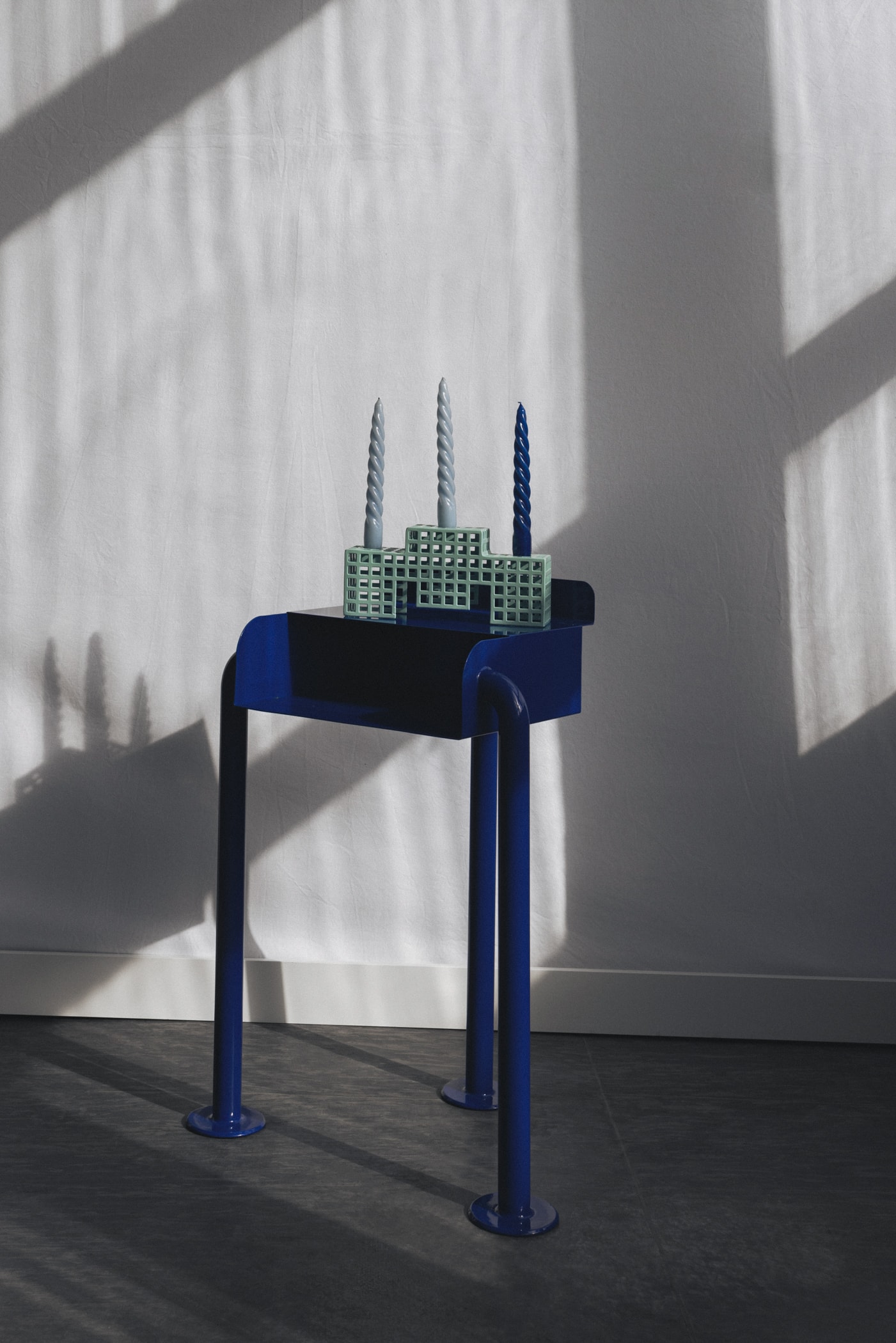
I call my framework techno rokoko. Ornament treated as function, precision handcraft distributed through algorithms. A piece is made by hand in a forty-year-old workshop and then travels the world through an Instagram feed. Rococo believed decoration was serious. So do I. The process itself is quite unromantic: sketches, arguments with metal, and the metal usually wins the first three rounds.
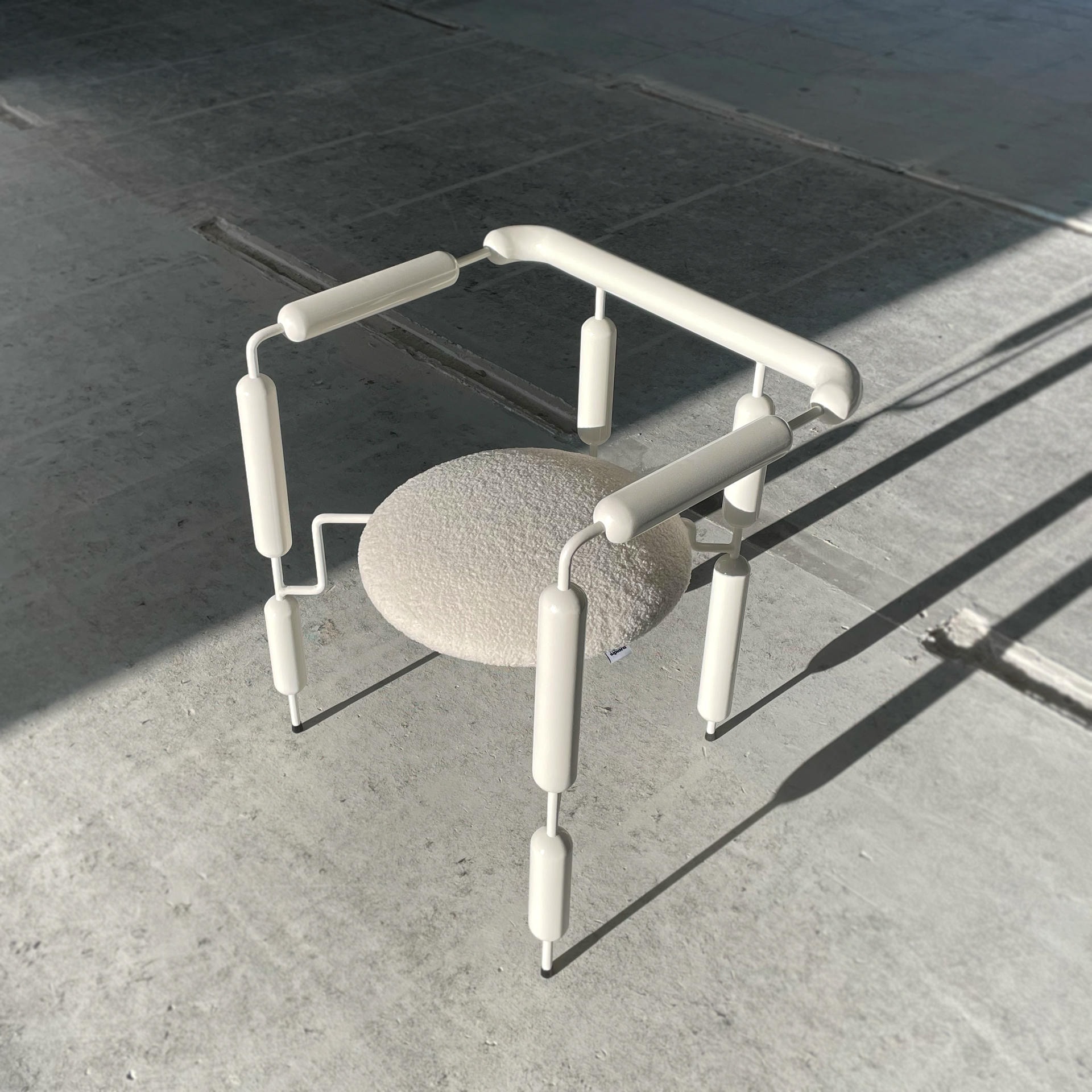
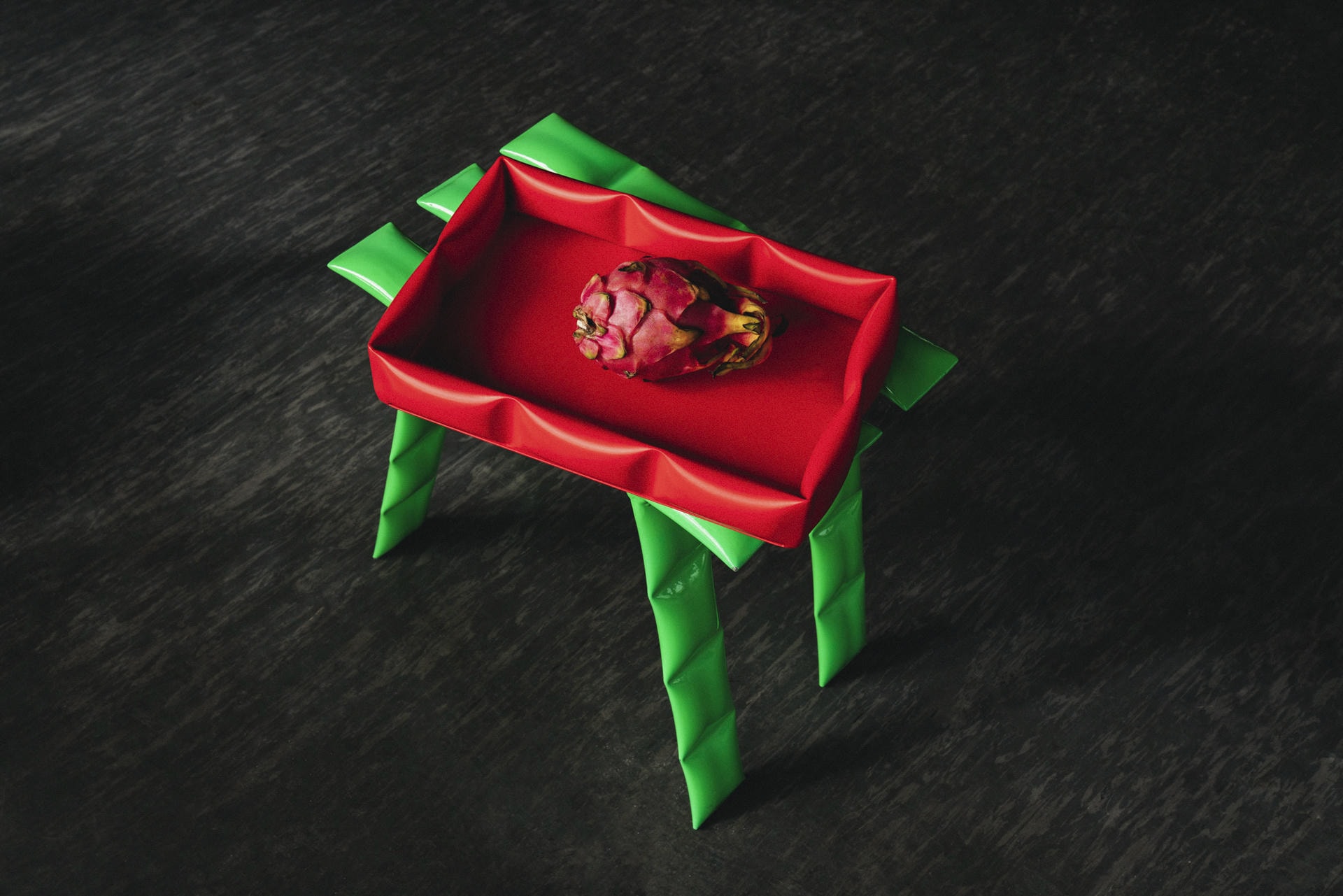
Half of the day belongs to the workshop, half to the screen. Grinding steel in the morning, answering emails in the afternoon.
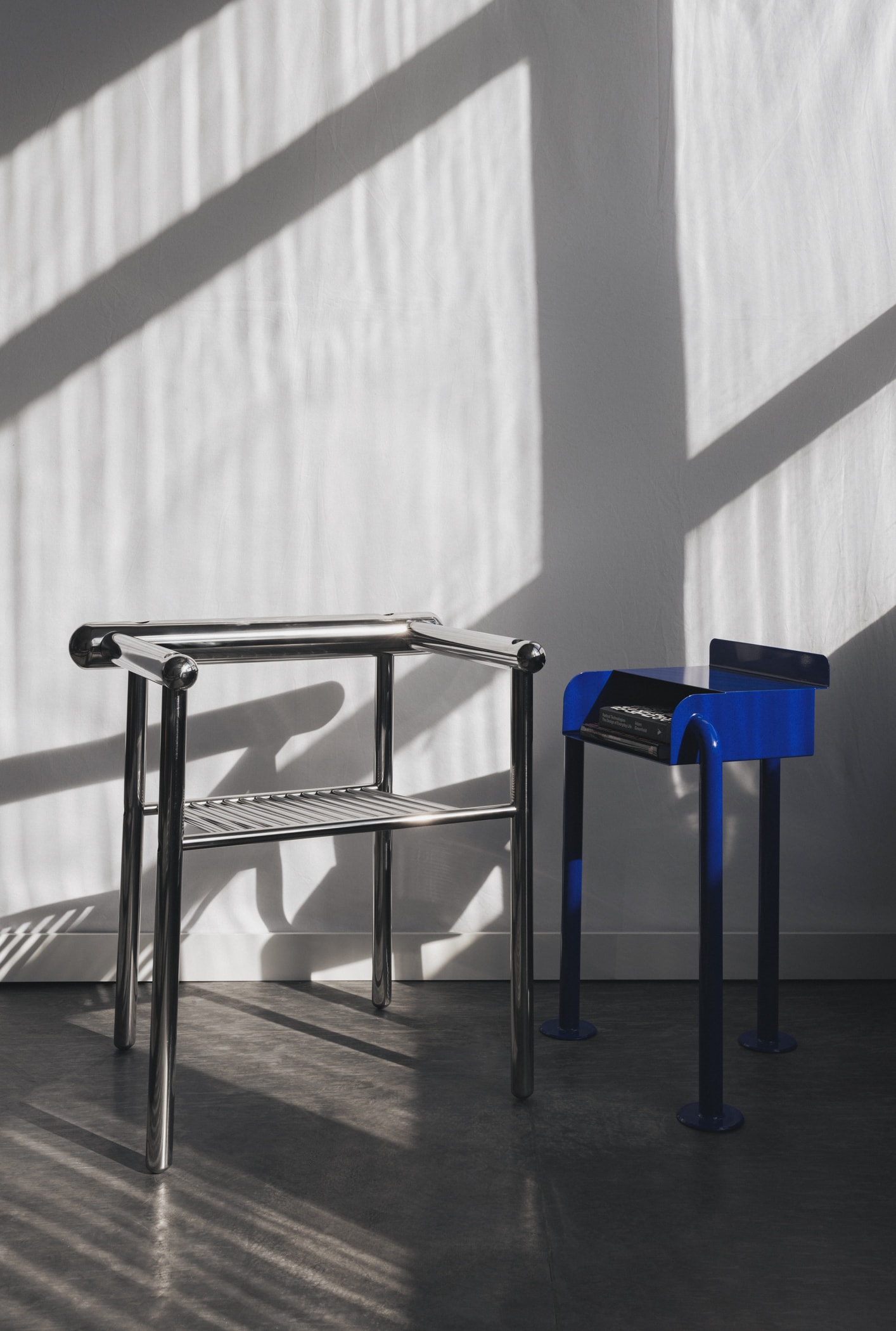
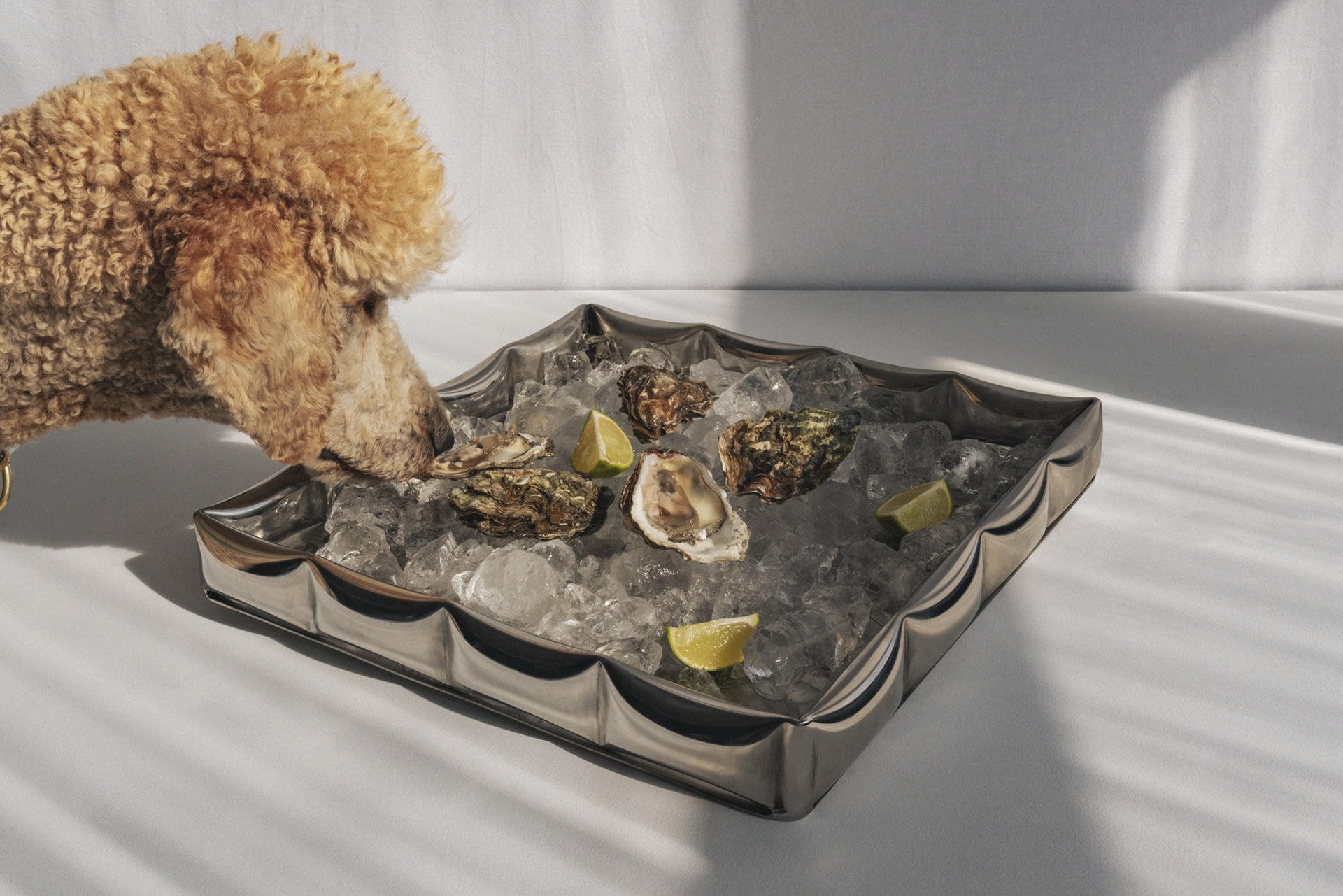
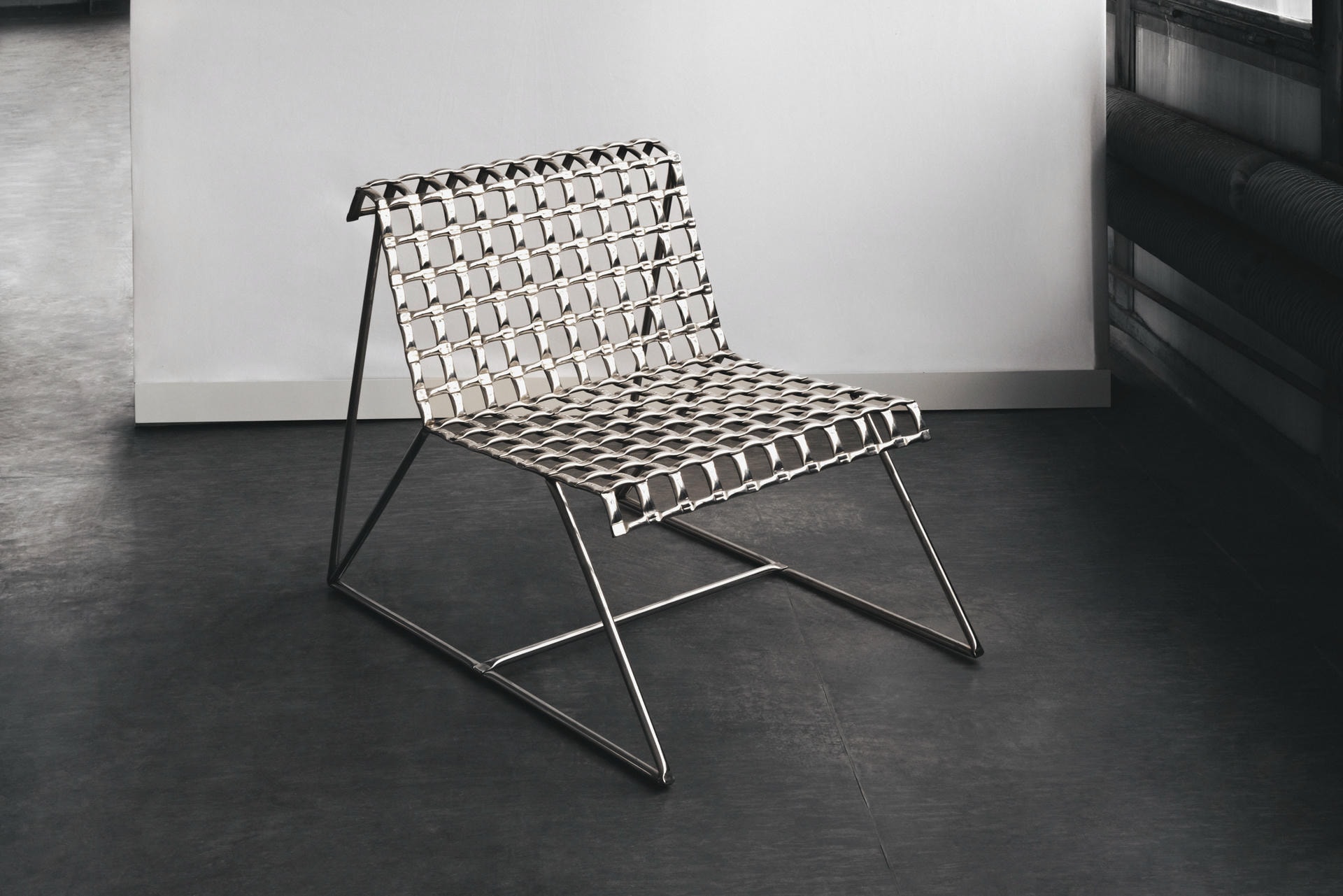
Stainless steel chose me, genetically. It is an honest material. It does not pretend to be anything else; it outlives trends and probably its owners. I like making soft, absurd, ornamental forms from something so stubborn.
Everything is made by hand in one workshop, by people I have known my whole life. No outsourcing, no batch production pretending to be craft. This limits quantity and defines everything else: editions are small because hands are slow.
Learn how things are actually made before you design them. Befriend a fabricator or become one. And keep your sense of humor, the furniture world takes itself seriously enough already.
Techno rokoko. I had to invent the movement because no existing one would take responsibility for me.
Alessandro Mendini and Alexander McQueen. One taught me that design can be a joke told with full seriousness, the other that craftsmanship and radicalism are the same discipline.
Miuccia Prada and Rei Kawakubo. Both treat ugliness, ornament, and intellect as materials.
Julia Keilowa, the Polish Art Deco metal designer, is a constant reference: precision metalwork with a sculptural ego. And Dario Argento, for proving that color, excess, and control can coexist in one frame.
Serious craft, unserious forms.
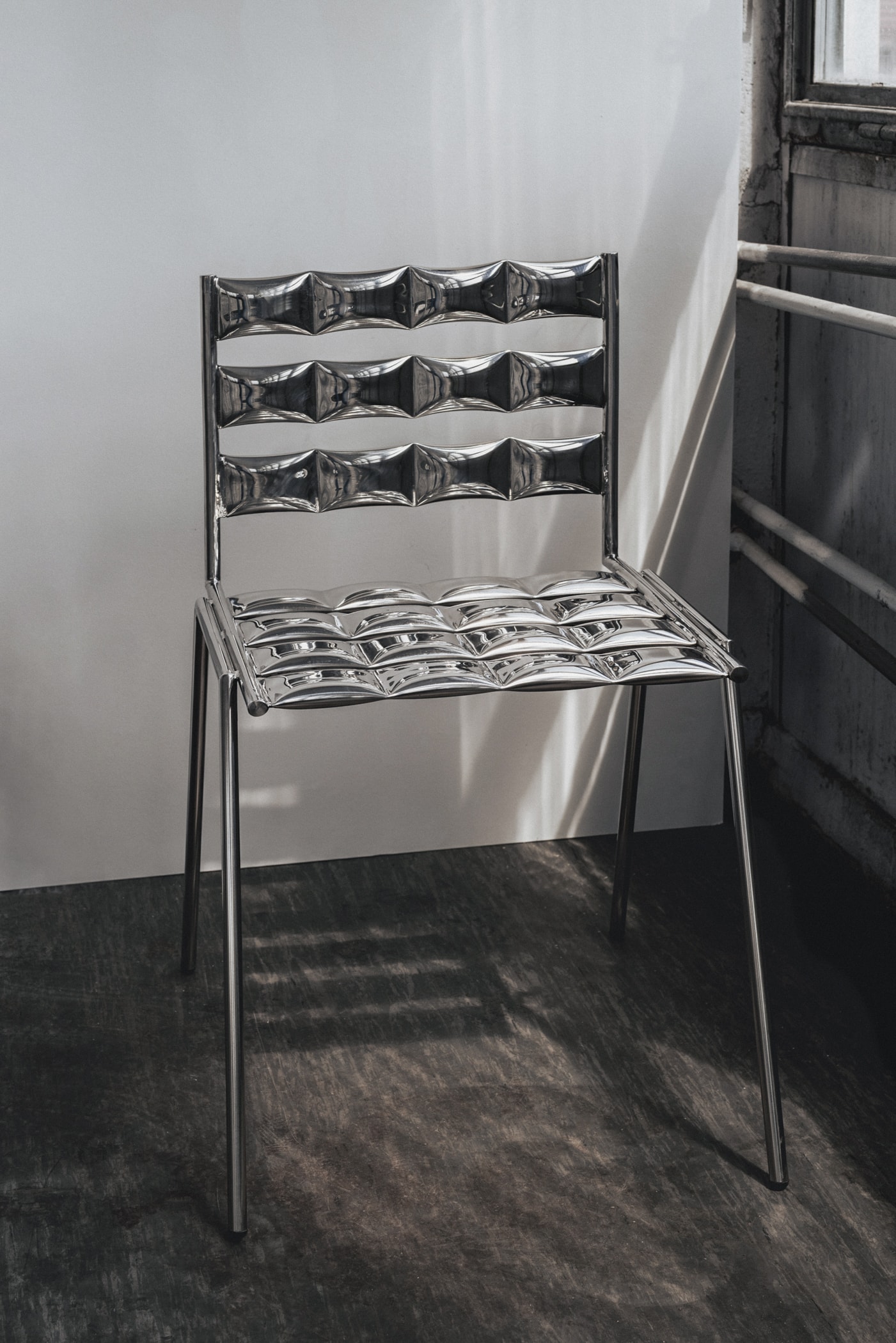
“Learn how things are actually made before you design them. Befriend a fabricator or become one.”
The Questions
(The Proust Questionnaire is a set of questions answered by the French writer Marcel Proust.
Other historical figures who have answered confession albums are Oscar Wilde,
Karl Marx, Arthur Conan Doyle, Stéphane Mallarmé, Paul Cézanne…)
A quiet workshop before the machines start.
Furniture made from MDF.
Chronic lateness.
Pretending.
I admire too many.
Polishing surfaces nobody will ever see.
Stainless.
Minimalism.
Precision.
Precision as well.
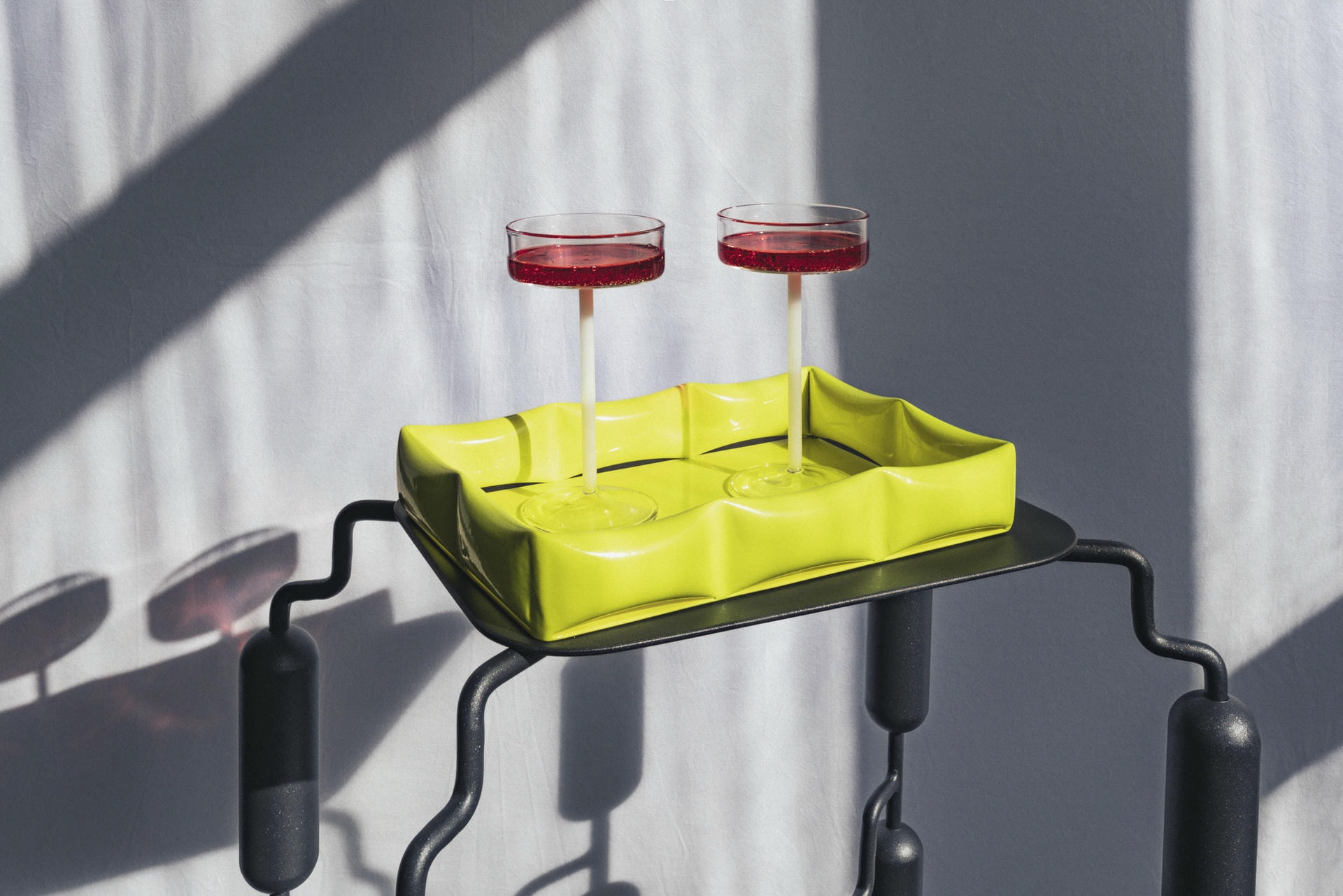
“One more prototype.”
Singing.
More confidence in myself.
Doctoral Degree and my own company.
A Chair.
Czepino, with better weather.
Pre-war Polish art and design pieces.
Making things only for myself, not for other people.
Polishing.
Understatement.
They tell me when a chair is bad.
Stanisław Lem and Arthur C. Clarke.
I do not have one. Fiction has enough heroes.
–
My family. The workshop crew.
Poodle.
Fake materials, fake enthusiasm.
Not weighing my regrets, steel is heavy enough.
–
Ornament is a function.
“Serious craft, unserious forms.”
SHARE :