Mylene Niedzialkowski
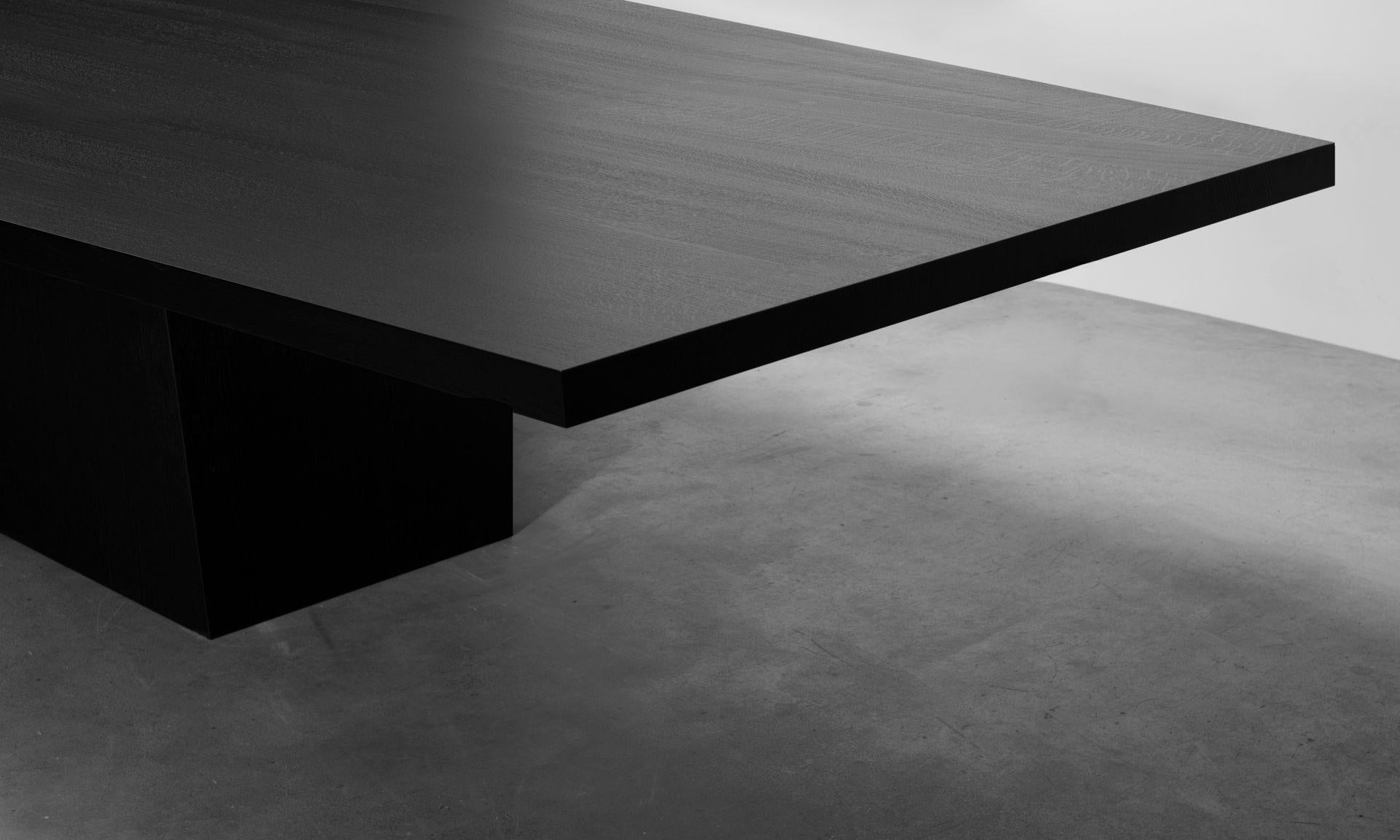
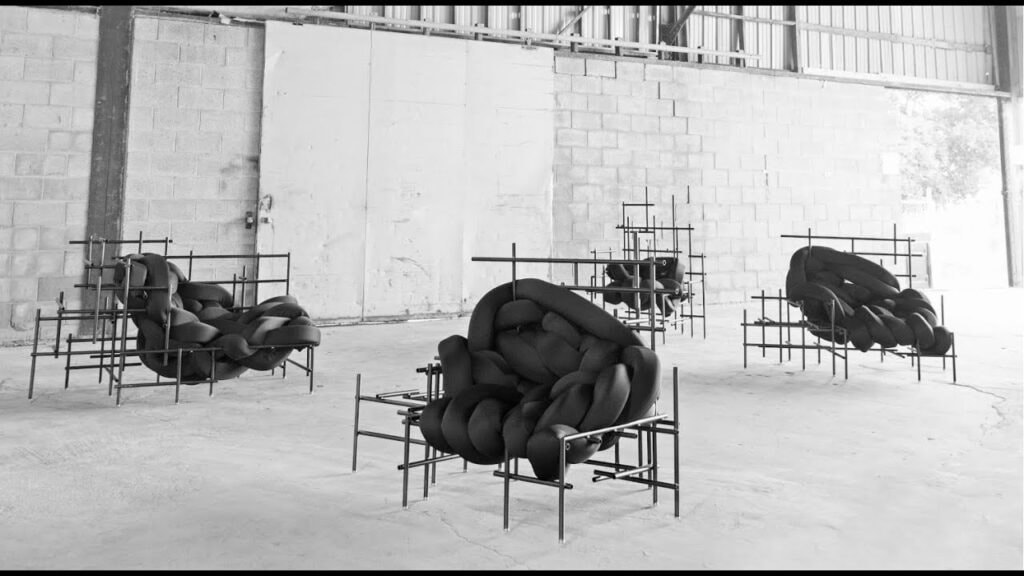
Mylène Niedzialkowski is a French designer whose practice explores the expressive potential of raw materials through a process of experimentation, reduction, and craftsmanship. Working between Paris and the southwest of France, she creates collectible furniture, lighting, and sculptural objects distinguished by minimal forms, subtle irregularities, and an enduring respect for material integrity. Each work emerges from a careful dialogue with its medium, allowing texture, colour, and inherent properties to guide the creative process rather than impose upon it.
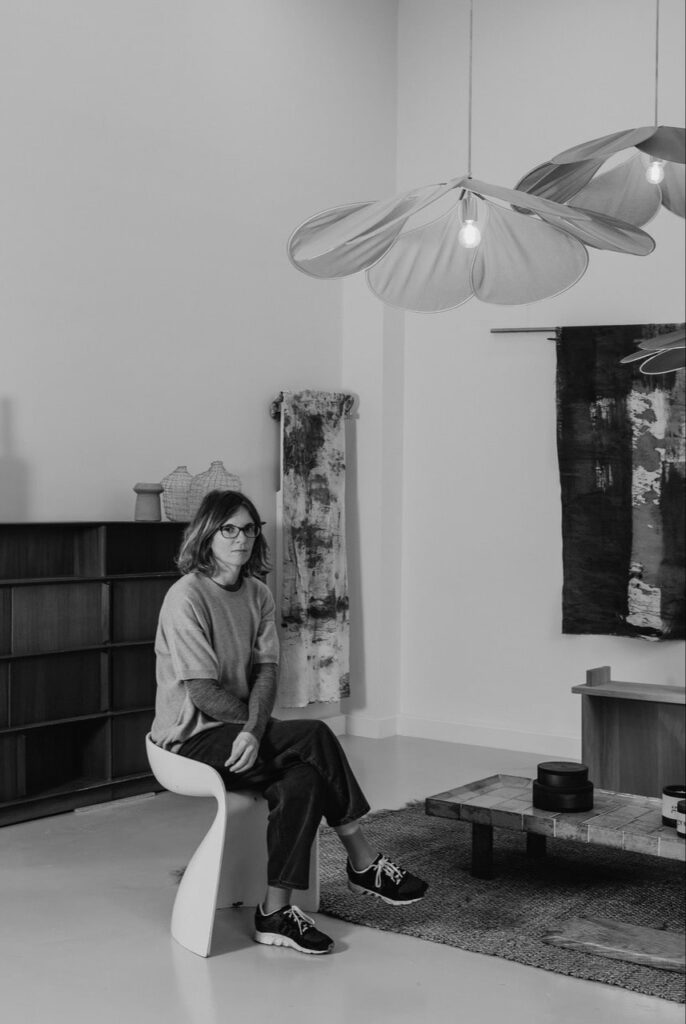
Rooted in an ever-growing archive of found materials, production remnants, textiles, and everyday objects, Niedzialkowski’s practice balances intuitive making with refined precision. Her studio functions as both a material library and a cabinet of curiosities, where local resources and collected fragments become the starting point for new creations. Through this restrained yet poetic approach, she develops timeless works that blur the boundaries between functional design, sculpture, and contemporary craft.
Interview
I was born near Paris, France. I grew up in Hyères, on the French Riviera, and I now live in the southwest of France.
It was during a visit to the Pompidou Center in Paris, with school, I must have been 4 or 5 years old, I don’t remember the exhibition at all but only the architecture of this incredible place.
No, I have been working in the creative industry for 12 years. Previously, I worked with children suffering from serious illnesses, cancer, or degenerative diseases. It’s a job that I didn’t have the strength to return to when I had my children. So I turned to a passion activity where everyday life, even if it is serious, is much lighter.
I come from a family of creatives and artisans. I spent my childhood observing these skills: sewing, tapestry, jewelry, cabinetmaking, welding… I learned at a young age to make lots of things and to try lots of techniques.
Either I start with a material that I find, and then I imagine an object based on it, or I think about a piece that I want to add to my collections. Everything starts from a desire. And then I pose all this by drawing. Hopefully, my ideas are precise, and it only takes 2-3 drawings to move to the prototype stage. But I can also spend several years designing an object or a work that I really want to make.
I have two activities, one of artistic direction, design, and models, which I love. And the typical days of this first activity are made up of drawings, prototyping, testing materials, shapes, and learning new techniques that allow me to work with raw materials that I do not yet know.
The second activity is linked to my brand of decorative objects, Georges, to the management of the factory, and for this reason, it is the management of human resources, the organization of production, and administrative and accounting work. Much less glamorous!
They are favorites, a discovery of a material, and a desire to work on it. That’s all.
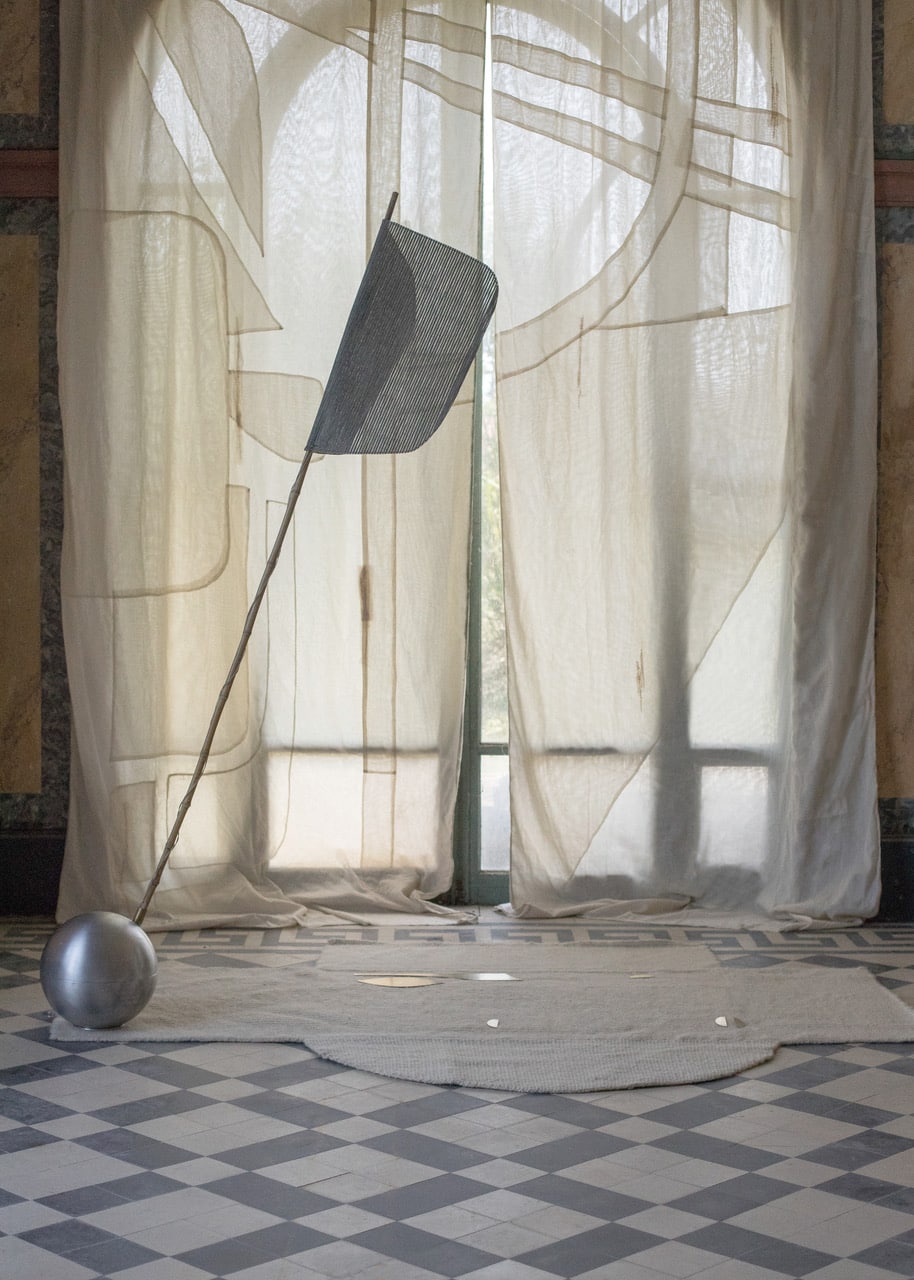
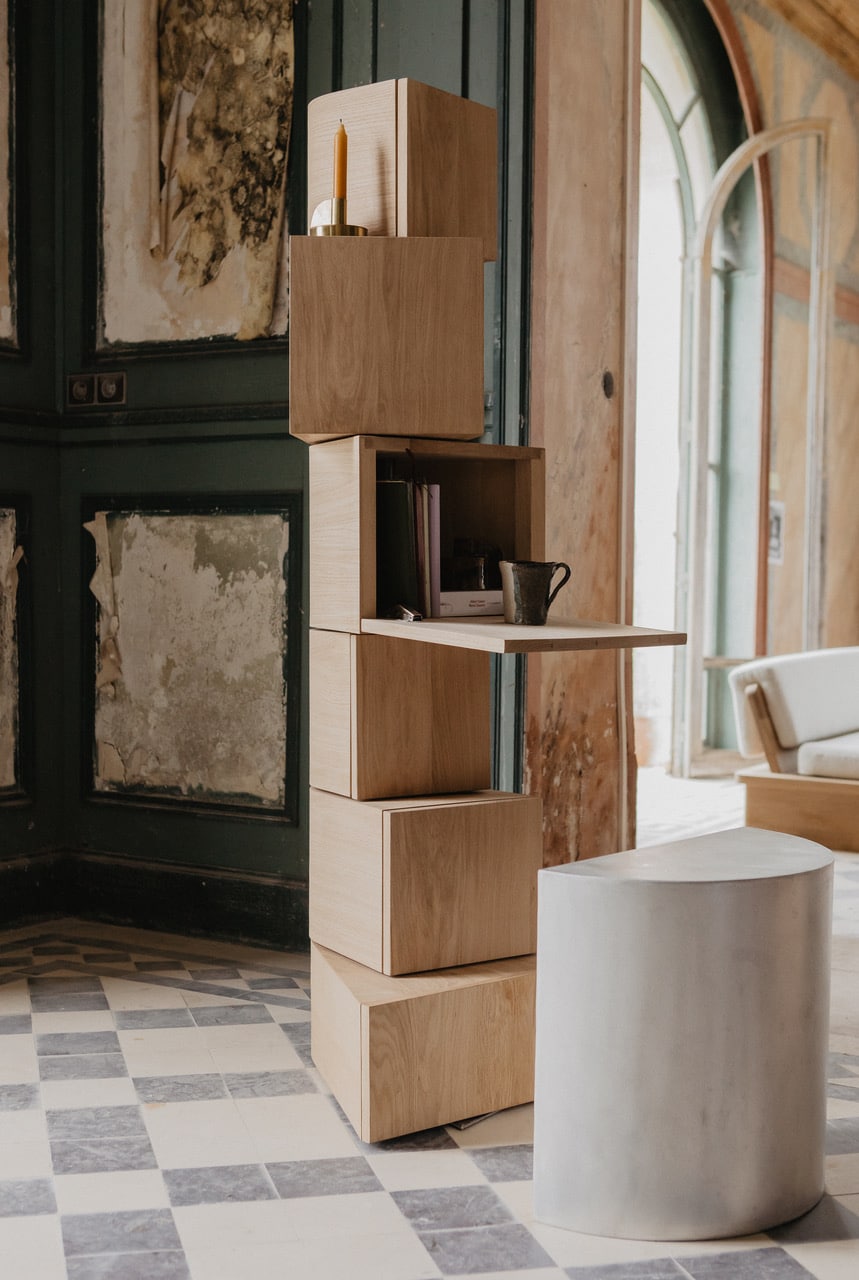
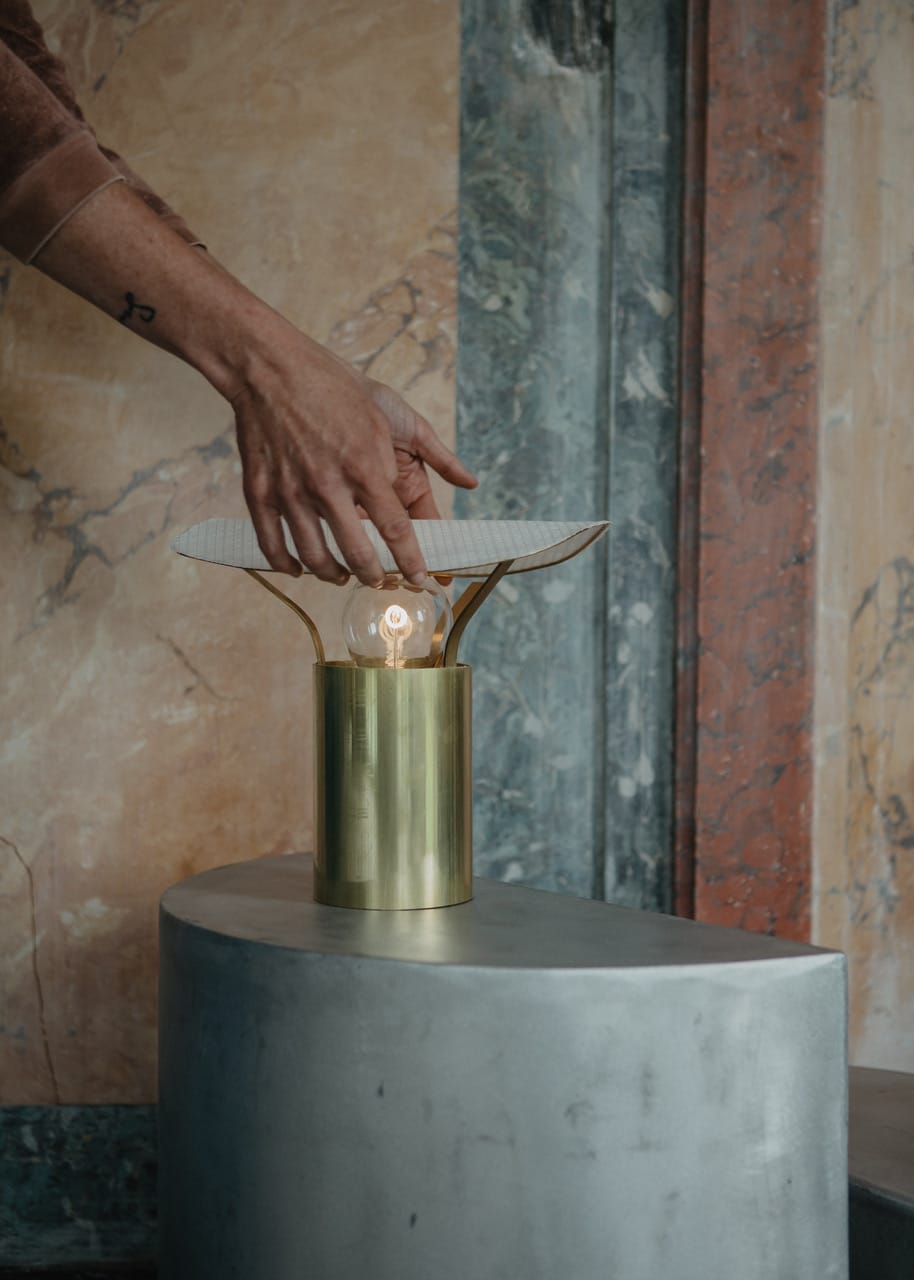
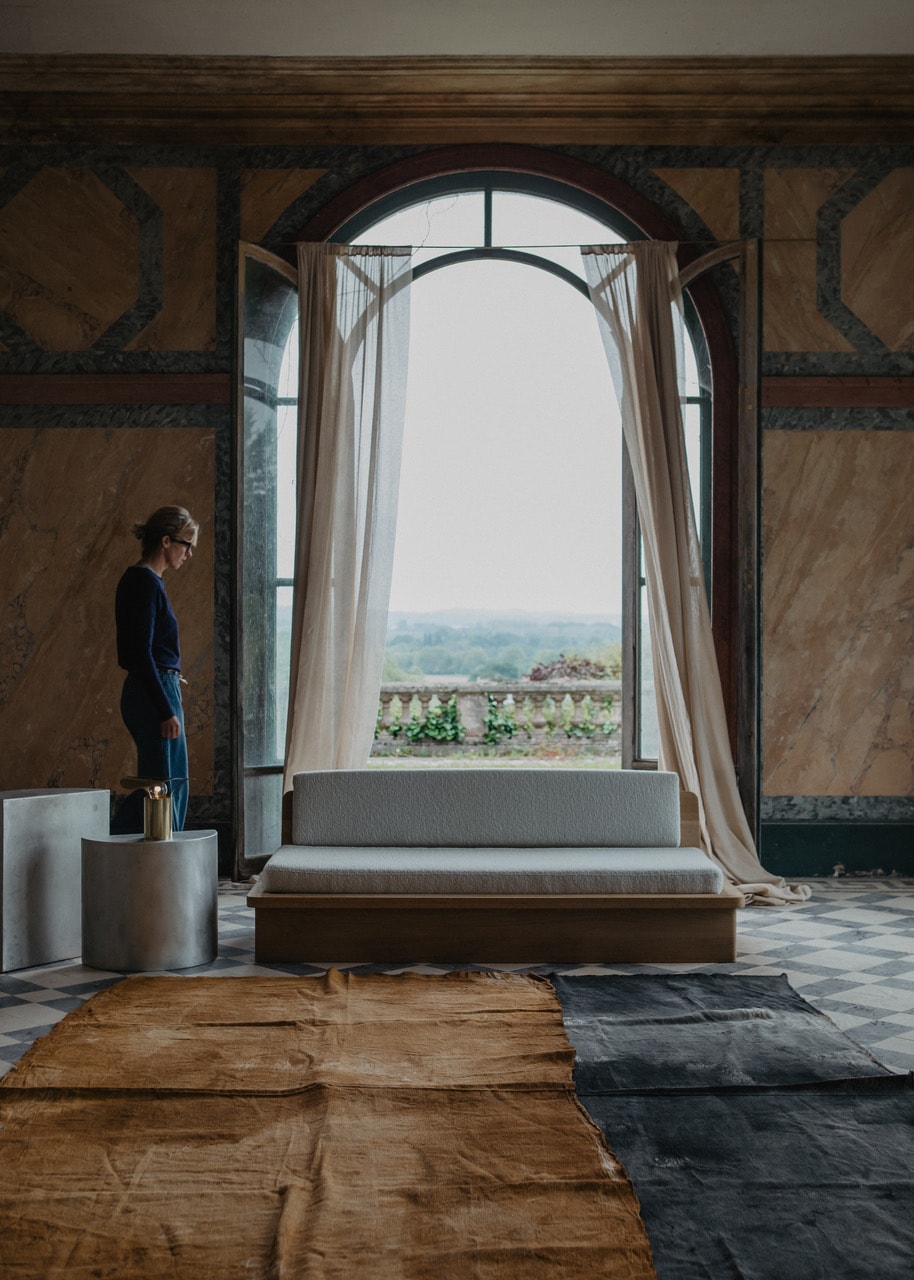
I think their particularity is that they are raw. This is not a sanitized, perfect, cold contemporary design. These are handcrafted pieces made with the most natural materials possible, worked in such a way as to retain their rough edges. Even to sublimate them.
I don’t think I have any advice because nothing is set in stone, ultimately, and I really learn every day. Maybe stay curious. Not to lose your curiosity and your thirst for learning.
I do not know…
I like Le Corbusier for his radicalism, Paul Quéré for everything, Valentine Schlegel for the forms of his creations and there are still many…but it is above all the color of the walls of Italian buildings, the harsh light of the French Riviera where I grew up, the Villa Noailles, the tiled floor, the limestone coves, the door curtains to protect from the heat…
Dimore Studio and Dries Van Noten (not really a designer), always, I love their colors so much.
Can Louise Bourgeois and Ruth Asawa be considered contemporaries? I had the chance to see their work on several occasions, and what emotion…
Raw.
“Everything starts from a desire. And then I put all this into drawing.”
The Questions
(The Proust Questionnaire is a set of questions answered by the French writer Marcel Proust.
Other historical figures who have answered confession albums are Oscar Wilde,
Karl Marx, Arthur Conan Doyle, Stéphane Mallarmé, Paul Cézanne…)
To be next to the people I love
Death
My constant uncertainties
Lying
Pfff none really or a lot
I’m not very extravagant
Happy with a little worry, as always
No idea
Sincerity
Sincerity
It’s true? Every time someone tells me something. I annoy myself with this sentence
Sing or play the piano better
Remove my constant uncertainties and doubts
My children. That’s a bit of a lame answer, isn’t it? otherwise, living from what I create
I wouldn’t want to come back, there are too many possibilities
I don’t know; I’ve moved a lot, around twenty times, and I know I’ll move again. I just know that there are places where I don’t want to live at all
My piano. I’ve had it since I was 8
Inhumanity. Being welcomed in intolerable conditions while fleeing a devastated country. Not being welcomed there at all. And for many, not even being able to leave, without being able to claim the slightest help
Draw while listening to music or podcasts
My impatience
Their authenticity
Paul Eluard, Eri de Luca, Romain Gary
I do not have any
I’ve no idea
I don’t think I have any, but I think there are everyday heroes, thanks to whom we can be rescued, cared for, and cured
I don’t really have one, or maybe the first names of my children, Jules and Paul
The lie
I don’t really have any, I think I did what I could and followed what I wanted to do at each moment, even if some choices weren’t the best
Old, after a day where I bathed in the sea
Try!
“Maybe stay curious. Not to lose your curiosity and your thirst for learning.”
SHARE :