Novocastrian
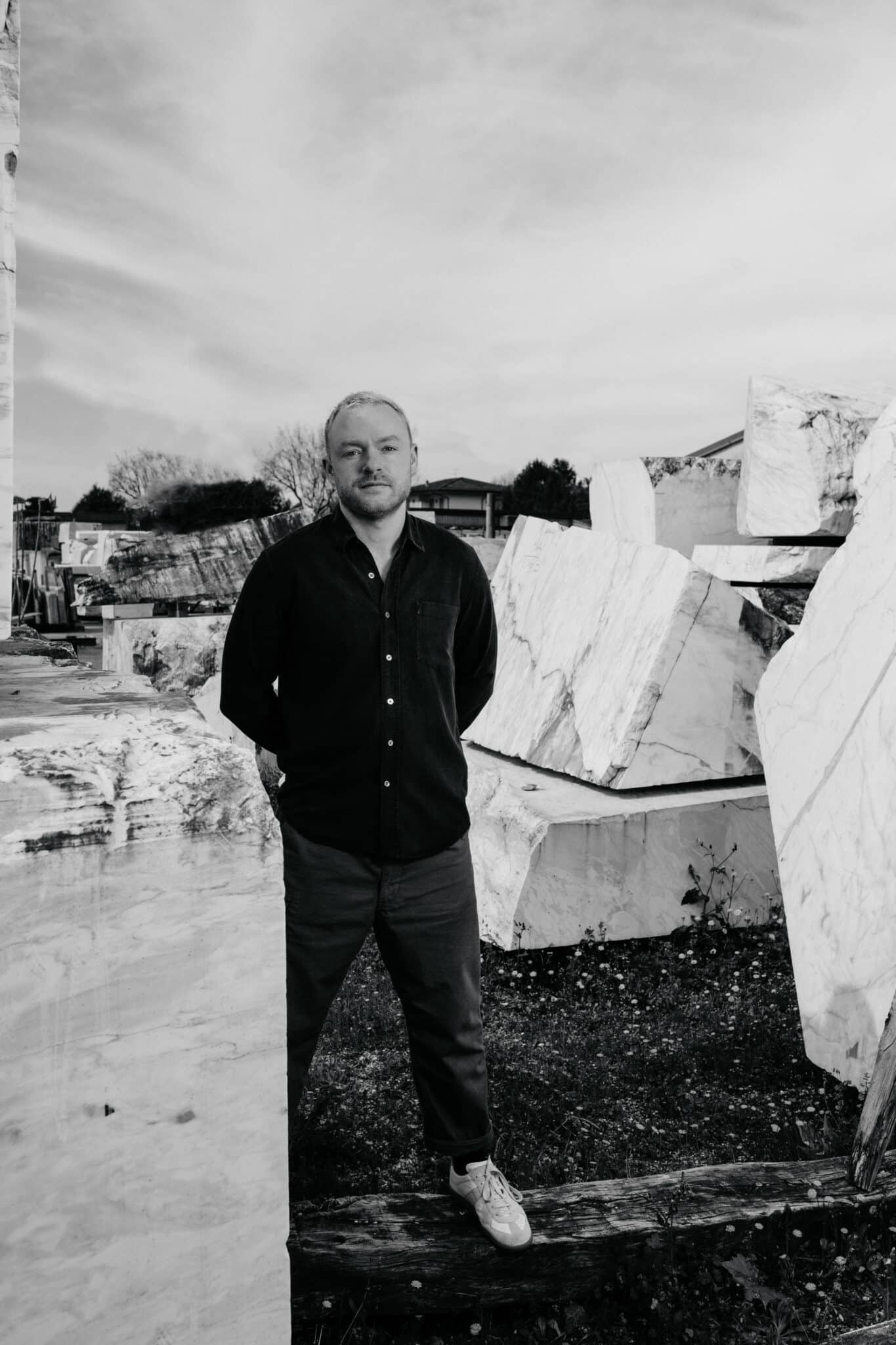
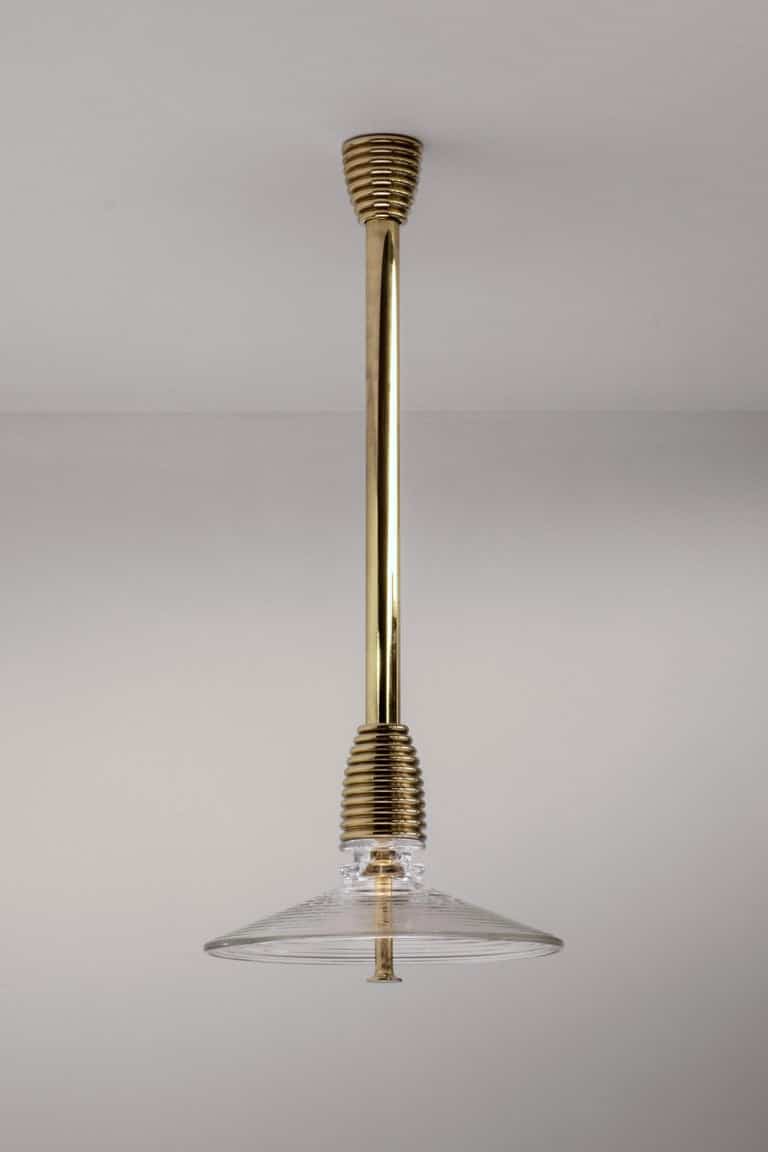
Novocastrian is a British design and making studio founded by architect and designer Richy Almond in North East England. Rooted in the region’s industrial heritage, the studio creates handcrafted furniture, lighting, and bespoke metalwork that combine architectural precision with traditional craftsmanship. Guided by Almond’s creative direction, Novocastrian celebrates the beauty of honest materials and refined detailing, drawing on generations of local manufacturing expertise to create works of enduring quality.
Working across collectible design and bespoke commissions, the studio explores the relationship between material, process, and function through pieces that balance sculptural presence with everyday utility. Characterized by a restrained aesthetic and meticulous craftsmanship, Novocastrian’s work reflects a deep respect for British making traditions while reimagining the industrial legacy of North East England for a contemporary audience.
Interview
My hometown is Newcastle—upon—Tyne in the far North East of England.
My dad, a keen amateur painter, collected biographical magazines through the 70s and 80s, each one focusing on the work of an old master. I remember discovering these as a child in a dusty attic, and obsessively flicking through dozens of issues.
I remember my dad, a metalworker, introducing me to Van Gogh, Cézanne and Turner, and seeing his eyes light up whilst teaching me about impressionism.
Yes, I was lucky enough to know what I wanted to do from a very young age.
My process, internally anyway, is sporadic. It flicks between elation and despair, often from hour to hour. I generally begin with a confident smugness at the source of the initial inspiration, then descend into questioning my very existence, before eventually reaching a calm state of tentative optimism once the design is released into the world. I must admit that I rarely enjoy the process. What I do enjoy is seeing the result, the product, then reviewing the journey and finding peace with it. I’ve come to understand that there needs to be some difficulty in the process!
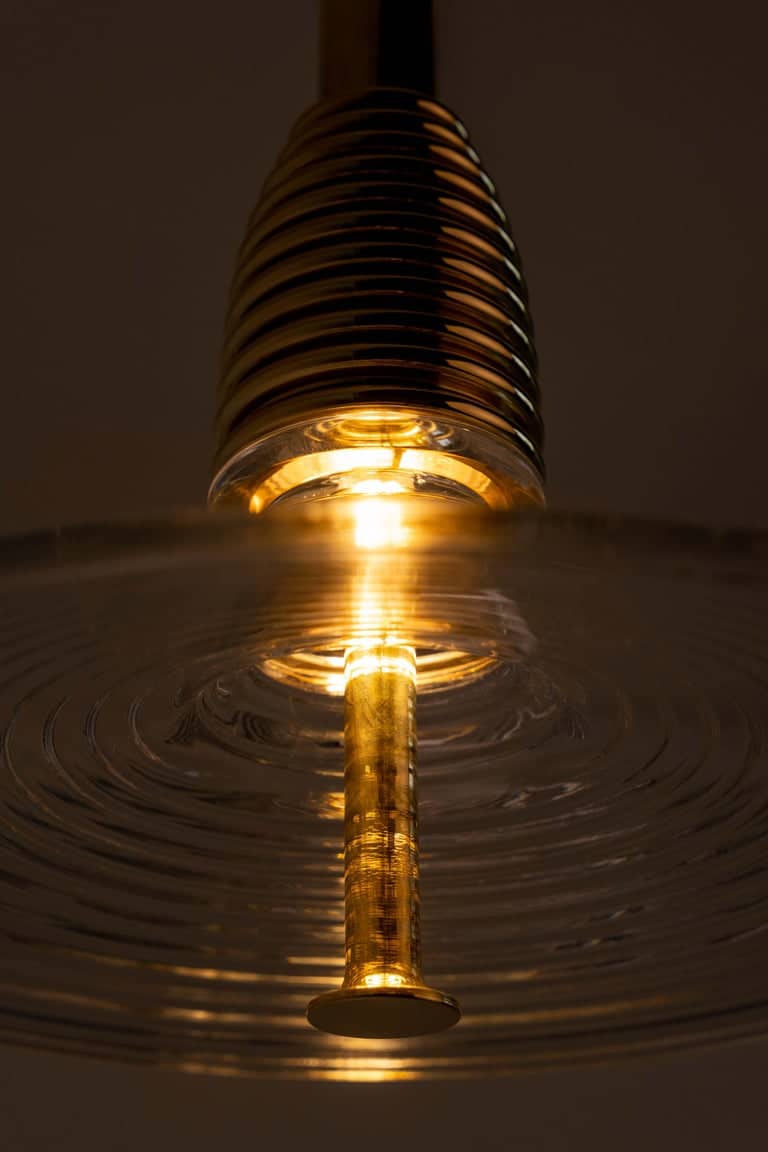
Finding inspiration is much easier for me. I’m hugely inspired by the industrial heritage of our hometown, the Victorian relics which are both functional and beautifully detailed. I love the railways, the rhythmic repetition. I’m a contextualist at heart and so will always seek meaning and grounding, and am also, of course, a product of all of the places I’ve worked and studied.

Find something that inspires you, then jump into it. Fully commit. Experiment, and make as many mistakes as you can. All of us have good ideas from time to time, but very few materialise them. Get what you have in your head out into the world. Often it will be wrong; you may even dislike what you create, but don’t stop; learn a lesson, tweak, and then do it again. Keep refining. Eventually you will find your own rhythm, you will stand back, and the journey will make sense.
My days vary quite considerably, depending on where I am. I split my time between our workshop in North-East England and our studio in London. We’re fortunate to have a talented group of makers, designers and engineers with whom I’ll be in constant dialogue each day, working through the finer details on bespoke commissions or sparring on the design of new products.
If I’m in our workshop, I’ll spend time on the shop floor excitedly discussing new ideas with our makers. If I’m in London, I’ll often visit customers to present our new products and finishes.
My home region of North-East England was built on two things: coal and steel. Growing up during a period of fading industrial might, I was acutely aware of the area’s recent history of closing coal mines and shipyards.
My own family worked in the Tyne’s famous yards for many generations, building steel-hulled battleships for the world’s navies. As the yards closed, my family moved into industrial steel fabrication, and I was lucky to spend my summer holidays in a metal workshop.
As such, raw mild steel was always going to be the go-to material to start with. I appreciate its simplicity and enjoy elevating humble materials to create something special. We also commonly work with Cumbrian slate in the same way.
Almost all of our pieces start life very simply as either flat sheets or extruded profiles. The technicalities are very much in how we cut, fold, weld, dress, and finish these materials to create our pieces.
It’s tricky to say which, if any, movement our work belongs to, but I’m very much inspired by Art Deco and Art Nouveau detailing, although my own designs tend to take a more reductionist interpretation.
I’m also a staunch contextualist, which I guess comes from my architectural background.
Charles Rennie Mackintosh, Peter Zumthor, Anouska Hempel, Carlo Scarpa, Geoffrey Bawa.
Vincenzo Di Cotiis, Studio Mumbai, Olson Kundig, Studio KO.
Antony Gormley, Norman Ackroyd.
Honest, humble, meaningful, and timeless (hopefully).
“I’ve come to understand that there needs to be some difficulty in the process!”
The Questions
(The Proust Questionnaire is a set of questions answered by the French writer Marcel Proust.
Other historical figures who have answered confession albums are Oscar Wilde,
Karl Marx, Arthur Conan Doyle, Stéphane Mallarmé, Paul Cézanne…)
Day-dreaming
Unfulfilled potential
Perfectionism
Rudeness
My dad
Fancy food and drink
Earnest
I’m struggling to disagree with Aristotle on any of them…
Humility
Empathy
The F word
Communication
To stop procrastinating as much as I do
Present
A cat
In the present
My family
To lose hope
Architecture, of course
Stoicism, at least outwardly
Reliability
George Orwell
Batman
George Orwell
Those who give without expecting to receive
Rosalind, my mother’s
Greed
I try (very hard) not to hold regret
Very quickly
Don’t let the perfect be the enemy of the good

“I appreciate its simplicity and enjoy elevating humble materials to create something special.”
SHARE :