Sheena Murphy – Nune Design
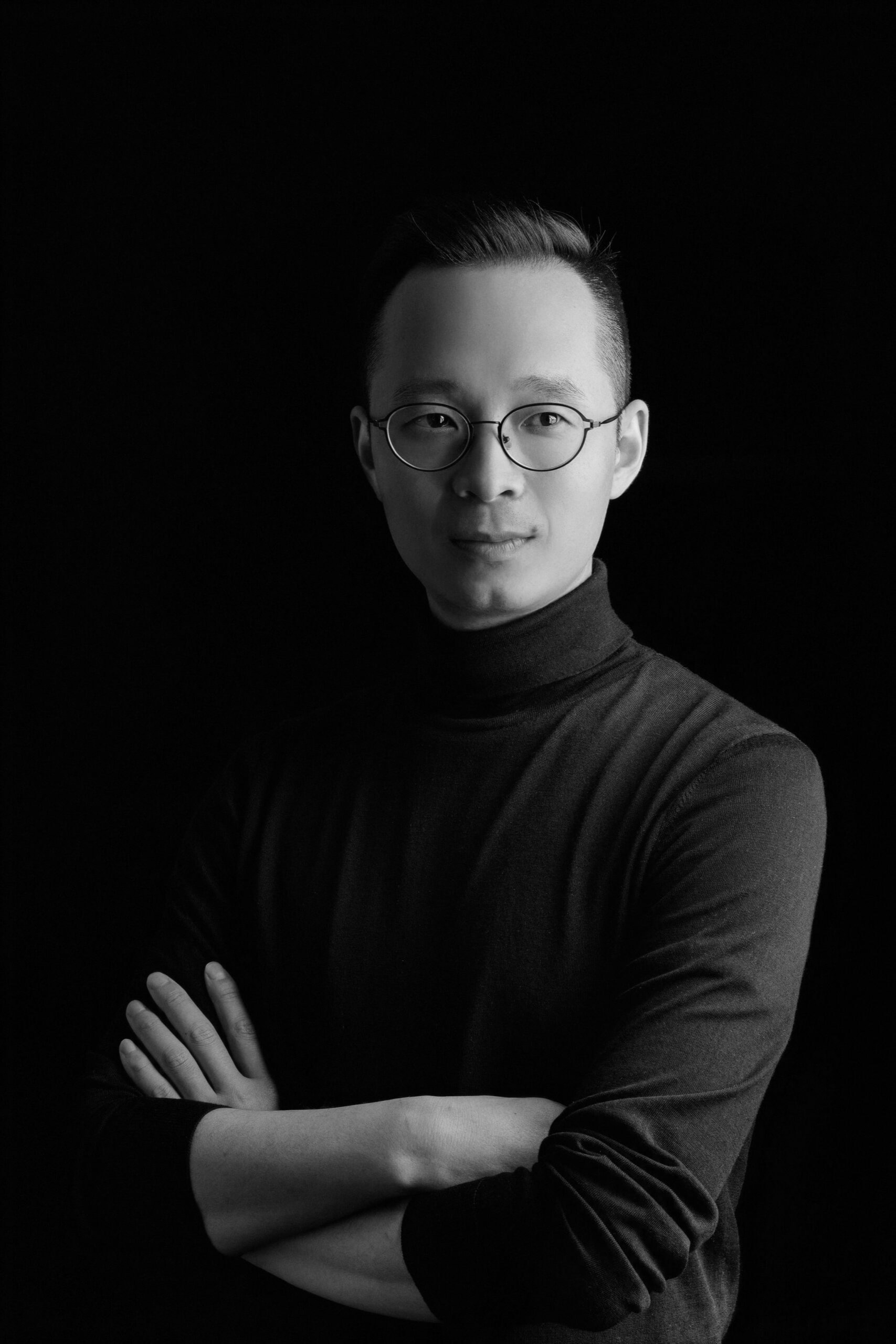
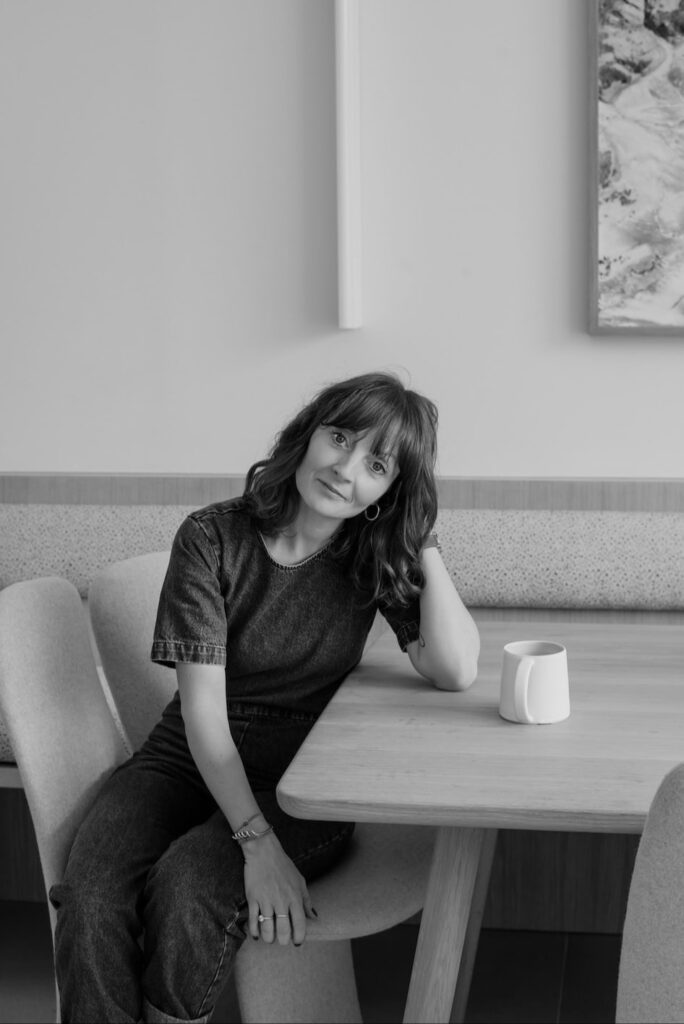
Sheena Murphy is the founder of nune (formerly Sheep + Stone), a design studio established in 2014 with projects spanning New York, Los Angeles, London, Madrid, Norway, and the Cotswolds. After spending over a decade living in New York, Seattle, and Bangalore, she returned to London in 2018 and now works between London and Madrid.
Originally trained in business, Murphy later completed a graduate degree in interior design at Parsons School of Design in New York before working with renowned studios including Bunny Williams and INC Architecture + Design, where she contributed to private residences and hospitality projects such as 1 Hotel Brooklyn Bridge.
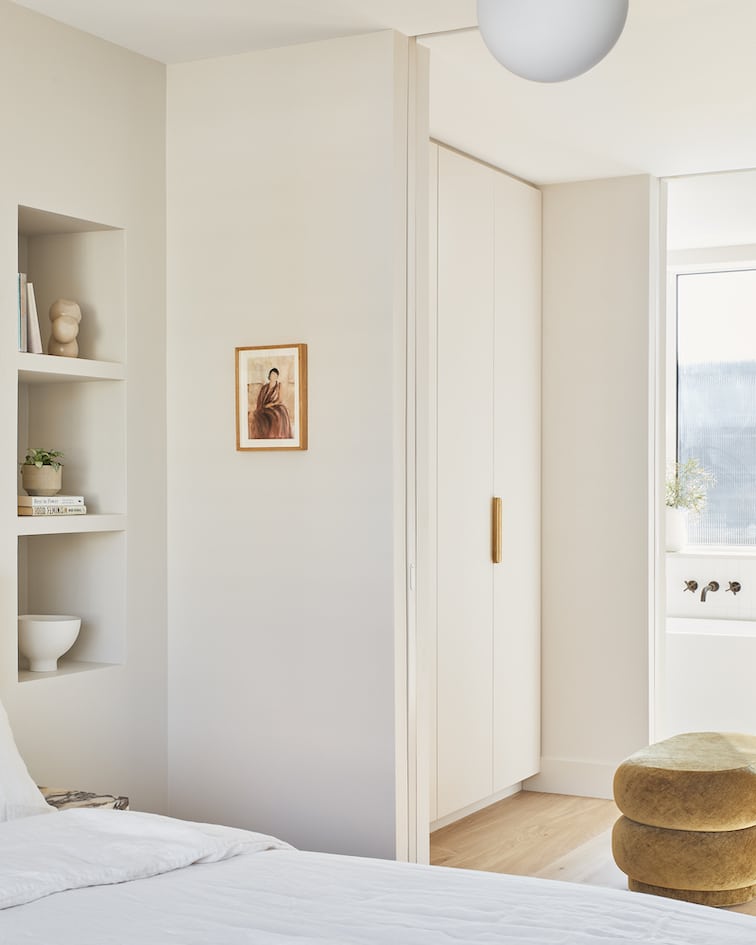
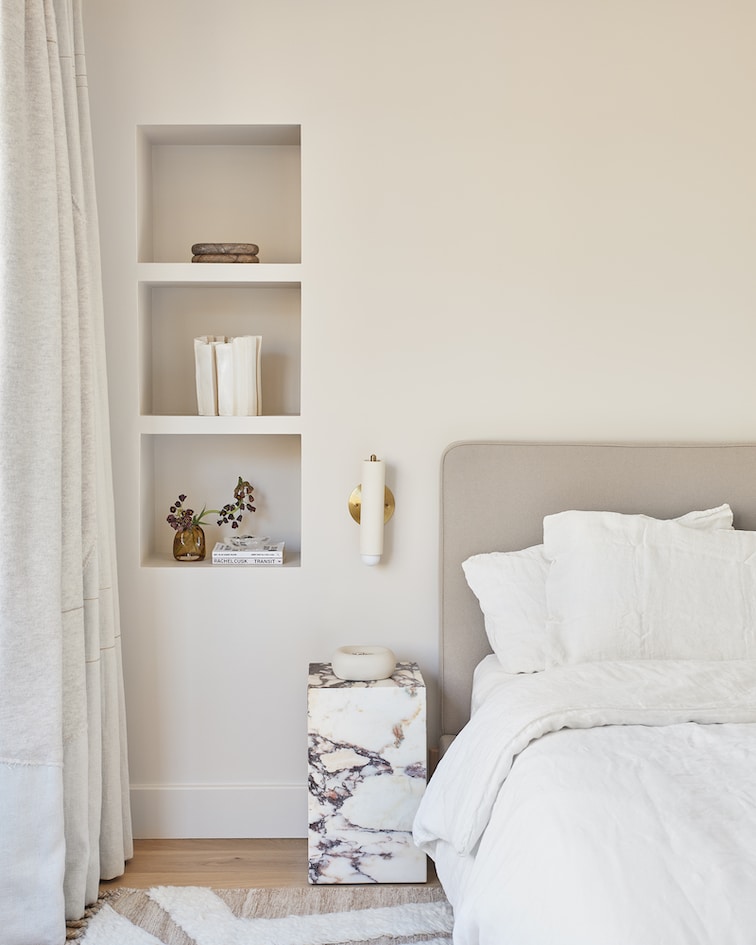
Rooted in the belief that thoughtful design contributes to wellbeing, nune creates warm, approachable spaces across residential and hospitality projects. The studio works collaboratively with clients, architects, craftspeople, artists, and makers, with a strong emphasis on human experience, sustainability, and supporting independent creative communities.
“Create a home you love, not one you’ve seen over and over on social media.”
INTERVIEW
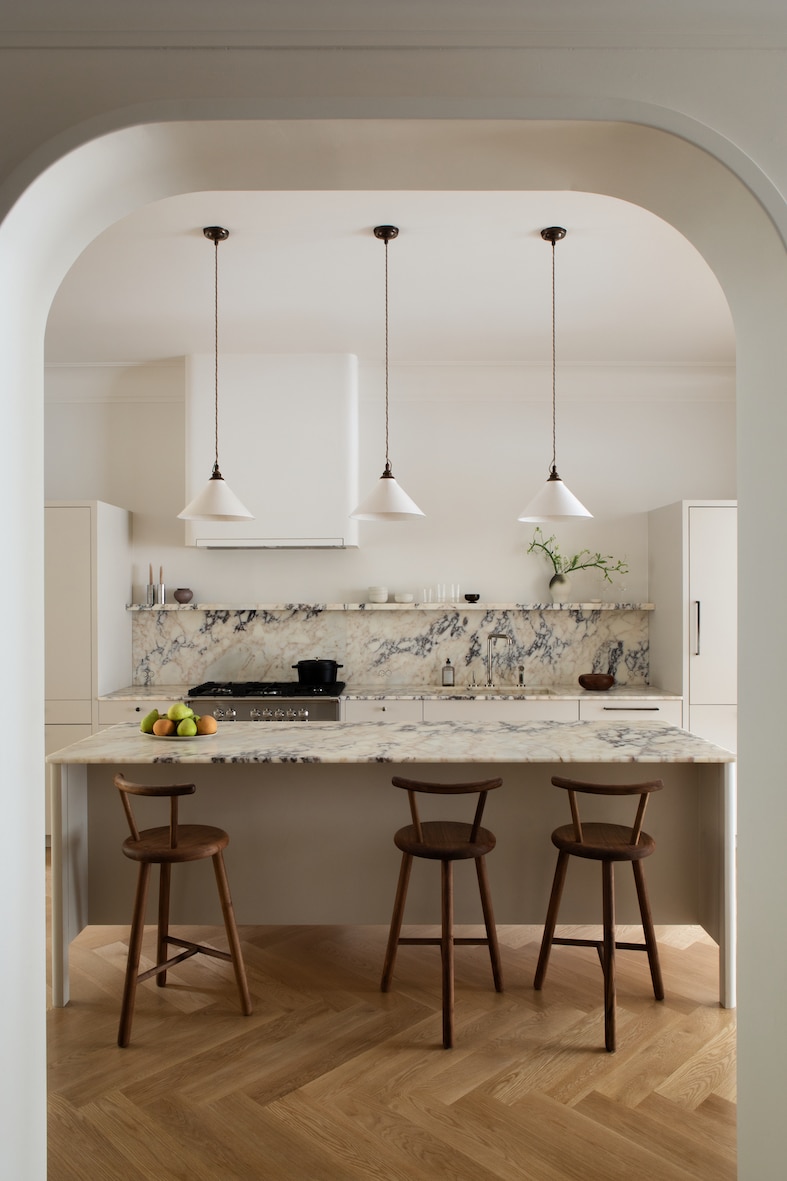
Although I am unsure how I feel about having a signature style, it’s certainly true that there is a thread that runs through much of our work. One of the key considerations on any project is the impact on the planet and the people making any products we source or design. Now, more than ever, we are laser-focused on sourcing and working with small and/or ethical suppliers as much as possible. For some of the same reasons, we try to source second-hand or vintage where possible and appropriate. In terms of the aesthetics, we tend to work with urban dwellers who are often time poor and want to inhabit spaces that aid well-being and facilitate a balance to their time spent outside of their home. In this way, our work tends to be quite visually quiet but filled with materials and finishes that create physical comfort.
I was always so interested in and curious about the visual arts; my life outside of education was centered around dance from the age of 3 and I danced competitively for 15 years. I had an absolute thirst to consume and make art in different forms. I loved to paint, and I wanted to pursue an art degree at university, but this was in an era when people tended to be more closed-minded about the possibilities of having a creative career and surviving in the world! So, I did a business degree. But, 8 years after graduating and being in jobs I found no purpose in, I went back to what I loved. At that point, I had moved from London to Bangalore, India, and onto Seattle. The decision to re-train in a creative field brought me to New York when I got a spot in a post-graduate degree program at Parsons. It was probably the most exciting moment of my life so far.
I think there have been a few, but the one that stands out and happened very early on for me is my final studio project at Parsons and what came from that. We were tasked with working on a real-life hospitality project for our architecture professors, who hired me out of school to work on that project. This was the 1 Hotel Brooklyn Bridge, and I was deeply involved in the FF&E for a number of areas in the hotel. It was an incredible introduction to the industry. It was a lot of hard work, but so much fun, and a project I’ll be forever grateful to have been involved in.
Saying ‘yes’ a lot in the beginning was crucial for me. During university, I interned for as many hours as possible and really honed in on studios I wanted to gain experience at. I went to all the events I heard about, and I largely did that alone, despite that being very uncomfortable for me, and once I left my job at the architecture practice, I took on any clients who would give me a chance! It took a lot of energy and effort, but ultimately, it opened doors, and I was very fortunate. I learned a ton about myself as a designer at that time, and it bolstered both my expertise and confidence as a new business owner.
One of the most important things in our process is really getting to know our clients, and not just their aesthetic preferences, but who they are. The context of the project is also hugely important, and that is everything from the history of the property to the local vernacular, and everything in between.
Marrying these elements with client preferences and values is always where we spring from.
We create a written and visual narrative from these elements, and this is what informs and guides the design direction throughout the project.
They have honestly all been enjoyable in different ways, but we recently completed a project in Islington, London, for a wonderful client. I was unsure whether to take the project on initially because there seemed to be some initial misalignment aesthetically.
But what transpired was one of the best client relationships I have had, and a project that put me totally out of my comfort zone. The tension between client values and preferences and our typical output resulted in a home that the client loved and a project I am very proud of.
Part of it was also completed while I was living temporarily in Madrid, which added a layer of complexity, but it just worked out beautifully, and that’s in large part because of the magical client-designer dynamic.
If you have put in the work, be confident about your worth. In my experience, designers (myself included), can sometimes lose sight of the value of their work and their time.
“What’s the worst that can happen?” This was a question asked to me when moving from the UK to India by my grandfather, and while it didn’t relate to my work in this context, it’s a question I keep in my back pocket at all times. I have asked myself this question so many times on projects, and it’s both encouraged me to take risks and also provided a reminder not to sweat the small stuff.
It’s such a simple question, but both the perspective and confidence it’s given me along the way have been invaluable.
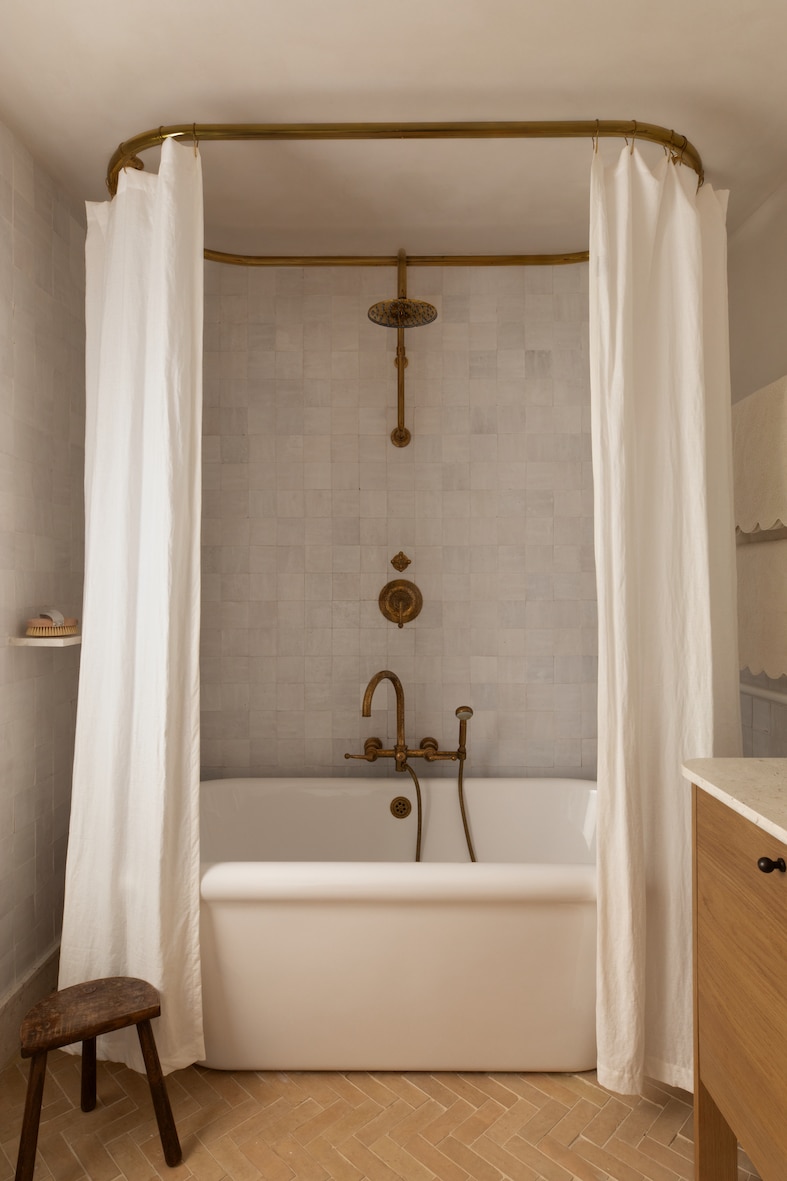
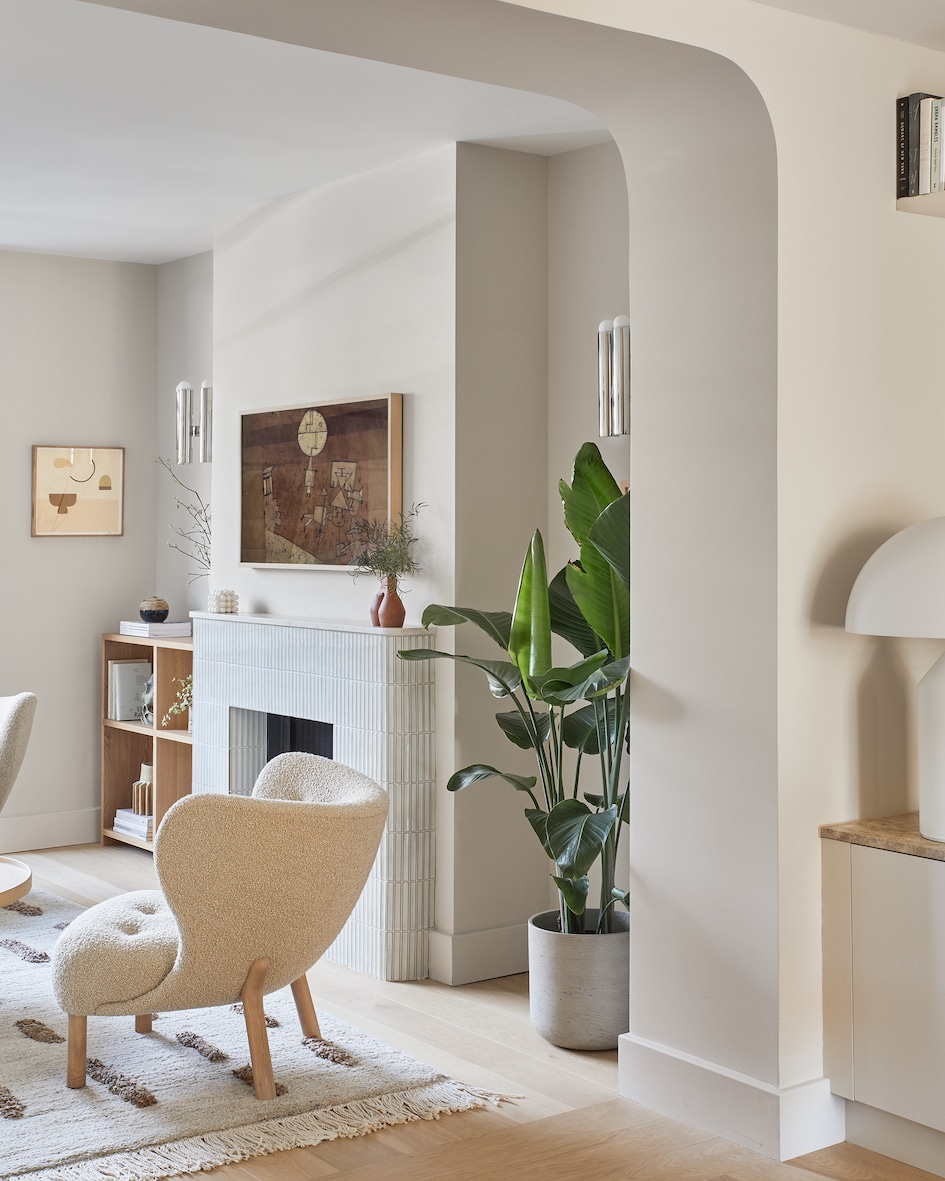
Mostly recently we have been working on a bungalow in Dorset which is on the south coast of the UK, a double-fronted Victorian house in Islington and an Art Deco apartment in Madrid.
That sometimes, the connection between client and designer isn’t right. I really think this marriage is the most important component for ending up with a successful project. While it’s true that you may have to say ‘yes’ a lot at the start of your career, and perhaps kiss a few frogs, it’s also true that, when possible, you should get serious about ensuring the relationship between all parties is a good one, built on transparency and mutual respect.
The design process, while very exciting, can also be stressful; you are quite intimately involved in one another’s lives for a relatively long period in many cases, and it’s often a process that requires a lot of deadlines and decision-making. So, keeping things light through a foundation of respect and good communication is key! I learned this lesson early on when I had to terminate a client relationship. It felt painful at the time, but it was so helpful for future work (and it hasn’t happened since)!
Ultimately, we are in the very privileged position of creating spaces that can impact people’s lives, and while there are serious and important elements to be considered, it should be about having fun and creating a home that meets all the needs of our clients. When that happens, it’s magic.
I actually tend to listen to and read material that has nothing to do with design because I find consuming too much can limit creativity and stifle new ideas. I personally need diversity in the information I consume, along with a good chunk of white space.
In terms of coffee table books, though, I love a good art or architecture history book, like Biedermeier to Bauhaus, and also books on artists. I recently bought books on both Lubaina Himid and Chidy Wayne and really enjoyed a few Sunday mornings rifling through those.
Thank you so much Sheena, for this lovely interview!
Share article :