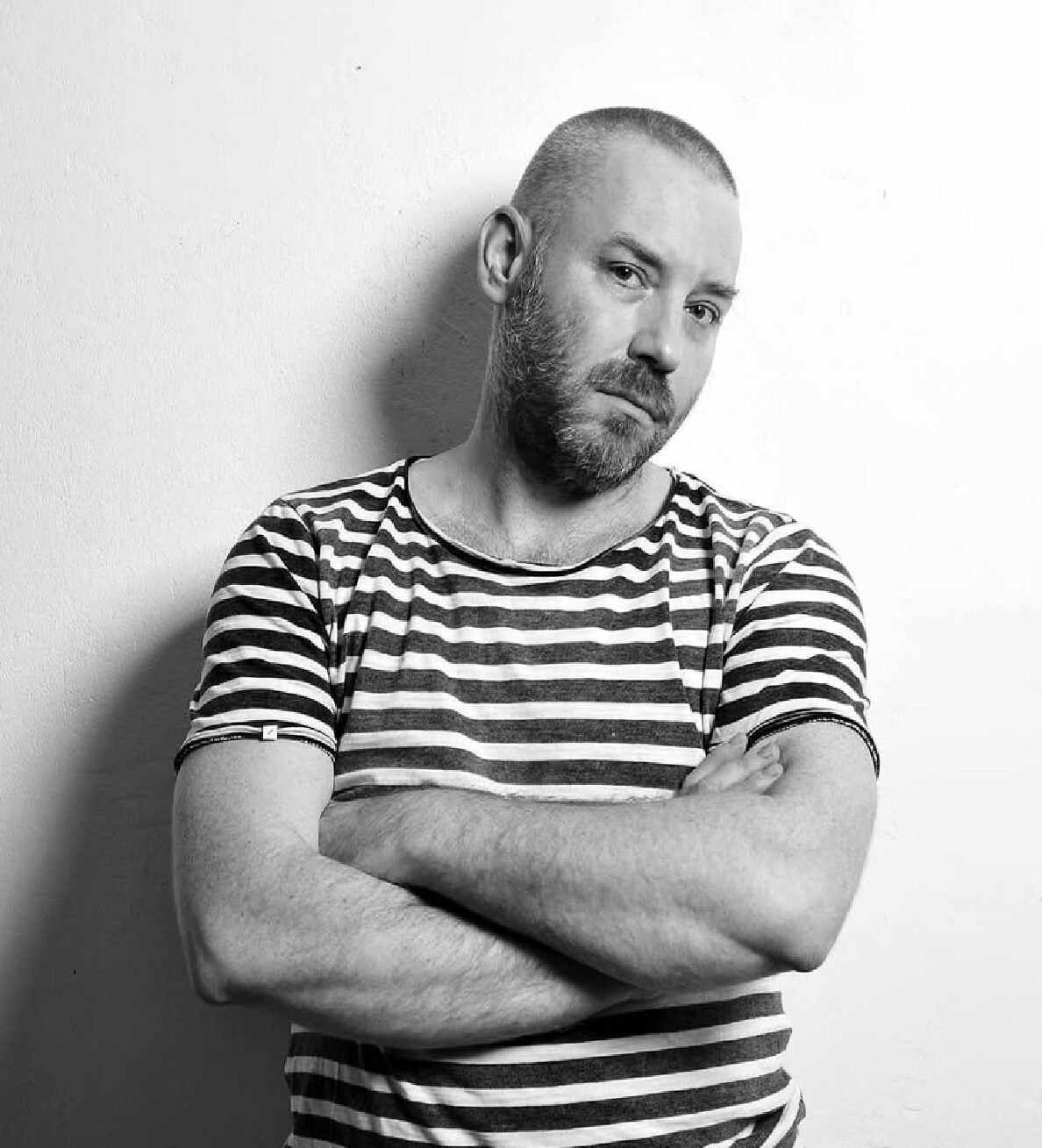
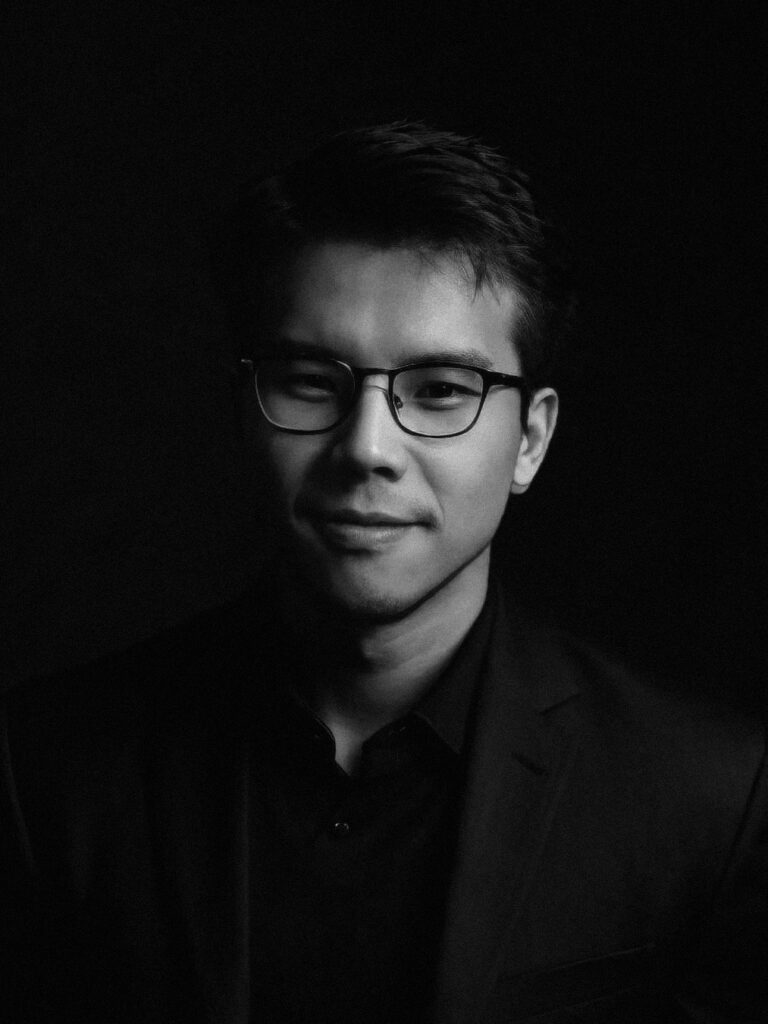
My formative years were spent in Beijing, where I was born and raised. At fifteen, I embarked on a new chapter in Pretoria, South Africa, for high school. This early exposure to diverse cultures ignited a passion for understanding how environment shapes identity and experience, a theme that continues to inform my work today. My architectural studies led me to San Francisco, followed by graduate work and professional practice in New York City. After a transformative year in Thailand exploring Southeast Asian design traditions, I’ve returned to my roots in Beijing to lead objective OBJECT Studio’s expansion into Asia.
MAGAZINE · INTERVIEW
Objective Object – Paul X. Wang
Let's know more about
Interview
Where were you born and where are you from?
What is your first memory connected to the art world?
My earliest connection to the art world was through my grandfather, an anthropologist whose home studio was a captivating sanctuary of creativity and knowledge. Surrounded by his books, hand-crafted tools, paintings, and countless sketches and notes, I was immersed in a world of exploration and discovery. Though he passed away when I was only eight, the spirit of inquiry he instilled continues to inspire my own journey as a designer.
Have you always worked in the art/design field?
My path has always been intertwined with the world of design. While studying architecture at California College of the Arts, I explored visual communication through freelance photography and graphic design. Early experiences with progressive interior design firms in San Francisco solidified my passion for innovative design, while a master’s degree in Urban Design at Columbia University broadened my perspective on the impact of the built environment. This diverse range of scales and mediums – from the intimacy of an object to the expansive scale of urban planning – solidified my understanding that design challenges can be approached from a multitude of perspectives, each offering unique insights and opportunities. In New York City, I gained valuable experience at a multidisciplinary design studio, leading projects that spanned global launch events, flagship retail spaces, and luxury residential design. This dynamic period was followed by a role at a prestigious architecture firm specializing in high-end hospitality and residential projects, where I further honed my skills. Ultimately, these experiences fueled my desire to establish objective OBJECT Studio in 2021, a platform for realizing a holistic vision of luxury and experiential design. The launch of objective OBJECT Gallery in 2022 further expanded this vision, offering our limited-edition objects to a wider audience.
What led you to design creation?
Our name, objective OBJECT, reflects our core design philosophy: approaching each project with an objective lens. This involves carefully considering the client’s needs, the project’s context, and the inherent qualities of the materials and forms we employ. This objectivity allows us to create designs that are both responsive to their surroundings and imbued with a timeless elegance, whether we’re crafting furniture, shaping interiors, or orchestrating a complete human experience.
How would you describe your creative process and its influences?
Our creative process at objective OBJECT is a journey of synthesis, a careful balance of exploration and refinement. It begins with immersion – delving into the project’s essence, understanding its context, and absorbing the client’s vision. This could mean studying the history of a particular furniture typology, analyzing the ergonomics of human interaction with an object, or researching the cultural significance of specific materials. The gathered knowledge is then synthesized with an objective analysis of form, function, and fabrication. This allows us to create furniture, spaces, and experiences that are not only visually compelling but also deeply meaningful and functionally relevant.
Could you describe a typical day of your work?
Leading a bi-continental design studio is a unique experience, and my day reflects that duality. It begins at midnight Beijing time, connecting with our New York team for invigorating design discussions. These early hours are a whirlwind of creative exchange, reviewing work, strategizing with partners, and ensuring both studios are aligned. Interestingly, my breakfast break, often enjoyed in my backyard with a bit of “bird and people watching”, provides a necessary pause when both teams are offline. My mornings in Beijing then continue this focus, jumping straight into design meetings with the local team at 9am. Client meetings, both virtual and in-person, are woven throughout the day, interspersed with site visits and internal design sessions. The last hour of the day is intentionally reserved for focused individual work – essential for design development and research, allowing me to delve into the nuances of a project without interruption. By 6pm, my workday concludes, allowing for a solid five hours of sleep before the cycle begins anew. Weekends, then, are truly reserved for recharging and connecting with loved ones. While the schedule is demanding, the opportunity to bridge continents and collaborate with talented individuals on extraordinary projects makes it all worthwhile.
Why did you choose the specific materials you work with?
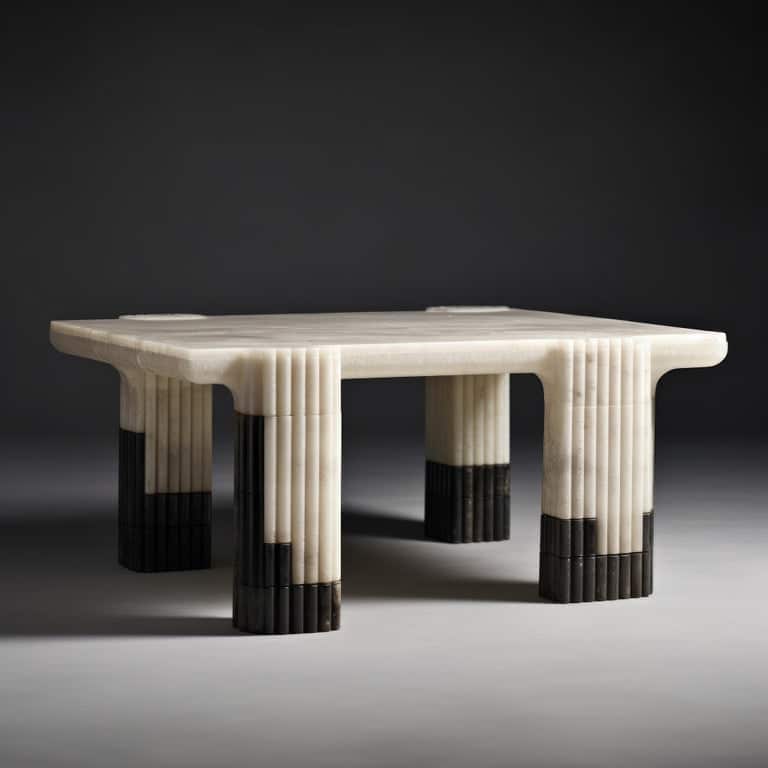
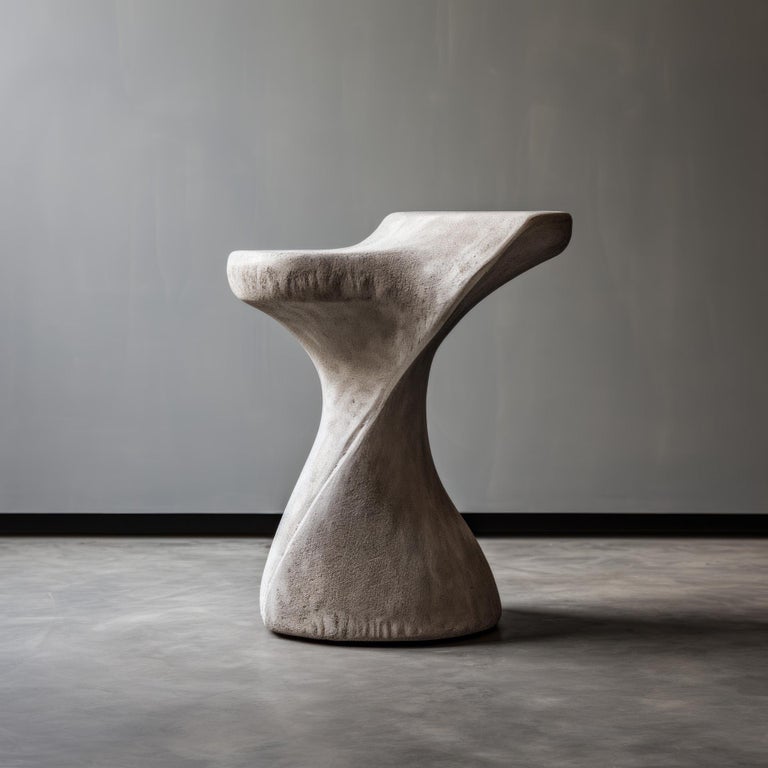
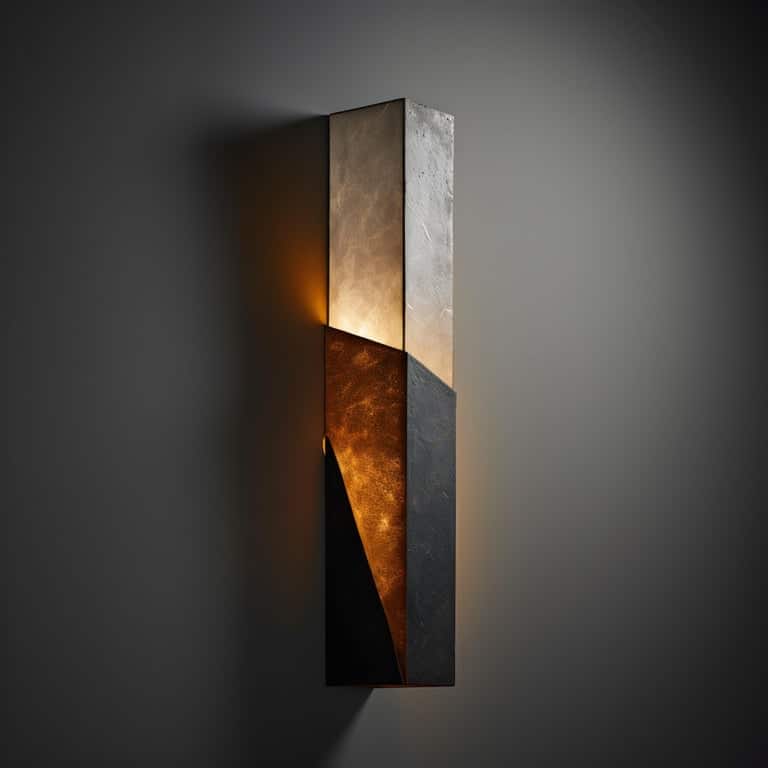
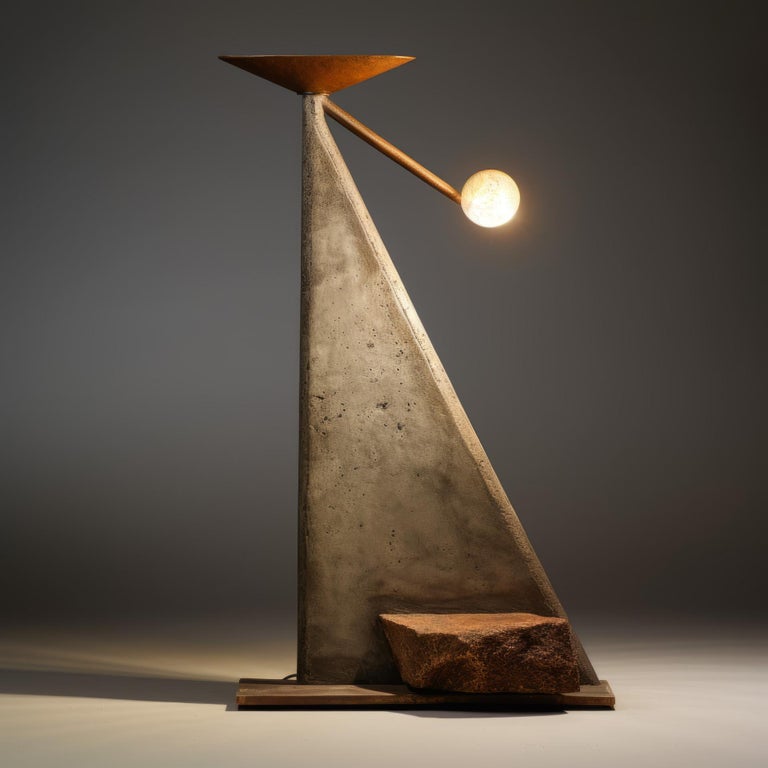
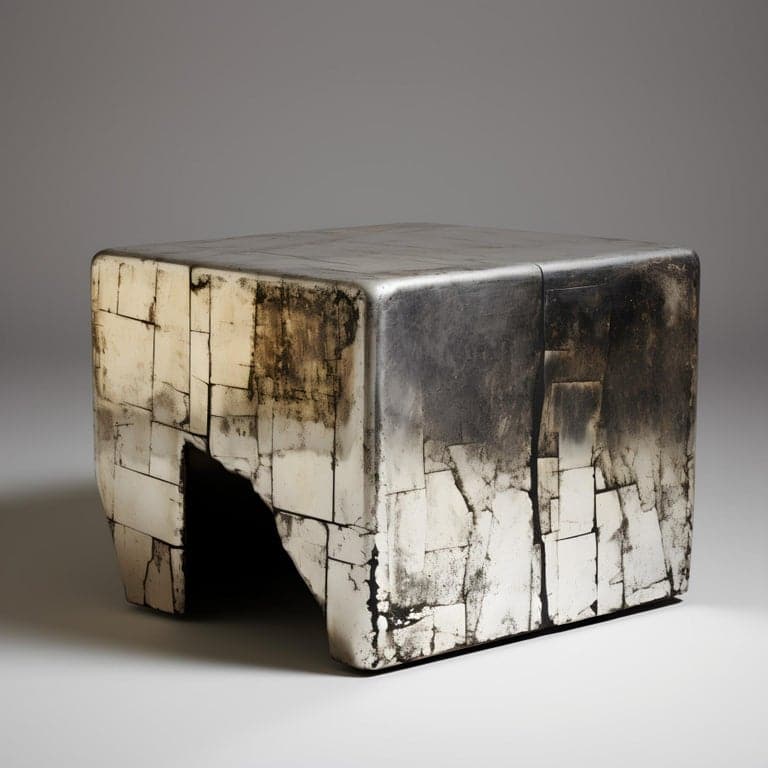
Our material choices are driven by context and narrative, not by predetermined preferences. Each project has a unique story to tell, and the materials we select become integral to that narrative. This often leads us to explore a diverse range of possibilities, from the familiar to the unexpected. However, the final selection is always carefully distilled, narrowing down the options to a bare minimum that effectively upholds the design’s narrative. We seek to uncover the inherent qualities of each material and push its boundaries. I’m fascinated by the interplay of texture, light, and form, and I often find myself experimenting with different techniques to achieve unexpected results. Ultimately, our goal is to create a harmonious dialogue between materiality, concept, and experience.
What are the technical particularities of your creations?
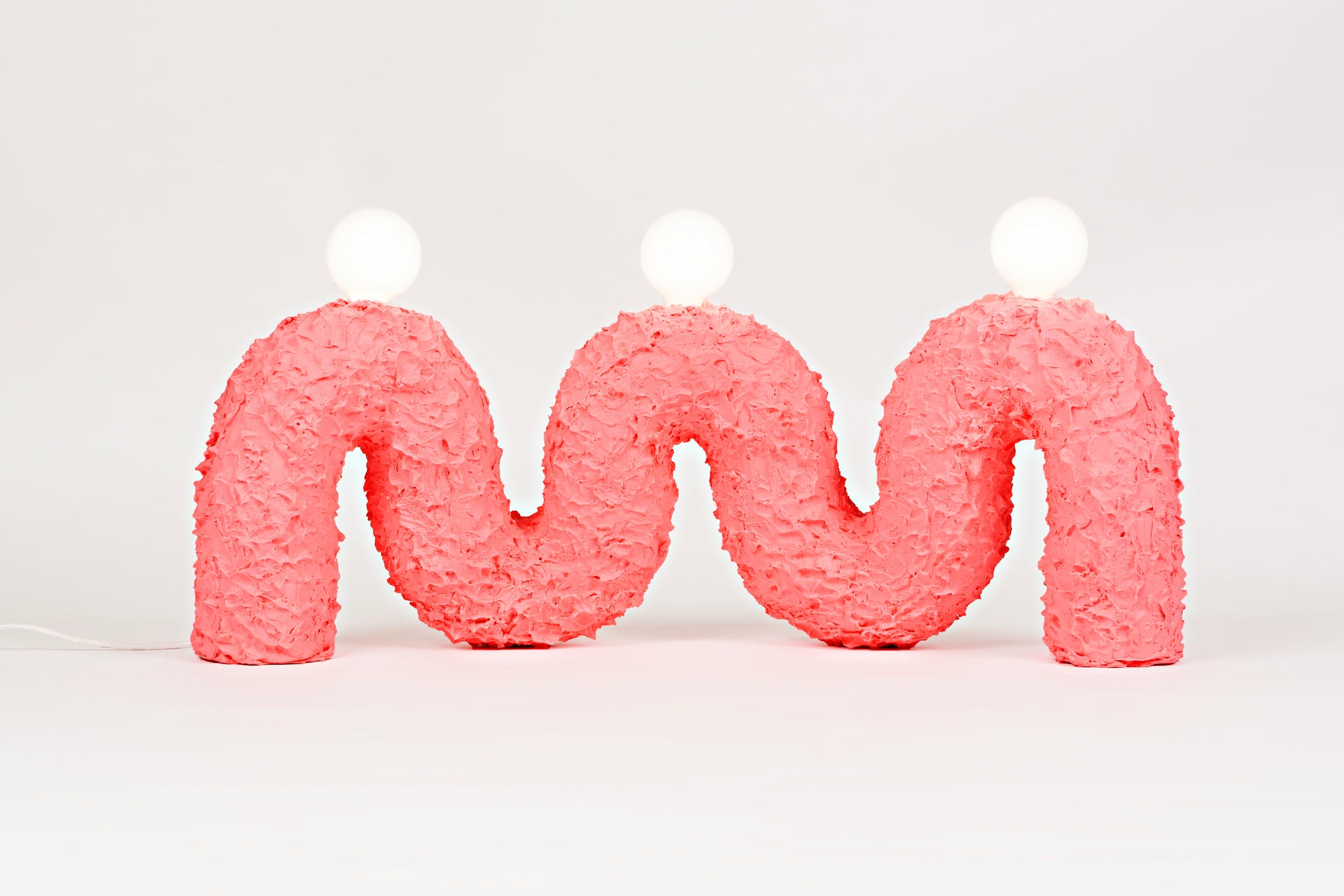
One of the defining characteristics of our work at objective OBJECT is the seamless integration of handcraft. We believe that true luxury lies in the nuanced details and subtle imperfections that only skilled artisans can achieve. We collaborate closely with seasoned craftspeople, providing detailed drawings, samples, and visual references, but also allowing a crucial 5-10% margin for their interpretation and expertise. This trust fosters a dynamic exchange where their knowledge enriches our designs, often leading to unexpected and beautiful results. We embrace the subtle variations and unique character that handcraft brings to each piece, recognizing that these nuances elevate the final creation beyond the purely technical.
What advice could you give to beginning artists who would like to create sculptural design works?
For aspiring sculptural designers, it’s tempting to seek a signature style right away. However, I encourage emerging artists to focus on exploration and experimentation. Embrace your evolving tastes, allow your “style” to organically emerge, and remember that change is an inherent part of the creative process. Create work that resonates with you first and foremost. Authenticity is far more compelling than any contrived aesthetic. Trust your instincts, explore diverse materials and techniques, and allow your unique voice to guide your creative journey.
What contemporary artists, in any kind of art, have you been inspired by?
Franz Kline‘s powerful abstract expressionist paintings, with their dynamic interplay of black and white, Richard Serra‘s monumental steel sculptures that command and redefine space, Keith Haring‘s vibrant and socially charged graphic works, and Anish Kapoor‘s exploration of form, void, and perception through his mesmerizing installations – each has profoundly impacted my understanding of art and its potential to transcend boundaries.
Is there anything you would like to add?
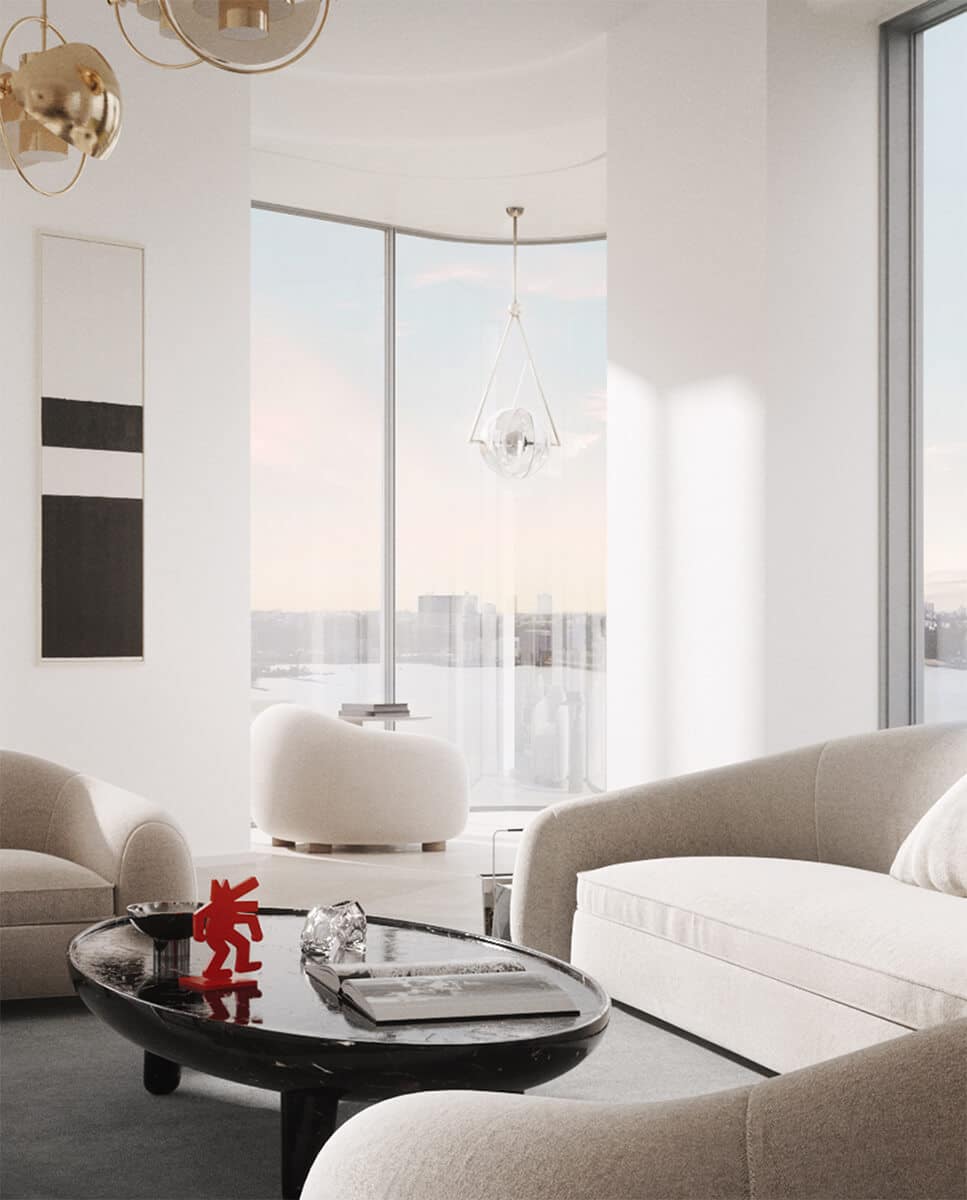
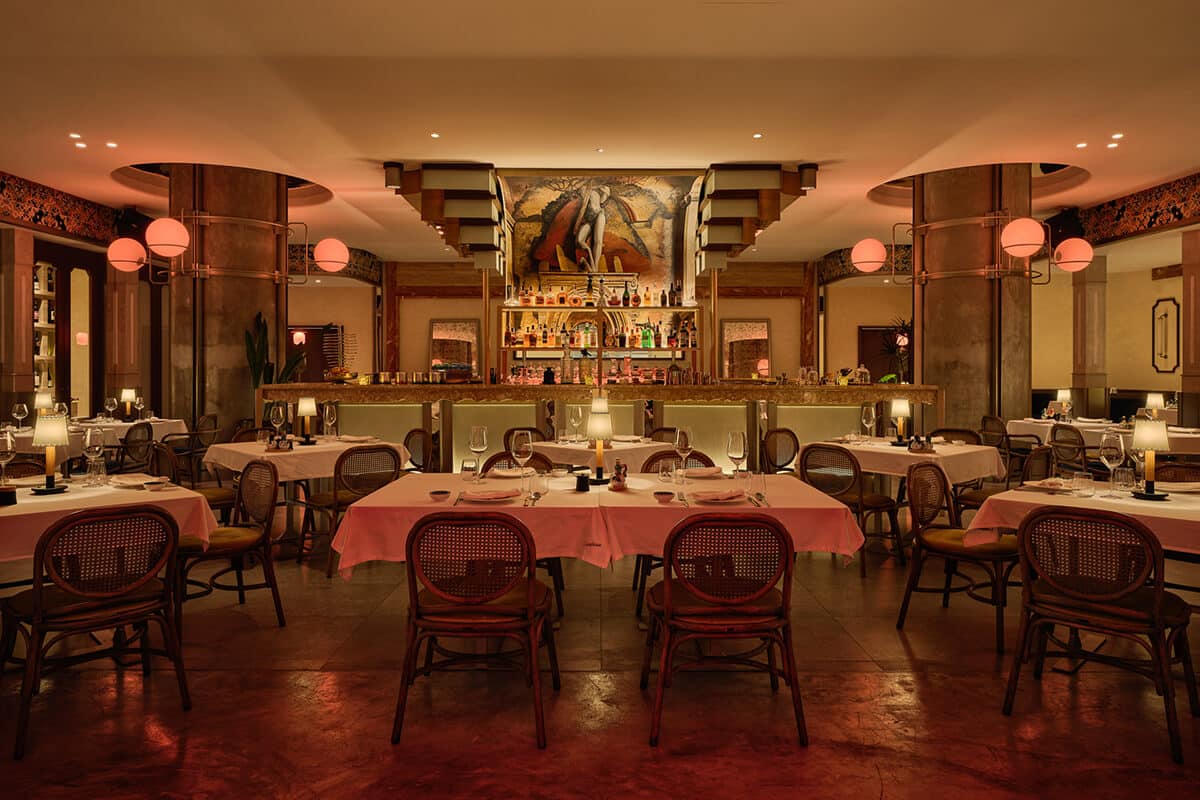
Perhaps what I’d like to emphasize most is the importance of Human Experience in design. At objective OBJECT, we believe that design should not just be visually appealing, but should also evoke emotion, tell a story, and create a lasting impact on those who interact with it. Whether it’s a piece of furniture, a retail space, or a luxury hotel, our goal is to craft environments that engage the senses, spark curiosity, and foster a sense of connection.
If your works had to belong to a design movement, how would you define it?
While our work at objective OBJECT draws inspiration from various design movements, it perhaps resonates most closely with the Bauhaus – if we were to strip away its emphasis on mass production. We share the Bauhaus’s appreciation for clean lines, functional forms, and honest use of materials. However, our focus lies in crafting bespoke pieces that embody a sense of timeless elegance and individuality, rather than replicating designs for mass consumption. We believe in the power of the handcrafted object, imbued with the artisan’s touch and tailored to the client’s unique needs, echoing the Bauhaus spirit while celebrating the beauty of bespoke creation.
What designers and artists have influenced you?
I have a deep appreciation for architects and designers who pushed boundaries and challenged conventions. Louis Kahn’s profound understanding of light and materiality, Gae Aulenti’s bold and expressive forms, Jean-Michel Frank’s refined minimalism, and Oscar Niemeyer’s masterful integration of architecture and surrounding landscape – each has left an indelible mark on my creative sensibility. These masters demonstrate the power of architecture and design to transcend functionality and become a form of artistic expression.
What contemporary designers do you appreciate?
Vincenzo De Cotiis‘s masterful blend of raw materials and refined details, Brigitta Spinocchia Freund‘s sophisticated approach to color and texture, Rick Owens‘s sculptural furniture forms, imbued with a primal, almost brutalist aesthetic, Giacomo Ravagli‘s explorations of materiality and form, and Stéphane Parmentier‘s elegant and understated interiors – each offers a unique perspective on contemporary design. These designers inspire me to continually question conventions, to explore the unexpected, and to create work that is both timeless and relevant to our times.
If you had to summarize your creations in one word or sentence, what would it be?
(Be) Objective.
“Authenticity is far more compelling than any contrived aesthetic.”
The Questionnaire
The Questions
(The Proust Questionnaire is a set of questions answered by the French writer Marcel Proust.
Other historical figures who have answered confession albums are Oscar Wilde,
Karl Marx, Arthur Conan Doyle, Stéphane Mallarmé, Paul Cézanne…)
What is your idea of perfect happiness?
Absolute autonomy.
What is your greatest fear?
Lost in the middle of the ocean.
What is the trait you most deplore in yourself?
Sometimes too compliant or tolerant.
What is the trait you most deplore in others?
Overly pessimistic.
Which living person do you most admire?
I find inspiration in many, but idolize none.
What is your greatest extravagance?
Curating moments, not just possessions. (In plain concepts – Time & Travel)
What is your current state of mind?
Grateful.
What do you consider the most overrated virtue?
Modesty.
What is the quality you most like in a man?
Self-awareness.
What is the quality you most like in a woman?
Self-awareness.
Which words or phrases do you most overuse?
害(haì) – It means “Oh.. Ok.. (Well…)” or “Oh.. Ok.. (Um…)” or “Oh.. Ok.. (Jeez…)”
Which talent would you most like to have?
Exceptional memory but definitely not at hyperthymesia level.
If you could change one thing about yourself, what would it be?
To be allergy-free.
What do you consider your greatest achievement?
Having honest, loyal, and talented friends across the continents.
If you were to die and come back as a person or a thing, what would it be?
Me.
Where would you most like to live?
As many countries as possible in this lifetime.
What is your most treasured possession?
A box contains every handwritten card I have received since I was born.
What do you regard as the lowest depth of misery?
Congenital blindness.
What is your favorite occupation?
Designer / Design Professor.
What is your most marked characteristic?
A deep-seated belief in firsthand observation and exploration.
What do you most value in your friends?
Unfiltered humor.
Who are your favorite writers?
沈从文 (shěn cóng wén) Shen Congwen.
Who is your hero of fiction?
–
Which historical figure do you most identify with?
–
Who are your heroes in real life?
My parents.
What are your favorite names?
白居易 (bái jū yì) Bai Juyi, 林徽因 (lín huī yīn) Lin Huiyin, 陶渊明 (Táo Yuān míng) Tao Yuanming.
What is it that you most dislike?
Indecisiveness.
What is your greatest regret?
I was studying abroad when my mom lost her parents and my dad lost his mother. I wish I was there for my family.
How would you like to die?
Suddenly.
What is your motto?
生是劳作, 死是休息 (Life is work, death is rest), which I inherited from my grandfather.
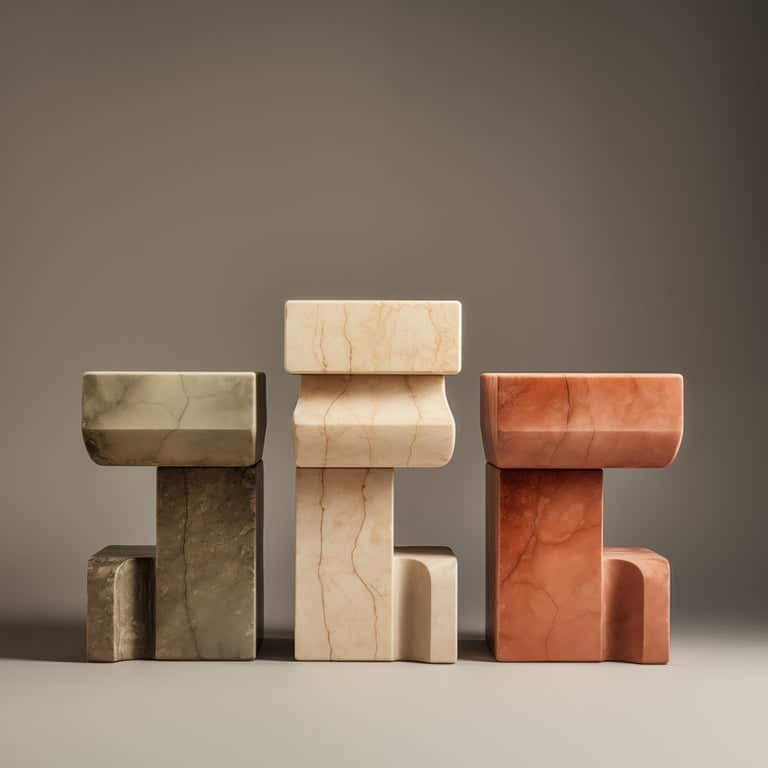
“We believe that design should not just be visually appealing, but should also evoke emotion, tell a story, and create a lasting impact on those who interact with it.”
SHARE :