OFFHAND PRACTICE
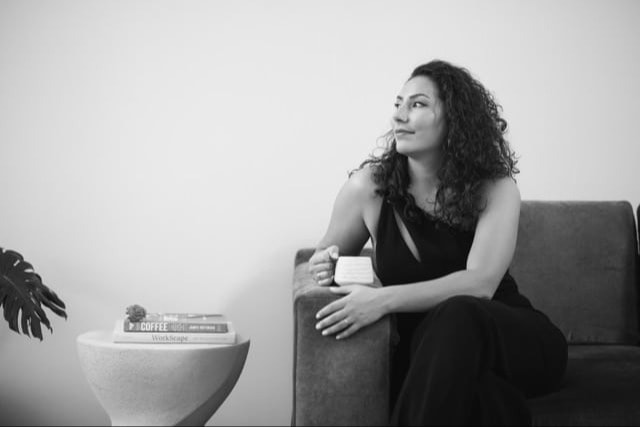
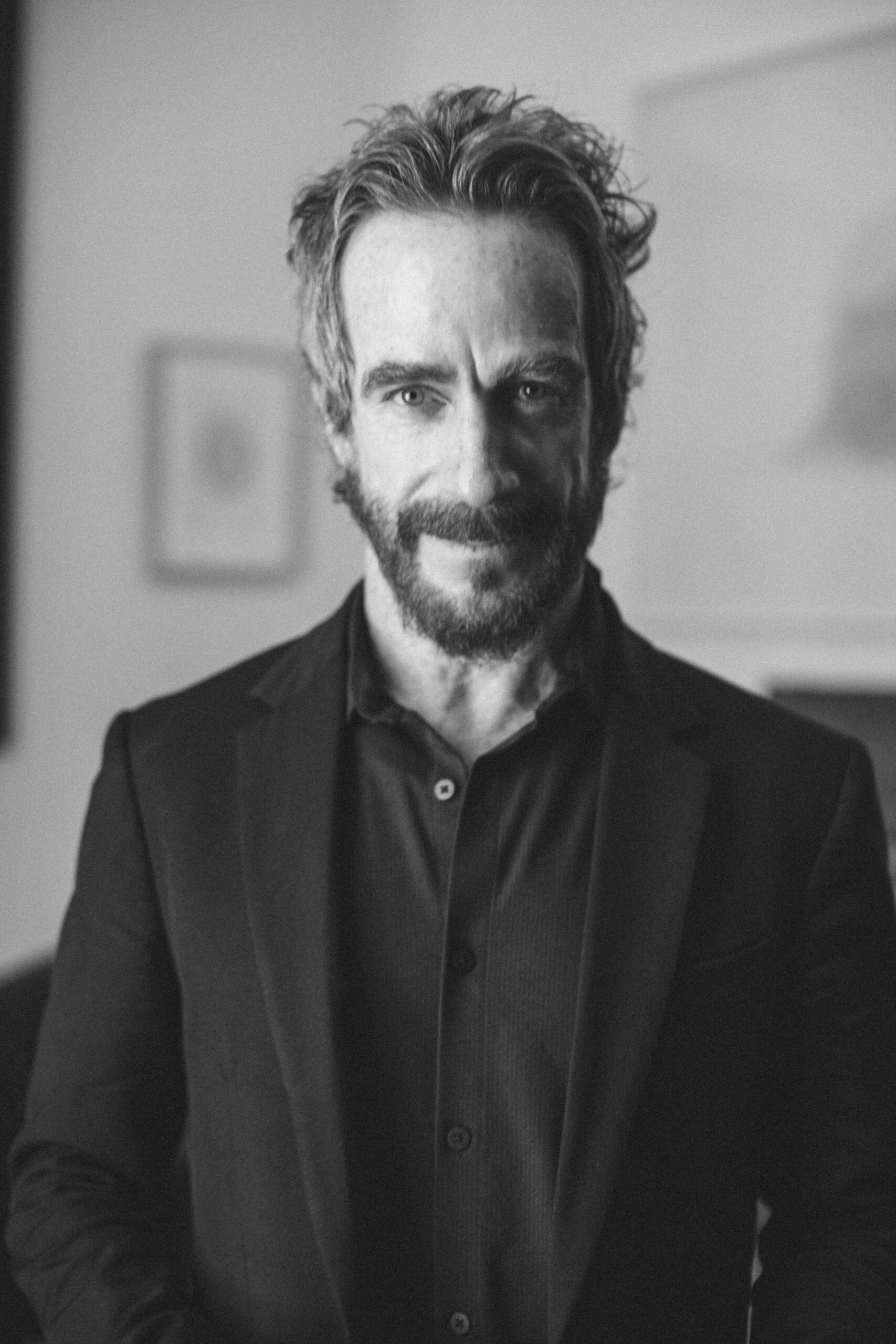
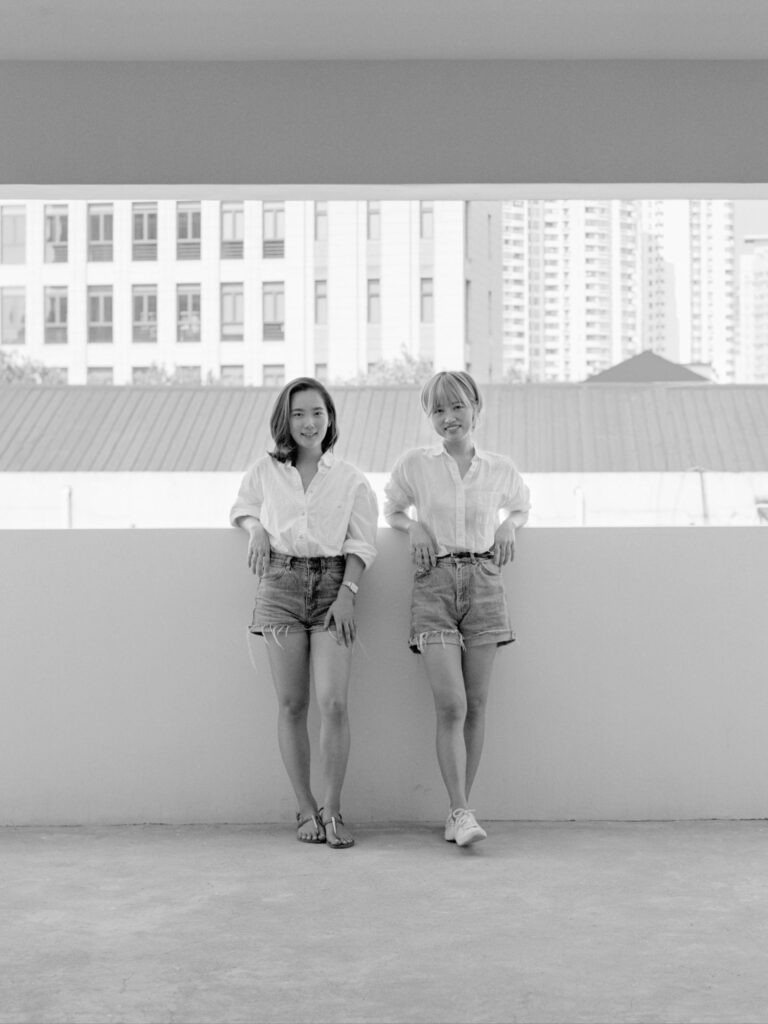
OFFHAND PRACTICE is a Shanghai-based design studio founded in 2019 by Yuan Yuan and Nie Xuan. Working across interior design, exhibition, and spatial design, the studio develops projects defined by a thoughtful balance of experimentation, material sensitivity, and contextual awareness. Their practice embraces curiosity and hands-on exploration, approaching each commission as an opportunity to uncover the essence of a place through careful observation and refinement.
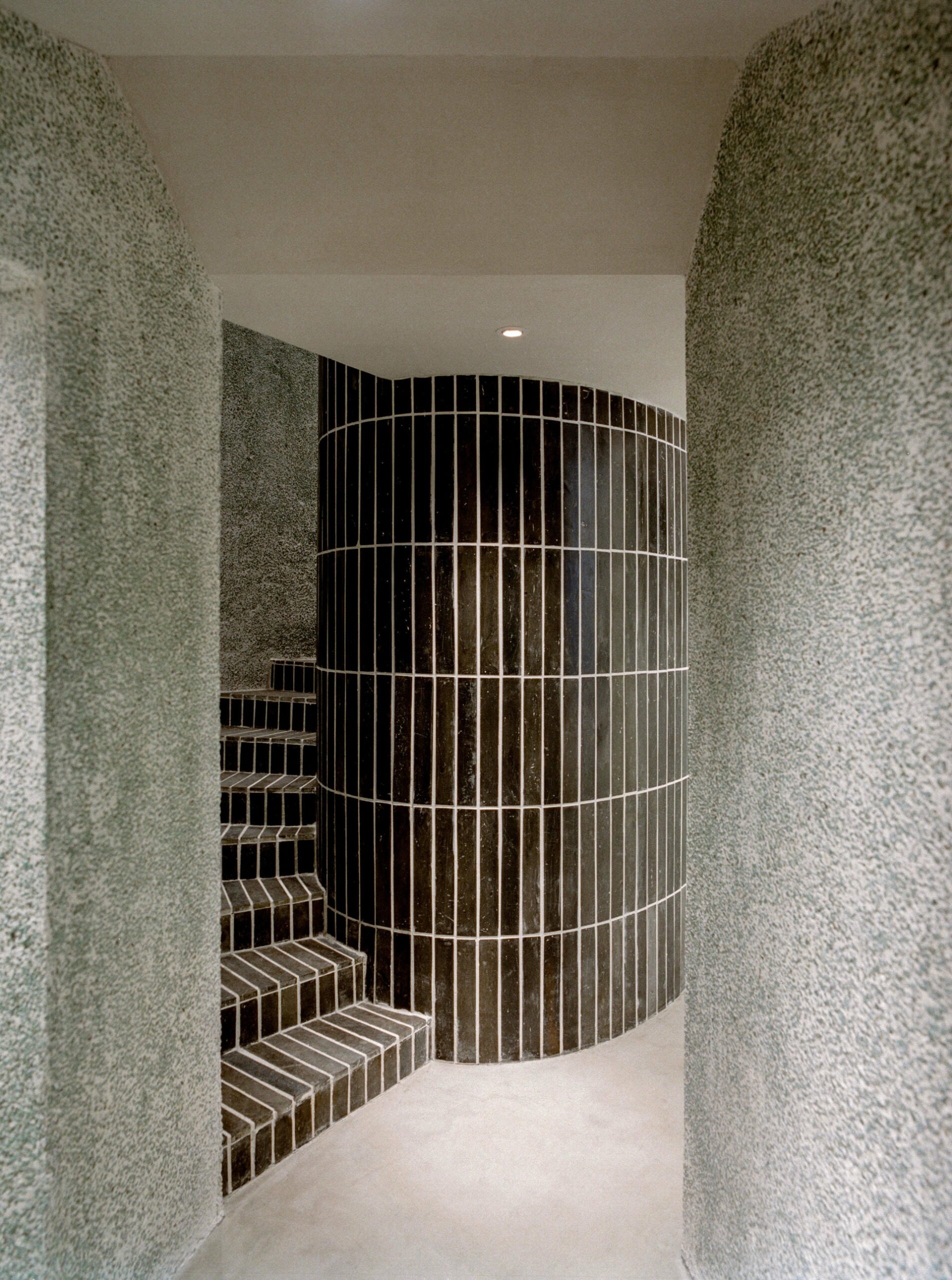
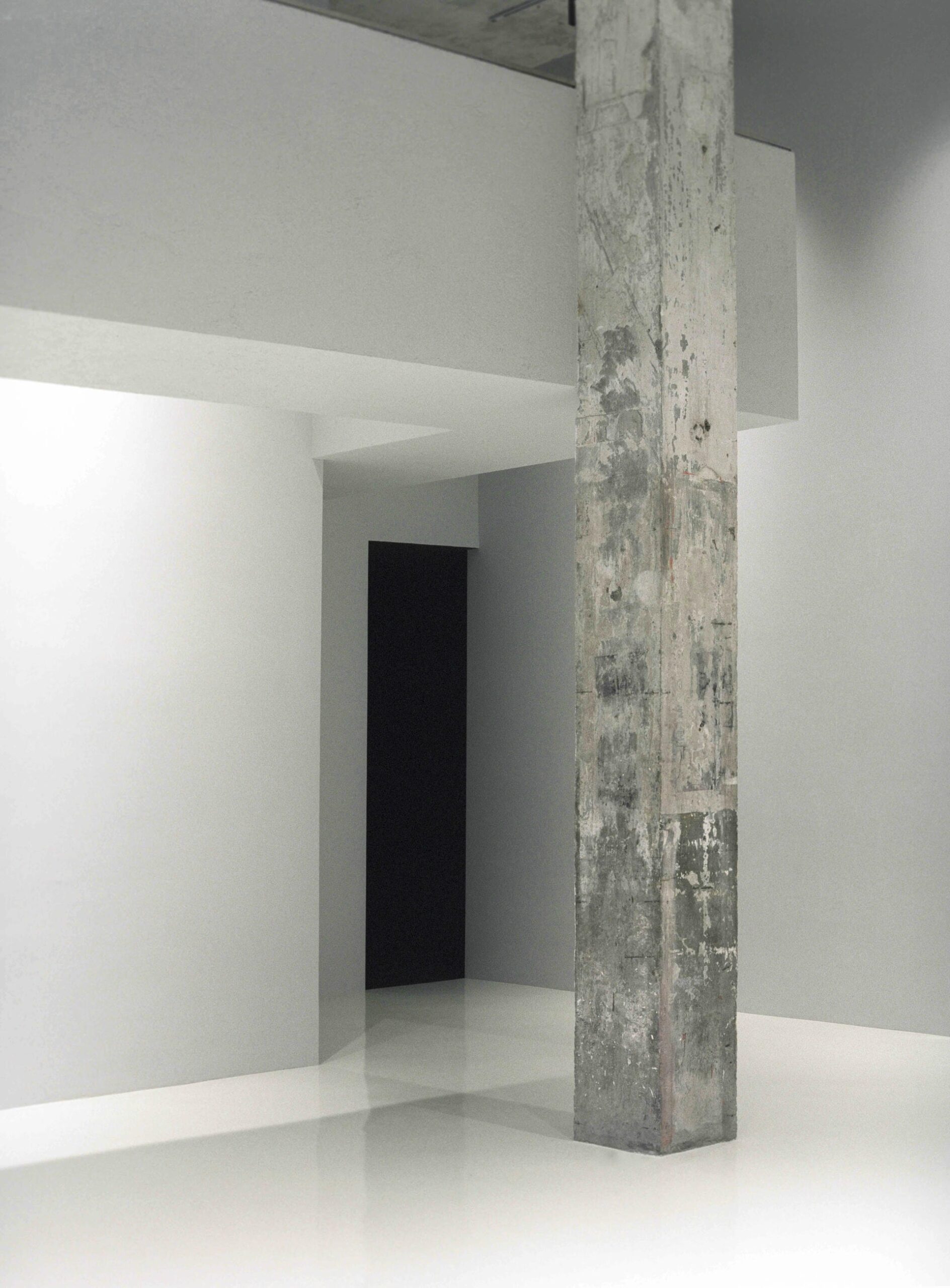
Guided by the belief that meaningful spaces emerge from an ongoing dialogue between people and their surroundings, OFFHAND PRACTICE creates interiors that are understated yet deeply expressive. Their portfolio includes projects such as Aesop Suzhou Cangjie Store, Déjà Vu Recycle Store in Shanghai, and Brownie / Project M50 Gallery, each reflecting the studio’s commitment to authenticity, clarity, and enduring spatial experiences.
“Communication is the key to everything.”
INTERVIEW

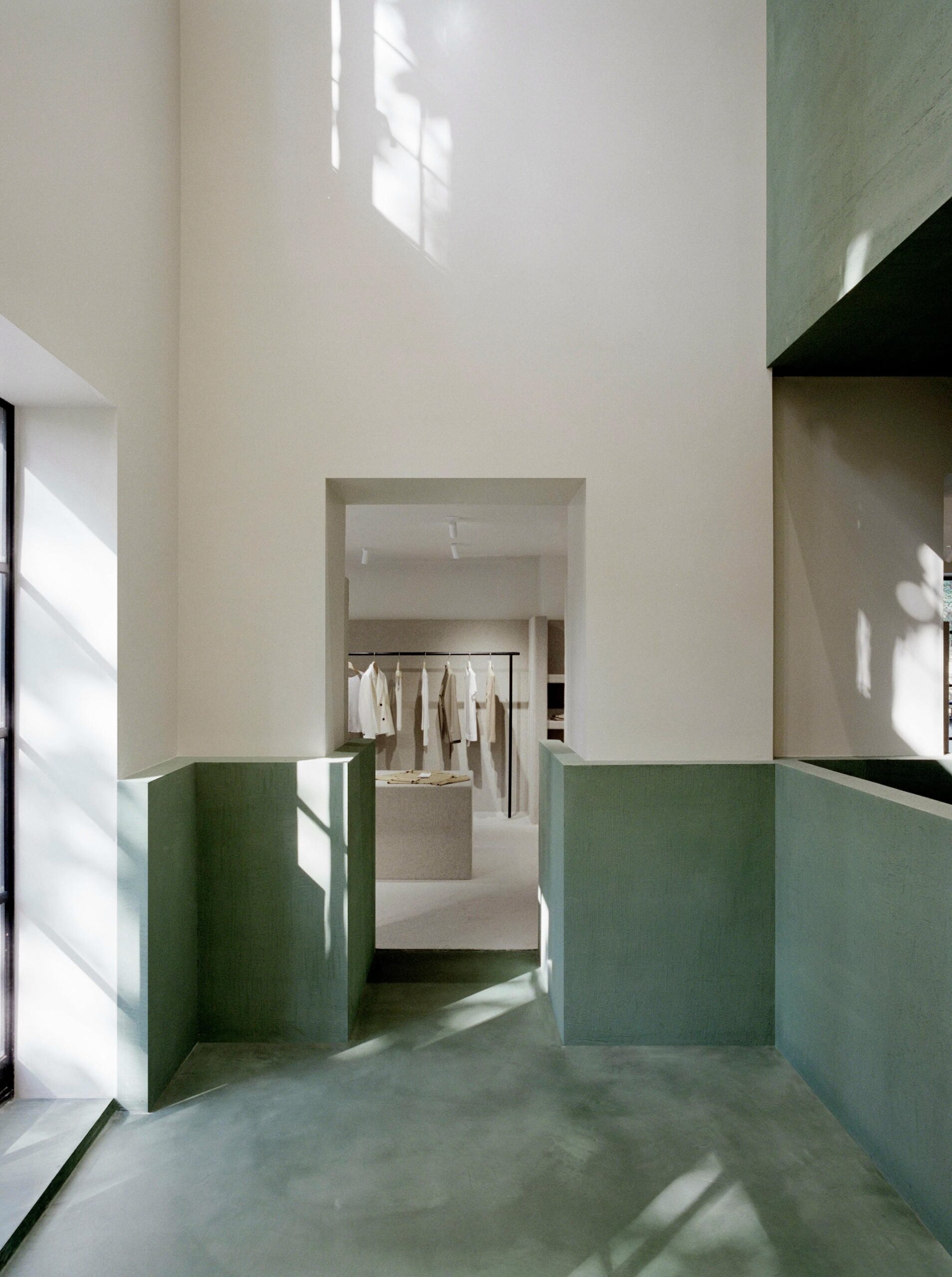
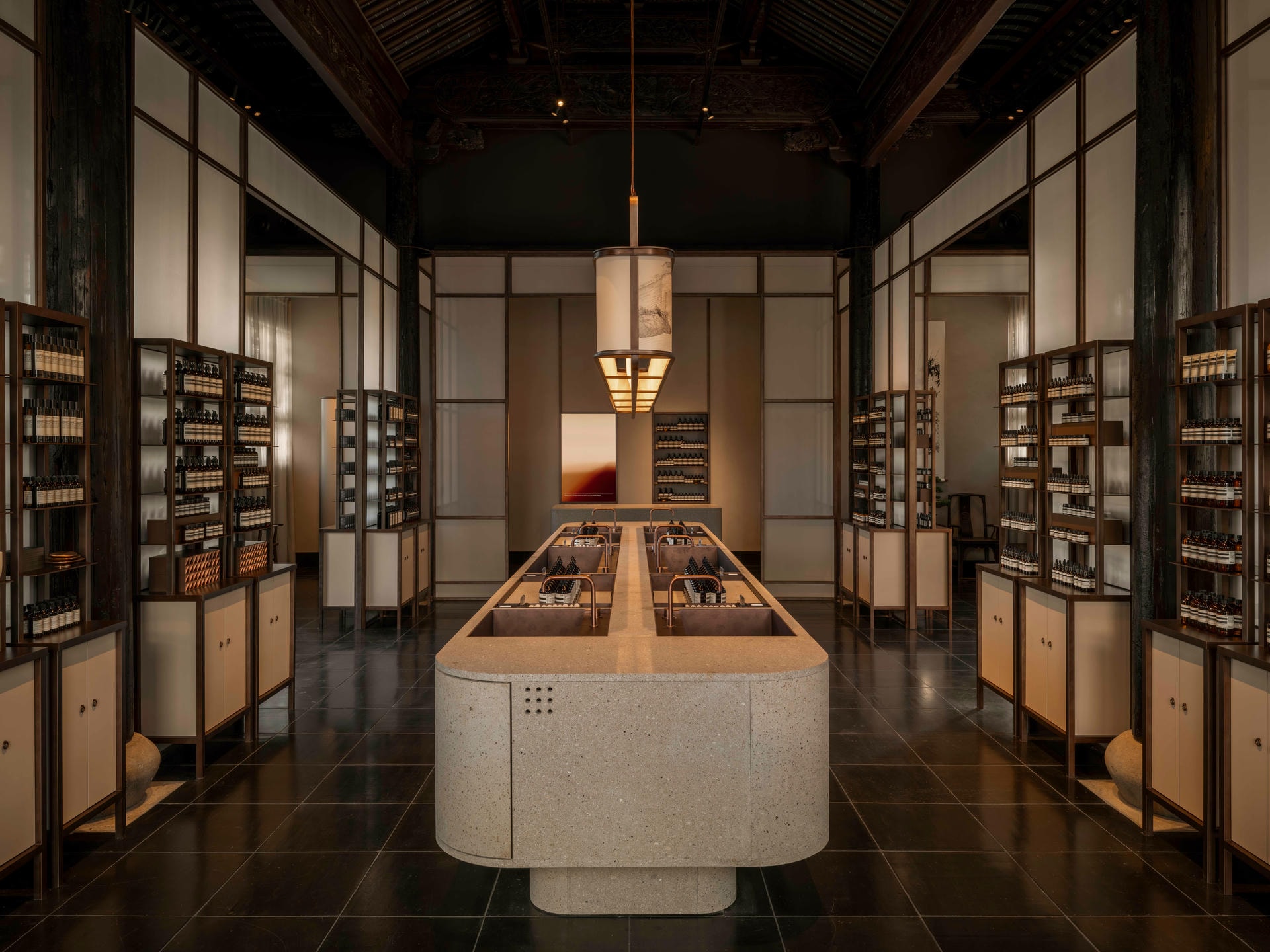
Aesop Cangjie Store, Suzhou
Typically, when we start an interior design project, it all begins with sorting through the information we gather after communicating with the client. Sometimes it’s a long written project brief. Other times, it’s a collection of mood boards that the client has already put together. So the first thing we need to do is actually quite a complex process of information handling — figuring out what is essential for the brand’s spatial presentation and what is not. After rounds of refinement, the most important thread becomes clear. Only then do we start to explore references that align with that thread and dive deeper into the research.
I majored in interior design during my university years. The reason I chose this field goes back to my teenage years, when I watched several interior design TV programmes. Those shows sparked my initial interest and inspired me to pursue the idea of making spaces more beautiful. From there, entering this profession felt like a very natural and inevitable step.
That defining moment would probably be when I decided to transition from being an employee to starting my own business. From that point on, it forced me to evolve from a ‘follower’ — someone who imitates — into a ‘creator’.
This is quite a subjective question, because every designer brings a different background and design perspective. Every project also serves a unique client. So, whether an interior design project is successful or not really depends on whether the people you’re designing for are satisfied, and whether the design genuinely creates a positive impact on their life or business. Of course, the designer’s own aesthetic expression must also be present in the project.
Currently in our studio, we work on quite a few projects for emerging brand retail stores. Behind many of these brands, there is a strong sense of the founder’s self-expression. So a key point we’ve come to believe is this: you have to communicate a lot with the client. That’s how sparks fly. Communication is the key to everything.
The mantra that encapsulates our taste in design is this: we hope that the spaces we design, beyond being ‘beautiful,’ can carry a certain depth of expression. We consistently strive, in every project, to see beyond the surface and get to the essence — stripping away unnecessary elements — so that the space becomes sincere, unpretentious, yet full of strength.
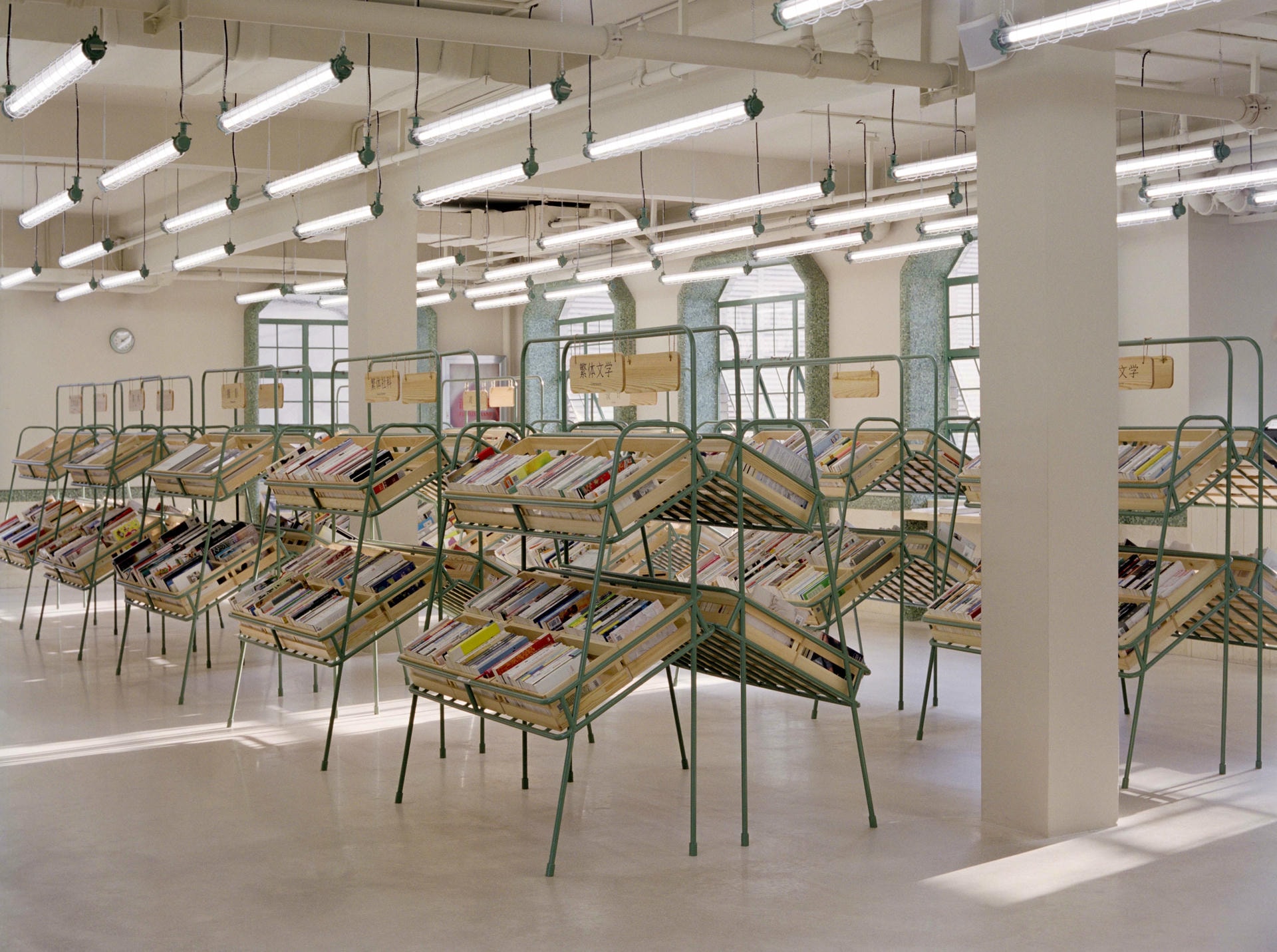
My favorite project so far would be Déjà Vu Recycle Store in Shanghai. For this project, we dug deep into what Déjà Vu wanted to convey to its customers — a sense of relaxation and fun — while also capturing the essence of a brand built around recycle commerce. So we introduced a very everyday concept into the space: the experience of browsing a vegetable market. We transformed common market shelves into beautifully designed bookcases, so that when customers browse through the wide selection of books, they get the feeling of filling up their own spiritual ‘shopping basket’.
The hardest lesson for me wasn’t actually about solving design challenges. It was dealing with the management, legal, and financial issues that come with running a real design firm. These are things that no course ever teaches you from your previous professional experience. So you just have to face them as they come and find the corresponding solutions along the way.
I would like to recommend ‘Kashiwa Sato’s Ultimate Method for Reaching the Essentials’ by Kashiwa Sato. The author is the Creative Director of SAMURAI, a design and creative studio in Japan. While reading how he walks through his graphic design case studies, I realised that the design process is fundamentally the same across all disciplines.
The best advice I’ve received came from a senior in the field. He said: never expand your studio too much! Hahaha — because otherwise, you won’t be able to focus on what you truly love doing. And so far, this advice has served me very well indeed.

Déjà Vu Recycle Store, Shanghai
Keep an open mind and absorb as much knowledge as you can. Only after you have built up a certain reserve of knowledge should you then start to filter and refine it.

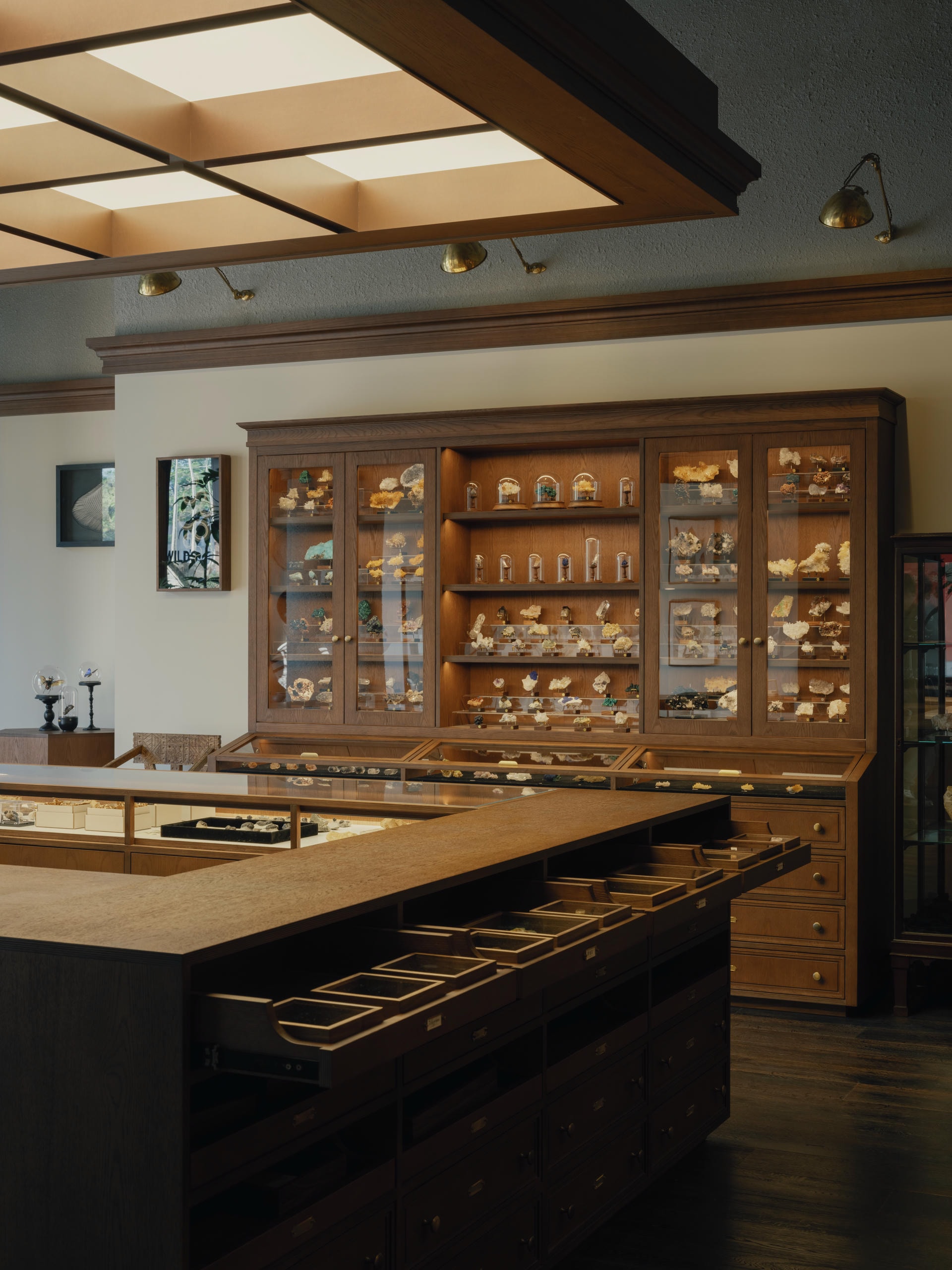
Wild's Collection Naturalist Specimen, Guangzhou
I would like to recommend ‘Kashiwa Sato’s Ultimate Method for Reaching the Essentials’ by Kashiwa Sato. The author is the Creative Director of SAMURAI, a design and creative studio in Japan.
While reading how he walks through his graphic design case studies, I realised that the design process is fundamentally the same across all disciplines.
I don’t really have a specific design tip to share, because behind every design there are people. So what I would say is this: when you work on a project, approach it with sincerity and try to truly understand the people behind that project.
Recently, we designed a very interesting street-side specimen shop. Usually, you would have to go into a national natural history museum to see these fascinating biological specimens. But in this small shop, you can easily immerse yourself among them.
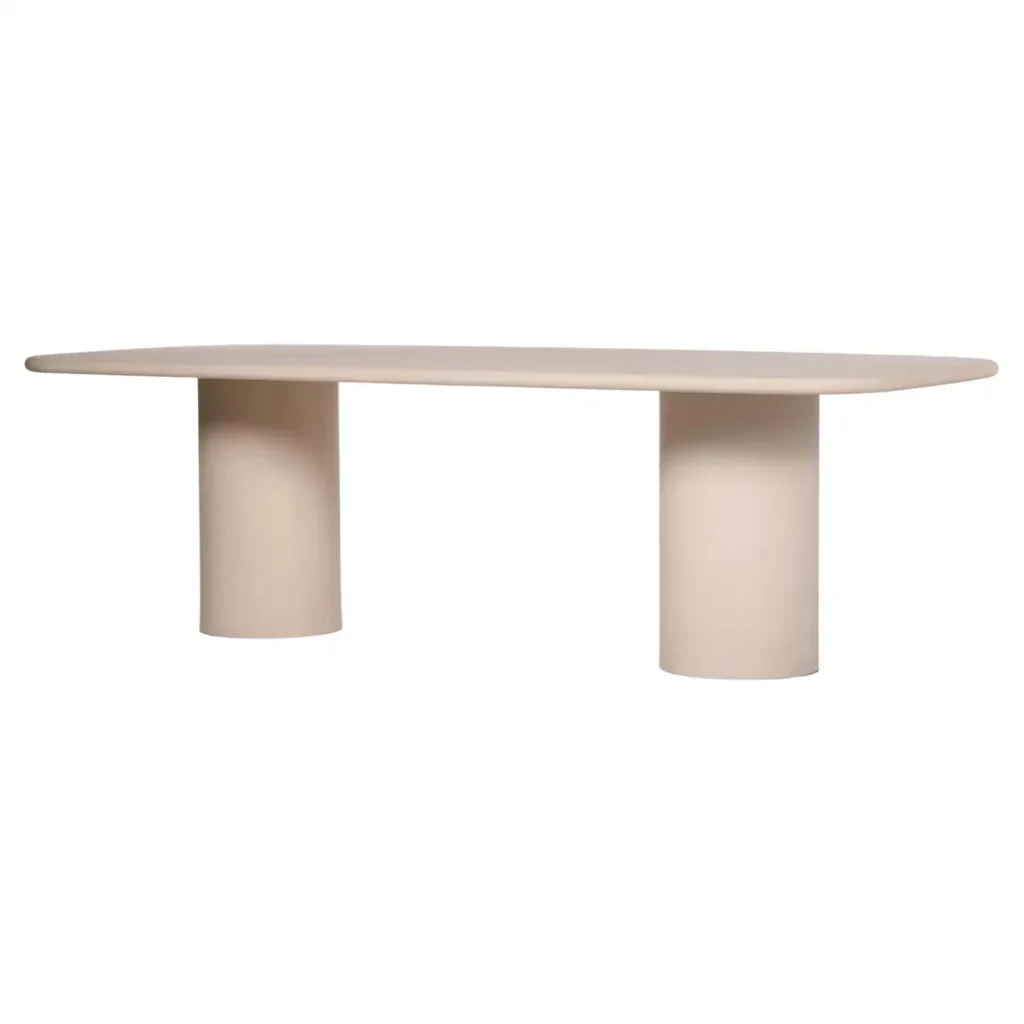
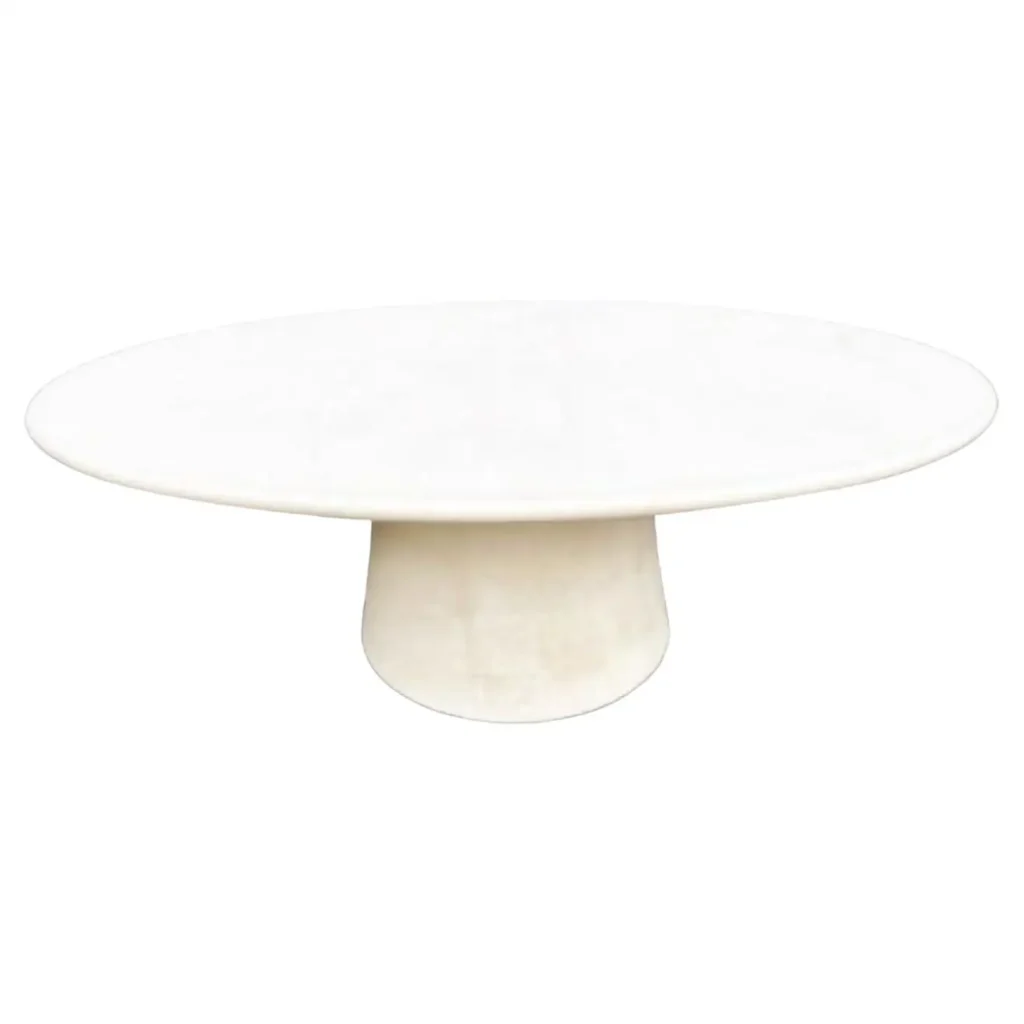
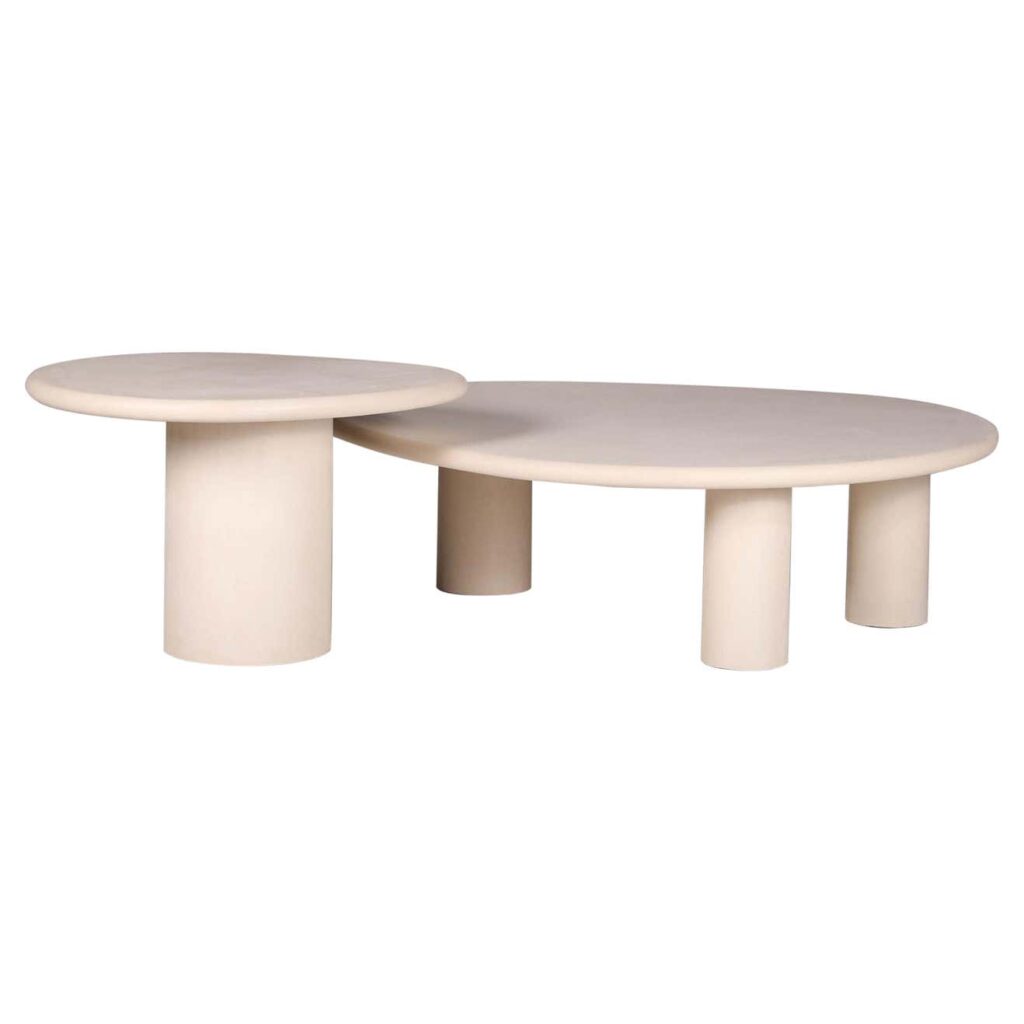
favorite pieces from the Philia Collection
The three pieces I would pick are the 3 Outdoor Tables by Philippe Colette. There aren’t many outdoor furniture pieces that are both simple and beautiful, but these three are truly stunning. Their aesthetic aligns very well with what our studio pursues. I hope that one day we will have the opportunity to use them in a project.
Thank you so much Yuan Yuan, for this lovely interview!
Share article :