Hugo França
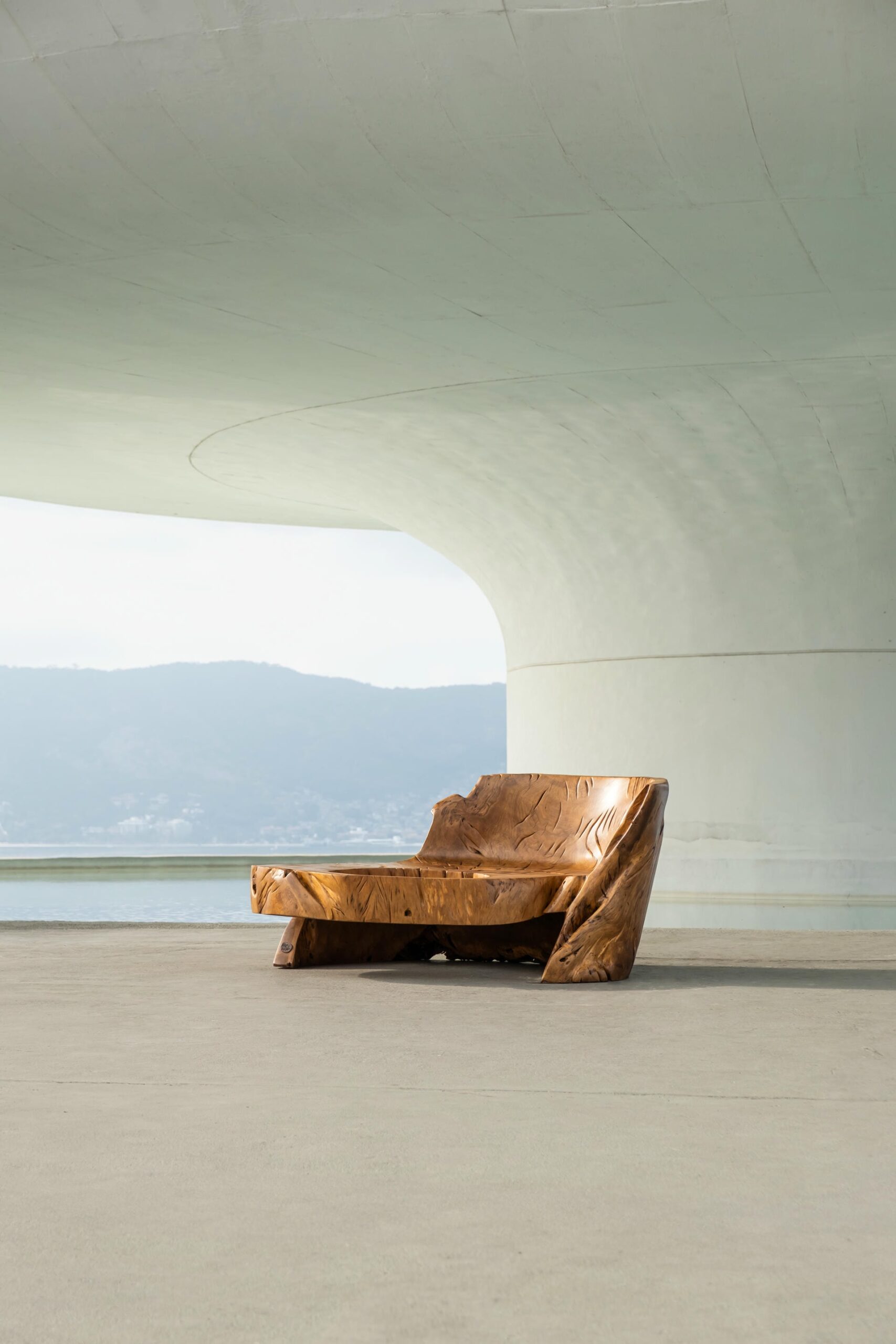
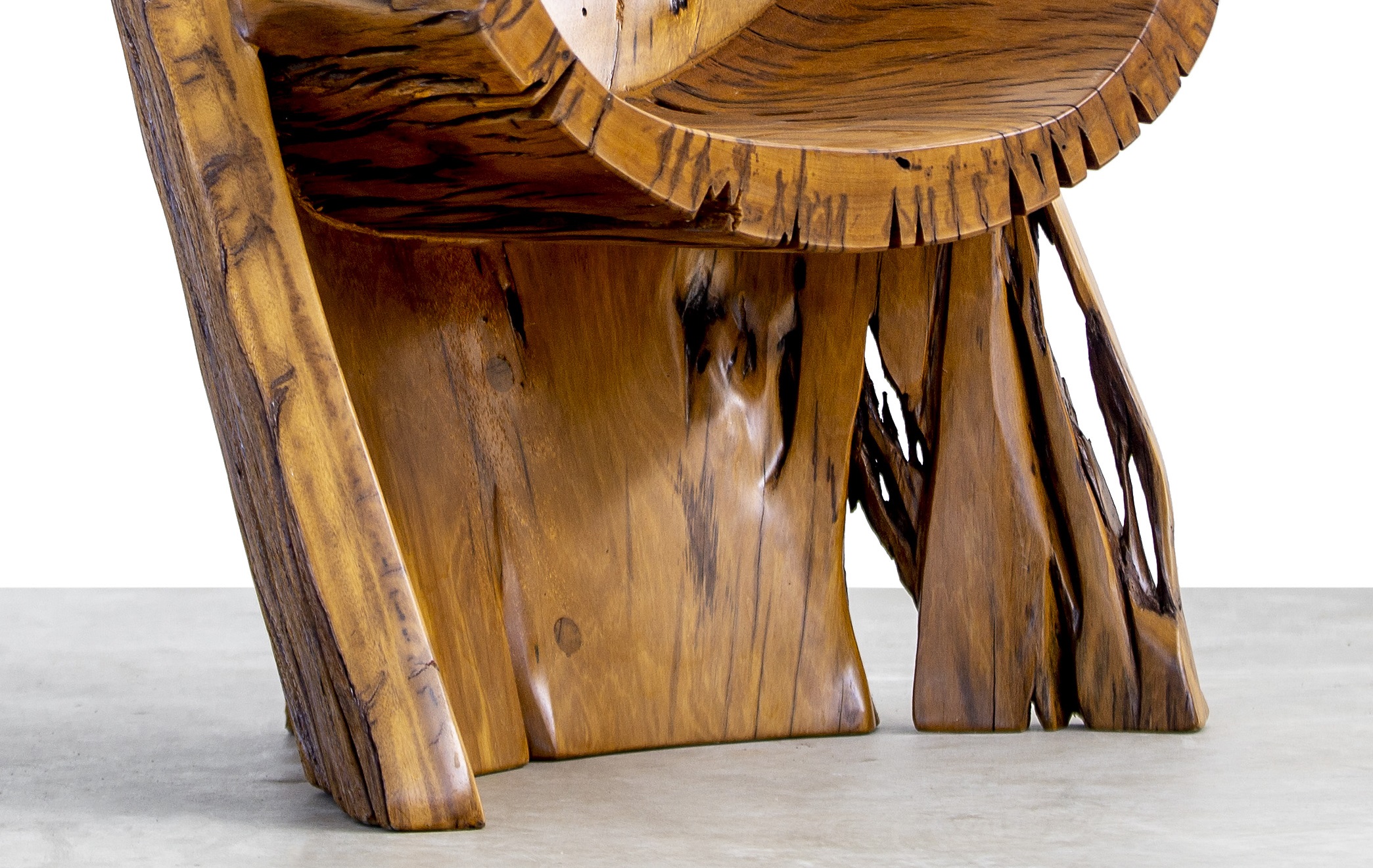
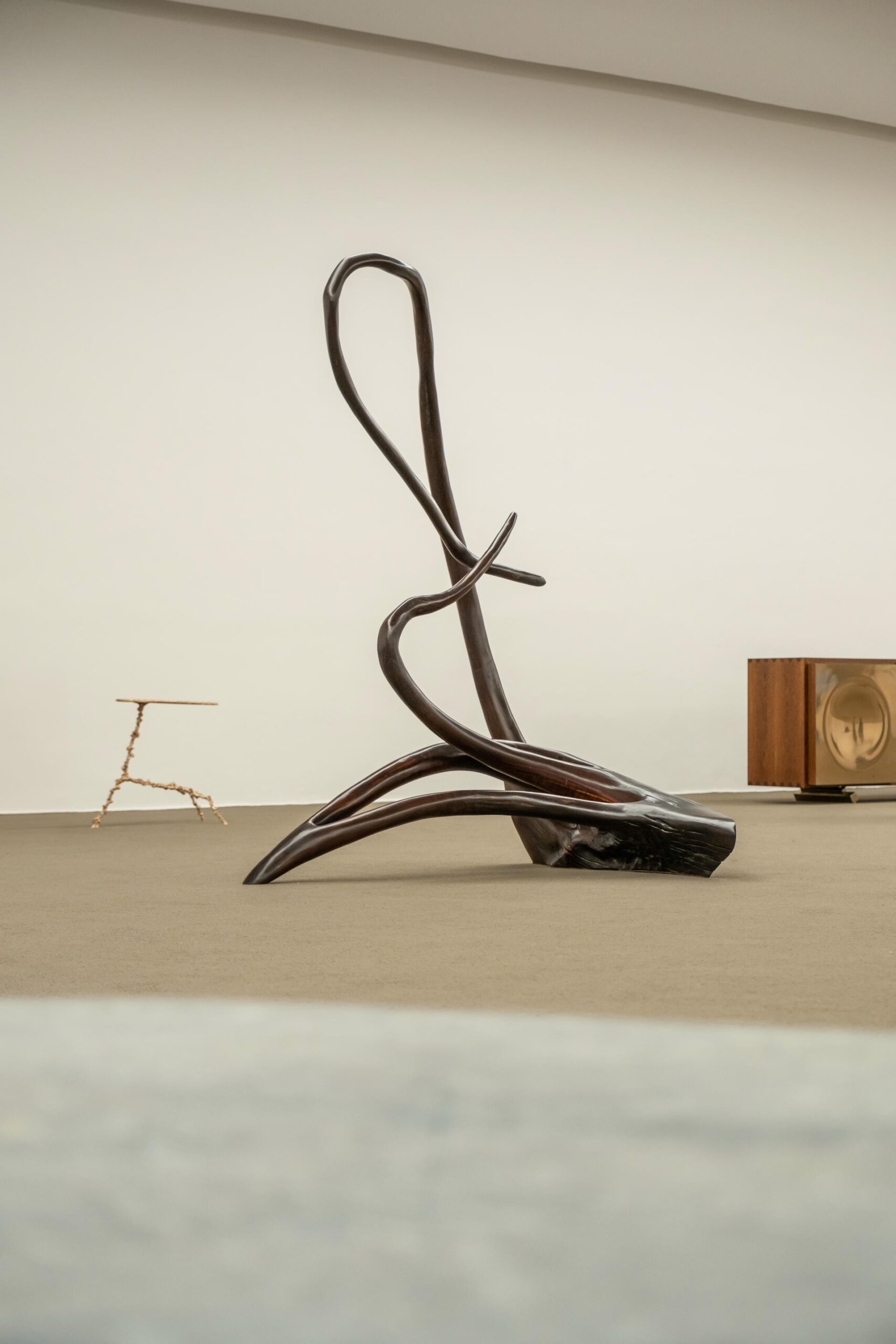
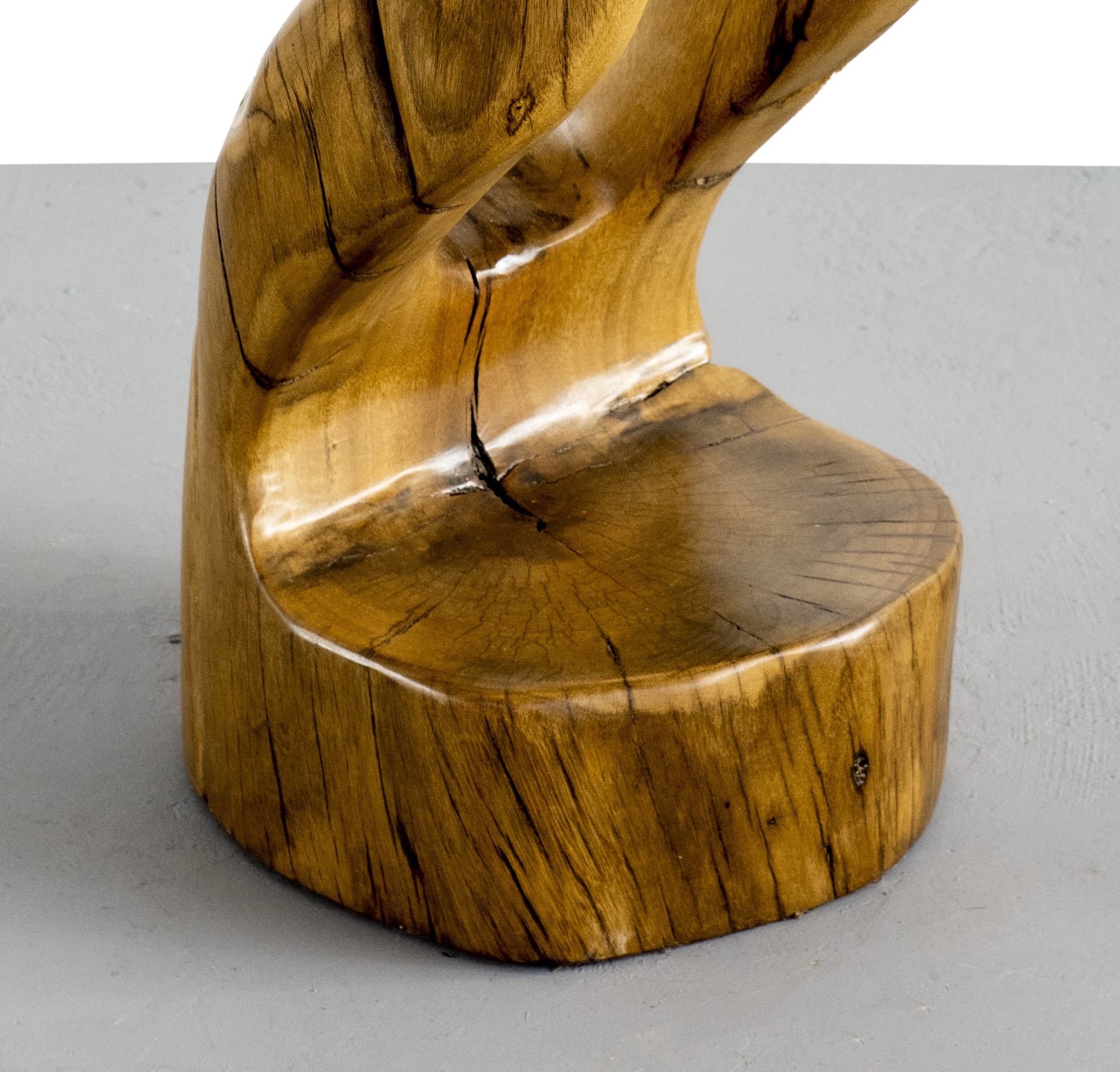
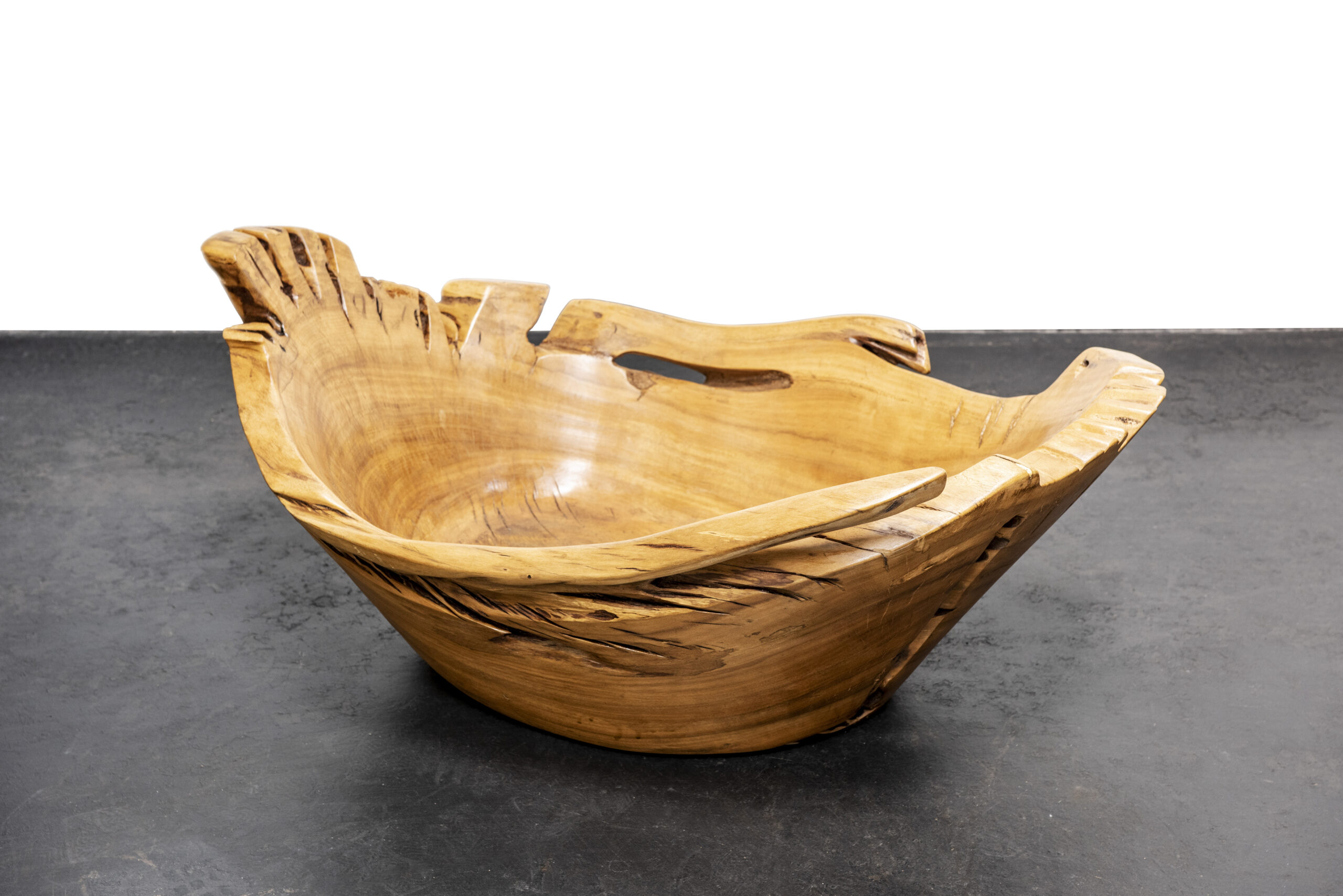
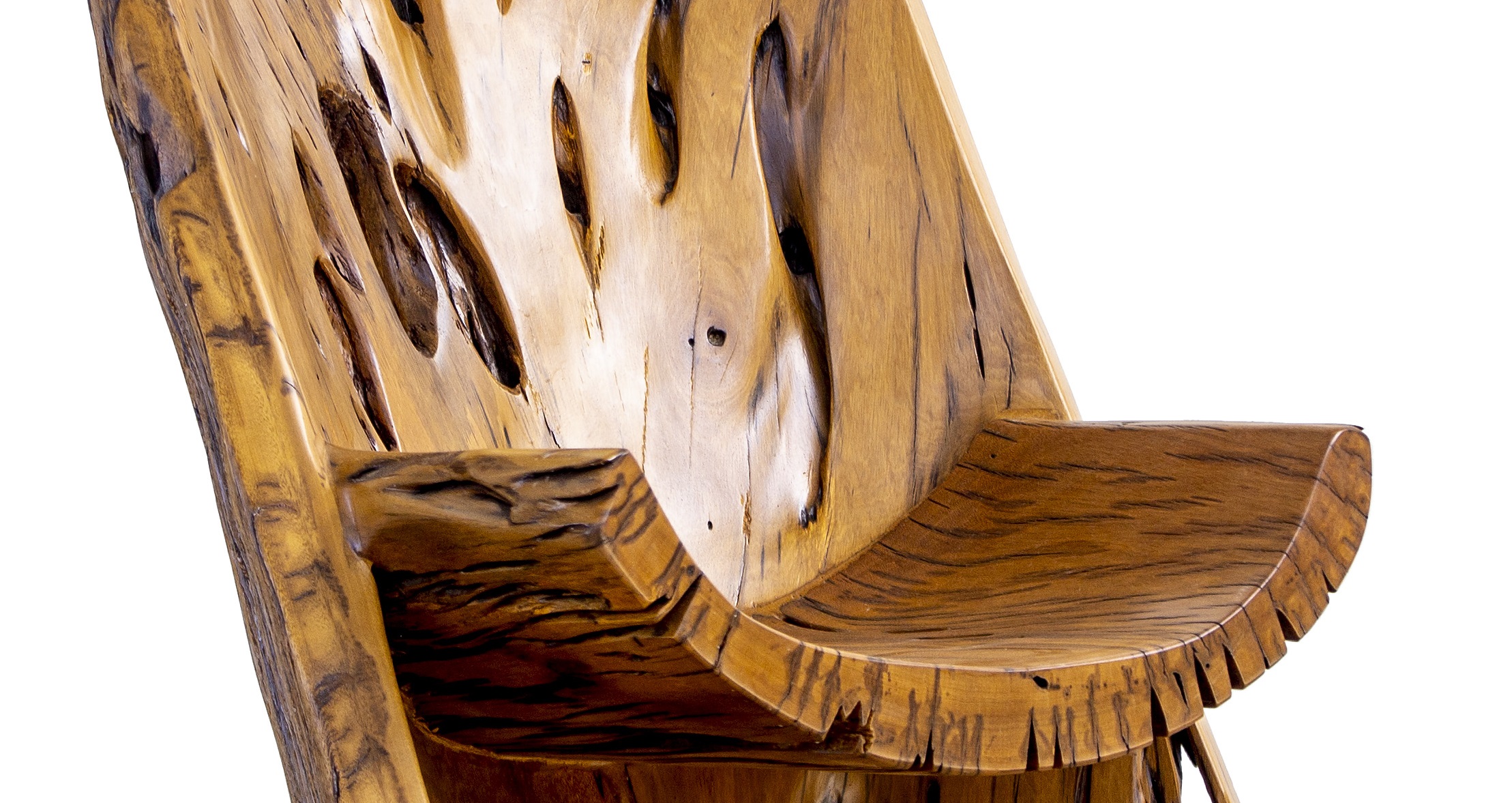
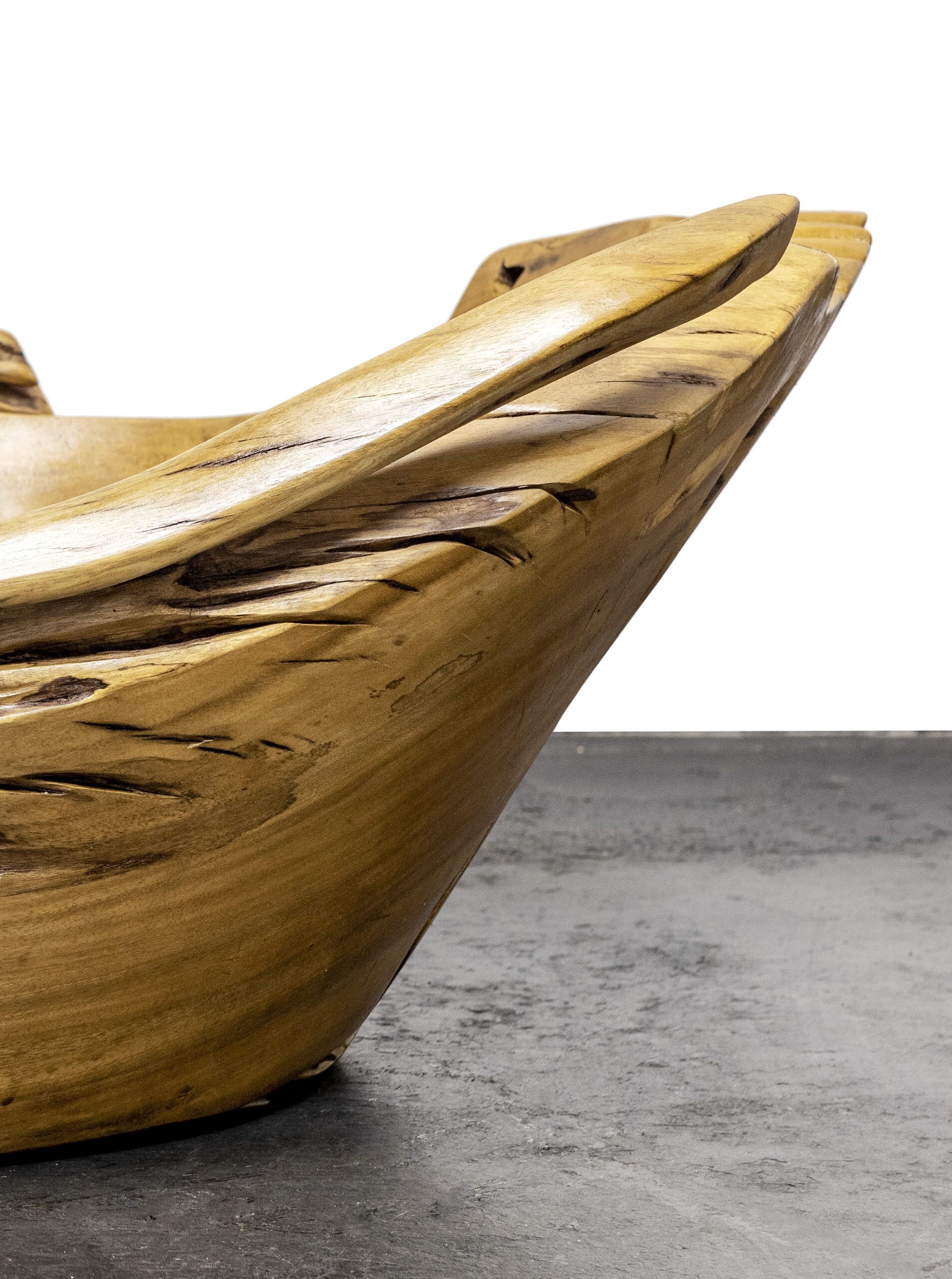
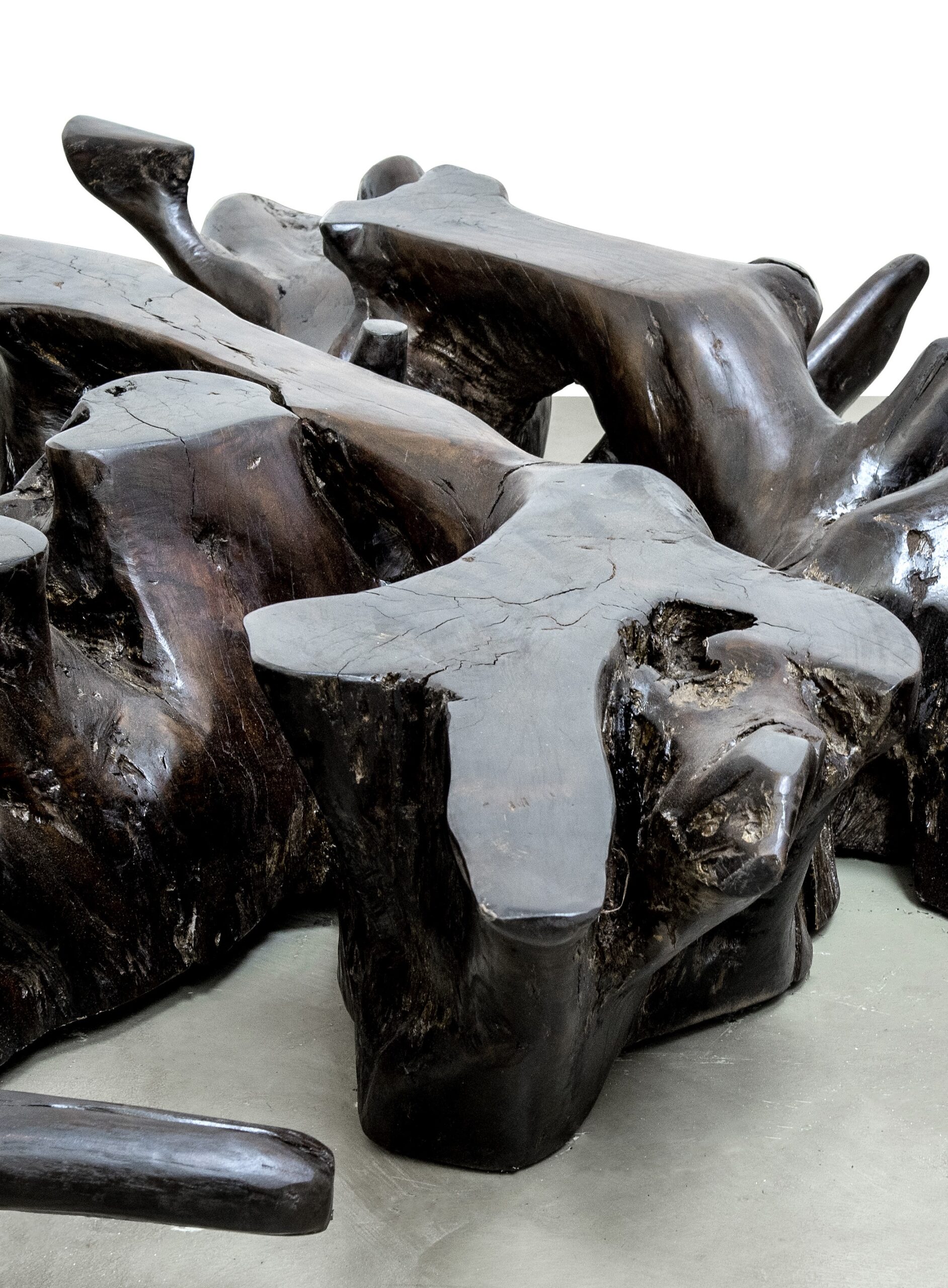
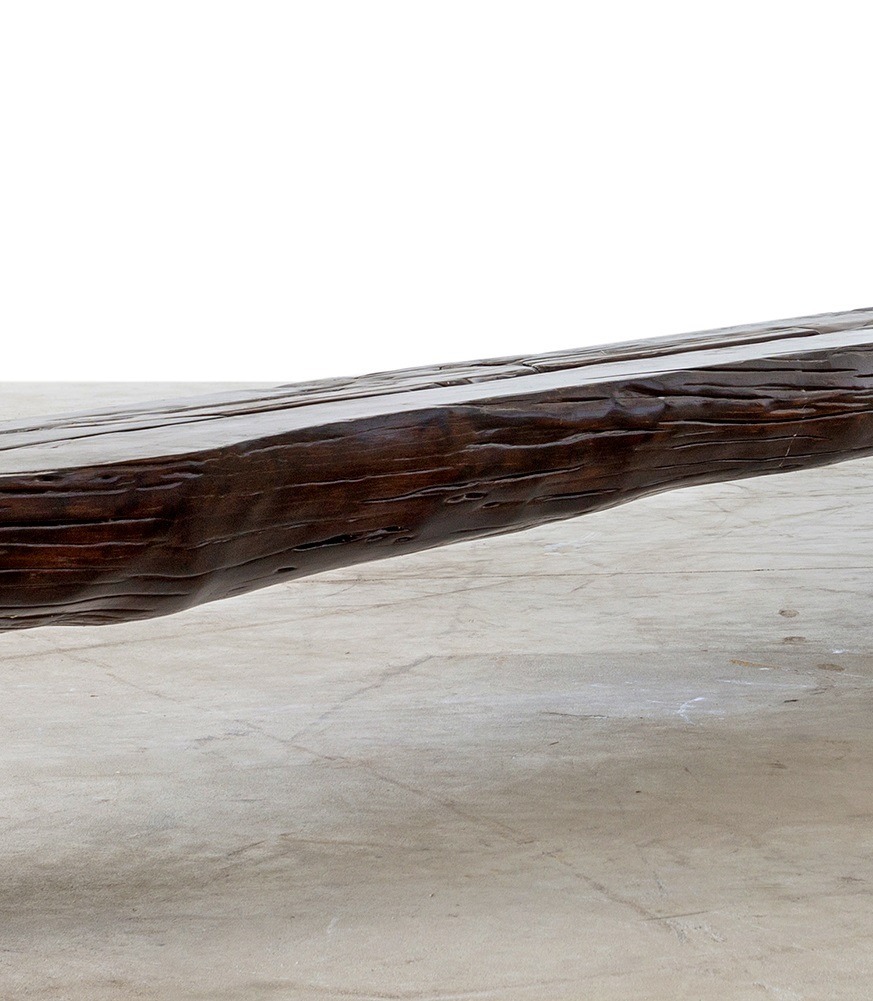
Hugo França is a Brazilian artist and designer whose practice centers on transforming discarded tree trunks, roots, and fragments into sculptural works and functional objects. Working from his studio in Trancoso, França begins each project by carefully selecting raw wood based on its texture, organic form, and the marks shaped by time and nature.
His creative process is rooted in an ongoing dialogue with the material itself. Drawing directly onto the wood, França follows the natural paths, cracks, and curves formed by the tree, allowing nature to guide the final form. Through a reinterpreted use of the chainsaw, tree trunks and roots are sculpted rather than cut away, resulting in works that are both expressive and sustainable.
Blending craftsmanship, environmental awareness, and sculptural presence, França’s work celebrates the inherent beauty and life embedded within reclaimed natural materials.
Interview
I was born in the extreme south of Brazil, in Porto Alegre, the capital of Rio Grande do Sul.
Art came to me through my brother, who studied fine arts and, very early on, became important in the art and technology field. Since I had an engineering background, I helped make his projects possible.
No, I did many things previously unrelated to art/design. I started developing my work at the age of 40.
I made many things with wood, and when I moved to Trancoso in southern Bahia, I learned a lot about the Atlantic Forest and the knowledge of the region’s Indigenous people (Pataxó). And I witnessed the predatory deforestation of one of the most important tropical forests on the planet. This led me to develop the concept of my design work.
My creative process comes from observing the shapes of dead trees, these wooden structures that provide me with the path to create what I call sculptural furniture. My greatest inspirations were Zanine Caldas in design and Frans Krajcberg in sculpture.
My working day begins with observing the forest residue I have in my Atelier’s garden. Through this visualization of many organic forms, I find one that catches my eye that day. I take it to the Atelier and begin drawing with a crayon, the cuts that will be made with the chainsaw. From there, my production team begins working under my guidance and supervision.
I’ve always had a strong affinity for forests, trees, and wood. This led me to use this material as creative support.
The greatest technical particularity of my production is the use of the chainsaw, which is a symbol of deforestation. I reinterpret it as the tool responsible for giving new life to forest residue.
The first step would be to find a work concept that gives them an identity.
The Brutalism.
The designer Zanine Caldas and the sculptor Franz Krajcberg, among other contemporary artists.
In Brazil, I think the Campana brothers have developed an extremely important work. Zaha Hadid, Iimari Tapiovaara, Max Lamb, Christophe Delcourt, John Makepeace.
Brazilians: Tunga, Amílcar de Castro, Sérgio Camargo, Frans Krajcberg, Túlio Pinto, Raul Mourão, Artur Lescher, Henrique Oliveira, among others.
And Internationals: Giuseppe Penone, Not Vital, Tadashi Kawamata, Aron Demetz, Eduardo Chillida, Constantin Brancusi.
A tribute to the Forests.
What interests me most in my work is bringing environmental education to future generations.
“The greatest technical particularity of my production is the use of the chainsaw, which is a symbol of deforestation. I reinterpret it as the tool responsible for giving new life to forest residue.”
The Questions
(The Proust Questionnaire is a set of questions answered by the French writer Marcel Proust.
Other historical figures who have answered confession albums are Oscar Wilde,
Karl Marx, Arthur Conan Doyle, Stéphane Mallarmé, Paul Cézanne…)
Health.
The extreme right-wing party is taking power.
Anxiety.
Selfishness.
I don’t have one. But people with a humanist, environmentalist, or pacifist profile please me a lot.
Collecting artworks.
Resilient.
The truth.
Honesty.
Honesty.
« Bicho » which translates as animal, but it’s like Dude when referring to people.
Literary.
My age.
My recognition as an artist.
A cat.
Trancoso, Bahia.
The gift of creating.
Hunger.
To create.
Punctuality.
Transparency.
Machado de Assis and Charles Bukowski.
I don’t have one.
My orisha, Exu.
I have no heroes.
João Vitor (my son’s name).
Ignorance.
Having smoked cigarettes.
At the time, I determined.
Always Alert.
“What interests me most in my work is bringing environmental education to future generations.”
SHARE :