ONOAA STUDIO
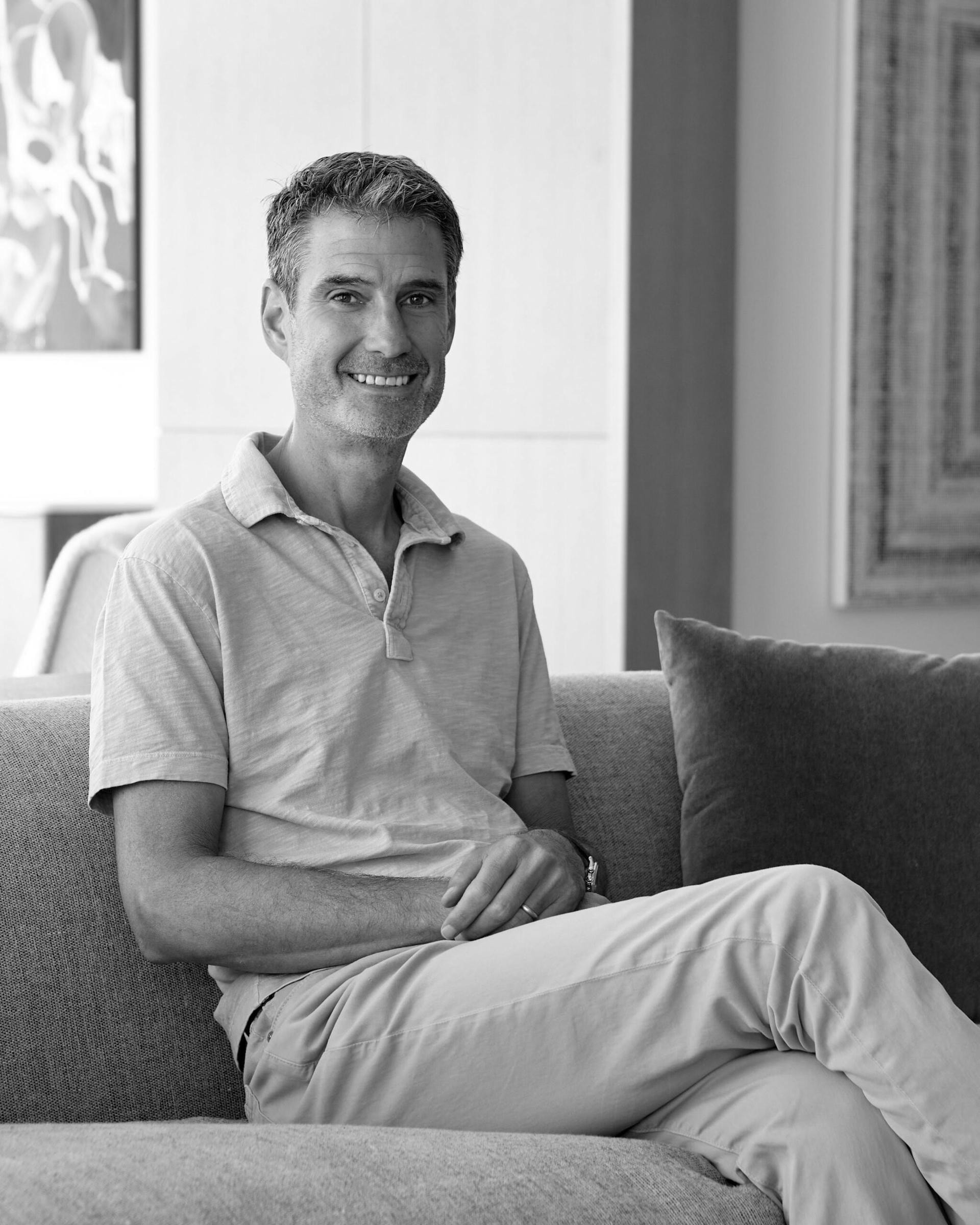
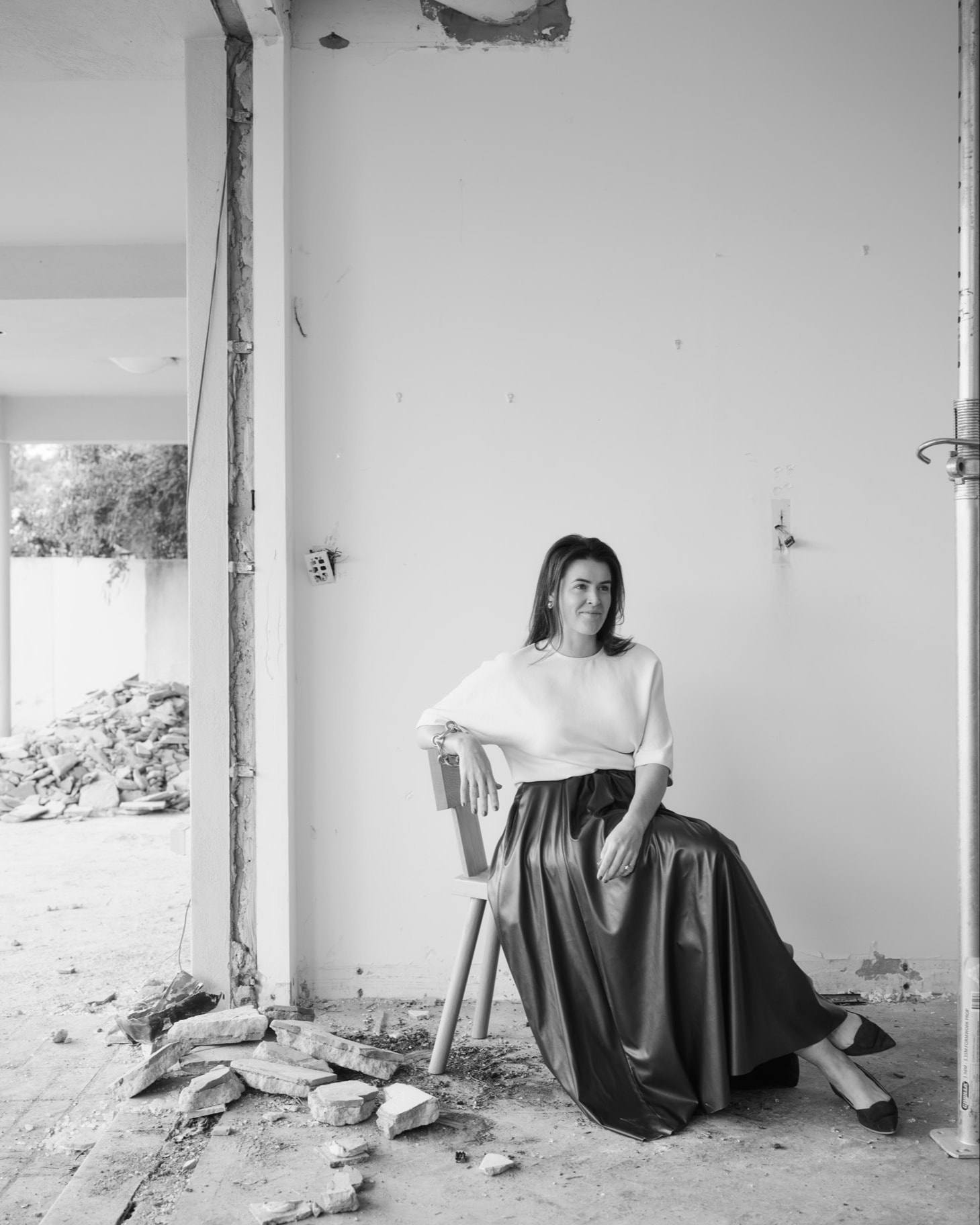
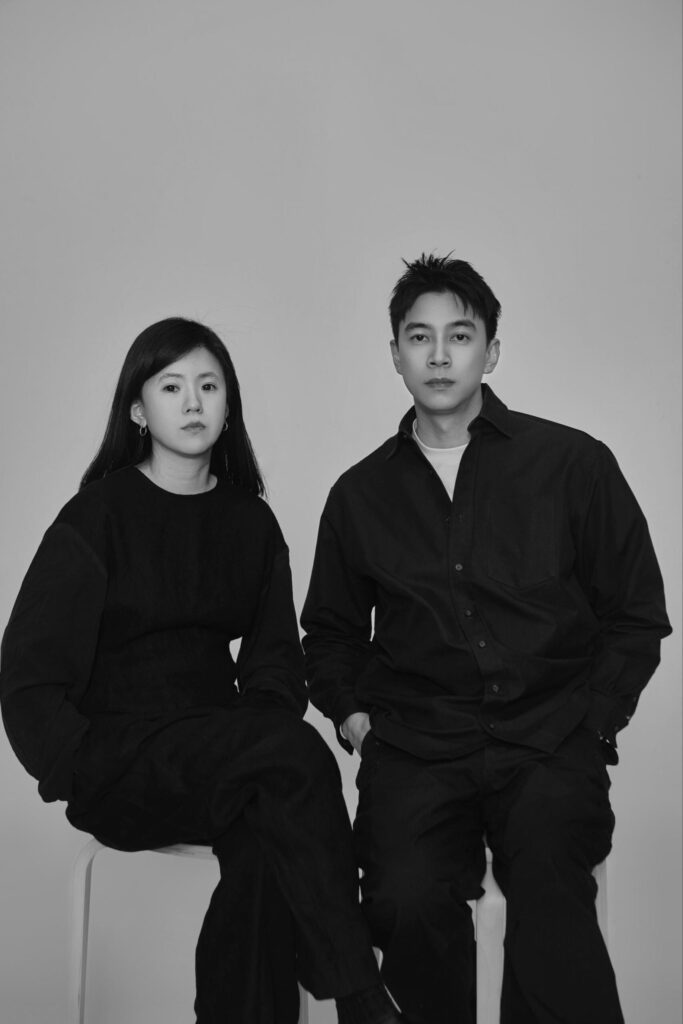
ONOAA STUDIO is a Shanghai-based architecture and interior design practice founded in 2020 by Gao Ya and Chen Peng. Working across residential, hospitality, commercial, and cultural projects, the studio approaches design as an ongoing dialogue between conceptual exploration and practical reality, seeking to create spaces that are both thoughtful and deeply connected to everyday experience.
Guided by a sensitivity to space, material, and human interaction, ONOAA explores how familiar conditions can be reinterpreted through new perspectives. Their work balances spatial experimentation with clarity and restraint, embracing the unexpected questions that emerge throughout the design process. Through architecture and interiors, the studio develops environments that foster curiosity, emotional resonance, and a nuanced relationship between people and place.
“We care less about fitting a project into a recognizable stylistic category, and more about how the design is generated and how it is ultimately realized.”
INTERVIEW

Labelhood, Photo by Jonathan Leijonhufvud
For us, these scales are not separate worlds. They all belong to the same spatial system. In our way of thinking, they may occupy different positions, but there is no essential difference between them. You could also say that in every spatial story we create, architecture, interiors, and objects are all playing important roles. They are part of the same narrative, just in different forms and at different scales.
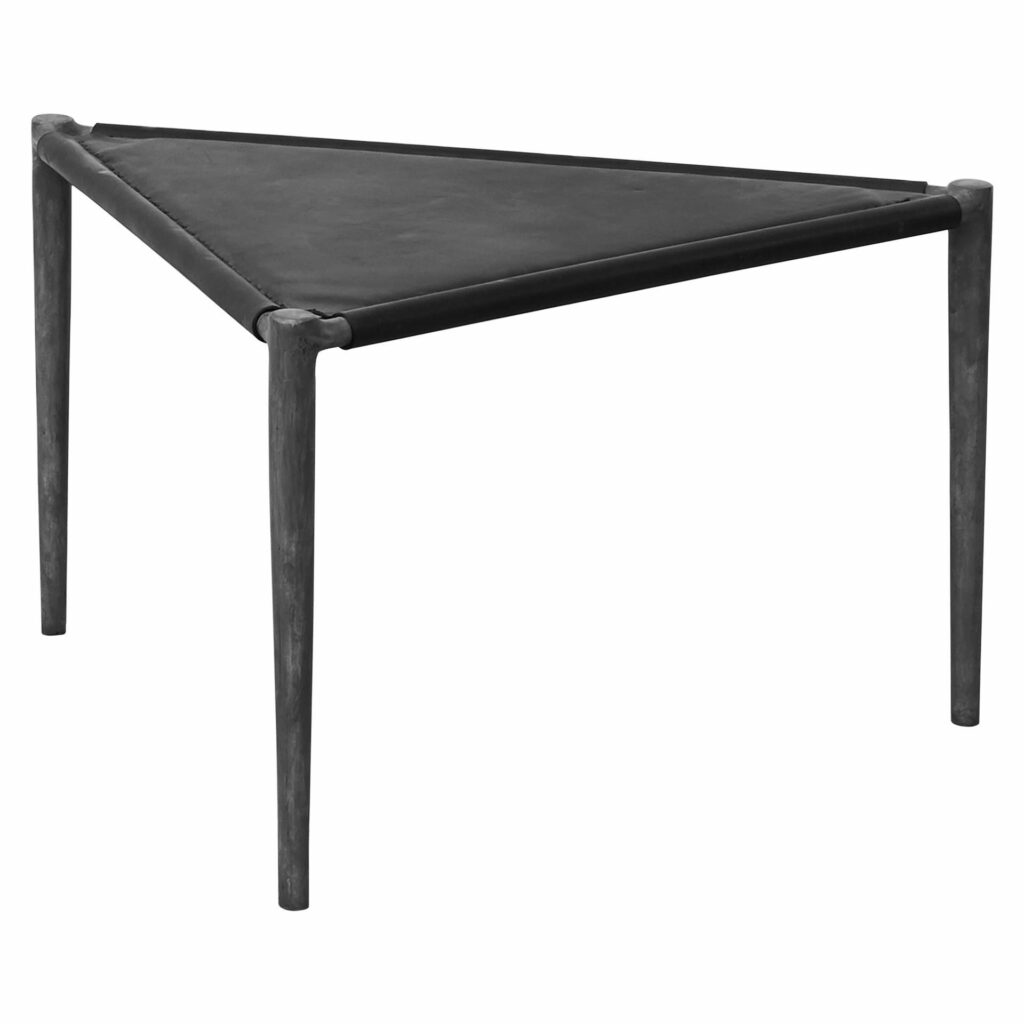
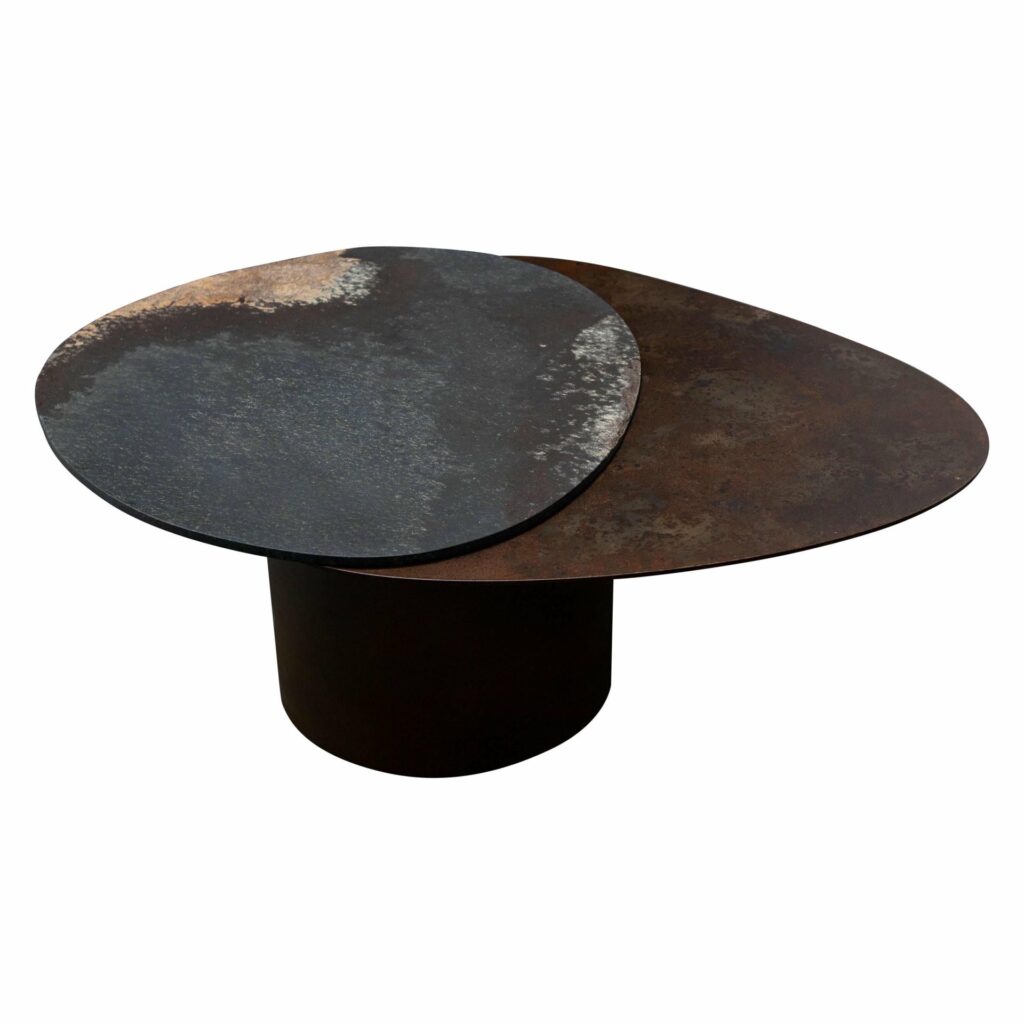
Our projects often extend from architecture to interiors and then to objects, and on our website, we even give objects their own section. As architects, everyone in our studio is genuinely enthusiastic about designing objects for our projects. They may be the smallest-scale element, but they are also the closest to daily life.
We were both drawn to architecture from a very young age. As kids, we would even imagine lifting the roof off our home and redesigning everything underneath. We still remember being in primary school, finishing homework after class, and spending the most enjoyable part of the day thinking about things like that.
So when it came time to choose our undergraduate major, we went straight into architecture without much hesitation, and continued all the way through graduate school. In the beginning, we did not overthink whether we would “become architects” in a formal sense. What kept holding our attention was always space, materials, and the relationships that can emerge between them.
The first thing we ask is always: who is this for? Who will come here? What kind of people are we designing for? Once we start there, many possible future scenes of use begin to appear in our minds.
We do not really work from a fixed formula. We like entering a project from any direction—sometimes intuitive, sometimes rational, often both. In an urban renewal project, we might begin with the daily habits of the surrounding residents and think about how the building can embrace the community. In a gallery renovation, the starting point might instead be the lush planting around the site, and how the architecture can quietly belong to that environment.
Rather than calling it a style in the conventional sense, we would probably describe our way of working through the idea of construction—not only as something physical, but as an ongoing dialogue between thinking and making.
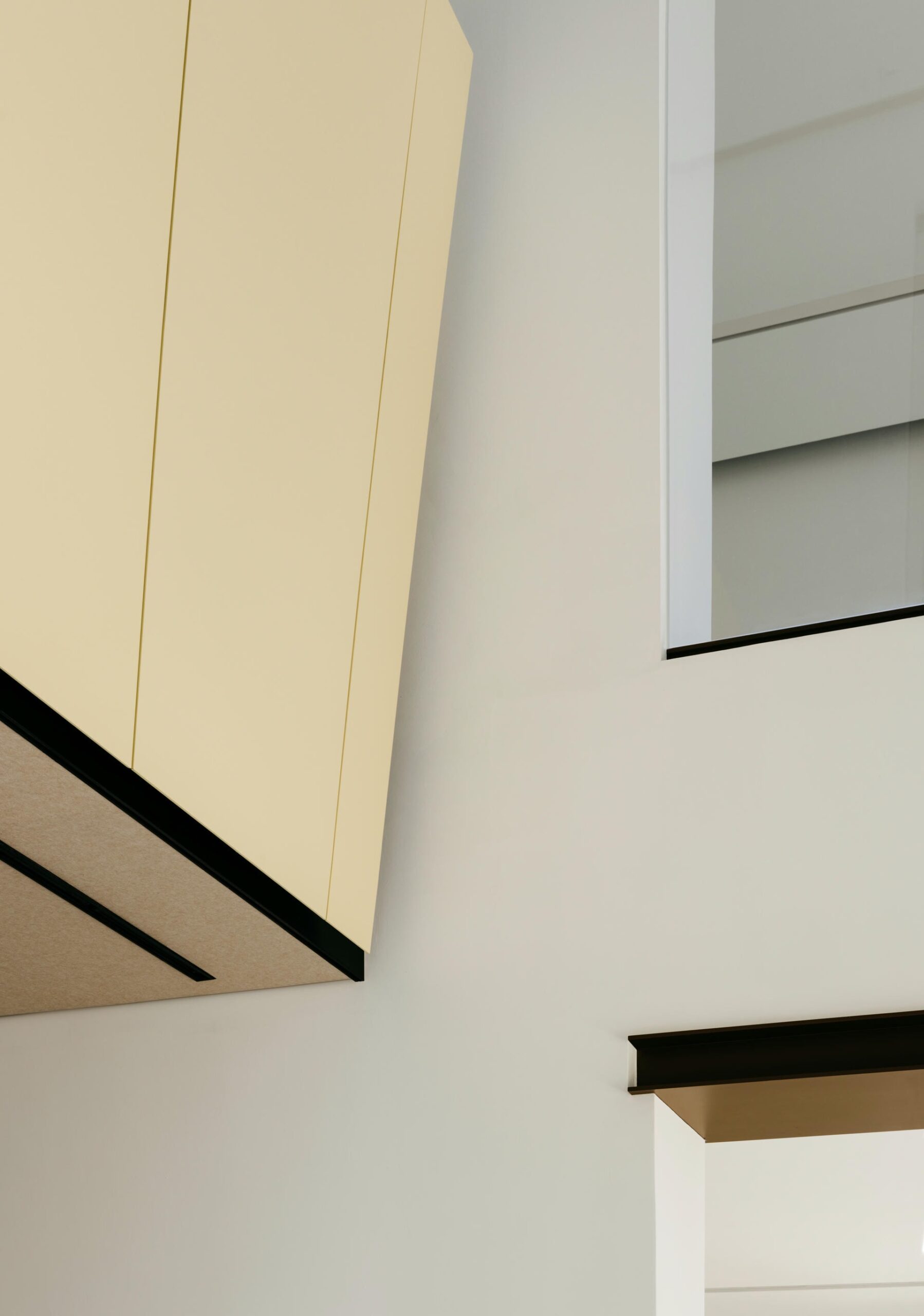
For us, concept shapes the logic of spatial strategy, while creation turns that strategy into something atmospherically tangible. We care less about fitting a project into a recognizable stylistic category and more about how the design is generated and how it is ultimately realized. So even if the finished space does not carry an obvious formal label, we hope people can still sense our thinking in the way it is structured, and in the path through which its atmosphere is built.
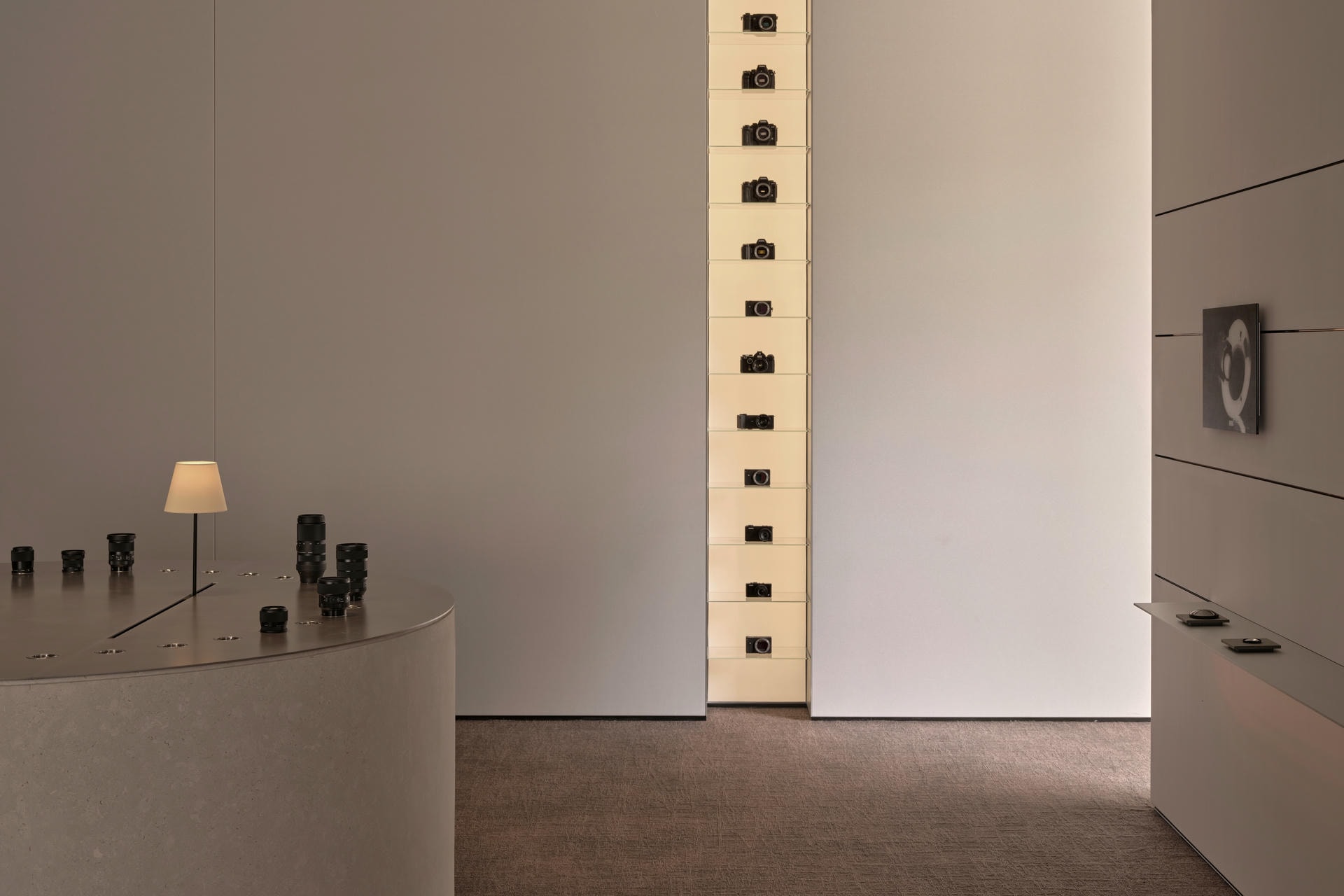
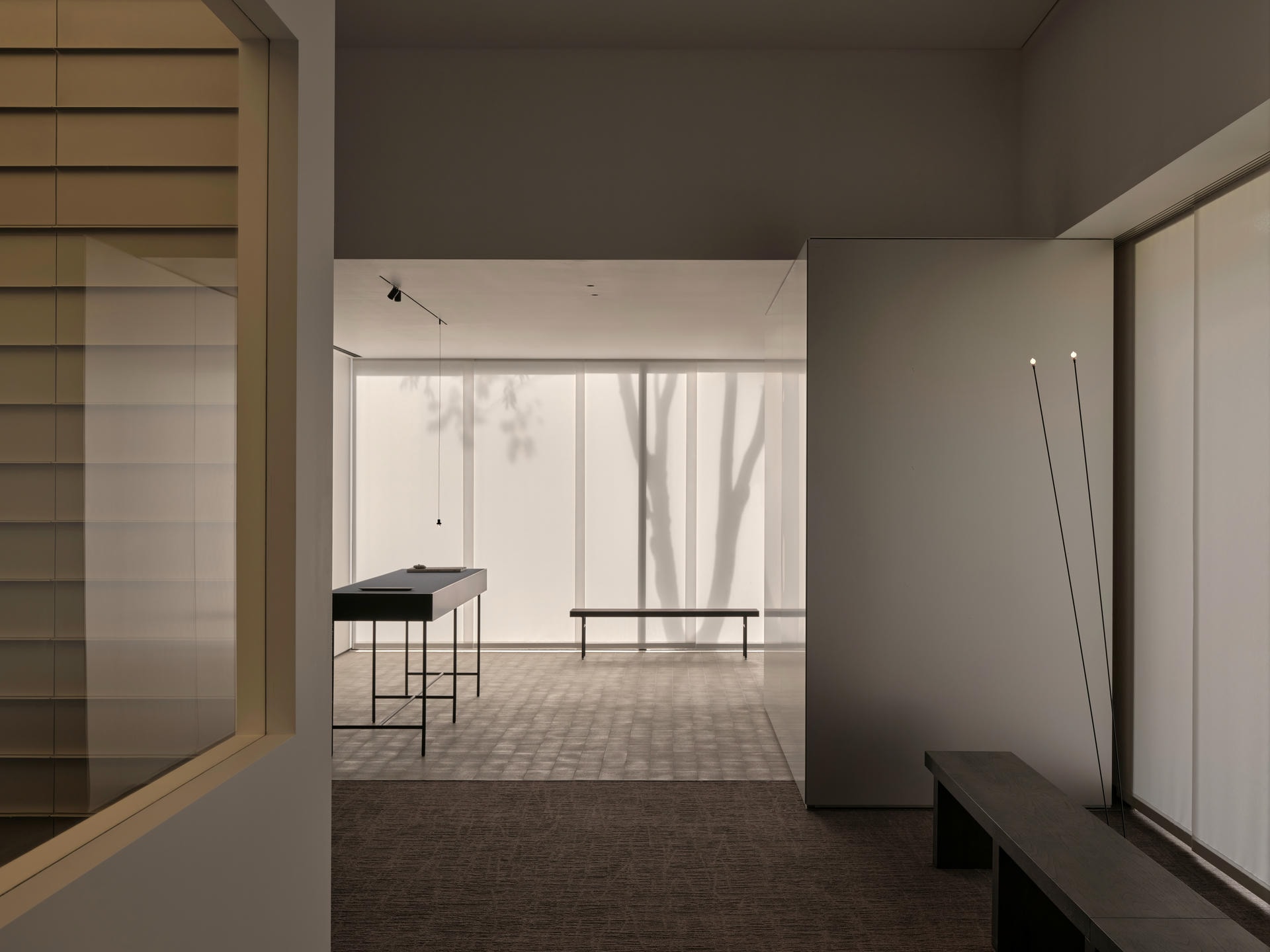
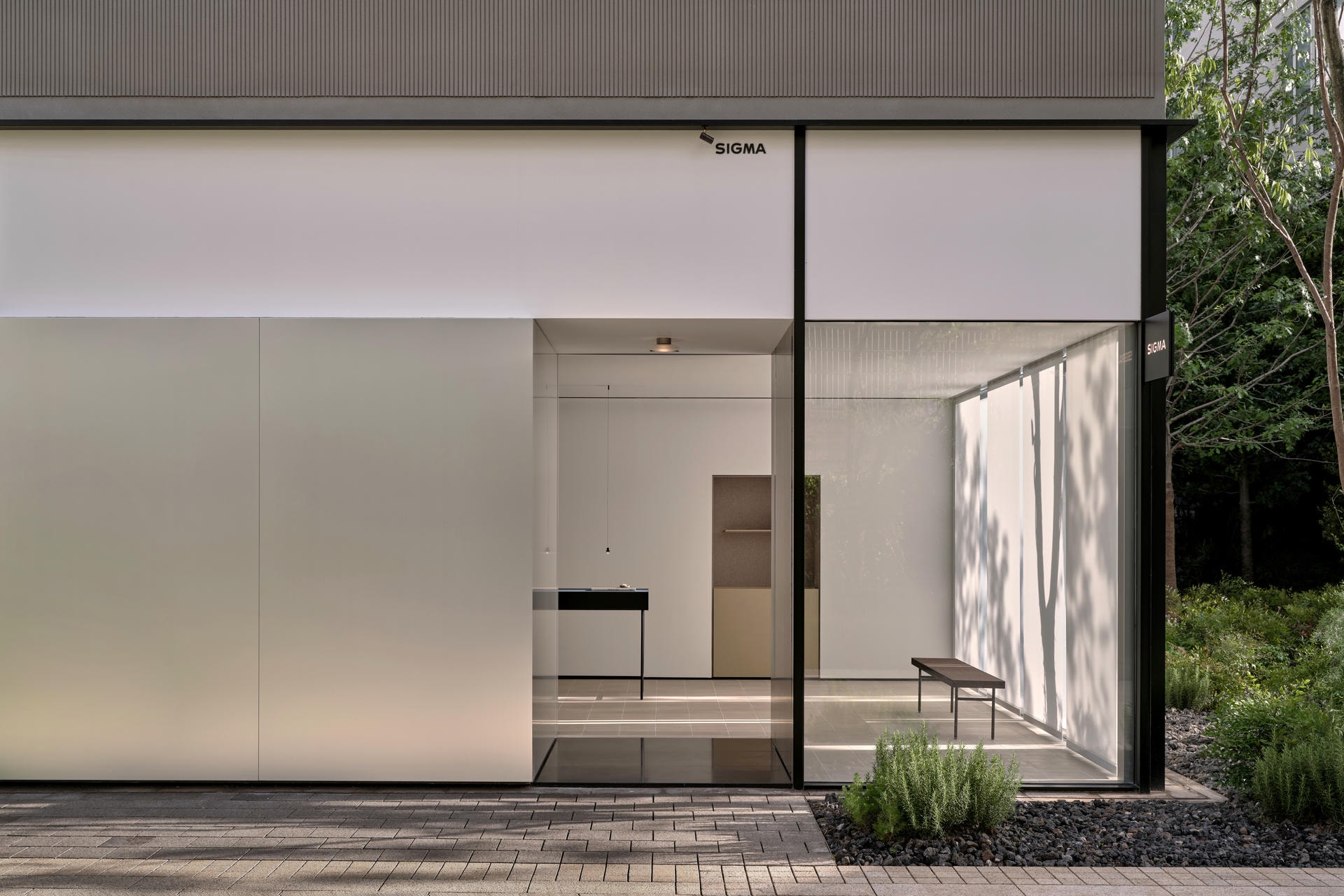
Many of our projects are exciting to us in different ways, and each one has its own very specific character. Whenever a project is able to be fully realized, we feel grateful. One project that feels especially representative is the Sigma Showroom in Shanghai.
It involved the redesign of three street-facing elevations, and it was also the brand’s first showroom worldwide. From the façade to the interior, we wanted the space to feel deeply connected to Sigma’s spirit. At one point, we described it like this: we approached the details of the space the way SIGMA approaches the making of a lens.
In response to the brand, we wanted to create a space as pure and fluid as water, one that could hold different possibilities within it. Sigma’s own phrase, “Beyond the technology, is Art,” became a core thread in our planning. We organized the space around three ideas—The Ways of Being, The Ways of Crafting, and The Ways of Seeing—which took shape respectively as the reception area, the display area, and the gallery area. These three parts correspond to brand culture, craftsmanship, and artistic creation, while remaining tightly connected to one another.
We were interested in making a technology brand’s space feel soft and nuanced, while still expressing the identity of a precision maker. What makes the project special to us is that subtle balance it holds between nature, technology, and art.

Sigma Showroom, Photo by Jonathan Leijonhufvud

Norlha, Photo by Jonathan Leijonhufvud
It does not feel like there was one single turning point. What shaped us more was the continuous experience of encountering different kinds of projects and gradually building up practice through them. Over time, our direction became clearer, and the people who came to find us also felt increasingly aligned with who we are.
It is not that we will automatically take on every project that comes our way. In the process of accepting some and declining others, we have learned to express ourselves more clearly and to become more certain about what we actually want to make and communicate. That, in turn, helps us build a more lasting relationship with the field we are in.
One recurring thread might be the relationship between spatial construction and materiality. Looking back, we realized this partly through feedback from people using our spaces—many remembered the way the space was assembled, or the way materials were handled.
It was never something we consciously tried to overemphasize, but over time, we noticed that many projects do seem to share a kind of common DNA in the way space is constructed and materials are joined. We often try to give ordinary materials a less ordinary role, or perhaps more accurately, to find the most fitting way for a material to exist within a particular spatial context. That sense of what feels “right” may exist only within our own standards, but perhaps that is exactly where our character lies.
A good example is MOCUN RESORT, a hotel project we completed in China two years ago, with 52 guest rooms. It was a renovation, and each room differed in size and material conditions. The hotel sits in the mountains, far away from the city, and while working on it we kept feeling that the place already had its own personality. An overly refined language would have overwhelmed it, while branding that was too explicit would have gone against its nature. So we had to find materials that were not overly complex, but still had enough presence to sit naturally within the whole.
To understand that relationship more clearly, we actually removed a strip of old flooring from one of the garden rooms and kept it in our studio. We worked with it beside us the whole time. Whenever we felt stuck, we would compare our decisions back to that piece of floor. Sometimes you need something raw and original in front of you to know whether you are moving in the right direction. Materials became one of the most mentally demanding parts of the design process—but also one of the most fascinating.
For me (Gaoya), I am especially drawn to residential buildings set along sloping streets, particularly in hilly landscapes. They may not always be famous works of architecture, but I feel very connected to them.
Whenever I arrive in cities shaped by this kind of topography—parts of southern Italy, Seoul, Kyoto—I immediately feel a strange familiarity. My hometown is Qingdao, a coastal city in China with many hills, and growing up, both my school and home were located halfway up a slope. Narrow hillside streets and layered neighborhood fabric still give me a strong sense of comfort and security. There is something about the enclosed scale of those streets, and the richness of everyday life within them, that stays with me very deeply.
Rather than saying there is a part we “enjoy least,” it may be more accurate to say that some parts are simply the most draining. Usually, what takes the most energy are the uncontrollable factors within a project.
But interestingly, those hardest-to-resolve parts are often also where a project becomes most unique. Many projects carry their value precisely in those unusual difficulties. Solving them is, in a way, what allows the project to become itself. So yes, they can be exhausting—but looking back, they often feel worth it.
We tend to catch inspiration in very small things. Large ideas or grand narratives often feel too distant or too abstract for us; they do not always lead to that moment where you suddenly feel, yes, this is it.
Small and ordinary fragments of daily life are more likely to make us stop, look again, and keep thinking. Those subtle moments are often where a project begins for us, and they are also what bring us back to our most instinctive way of perceiving the world.
Japanese designer Kenmei Nagaoka once described himself as “a designer who does not design,” which I’ve always found both intriguing and deeply relatable. In everyday life, we are constantly thinking about how to work through this idea of “non-design” design, where design becomes another kind of creative force.
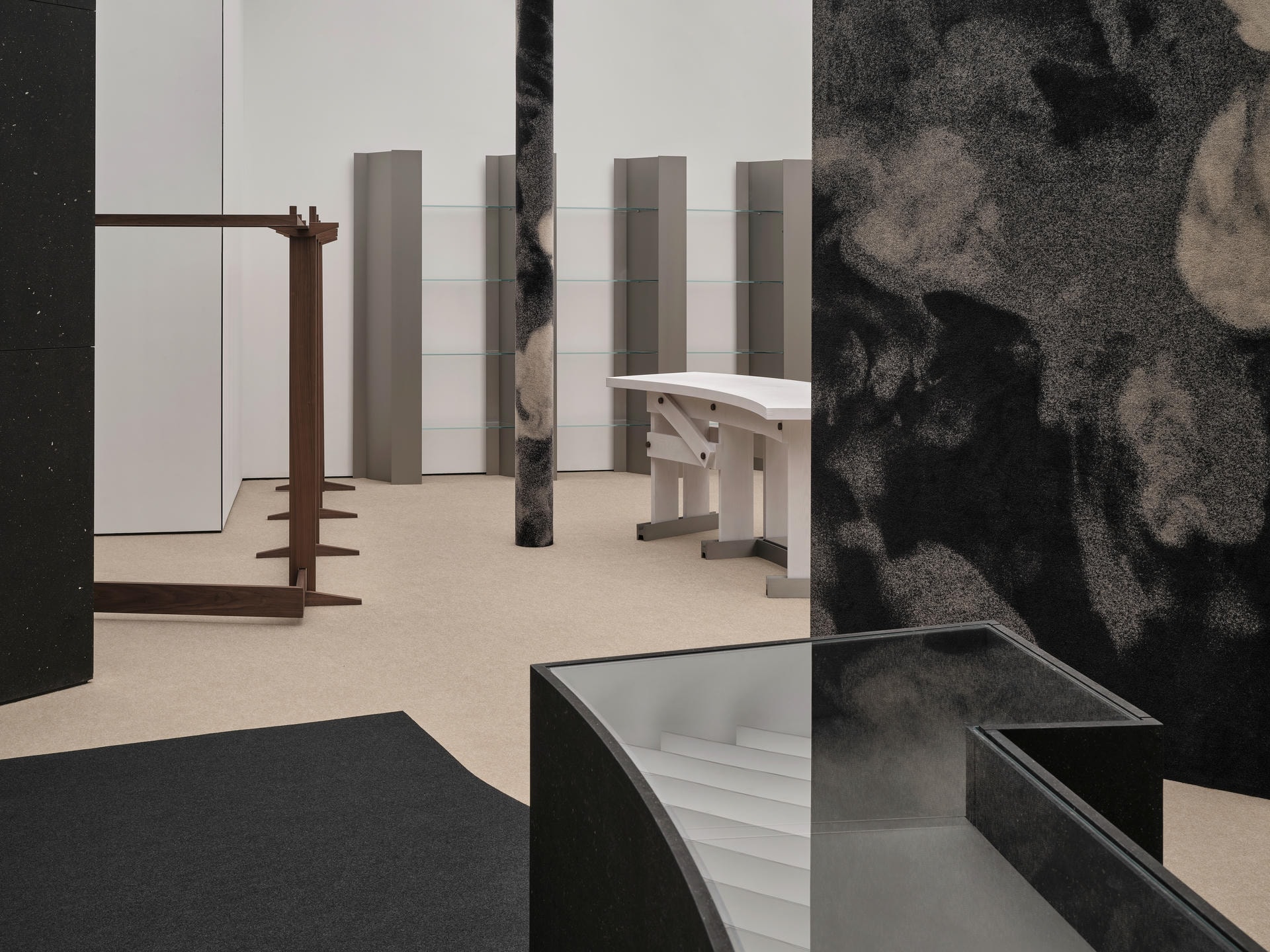
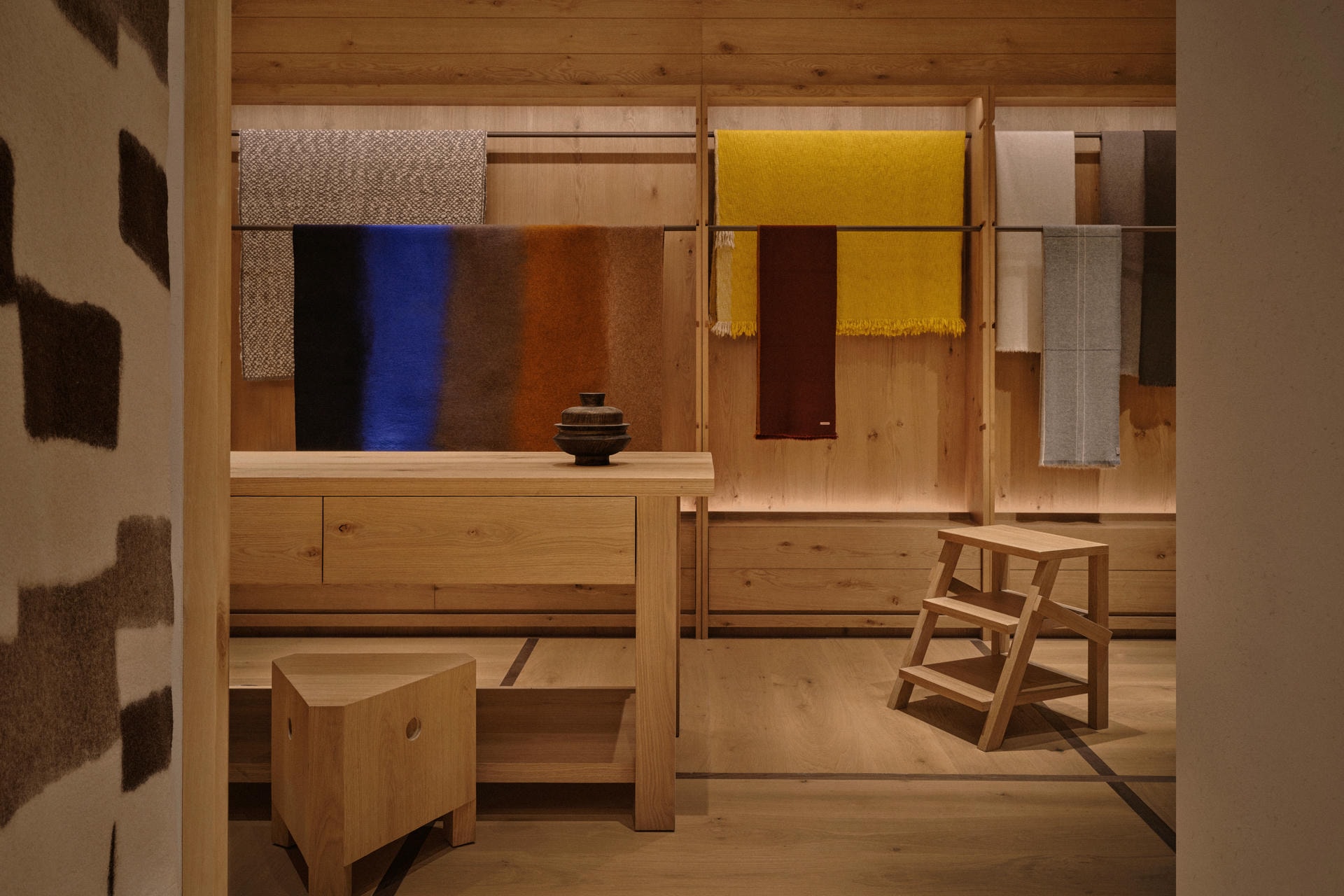
Last year, in a space we designed in Beijing for Norlha, the Tibetan yak wool brand, we tried to dial back any overly assertive spatial language, allowing the slowness of the pastoral landscape to find another kind of continuity within the city.

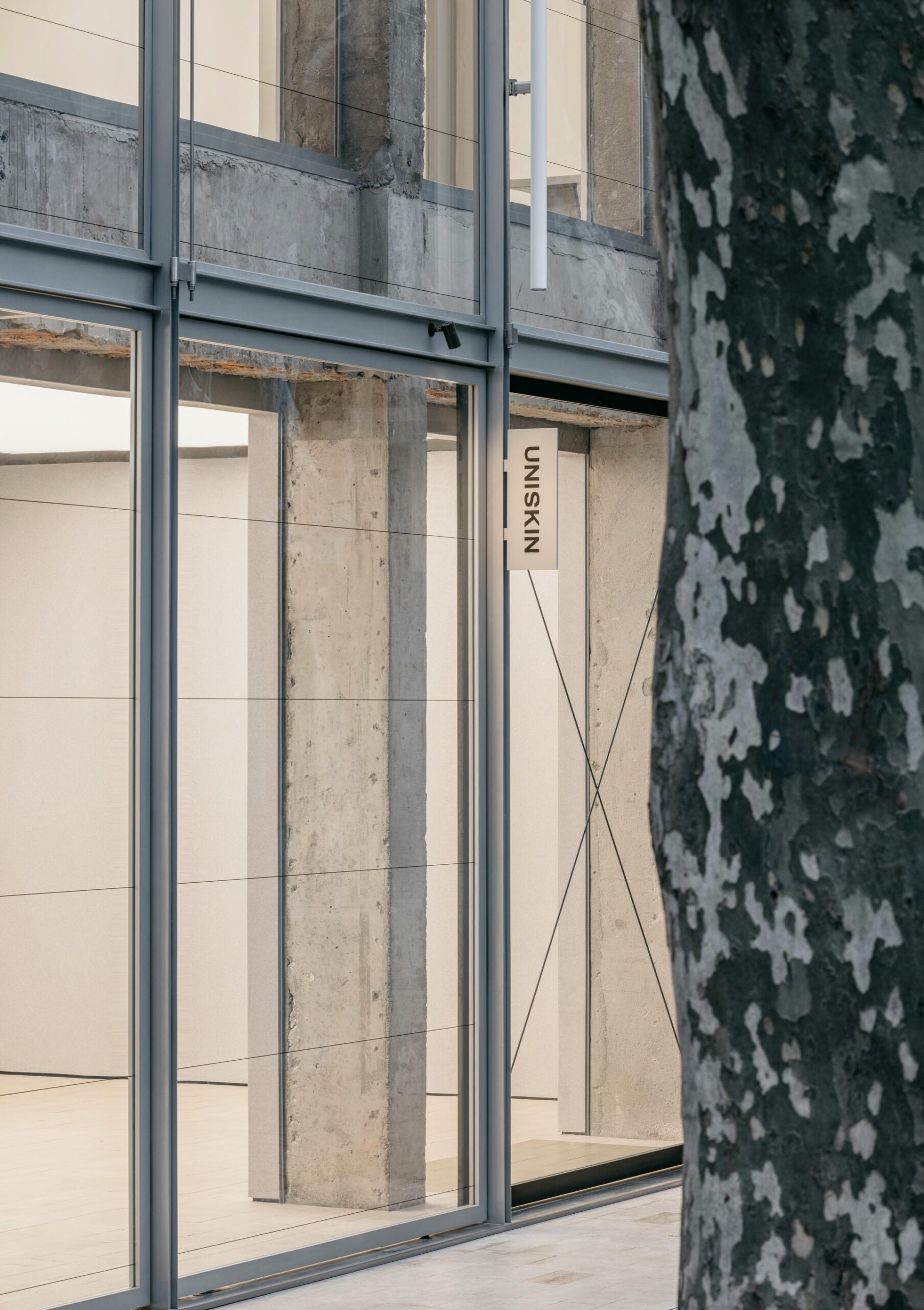
UNISKIN, Photo by Wen Studio
Perhaps what is most needed is a certain sense of groundedness. Not something aggressive or over-eager, but a way of building logic gently and carefully around real human needs, so that a design can actually endure over time.
And when it comes to the question of how design can “create human needs,” we hope spatial design can do this in a sustainable way—by uncovering forms of perception and experience that belong intimately to each individual. Much of today’s design seems to emerge from a desire for what is trending, or from the excitement of what feels new. But if constant novelty becomes the main theme, it becomes very difficult for a space to feel truly grounded.
Be yourself, and do what you truly love.
Thank you so much Gao Ya and Chen Peng, for this lovely interview!
Share article :