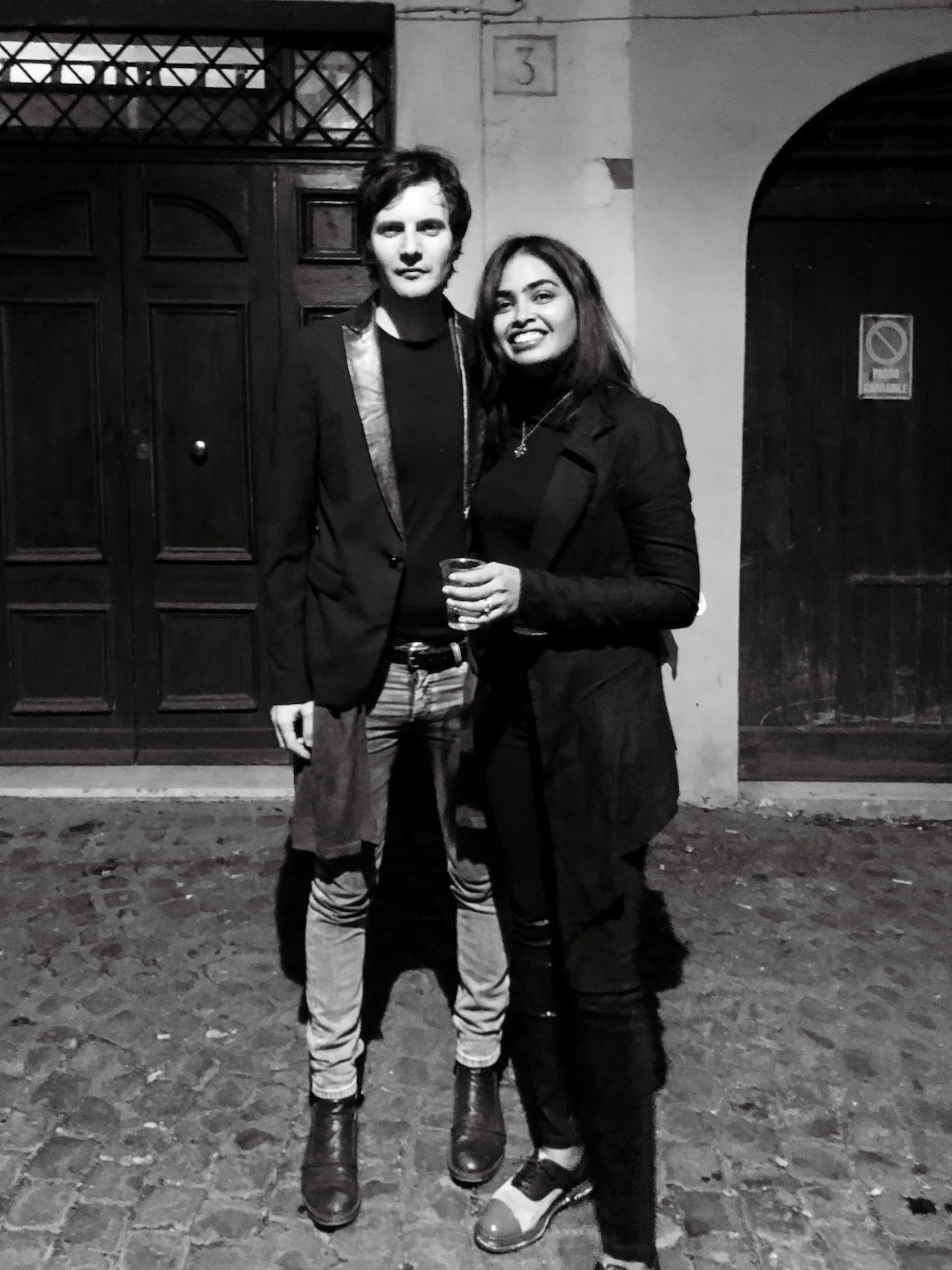
I was born and raised in Bergeijk, a small village in the south of the Netherlands. Around 10 years ago, I moved to Eindhoven, where I am currently still live.
MAGAZINE · INTERVIEW
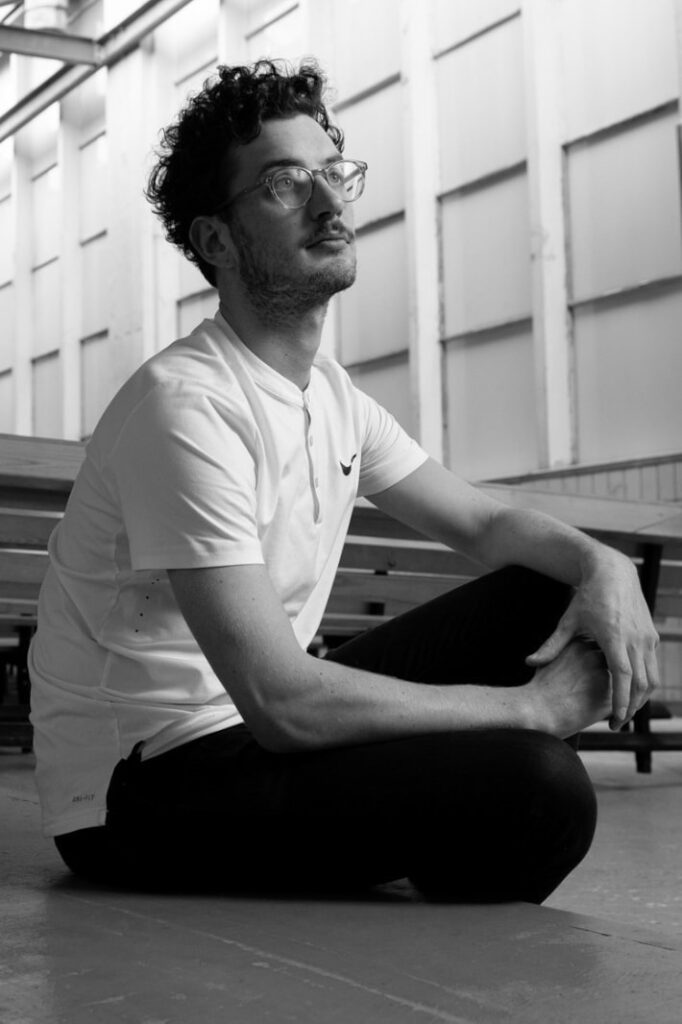
Paul Coenen
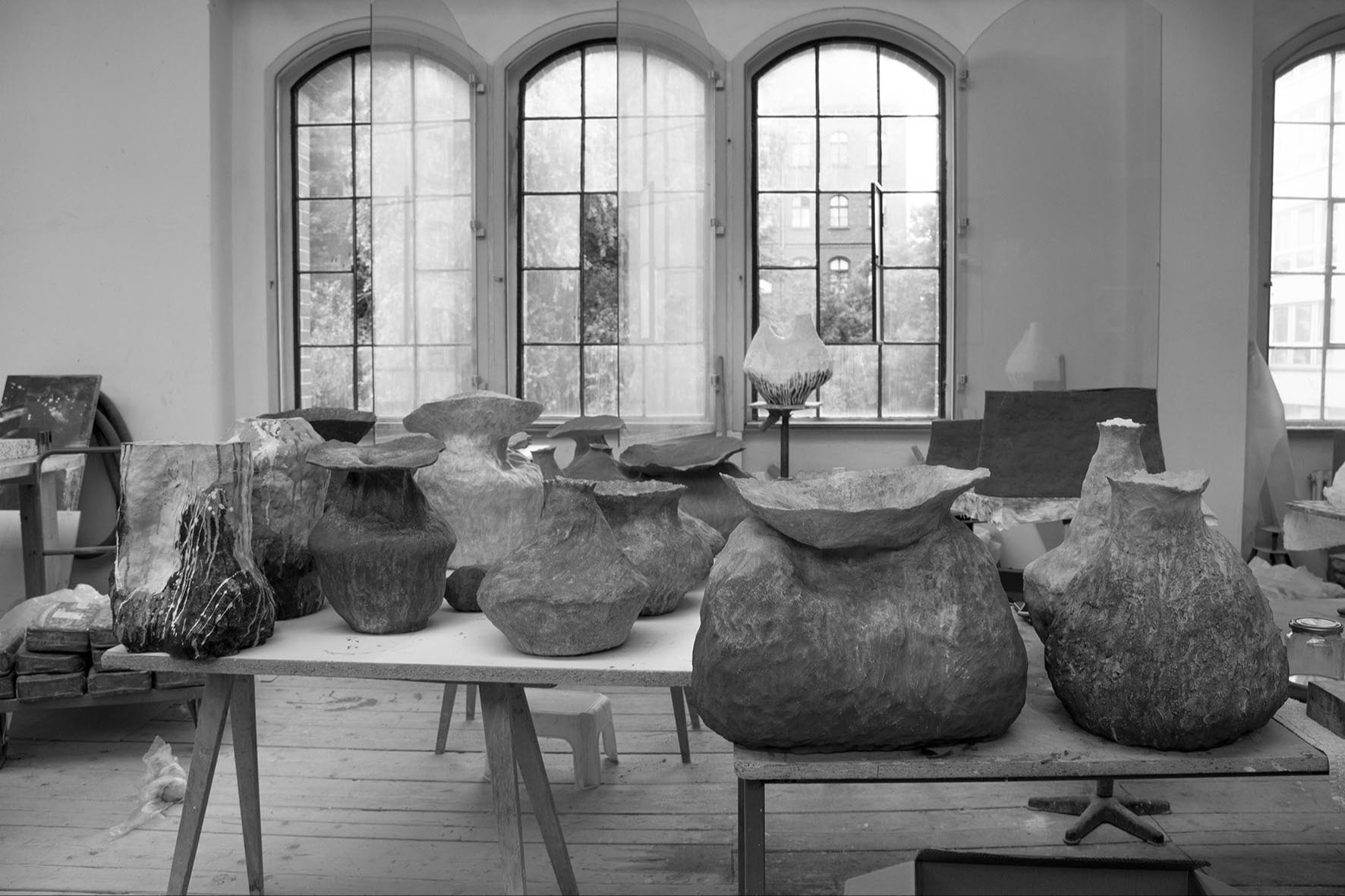
Paul Coenen is a Dutch designer based in Eindhoven whose practice is rooted in experimentation with materials, production processes, and industrial craftsmanship. A graduate of the Design Academy Eindhoven, he develops furniture, lighting, and objects through a hands-on approach in which making becomes a tool for discovery. Rather than imposing form onto material, Coenen allows manufacturing techniques and physical properties to shape each design.
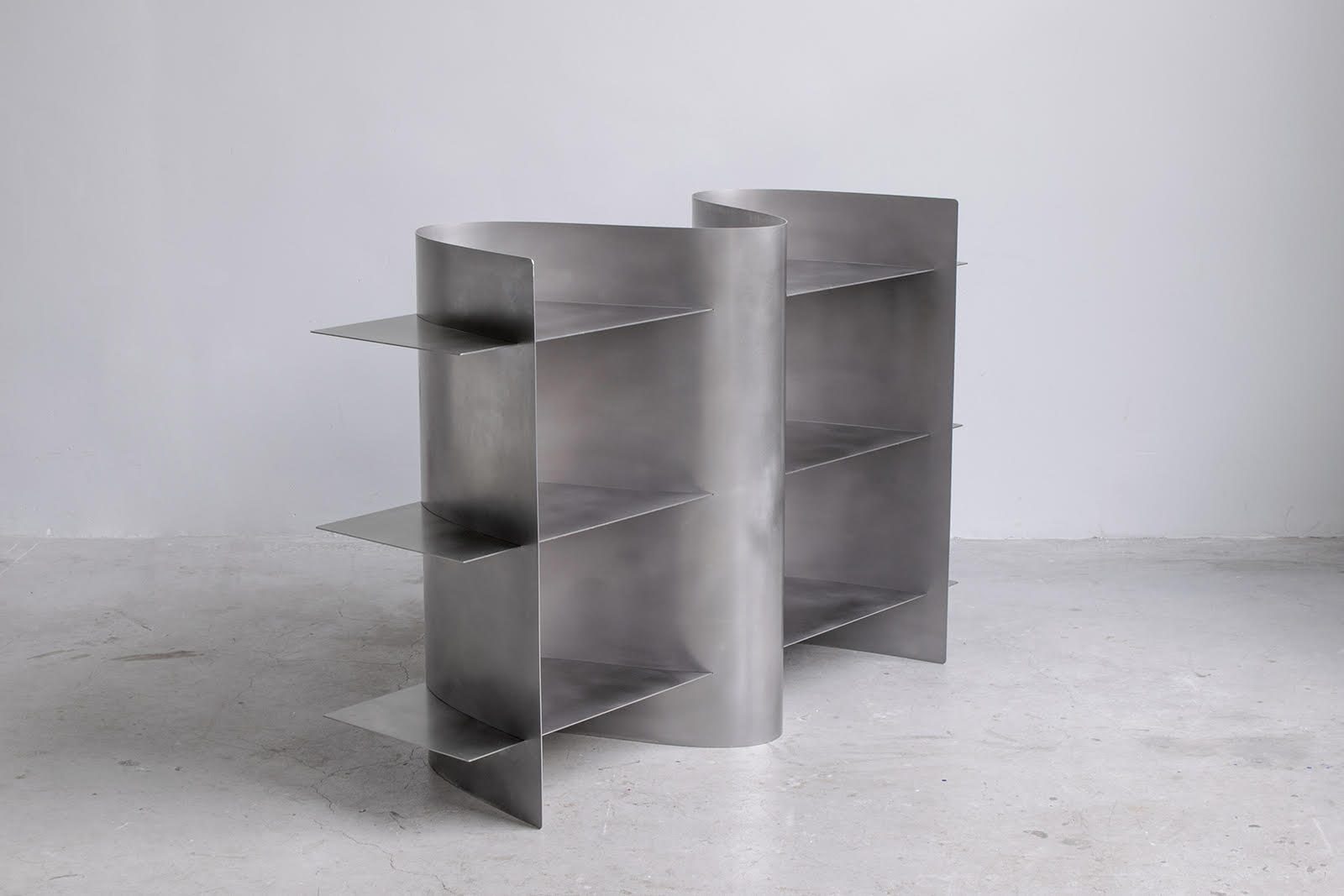
Working primarily with metal, Coenen creates sculptural yet functional pieces distinguished by their structural clarity and technical precision. Through an ongoing dialogue between industry and craft, his work reveals the expressive potential of production itself, transforming technical innovation into refined objects that balance engineering with poetic simplicity.
Let's know more about
Interview
Where were you born and where are you from?
What is your first memory connected to the art world?
I think my first connection to the art world came quite late. It started when I saw work by Adam Neate featured in a TV commercial, a street art artist from London. Seeing his work and other graffiti artists got me convinced to go to art school. During Art school, my interest in art and design really exploded.
Have you always worked in the art/design field?
Besides the occasional side jobs when I was younger, I tried to work as soon as possible in the design field. During my art studies, I did internships at a few design studios and ended up working as a freelancer at those studios. The freelance work was a perfect job next to my schoolwork. I learned a lot from them and could implement what I learned directly in my own work. Now, after graduation, I still work for some of those studios and some other contacts that I got through them.
What led you to design creation?
The first art school I entered had many different directions and departments that I could choose from. To be honest, I really didn’t knew by then what direction I wanted to go within the creative field. I was still exploring all the possibilities that were there. I basically chose the direction in school where I could use the workshop the most, since this was for me the most fun part of school. Making stuff, exploring materials, etc. From there, I slowly moved more and more towards products, furniture, and design.
How would you describe your creative process and its influences?
I’m interested in how stuff is made and why it is made in a certain way. I can easily spend an entire evening watching videos of people or machines making things, whatever the final product is.
This fascination with craft, production technique, and material is also always the starting point of my creative process. I look at a material or at a technique and start experimenting with it, and finally I try to transform it into something new.
Could you describe a typical day of your work?
My day at the studio always starts with coffee and emails. Afterwards, I try to always do something in the workshop, since I want to keep making and not sit behind the computer too much. In between, I’m often sketching, working out new ideas, and browsing through my art books for references.
Why did you choose the specific materials you work with?
Since graduating, I mostly work with metal. I remember I used to hate working with steel. I challenged myself back then to learn to work with a new material and different production techniques, so I ended up with a big love for metal. Now I feel it’s time again to start challenging myself to work with a different material once more.
What are the technical particularities of your creations?
My current work is based on material tension. My furniture collection is made without the use of any screws, welds, or any other fasteners, and make it look as clean and simple as possible, which was the biggest challenge of them all. The different components of my furniture pieces are connected by tension in sheet metal, which holds all the pieces where they should be.
What advice could you give to beginning artists who would like to create sculptural design works?
My advice is to just start making and keep on making, reflecting and making.
If your works had to belong to a design movement, how would you define it?
Bauhaus.
What designers and artists have influenced you?
Enzo Mari, Piet Hein Eek, Gio Ponti, etc.
What contemporary designers do you appreciate?
Jonathan Nesci, Max Lamb, Johan Viladrich, etc.
What contemporary artists, in any kind of art, have you been inspired by?
Donald Judd, Andre Volten, Richard Nonas, Ellsworth Kelly, Scott Burton, Carl Andre, and many more.
If you had to summarize your creations in one word or sentence, what would it be?
My work is straightforward; the appearance of the objects is a consequence of material and technique.
“My work is straightforward; the appearance of the objects is a consequence of material and technique.”
The Questionnaire
The Questions
(The Proust Questionnaire is a set of questions answered by the French writer Marcel Proust.
Other historical figures who have answered confession albums are Oscar Wilde,
Karl Marx, Arthur Conan Doyle, Stéphane Mallarmé, Paul Cézanne…)
What is your idea of perfect happiness?
Peace
What is your greatest fear?
Loneliness
What is the trait you most deplore in yourself?
Indecisive
What is the trait you most deplore in others?
Arrogant
Which living person do you most admire?
My parents
What is your greatest extravagance?
Overpriced plain white t-shirts
What is your current state of mind?
At ease
What do you consider the most overrated virtue?
Prudence
What is the quality you most like in a man?
Honesty
What is the quality you most like in a woman?
Honesty
Which words or phrases do you most overuse?
‘Niffo’
Which talent would you most like to have?
To speak many languages
If you could change one thing about yourself, what would it be?
Feeling
What do you consider your greatest achievement?
Being where I am now
If you were to die and come back as a person or a thing, what would it be?
Same me
Where would you most like to live?
Tokyo
What is your most treasured possession?
A letter
What do you regard as the lowest depth of misery?
Loneliness
What is your favorite occupation?
Walking
What is your most marked characteristic?
Relaxed
What do you most value in your friends?
Honesty
Who are your favorite writers?
Philip K. Dick
Who is your hero of fiction?
Neo
Which historical figure do you most identify with?
Elvis
Who are your heroes in real life?
My parents
What are your favorite names?
I don’t have favourite names but I have favourite people.
What is it that you most dislike?
Arrogance
What is your greatest regret?
Having not said what I wanted to say
How would you like to die?
With peace
What is your motto?
Don’t stress about it
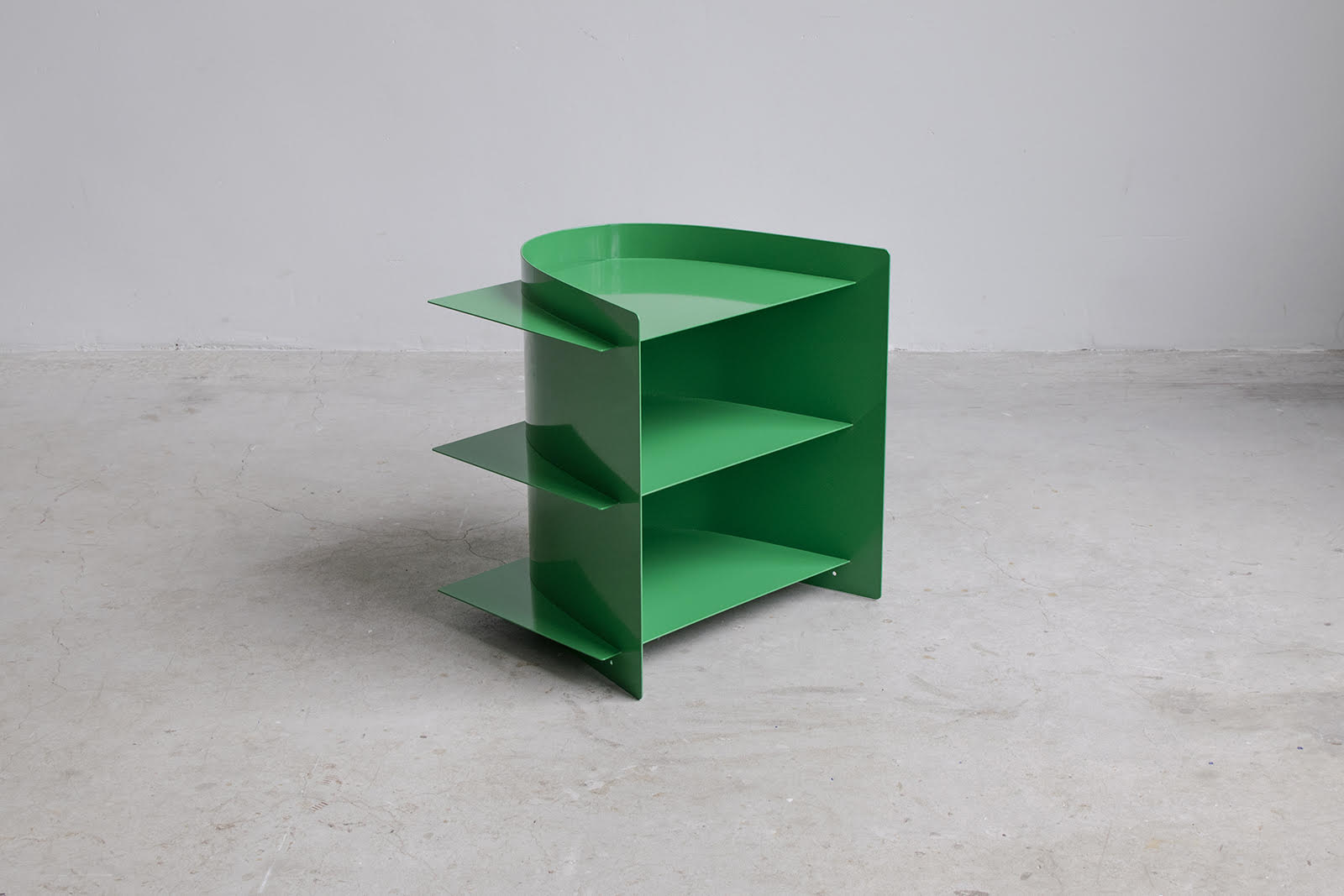
“I look at a material or at a technique and start experimenting with it, and finally I try to transform it into something new.”
SHARE :