Rafi Segal
“When both are dominant yet interdependent, this is when the opportunity for architecture is at its best.”
INTERVIEW

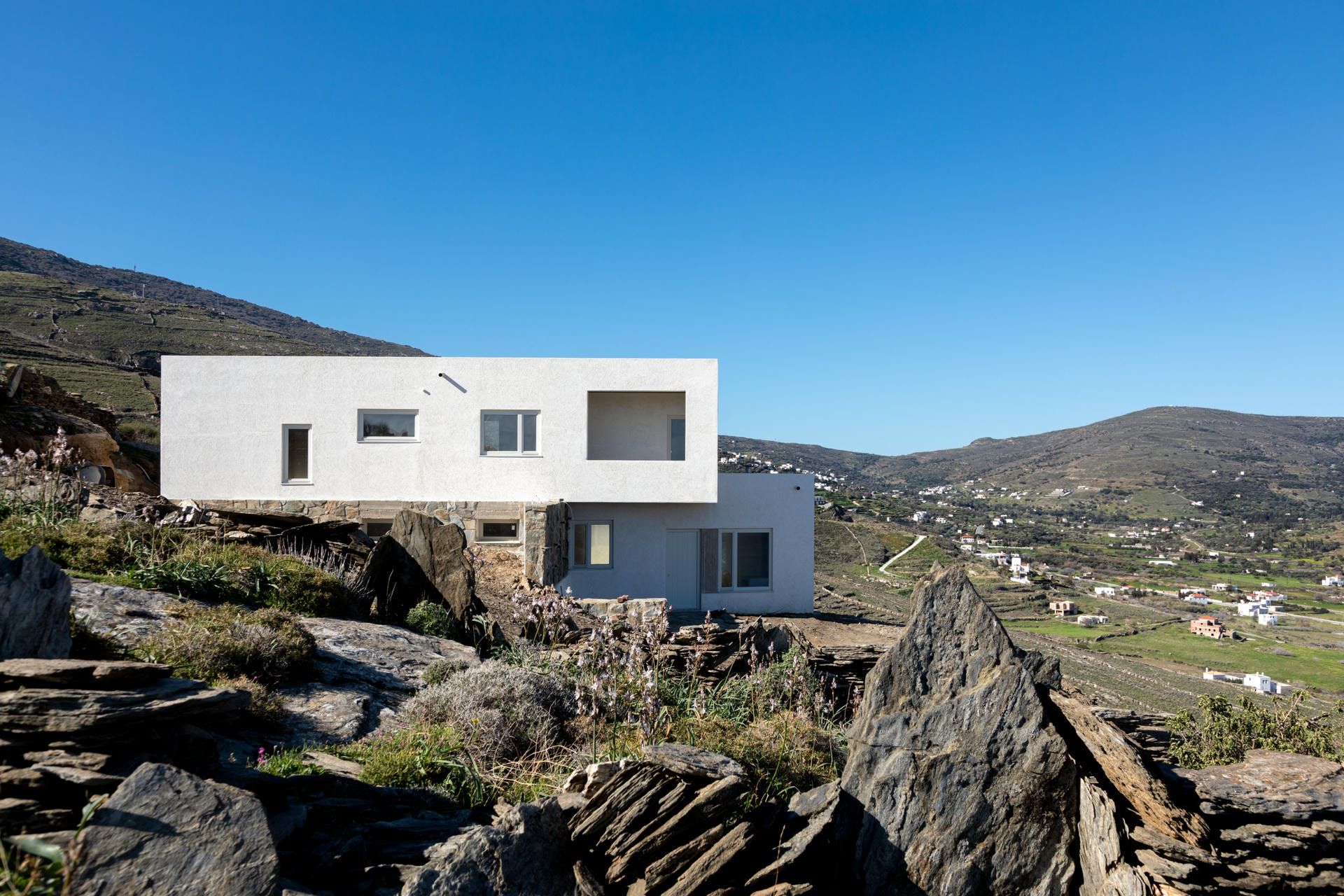
Eshel Residence, Andros, Greece © Rafi Segal
Design at the junction of architecture, art, and the city.
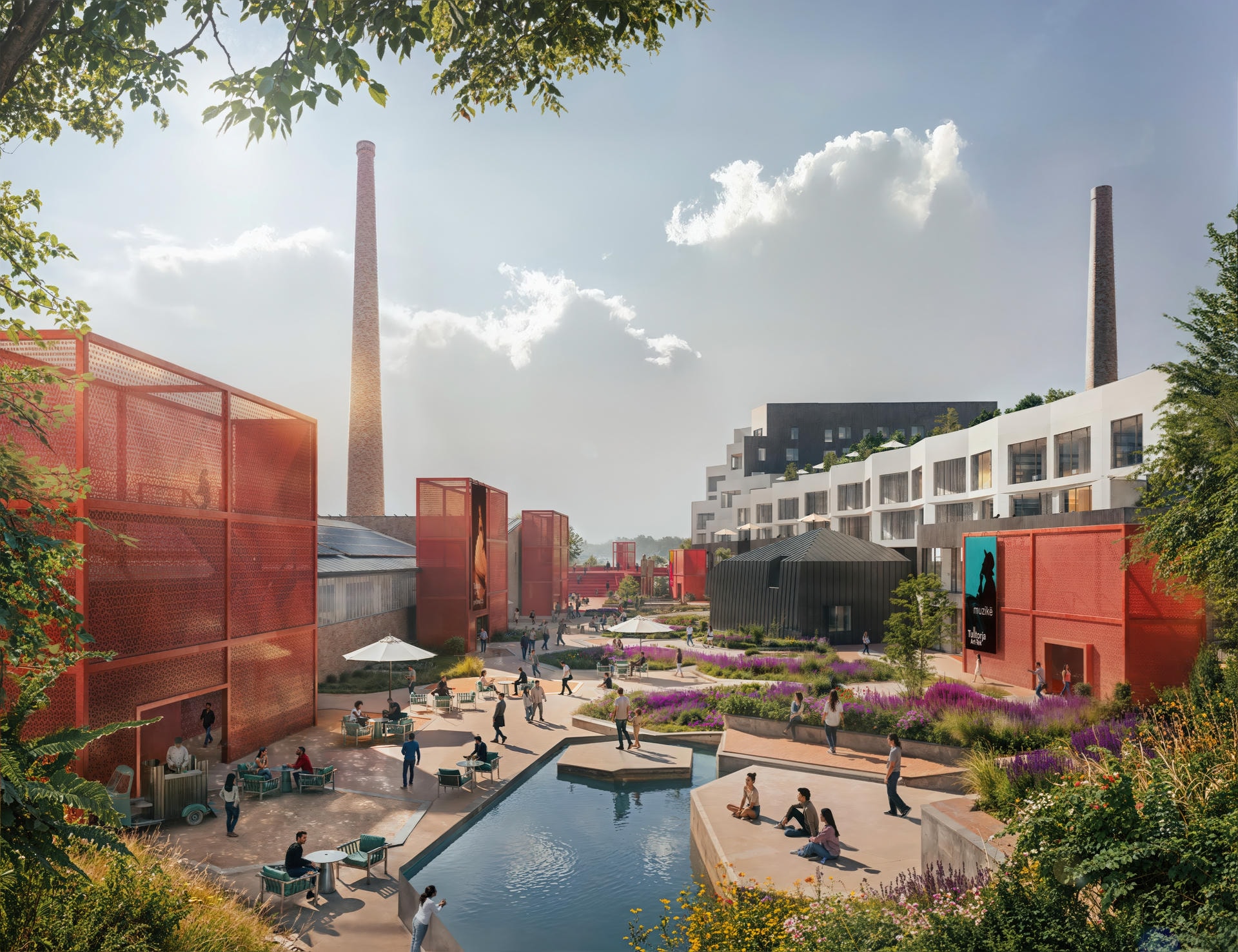
The relation between the building and the city is perhaps one of the most important aspects of my work. I approach each of these two scales as independent fields, each operating with their own set of conditions and objectives but constantly informing one another.
The single building aims to fix spatial conditions through defined boundaries and enclosures, while urbanism seeks to create opportunities for change, which often requires dismantling barriers and blurring boundaries. For me, the successful urban project creates a positive urban experience without relying on the design quality of individual buildings within it, yet at the same time inspires the creation of great architecture of single buildings that make up the plan. This condition is often difficult to pin-point, but there seems to be an agreement on the cities which have achieved this.
I initially planned to study music, but my father (who was an attorney) suggested I study architecture. He assumed I had a talent for it, recalling that as a young child I would draw objects and buildings with depth as they would appear three-dimensional, rather than flat as common in children’s drawings. He also assumed, and very much mistakenly (!), that architecture was a stable profession with good earnings. I followed his advice and soon into my studies discovered a strong connection to architecture.
I begin a project by defining its vision and the motivation behind it. Beyond a building’s obvious practical purpose, I seek to identify a core artistic-architectural idea that would guide the design and reflect the attitude, feel, role, and place of the building within its context.
By context, I refer to the cultural, social, and environmental setting in which a project is established.
When I start a project, I ask: how can the building benefit from its site, and how can the site benefit from the building? The building’s program, the uses for which it is being designed, define relationships between its spaces and parts, but over time the uses or people for which the building was designed will most likely change, while the architectural form and the relationships between a building’s spaces would not. (For example, a family home is commonly designed for a certain number of family members, although the number of inhabitants and the needs of the household change over time.)
For me, the architectural work is created out of a series of ‘dialogues’, not merely between designer and client, but conceptually between building and site, object and city, mass and void, figure and ground, structure and envelope, and more. This approach understands architecture as a process of back-and-forth iterations that shape the project.
I seek a balance of these often-competing forces. When both are dominant yet interdependent, this is when the opportunity for architecture is at its best.
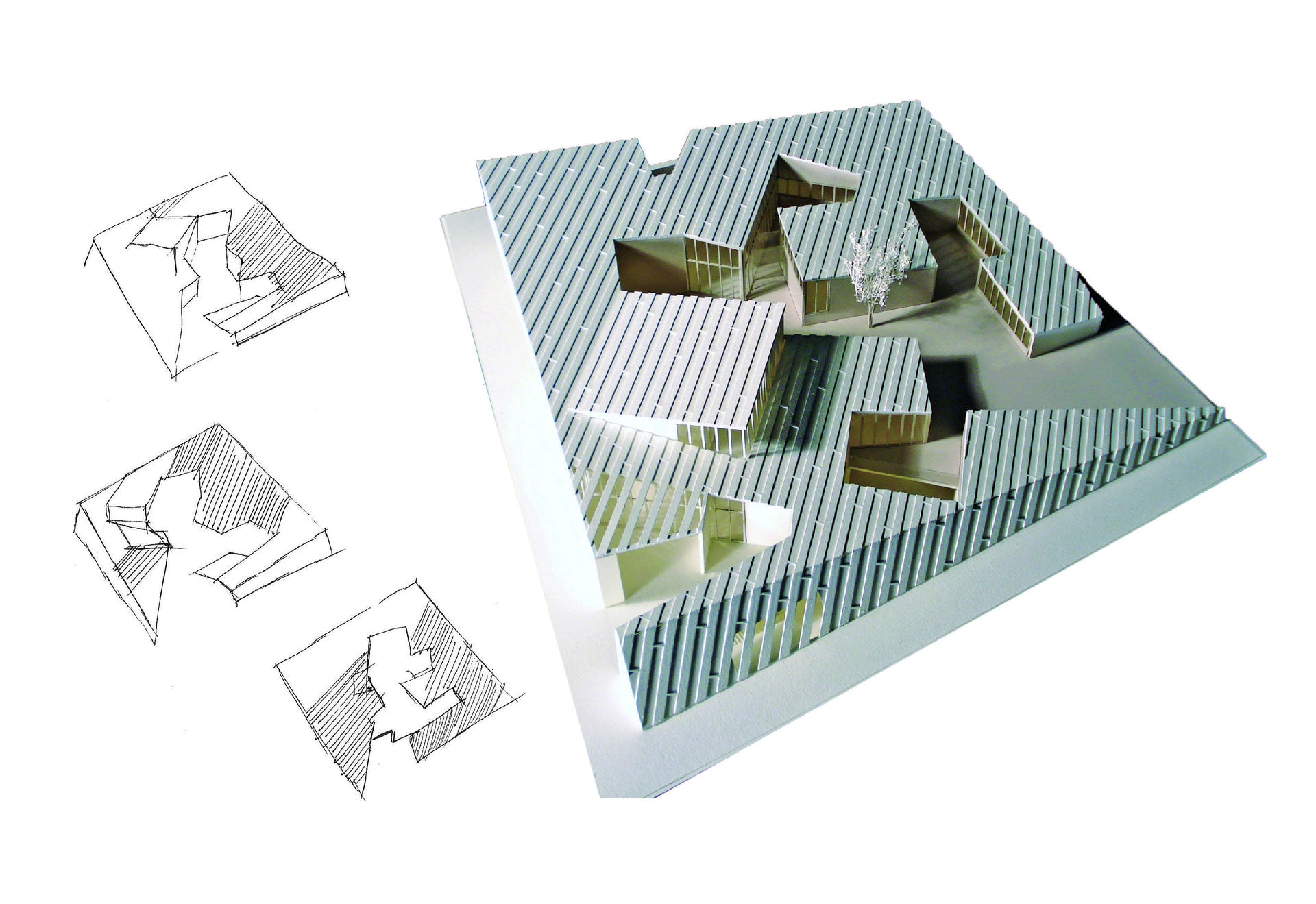
For me, the sketch is an essential design tool as it facilitates exploration and contemplation, capturing the essence of an architectural idea while enabling multiple interpretations—possibilities on how the building and its spaces will be shaped and designed. Sketches promote a way to study and develop the project without fixating on a single predetermined image.
The movement between spaces is as important as the spaces themselves. To say that the way in which we traverse through a building, including how we move between outside and inside, creates the architectural experience just as much as the qualities of the building’s separate spaces, perceived in stasis.
Movement is a way of discovery and connection. Our relationship with a place is formed by moving in it and finding a space within it. Architecture creates the rhythm between movement and repose.
My architecture seeks to combine both interior and exterior spaces as part of a single design intent. This approach leads to utilizing certain features and components to enhance our experience of a building or a set of buildings and open spaces. Courtyards, for example –exterior spaces which are ‘interior’ to the building – are a key element I return to in most of my projects. These are conceived as spaces that bring people together. The roof as an accessible collective space is another component that I integrate into my work, one that offers new views, a new way to experience the surrounding landscape.
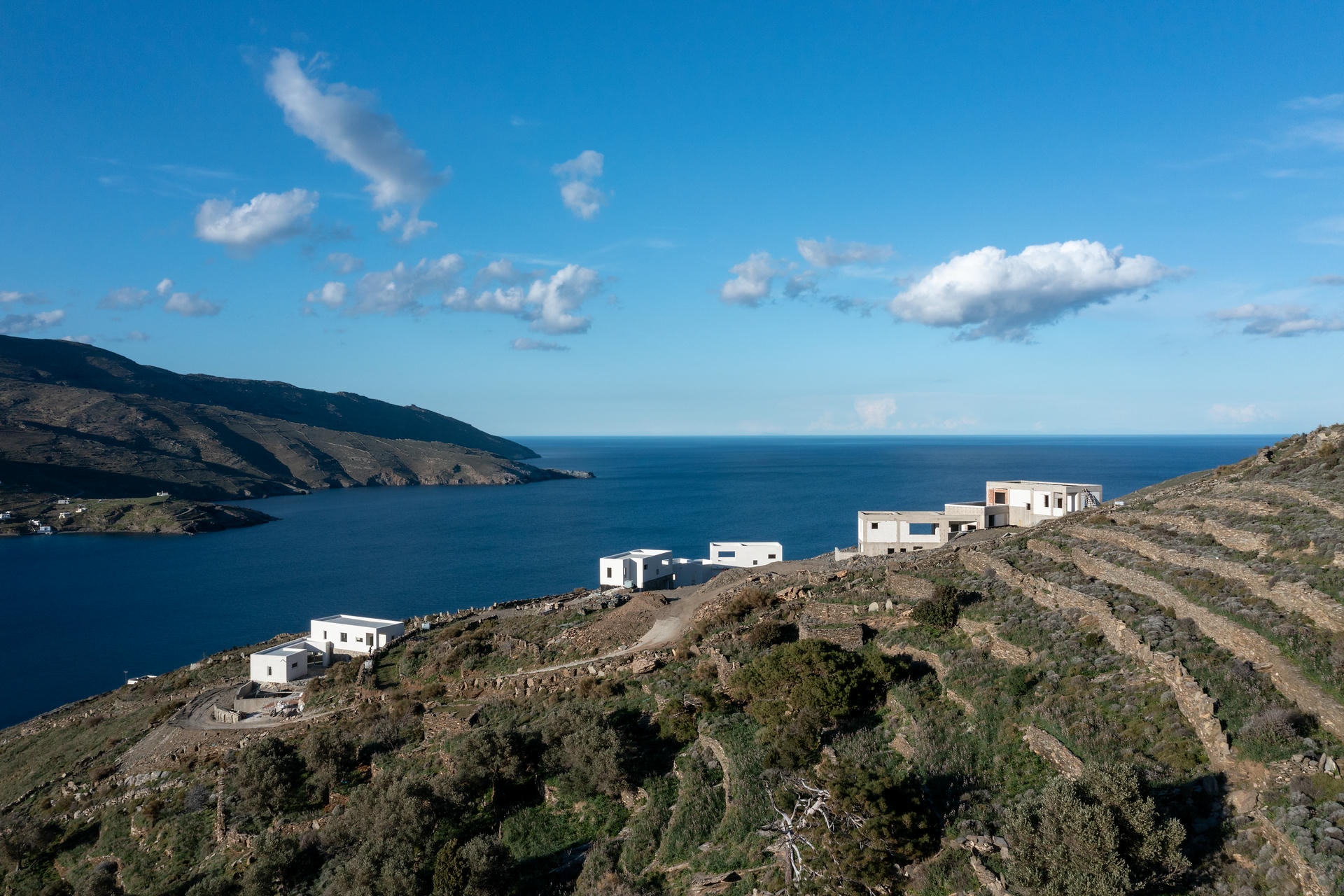
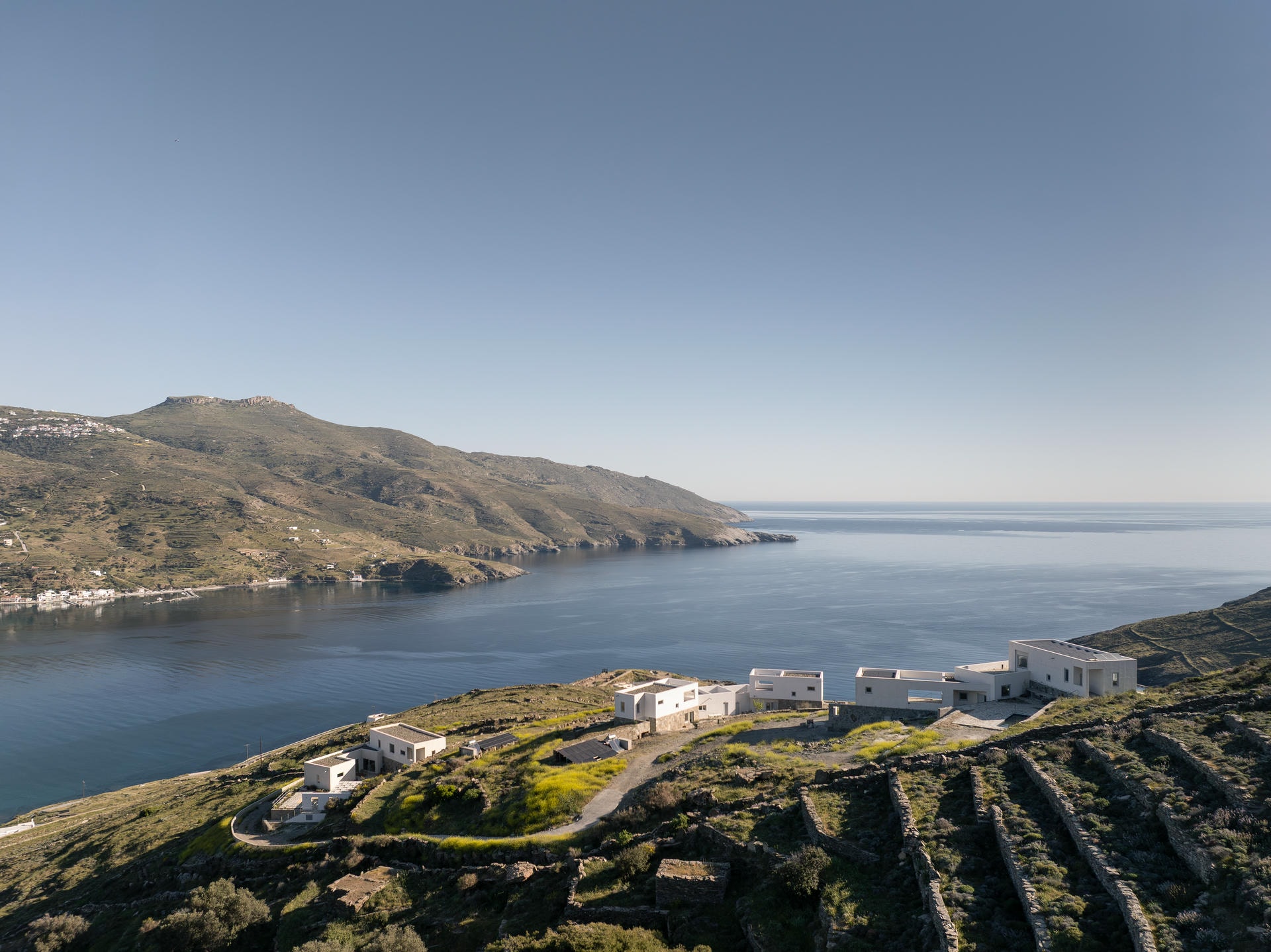
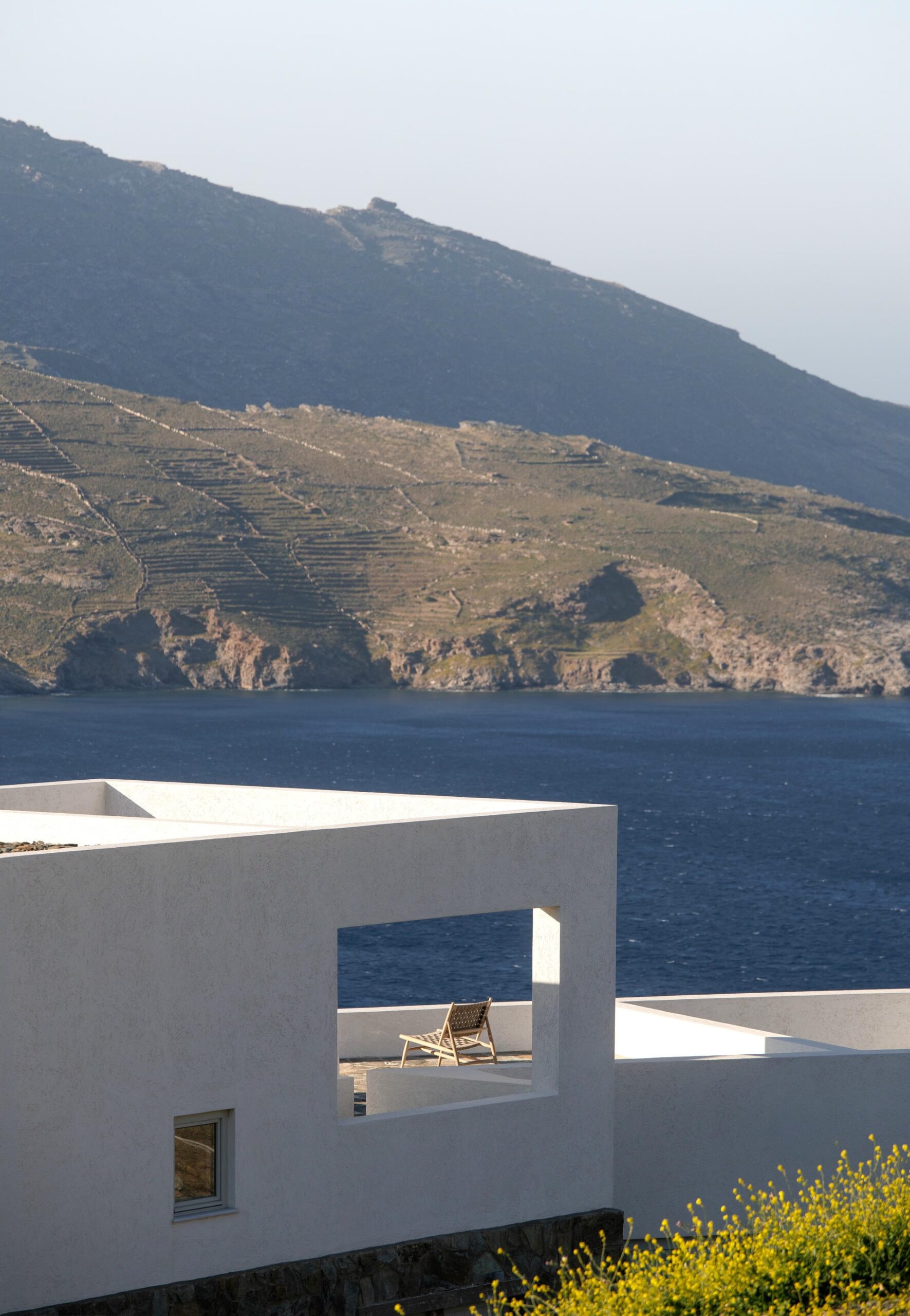
One of my favorite recent projects is the Korthi Houses being built on the island of Andros, Greece. This project comprises 5 homes (4 completed and one under construction) on a hillside with panoramic views to Korthi Bay and the Aegean Sea. I have a special connection to this project for several reasons—first and foremost, since the design integrates the unique features of the site: the stone terraces that have shaped the hillside over centuries, the views to the sea and the valley, the challenging topographical conditions, the Cycladic climate, and vegetation. The design of the houses is conceived of two parts divided horizontally: the lower ground floor, which is an extension of the existing stone walls and terraces, and a ‘freer’, less grounded upper level designed as white ‘boxes’ that sit on top of these stone walls. In this project, I was fortunate to be involved in the earliest stages of selecting the site, then subdividing the land into lots, and further designing the layout of the entire site and the five houses themselves—of which three were designed for family members.

Korthi Houses, Andros, Greece. Rafi Segal A+U, with the participation of Sara Segal © Alex Shoots Buildings
Taliesin West by Frank Lloyd Wright is one of my favorite architectural works. This is a project that beautifully integrates the desert landscape while creating (designed together with his students over the years) an incredible assembly of interior and exterior spaces. Using a limited palette of materials, the design is inventive and original in scale, composition, details, and the relationships between interior, exterior, and semi-enclosed spaces. This architecture lives with the landscape but also stands on its own. Taliesin feels like there is always something new to discover, small or large, hidden or revealed. The design follows Frank Lloyd Wright’s patterns, which are highly geometrically structured but also embody a sense of free spirit, individuality, and artistic expression.

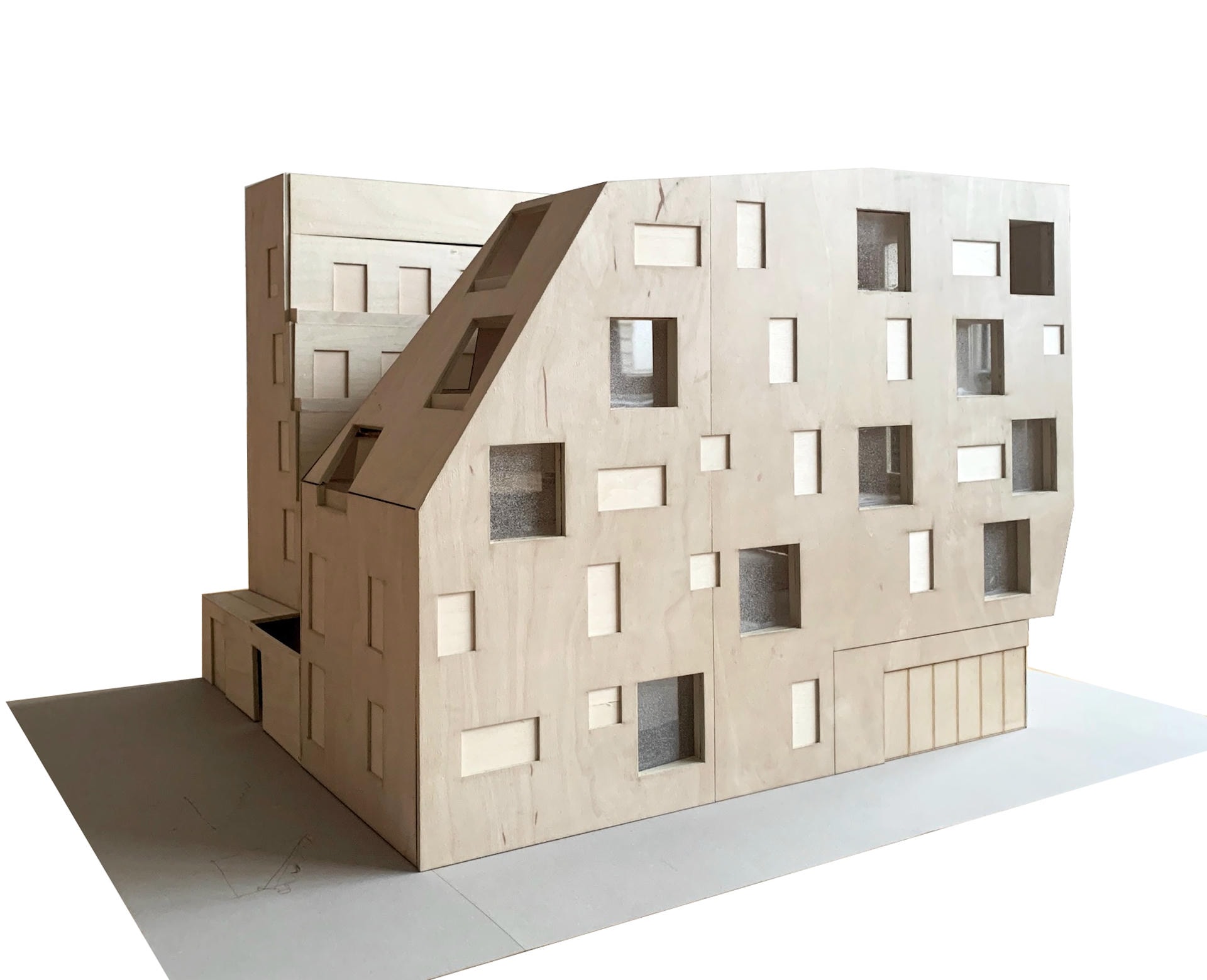
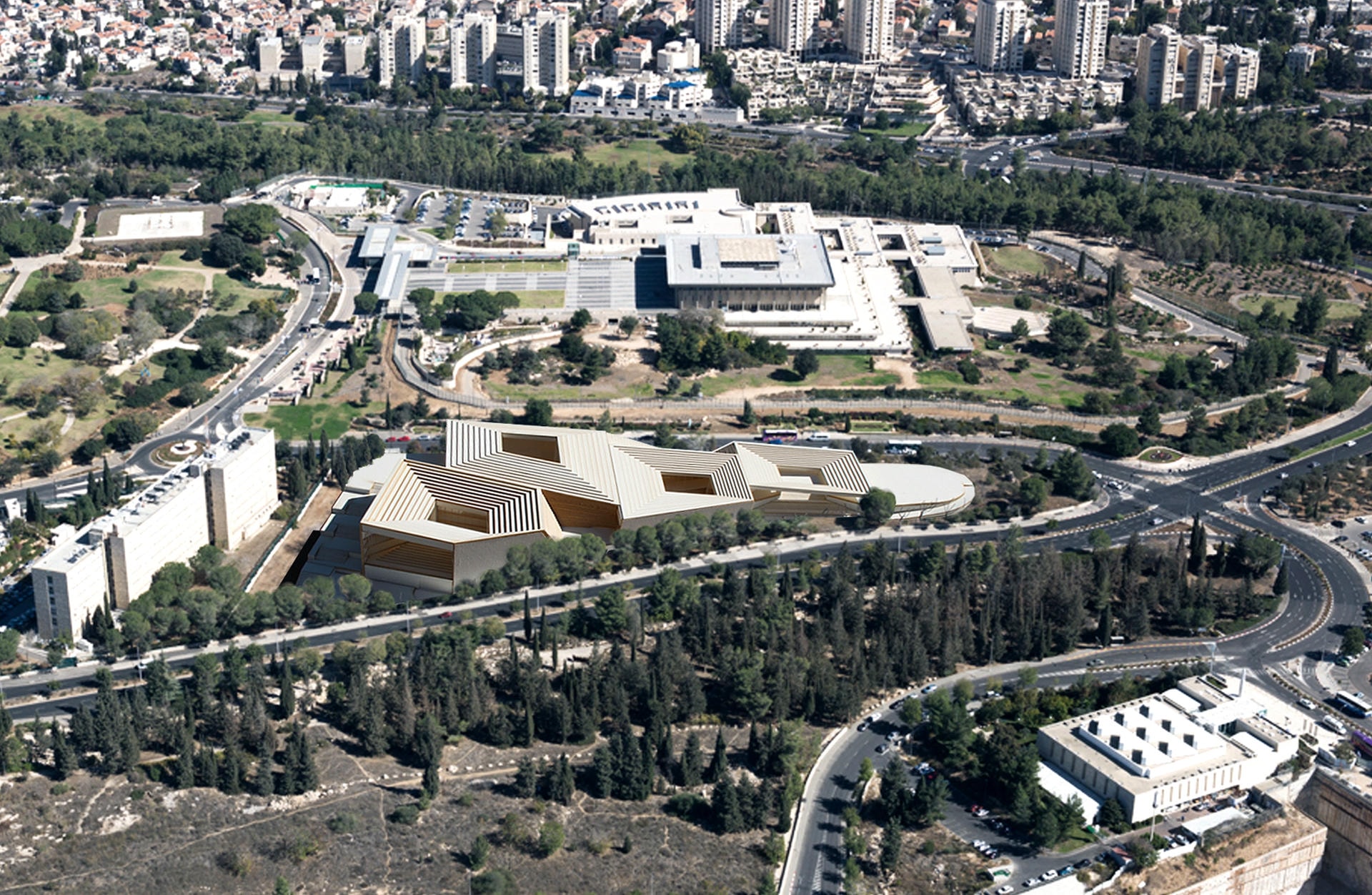
Winning proposal for the National Library of Israel, Jerusalem © Rafi Segal A+U
I believe that new architectural projects today lack thoughtfulness, the exploration of new building typologies, and real commitment to sustainability. In other words, I do not think we are challenging conventions enough nor taking advantage of new technologies and materials being developed. I have no doubt that these would eventually impact and alter the way we design and build. It is just a question of time. Architecture has always been slow to change.
The uncertainty of construction – not knowing whether the project will eventually be built. And the unbearable delays in the completion phases of a project, when the smallest of jobs takes the longest time.
I draw inspiration from the idea that the way in which spaces are designed can have a positive impact on our feelings, our mood, our sense of belonging and connection. The way we design can change the way we interact with each other and the way in which we understand our relationship to the environment at large. The way a house is designed, for example, can change the way we feel on a day-to-day basis.
People are creatures of habit, and architecture in most cases is emblematic of this. We often expect buildings to provide a sense of the familiar. My motto is: do not get stuck by pre-conceptions of what a building should look like or how it is to function; keep an open mind, explore, be involved in all stages of the design and construction, and be excited about the work you are doing.
Architecture does not take place in a void but in response to collective ideas that live in and with society, or what we envision society to become. Buildings both reflect and shape the way we see the world. The architect’s task is often to critique and question certain conventions by offering an alternative approach, by showing us how architecture can better the way we’d like to live.
One of the most important things I’d advise young professionals starting a practice is the need to establish personal relationships with their clients, even when the client is an organization or institution. For a project to succeed, and this is true for projects across scales, client/owner and architect need to have a collaborative and respectful relationship.
Thank you so much Rafi, for this lovely interview!
Share article :