Royston Ho
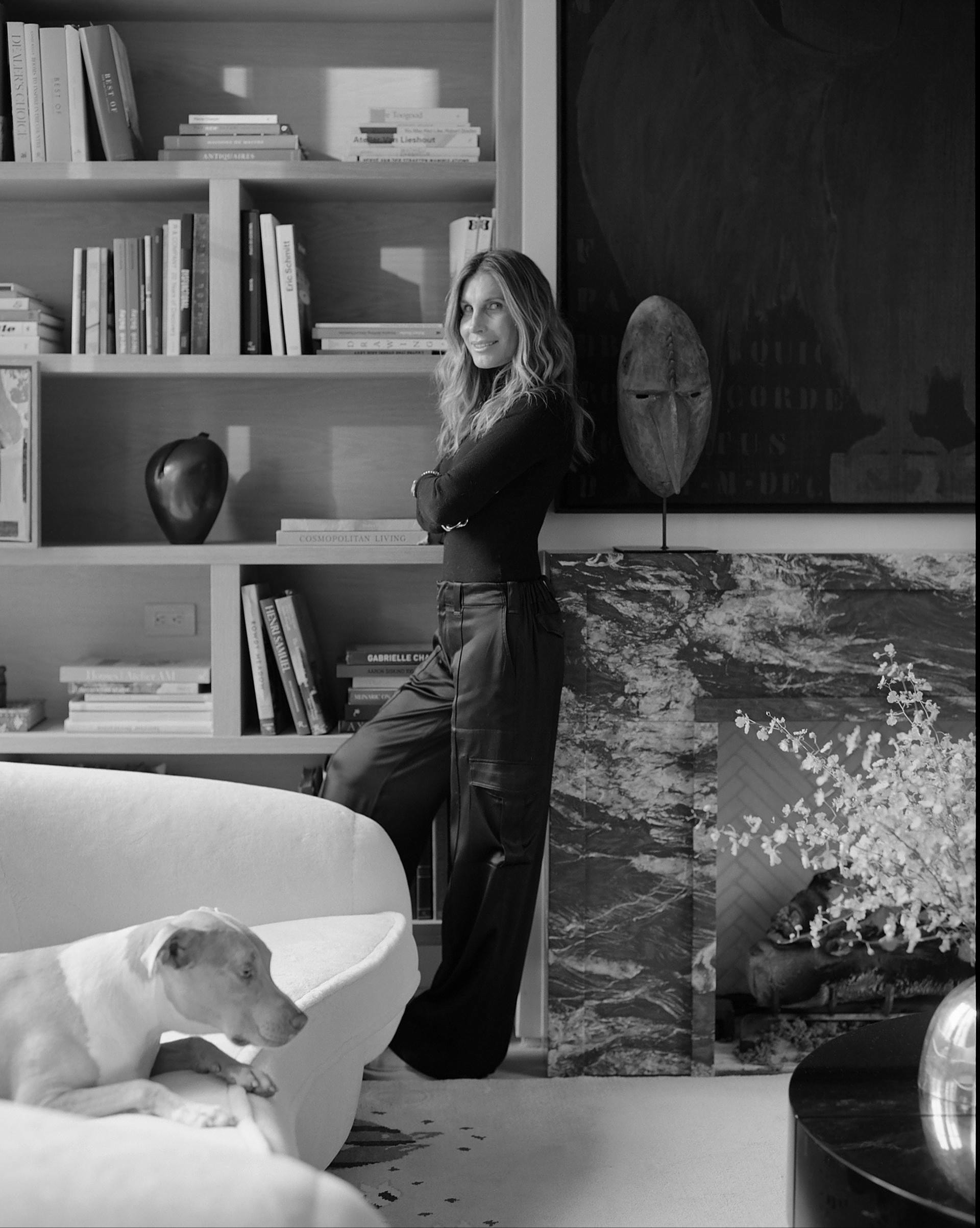
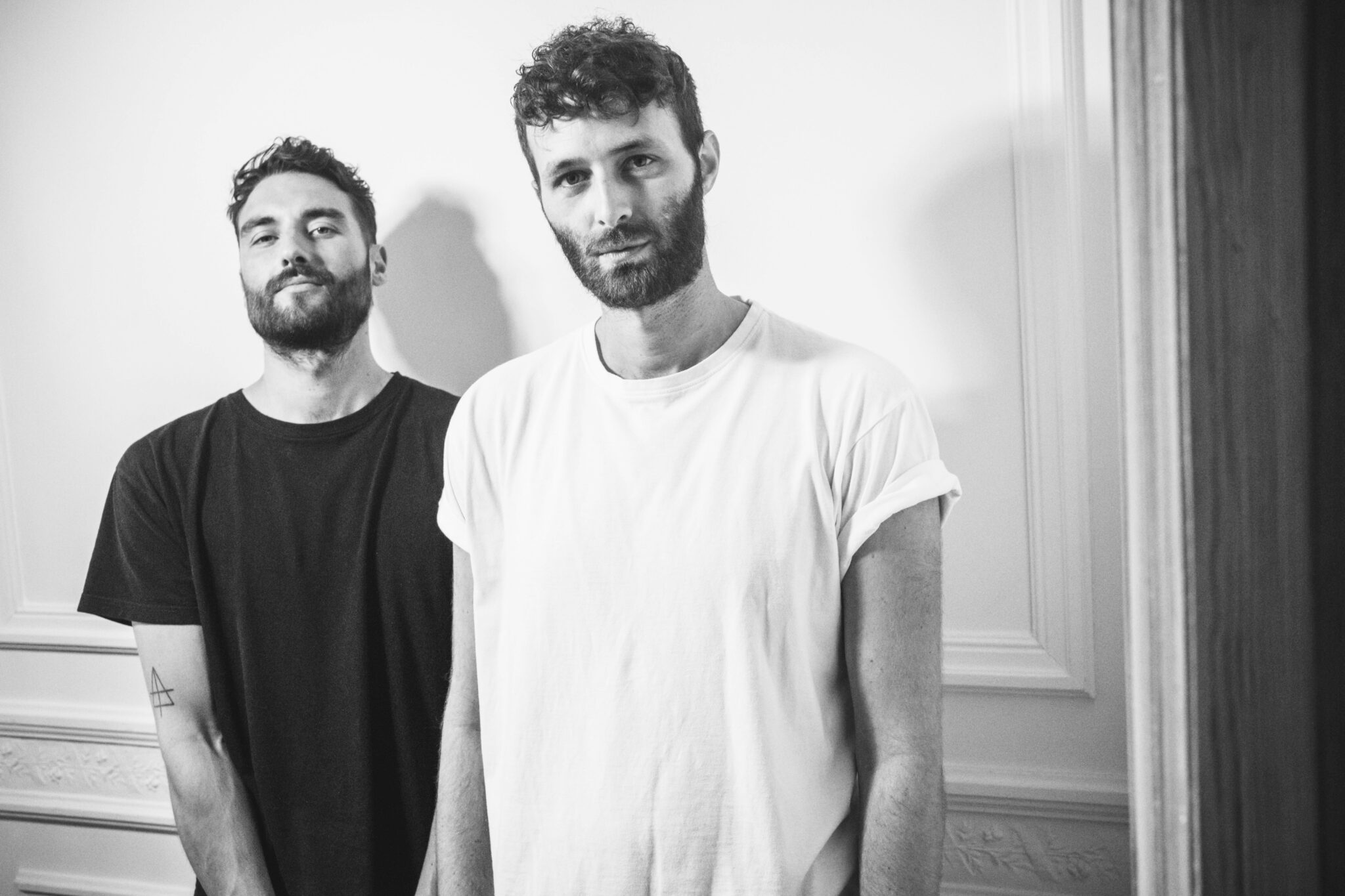
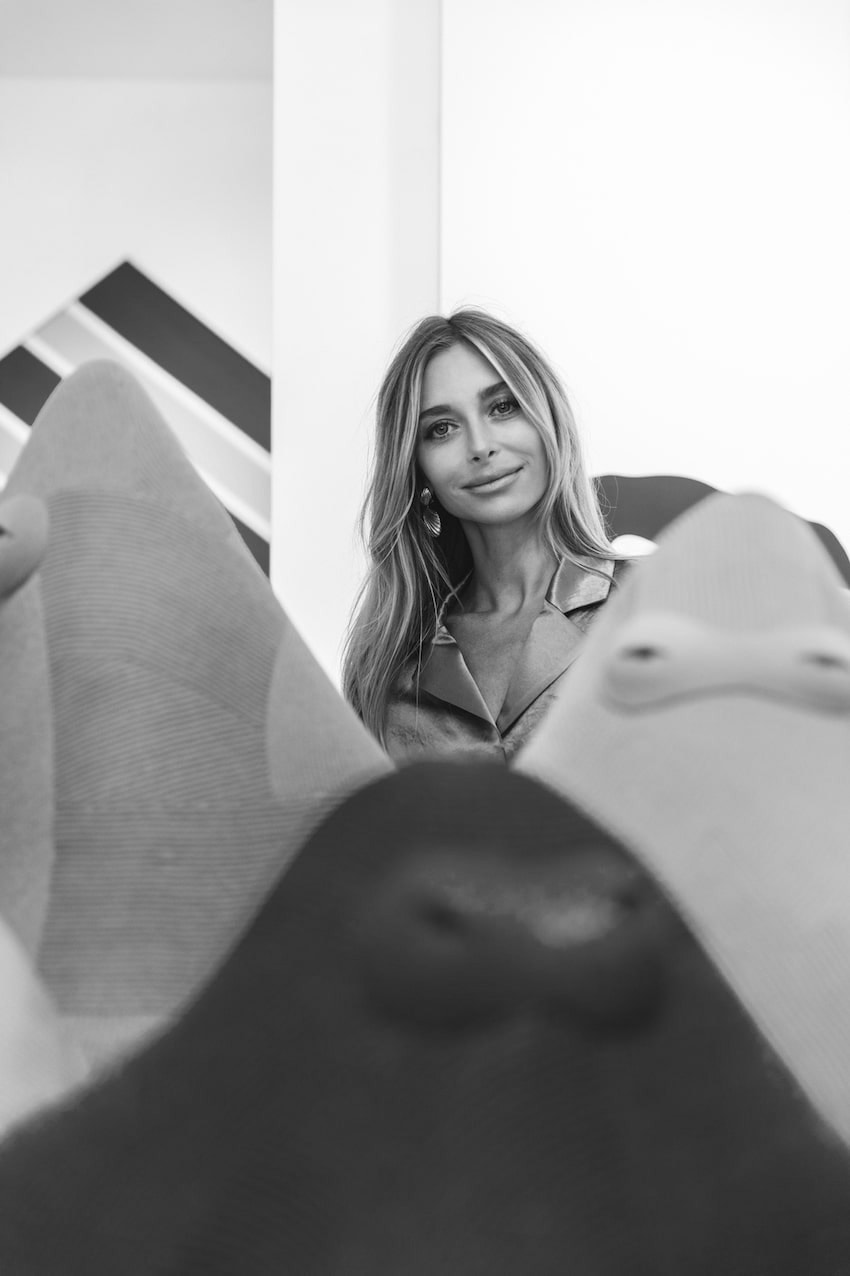
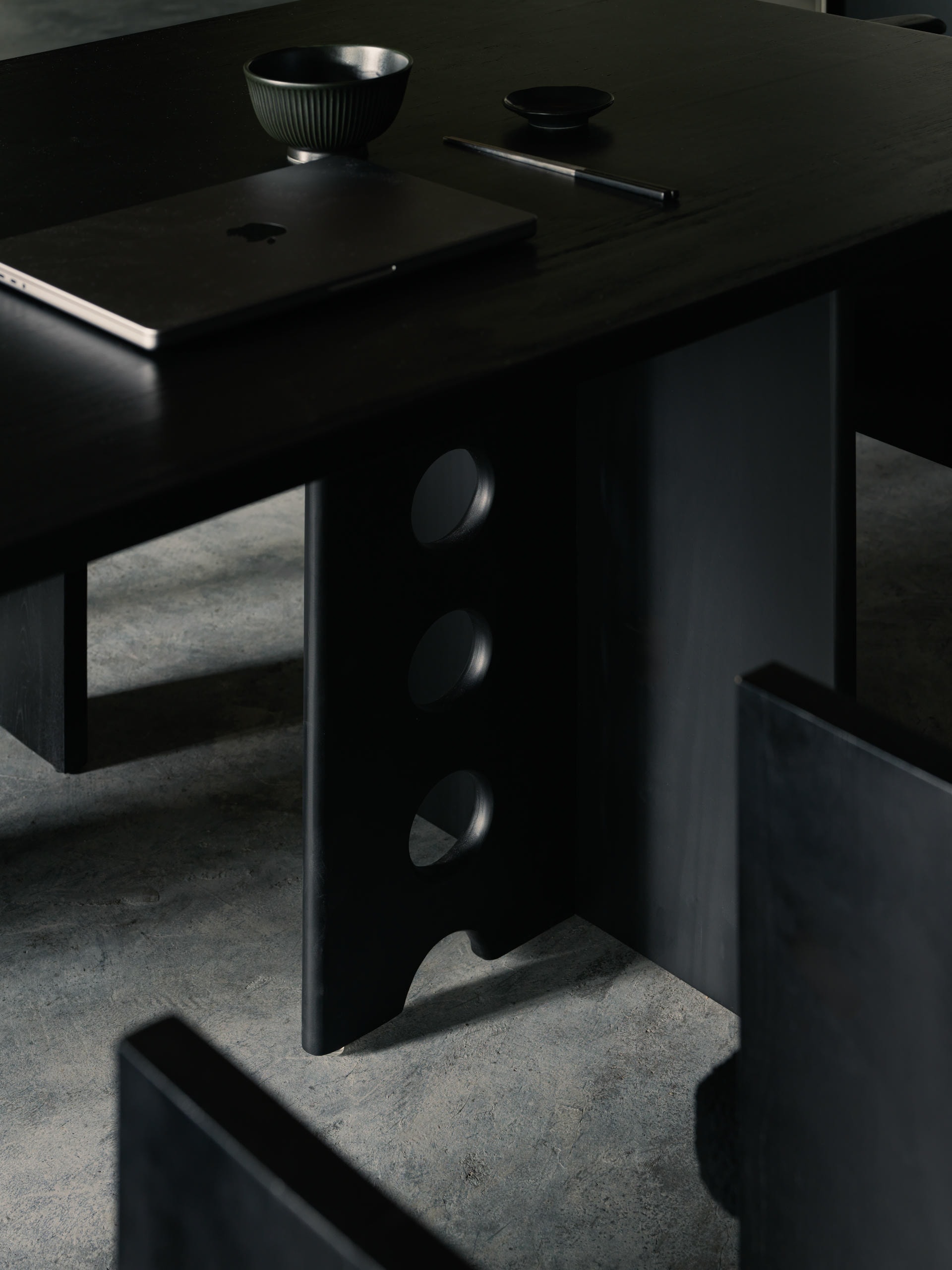
Royston Ho is the founder and creative director of Oblivion Lab, a design studio known for its restrained, brutalist-leaning aesthetic and emotionally driven spaces. His work centres on material honesty, spatial tension, and quiet narrative—creating interiors that feel as intentional as they are atmospheric. Royston approaches design as both craft and philosophy, with projects spanning private residences, conceptual spaces, and emerging hospitality works in Singapore.
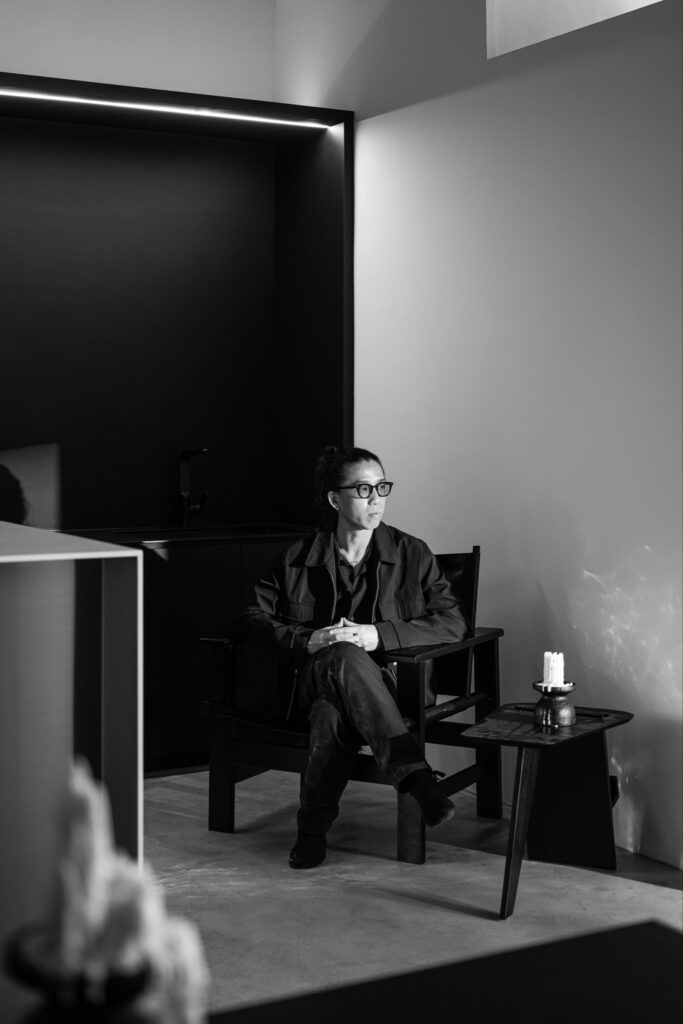
“Design the pause, not the noise.”
INTERVIEW

@marcus.ip
I describe my style as:
Contextual minimalism with emotional weight.
It’s not minimalism for emptiness, but minimalism for focus. I’m drawn to strong forms softened by natural imperfection — brutal structure balanced with subtle warmth.
My personal mantra is:
“Design the pause, not the noise.”
Every space should offer stillness, even within complexity.
My journey didn’t start with drawings — it started with observation. I was always fascinated by how spaces shape emotion, behaviour, and memory. I realised early on that interior design wasn’t just about styling, but about atmosphere — the way light, proportion, and materiality quietly influence the way people feel when they enter a room. What began as curiosity evolved into spatial storytelling, and eventually into a career I treat as both craft and philosophy.
Yes. The moment I stopped designing for validation and started designing for meaning.
Early on, it’s easy to chase trends and surface-level aesthetics. But at some point, I realised the spaces I found most powerful weren’t the ones that impressed instantly — they were the ones that stayed with you emotionally. That shift changed everything. From then on, every project needed to answer a deeper question: not just how it looks, but how it feels.
In design: clarity of intention.
In business: consistency of execution.
A successful interior understands its user, its architecture, and its purpose. It’s honest about materials and deliberate in form. In business, it’s the same — commit fully to your vision, communicate clearly, and execute with integrity. Quality always reveals itself over time.
I always start with a feeling, not a finish.
Before choosing any materials or layouts, I ask one question:
“How should this space make someone feel?”
From that, keywords emerge organically — calm, tension, warmth, restraint. Design then becomes a translation of emotion into form. Every decision is intentional, not decorative.
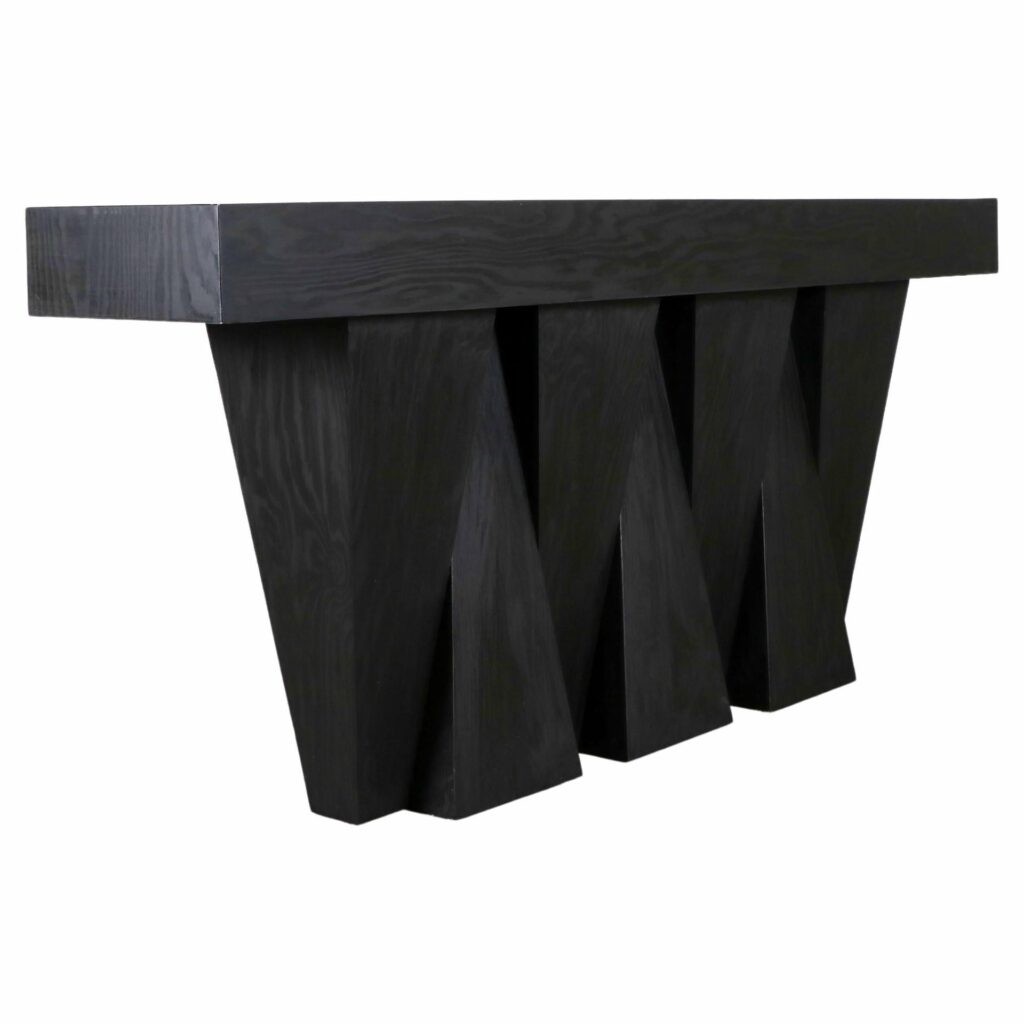
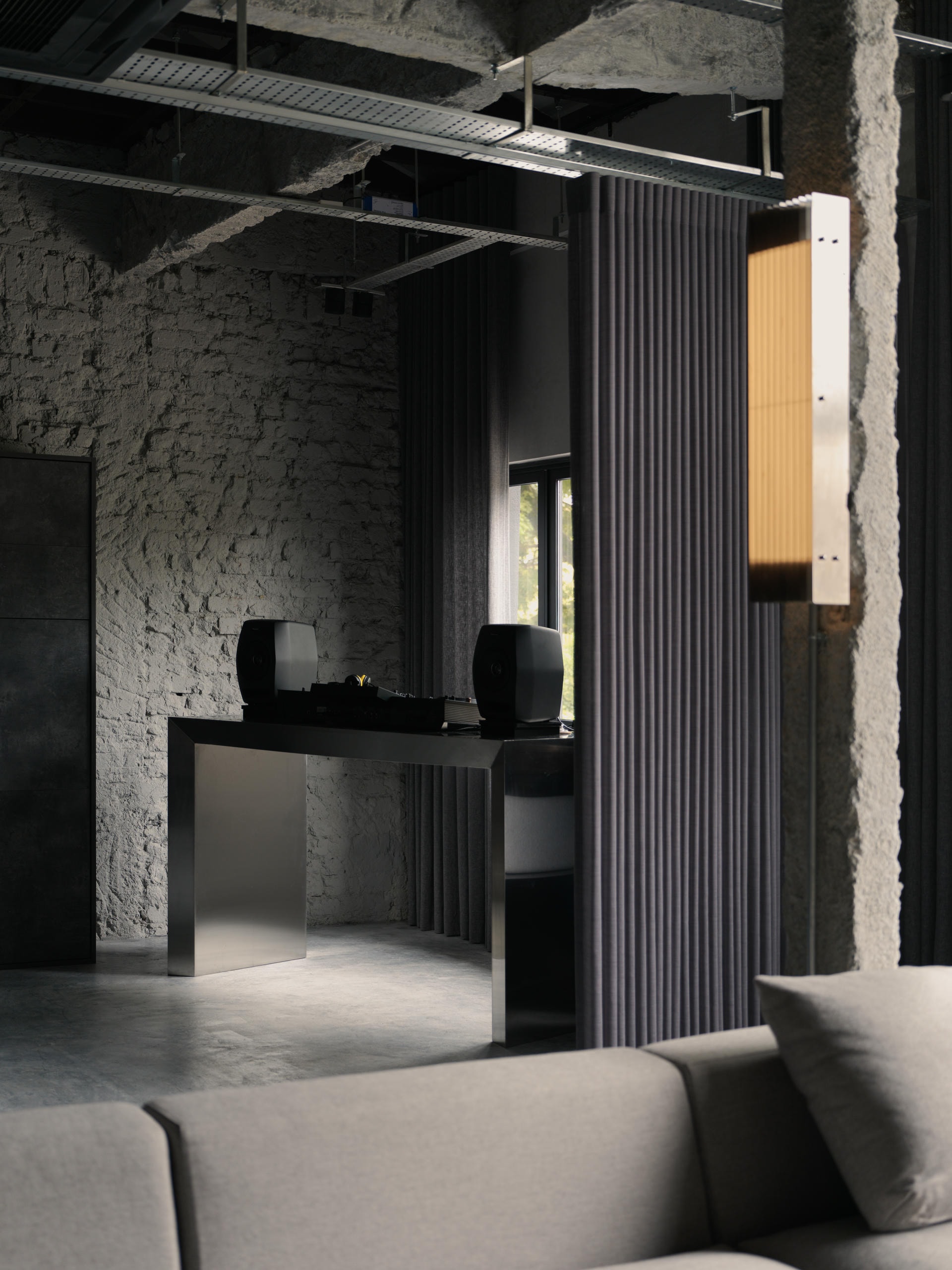
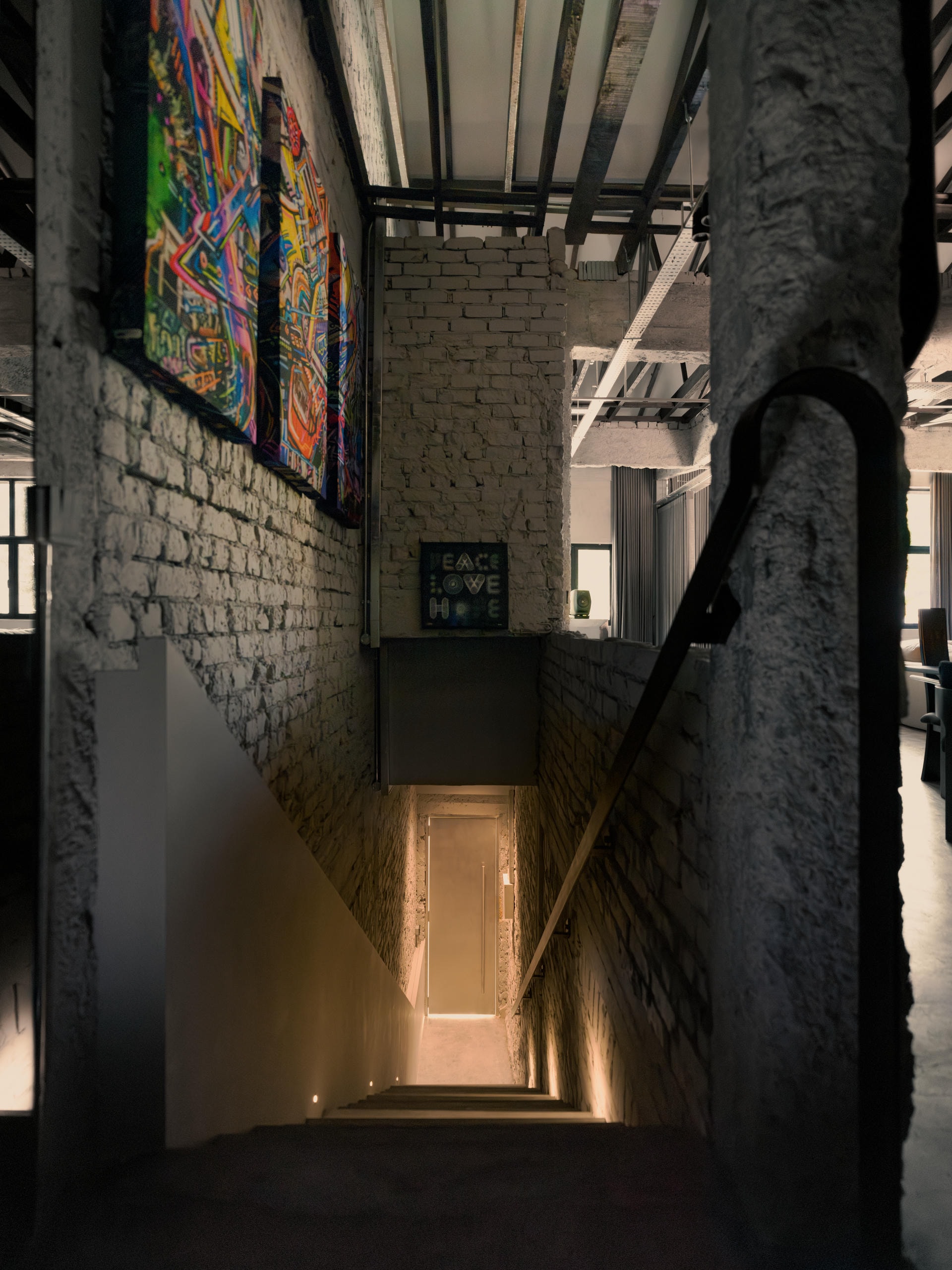
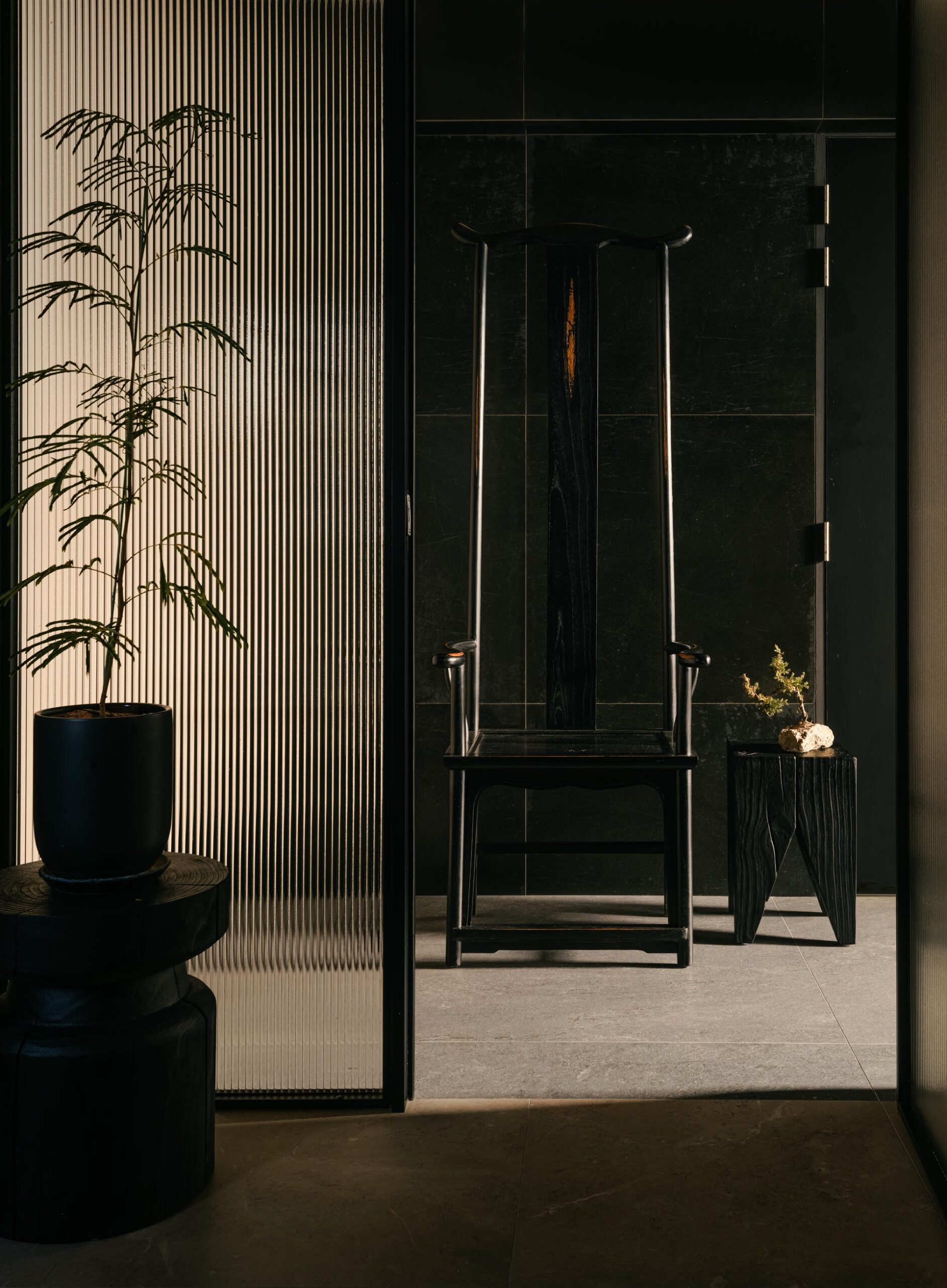
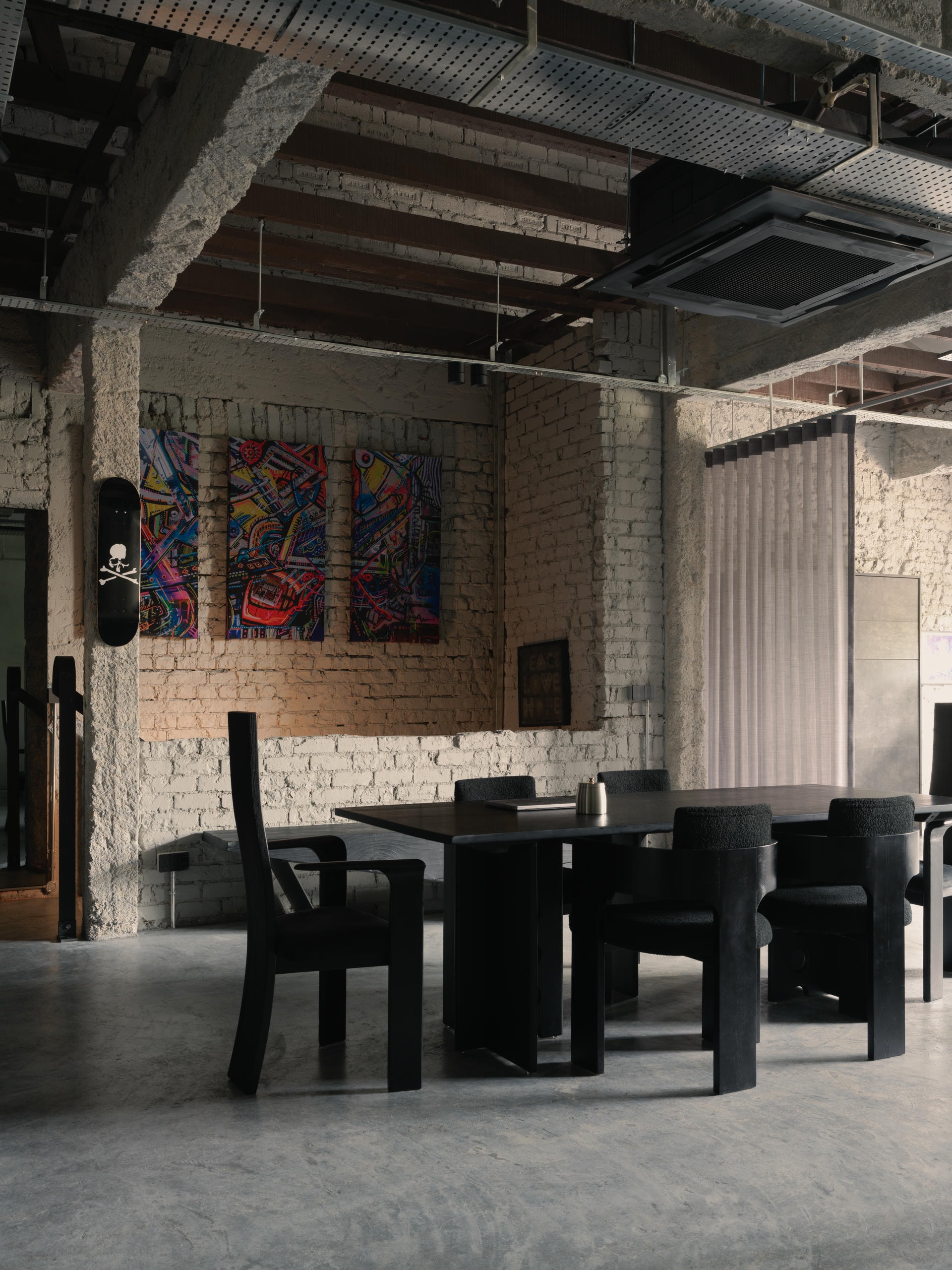
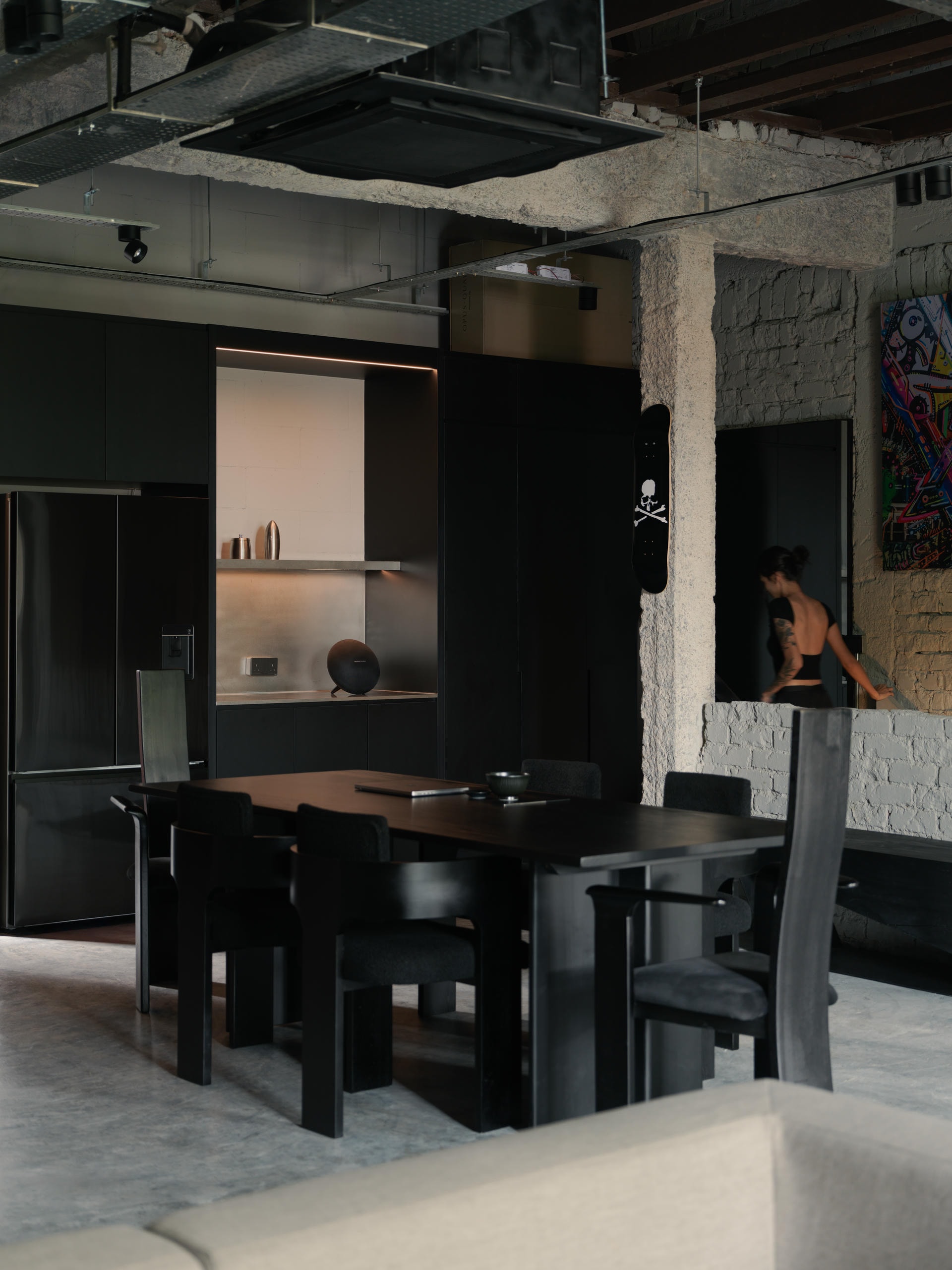
One of my favourite projects was a brutalist-inspired shophouse designed for a bachelor and DJ. The brief was simple but expressive — to create a home that felt raw, bold, and open for both solitude and social life.
We approached the space by stripping it back to its essence. All the smaller rooms on the upper floor were removed to create a single, expansive living and entertainment zone. This transformed the shophouse into a loft-like environment where scale and openness became the defining experience.
Materiality was kept deliberately honest. Plaster was removed from the walls and the exposed brick was spray-painted grey to form a muted, concrete-like finish. This neutralised visual noise and allowed light, music, and human presence to take priority over décor.
What made the project special was its emotional clarity — brutalist in language, yet deeply personal in spirit. It became not just a home, but a stage for the client’s lifestyle. A place designed to host, retreat, create, and exist — monumental in mood, but intimate in ownership.
“Lighting is not decoration — it is architecture.”
Light shapes mood, scale, and perception. The same space can feel entirely different depending on how it’s lit. Good lighting deepens design. Poor lighting destroys it.
“Be difficult to replace, not easy to please.”
It taught me that originality and depth outlive popularity.

@marcus.ip
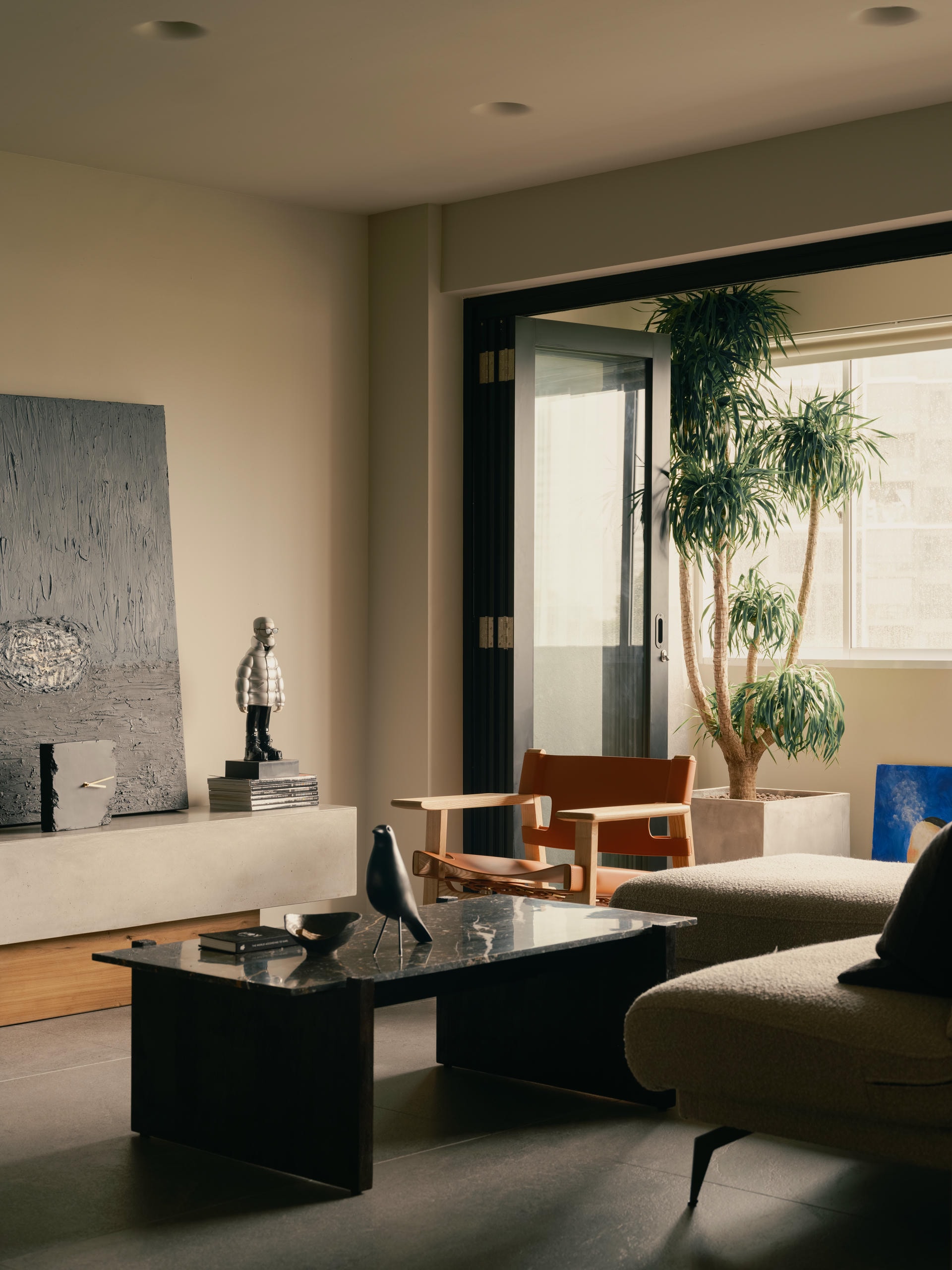
Study people more than platforms.
Trends change. Taste evolves. But human behaviour doesn’t. Design should always be psychological before it is aesthetic. Decor is secondary.

@marcus.ip
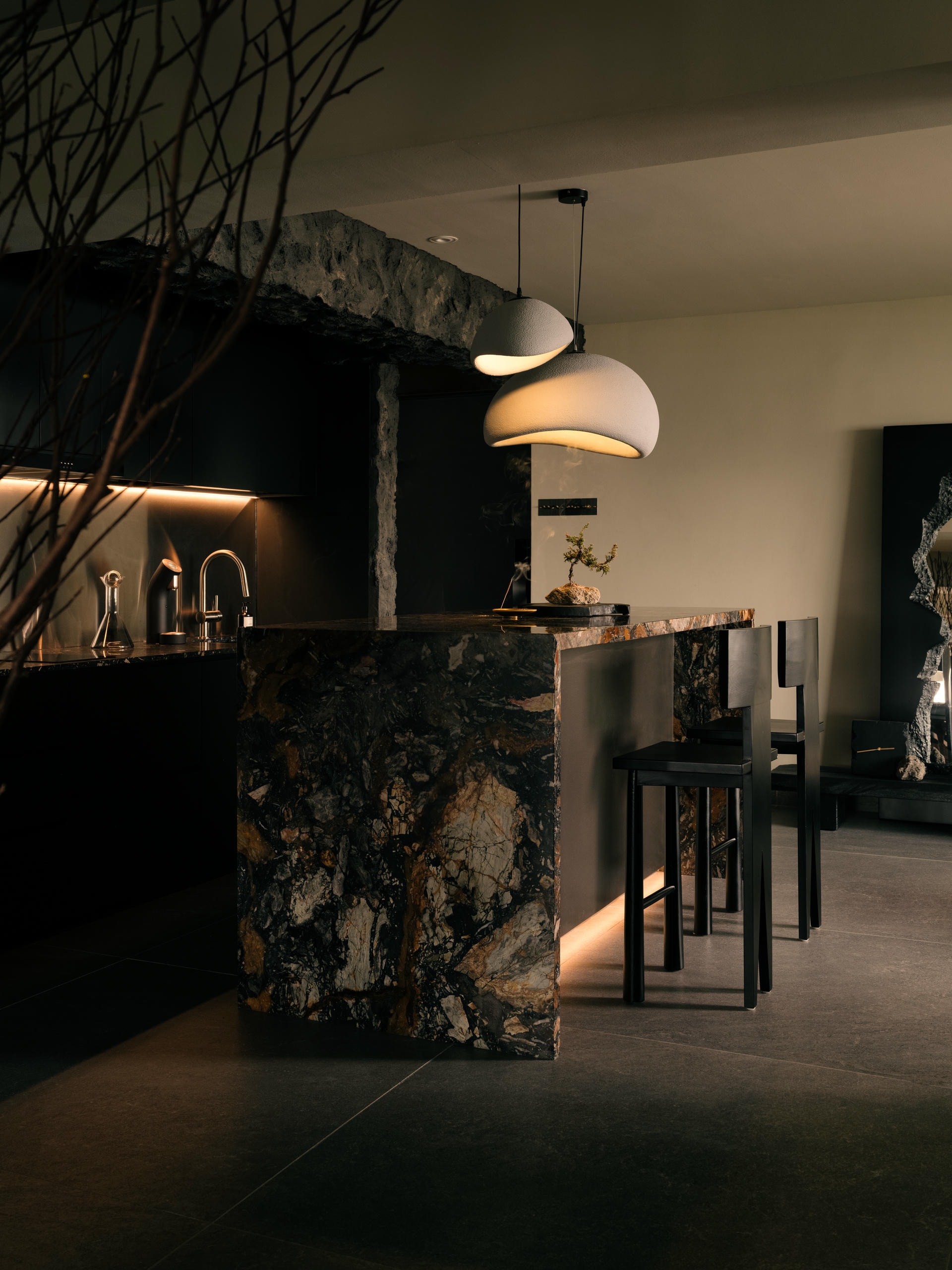
That kindness in business must coexist with boundaries.
Creativity needs protection. Without defending your vision, it gets slowly shaped by convenience and compromise. Learning when to walk away was just as important as learning when to commit.
Books
Atmospheres – Peter Zumthor
In Praise of Shadows – Junichiro Tanizaki
The Anatomy of Influence – Harold Bloom
Podcasts
Design Matters
Clever
99% Invisible
Oblivion Lab is moving toward more conceptual spaces — including hospitality, architectural interventions, and experience-driven environments.
I’m also exploring the role of AI in design — not as a replacement, but as a collaborator. A tool to visualise emotion, abstraction, and atmosphere before architecture begins. The future of design isn’t automation. It’s amplification.
Thank you so much Royston, for this lovely interview!
Share article :