
Sérgio Rebelo
Sérgio Rebelo is a Portuguese architect and designer and the founder of Sérgio Rebelo Atelier, an independent architecture and design practice established in Porto in 2018. He studied architecture at the University of Porto in Portugal and the École Polytechnique Fédérale de Lausanne in Switzerland, developing an international perspective that would continue to shape his professional trajectory. In 2010, Rebelo also served as a thesis reviewer at Columbia University’s Graduate School of Architecture, Planning and Preservation (GSAPP) in New York.
Prior to founding his own atelier, Rebelo was Design Director at FR-EE (Fernando Romero Enterprise) in New York City, where he contributed to major architectural projects on an international scale. During his tenure, he played a leading role in projects including the construction of the Soumaya Museum and the winning competition proposal for Mexico City’s New International Airport. Through Sérgio Rebelo Atelier, he has since developed an independent practice spanning architecture and design, building on the experience gained through his work across Portugal, Switzerland, Mexico and the United States.
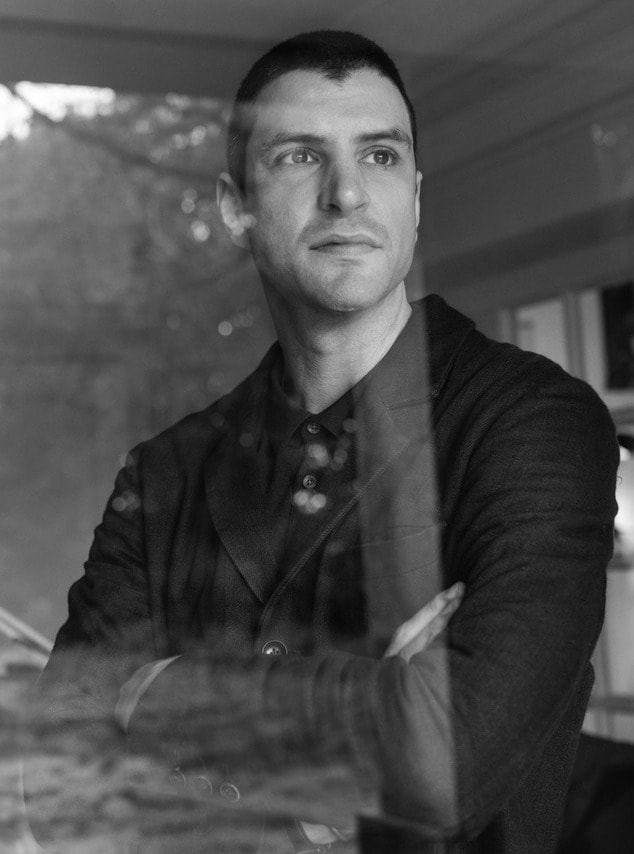
“I believe architecture should not silence the living world around it. A responsible project creates space for human and non-human life to coexist, adapt, and continue their quiet exchanges over time.”
INTERVIEW

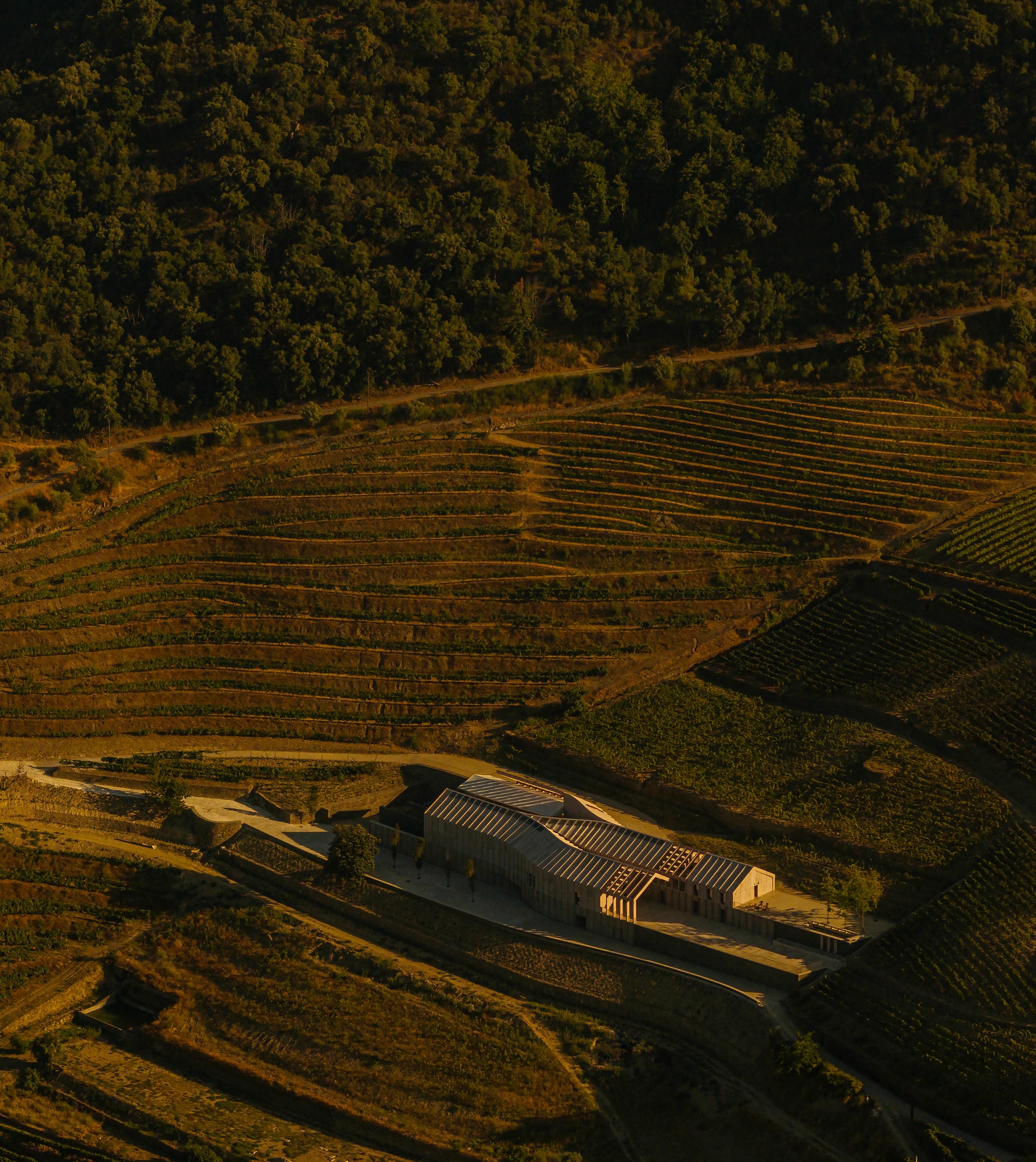
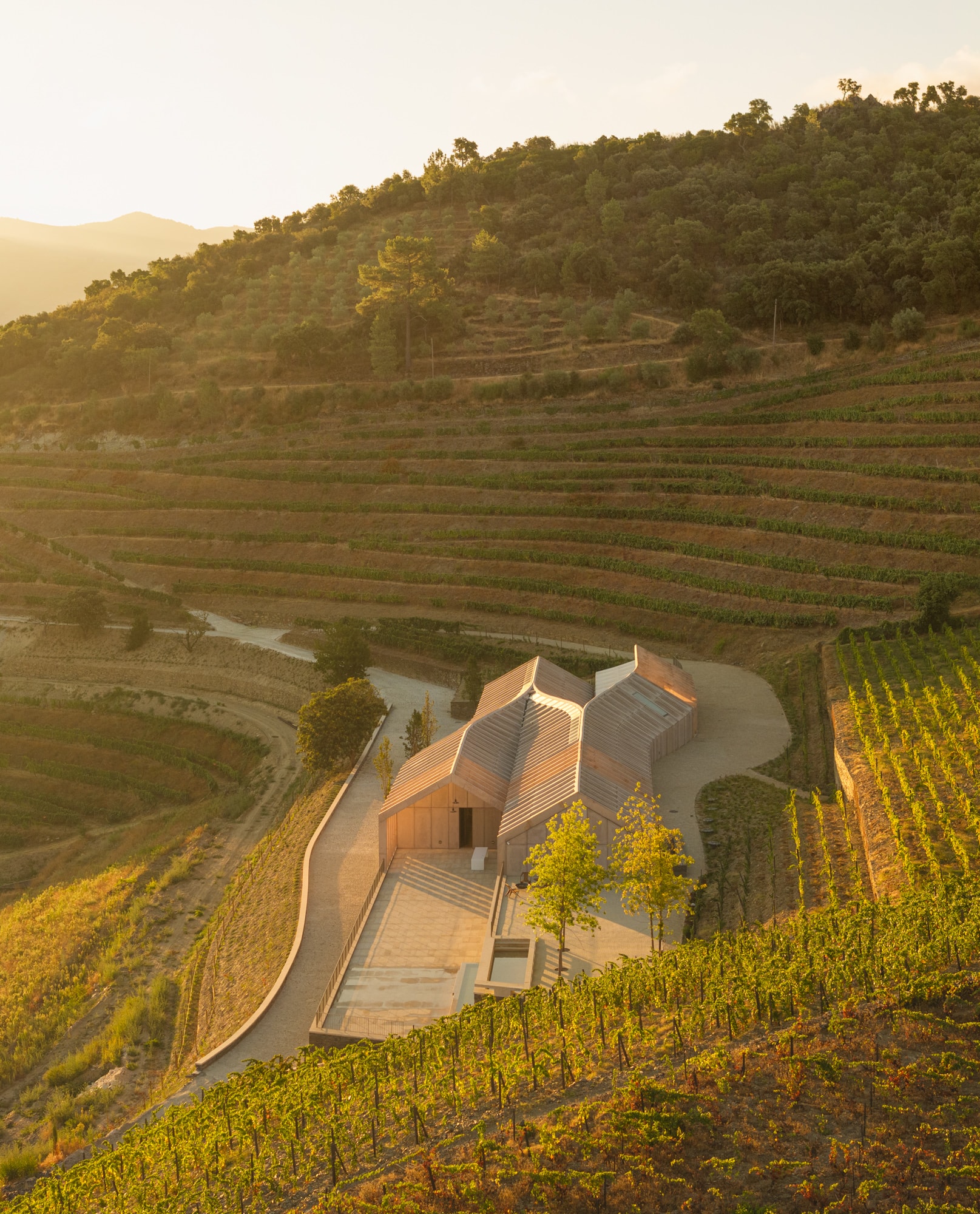
Quinta de Adorigo Winery © Fernando Guerra FG+SG
It began through the elimination of all other possibilities. As a teenager, I dreamed of becoming a musician, but I eventually realized that I lacked either the talent or the training required to truly excel. Geometry, on the other hand, has always come naturally to me. Understanding the world through shapes, planes, and angles has always felt intuitive. Architecture therefore became a medium through which I felt naturally at ease interpreting the world around me and, ultimately, giving form to it.
There are no architects in my family, so my decision to pursue this path was, in many ways, a fortunate accident. Yet once I discovered architecture, I never wanted to be anything else.
Listening is one of the most important qualities an architect can possess. I enjoy silence because it sharpens my perception of the surrounding environment—its sounds, light, and scents. It is equally valuable when working with clients, as it allows me to truly understand not only what they say, but what they mean.
Every project begins with questions, and the more there are, the better. Architecture emerges gradually as those questions begin to find their answers.
I have no desire to design according to a fixed “style.” Personal styles can quickly become dated. What interests me is architecture that responds truthfully to its time and place.
Consider vernacular buildings made from local materials and shaped by the knowledge of skilled craftsmen. Their honesty gives them a timeless beauty and allows them to exist in harmony with nature. That is the kind of architecture I aspire to create.
As I mentioned before, music has always been my first passion. To me, it is the highest form of art because it speaks to everyone, regardless of origin or belief. It is truly universal: formless yet pure harmony and emotion. At the same time, it is deeply mathematical and scientific, governed by structure, proportion, and rigorous logic.
The relationship between sound and silence is essential, just as the technical qualities of the instruments and the skill of the musicians are indispensable. I believe architecture can aspire to the same condition: by respecting materials, proportions, the balance between light and darkness, and the richness of textures, it too can evoke profound emotion.

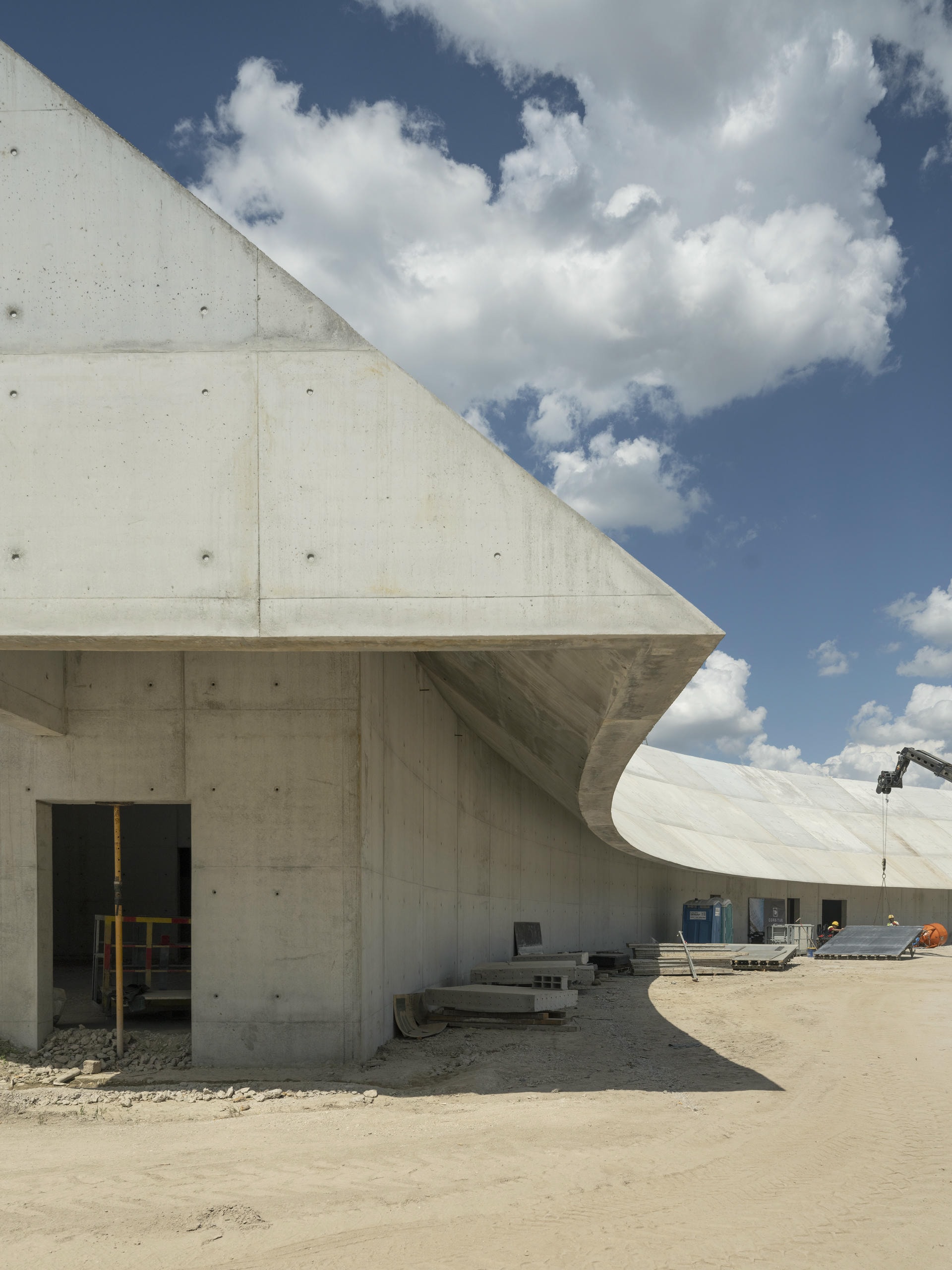
Quinta de Adorigo Winery © Fernando Guerra FG+SG
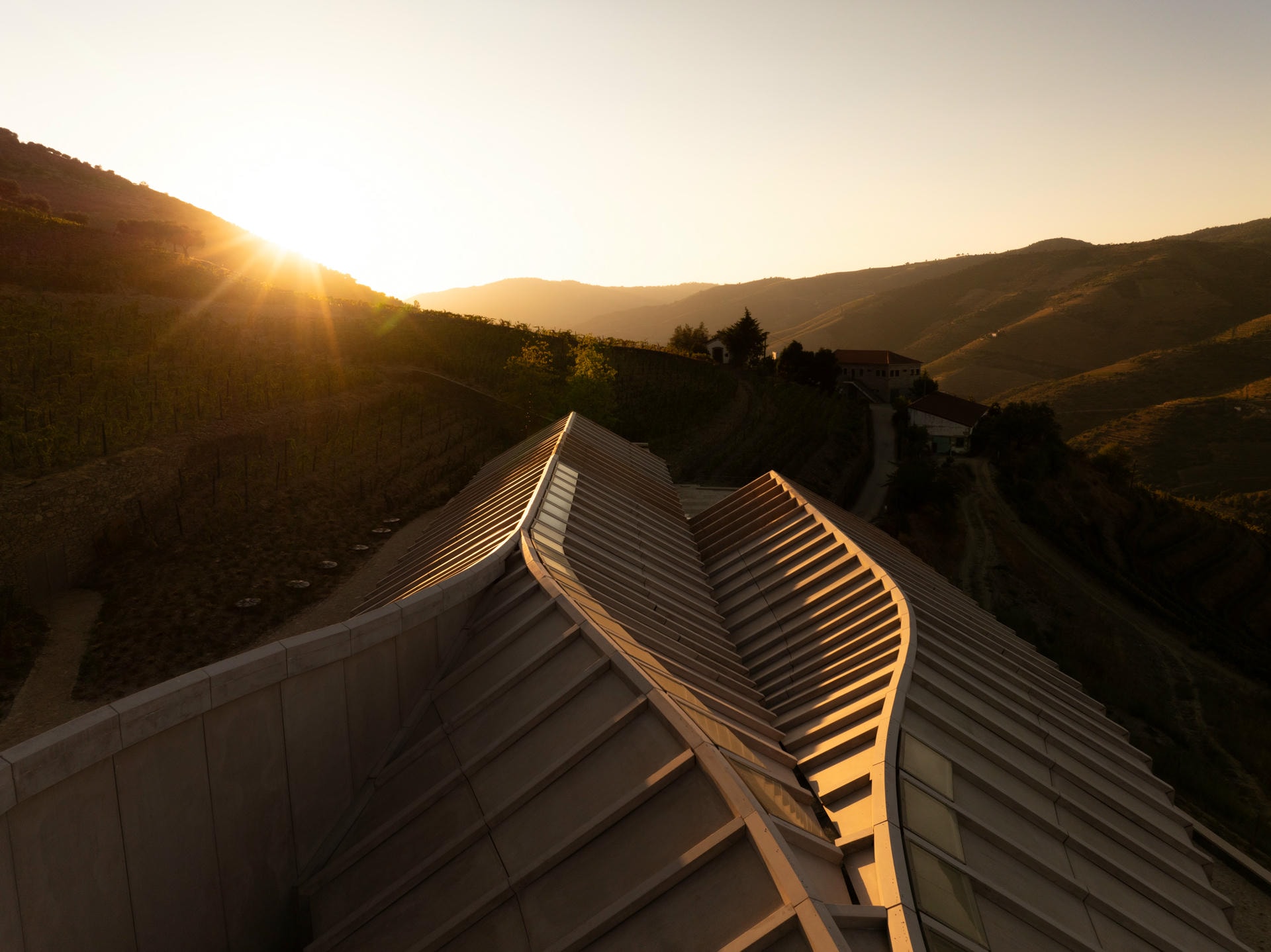

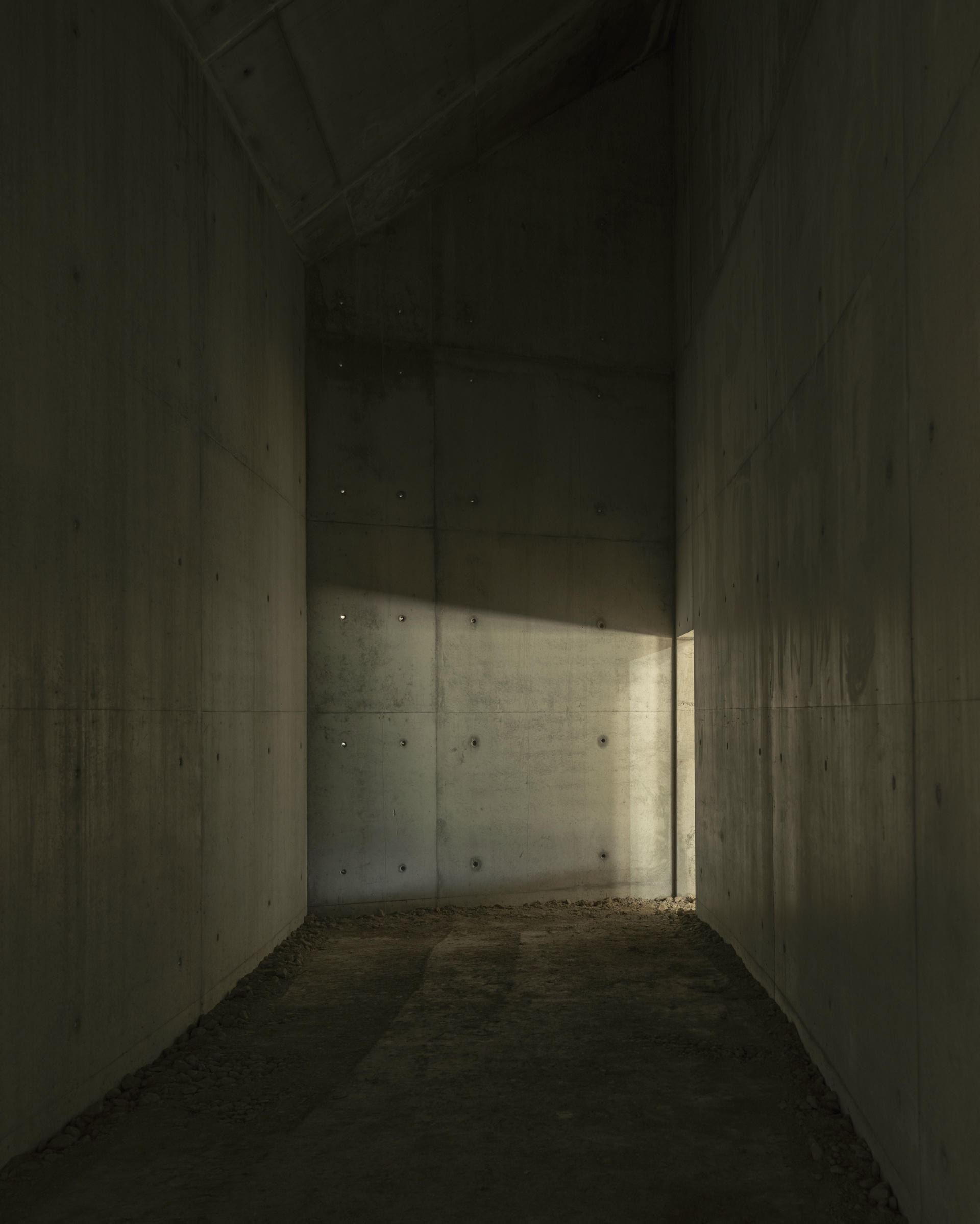
Quinta de Adorigo Winery © Fernando Guerra FG+SG
The most exciting project is always the one currently underway. In the studio, we are working on several that feel particularly meaningful, including the transformation of an old bus warehouse into a new type of public space in the heart of Porto, as well as a masterplan in the Douro Valley designed to offer visitors a completely new way of experiencing the territory.
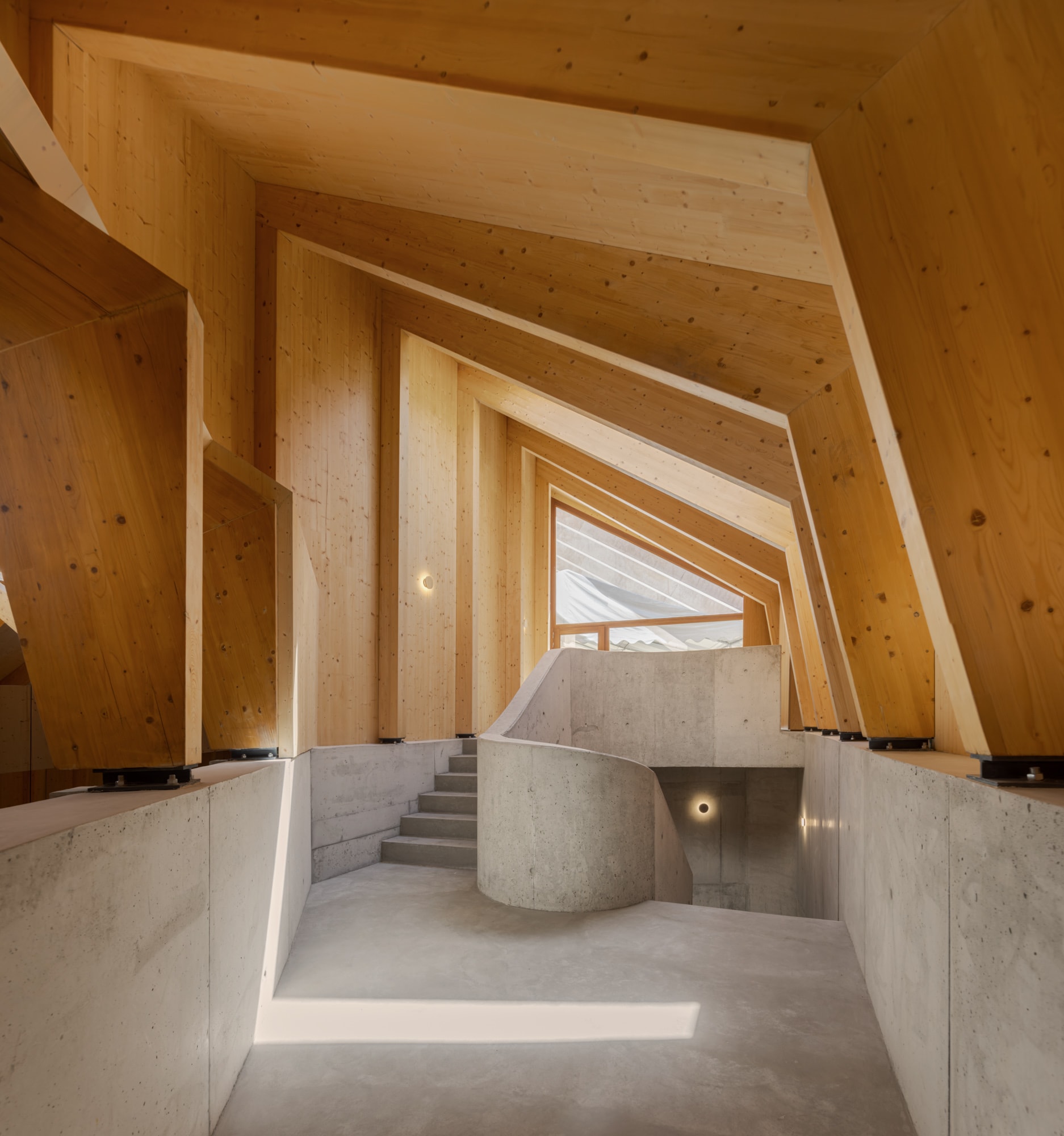
Since founding my practice in Porto in 2018, our only completed ground-up project to date is the winery at Quinta de Adorigo. I am especially proud of it, as it brought together the client’s vision, an exceptional site, and outstanding teams in enology, engineering, and construction.
Many times, every day, I see something that becomes my new favorite! I have a five-year-old daughter who has the habit of listening to a song in the car and saying, “Dad, this is my favorite song,” and then, ten minutes later, she listens to another and says the same thing. When I tell her she can only have one favorite, she says, “No, they are all my favorites.”
That came as a relief to me, because all the buildings I like have become my favorites. Here are some that were critical to my growth: as a child, my parents took me to the Leça da Palmeira pool by Siza Vieira; it is still one of my favorite buildings… but so is the teahouse next door. As a student, I studied in a school designed by Siza and consumed art in the Serralves Museum, also by Siza. His work is part of my DNA and creates places where I feel at home.
On the other hand, there are two buildings where I experienced a true ‘emotional beauty crisis’: the Bassae Temple in Greece and the Capuchin Chapel by Luis Barragán in Mexico City.
A significant portion of our work is inevitably dedicated to navigating bureaucracy, resolving construction challenges, and managing processes—an essential but often invisible part of architecture that needs to be approached with a great amount of patience.
Yes: Always look for beauty around you; be honest.

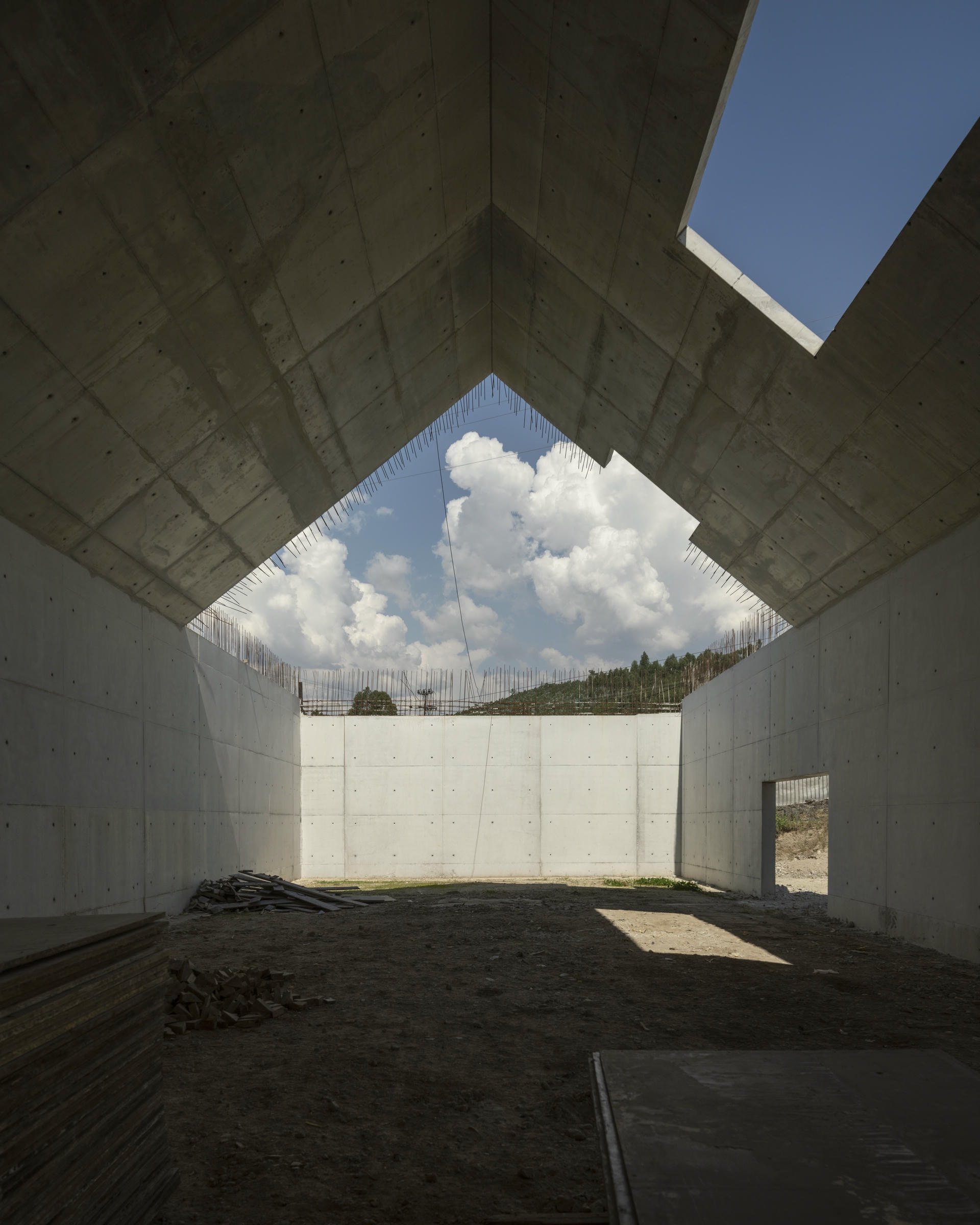
Quinta de Adorigo Winery © Fernando Guerra FG+SG
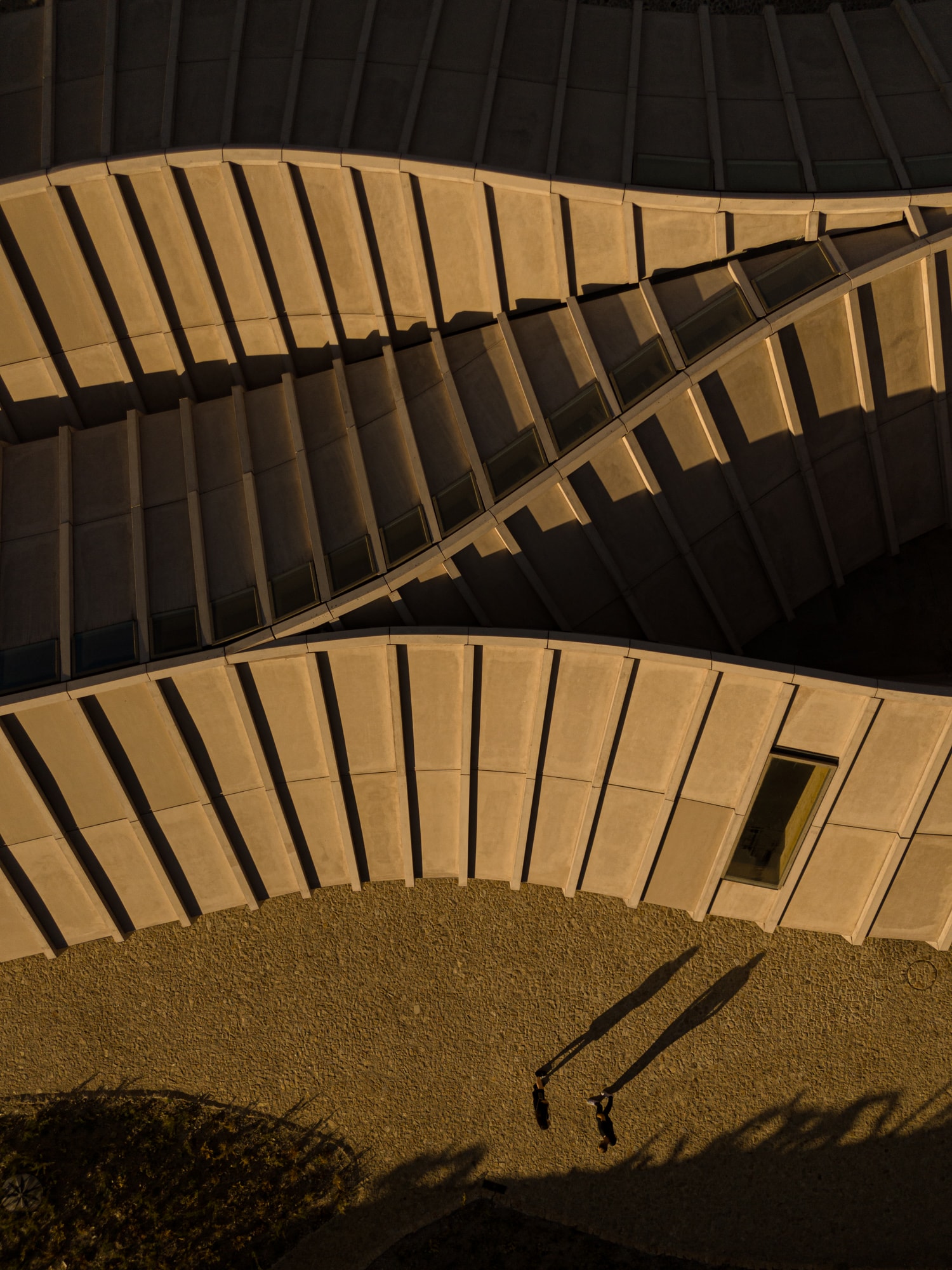

Quinta de Adorigo Winery © Fernando Guerra FG+SG
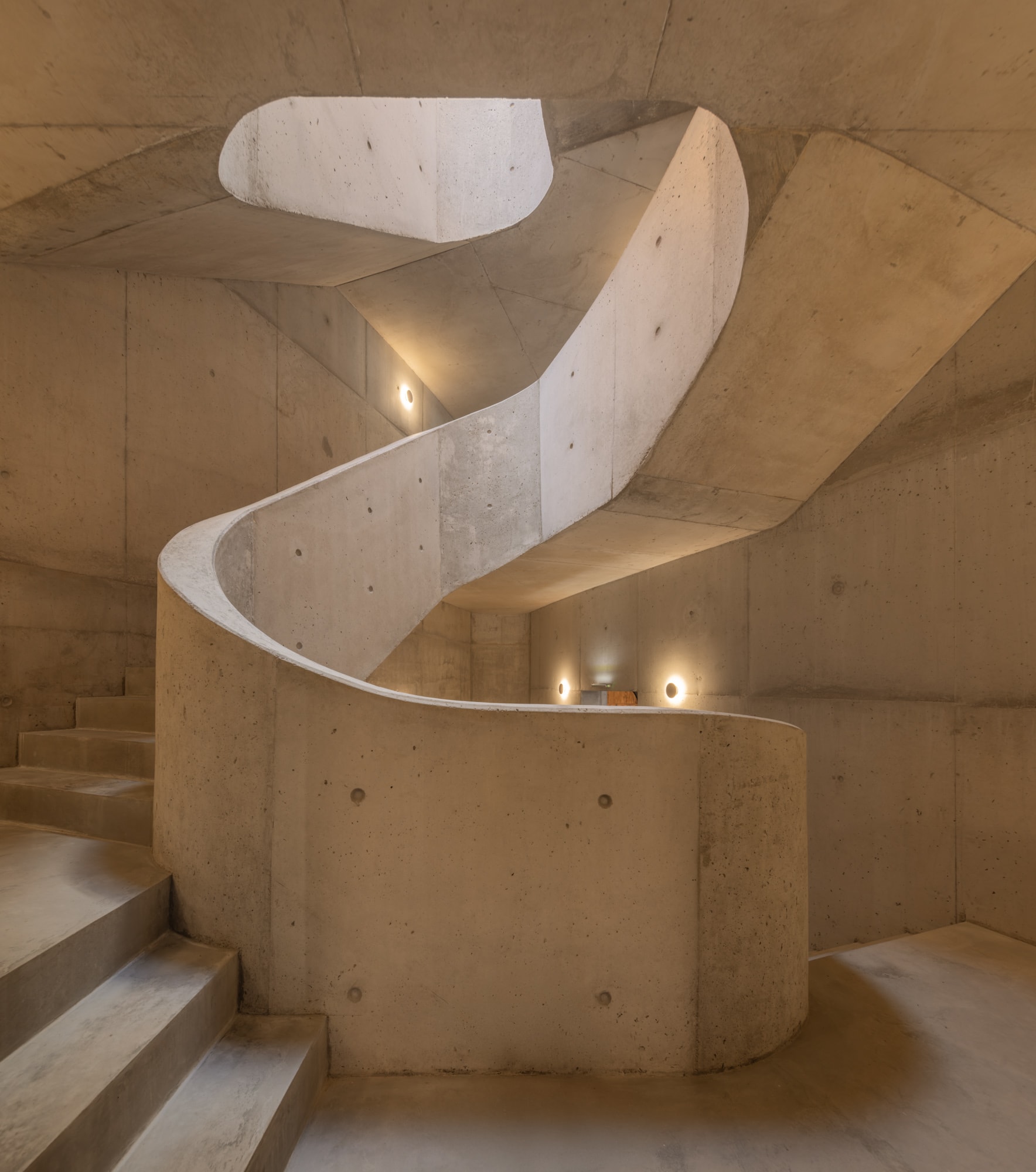
My inspiration comes from the most unexpected places: it may be a work of art, a song, a poem, a book, or even a human or animal gesture. I get a lot of inspiration from my daughter and my two dogs. I think life can be so beautiful, most of the time in the simplest ways.
Gestures of kindness are always more inspiring than authority. In today’s global context, looking for these gestures is a daily exercise. When I need to get re-centered, I swim. The motion in water always helps me find the right energetic balance between mind and body.
Today’s society overvalues images, and everything is fleeting. There are many trends, and this leads to identity issues because something ‘great’ today is replaced by something ‘better’ tomorrow. I think some buildings lack the abstraction from these ephemeral trends. I believe some architecture lacks the necessary distance from these ephemeral cycles. It is important to build with a stronger sense of permanence and adaptation to nature.
I feel fortunate to have had the right mentors and collaborations at key moments in my career—people such as Patrick Berger, Charles Pictet, Fernando Romero, and Norman Foster—who challenged me while also giving me the space to learn through trial and error. Those mistakes were, and continue to be, essential to my growth, and I do not regret them. So, my advice is: experiment a lot, learn through mistakes. Success is an end; growth lies in the process.
favorite pieces from the Philia Collection
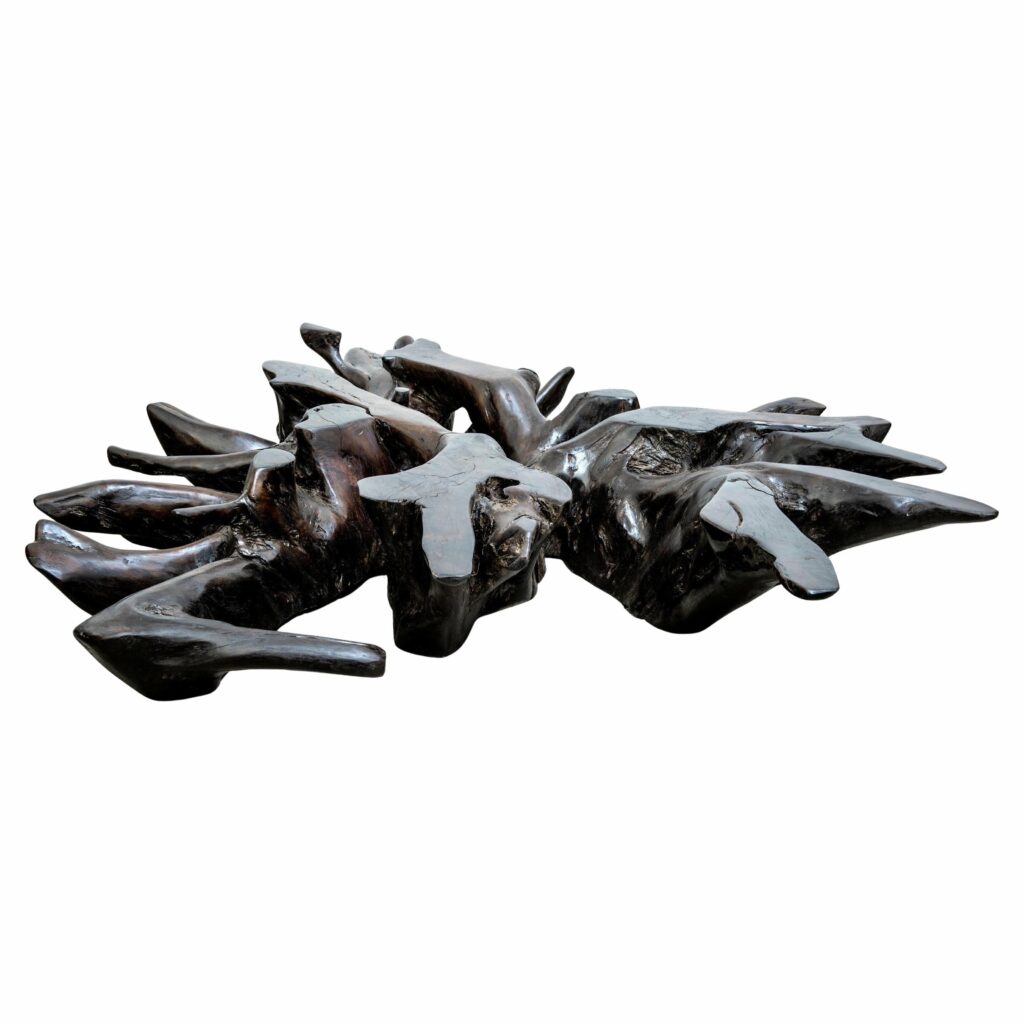
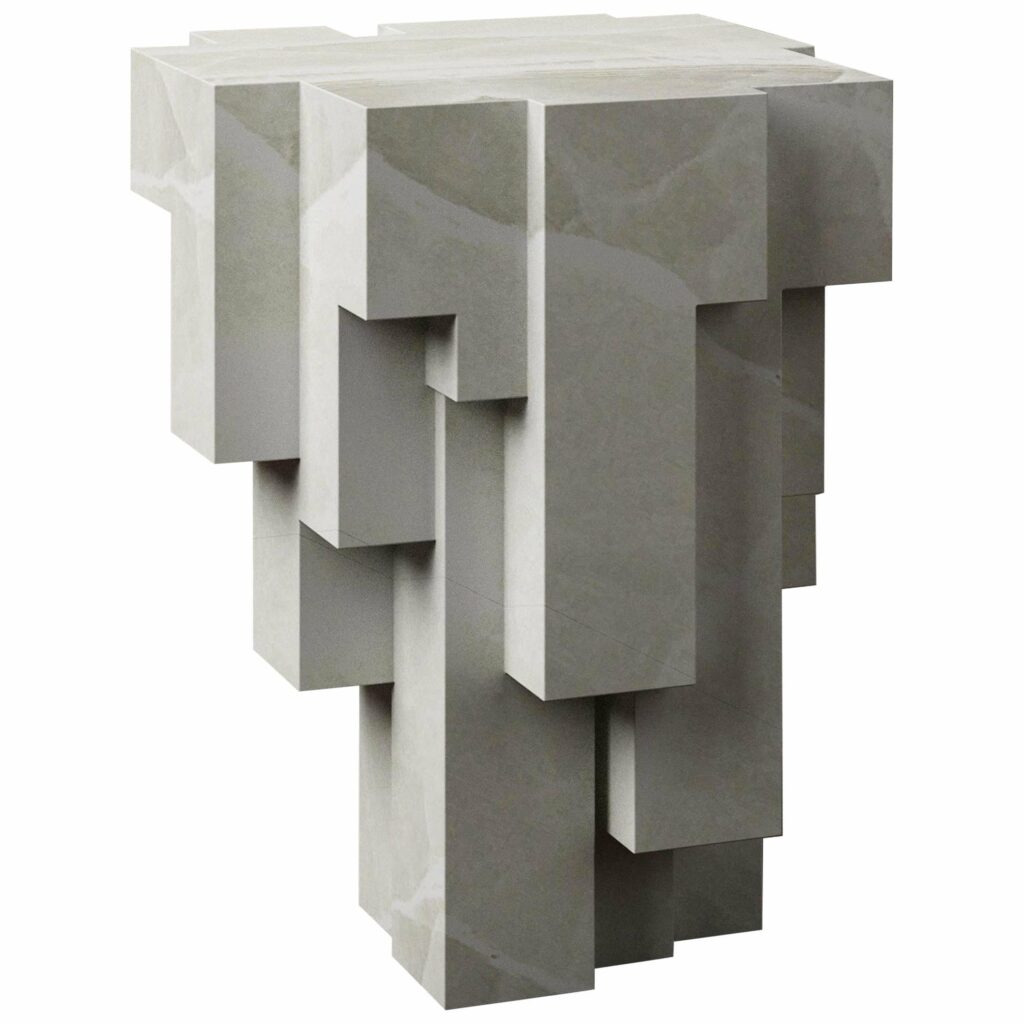
Contemporary Geometric White Onyx No.3 Sculpted Stool by Pietro Franceschini
I like how an object can also be perceived as a surprising piece of architecture.
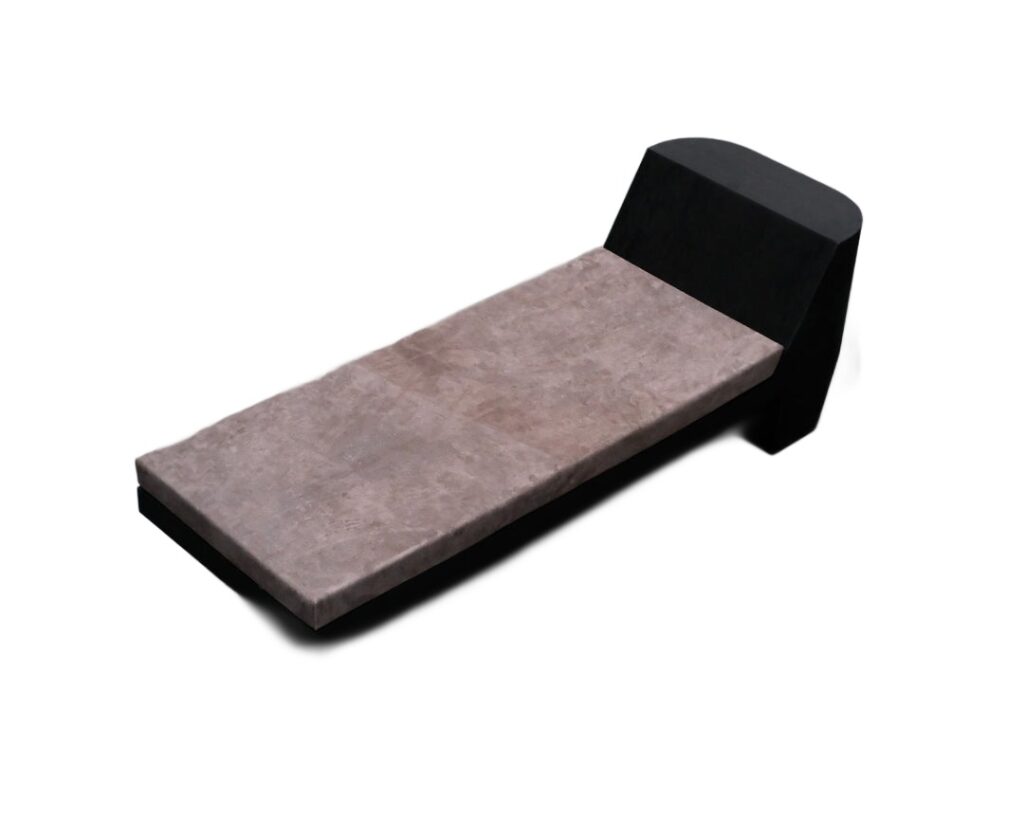
Modern Daybed by Rick Owens, Burnt Plywood, Limited Edition, France
I admire Rick Owens’ work and its transversality. His universe is magnetically beautiful and translates into multiple mediums, such as fashion and furniture design. I also enjoy the fact that this piece looks like it could be taken from ancient Egypt—just like my dogs.
Thank you so much Sérgio, for this lovely interview!
Share article :
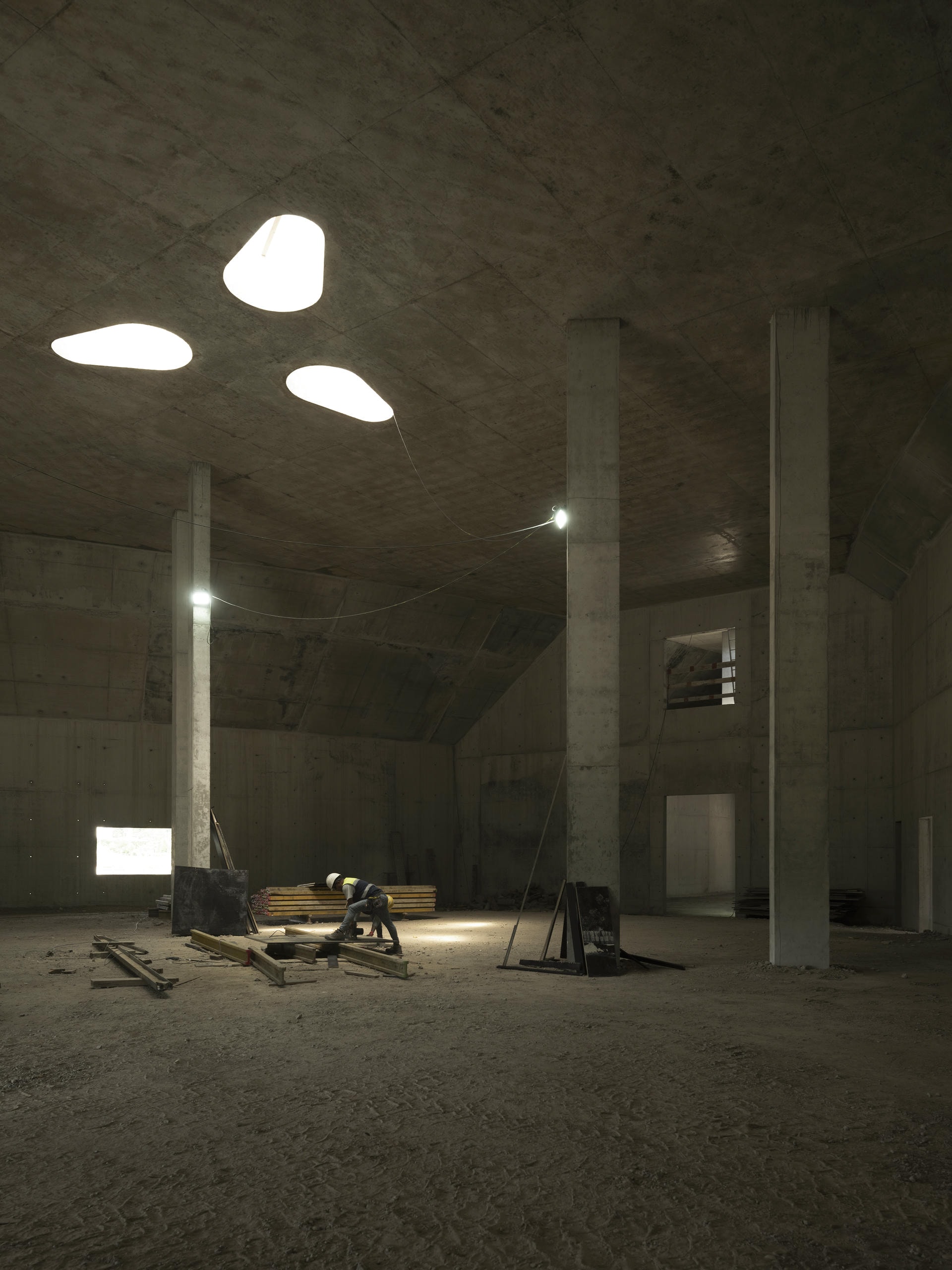
The most beautiful geometry sometimes depends on how you look at and edit what nature is already providing.