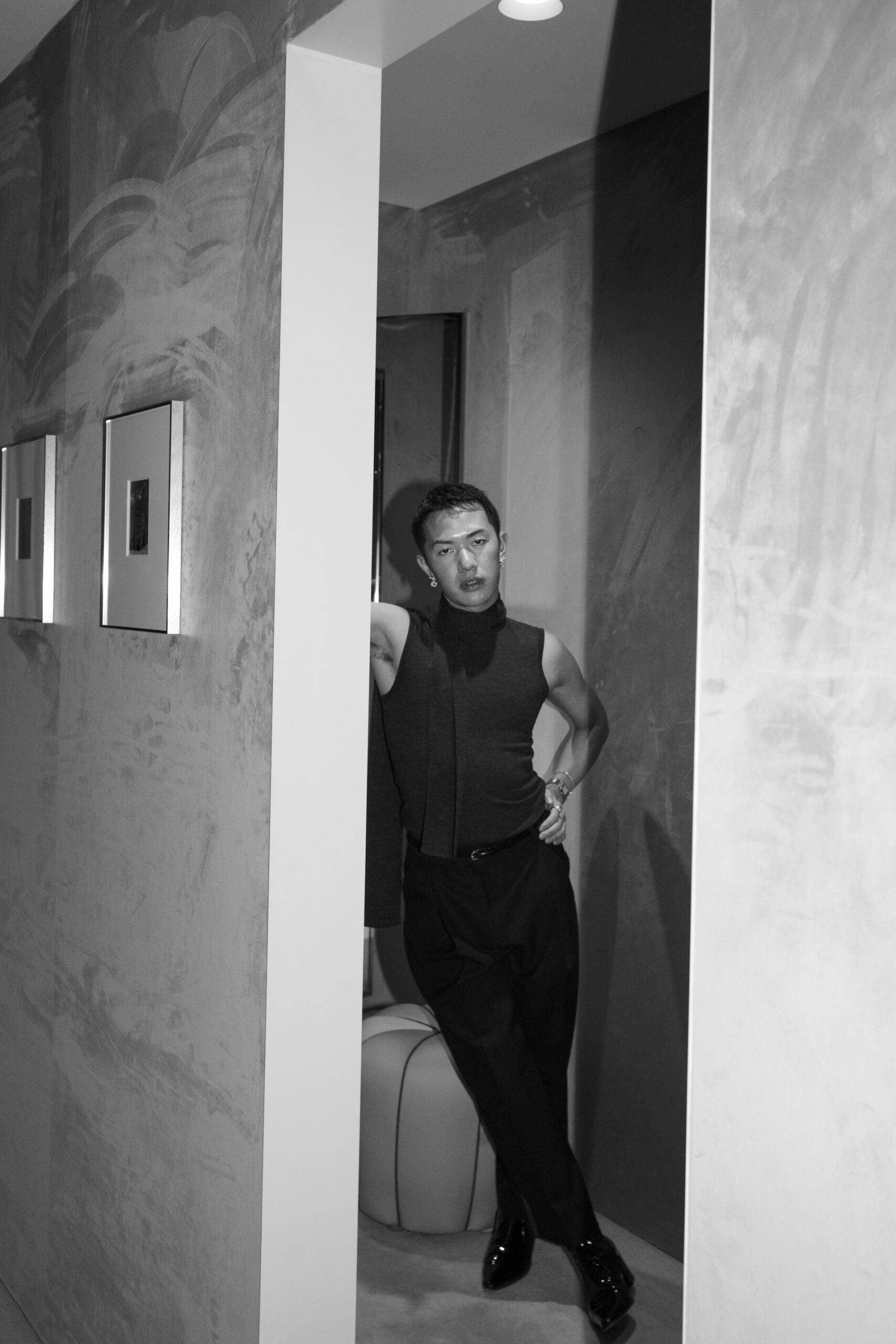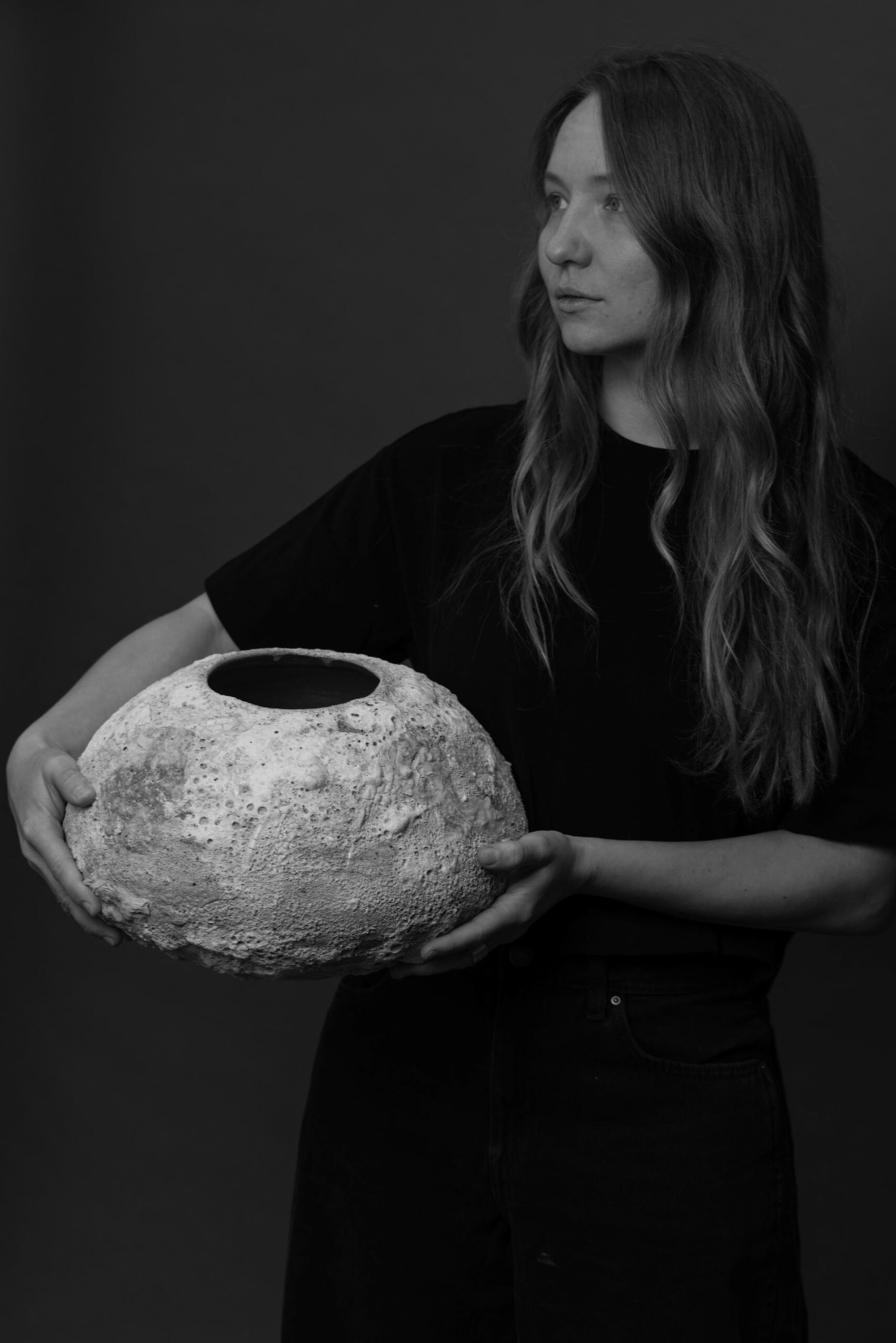
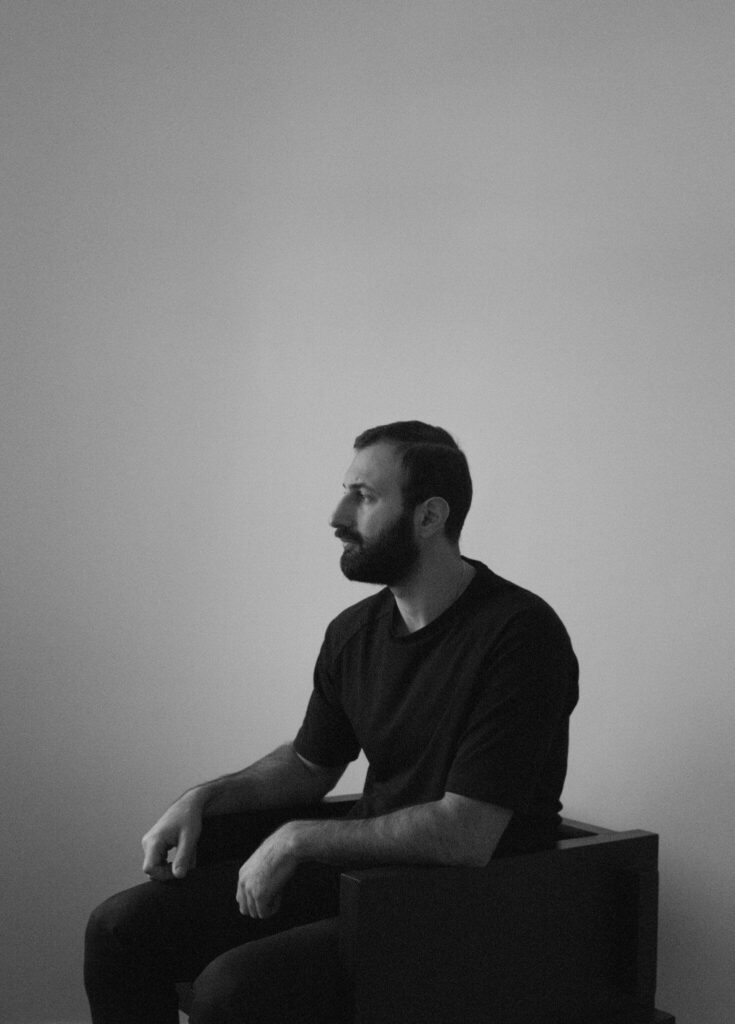
I was born in Ankawa, a small town in the northern part of Iraq. Currently living in Eskilstuna, Sweden.
MAGAZINE · INTERVIEW
Sizar Alexis
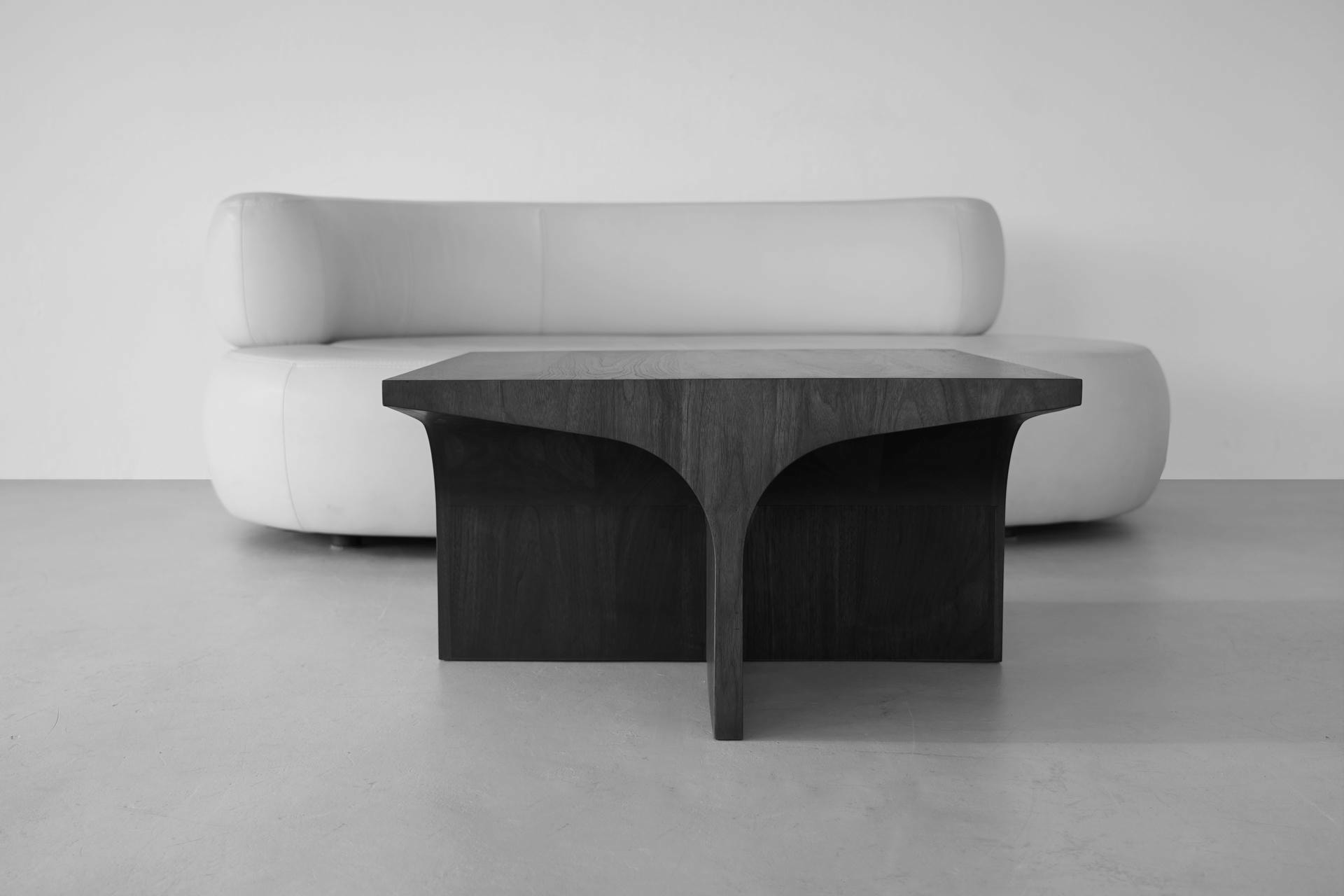
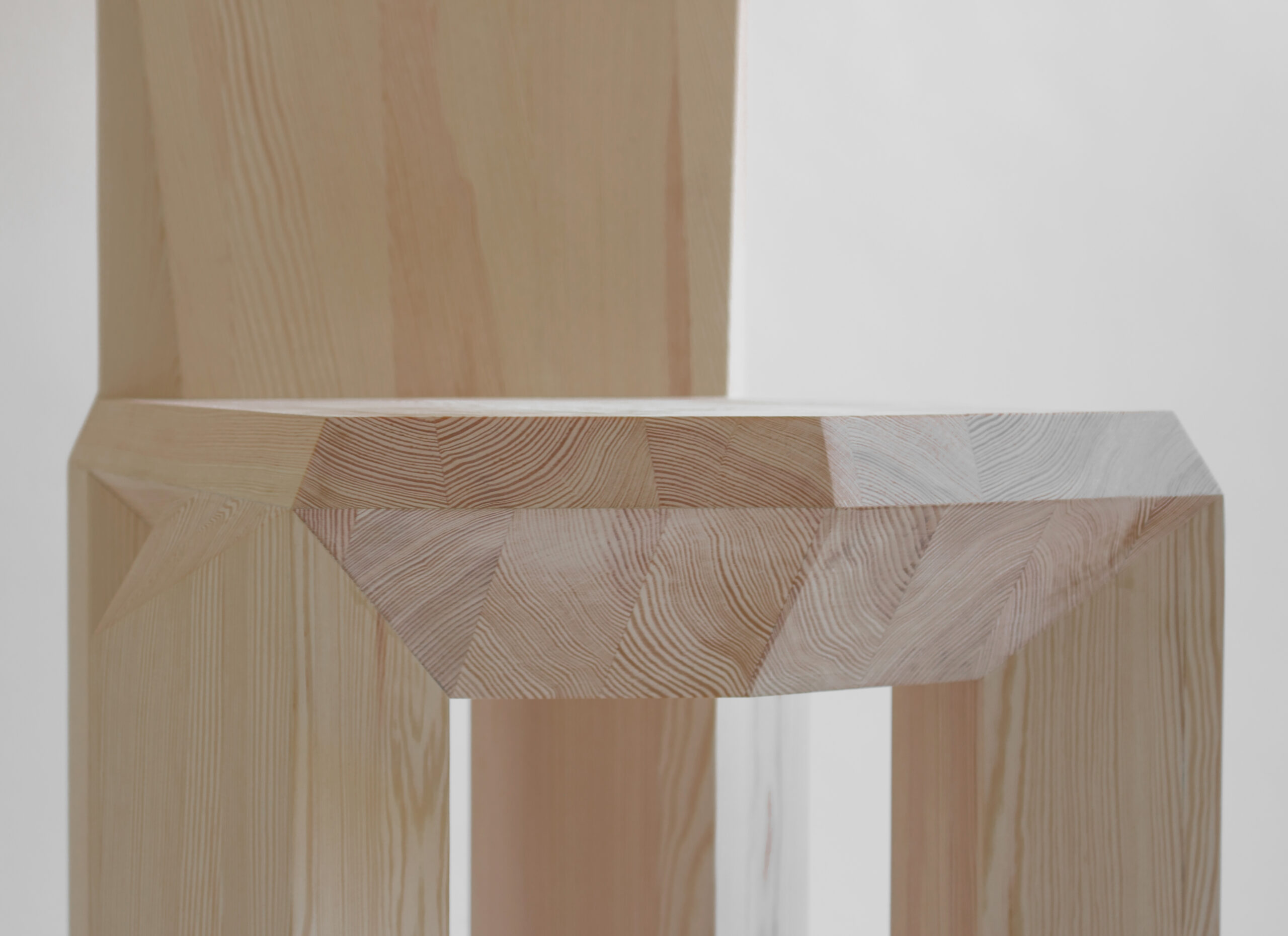
Sizar Alexis is a Swedish-Iraqi designer based in Eskilstuna whose practice explores the relationship between material, identity, and cultural memory. Drawing on his Chaldean heritage and a deep appreciation for Brutalist architecture, he creates collectible furniture and sculptural objects that convey a sense of stillness through bold geometries and the inherent beauty of natural materials. His work reflects an ongoing dialogue between Scandinavian design principles and the architectural legacy of ancient Mesopotamia.
Trained in both engineering and fine arts, Alexis combines technical precision with a material-driven approach, working primarily with wood, steel, and leather. Through handcrafted processes and carefully considered forms, he investigates how objects can embody both personal narratives and collective histories, resulting in timeless works distinguished by sculptural presence, tactile authenticity, and quiet monumentality.
Let's know more about
Interview
Where were you born and where are you from?
What is your first memory connected to the art world?
My first memory connected to art is when I was maybe 5-6 years old and found my father’s portrait sketches in graphite, handmade by him, hidden in our storage room.
This is where it all started for me. And I have been drawing and loving creative pursuits ever since, and it has been a big part of not only my life but my sisters’ also.
Have you always worked in the art/design field?
I am a trained design engineer and worked as an engineer after I realized that I wanted to work more creatively, and started over again and studied at Beckmans College of Design in Stockholm, and soon after started my own design studio.
What led you to design creation?
I have always loved being creative and creating art at a very young age. It all started with me designing and making furniture for my first apartment. Realized shortly after that this was what I wanted to do.
How would you describe your creative process and its influences?
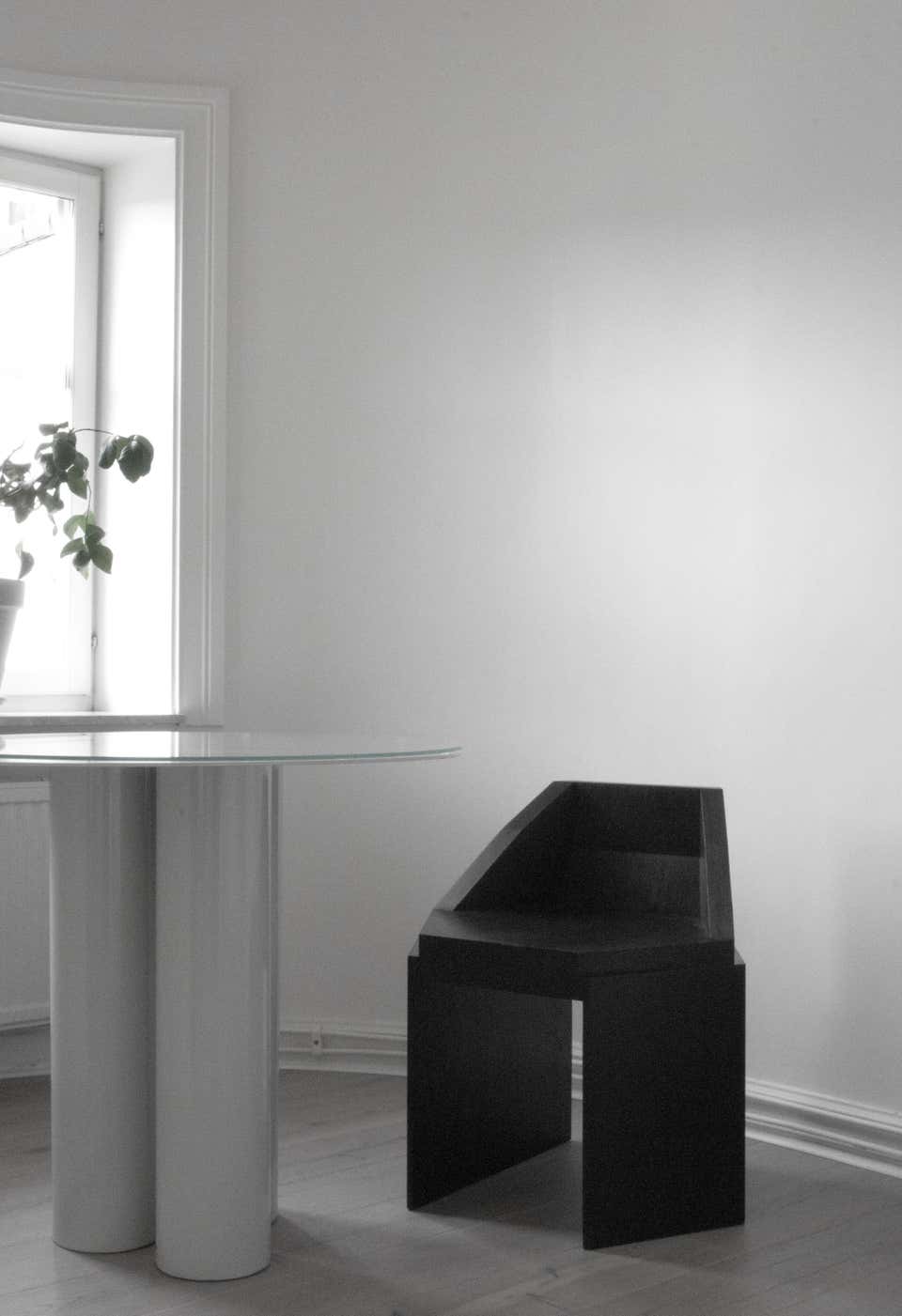
Throughout my process, I have a certain feeling of serene emotion and aesthetic expression that I try to convey with my design. I keep in mind a certain environment, space, or interpretation that my objects will inhabit, which sets the mood before I start my work.
But the inspiration for a project differs. Everything from culture, the geometrical play of Brutalist architecture, a great read, or just the feeling from a certain conversation can stimulate my creative thoughts.
The first step is typically always allowing myself to express my idea or a certain form in many elaborate hand-drawn sketches to test and see the form taking shape and evolving.
Further on in the process is searching for the essence of the object, where I look closely at the volumes and the first step of how it should be constructed. To test the volumes of an object more accurately in terms of dimensions, I use 3D software, and this is where I get to experiment with the volumes in different layouts.
When I finally feel that the object represents the feeling I want to convey, I move on to making the first 1:1 scale prototype. This is where I get to see the volume in real life, interact with it, and make the necessary changes.
It sounds linear when I describe the process, but it’s far from it. All the steps are interconnected, and I go back and forth several times to achieve my vision.
I am very motivated by curiosity, and I tend to be more driven by seeing an object or project through to its completion when I don’t know what the outcome will be—which allows me to be more experimental and where I see myself as more courageous in freeing myself from my own predictions.

Could you describe a typical day of your work?
It all depends on the day. One day, I could be working on an order throughout the day. Another day, I might be doing administrative work and designing an interior with my sister, Sinar Alexis, who is also a designer.
Every day is different, depending on whether I’m working on a new project, developing a new design, or handling orders.
Why did you choose the specific materials you work with?
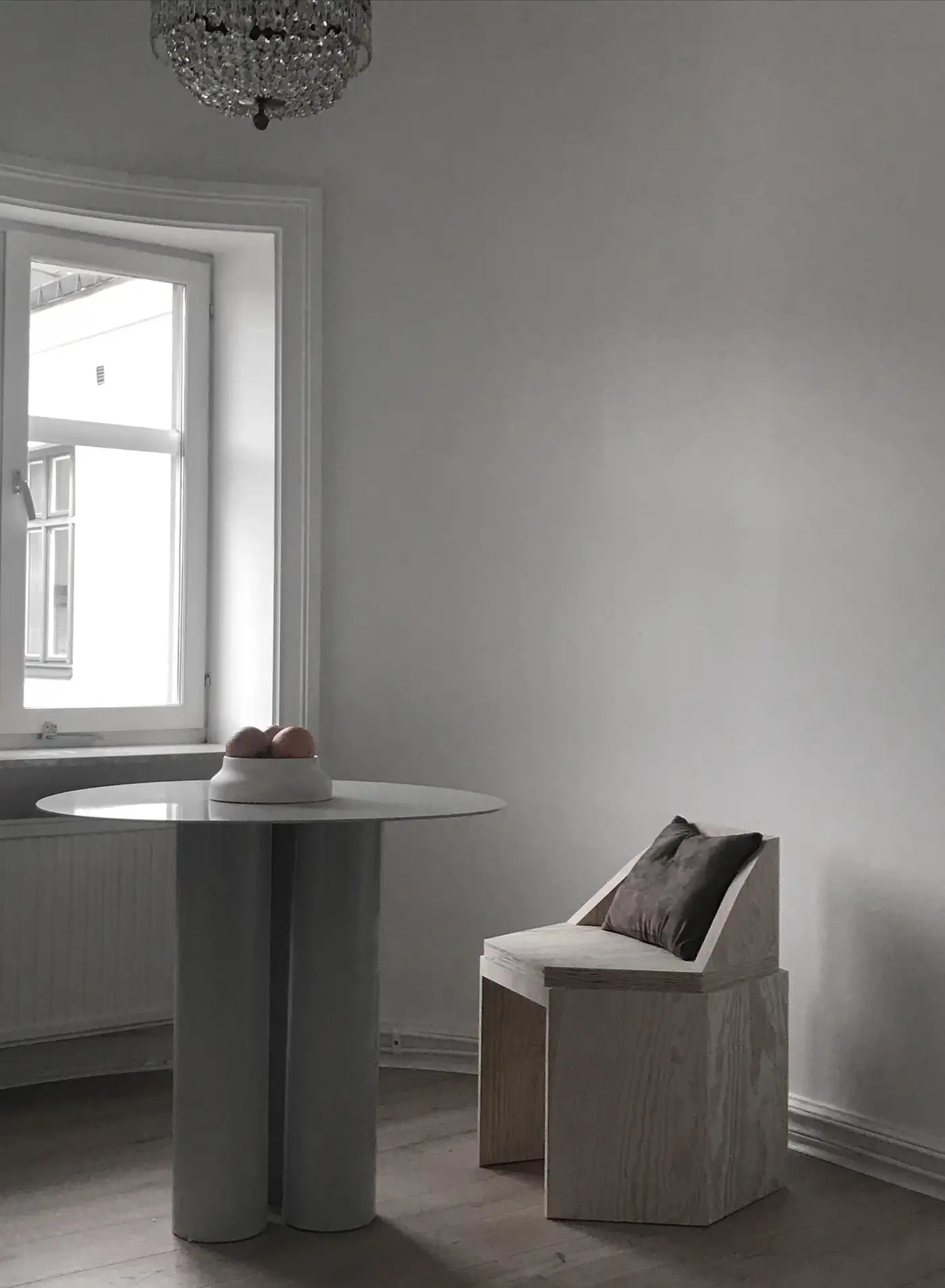
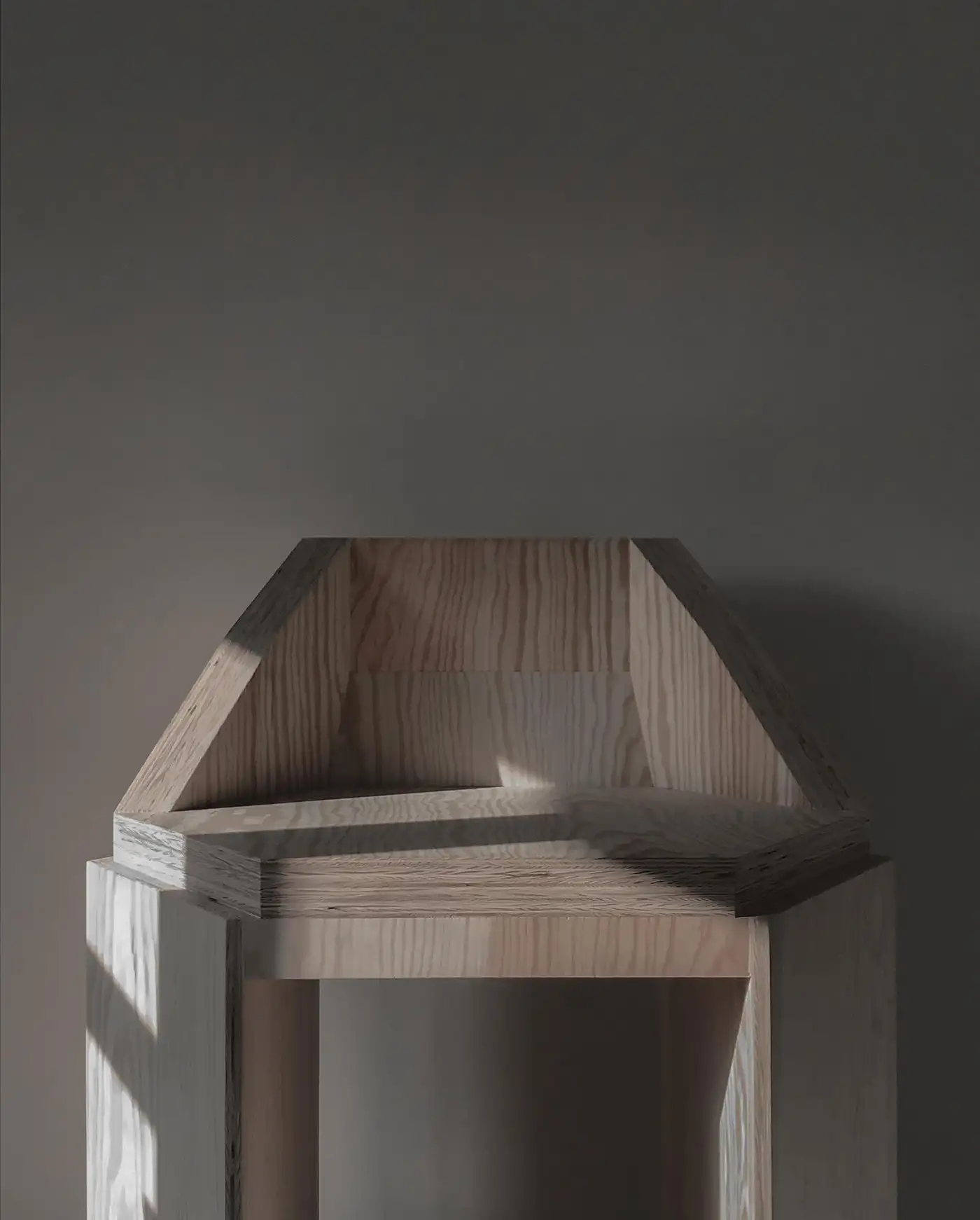
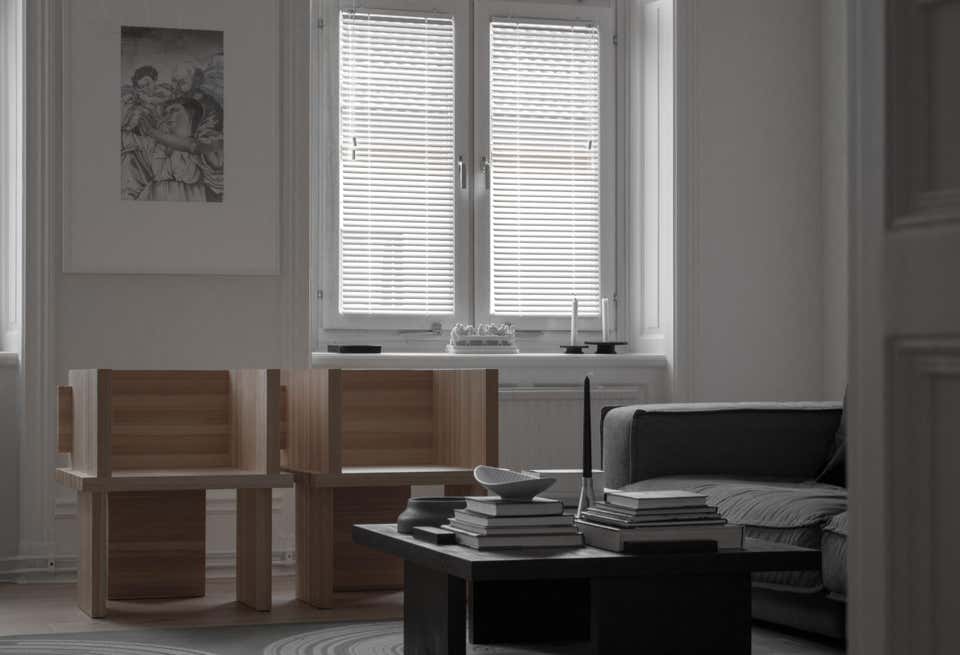
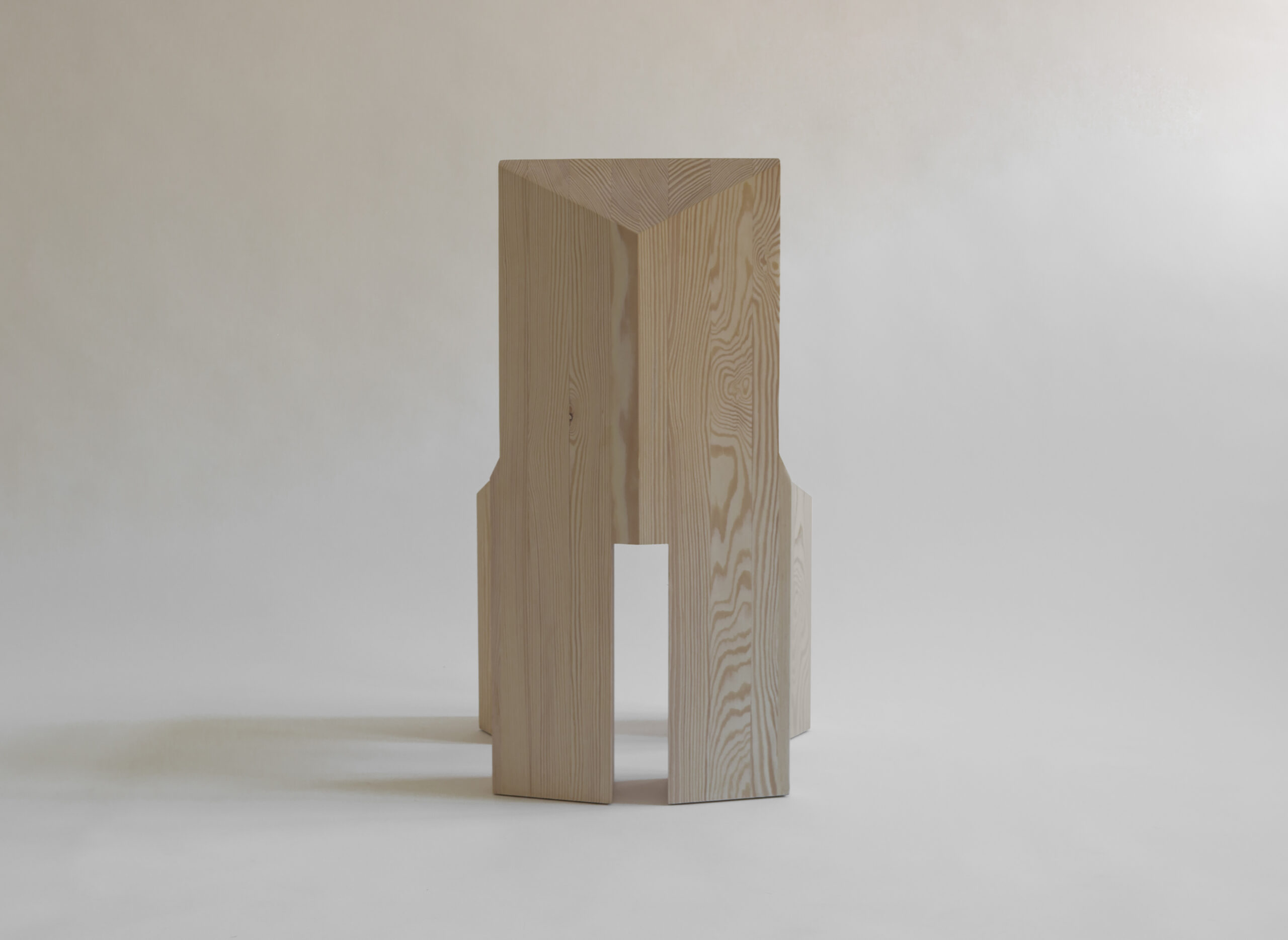
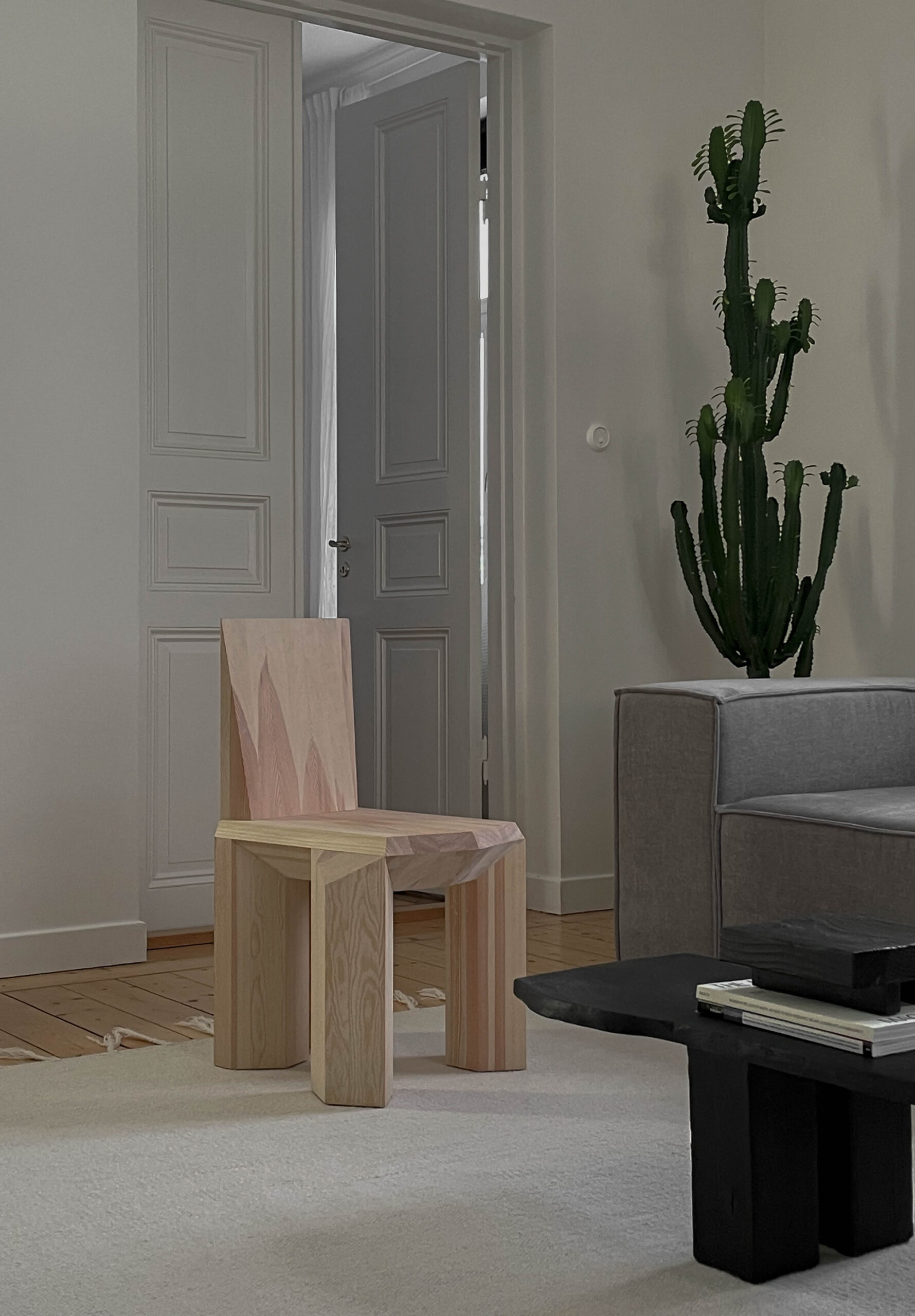
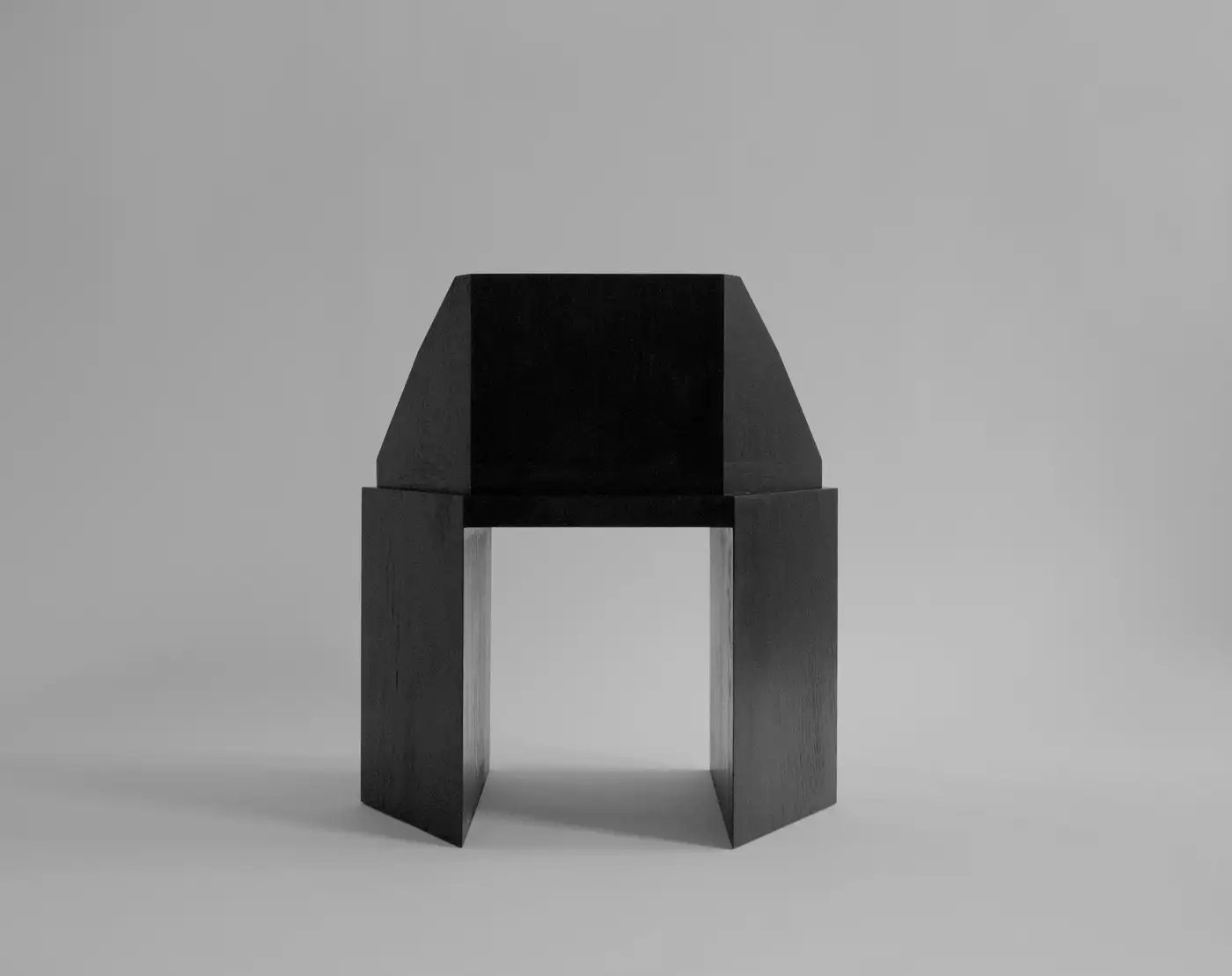
I aim to create objects that display a sense of stillness and strong character through mostly natural materials, mostly different types of wood, to bridge the bond between man and nature, and often base my idea on which material I will use.
What are the technical particularities of your creations?
With the natural materials handcrafted naturally, various in texture, tones, and imperfections. This allows for uniqueness in every livable object created and to age gracefully with time.
What advice could you give to beginning artists who would like to create sculptural design works?
First of all, don’t be afraid to start and start making mistakes. Mistakes and rejections are crucial to success. Work harder and be consistent with your work. Strive to improve with time and stay true to yourself and the work you do.
If your works had to belong to a design movement, how would you define it?
Difficult for me to say; I would leave it to the observer to decide.
I am working more and more towards combining Brutalist aesthetics and contextual inspiration from the rich cultural and architectural heritage of ancient Mesopotamia. So maybe contemporary ethnographic.
What designers and artists have influenced you?
Obviously goes without mentioning Rick Owens; the design philosophy of Claudio Silvestrin & John Pawson, Donald Judd, Halleröds, and Carlo Scarpa are some of them, and there are many more.
What contemporary designers do you appreciate?
I appreciate and get inspired by artists like Carl Andre, Vincent Van Duysen, Doriana and Massimiliano Fuksas, and Formafantasma.
What contemporary artists, in any kind of art, have you been inspired by?
Yohji Yamamoto, Jil Sander, Tezontle Studio.
If you had to summarize your creations in one word or sentence, what would it be?
Livable objects for the soul.
Is there anything you would like to add?
Move slow and allow yourself to dream.
“Move slow and allow yourself to dream.”
The Questionnaire
The Questions
(The Proust Questionnaire is a set of questions answered by the French writer Marcel Proust.
Other historical figures who have answered confession albums are Oscar Wilde,
Karl Marx, Arthur Conan Doyle, Stéphane Mallarmé, Paul Cézanne…)
What is your idea of perfect happiness?
The simplest times of life
What is your greatest fear?
Be convinced to follow the norm
What is the trait you most deplore in yourself?
Need for confirmation
What is the trait you most deplore in others?
Greed
Which living person do you most admire?
A strong independent mother
What is your greatest extravagance?
Opportunities
What is your current state of mind?
To be the best version of myself
What do you consider the most overrated virtue?
Talent
What is the quality you most like in a man?
Generosity and a fighter in life in general
What is the quality you most like in a woman?
Generosity and a fighter in life in general
Which words or phrases do you most overuse?
Right?
Which talent would you most like to have?
Willing to practice over and over
If you could change one thing about yourself, what would it be?
Self doubt
What do you consider your greatest achievement?
My Family
If you were to die and come back as a person or a thing, what would it be?
Me but with all the knowledge from the past and future
Where would you most like to live?
Currently, somewhere by the Mediterranean
What is your most treasured possession?
My memory
What do you regard as the lowest depth of misery?
To ponder things that have happened and not be able to move on
What is your favorite occupation?
Designer
What is your most marked characteristic?
Mysterious
What do you most value in your friends?
Loyalty & Reliability
Who are your favorite writers?
Currently: Yuval Noah Harari
Who is your hero of fiction?
Don’t have one
Which historical figure do you most identify with?
In some strange way Charles Eames
Who are your heroes in real life?
My grandmother and mother
What are your favorite names?
Enlilo
What is it that you most dislike?
To spread hatred
What is your greatest regret?
–
How would you like to die?
Quickly
What is your motto?
Time is not money, you can never get back the time you have spent
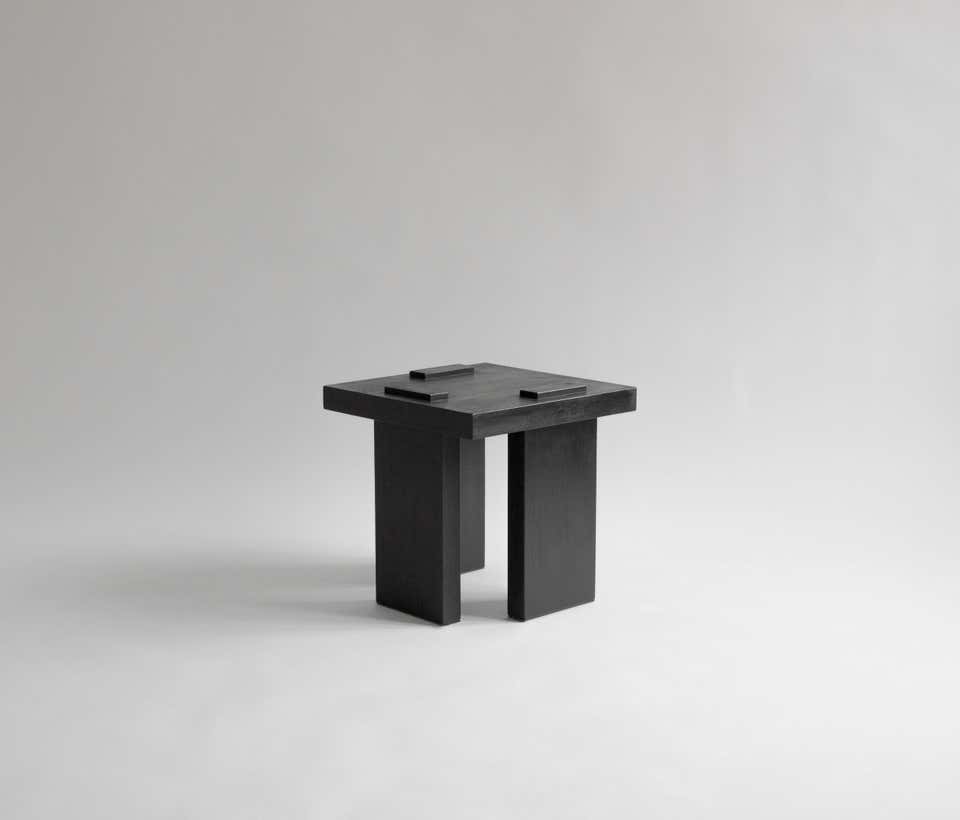
“I am very motivated by curiosity, and I tend to be more driven by seeing an object or project through to its completion when I don’t know what the outcome will be.”
SHARE :