Studio Chacha
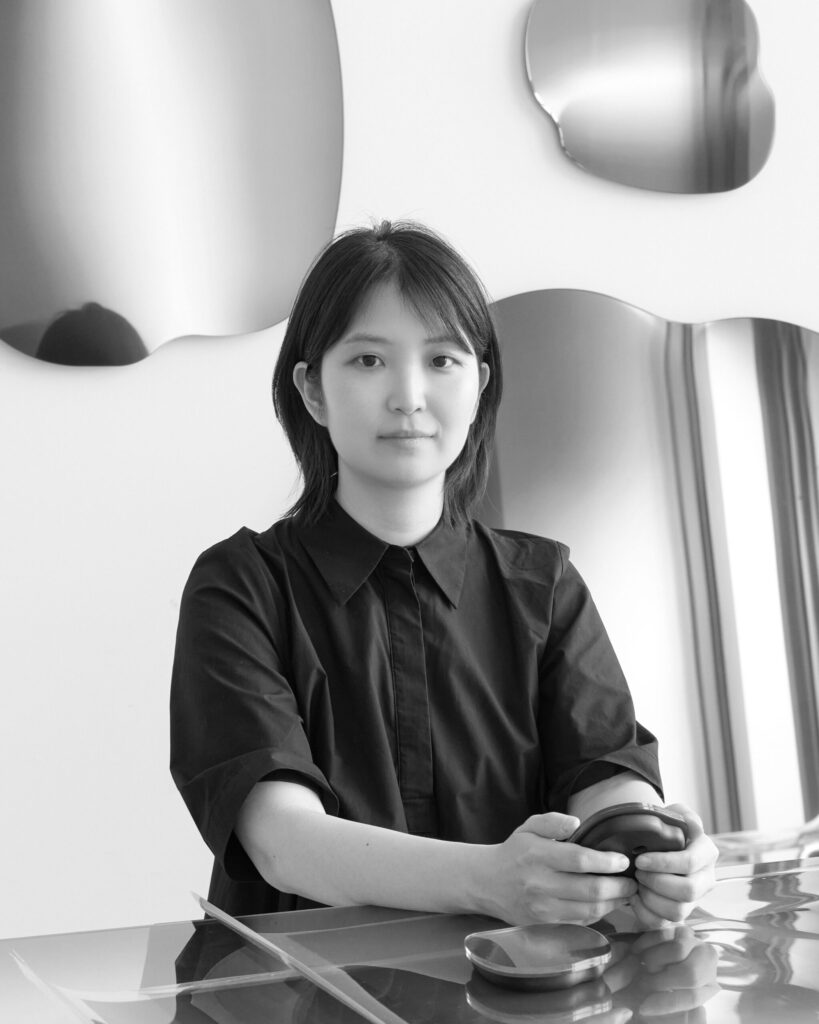
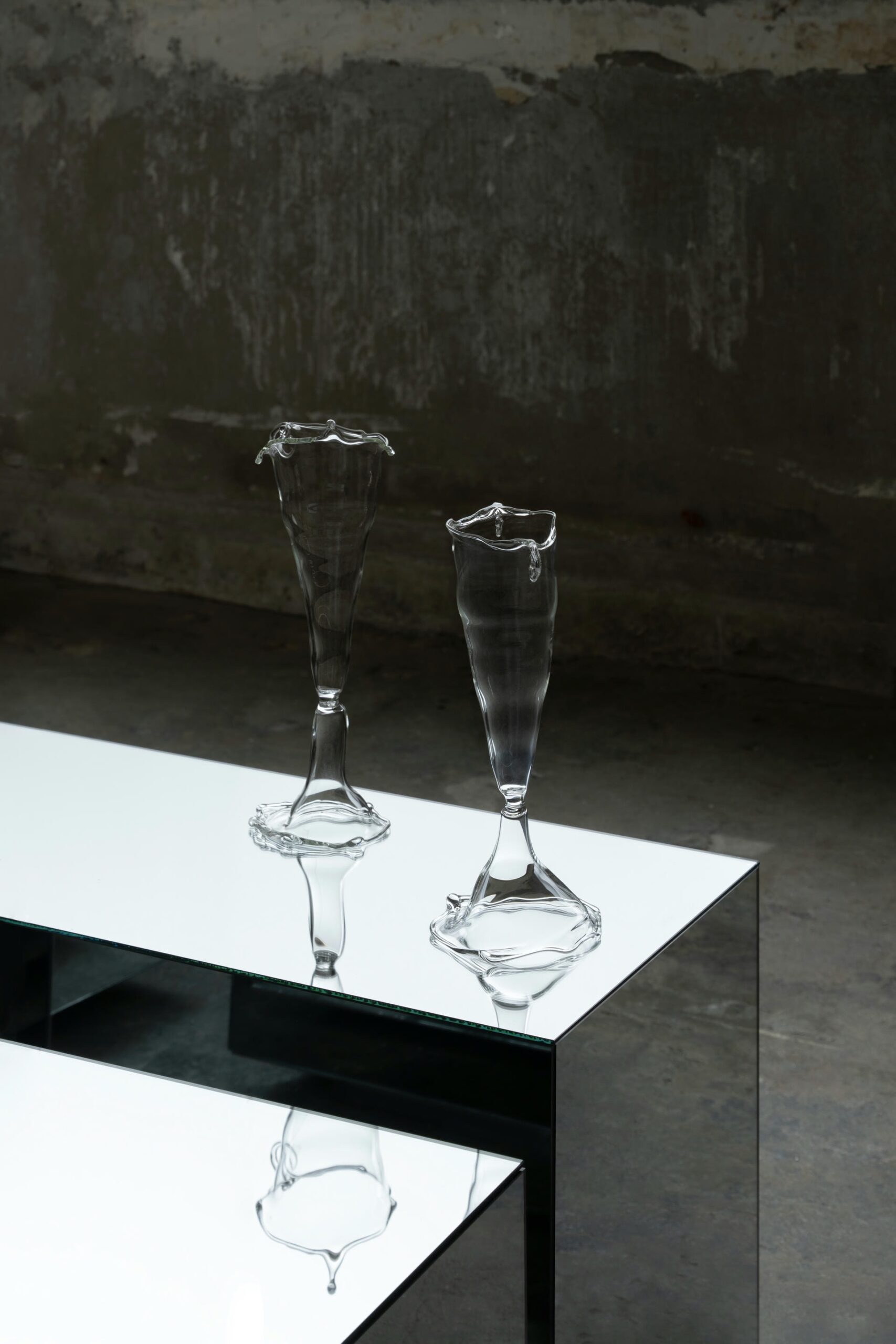
Studio Chacha, founded by Cha Shin-sil, is a Seoul-based design studio working primarily with glass. Her practice explores the delicate balance between control and unpredictability inherent in the material, embracing the transformative qualities of heat, light, and transparency.
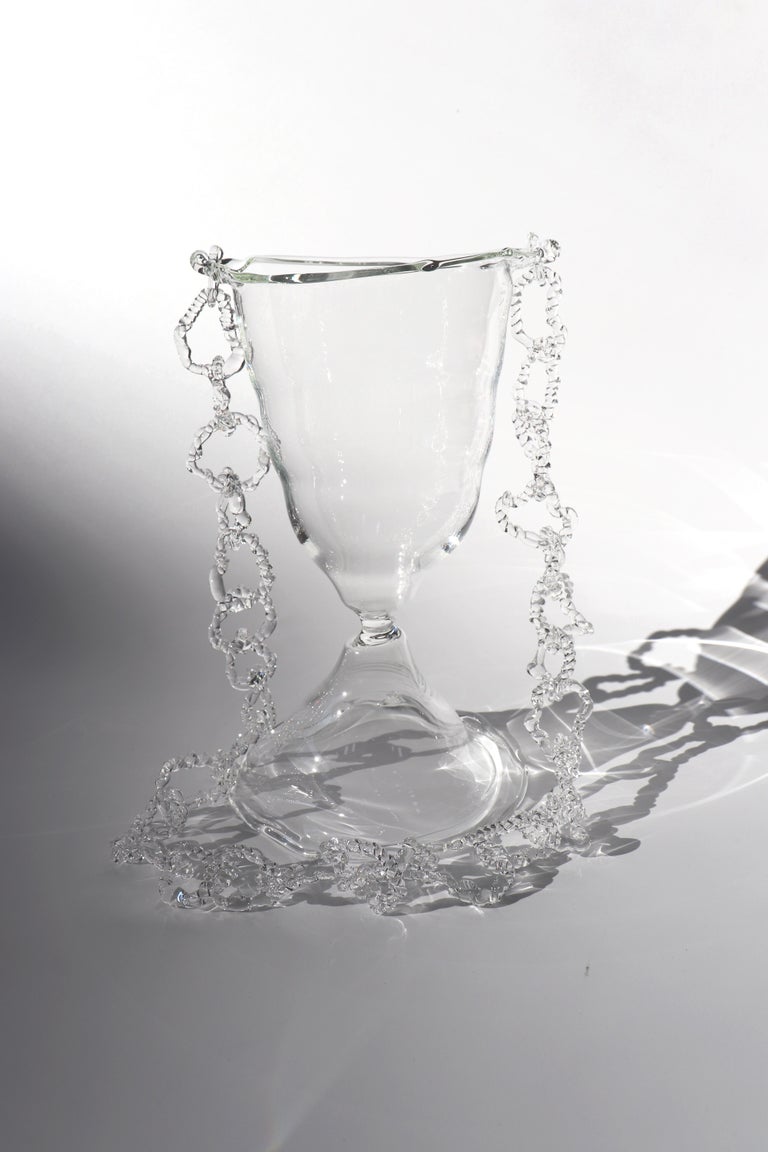
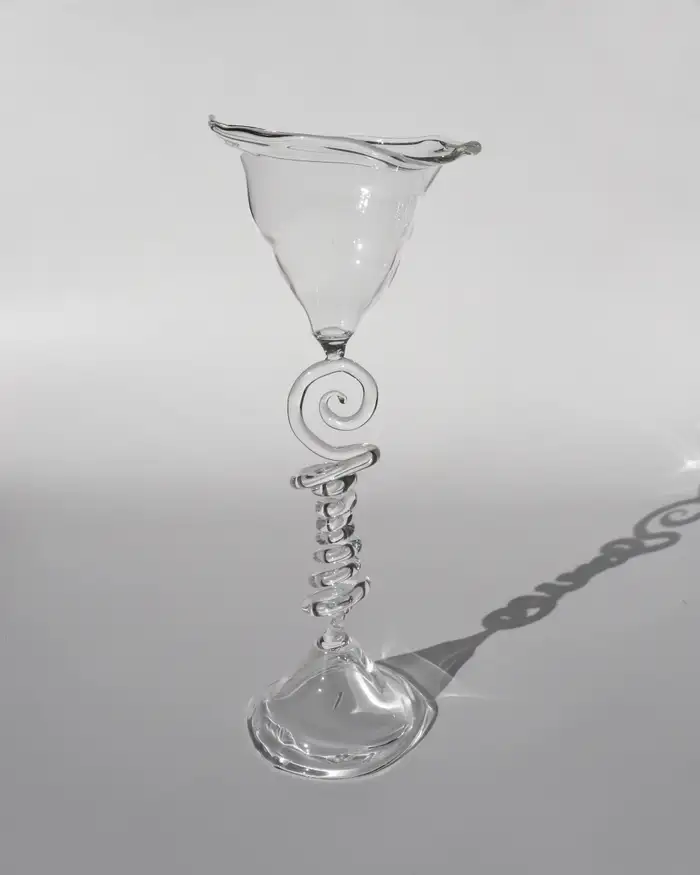
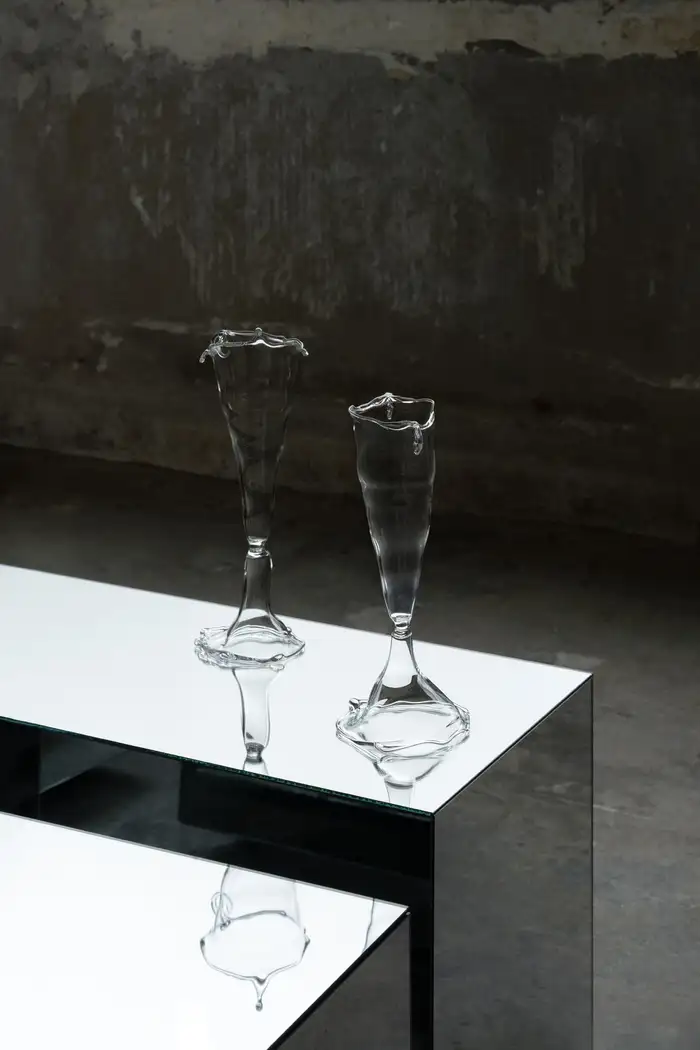
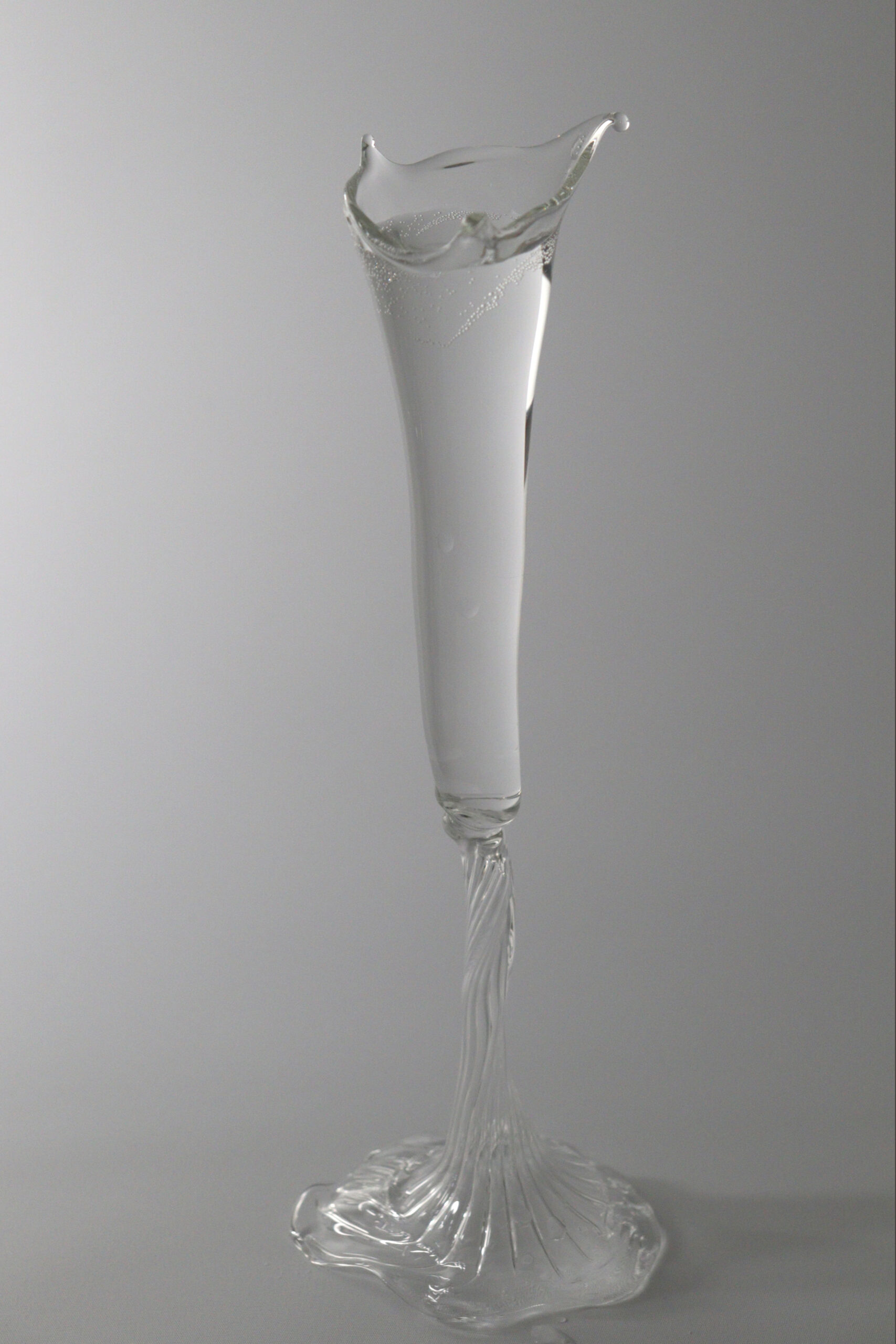
Through experimental processes, Cha reinterprets familiar forms into sculptural objects that blur the boundary between function and art. By layering colors, altering geometric structures, and manipulating glass through lampworking techniques, her work creates optical depth and shifting visual effects that invite closer observation.
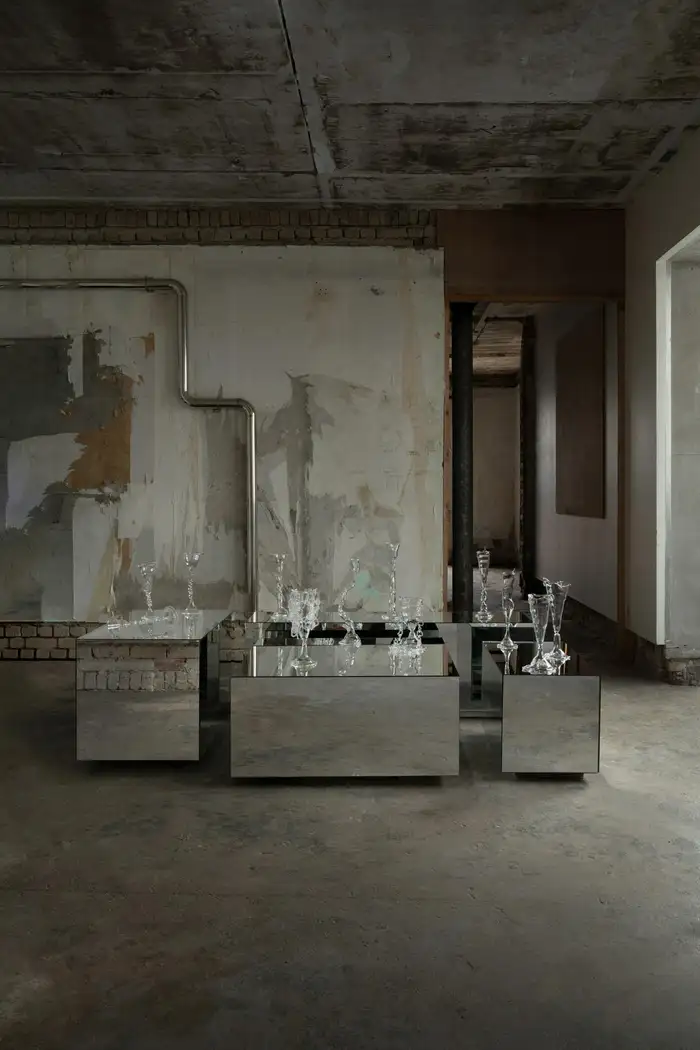
Positioned between collectible design and material exploration, Studio Chacha produces objects and furniture that emphasize the expressive potential of glass, where subtle variations in color, texture, and form transform everyday typologies into unexpected visual experiences.
Interview
I’m a Korean artist based in Seoul.
Even though it was a small town, the artist and collector CI Kim was actively working in the area, which allowed me to encounter large-scale sculptural works by artists such as Damien Hirst, Subodh Gupta, and Kohei Nawa quite naturally. I still vividly remember the transparent, sparkling glass beads I saw in Kohei Nawa’s exhibition when I was young—they left a strong impression that has stayed with me ever since.
Looking back, those moments and visual preferences may have gradually shaped who I am today. But at the time, I had no idea what I would end up doing in the future, and I certainly never imagined that I would one day be making work like this.
I studied interior design and briefly worked at a company after graduating. However, I had a strong desire to make furniture, so I left my job and began creating glass furniture. Working with glass furniture alone was not easy, and I often felt frustrated by the many aspects of the production process that I could not fully control.
About four years ago, I first learned glass lampworking, and it was then that I experienced, for the first time, the feeling of shaping the entire process of making a piece by myself. As the form was created entirely through my own hands from beginning to end, I finally felt that this was truly my own work.
When I was young, there were many things I wanted to do. I often imagined what I might become and what my life would look like ten years later, and I was always curious about the future. Rather than making a clear long-term plan, I tended to focus on what I could do at the moment and what I felt confident about at the time.
Even now, I don’t assume that this work will necessarily continue for the rest of my life. My preferences and choices remain open, and if something that suits me better appears, I believe I would naturally move in that direction.
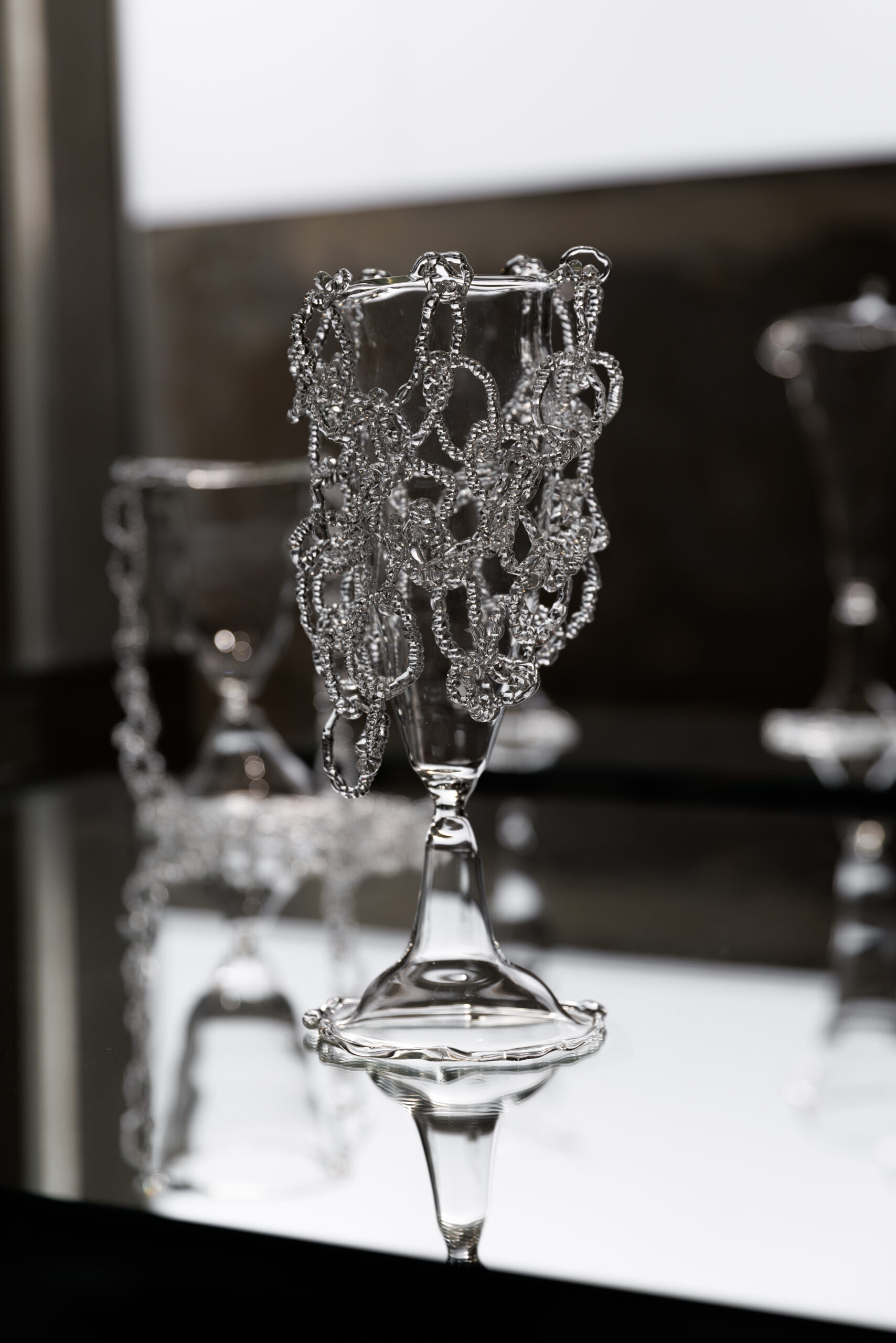
I enjoy looking at a wide range of visual materials. Not only glass works, but also natural forms, fashion, photography, fine art, and even amusing images I come across in everyday life. I tend to store forms or atmospheres that resonate with me in my mind, and at some point, they naturally find their way into my work. Recently, for example, I came across the form of a chain and wondered if it might be possible to recreate it in glass, so I decided to try it. It is always an interesting and enjoyable experience when an image that existed only in my mind takes shape in reality through a process of slight transformation.
Rather than trying to deliver a strong message through my work, I am more interested in creating new sensations. I hope that when people encounter the work, they experience a brief moment of refreshment or a small catharsis—something that stimulates their senses. For that reason, instead of offering a clear interpretation, I hope viewers can engage with the work by sharing the experience of the process—how the forms were made and what kinds of attempts and explorations were involved.
I first encountered lampworking rather casually. But as I continued working with it, I became increasingly drawn to the unpredictable nature of the material.
Glass produces different results depending on angle, temperature, and time. Because of this, the process feels less like completely controlling a form and more like moving along with the changes created by the material itself.
At times, mistakes or accidents lead to unexpected forms, and in those moments new ideas begin to emerge. The tension and instability inherent in glass constantly push me to approach my work in a more challenging and exploratory way.
I draw inspiration from artists who work strongly with visual language. I’m particularly interested in creators who develop a clear theme and expand it in different ways. In highly competitive environments, I find it fascinating how different approaches collide and generate new ideas and perspectives.
For example, I enjoy the work of artists like Cho Gi-seok, Leslie Zhang JiaCheng, and Elizaveta Porodina, who create very distinct visual worlds. I often look at photography and video work, as well as K-pop music videos and visual projects by fashion brands. Contemporary visual culture moves very quickly, and I find a lot of inspiration in how different creators present their work in unique ways within that landscape.
“Rather than trying to deliver a strong message through my work, I am more interested in creating new sensations.”
The Questions
(The Proust Questionnaire is a set of questions answered by the French writer Marcel Proust.
Other historical figures who have answered confession albums are Oscar Wilde,
Karl Marx, Arthur Conan Doyle, Stéphane Mallarmé, Paul Cézanne…)
Losing curiosity.
Impatience.
Artists who keep experimenting.
Materials.
Perfection.
Let’s try.
Music.
Continuing my work.
Making things.
Trying things first.
Chacha (my name).
Pretension.
“The process feels less like completely controlling a form and more like moving along with the changes created by the material itself.”
SHARE :