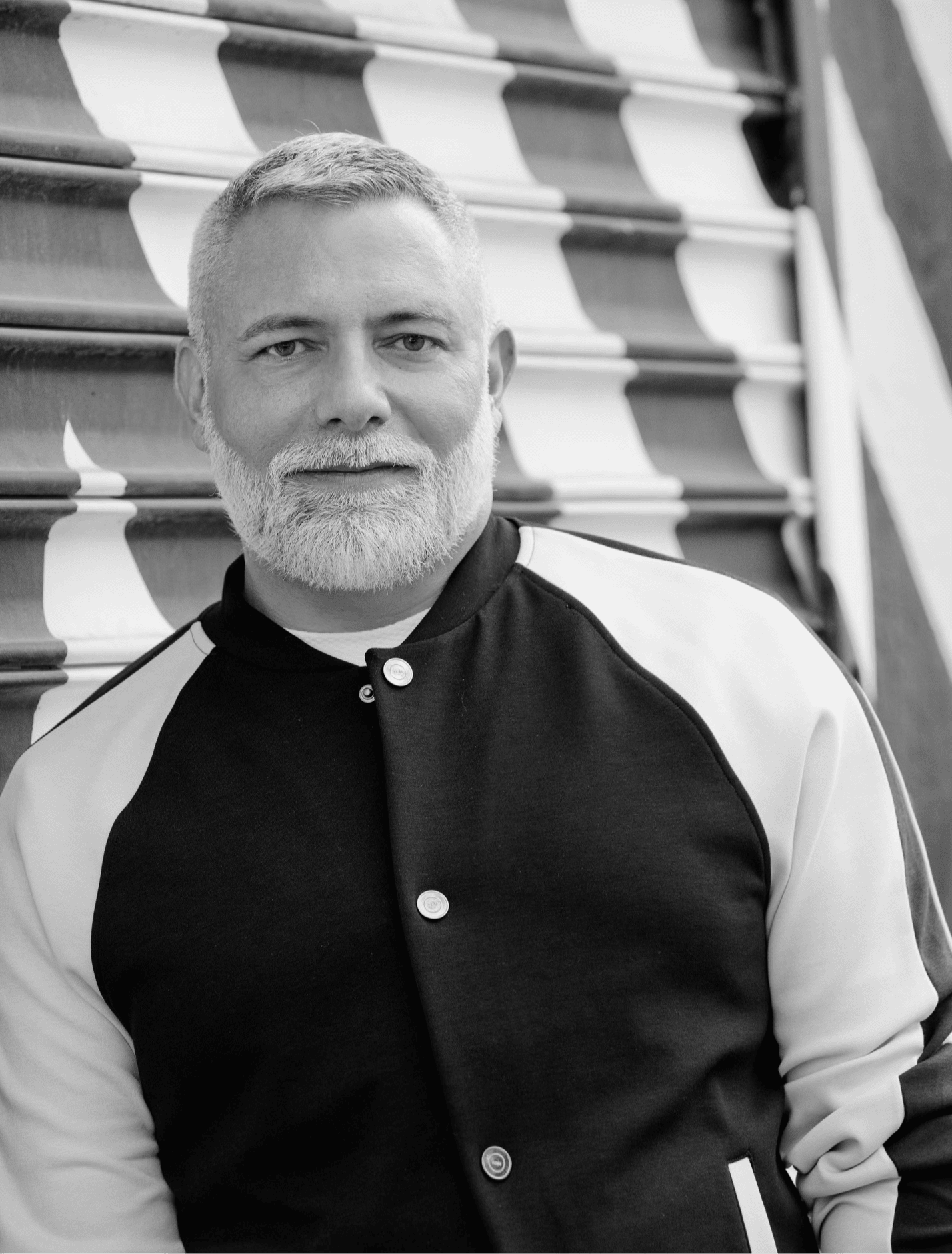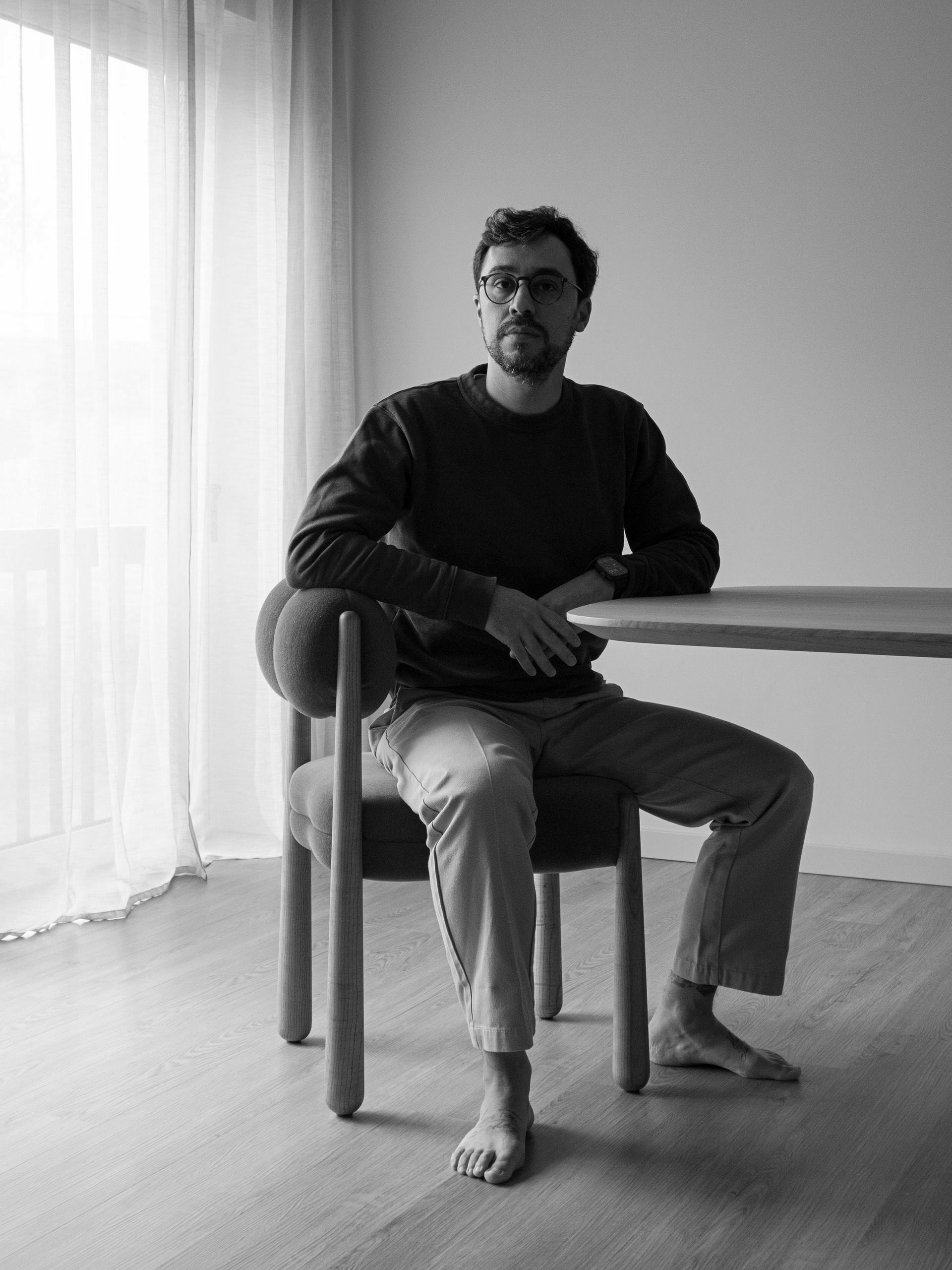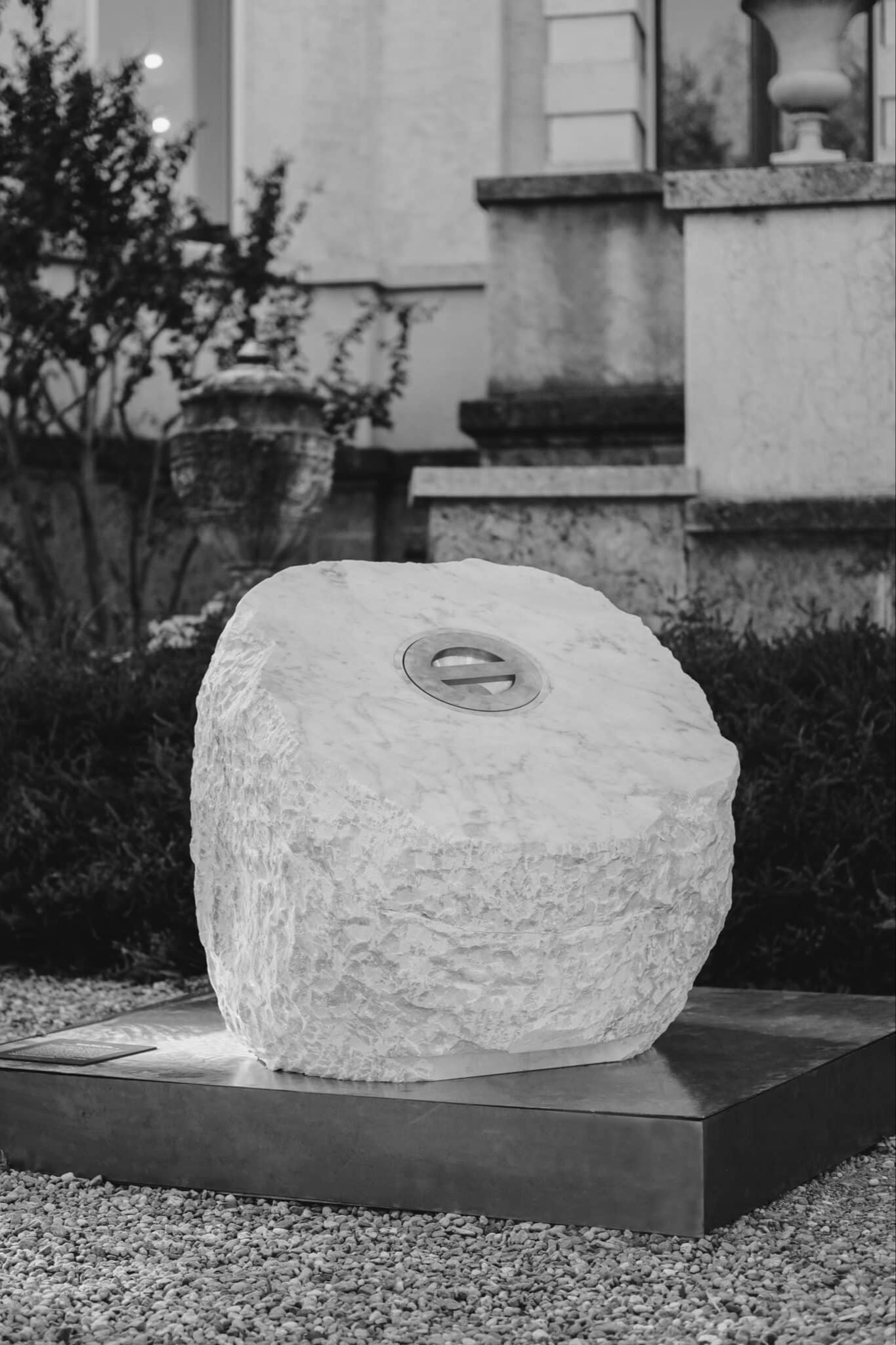
I was born in Odesa, in the south of Ukraine, and lived there for 35 years. This city gives its people a taste and love for life, a beautiful slow rhythm, hedonism, a wonderful sense of humor, and a beautiful suntan.
MAGAZINE · INTERVIEW
Yalanzhi Objects
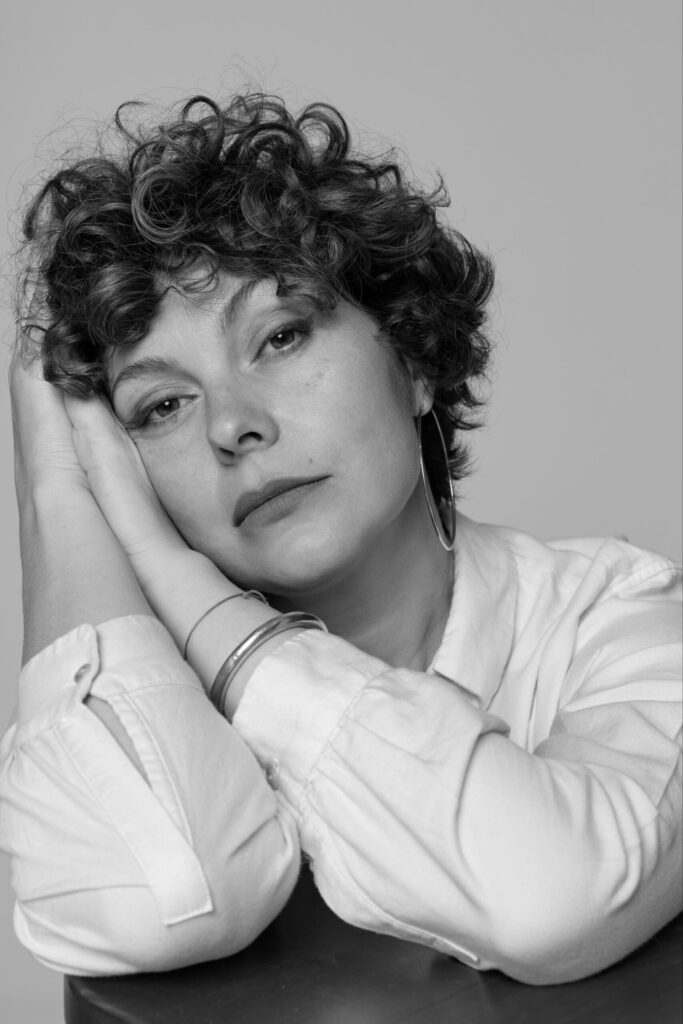
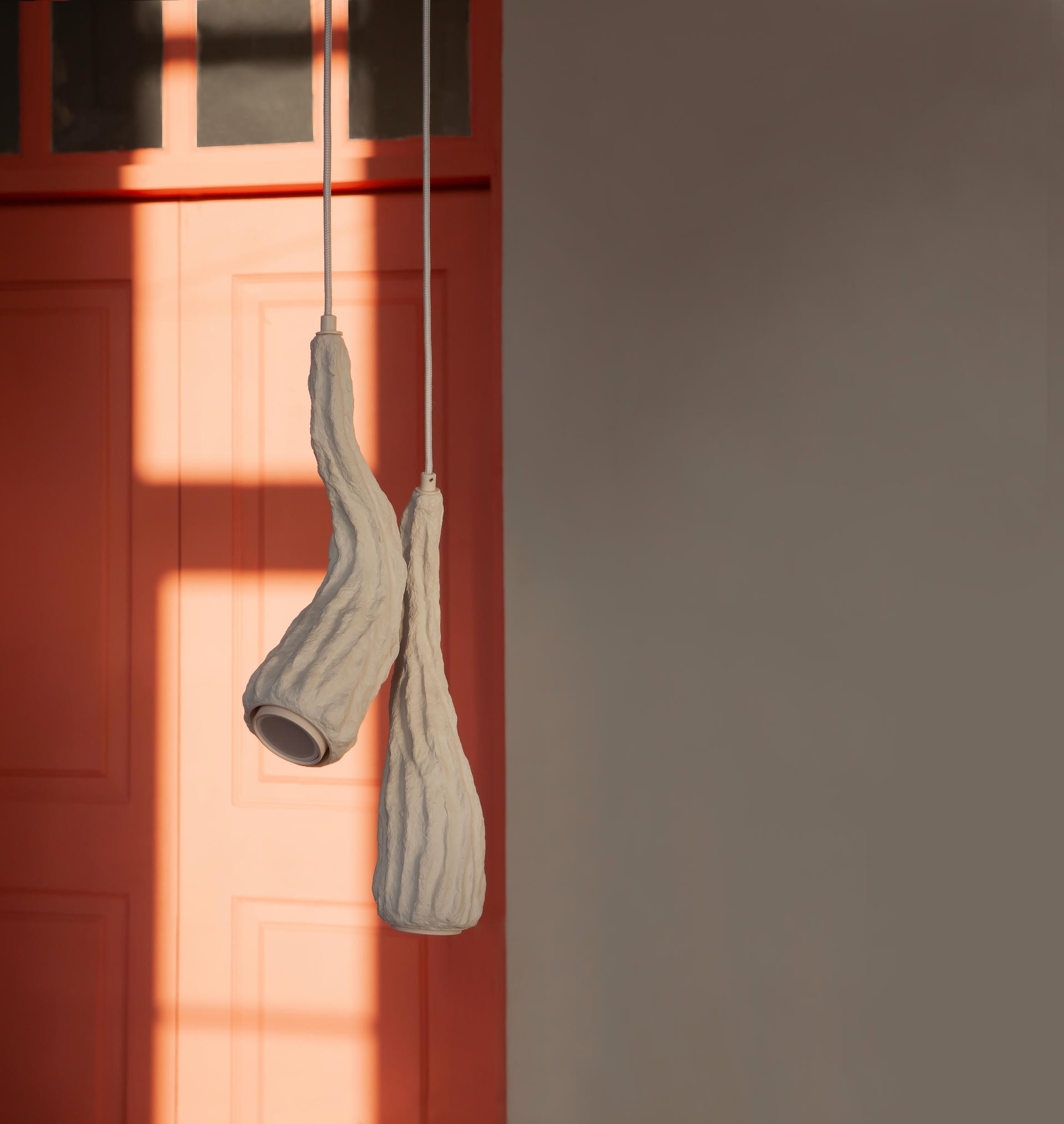
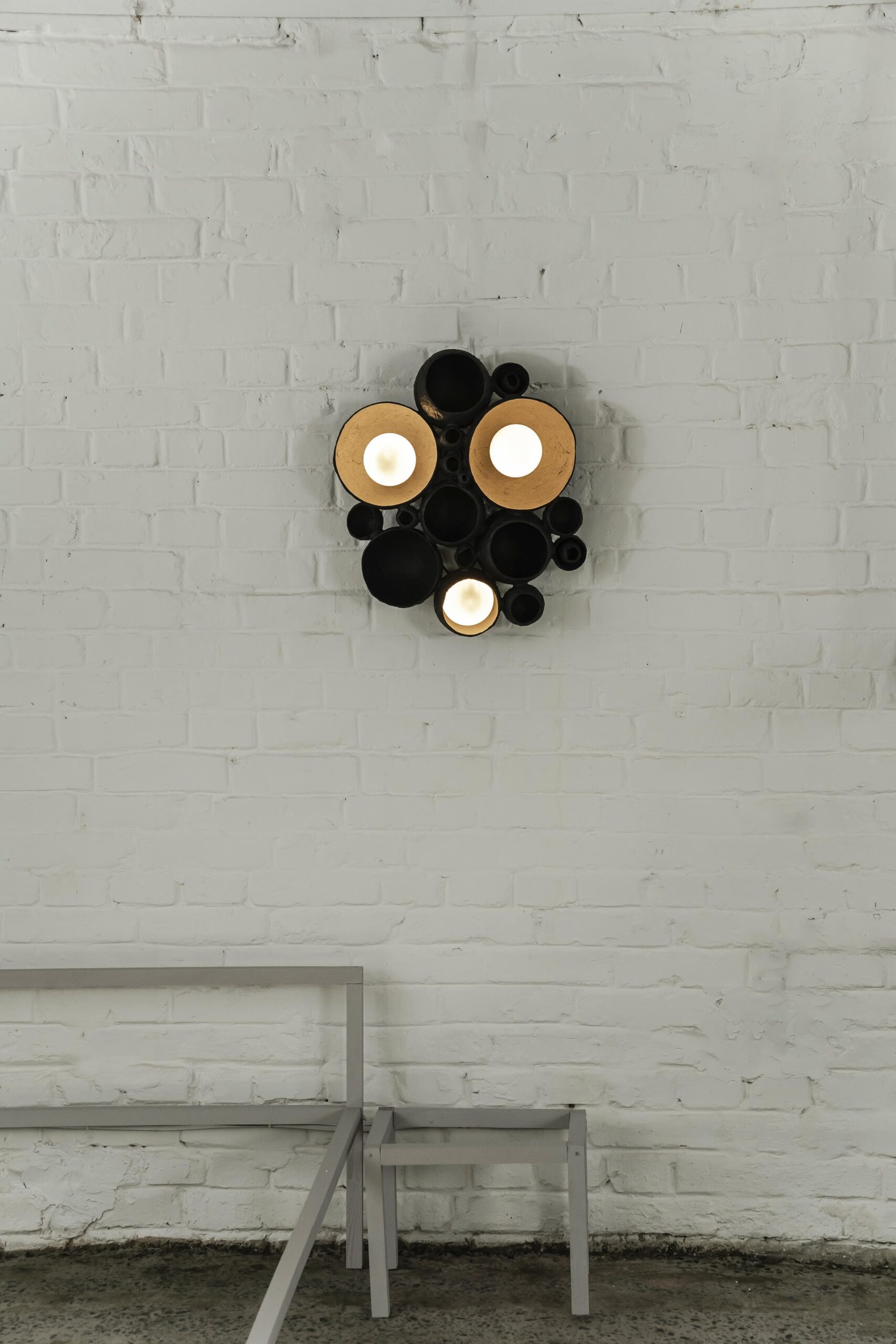
Julia Melnychenko Yalanzhi is a Ukrainian designer, artist, material researcher, and founder of Yalanzhi Objects, whose multidisciplinary practice explores the intersection of collectible design, craftsmanship, and material innovation. Rooted in nature, Ukrainian cultural heritage, and intuitive form, she creates sculptural furniture and objects that reinterpret familiar archetypes through organic geometries, tactile surfaces, and contemporary material experimentation.
At the core of her practice is an ongoing exploration of sustainable materials, including Zemletsvit, a proprietary biocomposite developed from minerals, cellulose, natural fibers, and pigments. Balancing engineering, artistic research, and traditional craftsmanship, Yalanzhi creates collectible works distinguished by their expressive forms, material richness, and timeless character. Her work has been exhibited internationally at events including Salon Art + Design, COLLECTIBLE, Révélations, 3 Days of Design, and CONTEMPORAIA, and is held in private collections worldwide.
Let's know more about
Interview
Where were you born and where are you from?
What is your first memory connected to the art world?
This world unfolded for me gradually. As a child, my grandmother introduced me to the classics — from painting to music.
Have you always worked in the art/design field?
I’ve been actively working in this field for 22 years. At first, I expressed myself through large-format painting, and later moved into sculptural form.
What led you to design creation?
After studying at a polytechnic university, I started practicing design, but felt a lack of depth without solid artistic education. So I enrolled in an art school and later a college — that gave me a foundation: a sense of color, composition, form, sculpture, and art. Combining technical knowledge, craft skills, and an artistic eye, I learned to “construct aesthetics.” It allowed me to create not just objects, but interdisciplinary works with both content and technology.
How would you describe your creative process and its influences?
My process starts either from a task or from an internal impulse of beauty. An idea “ripens,” then takes on a conceptual form. I prototype, select materials, construct — and the project takes shape. In functional work, the form crystallizes through engineering logic and then materializes. It’s a path from inner vision to tangible embodiment. I often compare it to cooking something delicious — the approach may vary greatly.
Could you describe a typical day of your work?
The day begins in the workshop: I walk around the sculptural objects, checking how they’re “living” — drying, reacting to the environment. I notice details, imagine, improve processes. Then I move on to the next task: playing with forms, modeling, testing materials. When the key processes are underway, I retreat to a quiet studio space: sketching, replying to emails, assigning tasks to the team. In the evening, dusty and tired, with paint on my hands, I return home — filled with a sense of creative satisfaction. Then comes dinner with family — closing the day in harmony and warmth.
But not every day is that balanced. Sometimes I work from home while caring for my children — and my immersion in the process is less deep 😊.
Why did you choose the specific materials you work with?
During art school, I fell in love with sculpture — but was intimidated by bronze, marble, and other classical materials at that moment. They felt too heavy, in every sense.
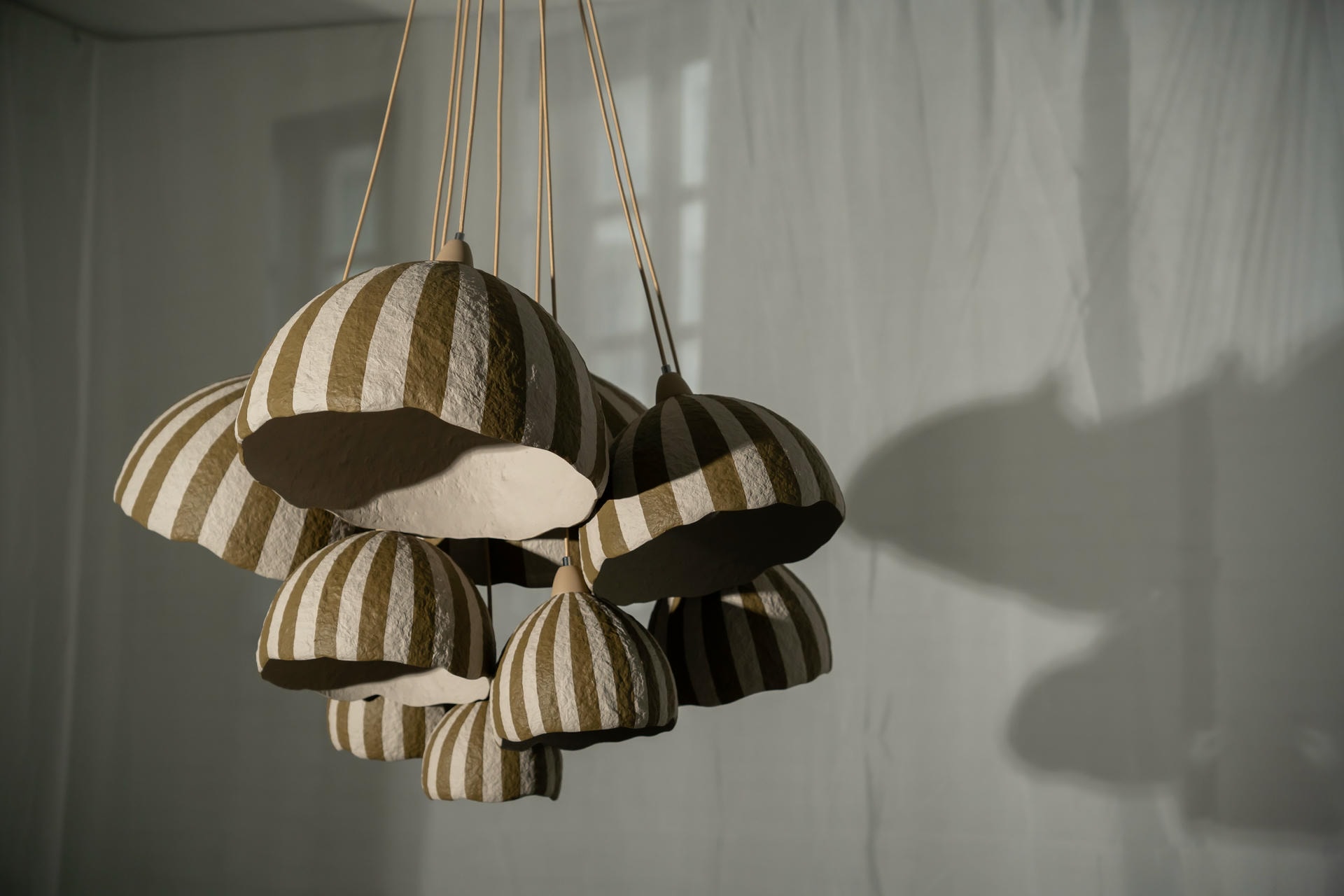
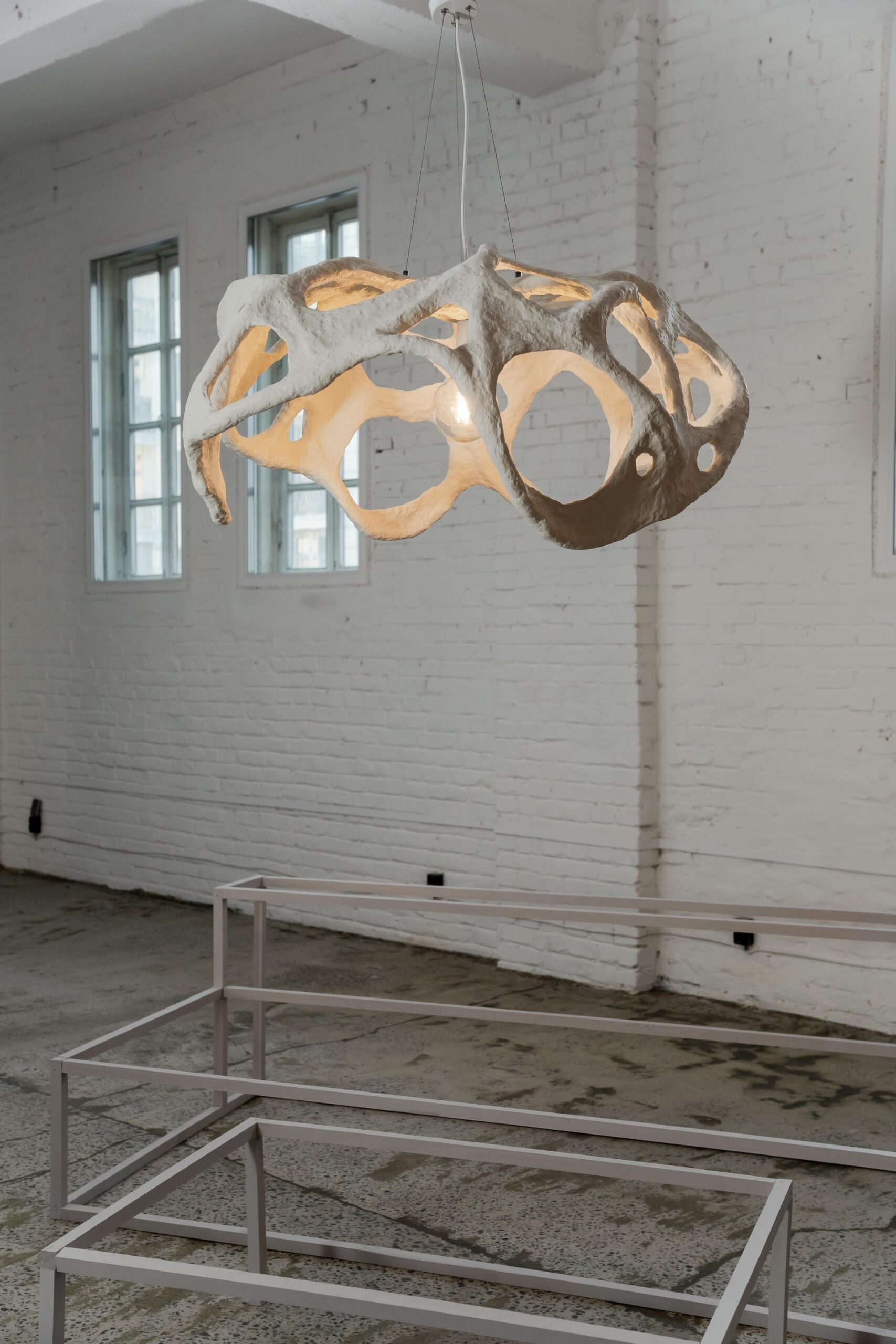
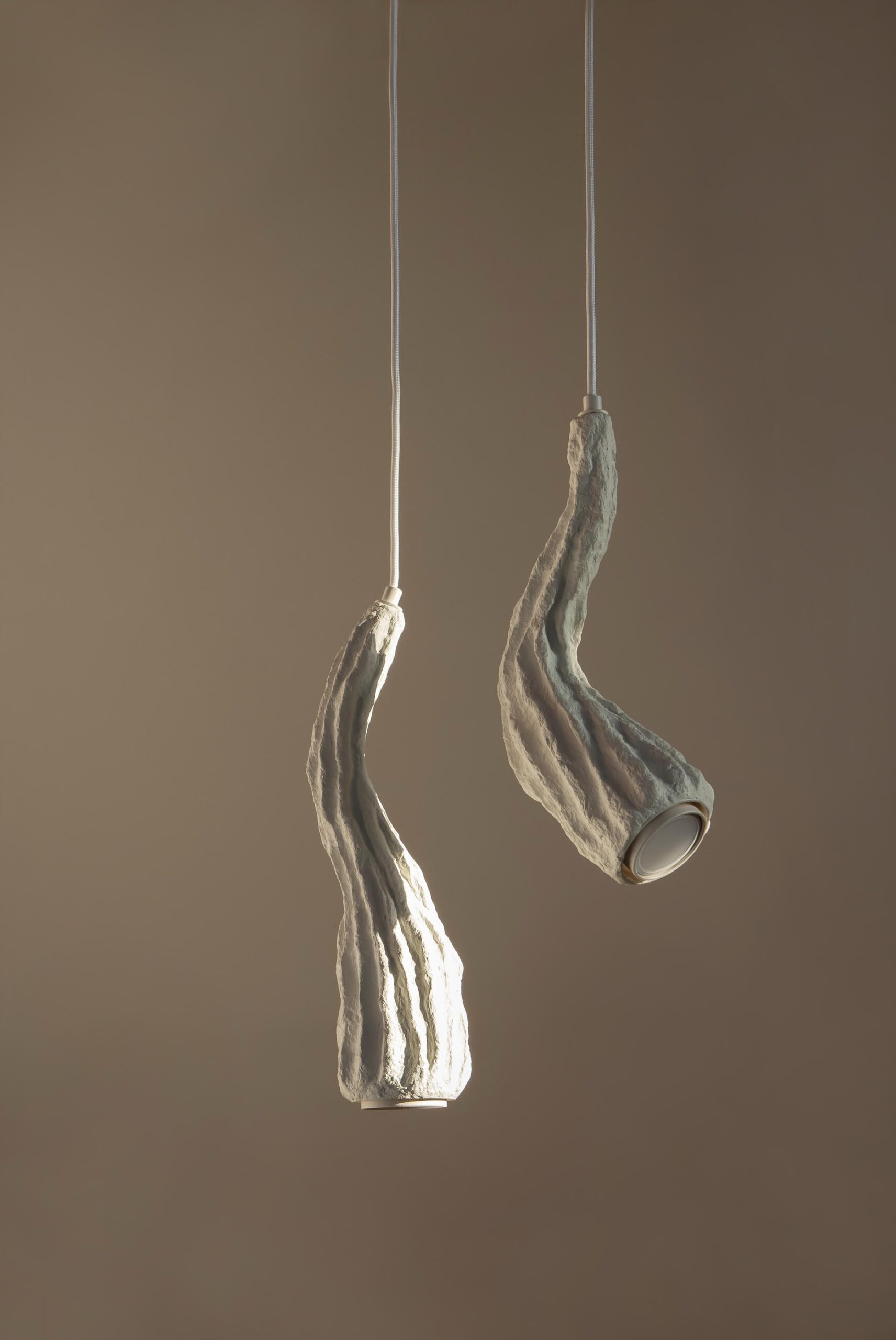
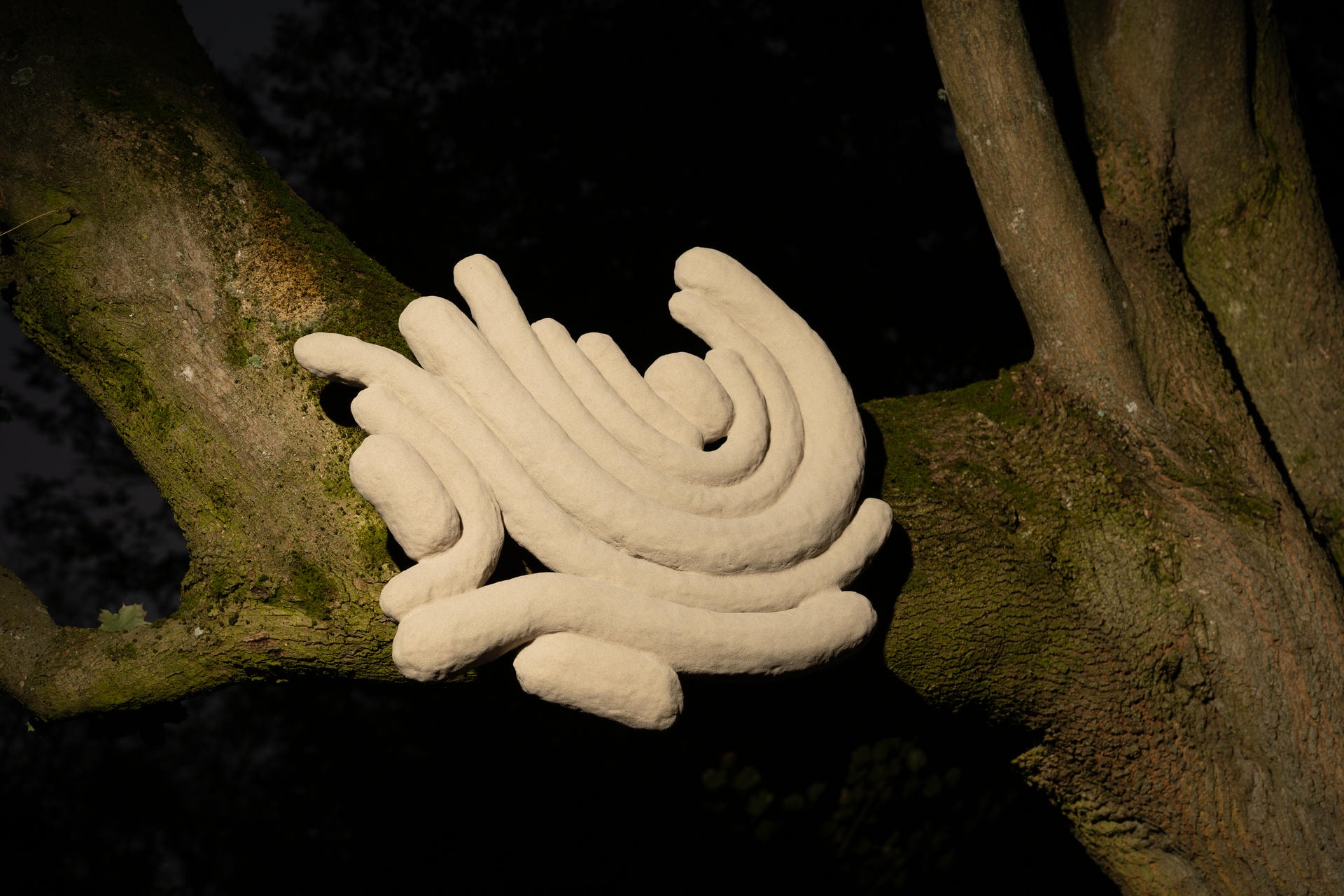
Wanting to work in volume, I started experimenting with biocomposites. They became my “feminine” material: warm, soft, light, ecological. When they dry, they preserve a living texture. I gradually developed my own formulas — for durability, strength, and longevity. Today, I’ve added metal, glass, ceramics, and more to my material vocabulary.
What are the technical particularities of your creations?
All of our pieces are handmade — but in small or limited series (except for unique art objects). The main material we use is biocomposite. We seek beauty in harmony between form and substance, honoring craft, culture, and timeless art.
What advice could you give to beginning artists who would like to create sculptural design works?
Start with education — it will filter out the unnecessary and give you a professional foundation. Then dive into yourself, learn to see and create beauty. Find your material, explore it. And most importantly — enjoy the process; surprise the world with your discoveries. Find yourself in sculpture.
If your works had to belong to a design movement, how would you define it?
Archaic minimalism and contemporary craft design.
What designers and artists have influenced you?
My inspiration comes more from an inner drive than from specific names. But I relate to the approaches of Vincent Van Duysen, Faye Toogood, and others whose work shows simplicity, sensitivity to form, and deep respect for material.
I also feel a strong connection to pre-industrial ceramics — Scythian, Trypillian, Jōmon — for their primal power, naivety, and forms shaped not by trend, but by earth.
What contemporary designers do you appreciate?
I’m inspired by creators from other disciplines — especially James Turrell for his work with light, space, and silence. I value artists who create states, not just images.
What contemporary artists, in any kind of art, have you been inspired by?
I find deep resonance in the work of Chiharu Shiota — her installations feel like woven memory, delicate yet powerful. The world is full of vivid voices and inspiring works; I often draw from many disciplines, letting emotion and intuition guide my connection to art.
If you had to summarize your creations in one word or sentence, what would it be?
Sculptural Grace.
“Find your material, explore it. And most importantly, enjoy the process; surprise the world with your discoveries.”
The Questionnaire
The Questions
(The Proust Questionnaire is a set of questions answered by the French writer Marcel Proust.
Other historical figures who have answered confession albums are Oscar Wilde,
Karl Marx, Arthur Conan Doyle, Stéphane Mallarmé, Paul Cézanne…)
What is your idea of perfect happiness?
Peace of mind for my family.
What is your greatest fear?
Losing myself.
What is the trait you most deplore in yourself?
Waiting.
What is the trait you most deplore in others?
Betrayal.
Which living person do you most admire?
My parents.
What is your greatest extravagance?
Solitude.
What is your current state of mind?
Reflection.
What do you consider the most overrated virtue?
Overconformity.
What is the quality you most like in a man?
The ability to protect.
What is the quality you most like in a woman?
The ability to protect.
Which words or phrases do you most overuse?
“Attention!”
Which talent would you most like to have?
To stop wars.
If you could change one thing about yourself, what would it be?
To bring more acceptance into my life.
What do you consider your greatest achievement?
I heard myself.
If you were to die and come back as a person or a thing, what would it be?
A family reading chair.
Where would you most like to live?
Under a peaceful sky.
What is your most treasured possession?
It doesn’t matter.
What do you regard as the lowest depth of misery?
I don’t even want to give it a form.
What is your favorite occupation?
Sunbathing.
What is your most marked characteristic?
Honesty.
What do you most value in your friends?
Hugs of sincerity.
Who are your favorite writers?
Those who wrap me in fantasy.
Who is your hero of fiction?
The boundary between fiction and truth.
Which historical figure do you most identify with?
A mythical one, not a historical one.
Who are your heroes in real life?
Zelenskyy.
What are your favorite names?
Eva and Leva.
What is it that you most dislike?
Limitations.
What is your greatest regret?
–
How would you like to die?
Happy.
What is your motto?
Everything will be fine. Either yes or no.
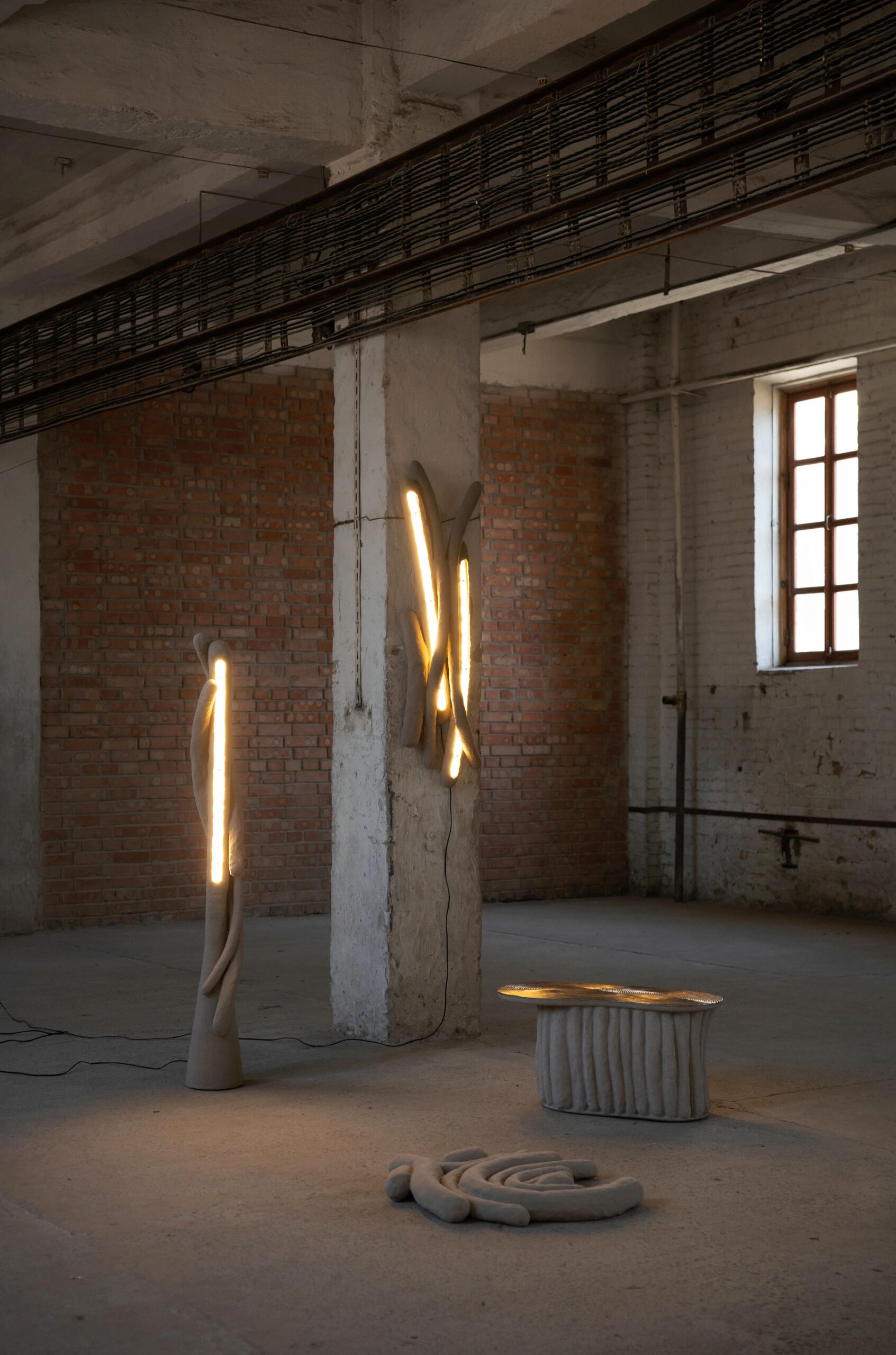
“We seek beauty in harmony between form and substance, honoring craft, culture, and timeless art.”
SHARE :