Stem Design
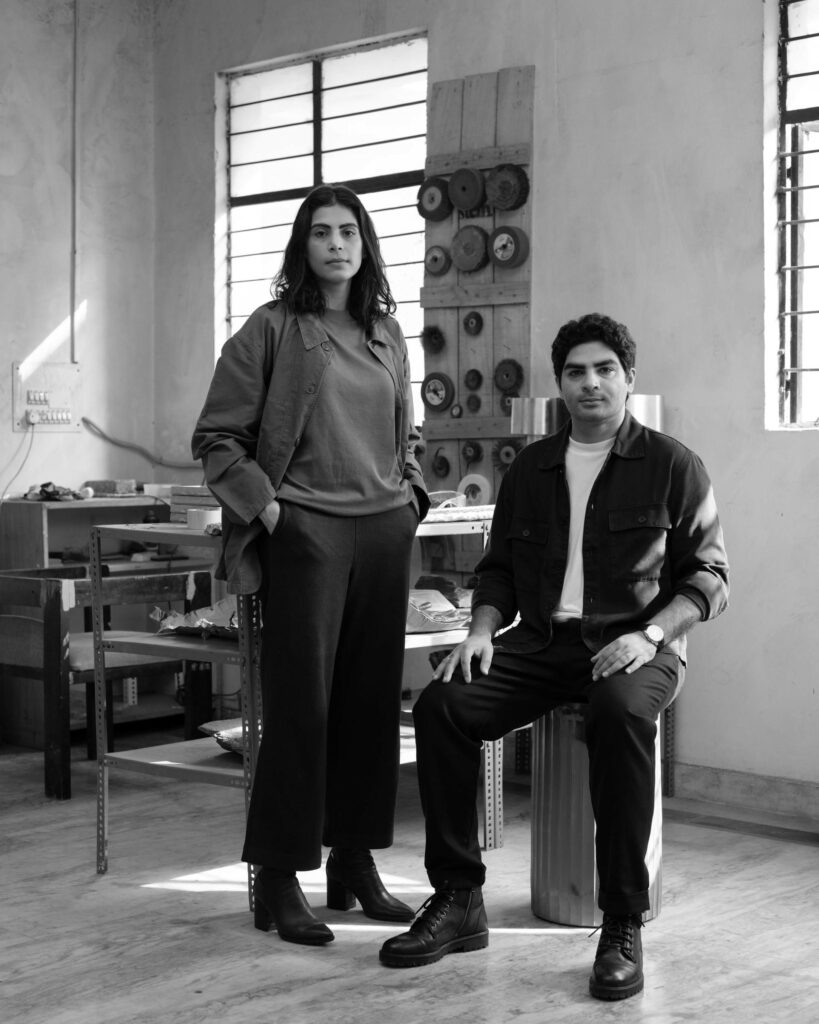
Stem is a design studio founded by Aman and Sugandhi, rooted in a shared sensitivity toward nature, materiality, and the emotional resonance of objects. Emerging from a deeply personal and intuitive process, the studio explores how everyday forms can carry memory, feeling, and quiet meaning within domestic spaces.
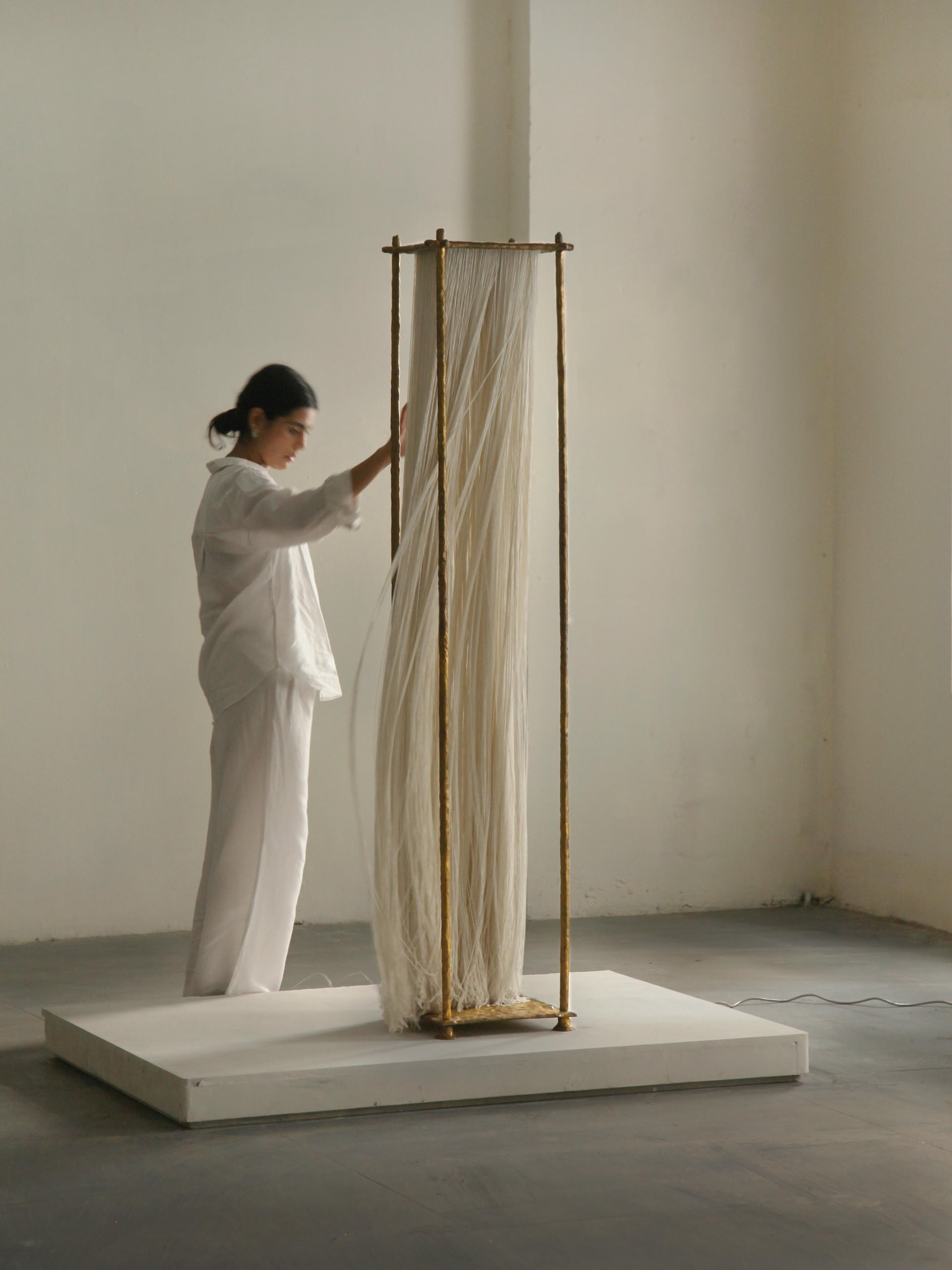
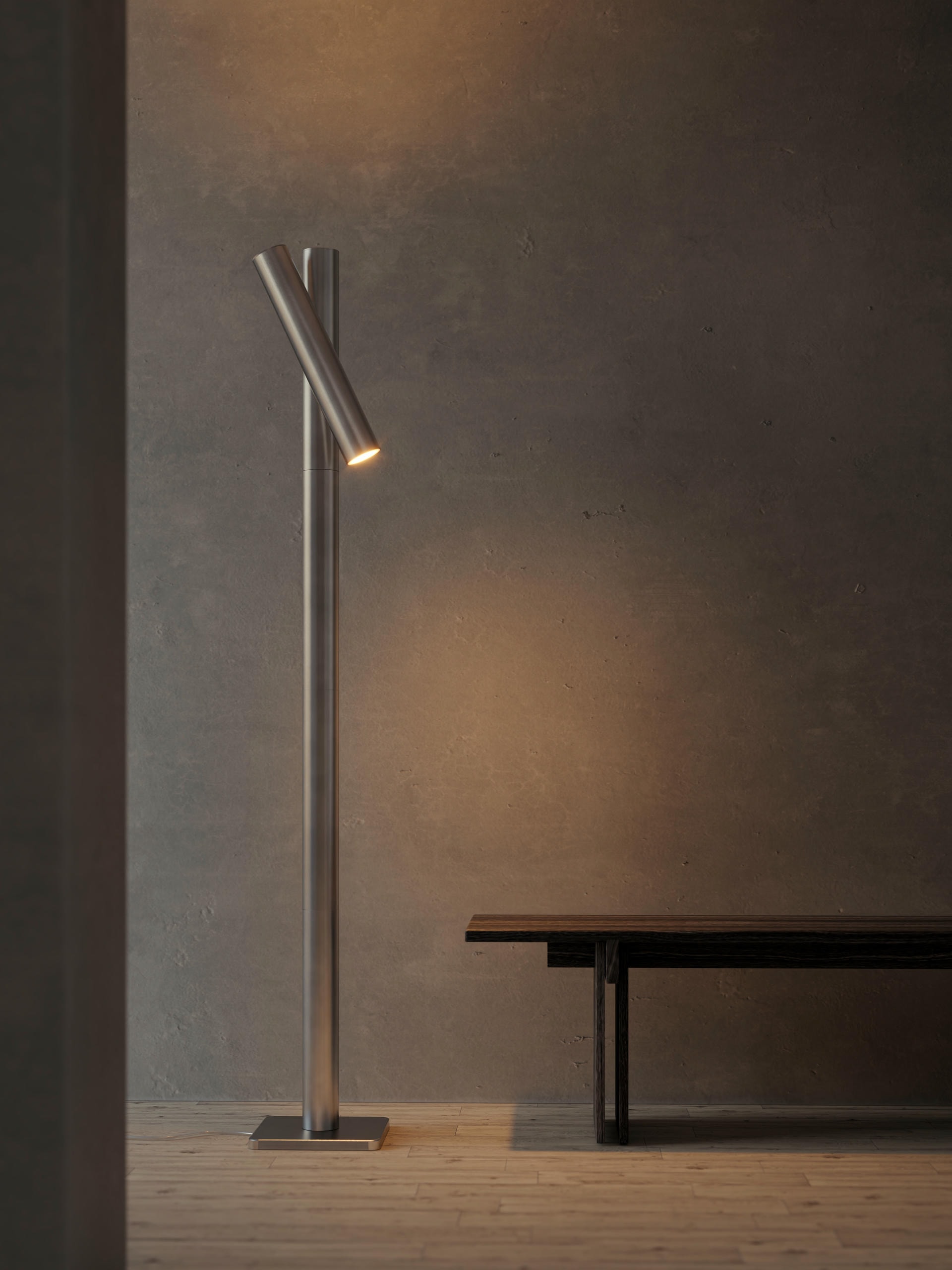
Working across lighting, sculpture, and functional objects, Stem approaches design as a slow and thoughtful practice shaped by instinct, craftsmanship, and storytelling. Using materials such as clay, paper, and found elements, each piece is developed through an emotional dialogue between form, texture, and atmosphere.
Defined by restraint and intentionality, Stem creates objects that are meant to endure both physically and emotionally. Their work reflects a belief that design should not only serve a function, but also accompany the rhythms of life with warmth, presence, and lasting significance.
Interview
Aman: I was born and raised in New Delhi, India, and I’ve always lived here. It is a layered city deeply rooted in history and tradition that shows up everywhere, even in everyday streets and buildings. It’s a place full of contrasts—old and new living side by side—and this balance feels ingrained in me. Over time, I’ve come to appreciate it, and it quietly shapes how I think and work.
Sugandhi: I was born in a city called Lucknow in India, renowned for its food and language. Even though the city has much to explore and indulge in through its rich history, my years growing up were mostly tucked within my courtyard house. It was there that I truly felt the power spaces had over me, and through those experiences, my curiosity to discover more began to grow.
The desire to take it all in; to feel the wind, the textures on the walls, the sunlight, and the quietness at night. Stealing everyday moments from my regular life, I now realize how much those small experiences shaped the way I look at objects and spaces. They unknowingly became my foundation and inspiration.
Aman: My first connection with the art world came early on. I remember when my parents traveled to Australia and brought back a box of crayons with nearly ninety different shades. The moment clearly stayed with me, because I can still remember how exciting it felt. For me, my connection to art wasn’t shaped by encountering someone else’s work—it grew from my own exploration. I was naturally drawn to creating, and that instinct has stayed with me.
Sugandhi: Although I had many experiences in my early years where I was around the subject of design in one way or another, I was never good at sketching. This led to a constant afterthought that, as much as I was interested in design, I never knew if I could contribute to it. However, in 2016, during my solo trip to Auroville, I was so ecstatic about living every moment of the experience that, for the first time, I journaled every day. In those moments of sheer happiness, I wanted to let my heart pour out, and in that process, I sketched memories of myself within those spaces as line drawings. I don’t know how it came to me, but intuitively, I felt the need to capture all the small details that built up this collective experience. It was then that I realized and felt truly excited that I could create if I allowed myself to feel deeply about something.
Aman: What drew me to design was its ability to shape the way we live and the way we feel. Design has a quiet but powerful influence on our daily lives, on our moods, our sense of self, and the rhythms we move through. As designers, we have the responsibility and the privilege to influence lifestyles. Good design can calm the mind, lift the spirit, or, if done poorly, have the opposite effect.
Sugandhi: I have always been a firm believer that our surroundings reflect who we are and significantly contribute to shaping who we become. It is a constant exchange. As a designer, I have been curious to study this effect in my own life. It gives me the freedom to introspect, and through creating objects, I discover parts of myself, my values, and beliefs. This emotional essence, embodied in the design process, becomes the core identity of the object. And I feel drawn to share these objects and their story with people who connect with them.
Aman: I studied interior design and have worked as a designer ever since. That experience has fundamentally shaped my approach to product design. I am always thinking about where an object will live, how it will be encountered, and how it will age within a space. Context is not an afterthought; it is the starting point.
Sugandhi: Like Aman, I come from an interior design background, and design has always been a part of my professional journey. Over time, I found myself becoming more interested in the emotional relationship between people, objects, and spaces, which naturally led me toward the work we do at Stem today.
Aman: My partner, Sugandhi, and I met six years back, and we connected deeply over our similar views about everything from art and design to how both of us see life in general. Stem was born to give form to these shared ideas. This is to say that our work originates from a continuous exchange within the studio, shaped through a collaborative creative process
Through our work, we are constantly exploring and questioning emotional connections that we build with other people, what that tells us about ourselves, and how it reflects in the spaces we inhabit. We feel there is not much difference in how we become attached to objects in our spaces as well. As designers and makers, this thought is mostly the underlying factor throughout our process.
Aman: I used to show up to the studio and juggle between different departments, following up and allotting tasks. It ended up taking a lot of my time, and I still felt less productive. More recently, I’ve been trying to organise the week with specific days for specific work categories. This way it feels less overwhelming, and I can get more things done.
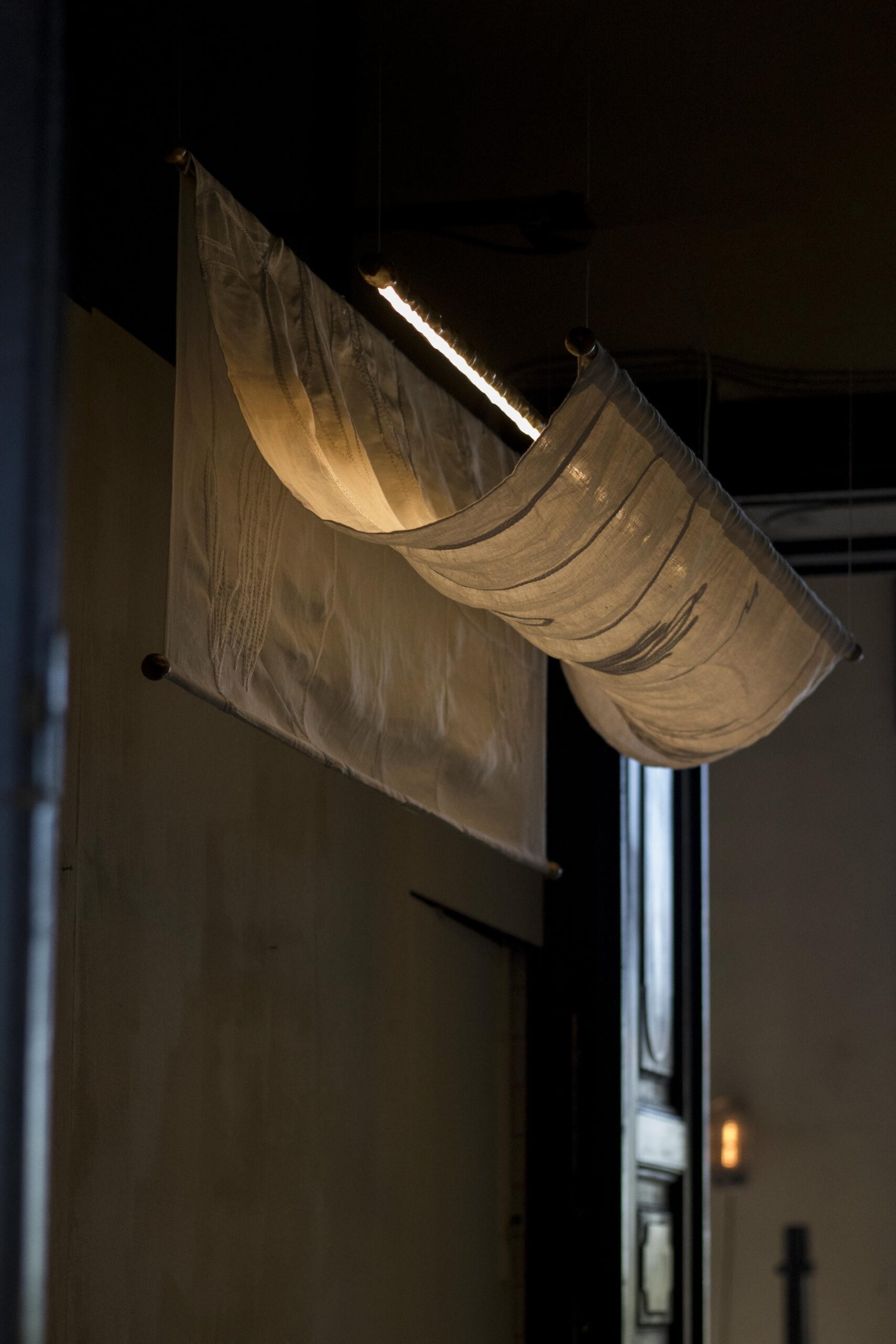
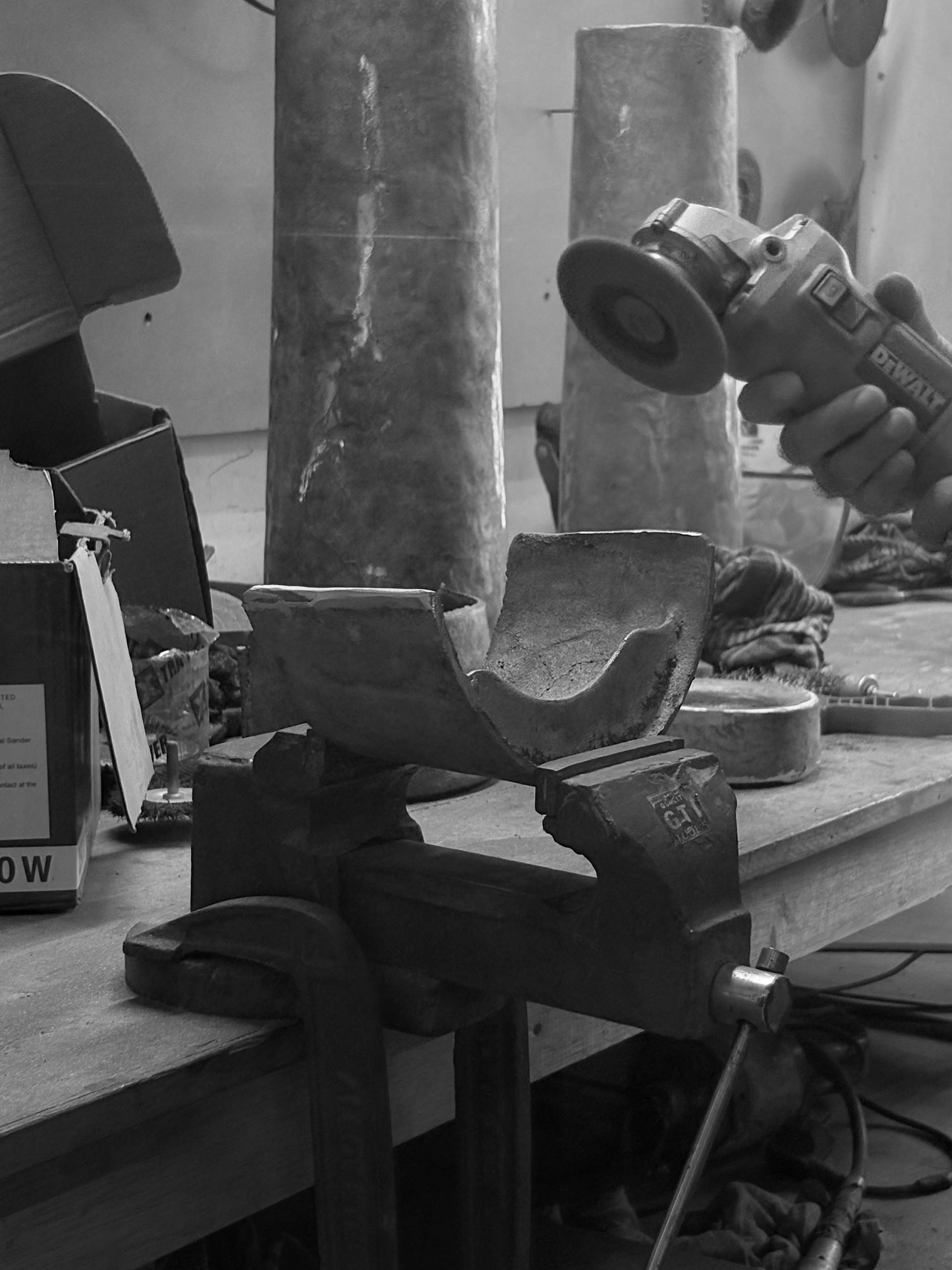
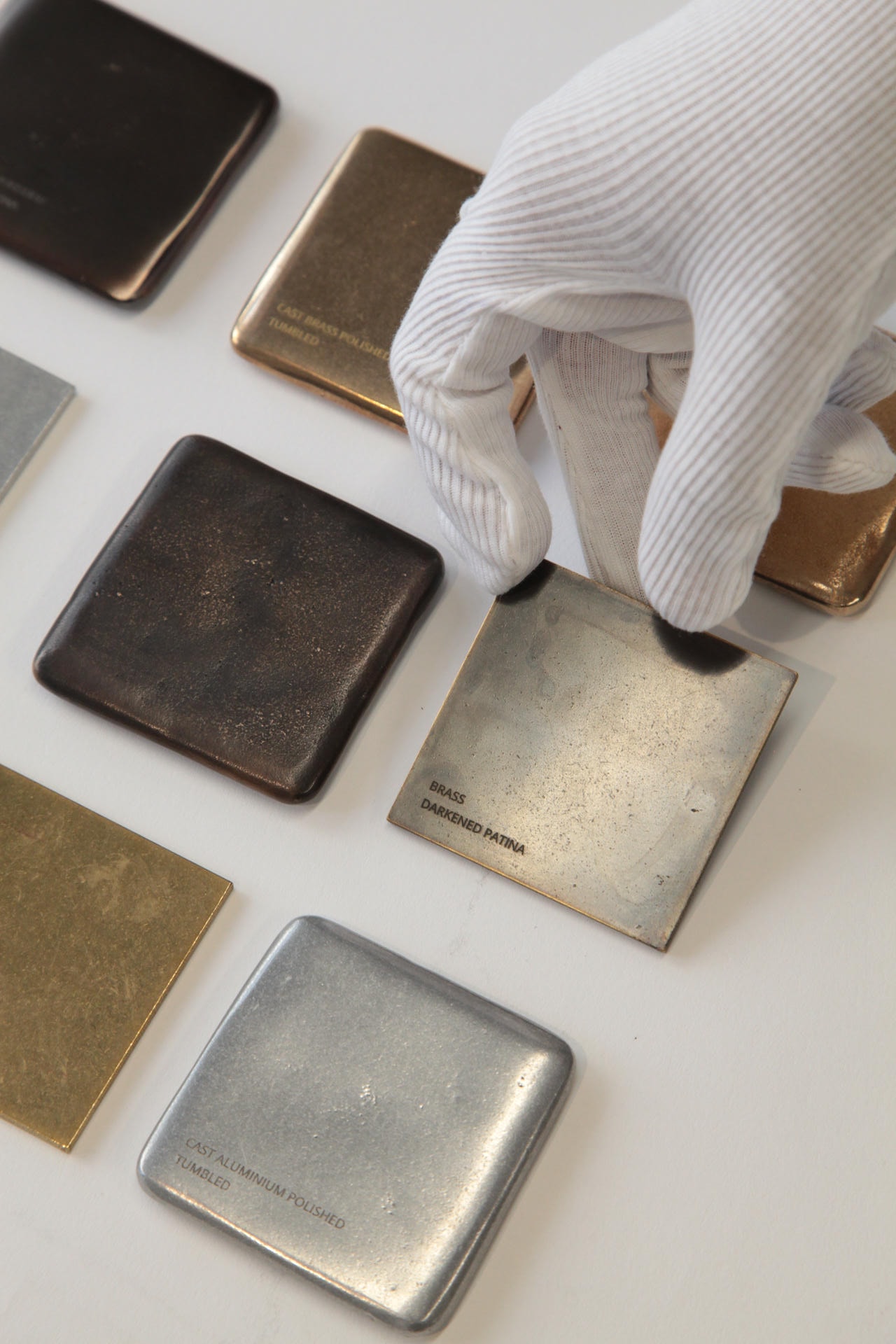
More than materials, we are inclined towards crafts. There is a whole town in North India where the craft of metal sand casting has been practiced for centuries, and the knowledge has been passed on through generations. Nowhere else would you find the expertise that these people working independently in their casting shops possess. Another example can be this craft of hand embroidery on fabrics that prevails in another part of the region. What gets me is the beauty that comes through only when these people make things with their own hands. I get moved just by looking at the artisans who make it. When we design products, it becomes our responsibility to let their work come through, further deepening the connection with the products.
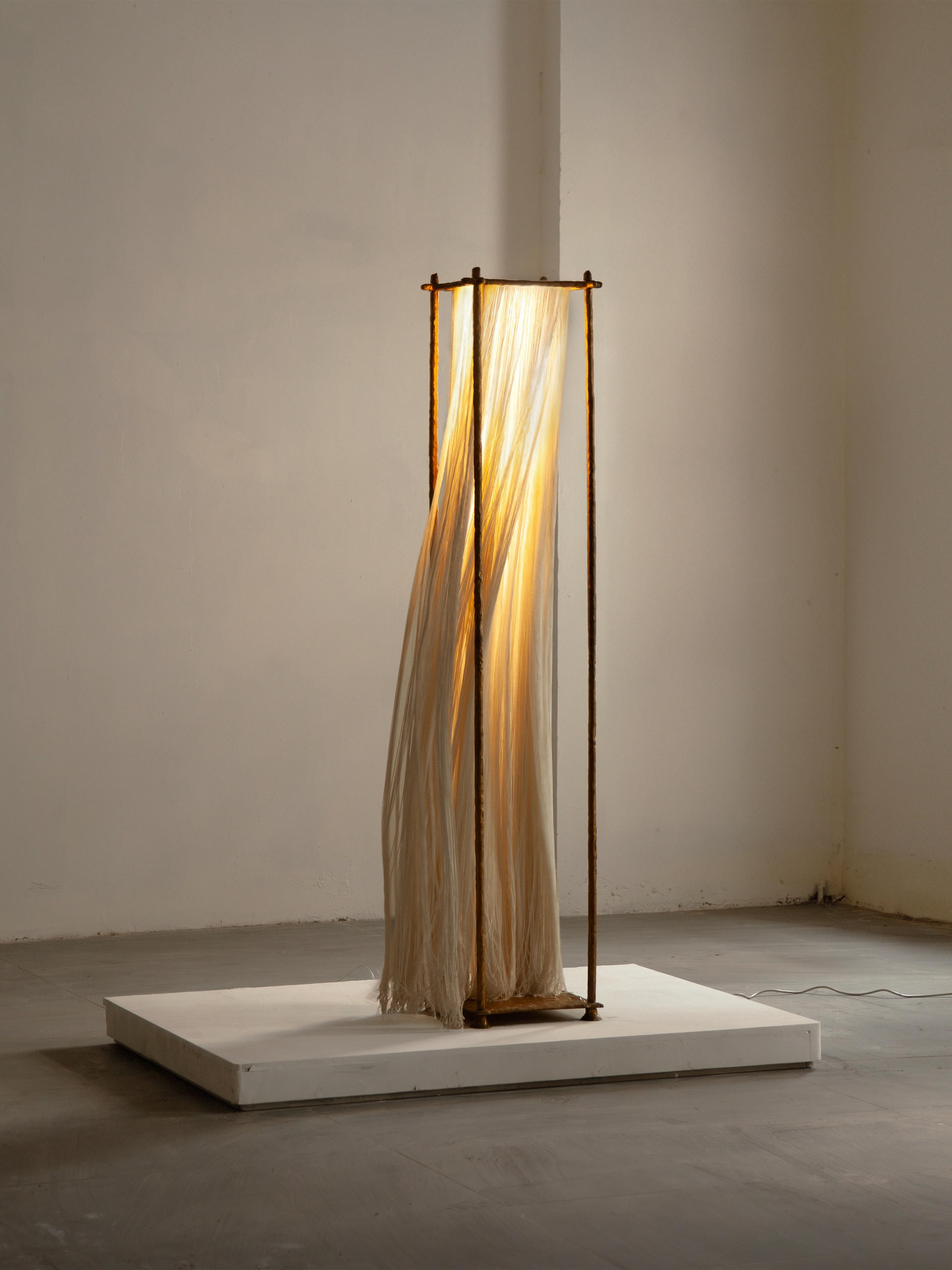
Our work is characterised by aluminium and brass in their unrefined finishes, intentionally chosen to age gracefully while retaining their natural qualities.
Aman: Creativity deepens with time, reflection, and trust in one’s instincts. Showing up consistently, staying open to learning, and honouring the process have been the most enduring lessons for me.
Sugandhi: Resist the resistance. There is so much honesty and beauty when we truly listen to our hearts.
Aman: Creating something unique and sculptural can be quite scary at times. My only advice is to be honest, authentic, and confident. Do not create under any pressure. There is no rush. Take your time to observe, feel, and express.
Sugandhi: I would agree with Aman.
Brutalist, for our emphasis on material honesty, minimal forms, and simplified functional designs.
Faye Toogood, Nendo, Ronan Bouroullec.
James Dyson, Konstantin Grcic, Vincenzo De Cotiis.
Isamu Noguchi, Richard Serra, Christian Coigny.
Objects of Emotion.
“Take your time to observe, feel and express.”
The Questions
(The Proust Questionnaire is a set of questions answered by the French writer Marcel Proust.
Other historical figures who have answered confession albums are Oscar Wilde,
Karl Marx, Arthur Conan Doyle, Stéphane Mallarmé, Paul Cézanne…)
Aman: An inner state of calm.
Aman: Losing sensitivity, to material, to people, to everything that shapes meaning.
Aman: Overthinking.
Aman: Dishonesty.
Aman: Those who commit to their practice with sincerity rather than making noise.
Aman: Time spent observing, thinking, and making without urgency.
Aman: Attentive and reflective.
Aman: Speed.
Aman: Integrity.
Aman: Inner strength, expressed with grace and sensitivity.
Aman: It keeps changing on a daily basis.
Aman: Playing an instrument.
Aman: To not overthink and be more confident.
Aman: The work we have done at Stem.
Aman: Myself.
Aman: On a beach.
Aman: My artistic talent.
Aman: To have no purpose in life.
Aman: Artist, sculptor.
Aman: I’m calm and patient.
Aman: Honesty, loyalty.
Aman: Alan Moore, Enid Blyton.
Aman: Don’t have one.
Aman: No one in particular.
Aman: Everyone who is kind and compassionate is a hero.
Aman: Stem. I still feel good about this decision, Sugandhi, and I made together for our practice.
Aman: Noise without intention.
Aman: Everything happens for the greater good. I don’t have any regret.
Aman: However, I’m destined to die.
Aman: Live and let live.
“Good design can calm the mind, lift the spirit.”
SHARE :