
Jacob Brinth
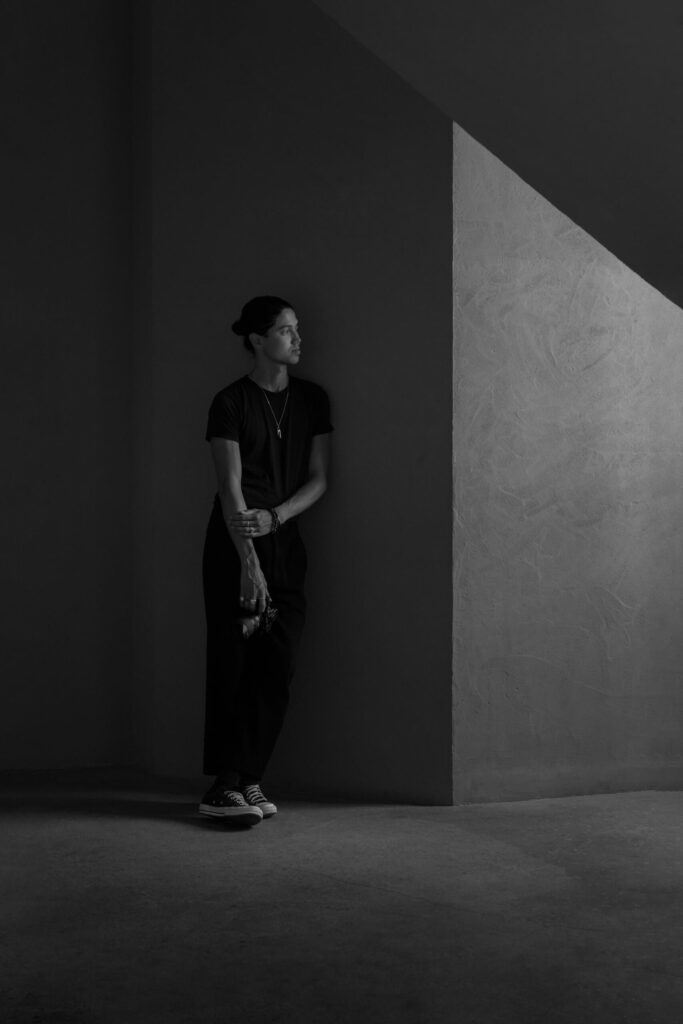
Jacob Brinth is a France-based photographer, videographer, and art director whose work explores the intersection of design, interiors, and visual storytelling. Born in Copenhagen in 1990, he graduated with a Master’s degree in Design from the Royal Danish Academy in 2018. Combining his background in design with a longstanding passion for photography, Brinth has developed a distinctive approach to capturing interiors, objects, and spaces.
Since 2021, he has worked independently under Studio Brinth, specialising in photography, videography, and art direction. His visual language is characterised by dark, atmospheric imagery, restrained compositions, and a distinctly pictorial quality.
Working internationally, Brinth collaborates with design galleries, interior designers, artisans, and creatives across the fields of art and design. His work has appeared in publications including AD, Milk, Vogue Living, and Wallpaper*.
INTERVIEW

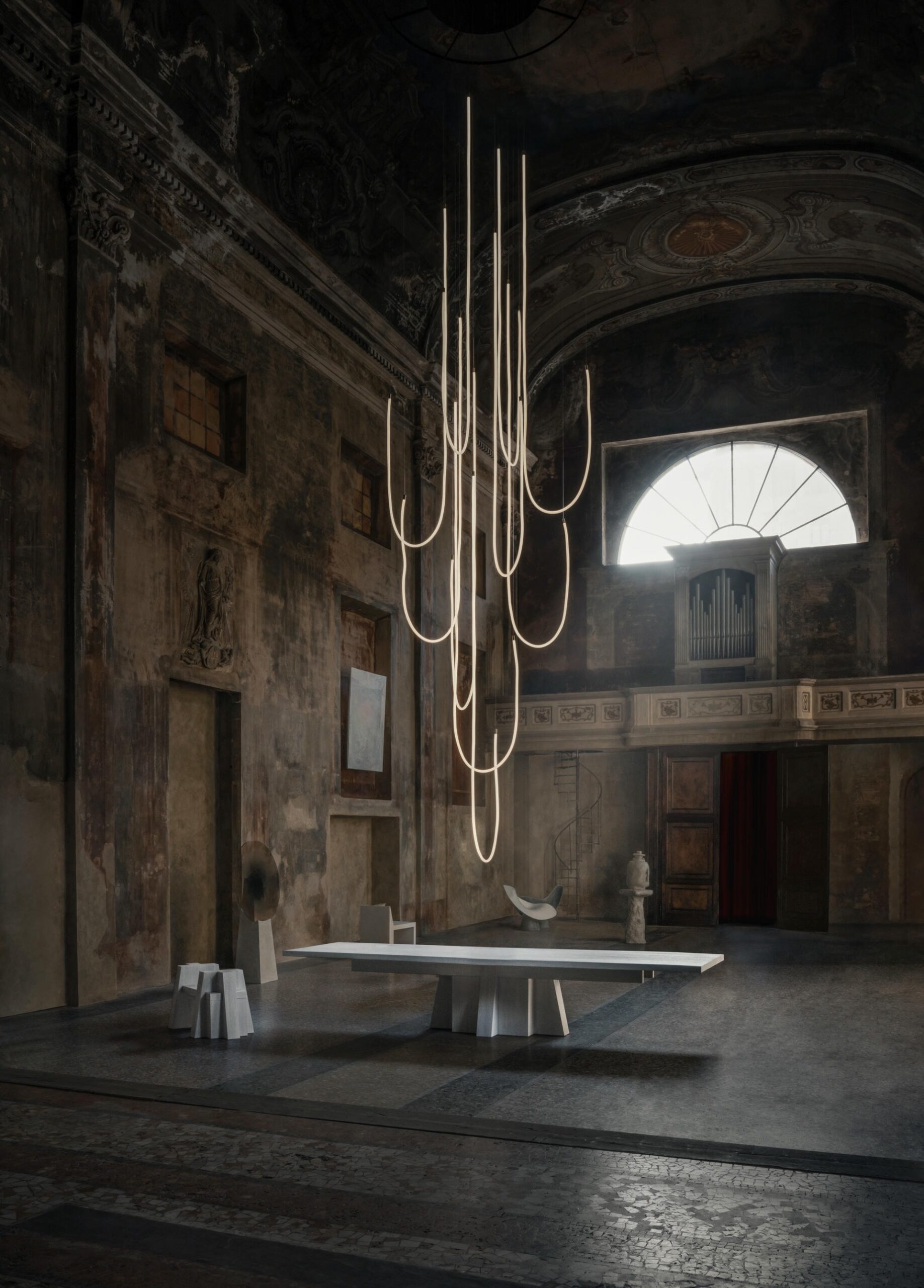
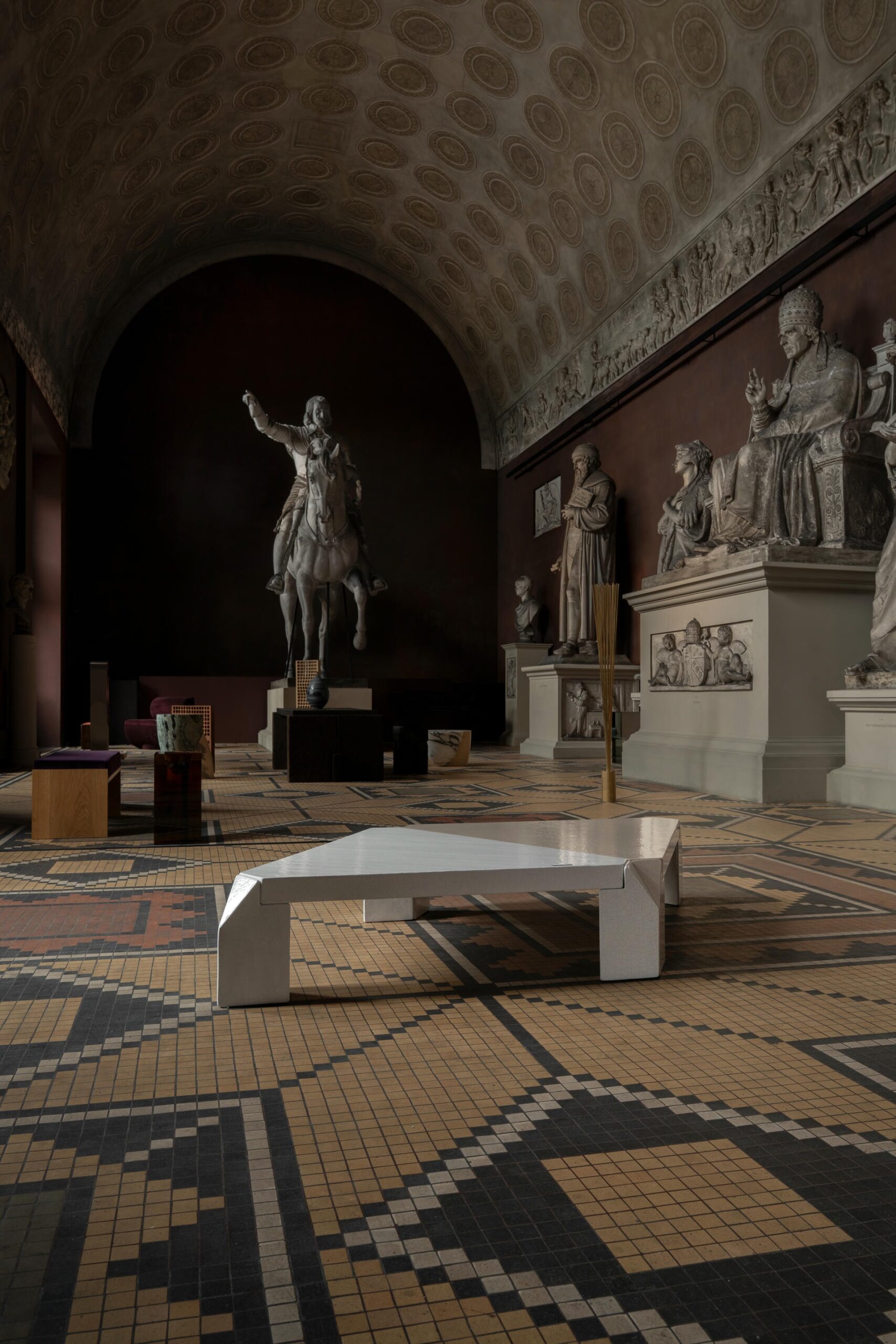
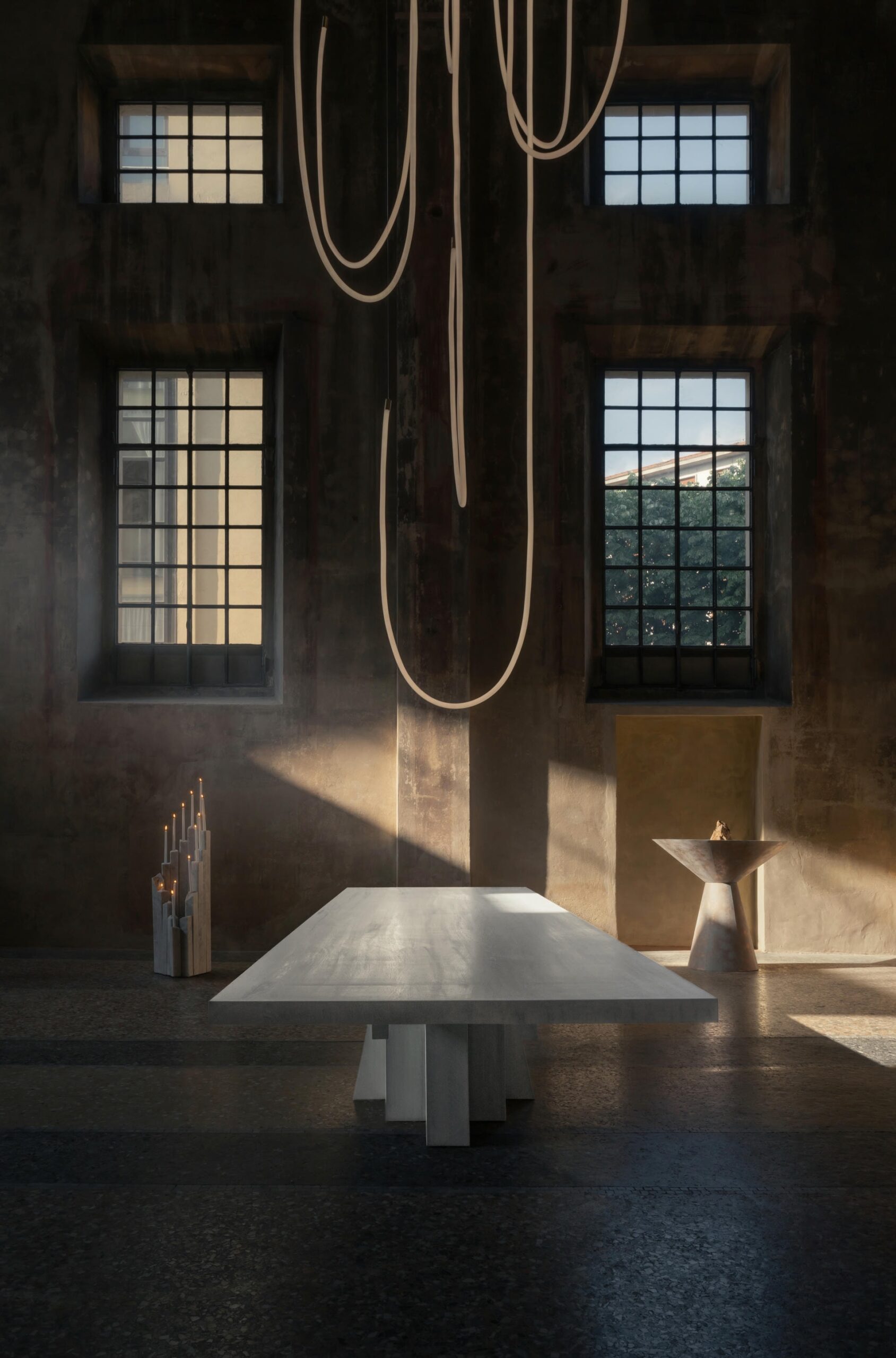
Desacralised, Milan, 2023 © Studio Brinth
In 2018, while finalising my Master in Design at the Royal Danish Academy in Copenhagen, I had already launched my first company creating furniture and interior design. My photography journey started by documenting my own projects for my portfolio and press.
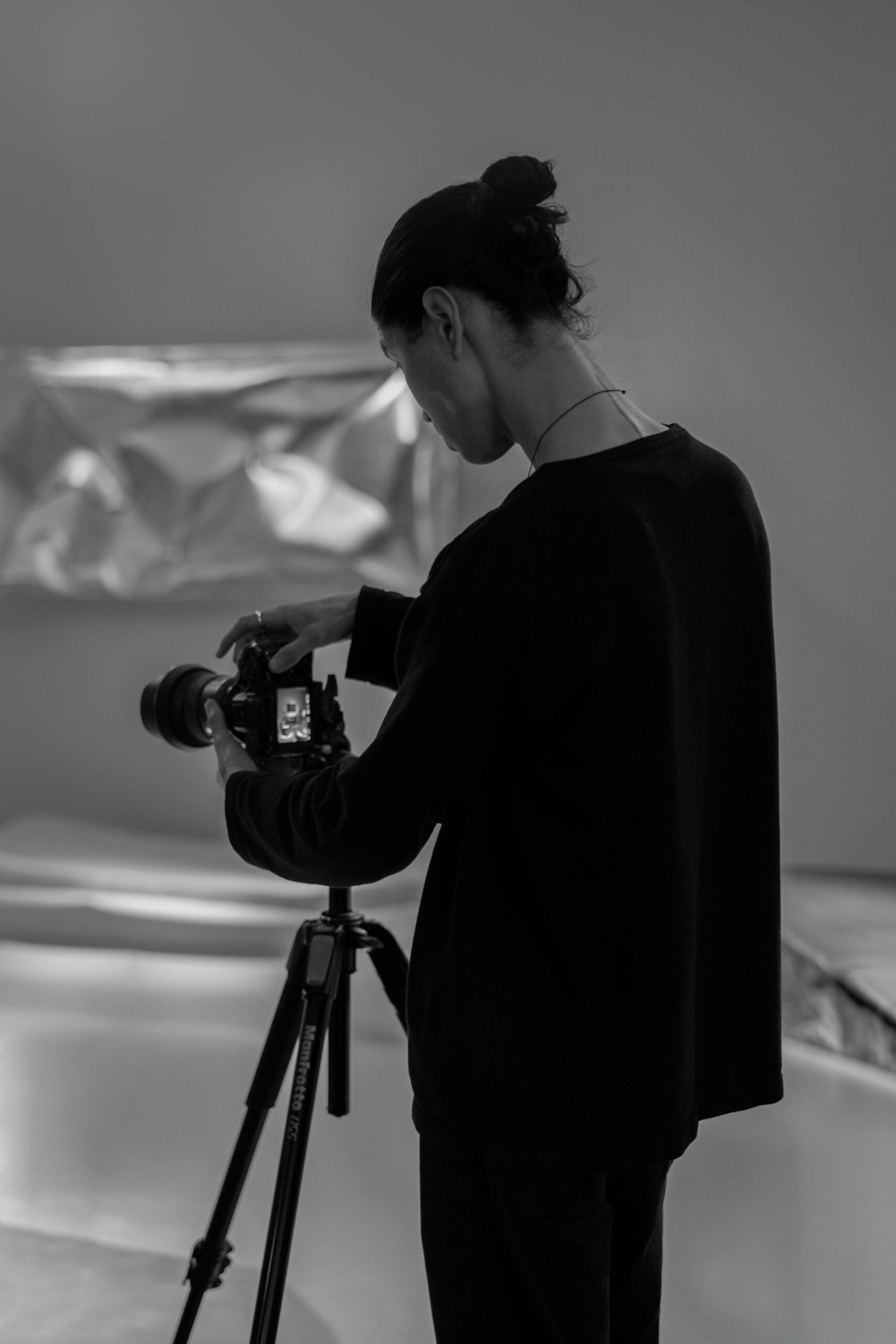
To me, the process of translating design into photography was super satisfying and addictive, and so in 2021, when I moved to France, I dedicated myself 100% to design photography with my company Studio Brinth, and my journey has gradually developed from documenting individual projects to directing larger brand campaign images and filmmaking too.
My design background has definitely given me a specific way of observing space, light, and materiality, which is really helpful when interpreting the projects that I shoot. I kind of see photography as a design project in itself, taking the time to compose the objects in the frame and directing the lighting in the space.
I also have to mention Ark Journal as a great source of inspiration, and especially Pernille Vest, for her impeccable editorial interior styling.
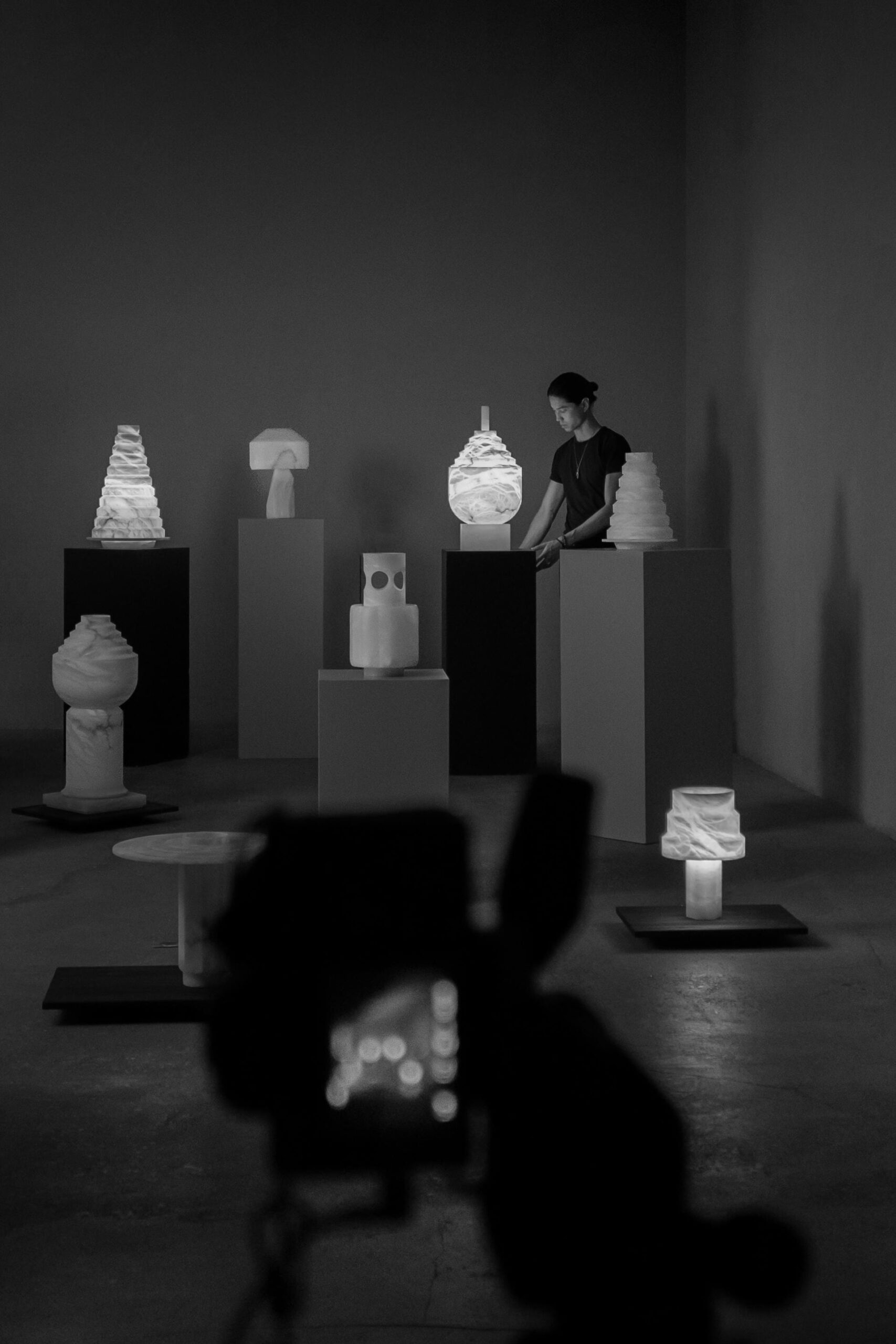
I always start by taking a tour with the curator/designer to truly understand the narrative and the specific choices and selections that were made. With this in mind, I try to think of how we best can translate this narrative in small “scenes” that show how the objects relate to each other within the space.
The second important point is the light. I always try to work with natural light, but if it isn’t possible on location, I use specific lighting equipment to highlight the exhibition the best way possible.
As a photographer, I see my role as interpreting and expanding the design experience, and I always try to create a specific mood in my photography that accentuates the narrative of the project.
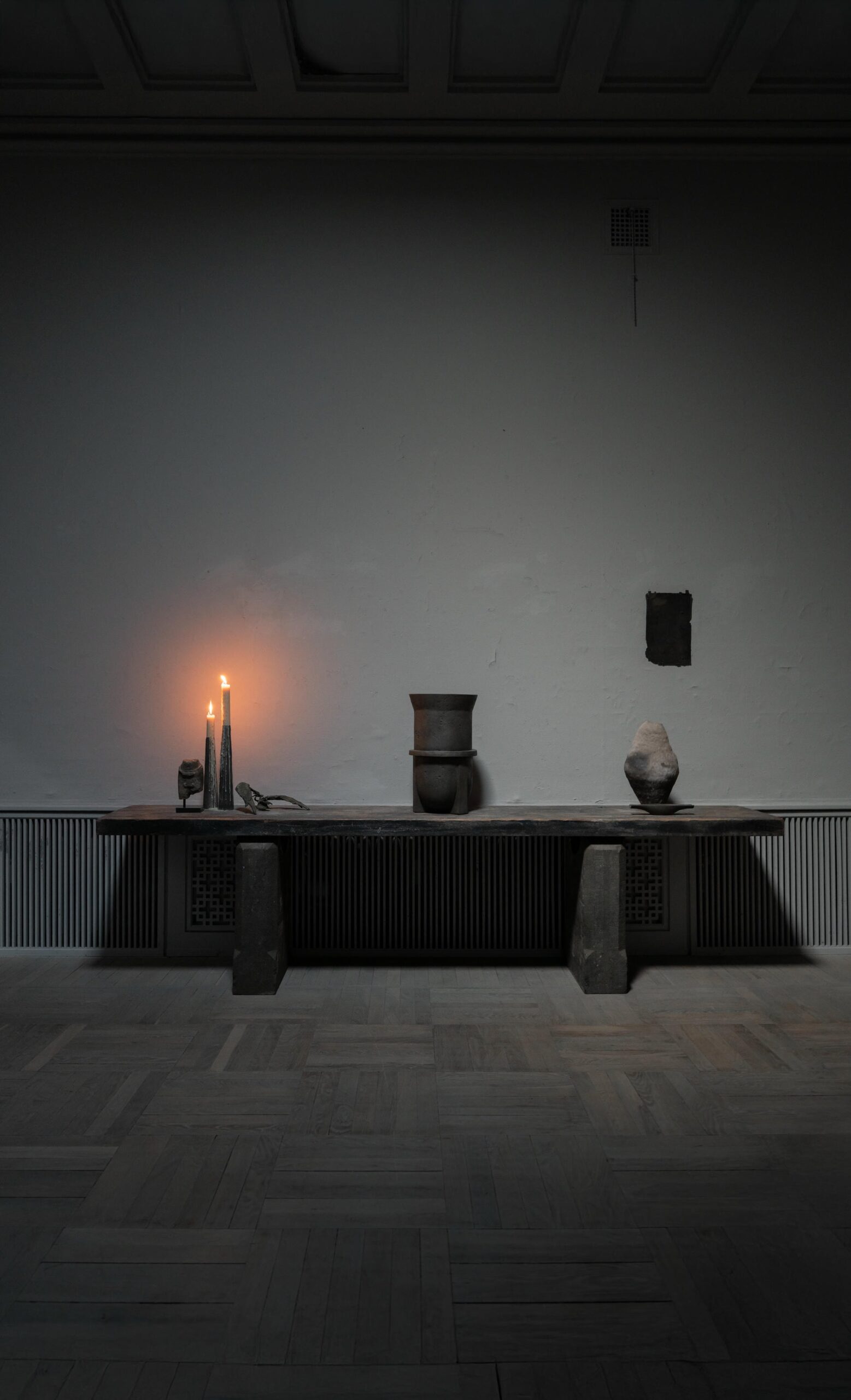
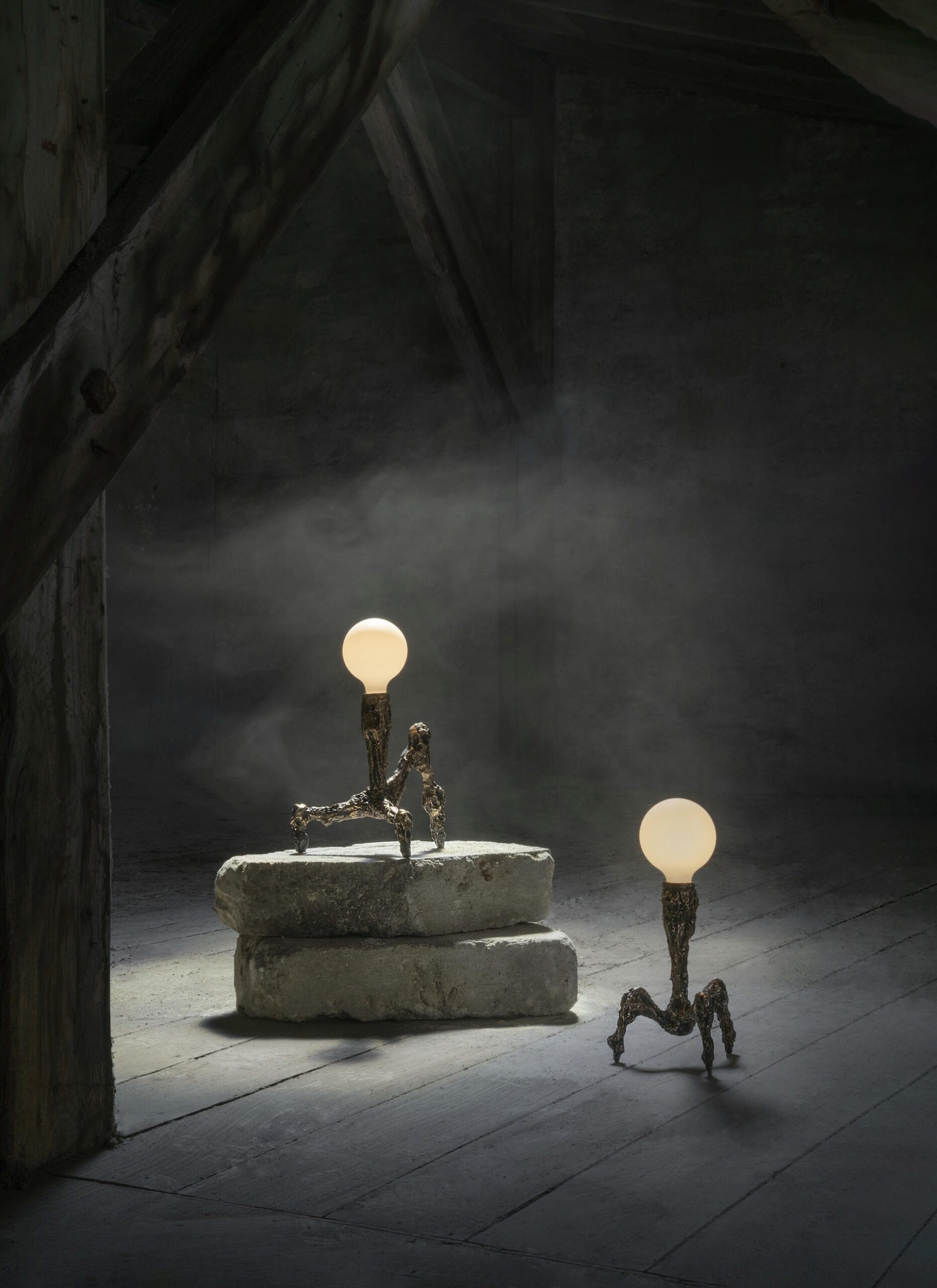
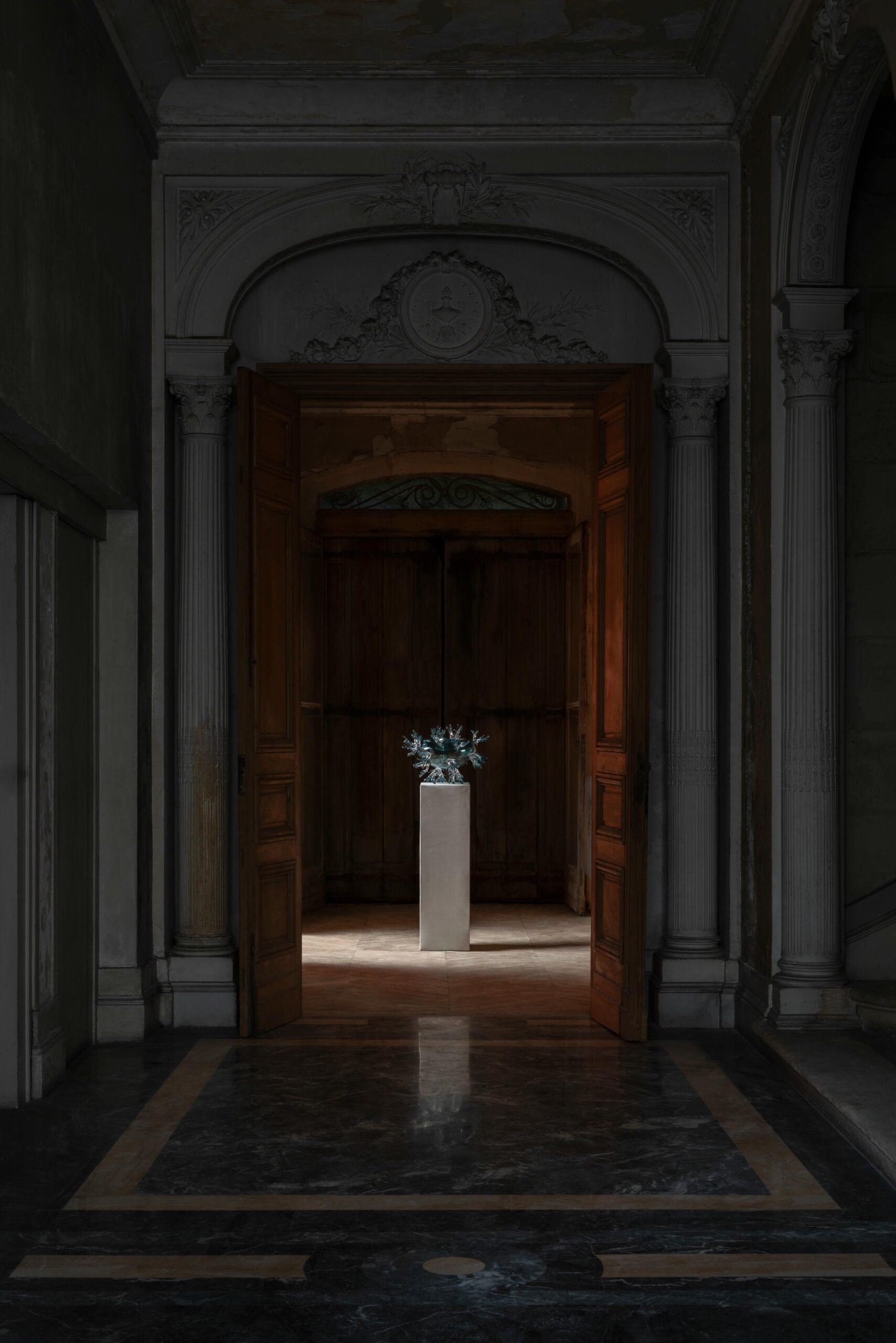
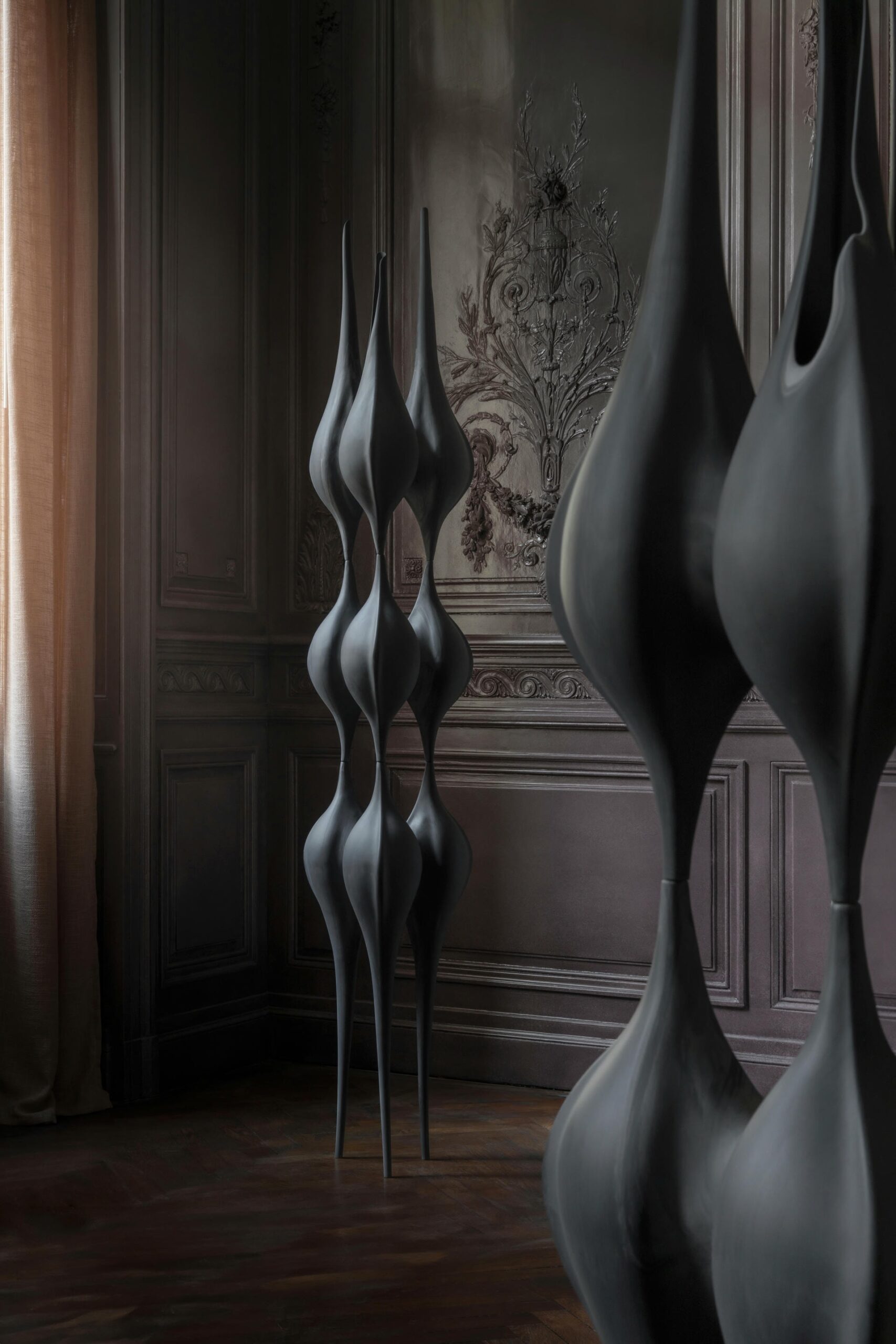
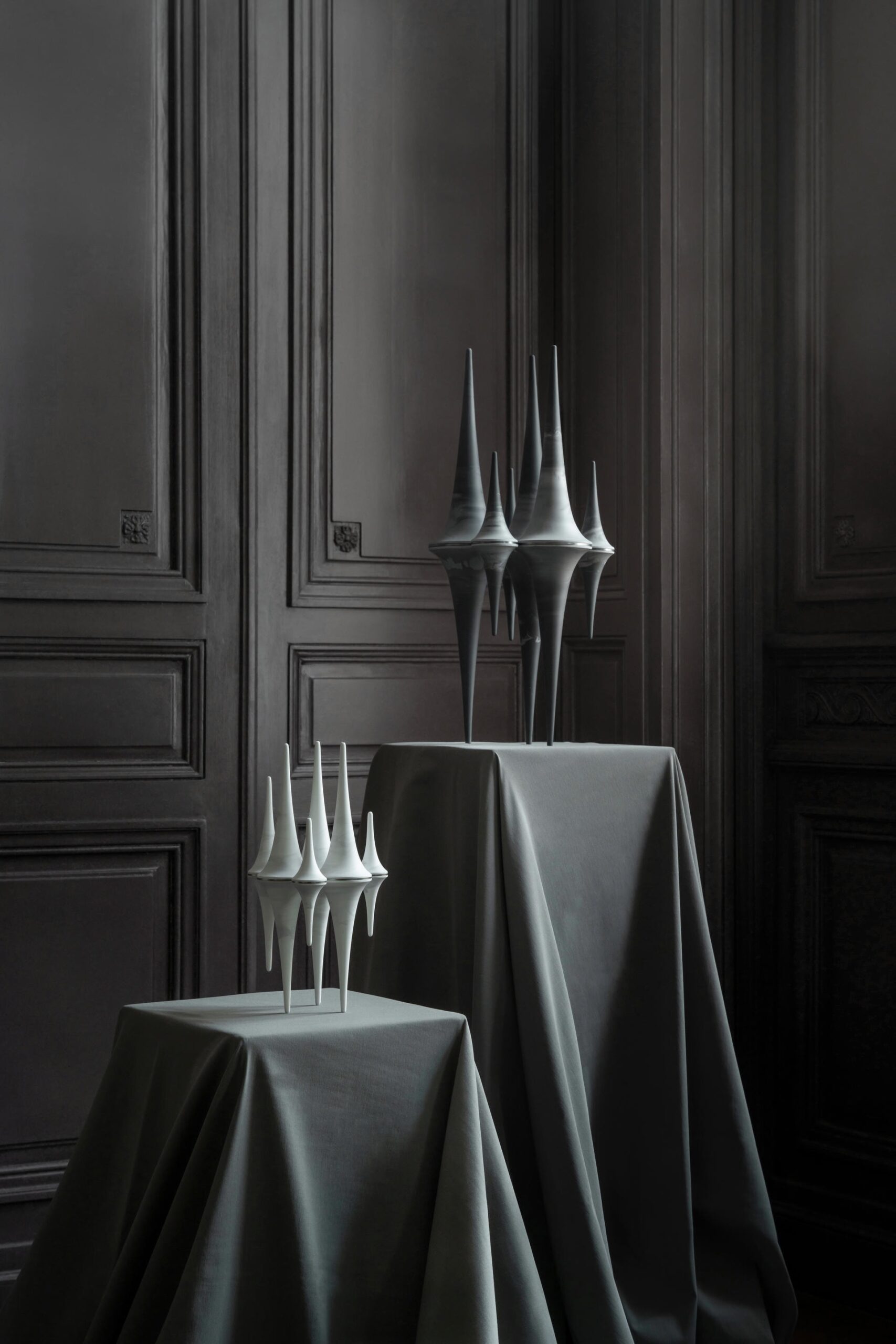
For the launch of the DRYADE collection by Emilie Lemardeley, I created a specific art direction in an old French mansion, with dark and moody lighting. It was a great challenge to orchestrate a scenography around the story of being lost in this abandoned architecture, where each piece was like a treasure that was growing new life in the space. This kind of project is precisely why I love working with unique pieces and designers; it is so fulfilling!
I am very fortunate to collaborate with people who have common or complementary visual identities; otherwise, it wouldn’t work! It’s very important for me to be true to my own style, but I’m also curious to explore new perspectives and to evolve my aesthetics. I got very lucky so far, and I am happy to continue to collaborate with super talented people.
Darkness allows me to reveal depth and texture, something that is inherently challenging to do with photography, as it is a 2-dimensional media. For me, the shadows and negative space also give the images a feeling of calm contemplation, and I use this to invite the viewer to take more time, immerse themselves in the photo, and let their imagination fill in the voids.
Well, the list is really endless; it already starts from pre-production, to arriving on set, and also during post-production, etc. I guess that the key is to identify the core intention of the exhibition and use this as a guideline throughout the whole process to coordinate the teams involved and create the images that support the initial intention. When a good team works together, and the synergy is good, you can feel it in the results.
It’s a great honour that my photographs can be considered part of the exhibition’s history.
As exhibitions are temporary, and the photos remain, that makes the challenge even more interesting: What do you want to leave behind? I always aspire to create images that are true to the exhibition, and I feel like it’s a big responsibility to archive and share it in the best way intended.
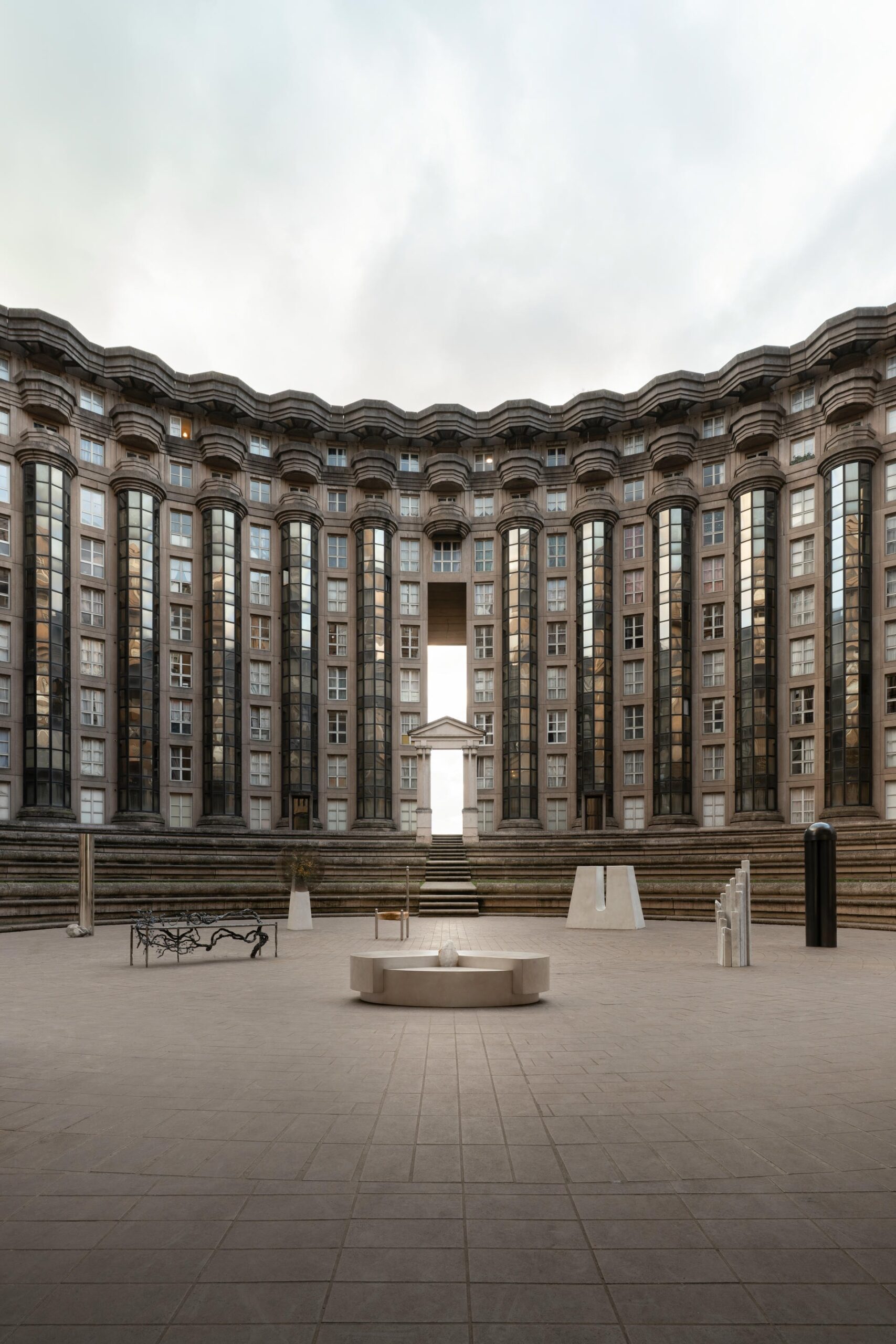
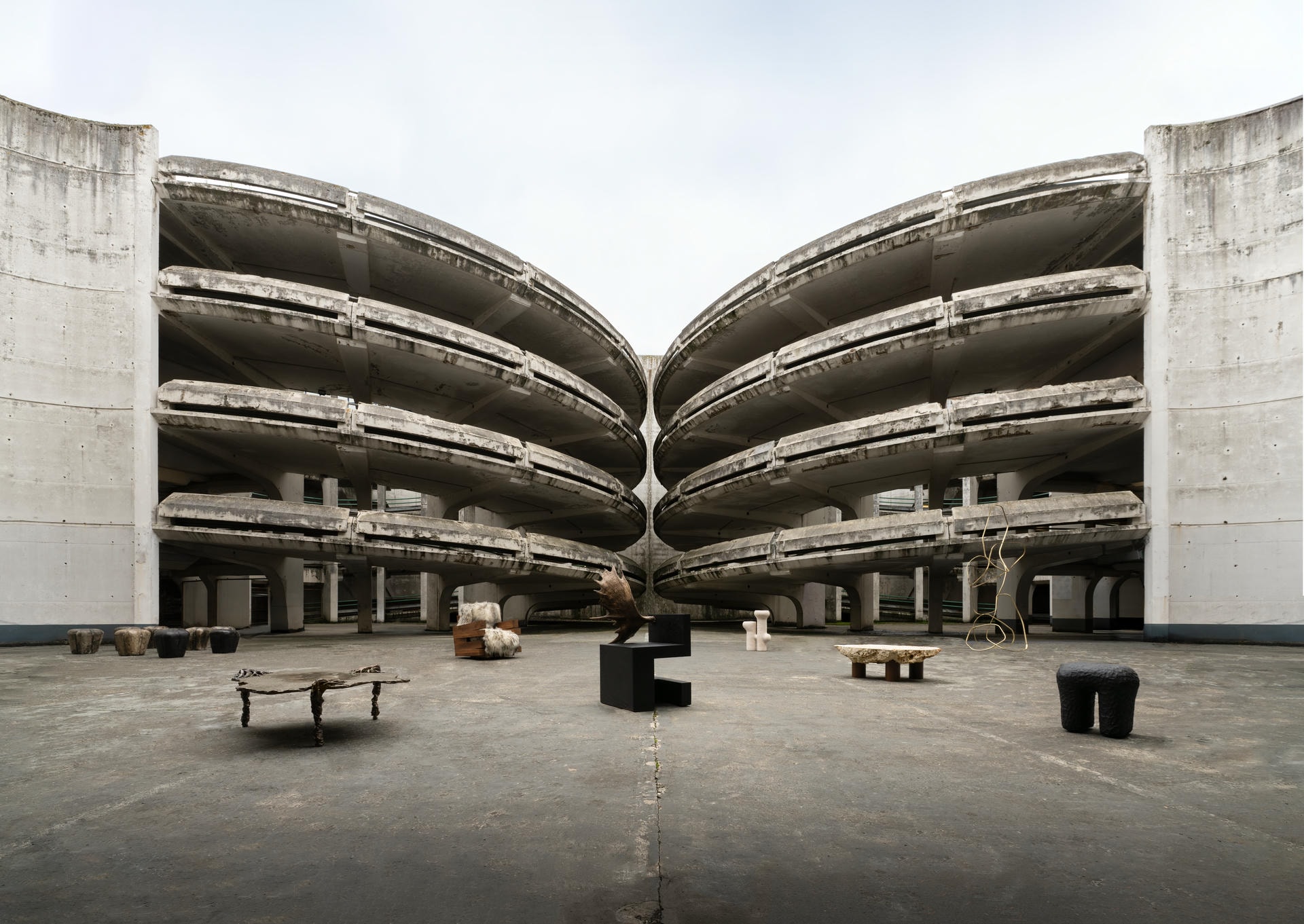
One of the best examples is the PHILIA: Strates 10 years exhibition, which took place within an iconic building by Ricardo Bofill near Paris. Here, the photography has captured something that was almost impossible to see, even for visitors. During 3 days, together with Ygael and the team, we composed many different settings of design pieces styled together around the building, indoor and outdoor, to maximise the use of this unique space. It was a crazy shoot but instantly became an iconic one for all of us.

Strates, 2025 © Studio Brinth

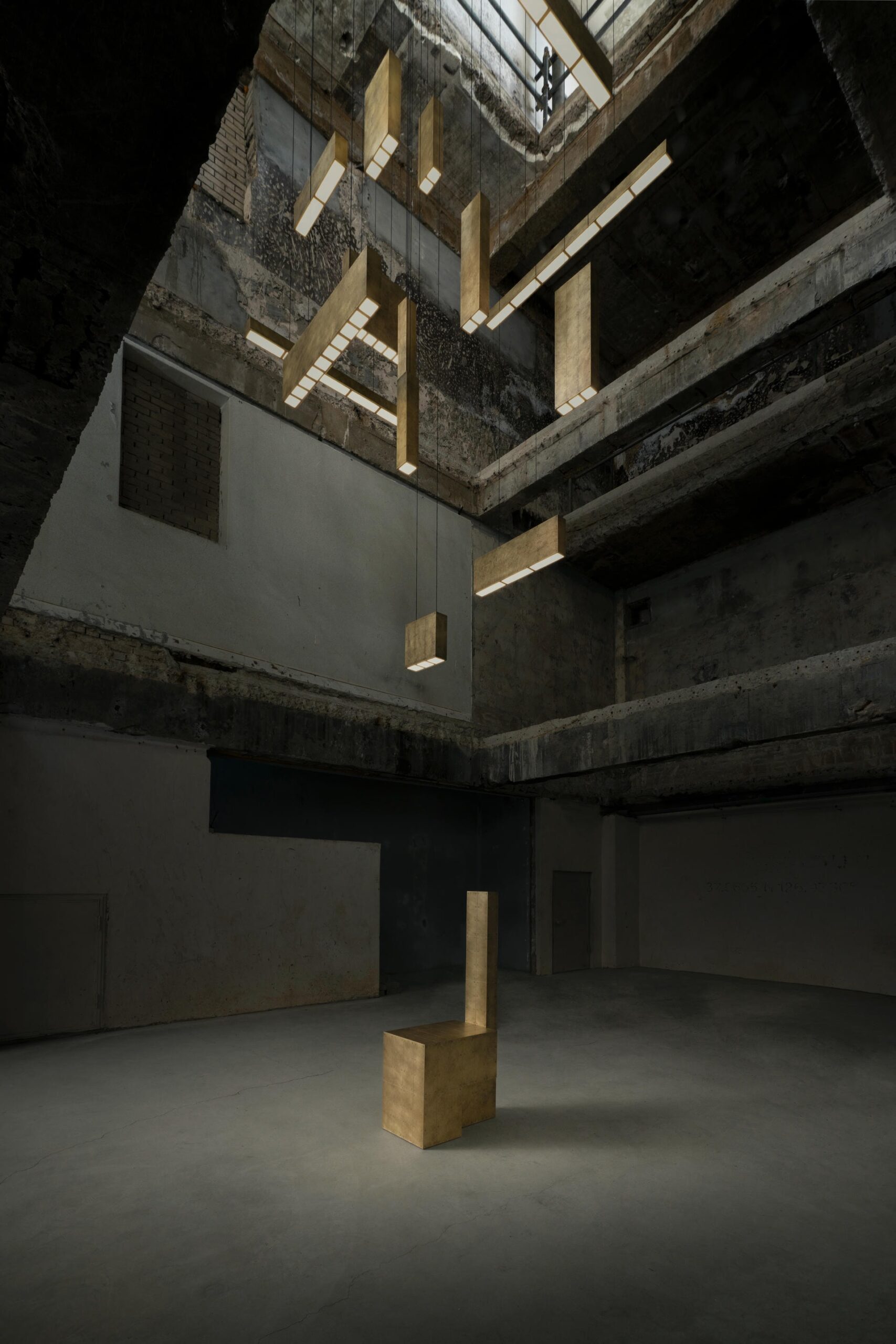
Oliver Gustav x Michèle Lamy © Studio Brinth
Oh, all the hours spent editing. Also, client communication, prep, admin, and logistics are a big part of the photography world; again, it’s probably only 10% of my time spent with a camera.
But the adventure is amazing, and I have no regrets spending the extra time on the pre- and post-production, as it is necessary to elevate the photography.
The images that really stick with me long after I’ve taken them are the ones where the narrative and emotion of the image are pure and strong. Also, I have a sweet spot for darker images with more mystery that absorb you and leave space for your mind to wander.
An image I took that I often think about was during Philia’s Desacralised exhibition in Milan in 2023. In the magnificent old church, there was an incredible light shining down from the large windows above the organs.
In the afternoon, around 3-4 pm, that light fell perfectly onto the large altar-like table by Arno-Declercq, and this was one of the moments where all the parameters aligned perfectly: light, composition, architecture, design, narrative, and everything around. This moment was truly special, and it will stick with me forever.
favorite pieces from the Philia Collection
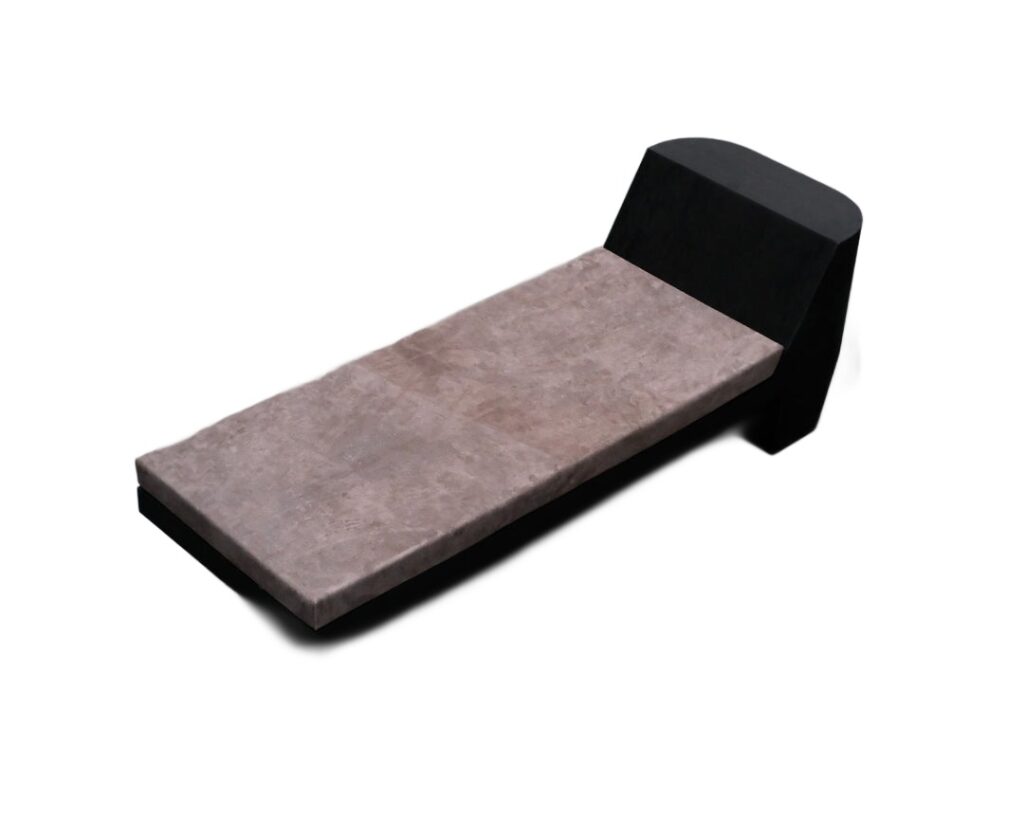
Moss Brown Formless Fiberglass Cabinet by kar
Also, Kar studio’s Formless fiberglass collection has a fascinating and satisfying materiality, that balances the soft and hard, the opaque and transparent.
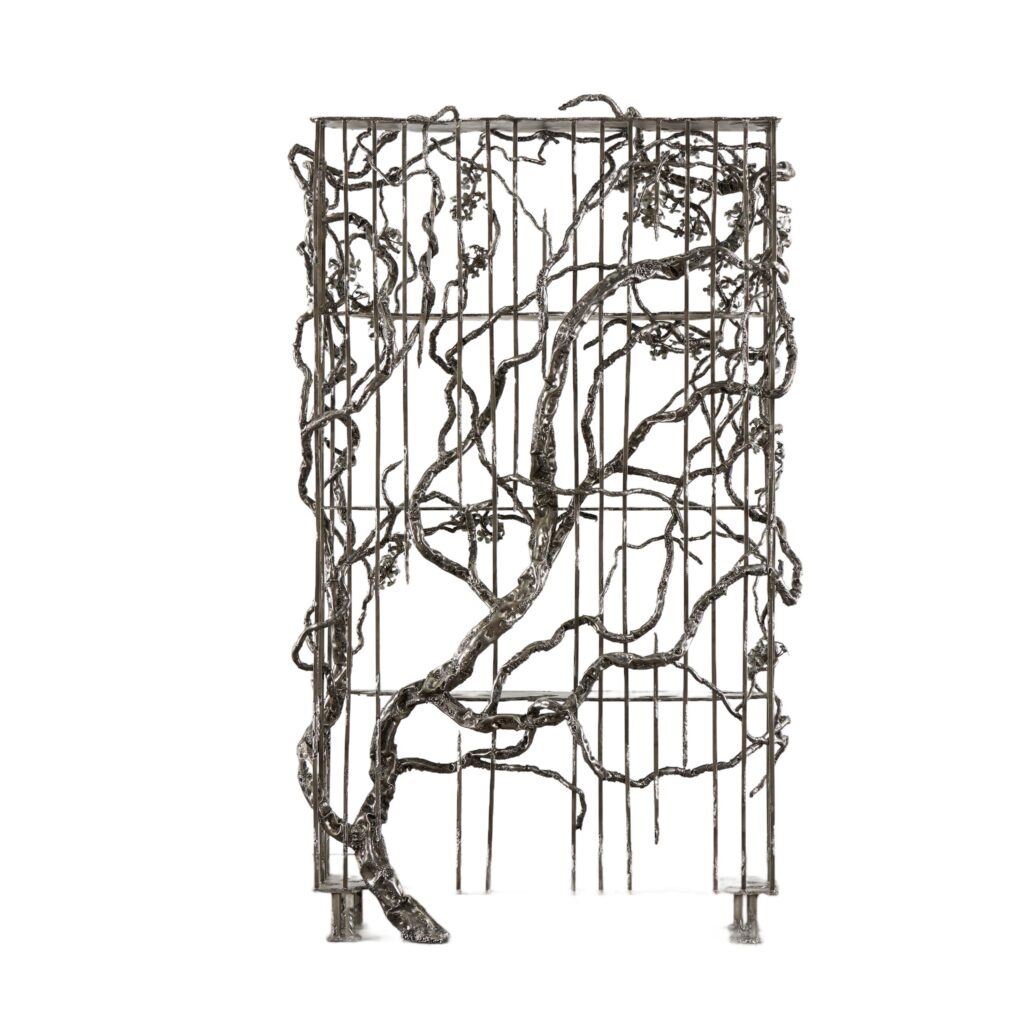
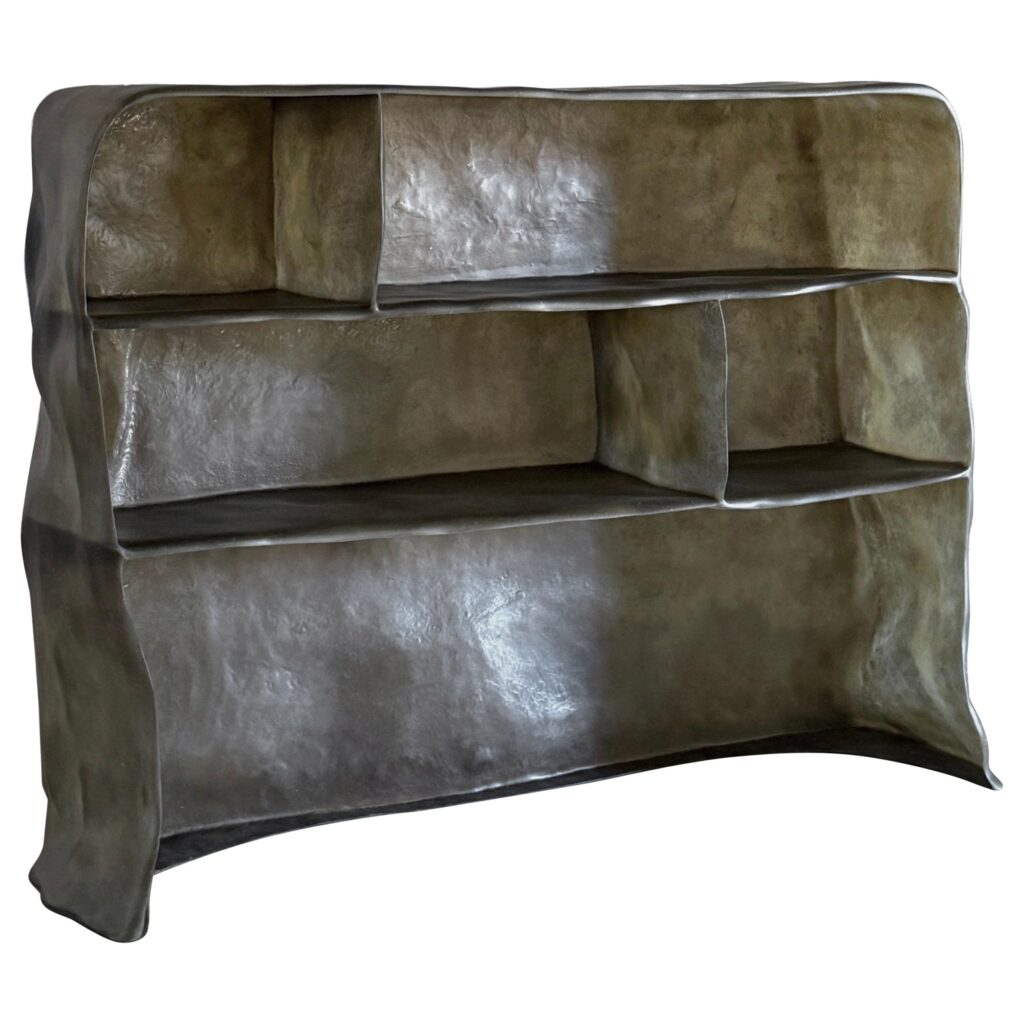
I Found You In The Forest Dreaming Shelves by Michael Gittings
Finally, I’m going with Michael Gitting’s wild and organic metal work that is so naturally mesmerising.
Thank you so much Jacob, for this lovely interview!
Share article :
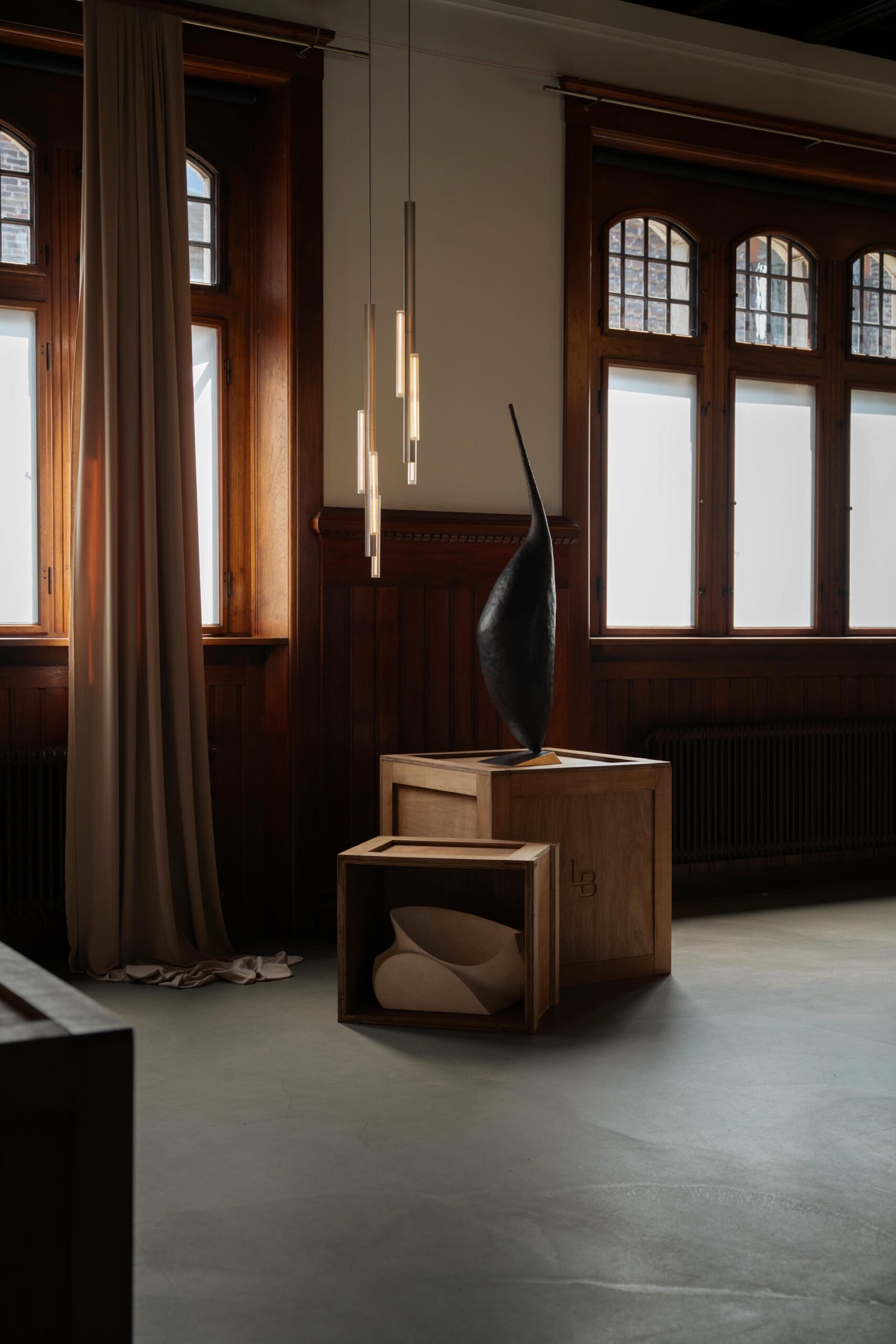
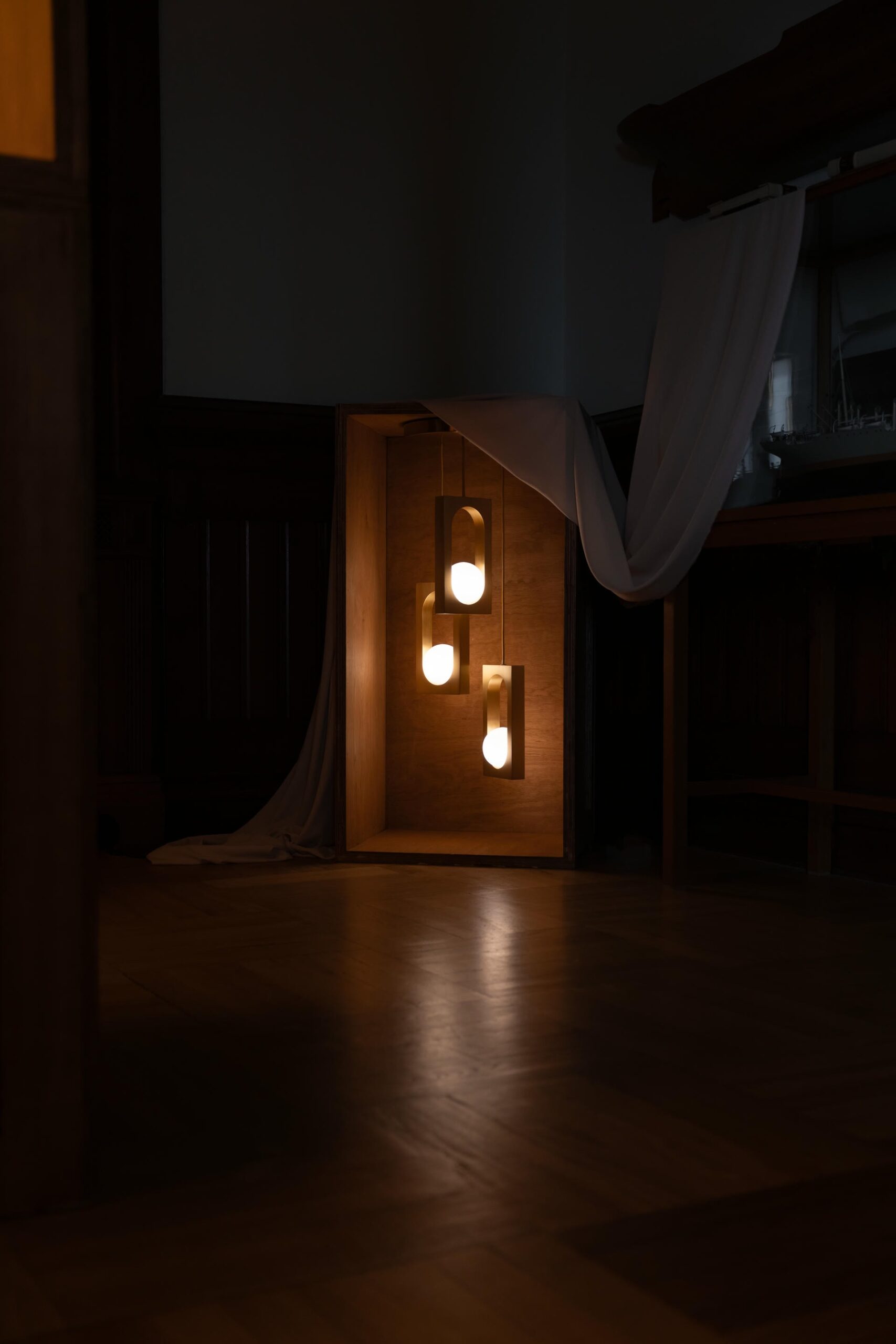
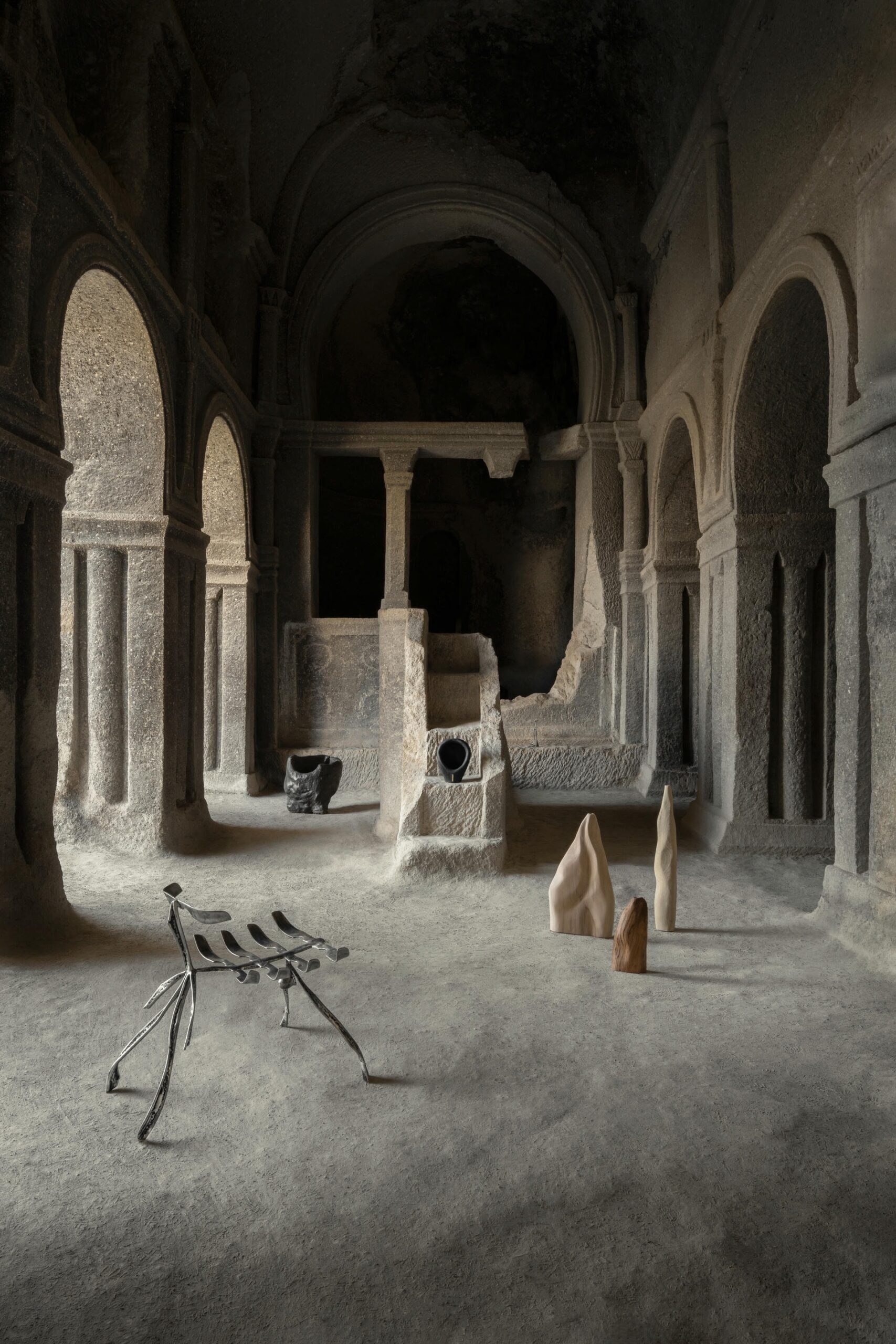
I would have to choose a Rick Owens piece that represents the Avant-Garde brutalist furniture movement.