
Lauren Li – Sisällä Interior Design
Lauren Li is a Melbourne-based interior designer behind Sisällä, a studio whose name—Finnish for “inside”—reflects her heritage. Her practice centres on creating personal, considered interiors that respond to the lives, memories and aspirations of their inhabitants. Through thoughtful combinations of colour, texture and spatial planning, she balances elegance with the practical needs of everyday life.
Her work spans new builds, renovations and furnishing projects, developed in collaboration with architects, builders and craftspeople. Alongside her design practice, Li mentors fellow designers through The Design Society and specialist software training. She is also the author of The New French Look (2023) and Beachside Modern (2024).
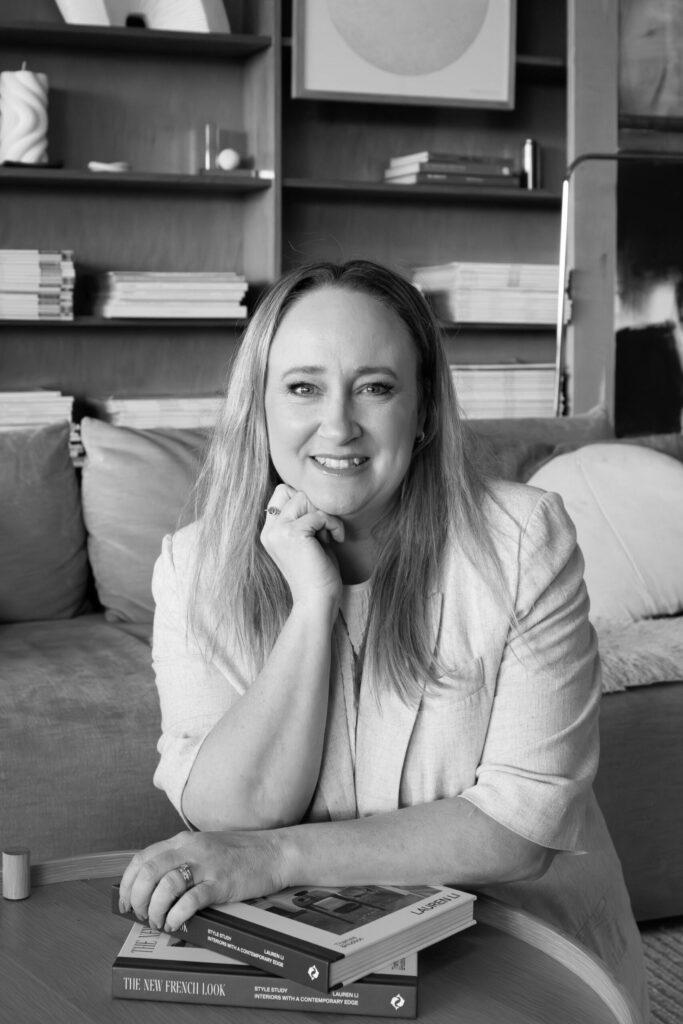
“Spend less time trying to find your style and more time finding your voice.”
INTERVIEW

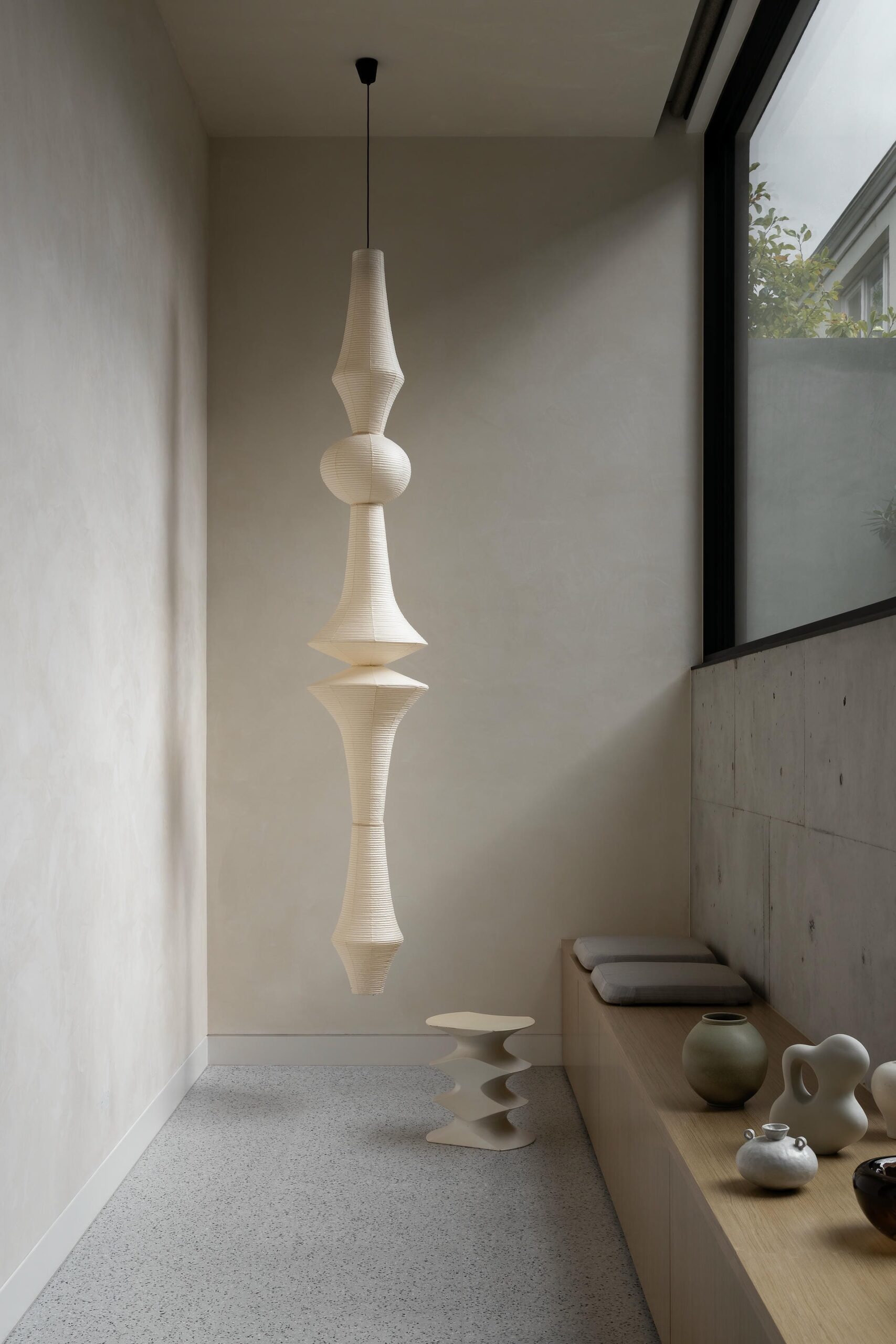
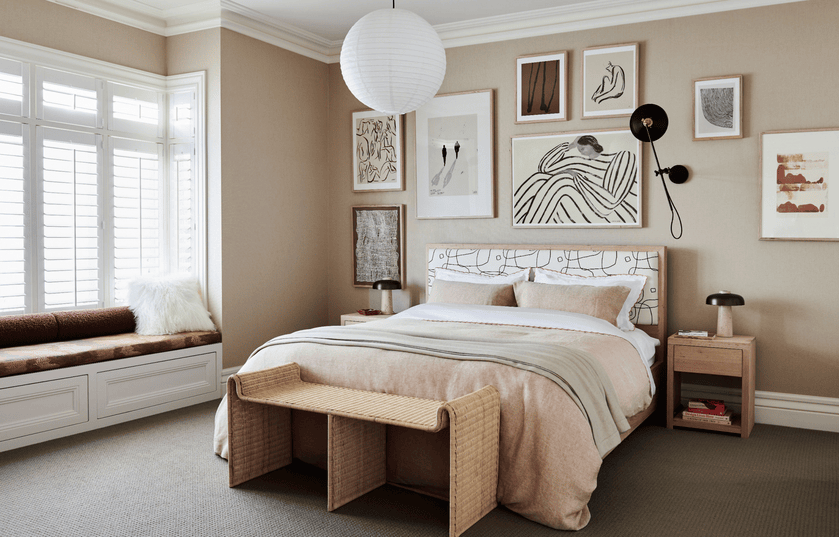
Gallery House © Timothy Kaye
My journey into interior design has been remarkably linear and probably a little boring! It followed the classic path that many designers describe: as a child, I was forever rearranging my bedroom furniture, building with Lego and obsessing over how spaces felt. After finishing high school, I went straight into studying an Advanced Diploma of Interior Design and Decoration at RMIT, one of Australia’s most respected design programs. I then completed a Bachelor of Arts (Interior Design), bringing my total time at university to six years.
While studying, I worked in an architectural practice as a student, then continued there as a graduate and later as an interior designer. Eventually, when I went on maternity leave, I took the leap and started my own practice, Sisällä Interior Design. Looking back, there were no dramatic career pivots or accidental discoveries, it was simply the career I’d always imagined for myself.
The defining moment came right at the beginning of my career. After completing my first project, I invested in professional photography and entered it into the Australian Interior Design Awards. To my surprise, it was shortlisted and went on to receive some wonderful media coverage.
My second project, completed while I was on maternity leave with my second child, was also shortlisted and published both in Australia and internationally. Those early projects gave my young studio credibility and taught me the value of documenting and sharing your work. Fifteen years later, professional photography and publishing continue to be an important part of building my business.
For me, they’re two different questions. Successful interior design is all about the client. Early in my career, I thought success meant awards and magazine features, but over time I’ve realised it’s much more rewarding to see clients genuinely enjoying the homes we’ve created together. Great design comes from collaboration with the client, the builder, the trades and everyone involved in bringing a project to life.
Business success has evolved too. I used to think a successful studio meant having a large team, but I’ve discovered I enjoy keeping my practice intentionally small and working closely with my clients. It allows me to stay connected to the creative work I love. Running a business still requires wearing many hats, so having trusted people around you: an accountant, legal advisors, suppliers, and consultants is invaluable. Ultimately, success isn’t about the size of your business; it’s about creating one that supports the life you want to live. For me, that means flexibility, time with my family, and doing work that I genuinely enjoy. And if I can squeeze in an afternoon nap one day, I’ll know I’ve really made it!
Every project starts with the client rather than a style. I want to understand how they live, what they value, and how they want to feel in their home. Sometimes the inspiration comes from a favourite artwork, a family heirloom, a memorable hotel, or even music. It’s never about recreating an image from Pinterest, rather, it’s about creating a home that feels authentic to the people who live there. The design grows from their story, not from trends.

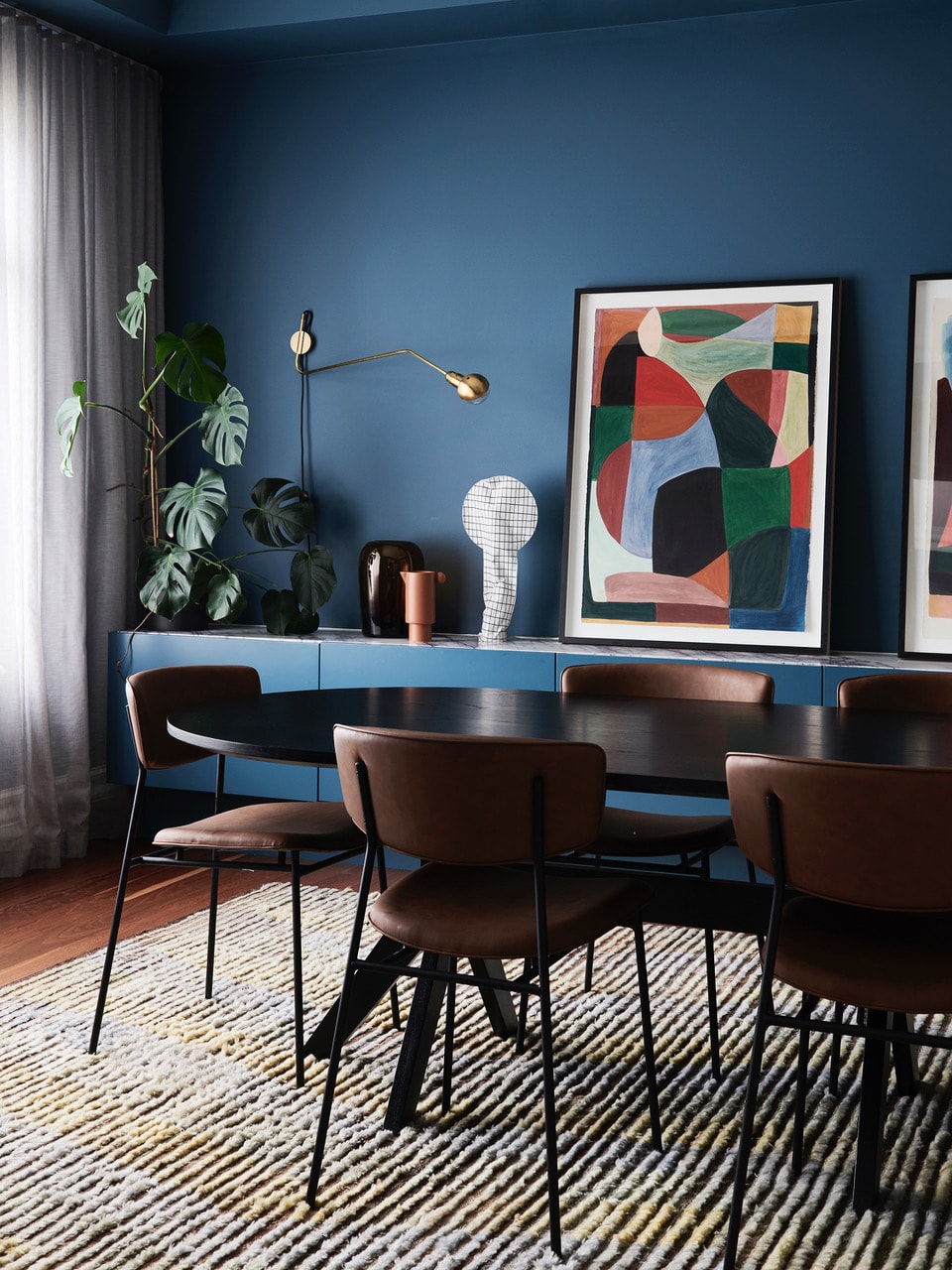
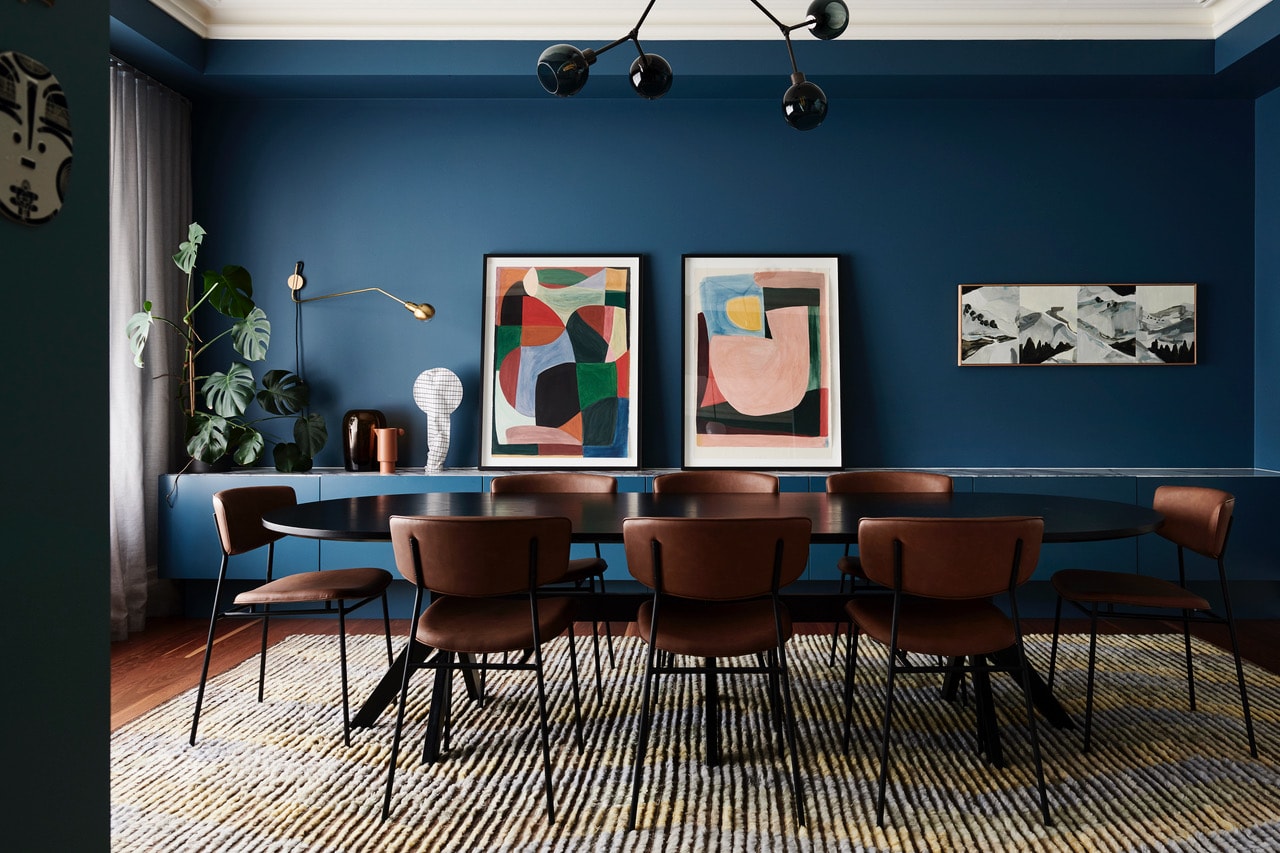
Camberwell © Eve Wilson

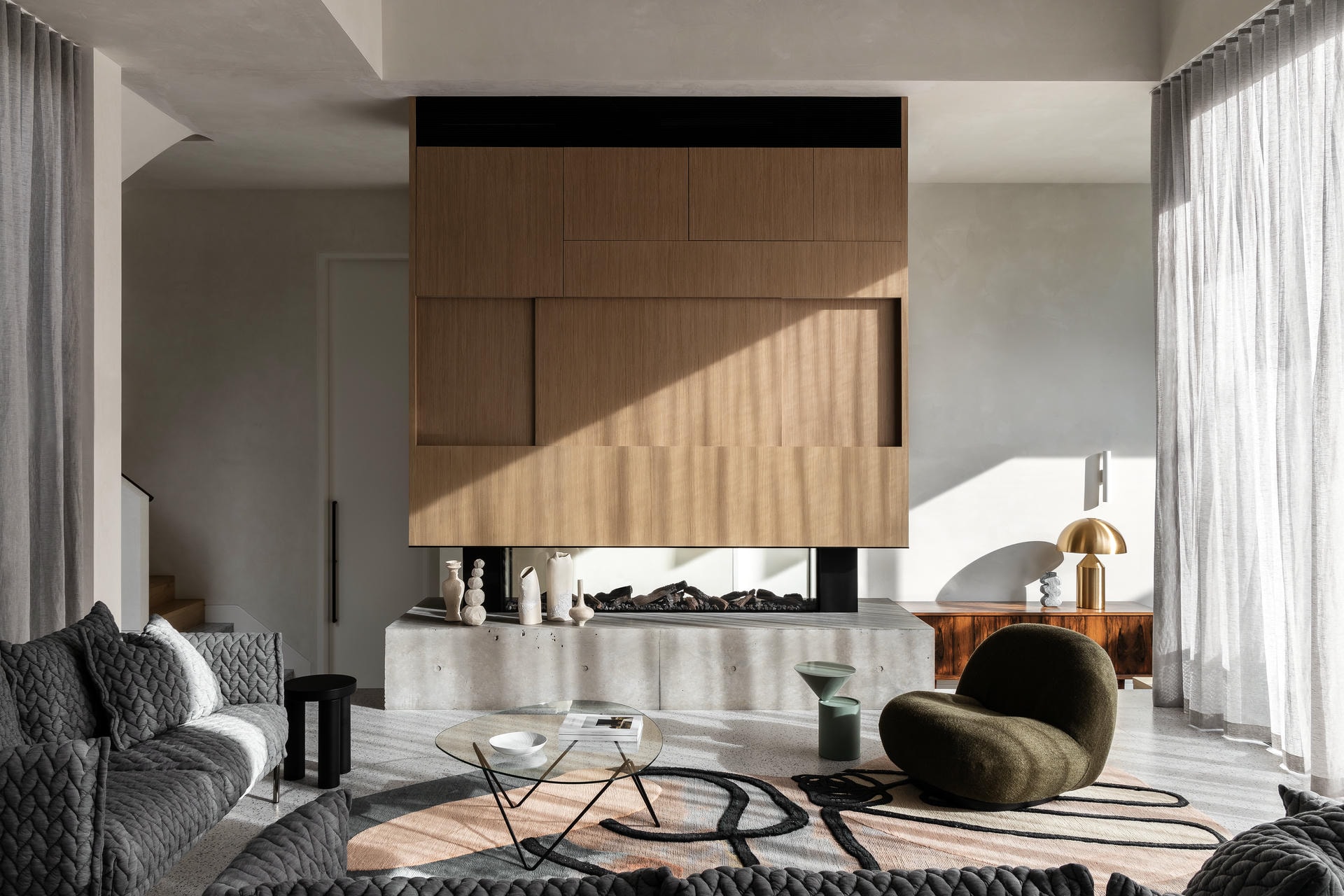
Gallery House © Timothy Kaye
I’ve never wanted people to walk into one of my projects and recognise *my* style, I want them to recognise the client.
That said, I’m drawn to French interiors for their effortless mix of antiques and everyday living, and Scandinavian design for its timeless simplicity.
I also believe every home should respond to its surroundings, whether that’s the coast, the city or the countryside. Above all, I like homes that feel collected, warm, and full of personality, with a little sense of whimsy.
My favourite projects are usually the ones I’m working on now. I’m currently designing a family home where the focus isn’t just on making it beautiful but on creating spaces that bring people together, like a generous banquette dining area designed for long conversations and everyday family life.
Another project on the Mornington Peninsula is for empty nesters, with every room thoughtfully designed so their adult children will always want to come home. Those are the projects I love most, designing around relationships rather than just rooms.
One of the biggest lessons I’ve learnt is that being a good designer is only half the job. Running a successful studio also requires skills in business, marketing, and finance.
I’m naturally drawn to the creative side, while my husband manages much of the procurement and business operations. Learning to focus on my strengths and ask for help with the rest has been invaluable. I’ve also realised that sharing ideas and building an audience is just as important as creating beautiful projects.
Early in my career, a director at Hayball Architects told me that a resilient business should never rely on a single source of work. That advice has stayed with me.
Alongside my interior design studio, I mentor designers through The Design Society, write books and articles, speak at industry events, and collaborate with brands. Having a diverse business has not only created resilience but has also kept me creatively inspired.
Spend less time trying to find your style and more time finding your voice. The best designers have a clear point of view, not because they follow trends, but because they know what they love and what they stand for. Keep learning, stay curious, and remember that if you want to run your own practice, understanding business is just as important as understanding design.

Claremont Penthouse © Eve Wilson
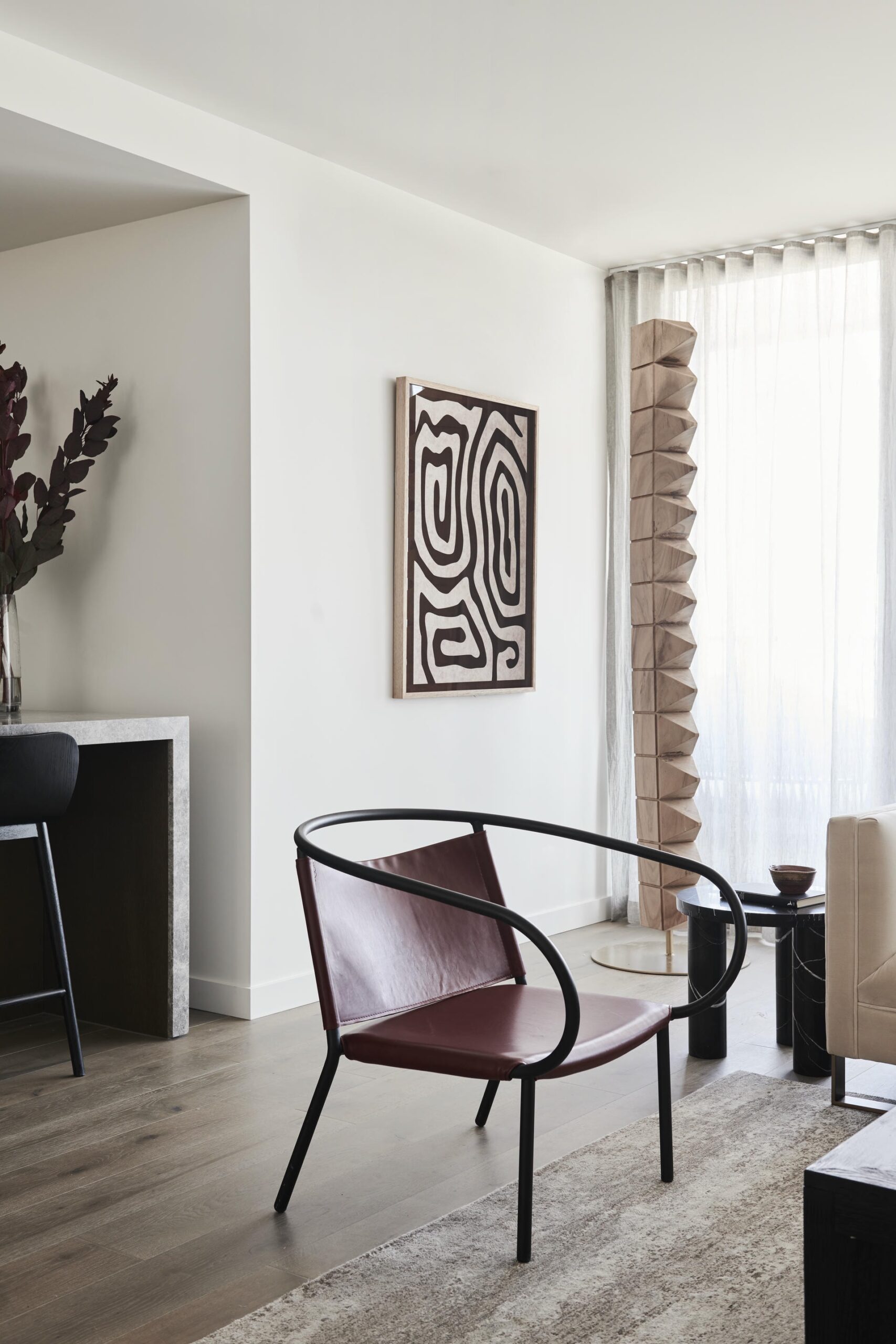
Gallery House © Timothy Kaye
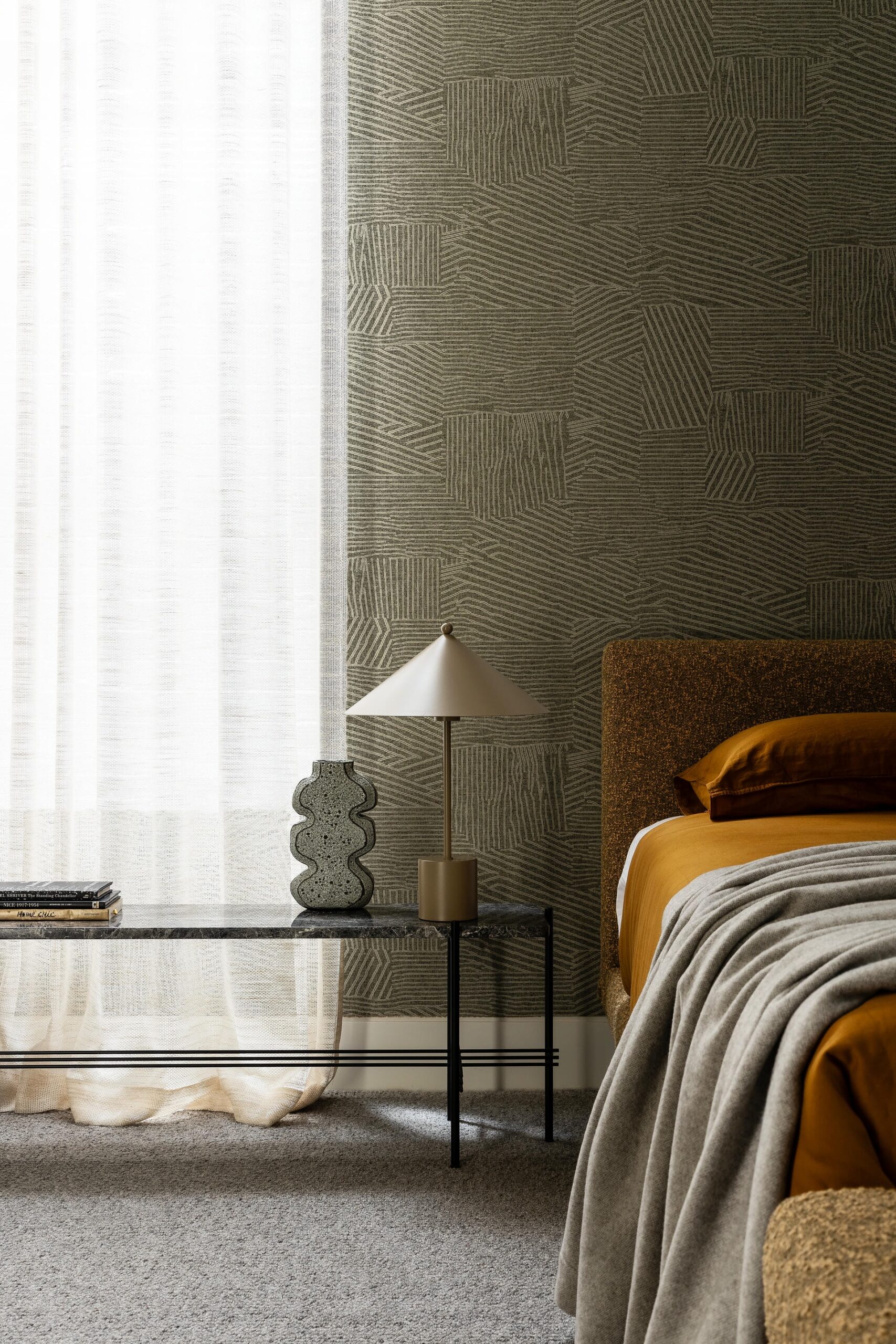
I often recommend This Is Marketing and The Practice by Seth Godin. Both offer great insights into building meaningful creative work and attracting the right clients. I also enjoyed You Are a Badass at Making Money by Jen Sincero for its refreshing take on money mindset.
I’m also lucky enough to co-host the Design Anatomy podcast with Bree Banfield, where we interview designers and creatives and explore how thoughtful design can improve the way we live.
Turn off your downlights. Lighting is one of the easiest and most affordable ways to transform a home. Layer table lamps, floor lamps, wall lights, and pendants to create warmth and atmosphere instead of relying on overhead lighting. Beautiful lighting changes not just how a room looks, but how it feels.
One of the projects I’m most excited about is our annual Paris and Milan Design Tour, which I host with my Design Anatomy co-host, Bree Banfield.
Each April, we take a small group of designers behind the scenes of Milan Design Week and into some of Europe’s most inspiring homes, galleries, and showrooms. We visit collectible design galleries, including Gallery Philia, and see the work of designers such as Draga & Aurel, Studiopepe, and Rick Owens in Milan. It’s an unforgettable experience that combines world-class design with incredible people and lifelong inspiration.
favorite pieces from the Philia Collection
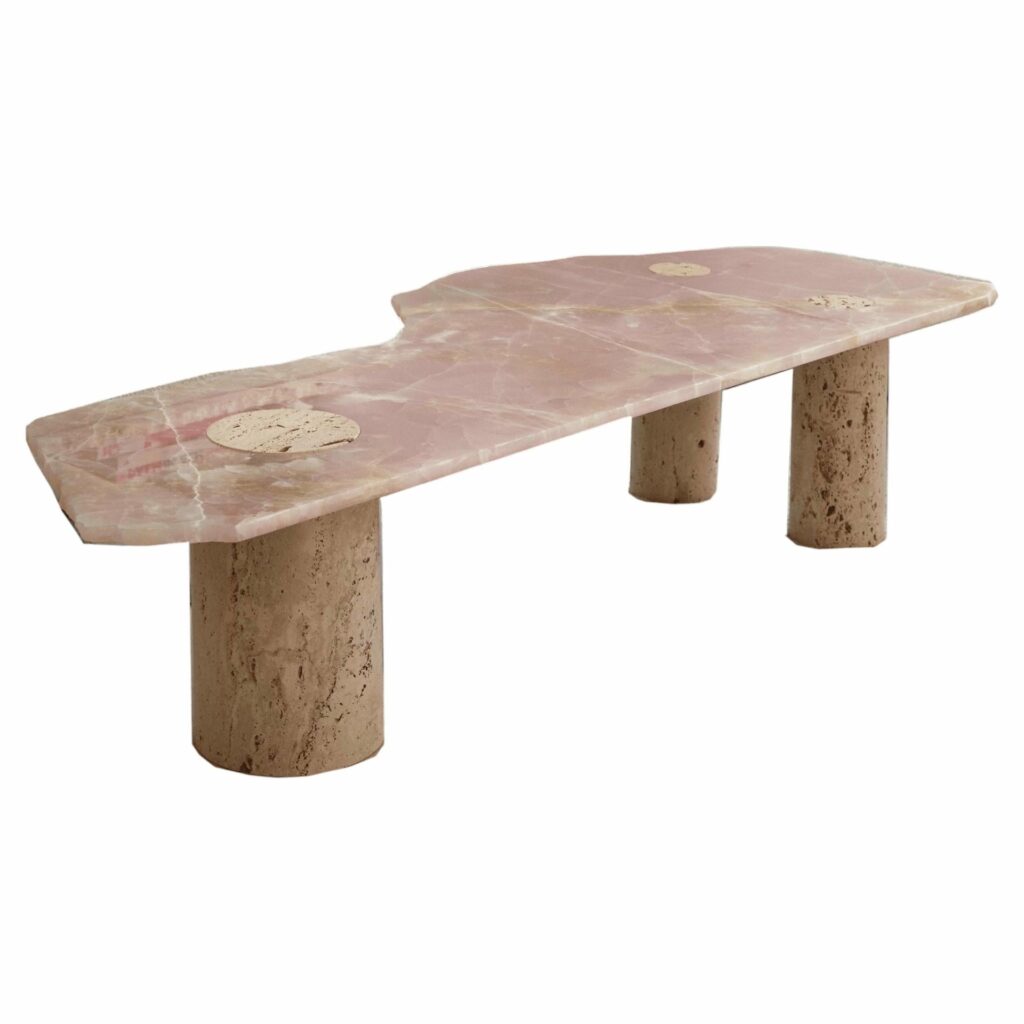
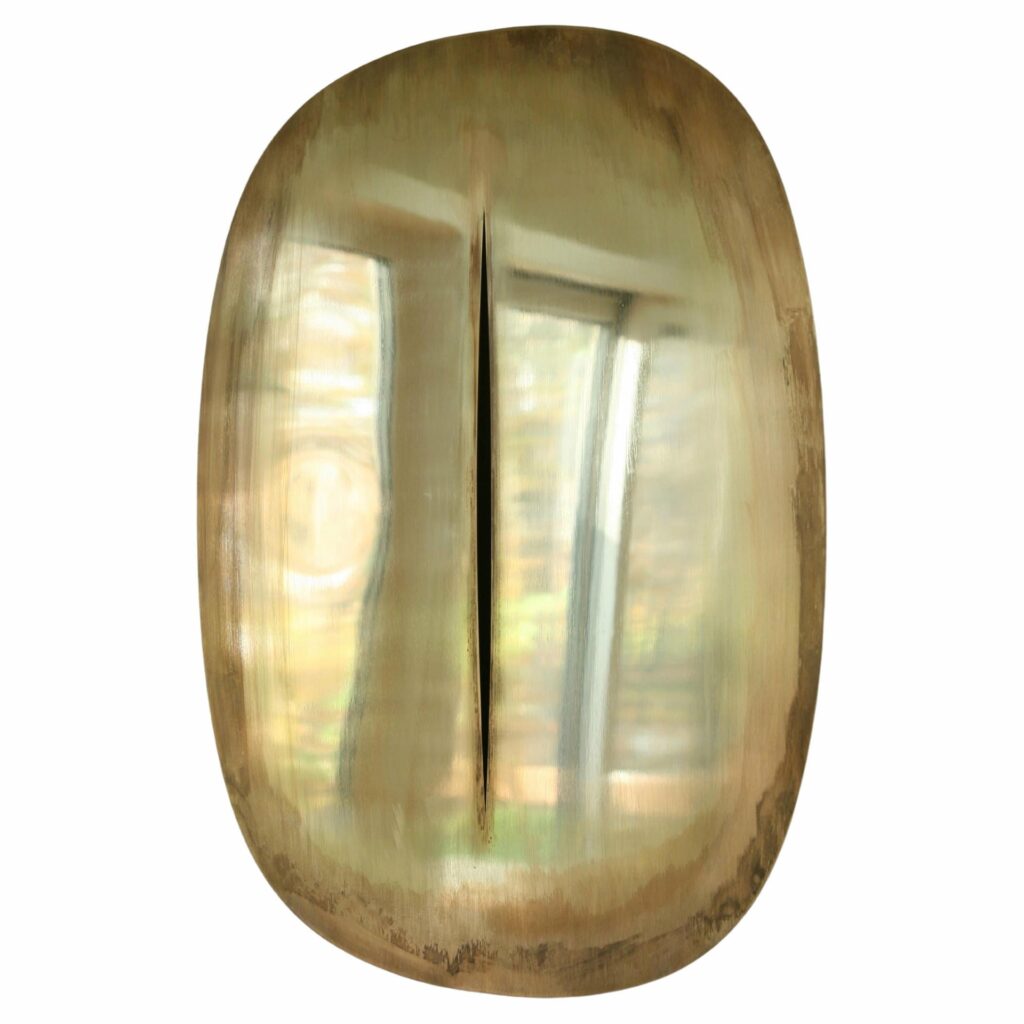
Slit Mirror by Phillip Jividen
This mirror is functional art and the warmth the gold would bring to a space.
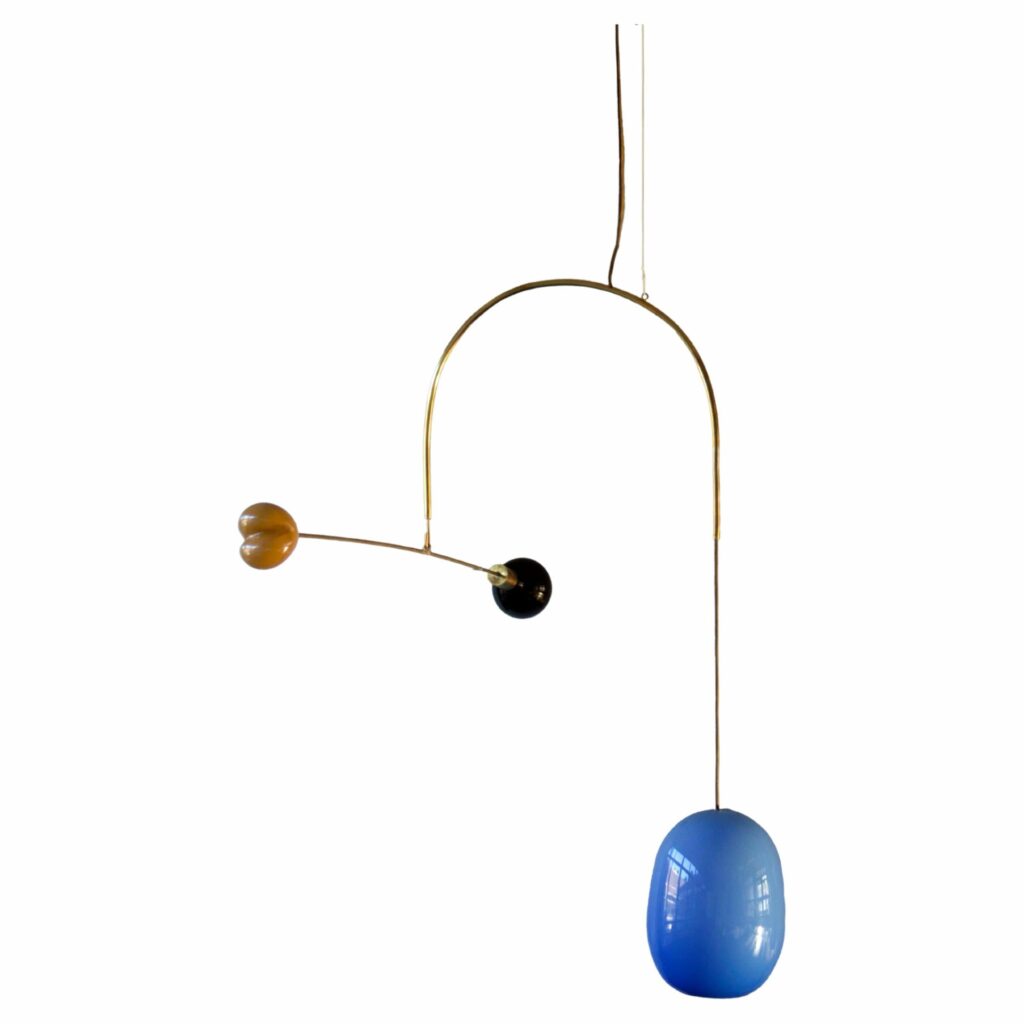
Sculptural Light No. 72 by Milla Vaahtera
This light is so elegant and would look beautiful when the light is on and also when turned off.
Thank you so much Lauren, for this lovely interview!
Share article :
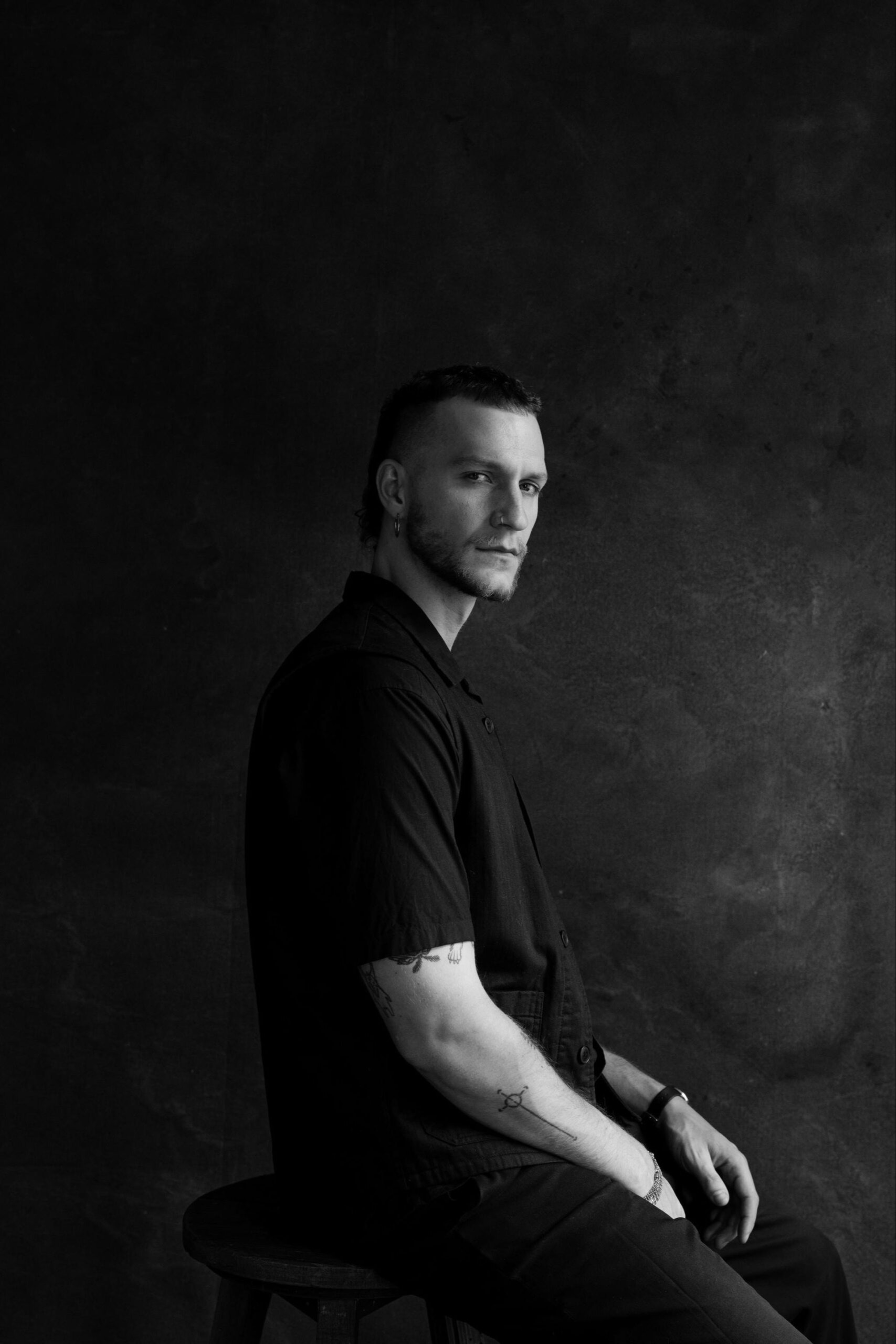
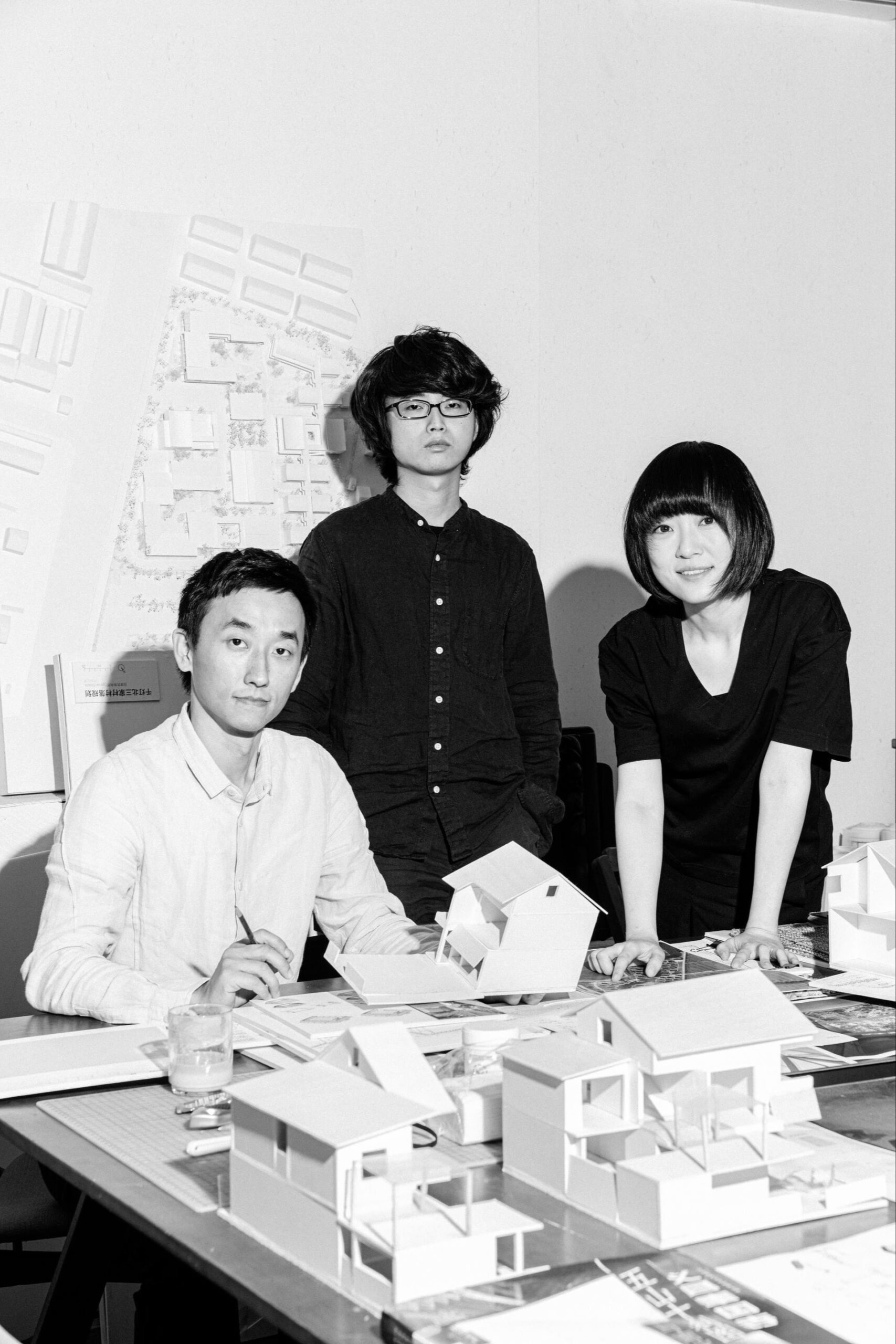
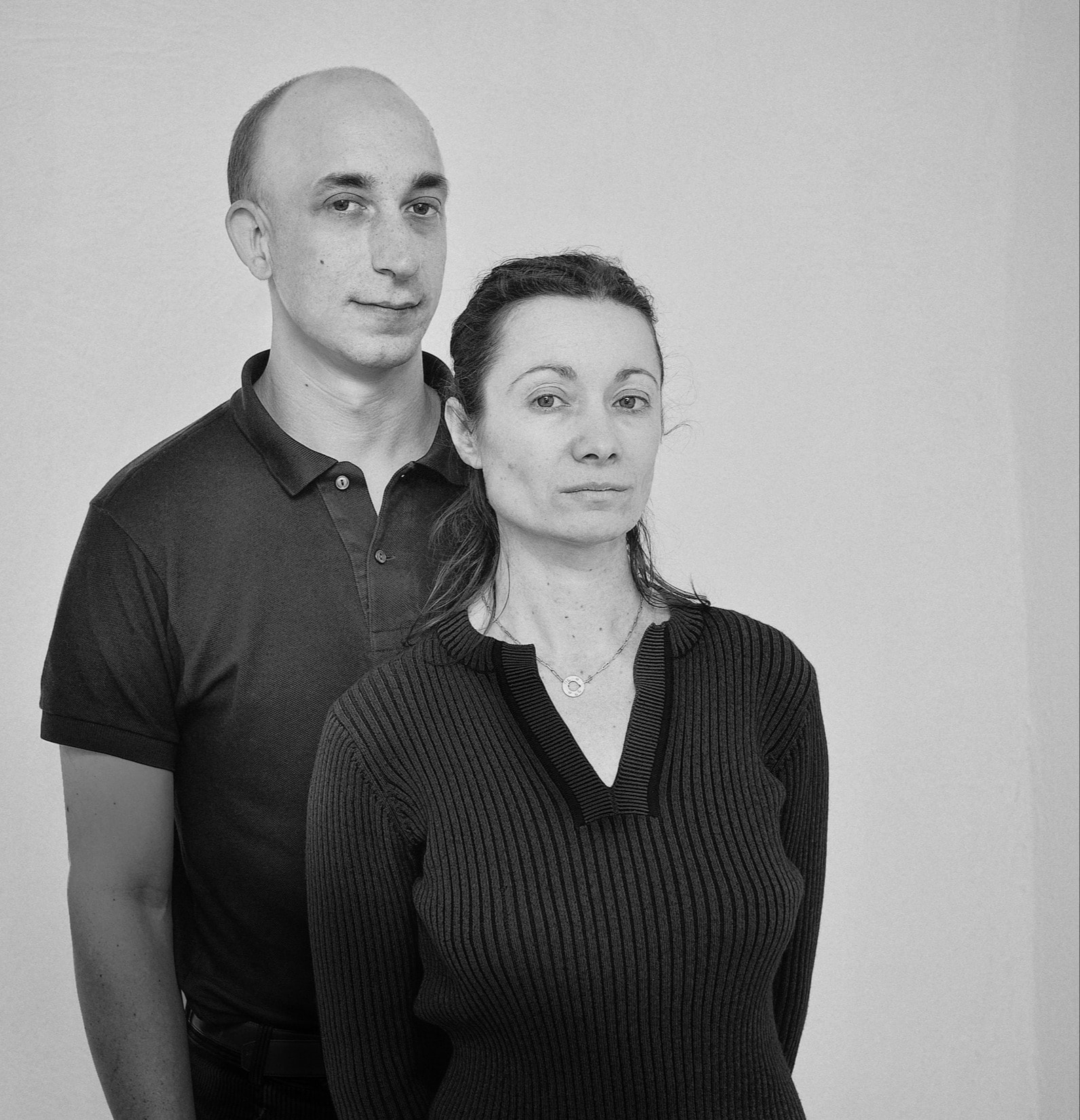
This piece is a unique shape to add a dynamic tension and would suit my projects as living areas can be large and the combination of marble, stone, onyx and travertine are beautiful.