Federico Stefanovich
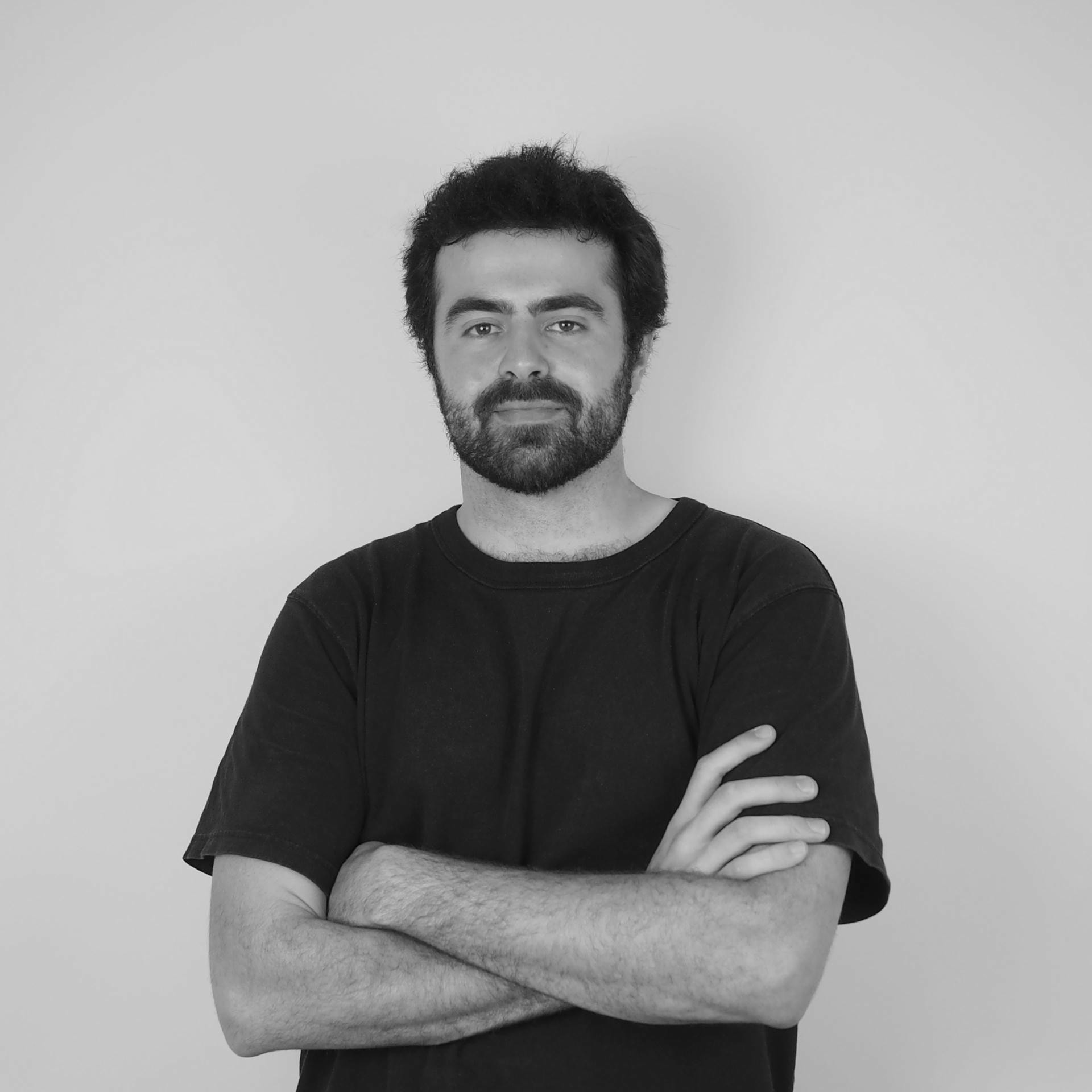
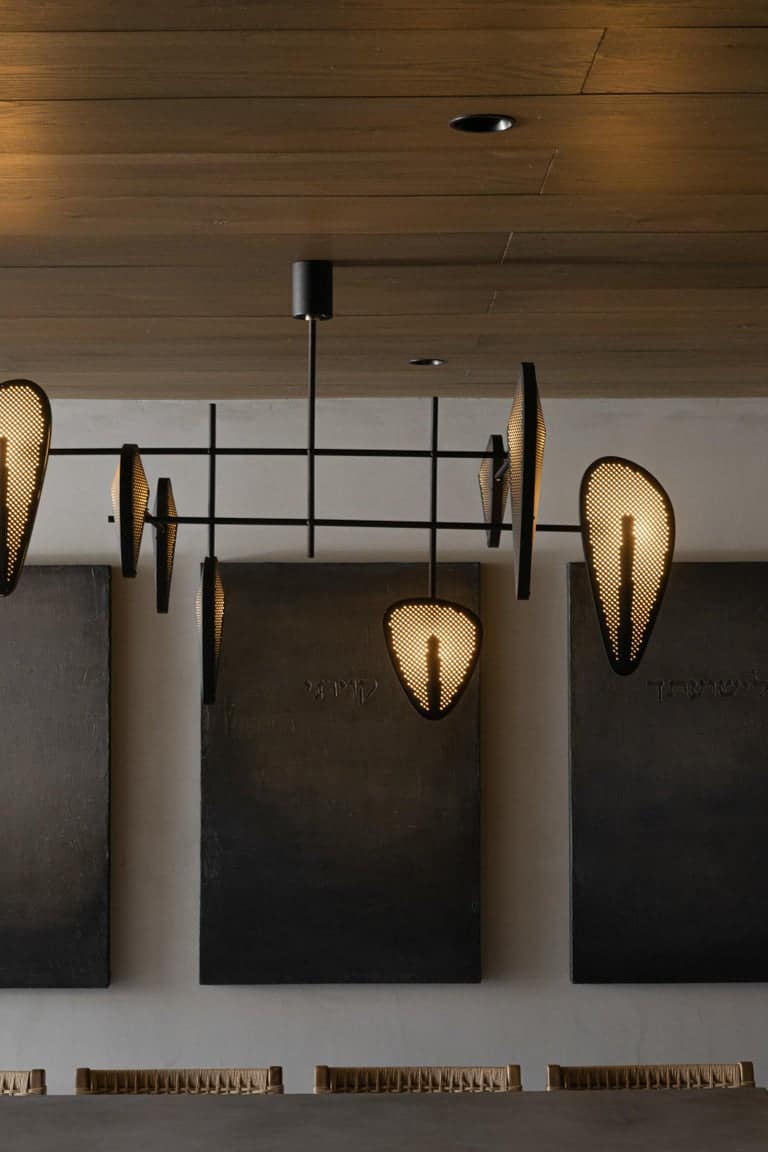
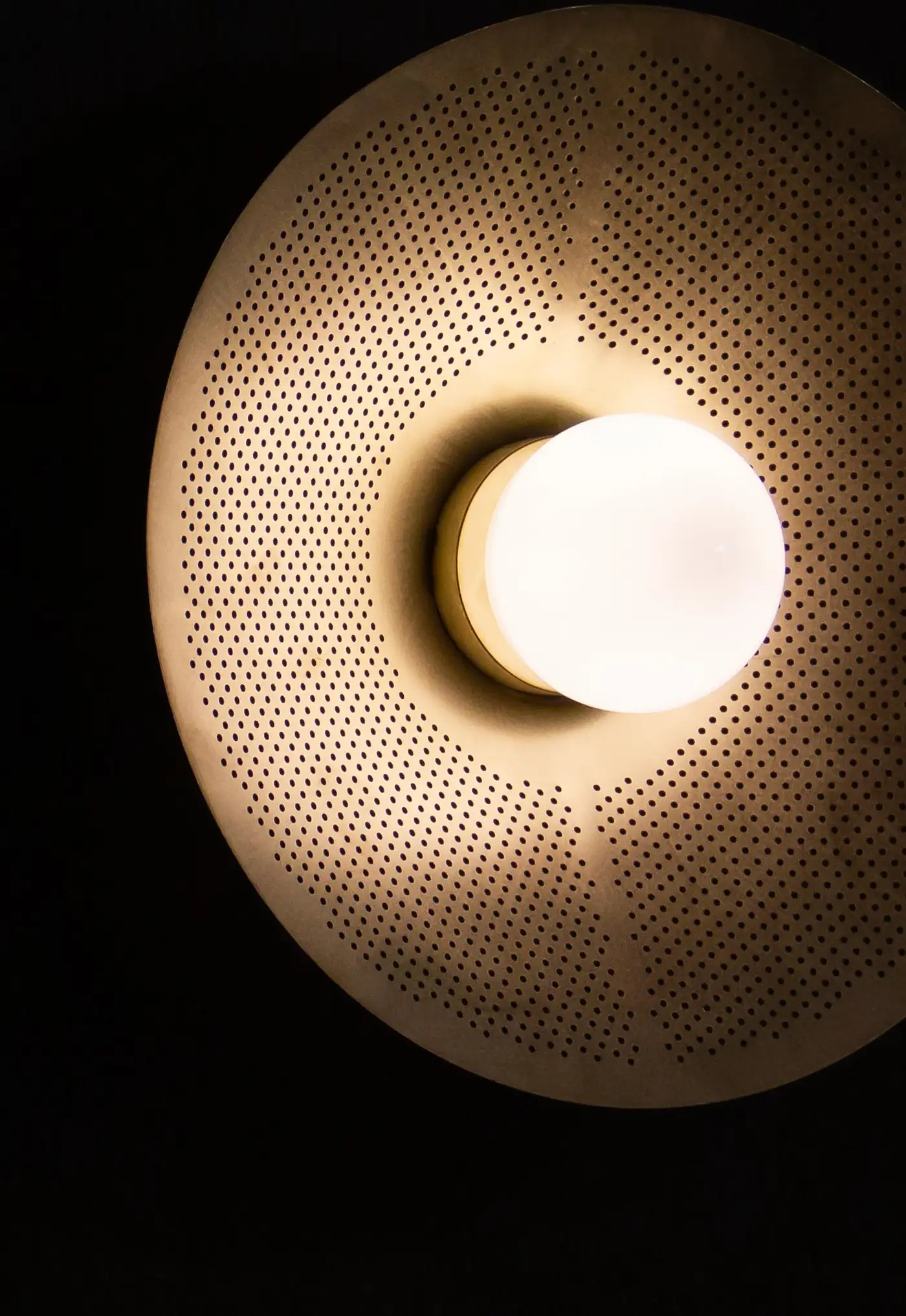
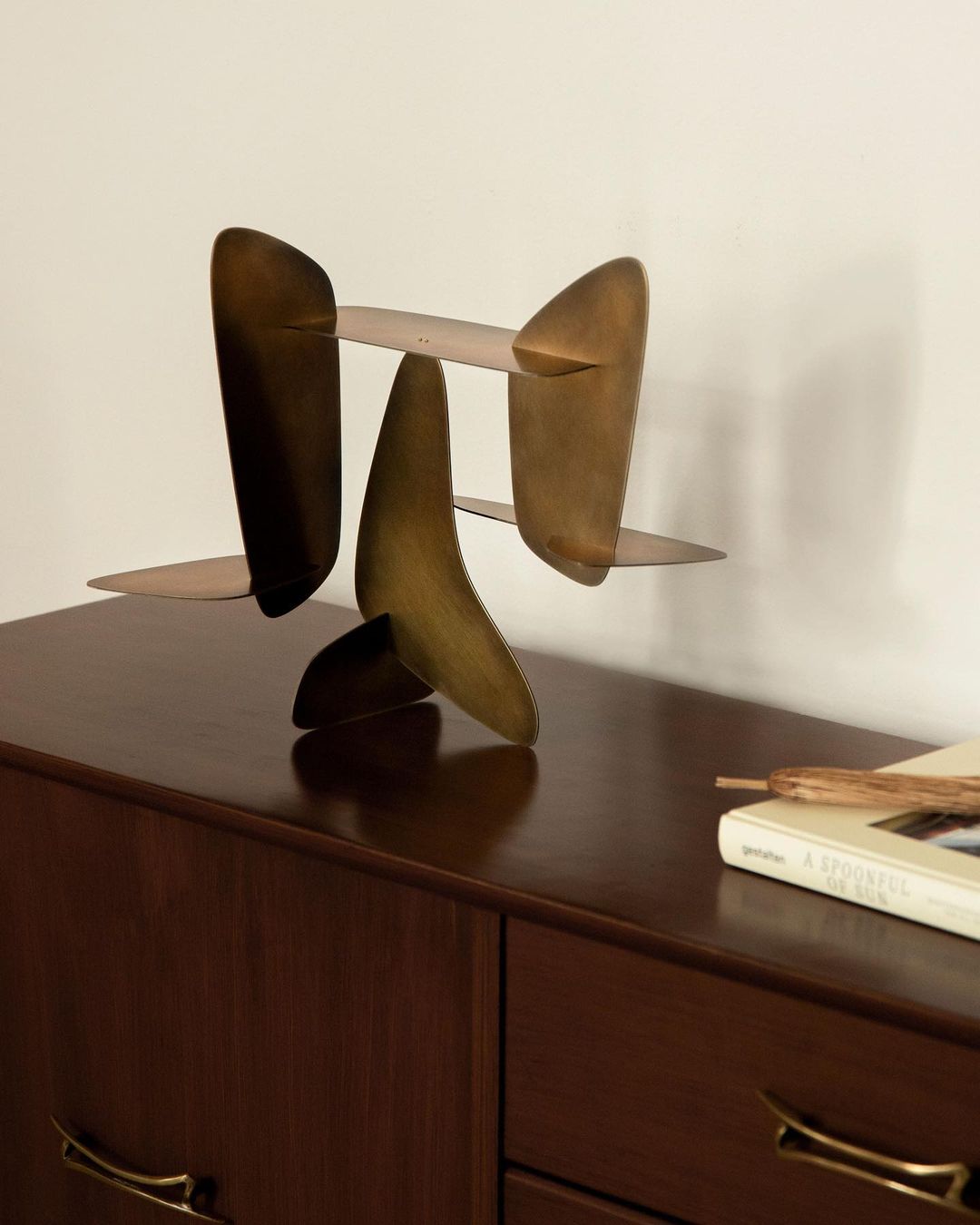
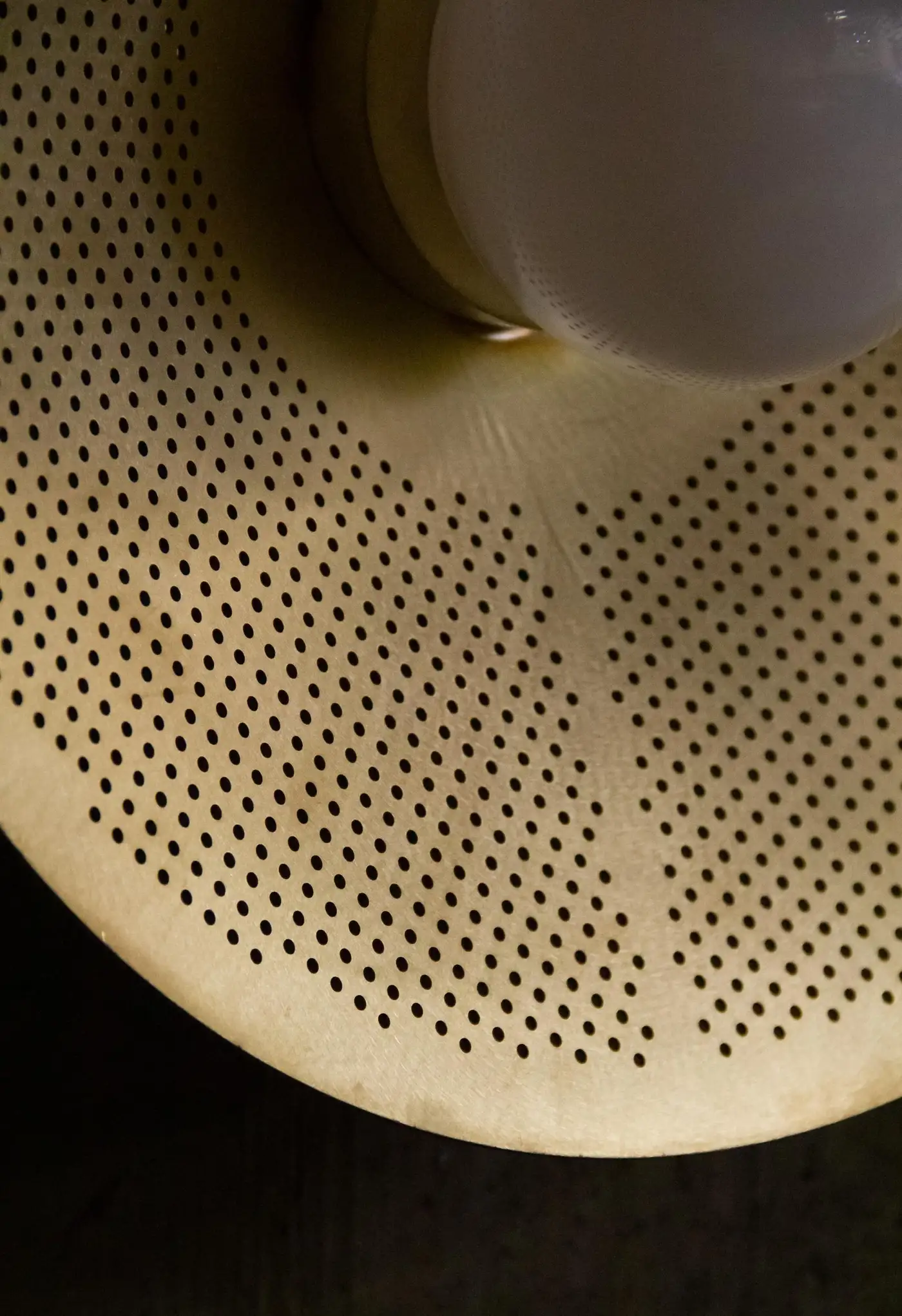
Federico Stefanovich is a Mexican designer based in Mexico City. His practice focuses on collectible design and the creation of sculptural lighting and objects that explore the interplay between form, light, and materiality. With a visual language that moves between the organic and the geometric, Stefanovich combines digital processes with the mastery of local workshops, celebrating imperfection and the human character of handcraft.
His work is defined by meticulous attention to detail, a constant pursuit of balance, and a deep interest in fostering emotional dialogue between object and user. Each piece reveals layers of process, cultural memory, and collaboration, challenging folkloric clichés to propose a contemporary vision of Mexican design.
Stefanovich’s work has been exhibited at international fairs and galleries, including FOG Design+Art in San Francisco, the Triennale di Milano during Milan Design Week, and 3 Days of Design in Copenhagen, as well as in a solo exhibition at AGO Projects in Mexico City.
In 2025, he was named one of Wallpaper Magazine’s “10 Stars Ascending” and received the People’s Choice Award at the AZ Awards—distinctions that establish him as one of the most relevant emerging voices in today’s global collectible design scene.
Interview
I was born and raised in Mexico City, where I still live and work.
At home, my dad used to collect a lot of design and art objects so it was all part of my daily life growing up. I used to watch my dad paint since I was a kid.
Since I was in university, it has been my only work field. It has evolved over time but always in the design/art world.
My dad was a designer and taught at the university for more than 40 years. Growing up surrounded by all these design pieces and the attention to detail in objects and furniture inspired me. Growing up, I was always drawing and building things, and that led to an interest in having a design career.
I get inspired by all sorts of things. When I’m starting something new, I try to look as far as possible from what I want to design so as not to get my creativity perverted with the same references and ideas everyone all over the world is going through. Nature is something deeply inspiring for me in general, in terms of shapes and composition. Having that as a starting point, I work in a direction that looks to integrate physics, movement, and playfulness into the object I am creating. I go through all sorts of mechanisms, engineering, and ancient technologies to get ideas and play around during my process.
I go through a few design newsletters and blogs in the morning before going to the studio. I have meetings with the team to follow up on projects and new developments, and follow up on emails. I visit the different workshops often to see updates on the various projects we are working on. Media planning and development meetings with the team to see mock-ups, 3D models, and renderings, as well as administrative work for sales and exports.
After the team leaves in the afternoon, is when I have time to sit down to sketch and model new pieces and developments.
At first, metal and wood were materials I was comfortable with, as I had worked with them in my previous studio job. I wanted to experiment further with these materials and understand how I could use both digital and handmade processes in my developments.
After that, I decided to use cast bronze to play with something new and see where new possibilities with this process could take me, and now I’m integrating fiberglass for the same reason. I try to always experiment with new materials and see where my creativity can go with the new context and limitations.
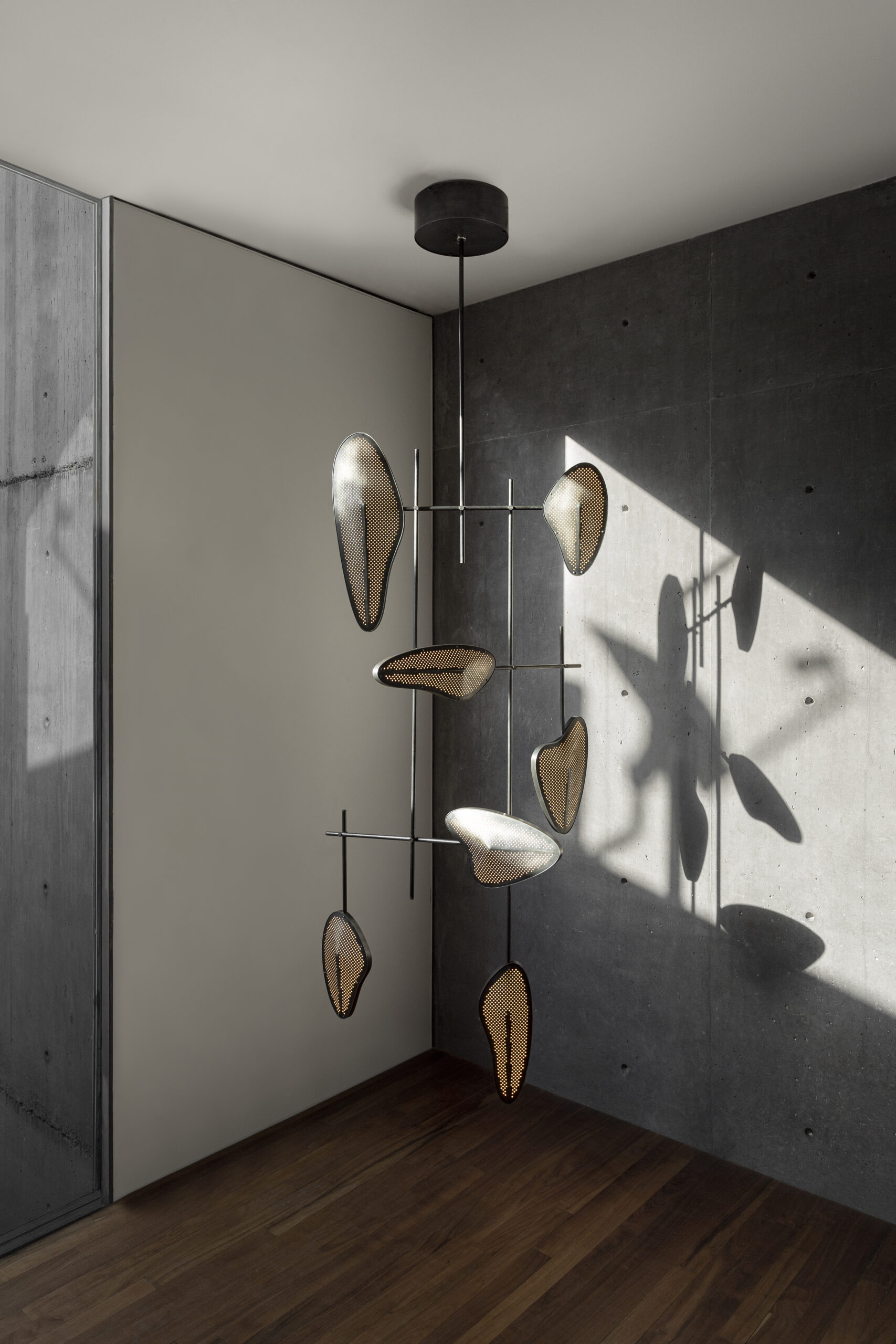
Movement and physics are always heavily involved. I create objects that not only have a strong sculptural character but are also extremely functional, conceptualized, and produced in a clever and highly technical way.

© Alejandro Ramírez Orozco
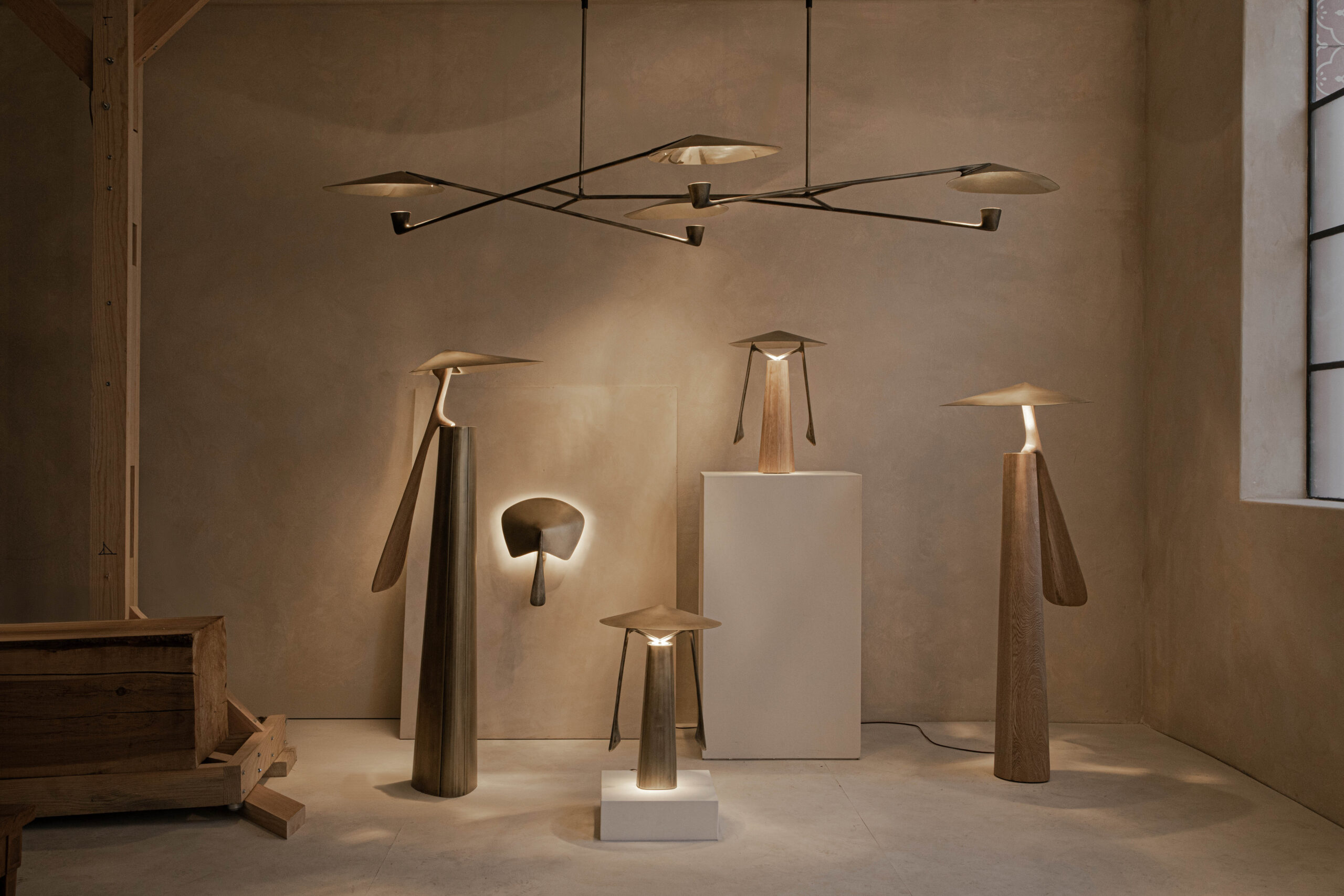
Handmade process and slow production are at the core of my practice. Imperfections are part of our work as they remind us of the human hands that make the pieces, opposing big industrial factories. Every piece is unique; it tells a story.
I think it’s difficult to start off as a designer doing only sculptural work. I would recommend working in a studio first, or doing more commercial work in the beginning, to get familiar with processes, logistics, production, and building commercial relationships. Doing so will allow you to gain experience and have a balanced transition to doing art pieces once you are familiar with the world around you. Surround yourself with people who can mentor you along the way and supportive collaborators.
Mexican Neomodernism.
Bouroullec brothers, Héctor Esrawe, Oki Sato.
Pierre Yovanovitch, Fernando Laposse, Apparatus.
Studio Drift, Vincenzo de Cotiis, Rick Owens.
Clever, functional, and sculptural design.
“Imperfections are part of our work as they remind us of the human hands that make the pieces.”
The Questions
(The Proust Questionnaire is a set of questions answered by the French writer Marcel Proust.
Other historical figures who have answered confession albums are Oscar Wilde,
Karl Marx, Arthur Conan Doyle, Stéphane Mallarmé, Paul Cézanne…)
Love, balance, and consciousness.
Dementia.
Unrealistic self-demand and self-expectations.
Lack of empathy.
Excitement and motivation.
Power.
Emotional intelligence.
Self determination.
Being an excellent musician.
Fear of confrontation.
Having a successful career but keeping balance with my love and social life.

© Alejandro Ramírez Orozco
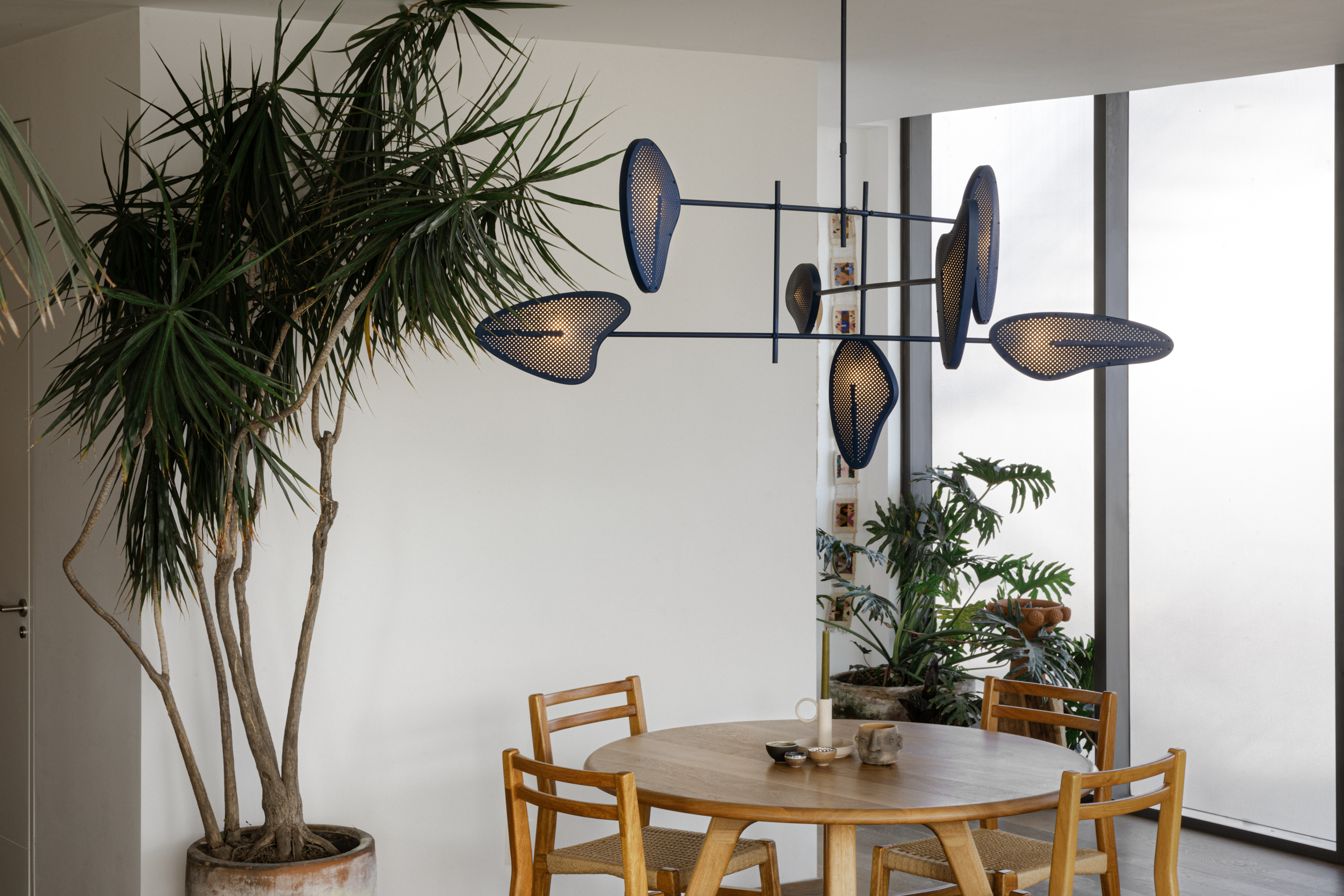
A tree somewhere warm and humid.
Mexico City.
Corruption.
Sports and concerts.
Sensitive.
Honesty and support.
Luffy.
Madres buscadoras.
Nicolás, Sofía.
Peaceful and fast.
Live to the fullest, stay present.
“Every piece is unique; it tells a story.”
SHARE :