Maria Osminina
Maria Osminina is a Russian designer whose multidisciplinary practice spans interiors, collectible furniture, and objects. Based in Saint Petersburg, she creates refined works distinguished by minimalist forms, architectural clarity, and a profound sensitivity to space, light, and material. With a background in fine arts, design, and contemporary art curation, Osminina approaches furniture as an extension of architecture, developing pieces that contribute to a calm, contemplative environment rather than existing as isolated objects.
Guided by a philosophy of timeless simplicity, Osminina works primarily with natural materials including stone, wood, and metal, combining precise geometries with tactile surfaces and subtle imperfections. Inspired by Eastern philosophy, modernist architecture, and the dialogue between historical context and contemporary living, her collectible designs celebrate proportion, material honesty, and the quiet emotional power of restrained form.
Interview
I was born in St. Petersburg, Russia. This is a very beautiful city with excellent architecture, which was built by the best European and Russian architects.
For the first time, I felt that I was interested in art when I was a kid, and when I got into a private art studio where people were preparing to enter a professional university and just conducting lessons for groups. I went there with a friend to have fun. There was a creative atmosphere in the studio; it was a completely different world than the one I was used to. It resonated a lot with me.
After the studio lessons, my parents helped me find a wonderful private teacher who opened up to me a world of contemplation and different methods of approaching artistic techniques. For setting the hand, I made a huge number of copies of calligraphic works of Japanese prints, studied composition, watercolor, and gouache techniques. I did plein air.
From an early age, I devoted all my time first to studying and then working in the world of art and design. For ten years, I studied at a school at an art university and at the Institute of Technology and Design. I remember with great warmth my teachers in academic drawing, painting, and composition. This was an important stage in which I received the basis of classical education and, undoubtedly, now it helps me in my work.
After graduation, I began to immerse myself in the world of contemporary art. Then I moved from learning techniques to a deeper and more important process – knowing myself. Only after going through this stage can you really become an artist: start seeing and feeling acutely, strongly, uniquely. This became my spiritual and intellectual basis for my subsequent work with furniture and space.
Design and architecture have always fascinated me, but the turning point came when I got to know the architecture of Tadao Ando. Then I realized that the level of influence on a person through space can be no less powerful than art. I wanted to do something to make people’s lives more beautiful every day, and not only when visiting exhibitions. It is important for me to create free spaces on the border of design and art, filled with a sense of freedom. Each object in space takes its place, creating an external and internal contour relative to it. I feel the emptiness as a form; it, filling in the curves of the furniture, forms a form equal in value to the filling itself.
When working with space, I began to miss the necessary forms. I got the feeling that I wanted certain lines, and I couldn’t find them anywhere. This was the impetus for creating exactly those pieces of furniture that were necessary for me.
Before I start work, I try to turn to myself and feel the emerging line, the mood, the essence of what is inside me. It is this message that is the key and the only true one for me. For me, the ability to express feelings through visual form is of particular importance. To work with the shape, I use 3D software in which I look for the ratio of lines and volumes. Already at this stage, I understand what kind of material the object should be. For me, the decisive moment is when I feel that the original feeling is accurately expressed in the form. So the process is over. I stop and give this stuff a while. A holistic project can neither be distorted nor violated. At this stage, you can move on to more accurate rendering and design.
I try to divide my days into those that I spend in the studio or in production. In the studio, I devote all my time to drawing, visualization, and design. I like to combine modern possibilities to create timeless designs. I make sketches of future objects, use 3D software to see how they will look in volume, and make accurate calculations and blueprints.
All work with the material takes place in factories. I always perceive the moment of observation and choice with particular trepidation. I like to track subtle nuances, observe the structure of the material, and find a balance that creates the uniqueness and sensual fullness of each object. Such decisions are deprived of the momentary and the influence of fashion trends, but they contain, in my opinion, a much more valuable component that forms the essence of things.
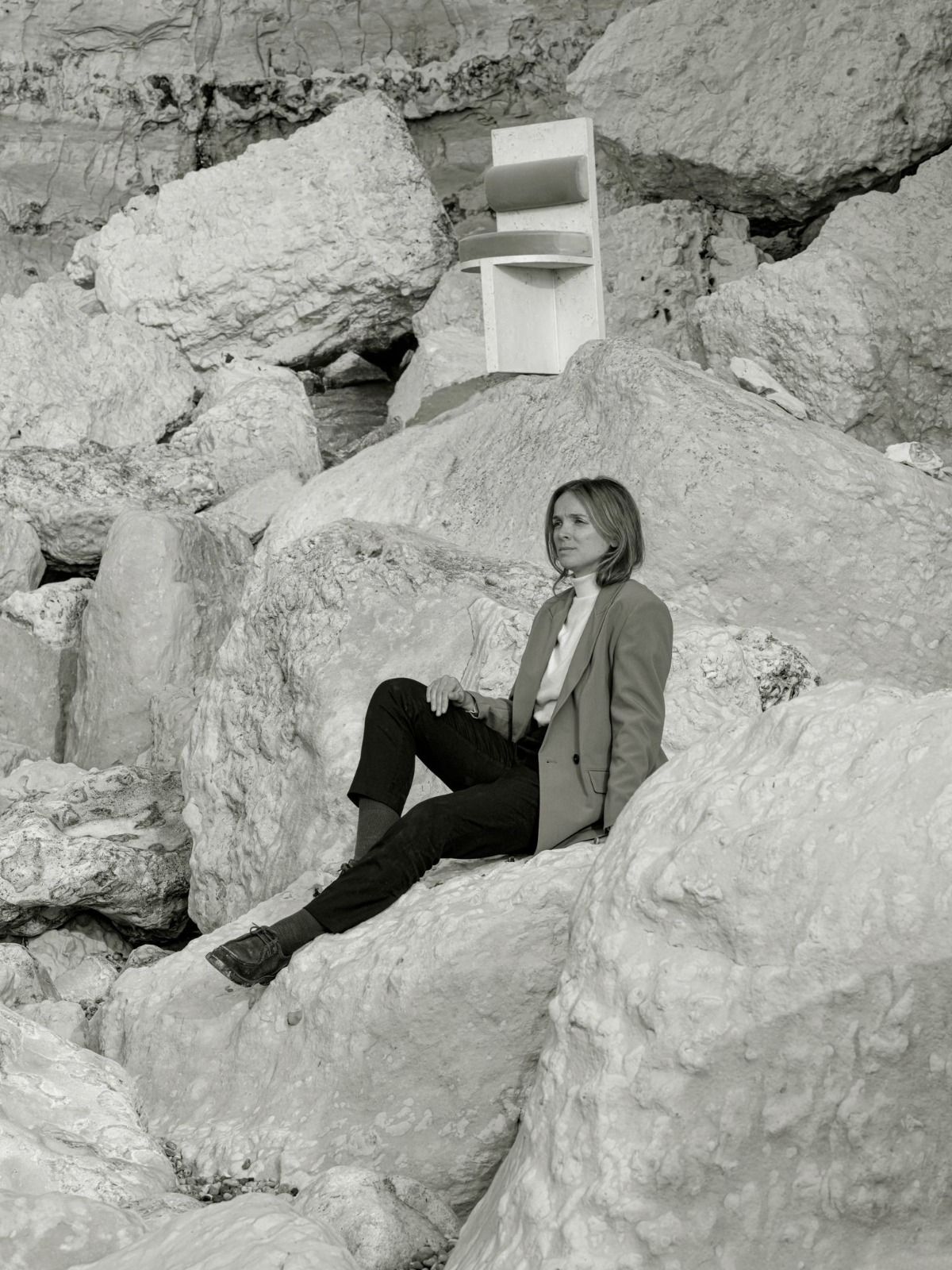
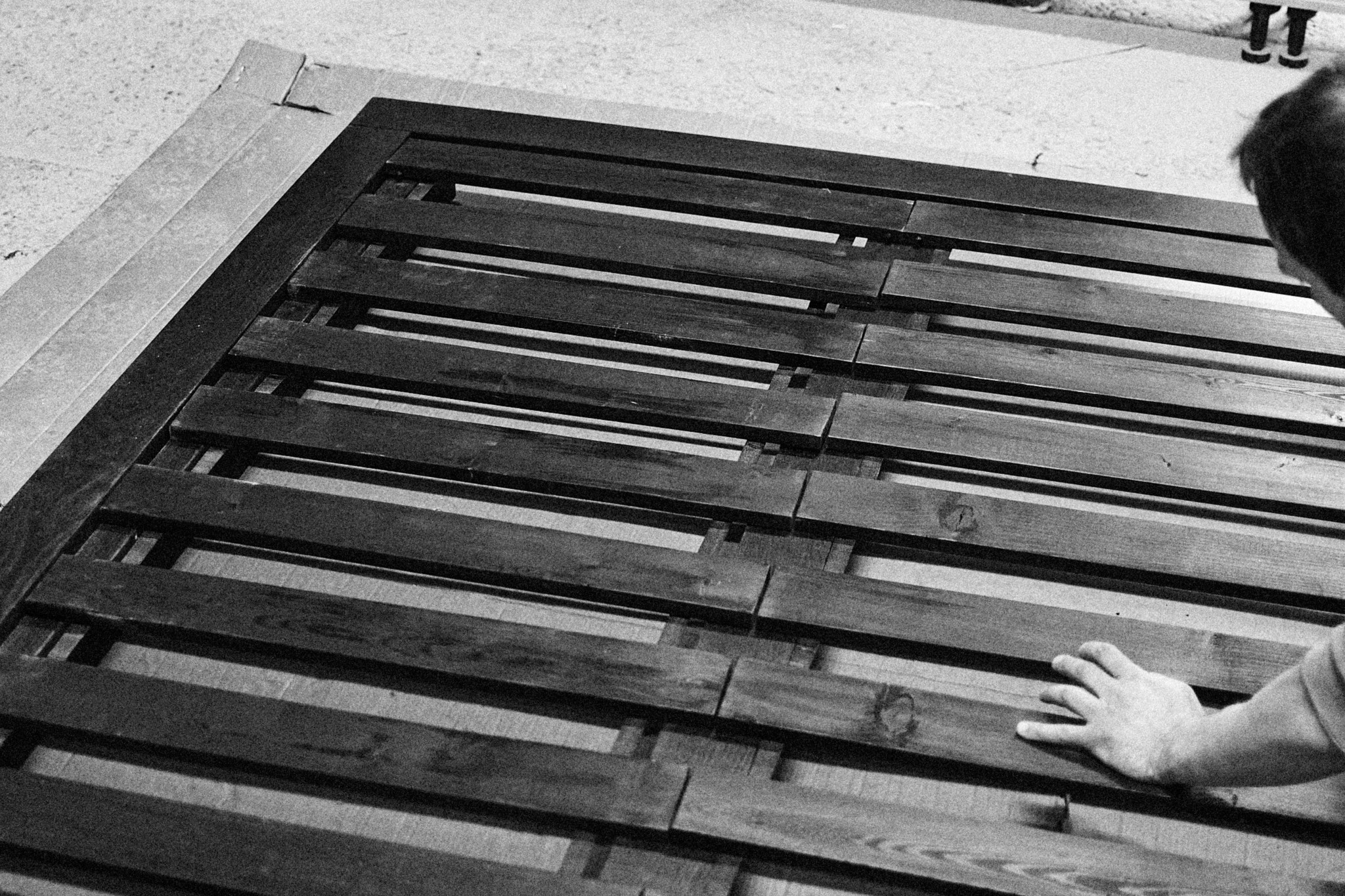
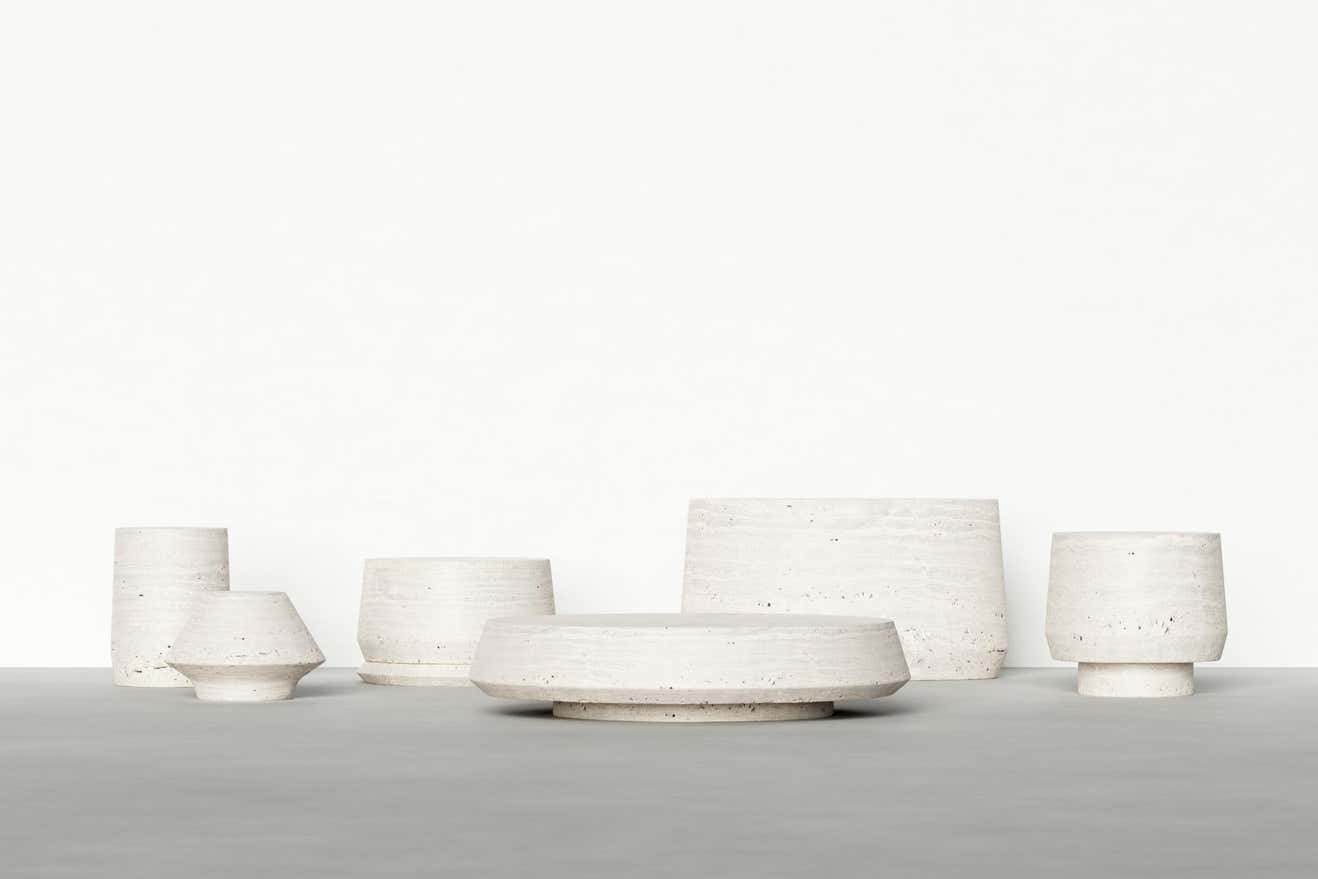
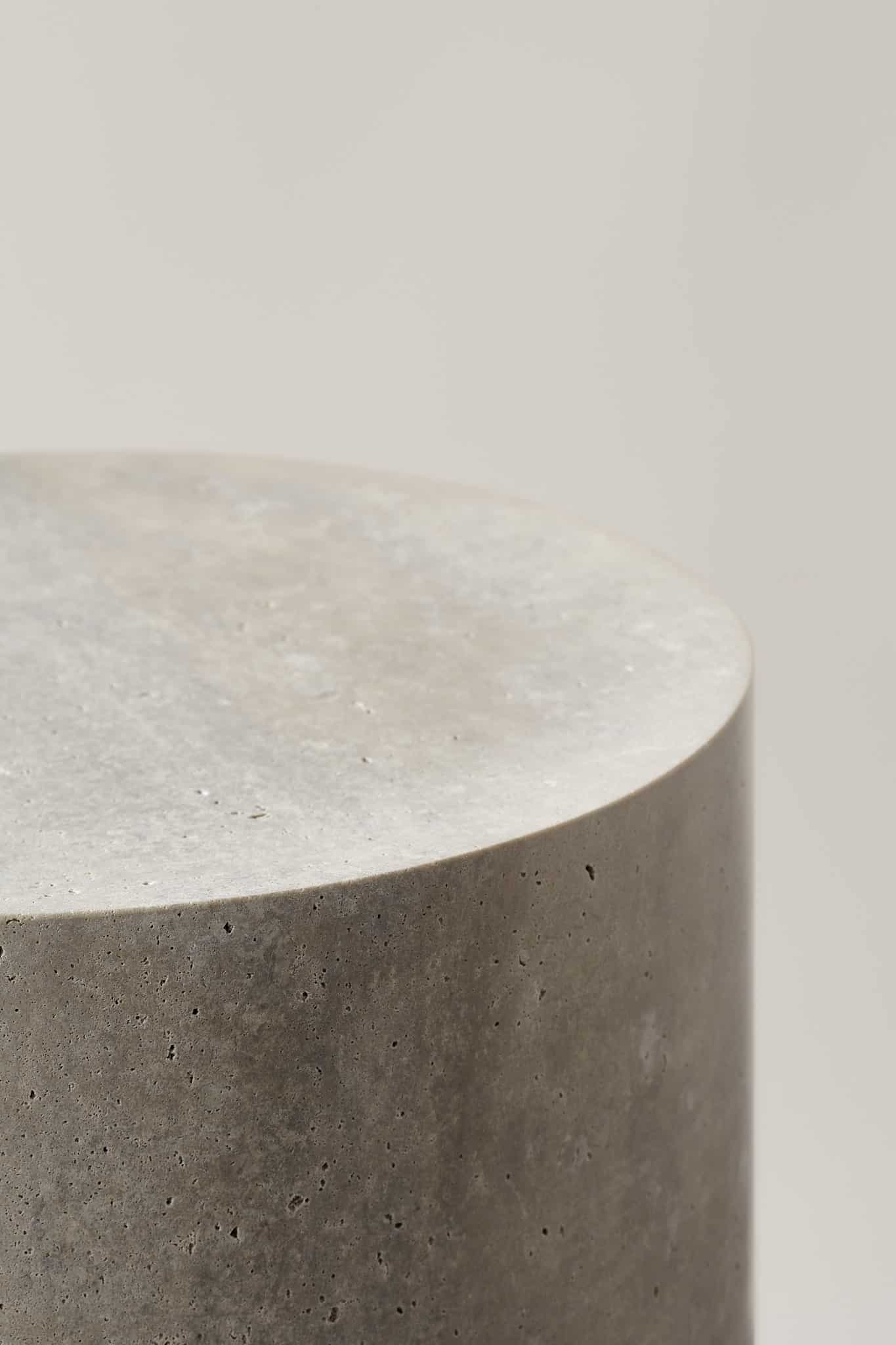
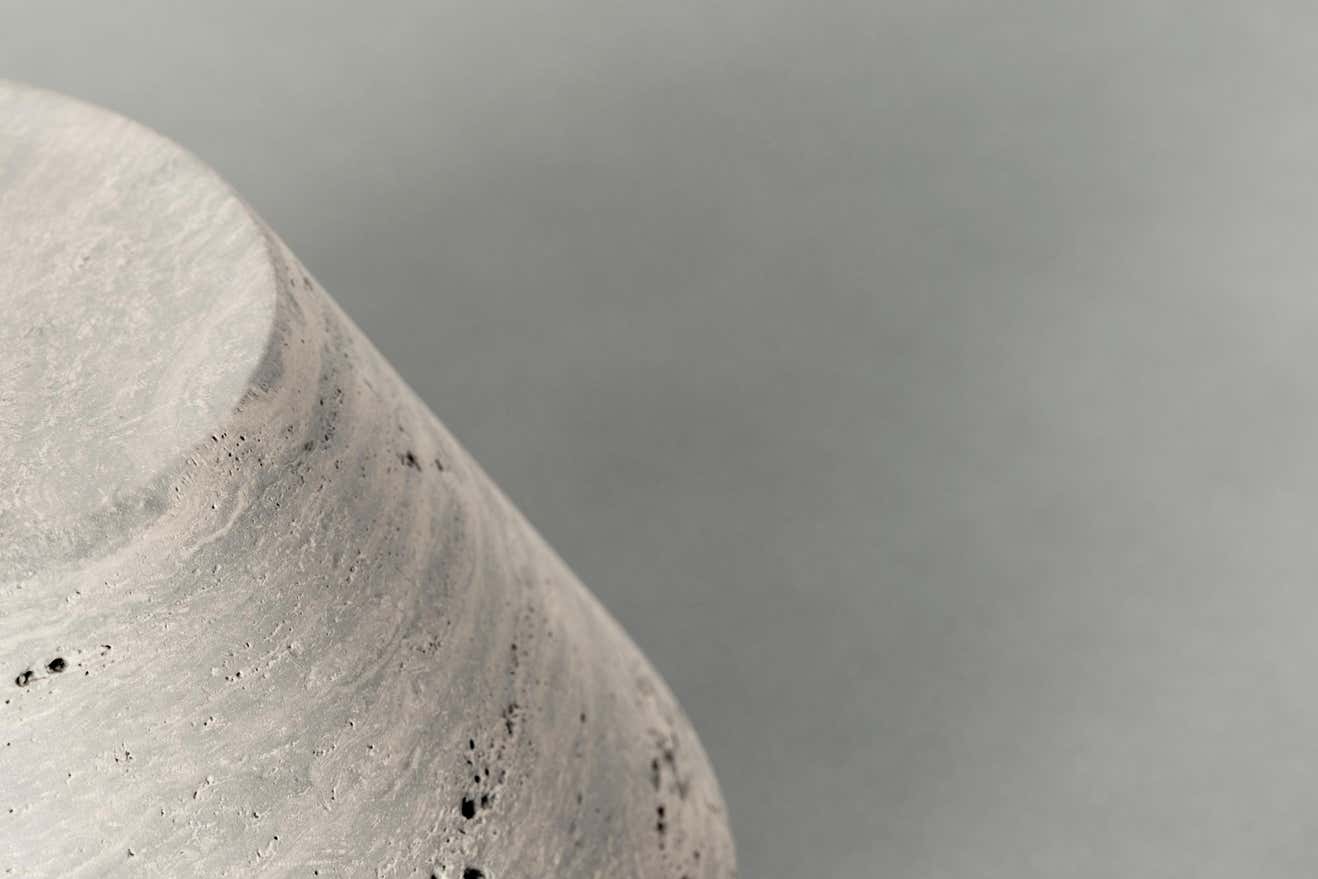
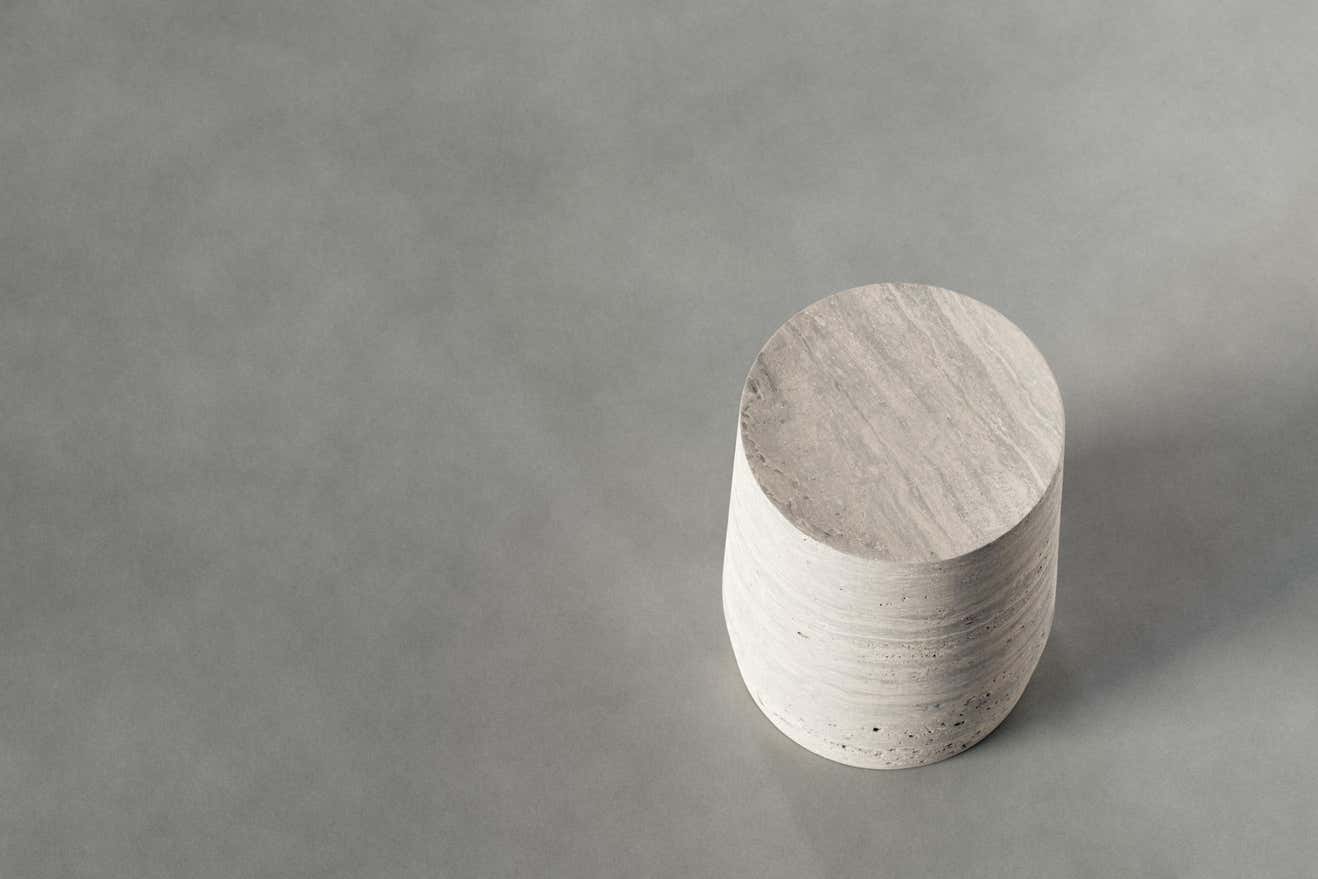
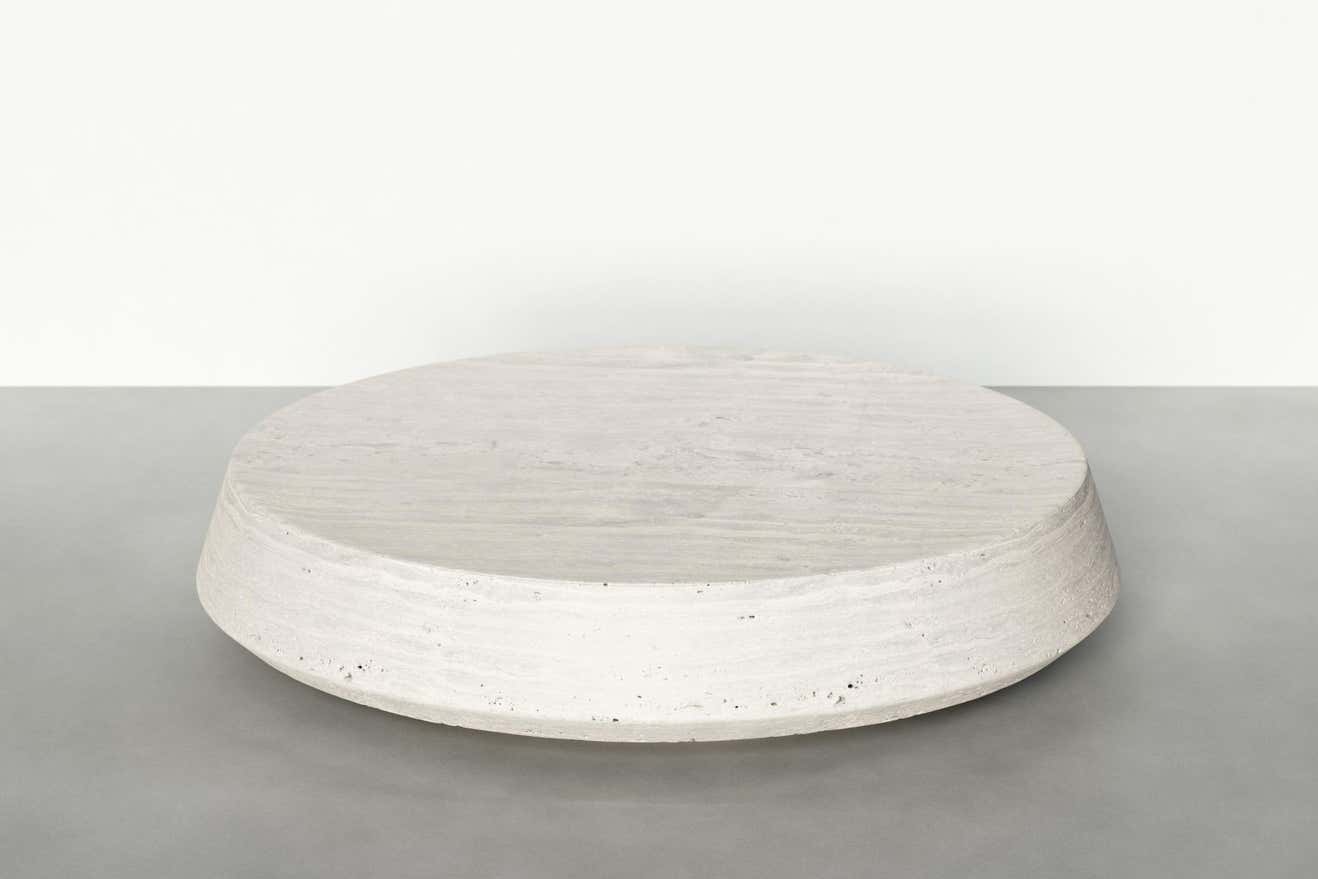
Now I work with materials such as marble, limestone, and wood. All these materials have always been in civilization; the ancient Romans made amazing products from them and built buildings. I like to combine modern minimalistic forms with a material that embodies time and its endless flow. So the value of the joy of the moment and its living becomes more tangible and important at the same time, because eternity is all made up of such moments.
Accuracy and quality are important to me. I make all the drawings and carefully control the manufacturing process. Each material has many features that may seem unimportant at first glance, but can make themselves felt during the manufacturing process of the product. So, the method of extraction of stone and its processing affect the features of the manufacture of the object.

I would advise you not to rush, to spend time on education, and to understand who they are, what they are inclined towards, and why they do it. And, of course, experiment.
I am a minimalist. It manifests itself in everything I do. I like it when there is nothing superfluous, but on the other hand, every detail is verified and not accidental. For me, this approach allows me to preserve the value and maintain the significance of the choice.
I like designers working in different fields. I love the work of Axel Vervoordt, Vincent Van Duysen, Rick Owens, Demna Gvasalia, and Martin Margiela.
There are a lot of such designers, or rather, everything around me partly influences me, and on the other hand, I separate my inner creative movement, which allows me to maintain the authenticity of my approach and maintain forms in which my line of decisions is clearly traced.
My favorite artists are absolutely cosmic: Anish Kapoor, gentle Cy Twombly, Serra. The artistic direction of Arte Povera resonates with me very much. The new poor art raised questions of humanism and society, creating objects and installations of the most powerful expressiveness from simple things. I feel a strong connection with the cinematographic works of Andrei Tarkovsky.
Timeless.
I want my design to help shape a new reality in which space helps a person feel free, clearing away all unnecessary things and leaving the essence. I would like to change the distance between art and design, because space and all the objects in it have a huge impact on a person.
“I wanted to do something to make people’s lives more beautiful every day, and not only when visiting exhibitions.”
The Questions
(The Proust Questionnaire is a set of questions answered by the French writer Marcel Proust.
Other historical figures who have answered confession albums are Oscar Wilde,
Karl Marx, Arthur Conan Doyle, Stéphane Mallarmé, Paul Cézanne…)
It’s a sense of harmony
Total loneliness
Mood swings
Deceit
My mom
Work
Observational
Care
Humanity
Humanity
I must
Diplomatic
Frustration
The ability to shape your life
Tree
In Venice
Love
Death of loved ones
Dream
Tenacity
Honesty
Dostoevsky
Gogol’s “little man”
With no one
My family
My children’s names
Anger, envy
Wasted time
With my family
Always listen to yourself
“I am a minimalist. I like it when there is nothing superfluous, but every detail is verified and not accidental.”

SHARE :