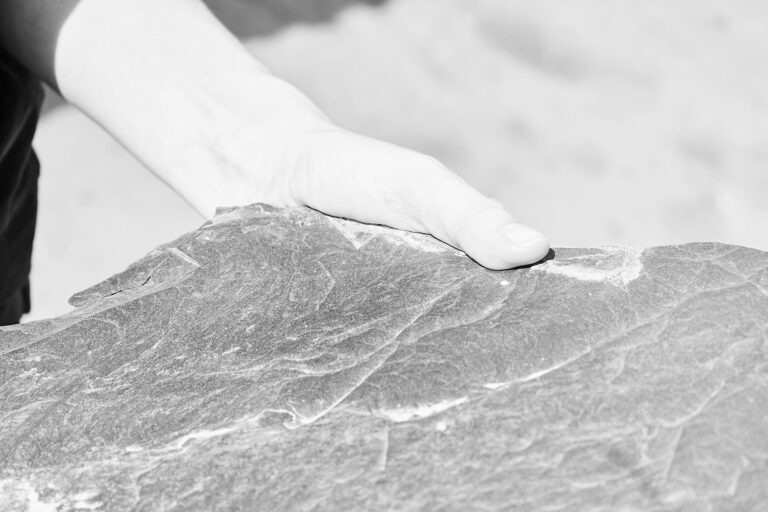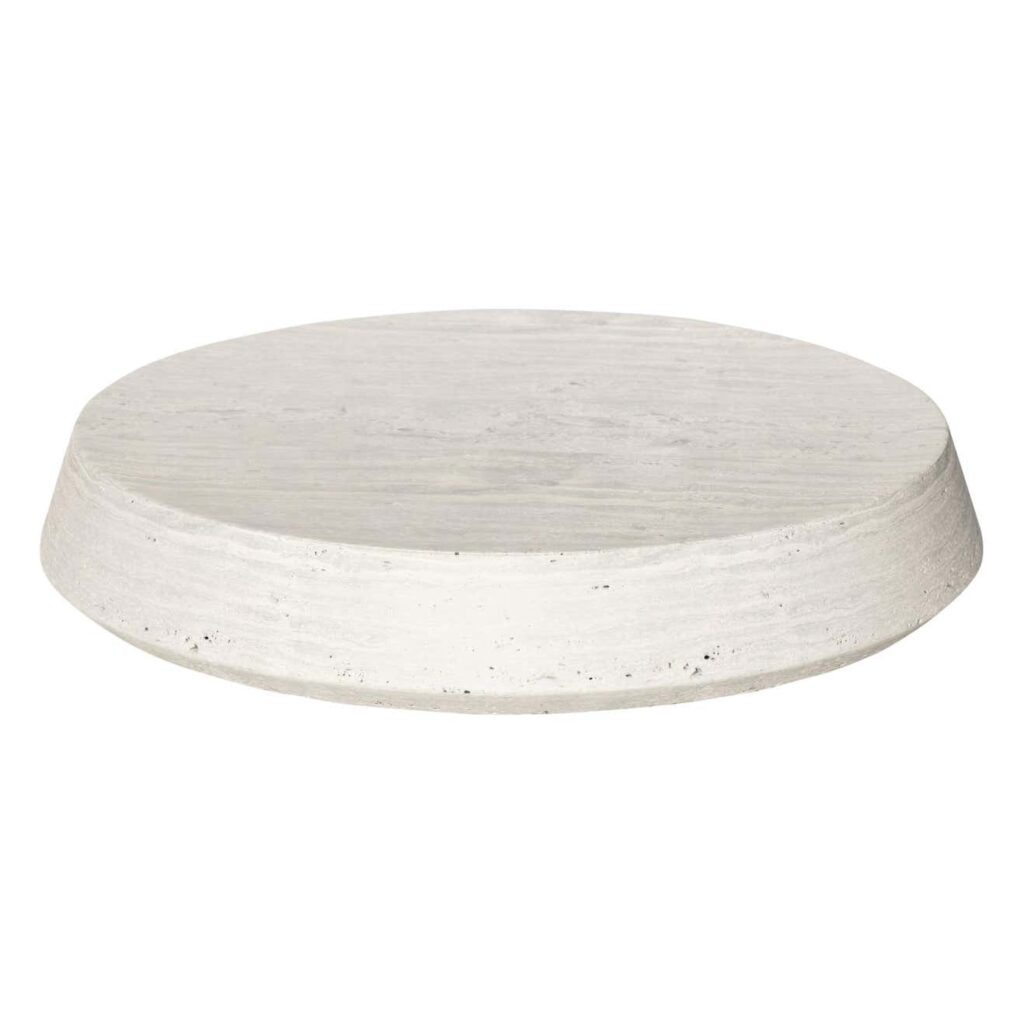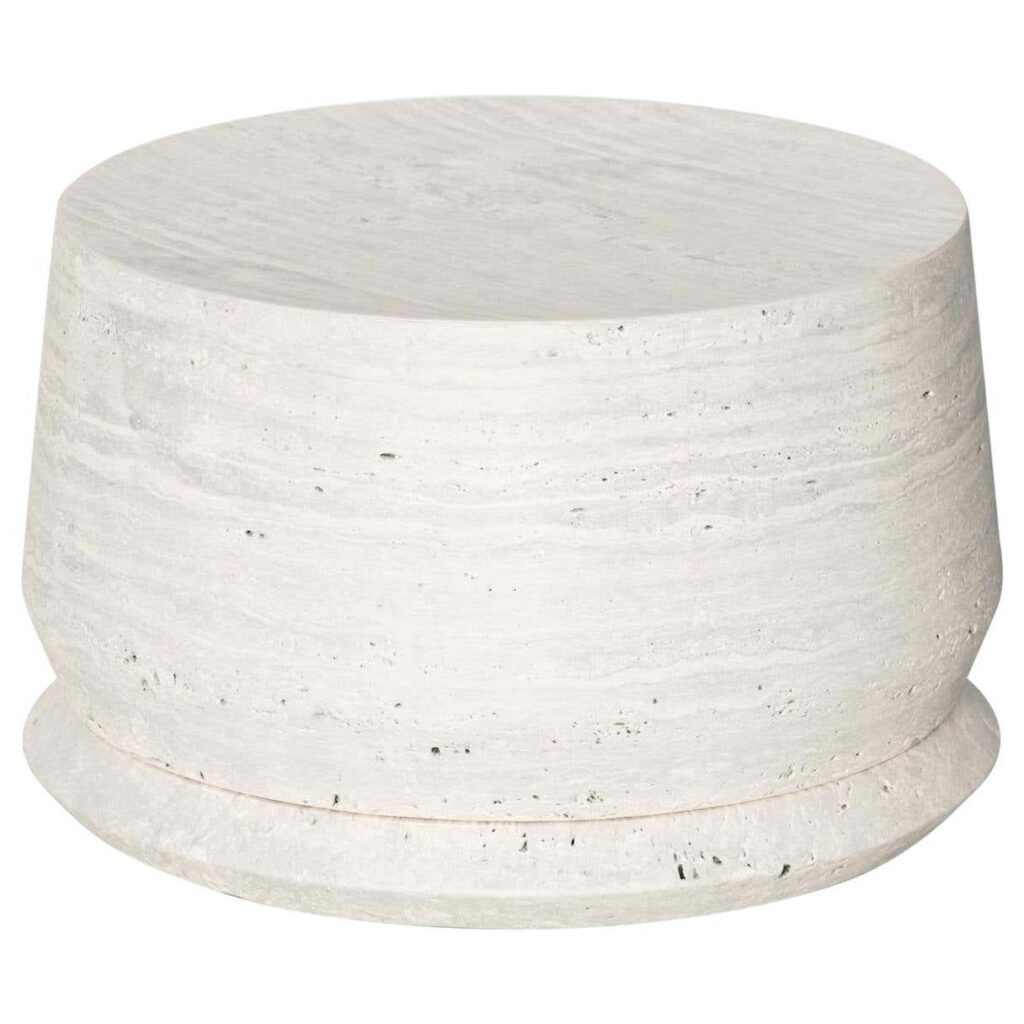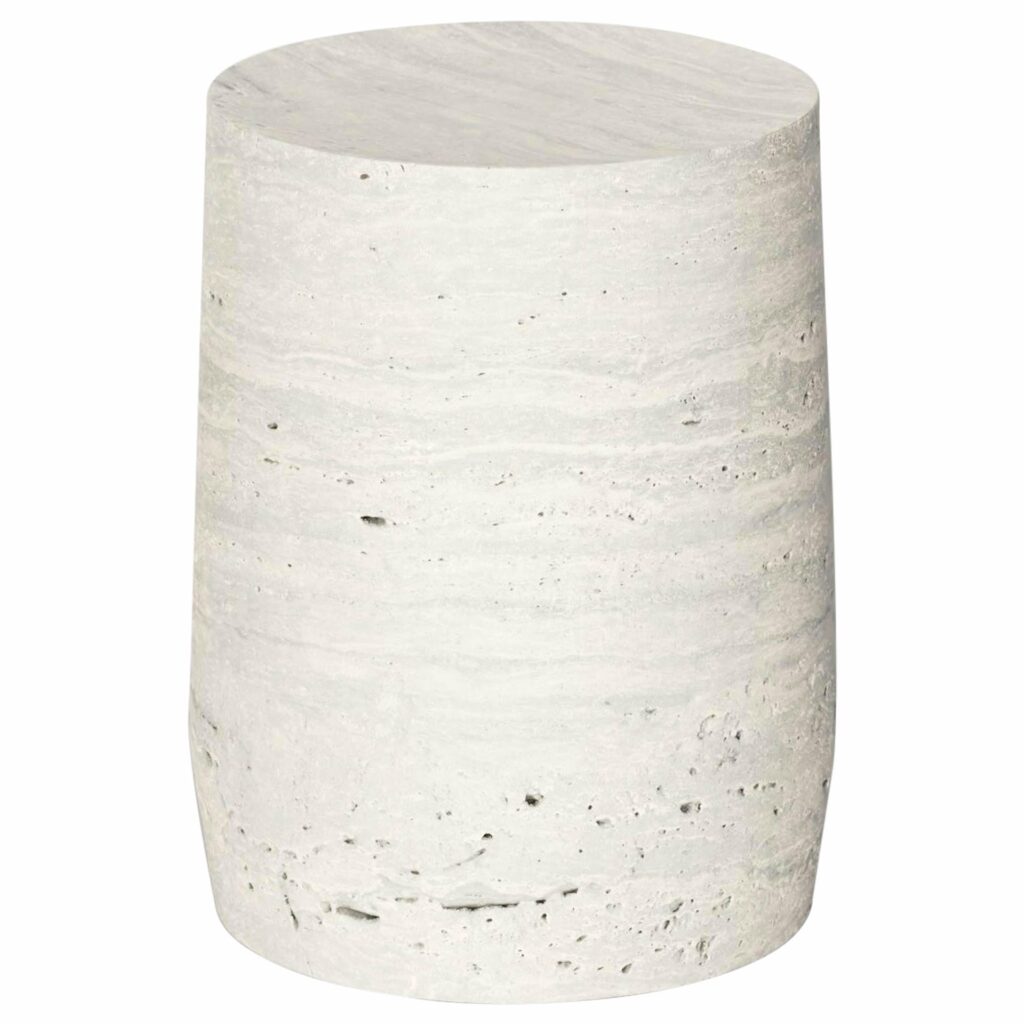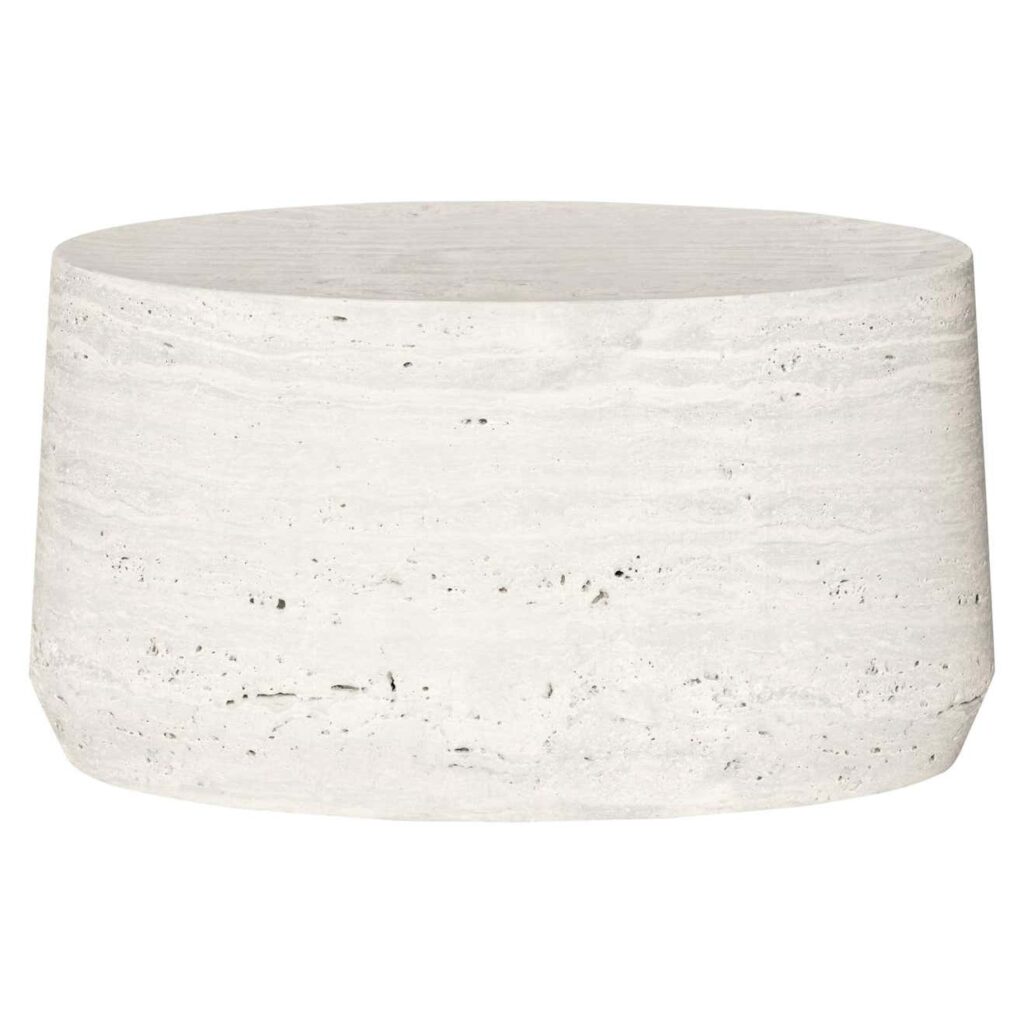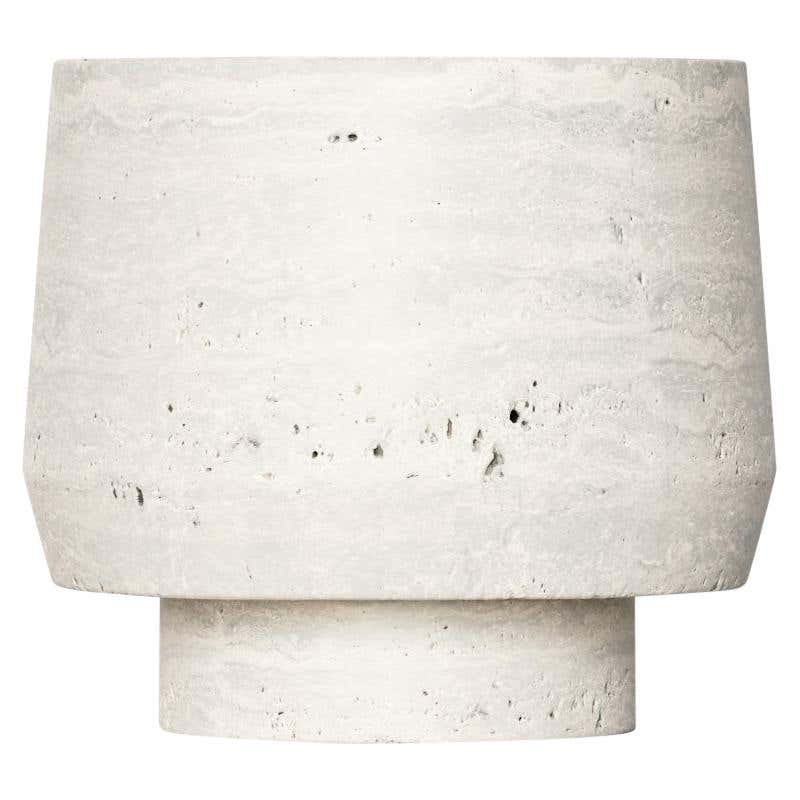

Maria Osminina is a Denmark-based designer whose practice unfolds at the intersection of furniture, lighting, and sculptural object. Her work is distinguished by softly articulated structures and fluid curvature, where traditional craft sensibilities engage in a quiet dialogue with contemporary form. Through the considered use of natural materials—most notably marble, brass, and wood—Osminina creates tactile compositions that invite both physical interaction and reflective contemplation.
At the core of her practice lies an emphasis on emotional intent and temporal depth. Osminina approaches each work as a vessel for feeling, guided by an aesthetic sensibility attuned to time as a lived and enduring condition. Within this sensibility resides a tension between fragility and permanence, where an elusive sense of life coexists with notions of continuity and eternity.
Her refined lines are often counterbalanced by the weight and assertiveness of monolithic forms, resulting in objects that transcend conventional definitions of function. While remaining grounded in usability, her works assert an autonomous presence, operating equally as furniture and as sculptural statements. In this balance between utility and autonomy, Osminina’s designs generate meaning beyond immediate purpose, offering enduring objects that resonate through material honesty, formal restraint, and a contemplative sense of being.

Maria Osminina is a Denmark-based designer whose practice unfolds at the intersection of furniture, lighting, and sculptural object. Her work is distinguished by softly articulated structures and fluid curvature, where traditional craft sensibilities engage in a quiet dialogue with contemporary form. Through the considered use of natural materials—most notably marble, brass, and wood—Osminina creates tactile compositions that invite both physical interaction and reflective contemplation.
At the core of her practice lies an emphasis on emotional intent and temporal depth. Osminina approaches each work as a vessel for feeling, guided by an aesthetic sensibility attuned to time as a lived and enduring condition. Within this sensibility resides a tension between fragility and permanence, where an elusive sense of life coexists with notions of continuity and eternity.
Her refined lines are often counterbalanced by the weight and assertiveness of monolithic forms, resulting in objects that transcend conventional definitions of function. While remaining grounded in usability, her works assert an autonomous presence, operating equally as furniture and as sculptural statements. In this balance between utility and autonomy, Osminina’s designs generate meaning beyond immediate purpose, offering enduring objects that resonate through material honesty, formal restraint, and a contemplative sense of being.