I was born in Luxembourg to an Italian father and a German mother. I took Luxembourgish citizenship when I left the country and gave up my Italian and German passports to avoid military service in both countries. I studied in London and lived there for over ten years. I have never lived in the country whose passport I hold, so I have always been a stranger of sorts.
MAGAZINE · INTERVIEW
Umberto Bellardi Ricci
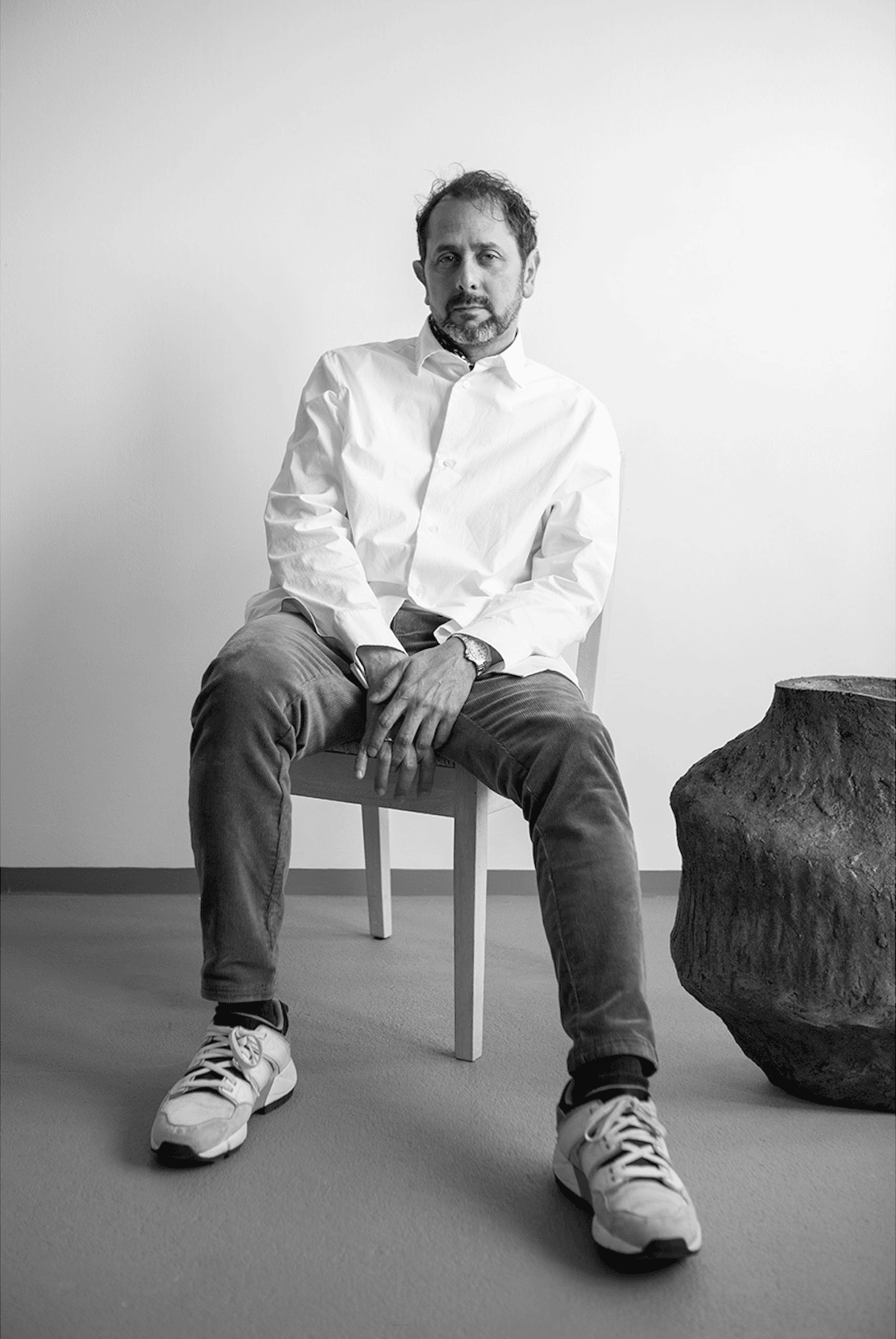
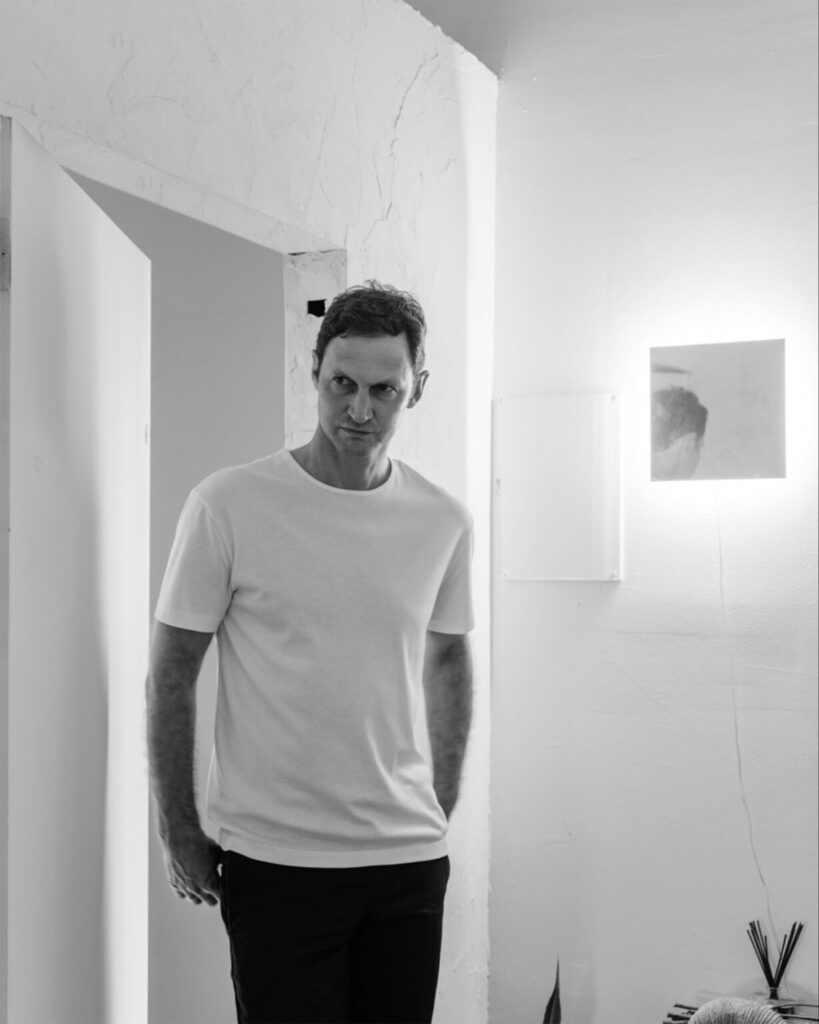
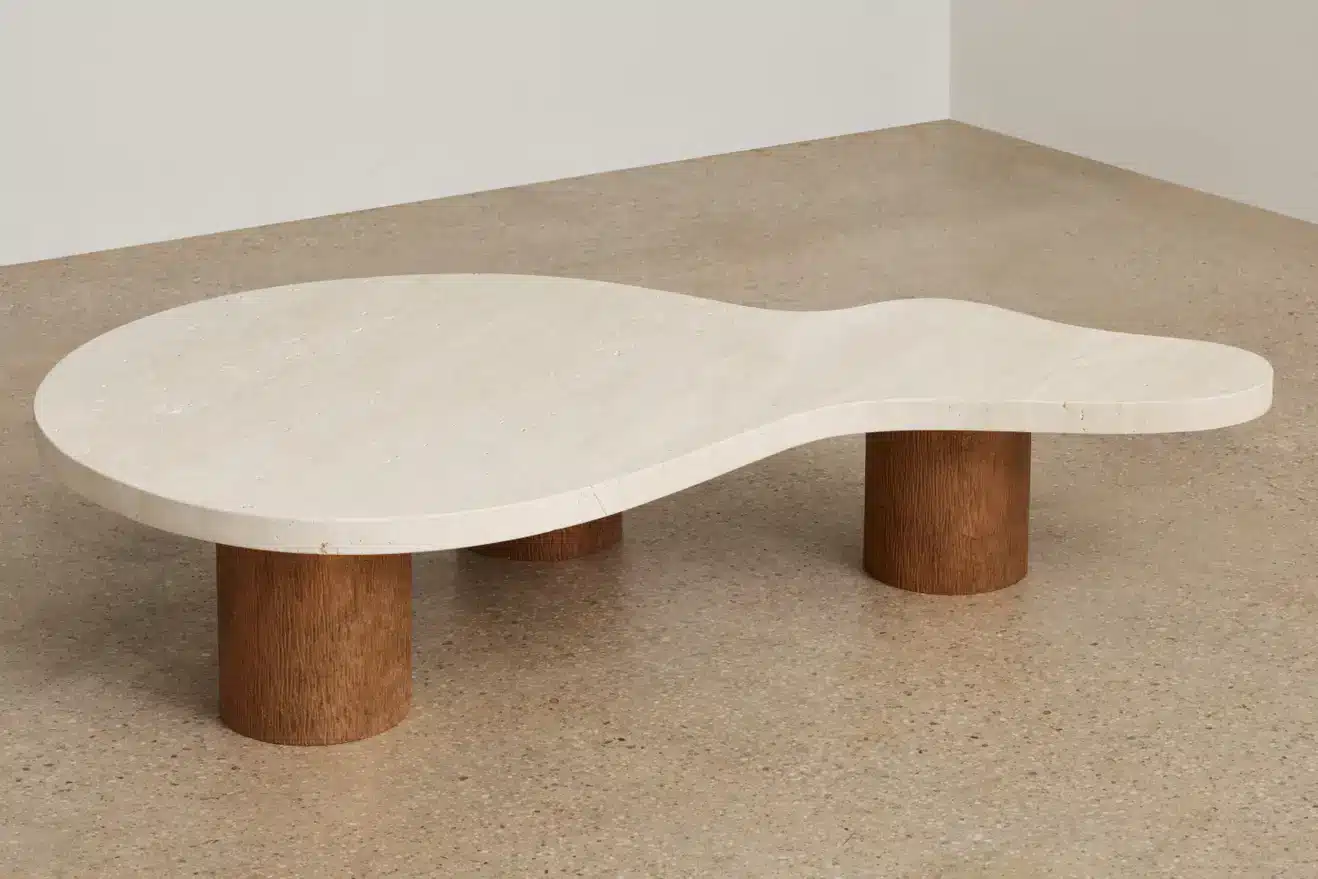
Umberto Bellardi Ricci is a German-Italian architect, sculptor, and designer based in New York, where he founded UBR Studio in 2019. Working across collectible furniture, lighting, sculpture, and interiors, his practice explores the dialogue between architecture and sculpture through a distinctive language of form, scale, and materiality. Drawing on his architectural background and years of teaching, he creates works that balance industrial elements with refined natural materials, blurring the boundaries between functional design and sculptural expression.
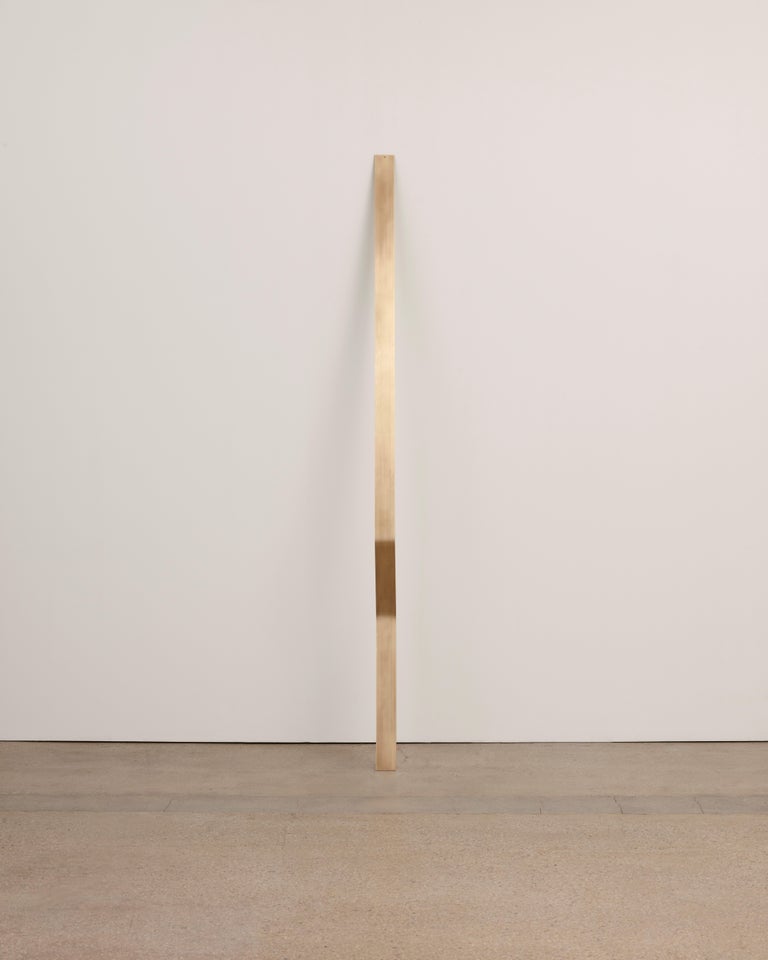
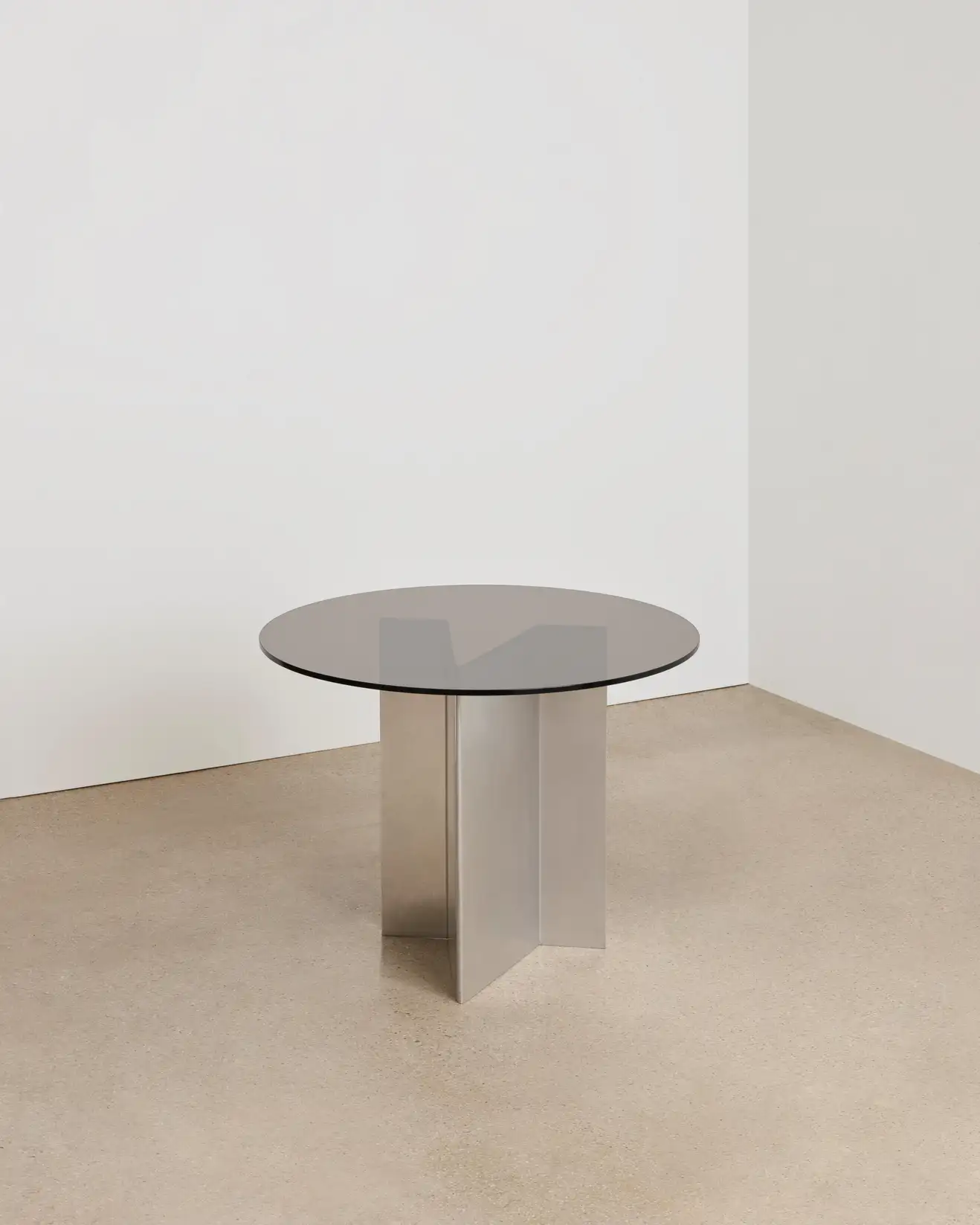
Characterized by geometric clarity, meticulous craftsmanship, and a fascination with contrast, Bellardi Ricci’s work juxtaposes aluminum, steel, bronze, and stone with glass and textiles to create sculptural compositions that investigate the spatial qualities of architecture. Through UBR Studio, he develops collectible objects and interiors distinguished by their material richness, structural precision, and contemporary architectural vocabulary.
Let's know more about
Interview
Where were you born and where are you from?
What is your first memory connected to the art world?
I started working in experimental sound in the avant-garde scene of London in the late 1990s. It was a mix of old free jazz musicians and artists working in sound. Working with abstract sound was a great introduction to working in sculpture and design, being comfortable to improvise and playing in an abstract medium.
Have you always worked in the art/design field?
I initially studied social anthropology and philosophy, after which I worked in human rights. I was even offered a contract with the UN in Africa, which I gave up to go back to study architecture in a very experimental school, the Architectural Association in London, which led me down a road of experimentation in design and sculpture.
What led you to design creation?
My interest in objects essentially came from exploring how we are confronted as subjects with objects and how we playfully interact with objects and the impact they have on us. Like creating a set for a theater play, my studio became a very immersive environment of my own world.
How would you describe your creative process and its influences?
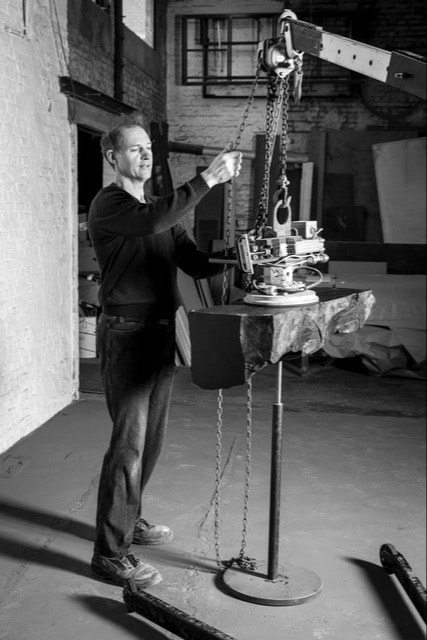
I had a very influential Japanese professor who once told me, “Your way of sketching is making models.” I like thinking at a 1:1 scale and often make life-size models, very rough and fast, so that I can develop an idea, test it quickly, and even fail fast rather than procrastinate. I can then iterate into very precise models and full-scale prototypes.
Could you describe a typical day of your work?
I go to my studio every day, and I have barely missed a day except for illness or one or two days for the birth of my child. It has been very intense. In the studio, the aim is always to find the time to experiment and work on new pieces, but we also have to produce and fabricate all of the existing projects we are working on, and it is sometimes hard to find the right balance. My studio is a very important place for me. It is where I spend most of my time, and it is almost a place of contemplation. Every new idea starts with rearranging the space and the objects within it. This is a routine for me that puts me in a different mindset, a place from which I open myself up to new ideas and work.
Why did you choose the specific materials you work with?
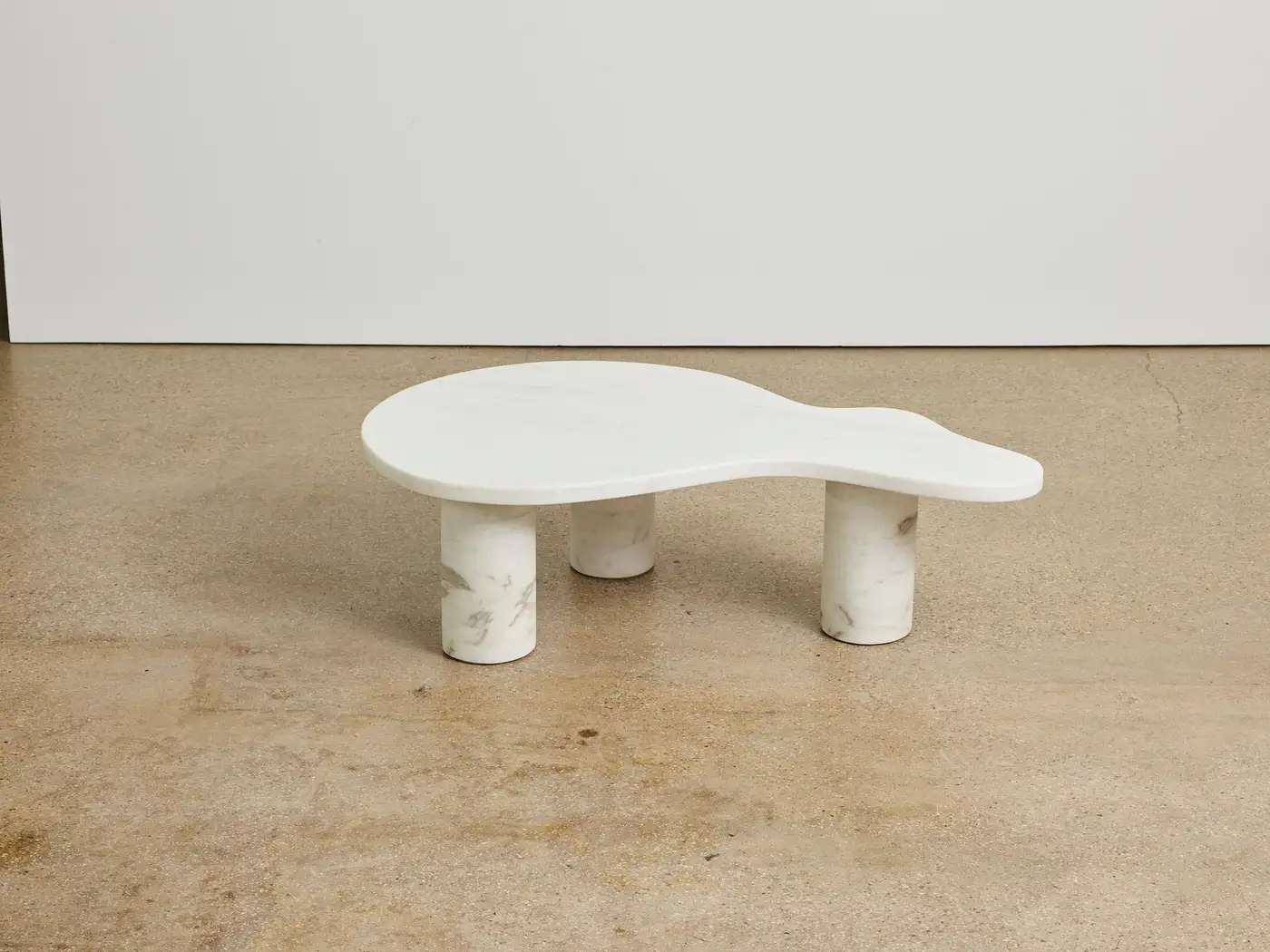
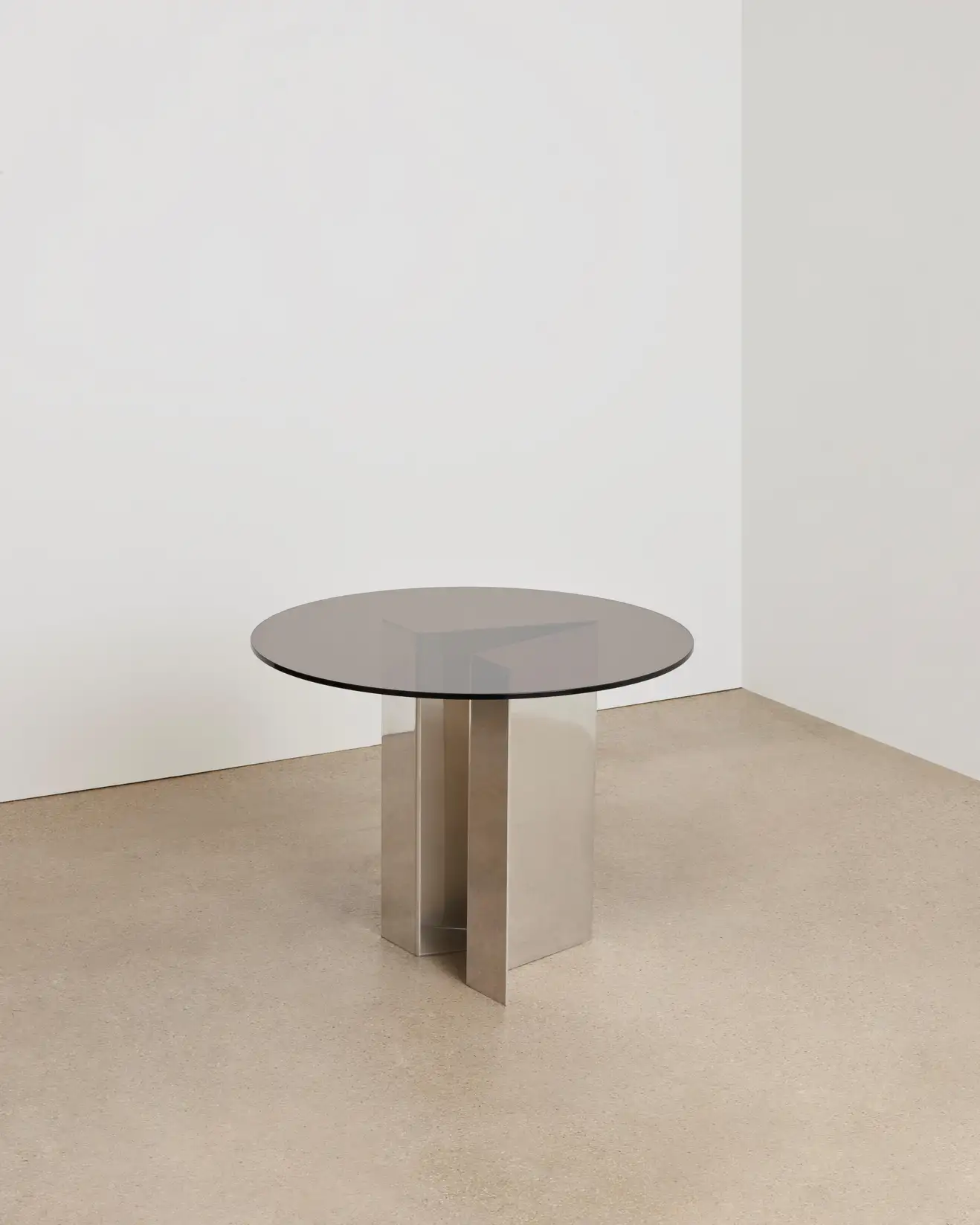
The environment and accessibility have a lot to do with it. When I lived in Mexico City before New York City, I worked mainly in concrete and complex mold making. When I moved to New York City, I almost entirely moved to folded metal, as the city is essentially made of that, I beams and folded metal, so it made sense to start exploring these.
What are the technical particularities of your creations?
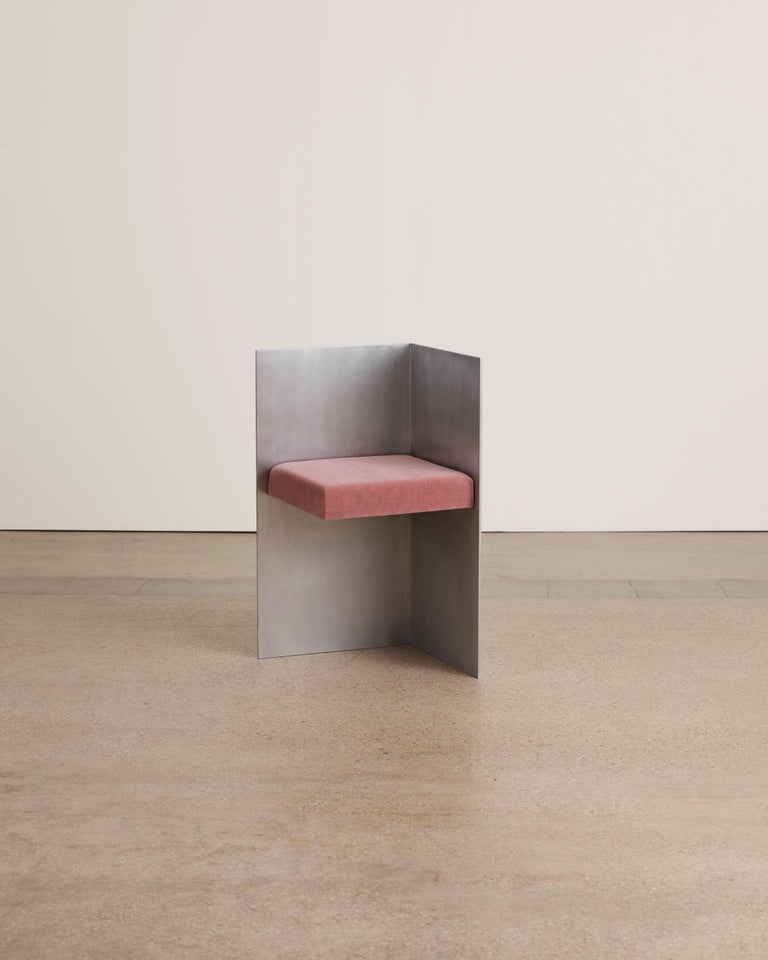
My pieces started almost as readymades, stacked upholstered pieces on industrial steel bases; there is always a contrast of hard and soft, humble and precious. A dialogue between contrasting surfaces, materials, or shapes is somehow always present in my work.
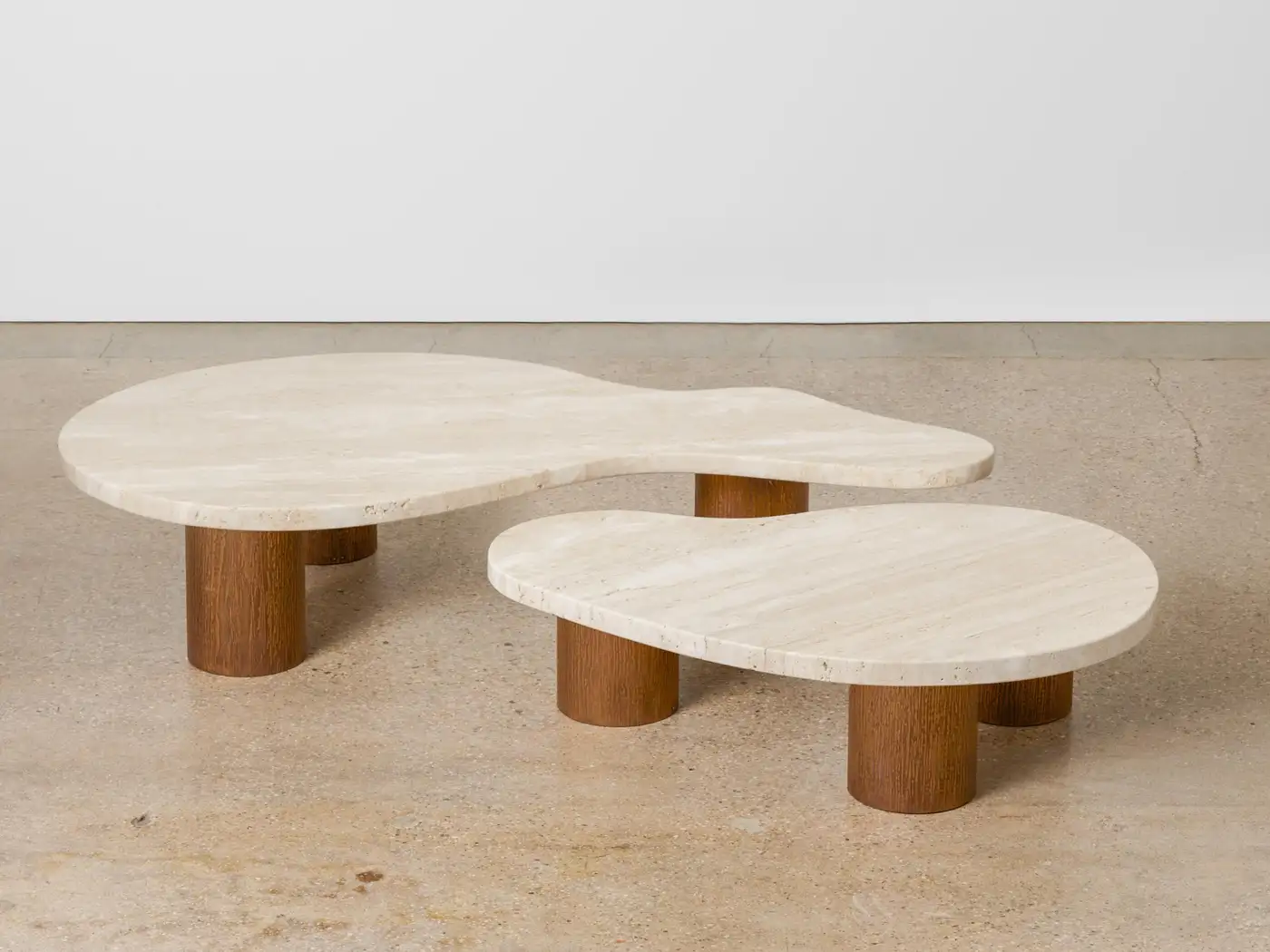
What advice could you give to beginning artists who would like to create sculptural design works?
Brancusi’s motto was ‘Create like a god, command like a king, work like a slave.’ I think that’s still valid somehow, even if extreme, but self-discipline and persistence are very important; work hard and don’t give up until you get where you need to be.
If your works had to belong to a design movement, how would you define it?
Hopefully, to one that’s not there yet and about to start, the world has been waiting for one for a long time. Otherwise, for me, certainly modernism, definitely not Post-Modern.
What designers and artists have influenced you?
Carlo Scarpa and Matthias Goeritz.
What contemporary designers do you appreciate?
I just saw a young British designer who was melting metal into wooden furniture; I thought that was very interesting. I am not very good at keeping up with contemporary design, however.
What contemporary artists, in any kind of art, have you been inspired by?
I don’t know if they would still be considered contemporary, but Michael Heizer, James Turrell, Sol Lewitt and Donald Judd were very influential to me.
If you had to summarize your creations in one word or sentence, what would it be?
Investigating the playfulness and the contrast of humble and precious matters and objects, hard and soft surfaces and materials, minimal invasion yet maximal repercussion.
Is there anything you would like to add?
As a trained architect, I often respond to a brief or an environment, so I am still very excited about what’s coming, as I still feel early on in my design work and practice.
“Work hard and don’t give up until you get where you need to be.”
The Questionnaire
The Questions
(The Proust Questionnaire is a set of questions answered by the French writer Marcel Proust.
Other historical figures who have answered confession albums are Oscar Wilde,
Karl Marx, Arthur Conan Doyle, Stéphane Mallarmé, Paul Cézanne…)
What is your idea of perfect happiness?
Freedom and time
What is your greatest fear?
Boredom
What is the trait you most deplore in yourself?
Over tolerance
What is the trait you most deplore in others?
Lack of Flexibility
Which living person do you most admire?
My son Luca
What is your greatest extravagance?
My work
What is your current state of mind?
Learning and Growing
What do you consider the most overrated virtue?
Ambition
What is the quality you most like in a man?
Intelligence
What is the quality you most like in a woman?
Strength

Which words or phrases do you most overuse?
Kind of
Which talent would you most like to have?
–
If you could change one thing about yourself, what would it be?
Not to worry about things
What do you consider your greatest achievement?
My children
If you were to die and come back as a person or a thing, what would it be?
A rock
Where would you most like to live?
Mexican west coast
What is your most treasured possession?
My photographs
What do you regard as the lowest depth of misery?
Loneliness
What is your favorite occupation?
Creating new work and objects
What is your most marked characteristic?
Sharpness
What do you most value in your friends?
Creativity
Who are your favorite writers?
Slavoj Zizek
Who is your hero of fiction?
Blade Runner
Which historical figure do you most identify with?
Brunelleschi
Who are your heroes in real life?
MSF
What are your favorite names?
Amedeo
What is it that you most dislike?
Ignorance
What is your greatest regret?
None
How would you like to die?
In my studio
What is your motto?
Respect and cherish your work
“Your way of sketching is making models.”
SHARE :