Marta Dervin
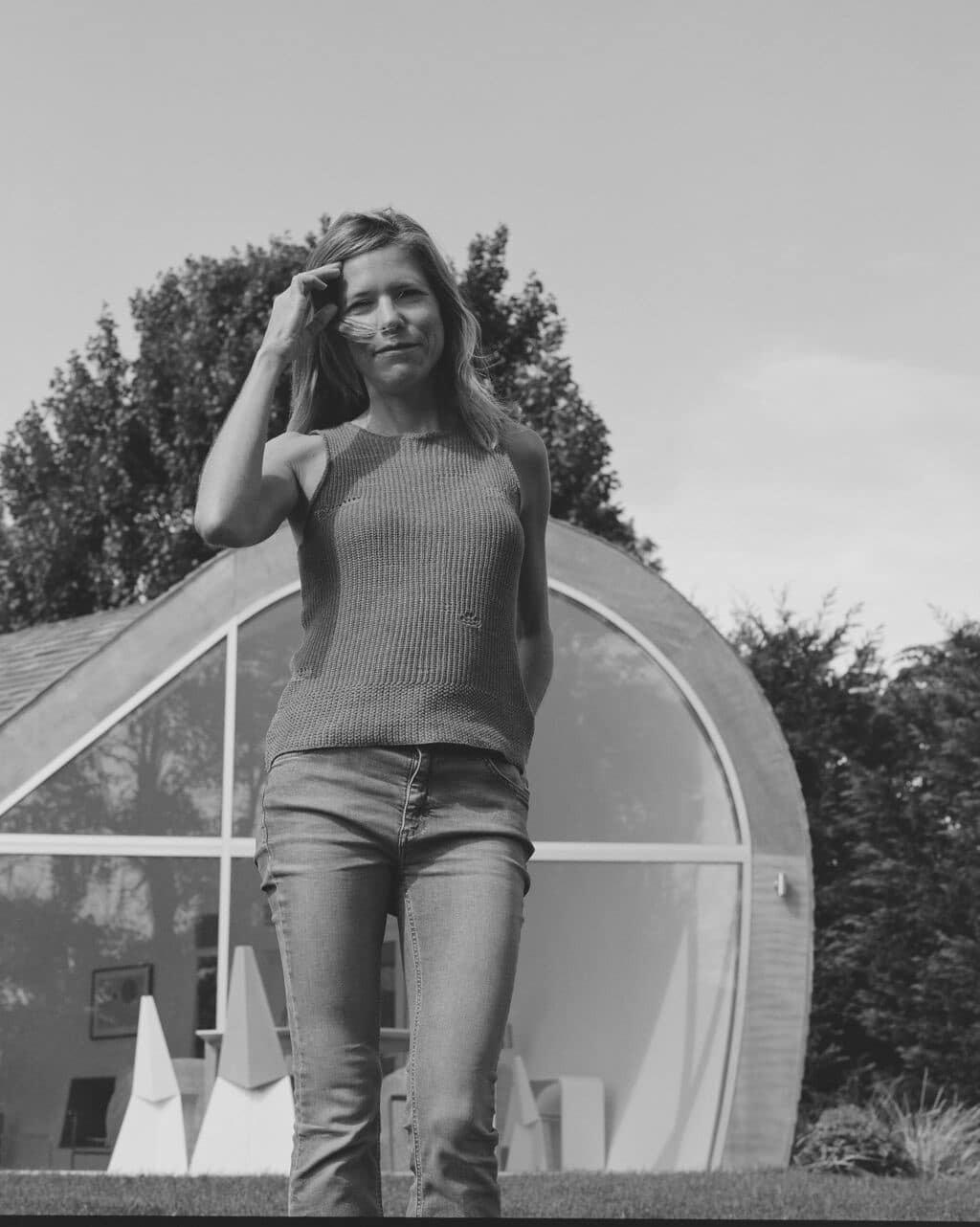
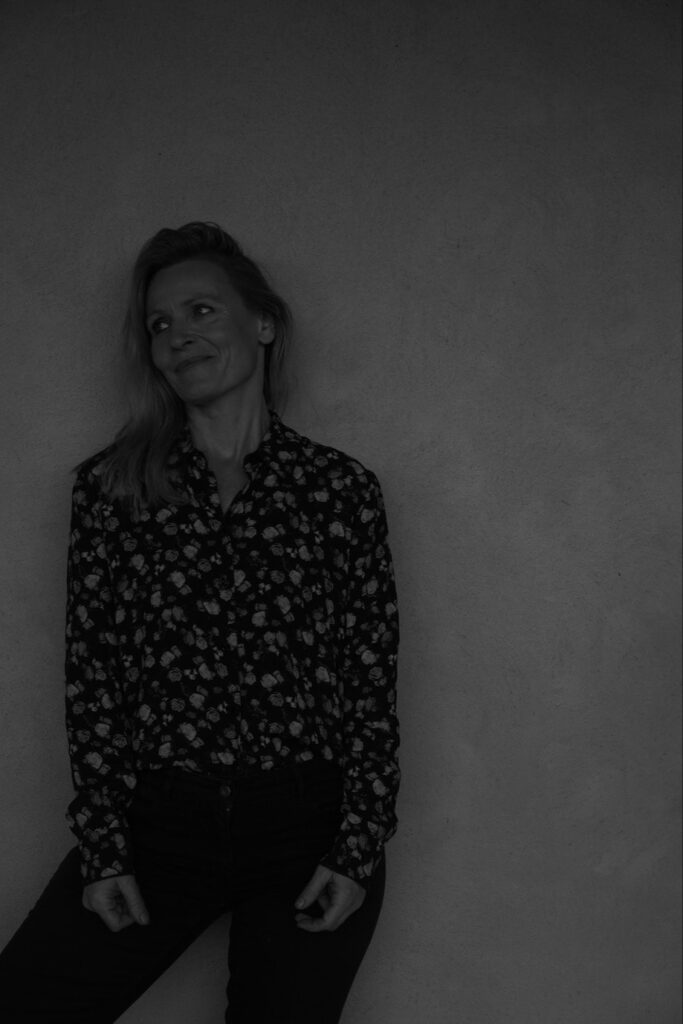
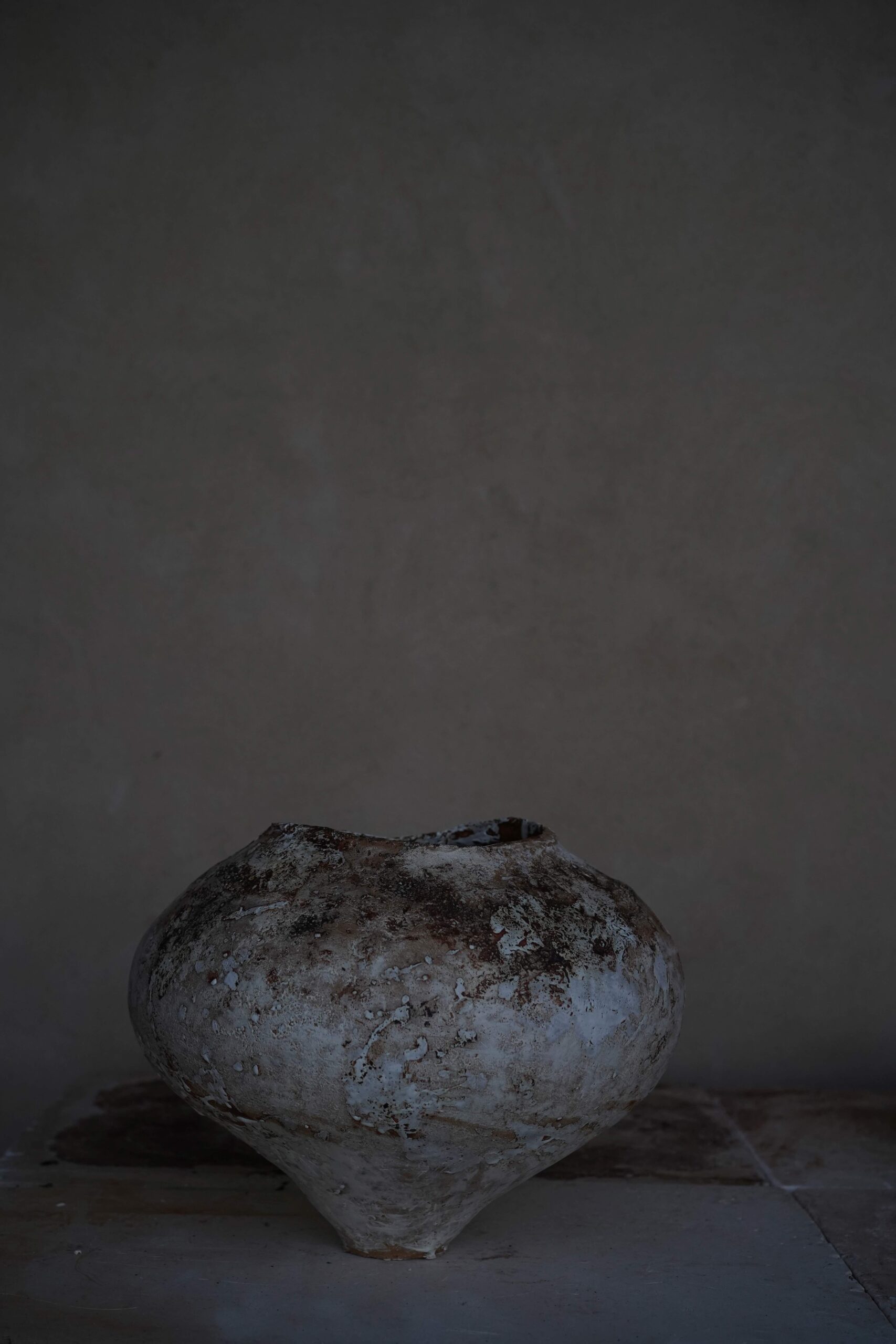
Marta Dervin is a Polish-born ceramic artist based in the Ardèche mountains of southern France, where she creates sculptural vessels and collectible objects shaped by archaeology, geology, and the surrounding natural landscape. Trained in Mediterranean archaeology, she founded her ceramics studio in 2018 after years studying ancient ceramic traditions, transforming her fascination with excavated artefacts into a contemporary sculptural practice. Working primarily with stoneware, porcelain, and glazes developed from wild rocks and natural minerals, Dervin creates works that bridge history, nature, and material experimentation.
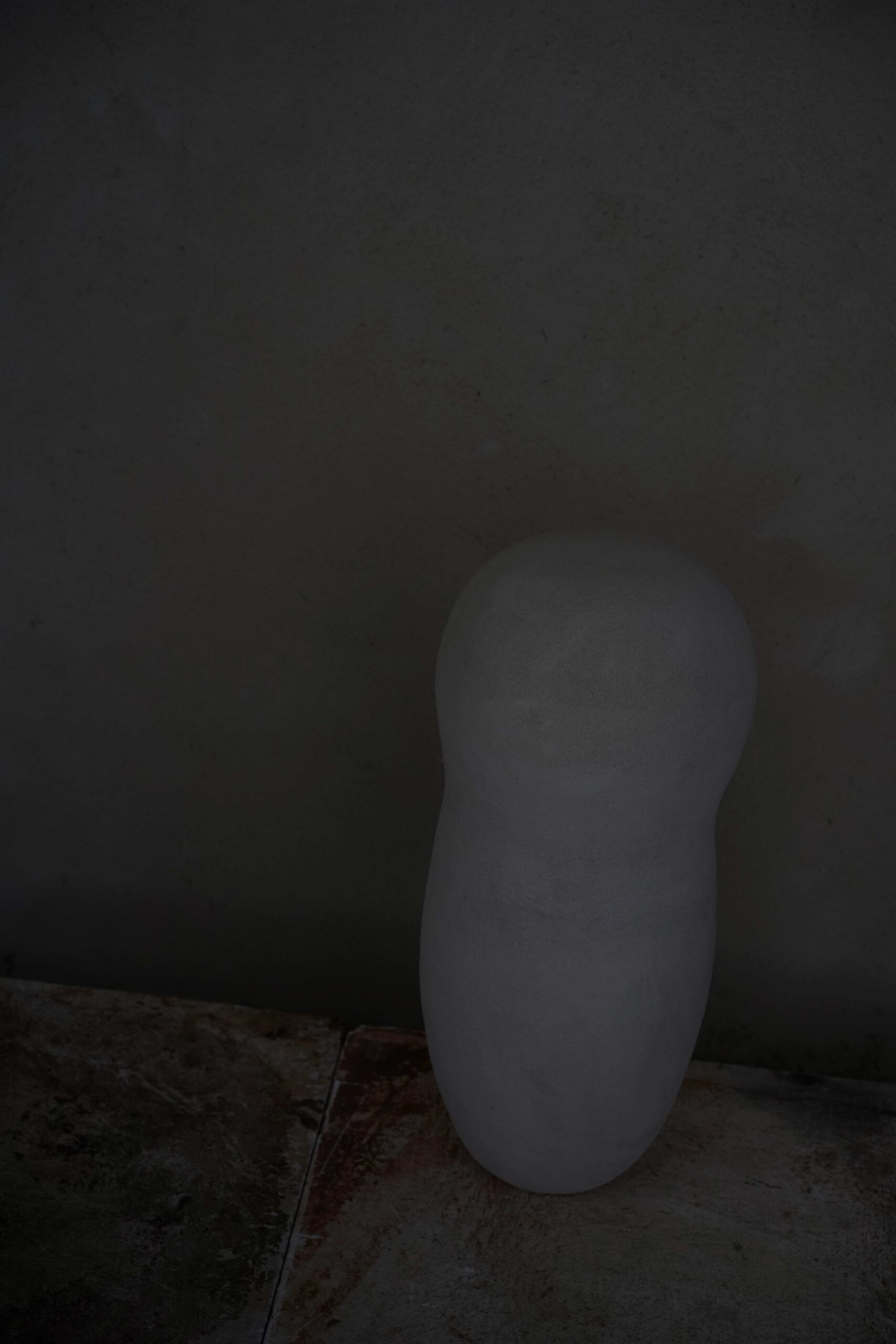
Guided by a deep connection to the earth, Dervin’s practice explores the passage of time, the fragility of civilization, and the enduring force of nature. Through tactile textures, restrained forms, and a minimalist aesthetic rooted in craftsmanship, her ceramic pieces evoke weathered artefacts reclaimed by the landscape, creating a quiet dialogue between past and present, architecture and geology.
Interview
I was born in Poland. After completing my Master’s degree in Mediterranean Archaeology, I settled in the south of France.
I was really impressed the first time I went to the Louvre in Paris. I was twelve years old, and I was absolutely amazed by the ancient art. It was incredible to see all those Greek and Roman statues… the sarcophagi… At the time, I wasn’t very interested in painting (that came later), but it definitely made me want to go in that direction and study art.
Yes and no! I just moved to the other side… In archaeology, many of the objects I excavated were ceramics. Now, I have become a creator.
Probably by accident… It’s a long story. I was given the task of explaining the concept of ‘relative chronology’ to children at school, and I thought the best solution was to make ceramic pieces myself and then present the dating process. Once I started shaping the clay, I never stopped! But it’s also true that I built my house far away in nature… I needed to reconnect with the earth. It was stronger than anything. The earth is still at the center… It’s just that before, I used to dig it up, and now I shape it.
As I said before, archaeology is one of my most important inspirations. But above all, I need to go for walks in nature…hiking along mountain ridges, collecting stones, observing geology, and feeling the energy that the rocks radiate. I have a magnificent view from my window of the entire valley with the volcanoes surrounding the river… I think it influences me enormously… certainly, I wouldn’t make the same ceramics if I lived in the city.
Regarding the creative process, the first phase is very intellectual… it happens in my mind, and when I get tired and it’s too much, I start to create in my studio. I spend a lot of time researching and transforming rocks… It’s actually very labor-intensive and scientific work. Once I have my textures, I begin to shape the forms… I always need a guiding thread… never stopping… It’s always starting from zero.
I wake up very early, around 6 in the morning. I always take an hour just for myself…Ceramics are a part of my life; I don’t consider it a job, so I do it all the time. It’s just the tasks that may change.
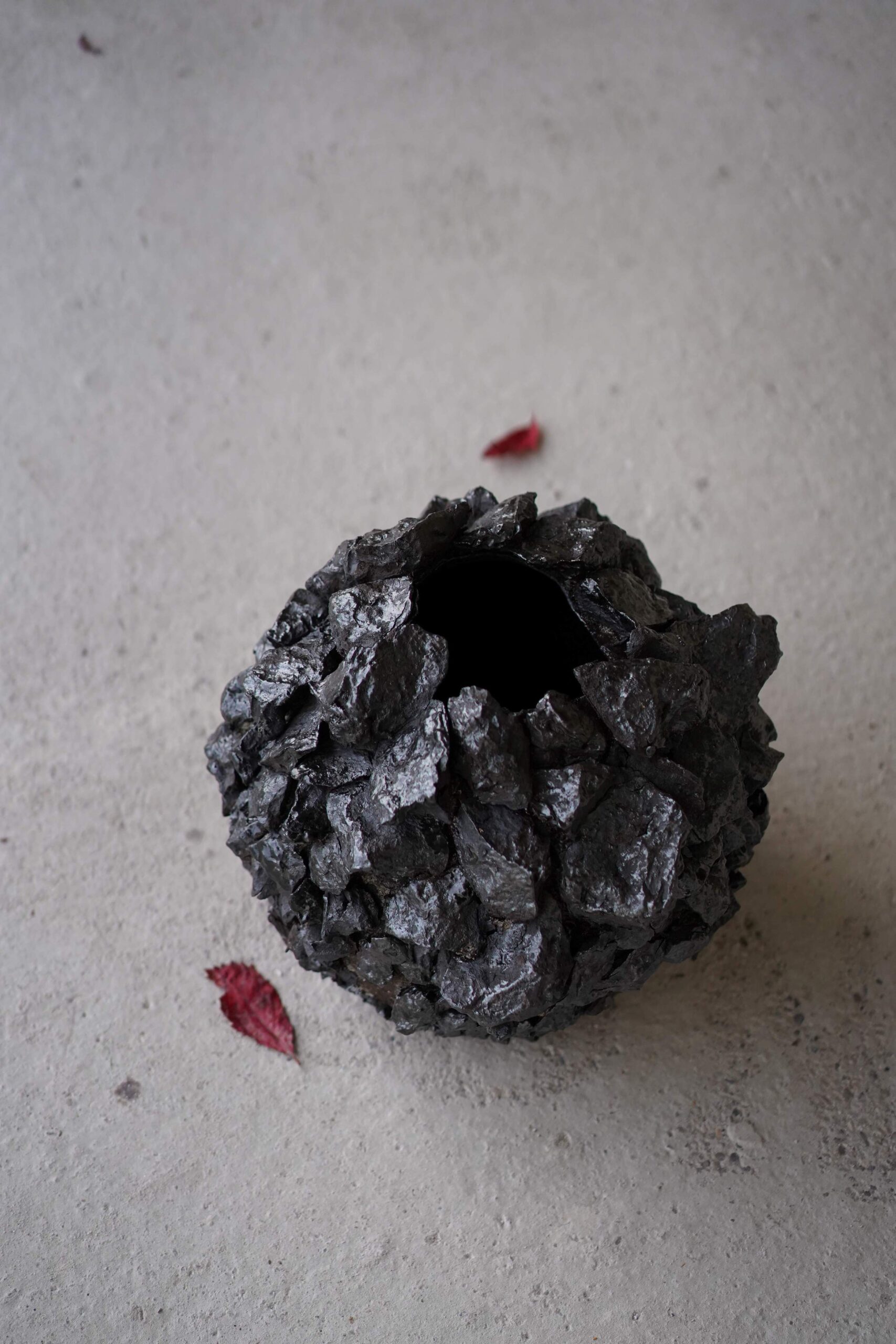
I use stoneware as well as raw materials, such as rocks and clay, that I collect in nature.
The textures… I work a lot on texture as well as glazes.
Work hard and do not ask yourself too many questions.
Minimalism.
Paul Philip, Charlotte Perriand, Toru Hatta.
Jin Kuramoto.
I love Claudi Casanovas’ ceramics for their raw and naturalistic aesthetic.
I could say in French “Parfaitement Imparfait!”
But more than anything, I am interested in questions of time… the relationship between humans and nature… its impact on the environment… My pieces represent the fragility of our civilization and the power of nature. The rocks invade the artifacts, which become less and less visible. This vision brings me peace.
“The earth is still at the center… It’s just that before, I used to dig it up, and now I shape it.”
The Questions
(The Proust Questionnaire is a set of questions answered by the French writer Marcel Proust.
Other historical figures who have answered confession albums are Oscar Wilde,
Karl Marx, Arthur Conan Doyle, Stéphane Mallarmé, Paul Cézanne…)
Think about nothing
That something might happen to the people I love
Impulsivity
Cowardice, lack of courage
My partner
Stop to think
Calm
Conservatism
Sensitivity
Sensitivity
Where are my keys?
I don’t need more, it’s okay like this
Being organized
To think outside the box
A cat
Exactly where I live now, in the mountains
My children’s drawings
Possess more than you need
Watch the fire
Take a risk

Authenticity
Yoko Ogawa, Nancy Huston, J. M. G. Le Clézio
–
–
My close ones
Gaia / Mael
“langue de bœuf” the French culinary specialty
I don’t have it
Without regret
Don’t give up
“My pieces represent the fragility of our civilization and the power of nature. The rocks invade the artifacts, which become less and less visible.”
SHARE :