Alexia Vela Akasaka – FAKASAKA
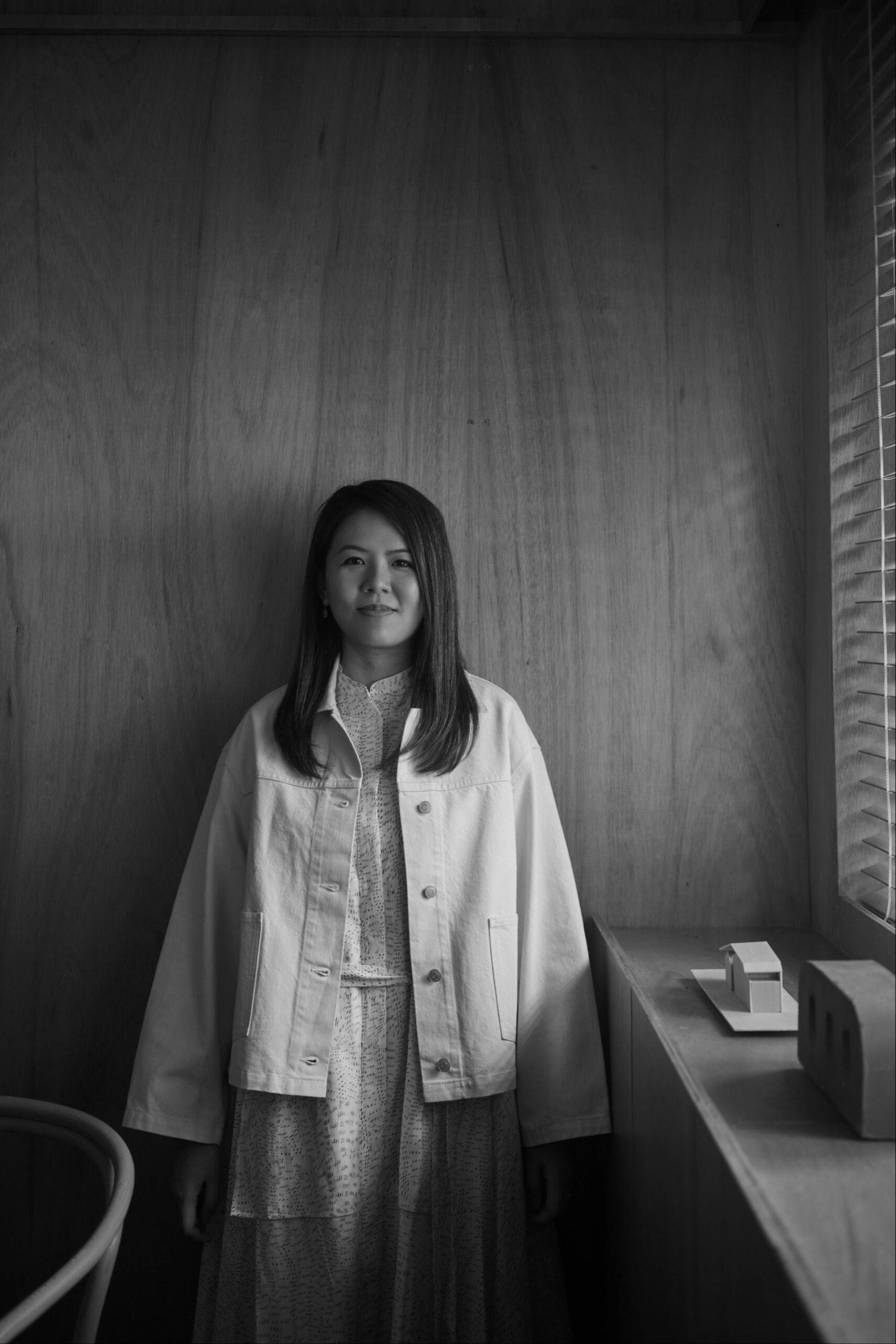
Alexia Vela Akasaka is an interdisciplinary Brazilian designer born to a Bolivian mother and a Japanese father. Raised in São Paulo, Brazil, she moved to the UK in 2020 to pursue a foundation diploma in arts and design at Central Saint Martins. Following that, she attended the Bartlett School of Architecture, University College London, earning a Bachelor’s degree in Architecture and Interdisciplinary Studies in 2024.
Alexia’s mixed heritage deeply informs her design work, where she explores how different cultural and ethnic identities blend, clash, and coexist in Brazilian contemporary culture. This is often expressed in her work through shape and form as a subtle cue to explore experiences and the process of self-discovery, which are brought through quiet references to people and moments lived interwoven within fluid shapes.
Interview
I was born and raised in São Paulo, Brazil.
My father’s studio in São Paulo.
Yes.
I ask myself this a lot. I wonder why I never outgrew it, because there were many moments I wanted to do something, maybe more predictable or stable. I think it’s because the more I was exposed to this world—and not just design, but the fashion industry, film industry, and the arts in general—it always fascinated me. It was also reassuring, I guess, that it helped me get through school. I was very introverted, so it helped me a lot growing up having something creative to do. Eventually, I just kept going and continued to develop my connection to this world. Now I think it’s definitely become a way for me to channel energy into something—I tend to overthink a lot, so creating things just gives me a space to be able to develop these thoughts and rationalise them.
My creative process consists of a lot of overthinking. It’s rarely smooth, but it tends to begin with a phase where I spend a long time just sitting with an idea, not really doing anything with it other than gathering research. I’ll then either sculpt it, draw it, or do some collage and just keep building on it for months until I’m ready to develop a final piece and take it to the foundry.
I think I’m very influenced by day-to-day experiences, literature, and just contemporary culture in general.
One of my biggest influences at the moment is Gloria Anzaldúa’s book Borderlands/La Frontera and her exploration of mixed cultural identity within Latinx experiences.
I don’t think I have one.
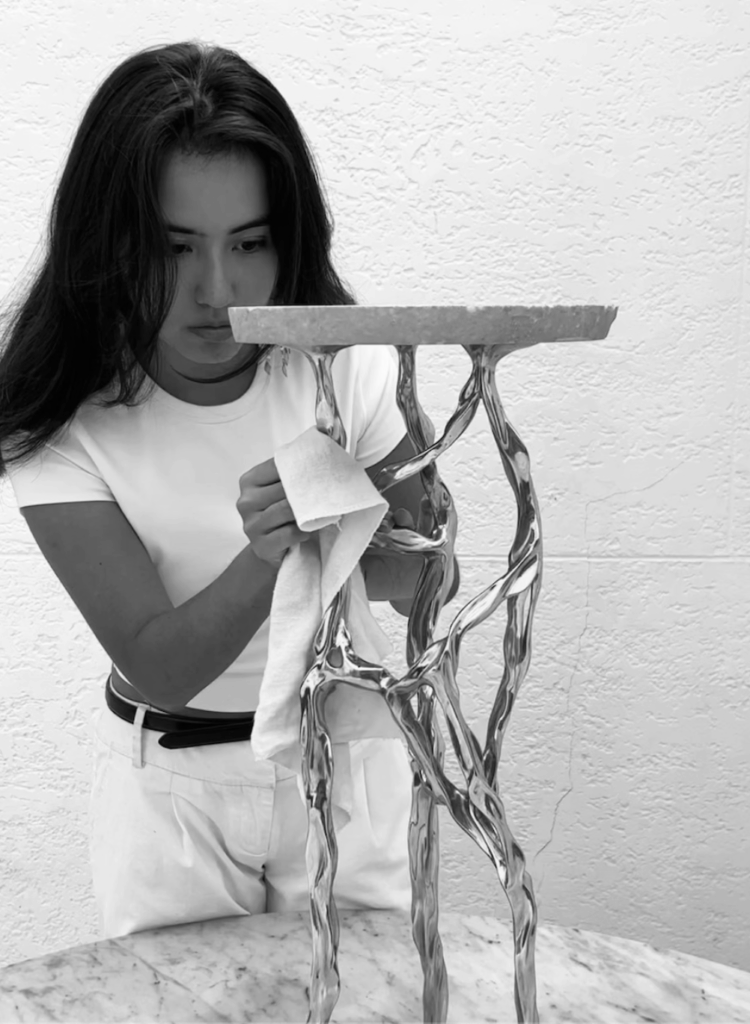
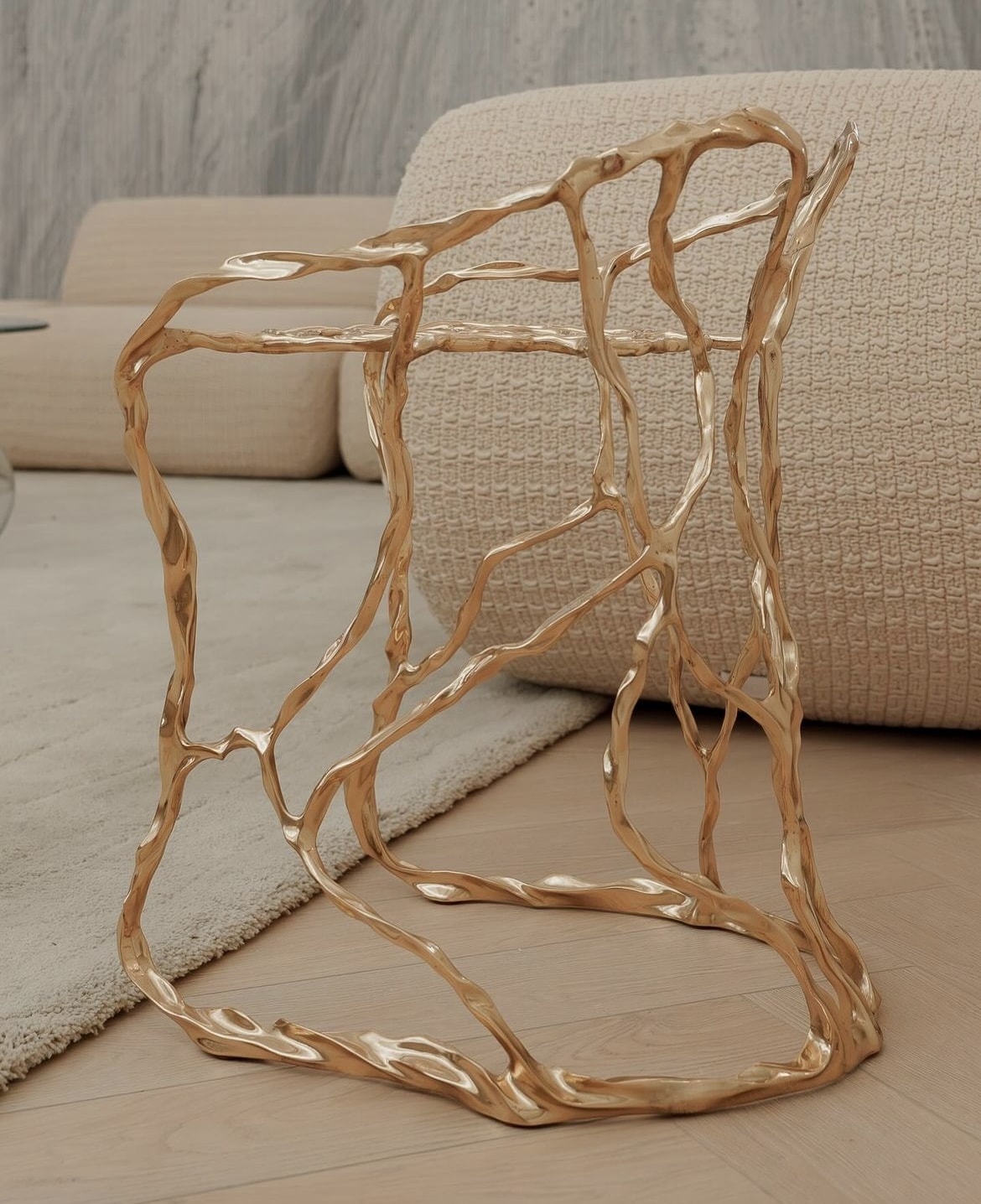
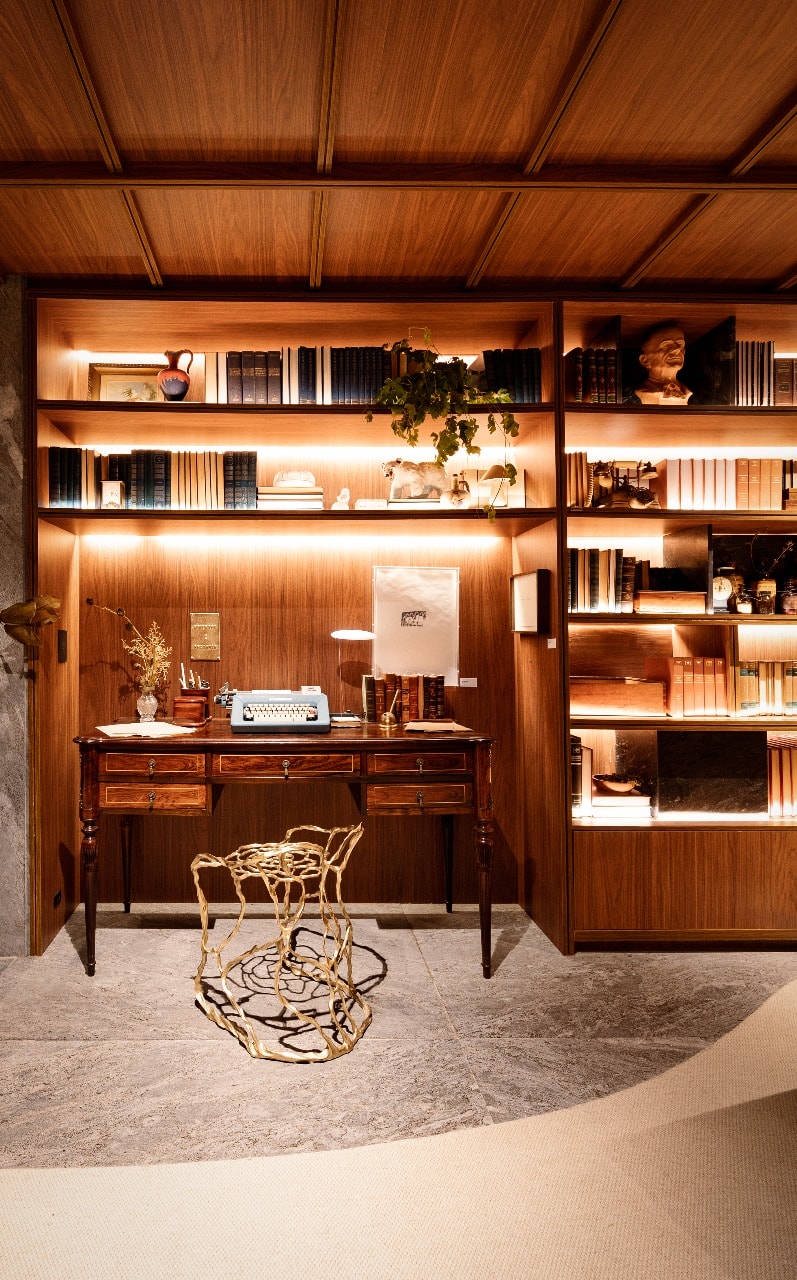
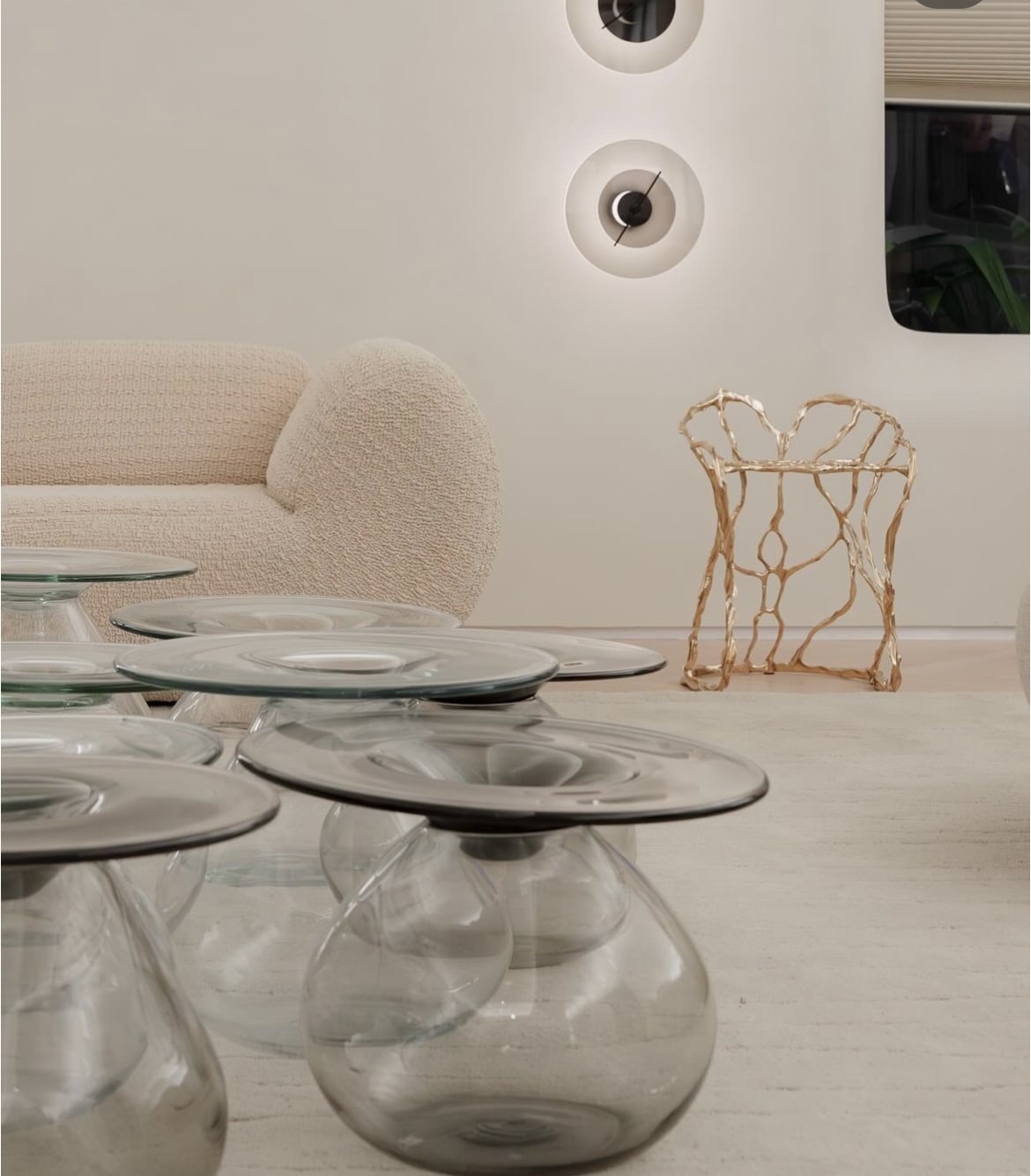
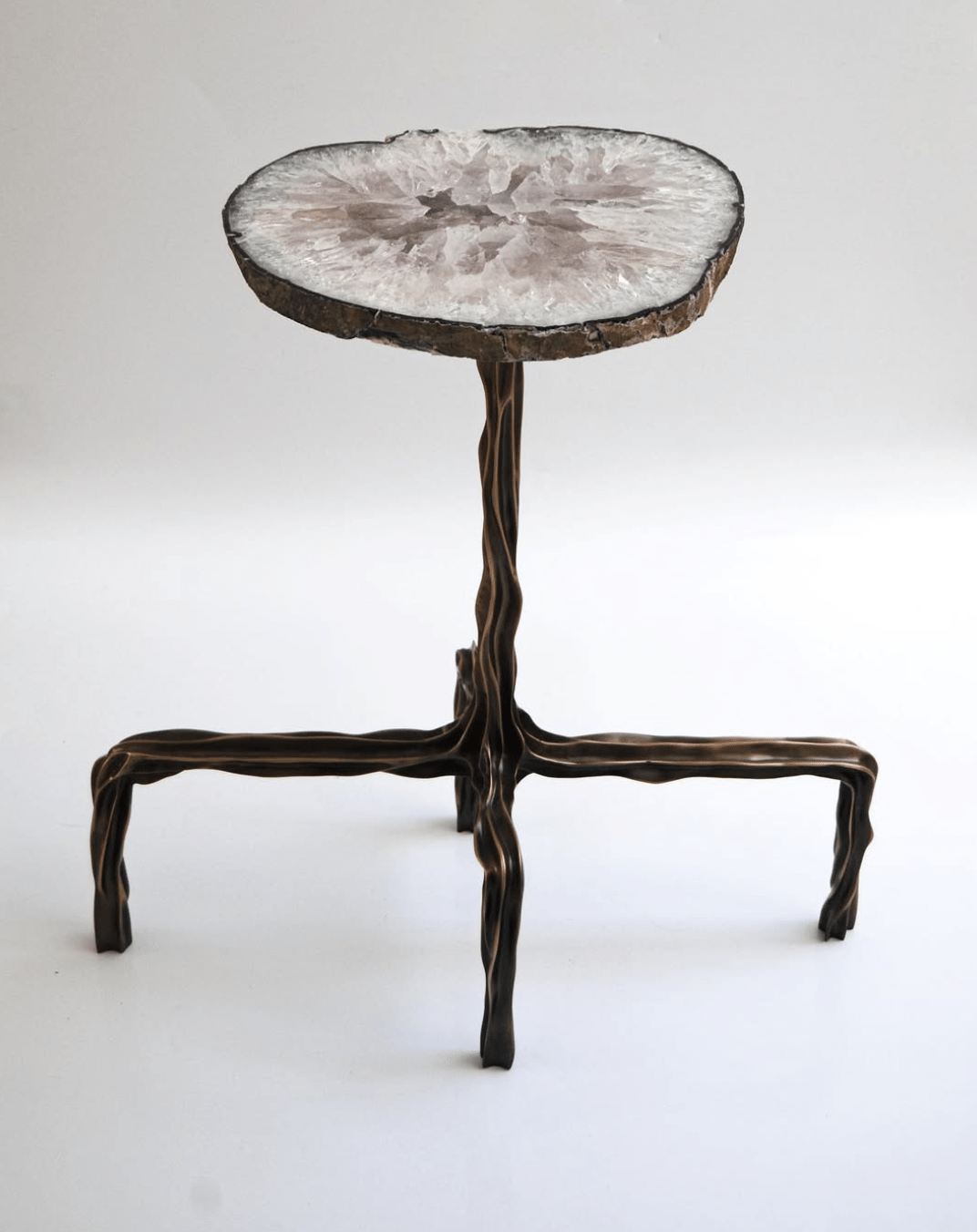
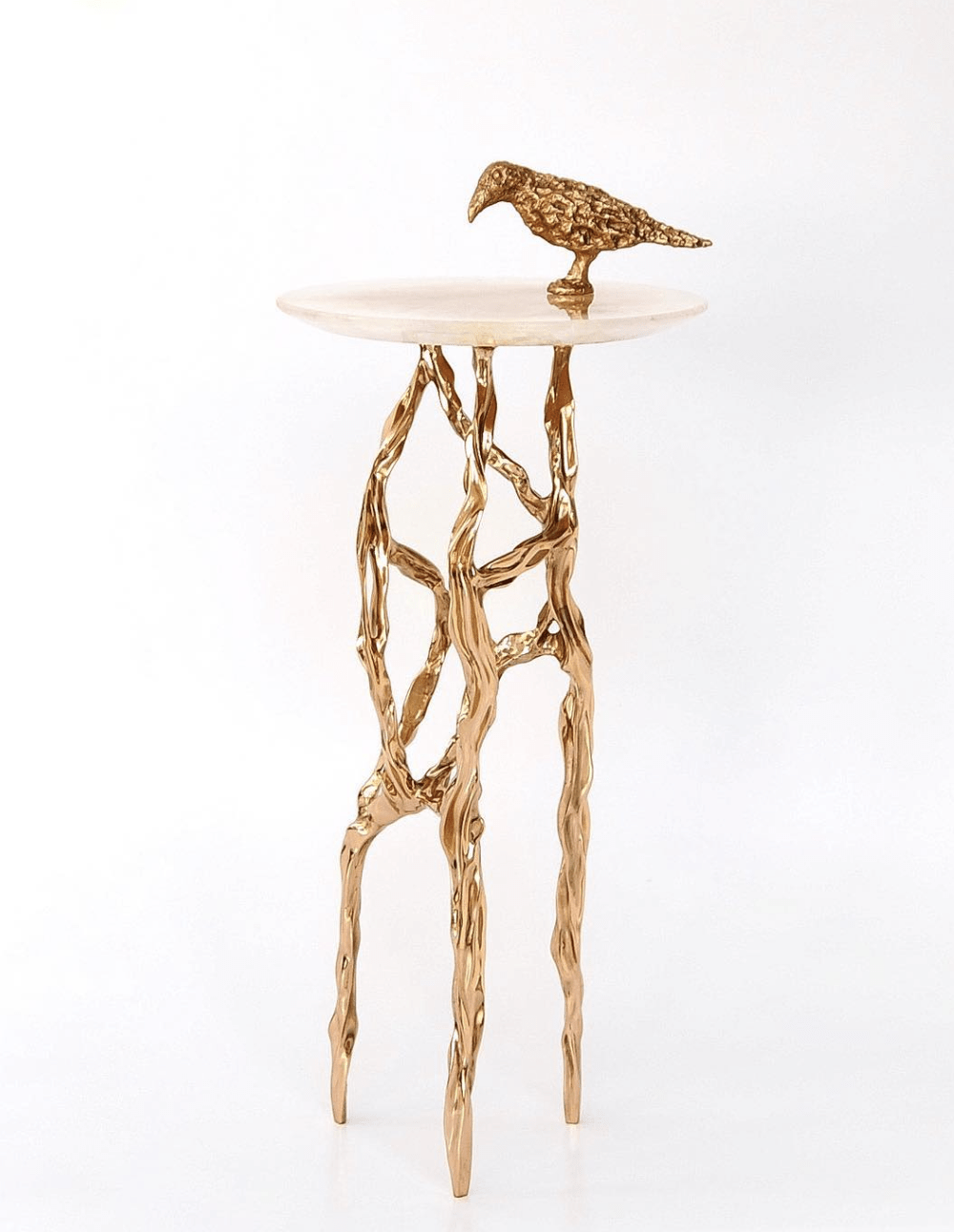
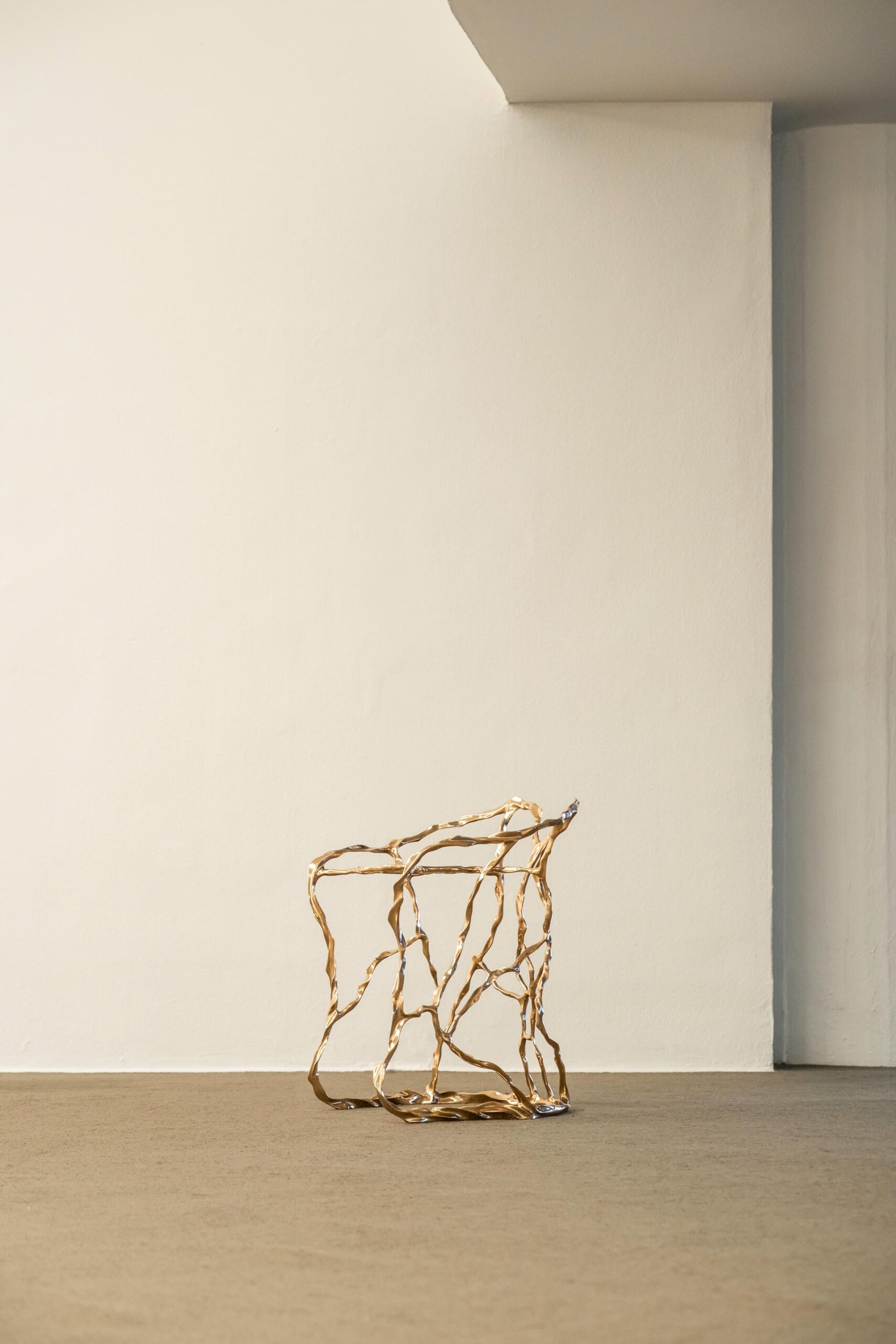
I really enjoy the materiality of metal and its permanent and stable qualities. Having been exposed to the foundry process since I was very young, I also have a very big respect for the traditional artisanal techniques involved.
At the moment, the main technical aspect is the lost-wax casting method in the foundry. I sculpt by hand the model, which allows me to express and experiment with the material hands-on, and then take the final model to the traditional casting process to translate it into a final metal piece.
This also allows me to think more critically about materiality and the nuances of the making process beyond the 2D and 3D sketches.
Be patient and resilient. In my experience, it’s not an easy field to work in, especially if you value stability and routine as I do. You’ll also probably receive a lot of rejection, though you might be lucky and be an exception. However, if you are not the exception, remember to take it lightly and have fun; it’s not supposed to feel like ‘work’ all the time!
I’d like to think it fits into the Brazilian contemporary design movement.
I think my father will always be my biggest and constant underlying influence, but this question is tough for me because it always varies, and I think contemporary art influences me way more than design. I can say, though, that recently I’ve been very inspired by many, if not all, the contestants at the LOEWE Craft Prize, in particular Heechan Kim.
Irmãos Campana—or Campana Brothers in English! I really admire their trajectory, and I appreciate how their work always sheds light on pressing environmental and socio-economic issues we face in Brazil. Recently, I’ve also been really inspired by designers who specialise in woodworking, like Eleanor Lakelin and Ernst Gamperl.
It’s hard to choose only a few, but at the moment, Barbara Chase-Riboud, Gloria Anzaldúa, Cildo Meireles, Wolfgang Tillmans, Do Ho Suh, Maria BartuszovÁ, El Anatsui, Zaha Hadid, and Ai Weiwei.
Exploring themes of identity, culture, kinship, relationships, and friendship.
“Be patient and resilient. Remember to take it lightly and have fun.”
The Questions
(The Proust Questionnaire is a set of questions answered by the French writer Marcel Proust.
Other historical figures who have answered confession albums are Oscar Wilde,
Karl Marx, Arthur Conan Doyle, Stéphane Mallarmé, Paul Cézanne…)
Summer, a beach in Brazil, days before New Year’s, with friends and family.
Losing one of my loved ones.
Self-doubt.
Ignorance.
My mother.
Coffee.
Somewhere between calm, confused, optimistic, and a bit lost.
Nonchalant.
Transparency.
Confidence.
–
To have any kind of musical talent. Ideally singing but I’d be happy if I was good at guitar or drums.
I’d be more flexible.
Creating a life I like in London from scratch.
A dog.
London.
Handmade jewellery by my dad.
Trying to survive in a war zone.
Doctor.
Not sure.

Screenshot
Reliability.
Chimamanda Ngozi Adichie and Isabel Allende.
Ifemulu from Americanah.
Zaha Hadid.
My father, my mother, my grandma, and my two closest and longest friends.
I don’t think I have any. Maybe Milla?
Entitlement.
Caring too much about other people’s opinions.
In my bed at old age.
I don’t really have any but I saw this one the other day that’s nice: What I seek, is seeking me.
“Creating things gives me a space to develop my thoughts and rationalise them.”

Screenshot 


SHARE :