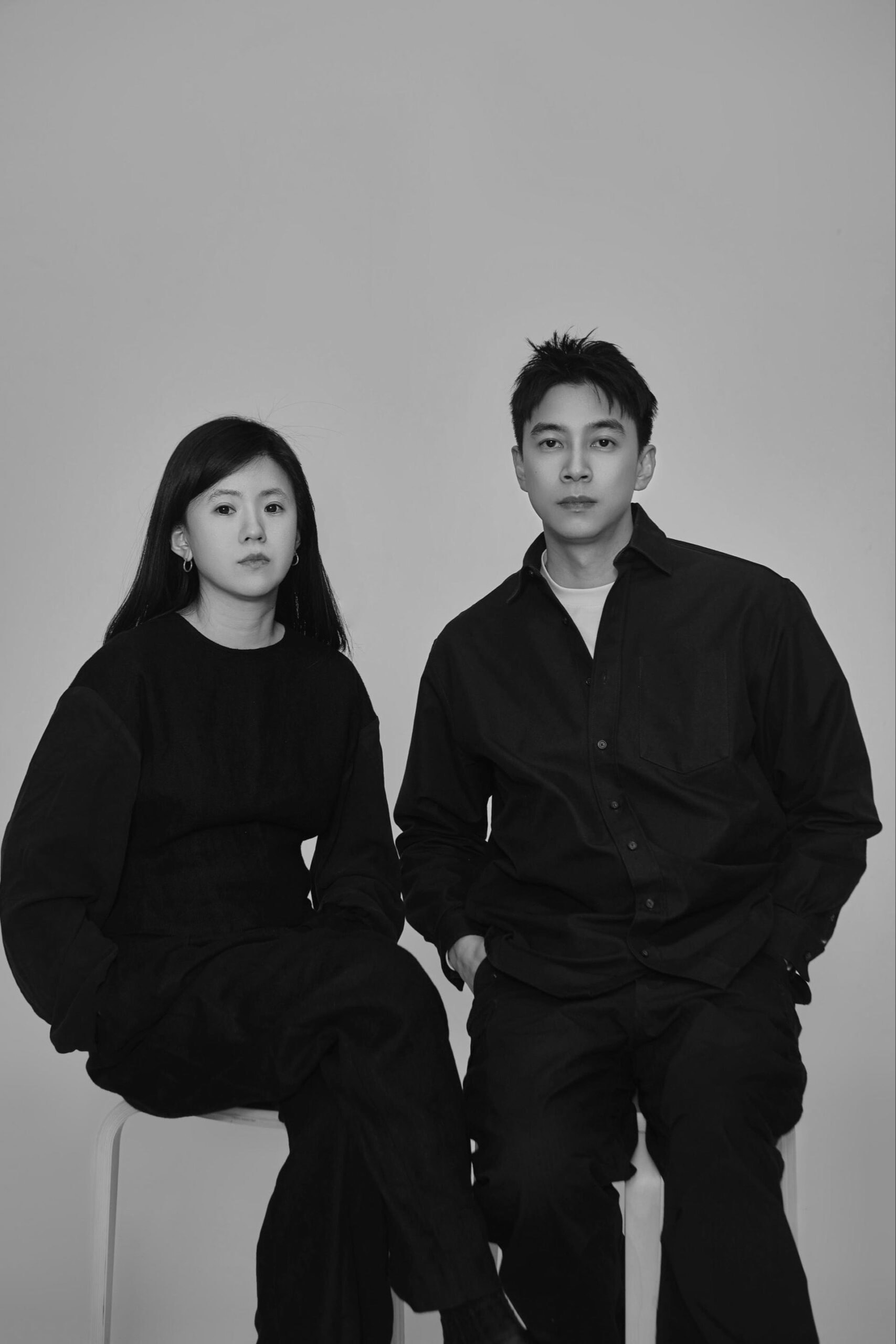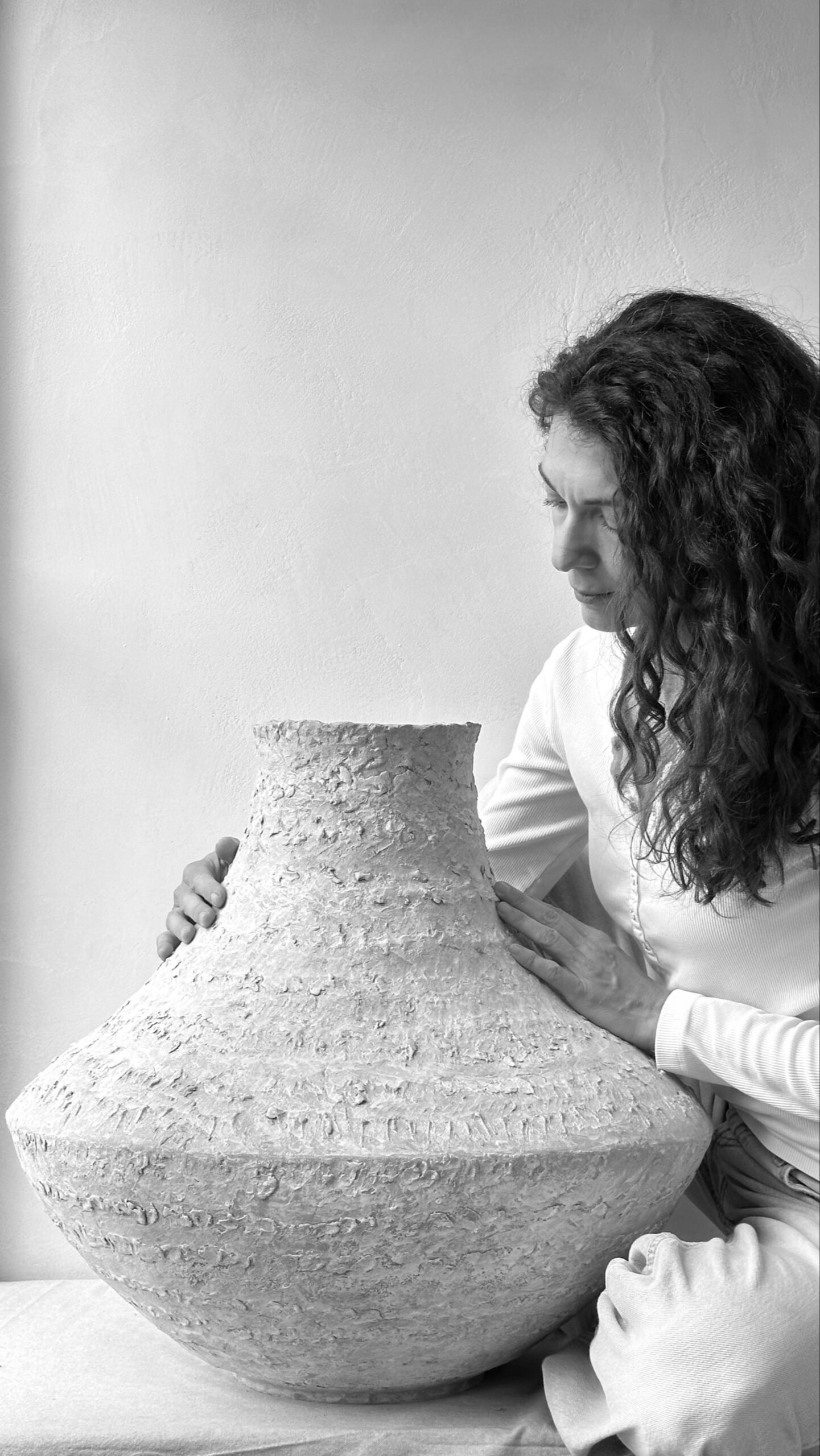

Adrian Bursell
Adrian Bursell is a Stockholm-based Swedish designer whose practice explores furniture through material, craft, memory and place. Trained in fine art at HDK-Valand before studying Interior Architecture and Furniture Design at Konstfack, where he graduated in 2020, his work combines a sculptural approach with an interest in traditional techniques and locally rooted materials. His graduation project, Sticks and Stones: Souvenirs from Öland, transformed limestone, juniper and ash into furniture informed by his childhood connection to the Swedish island of Öland; the project’s Lilla Alvaret side table subsequently entered the collection of Möbeldesignmuseum.
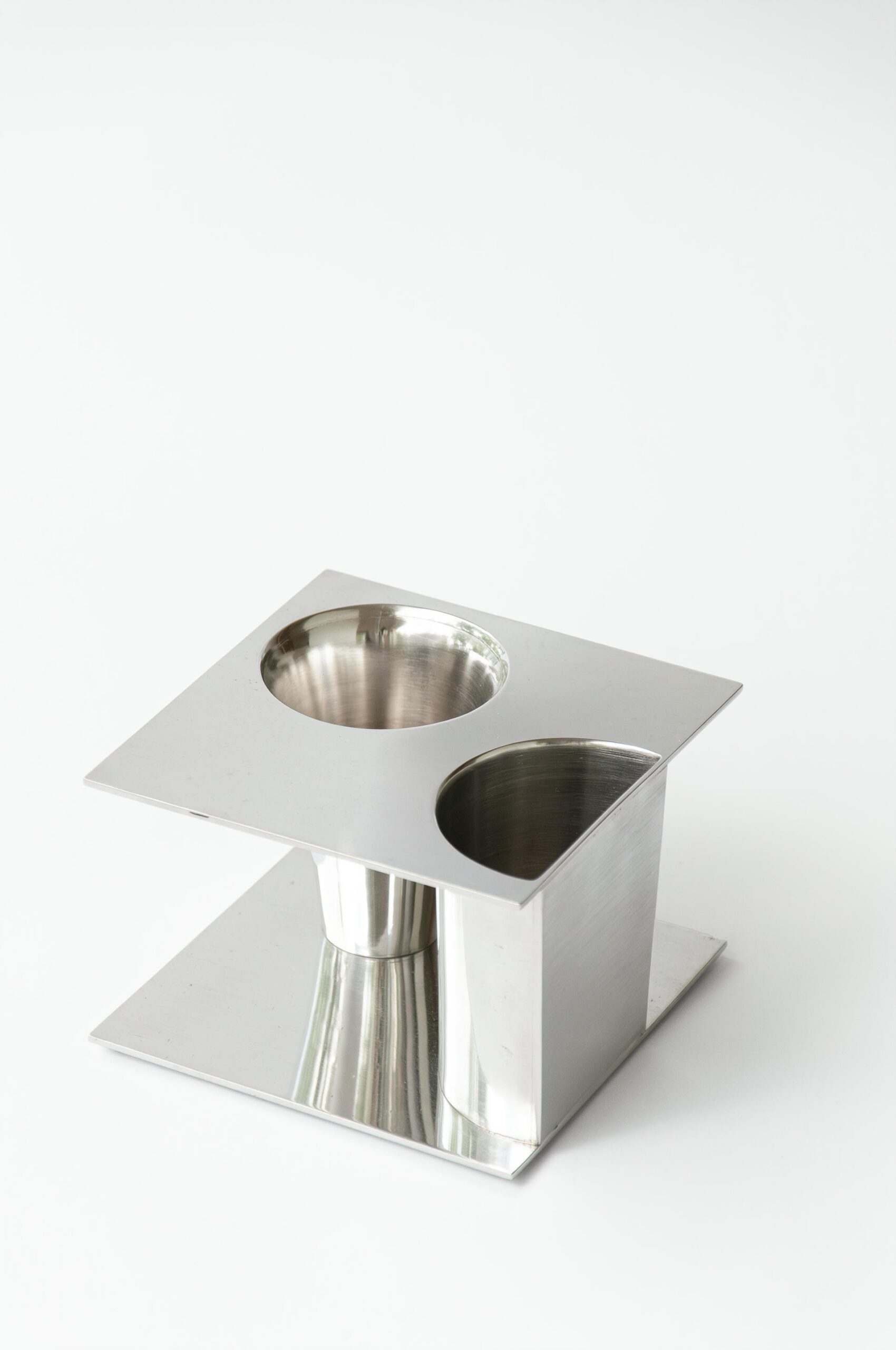
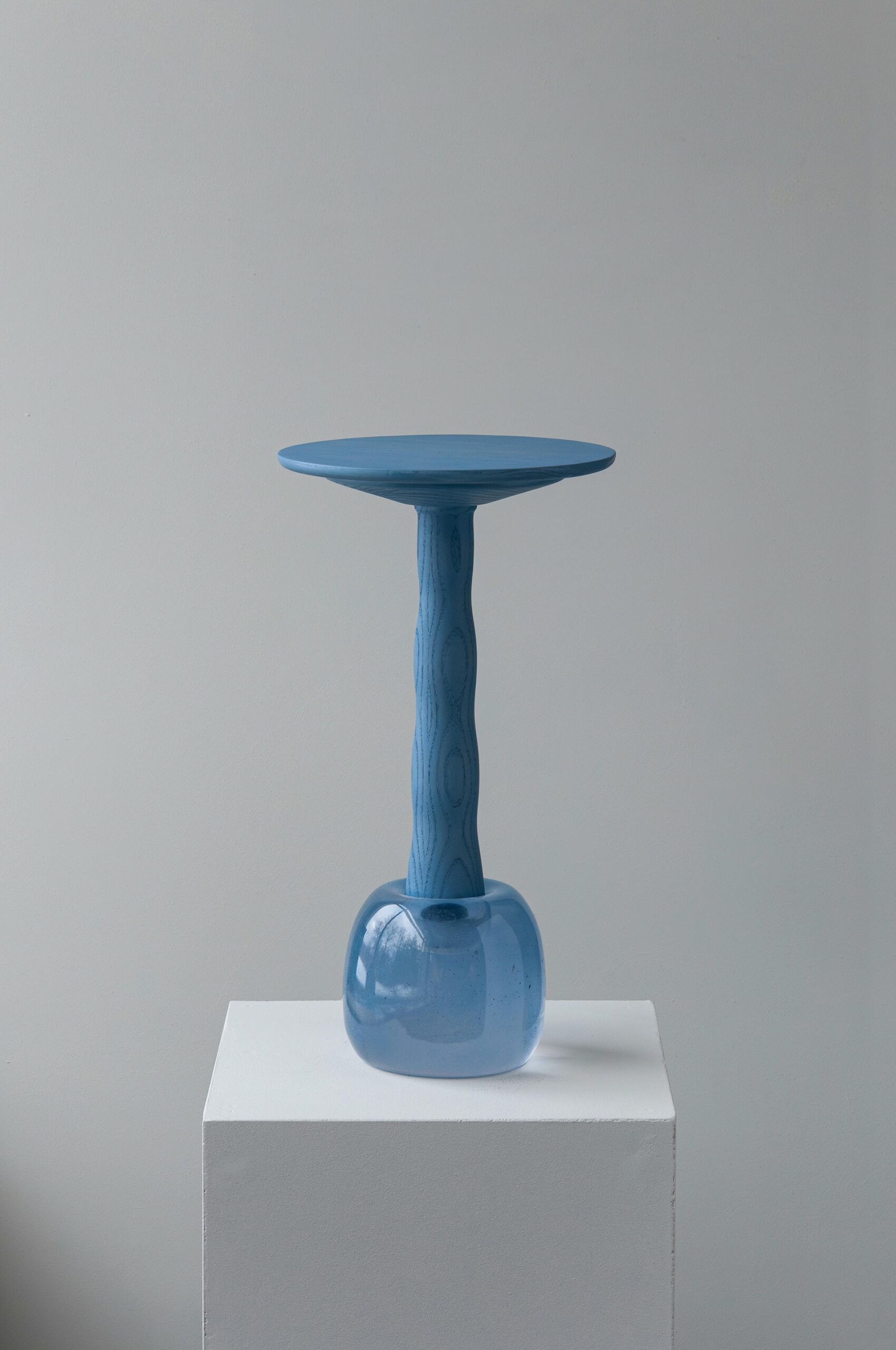
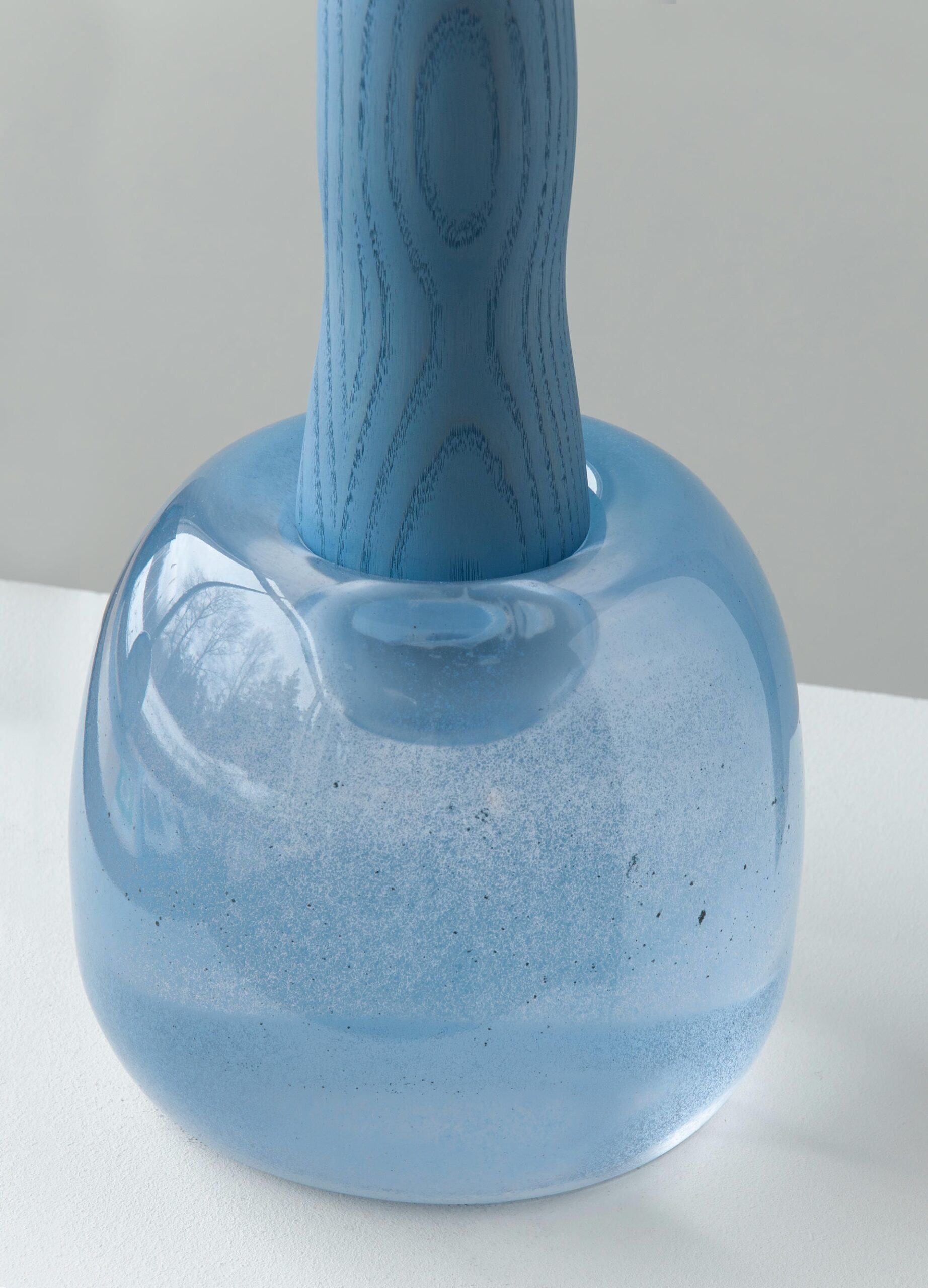
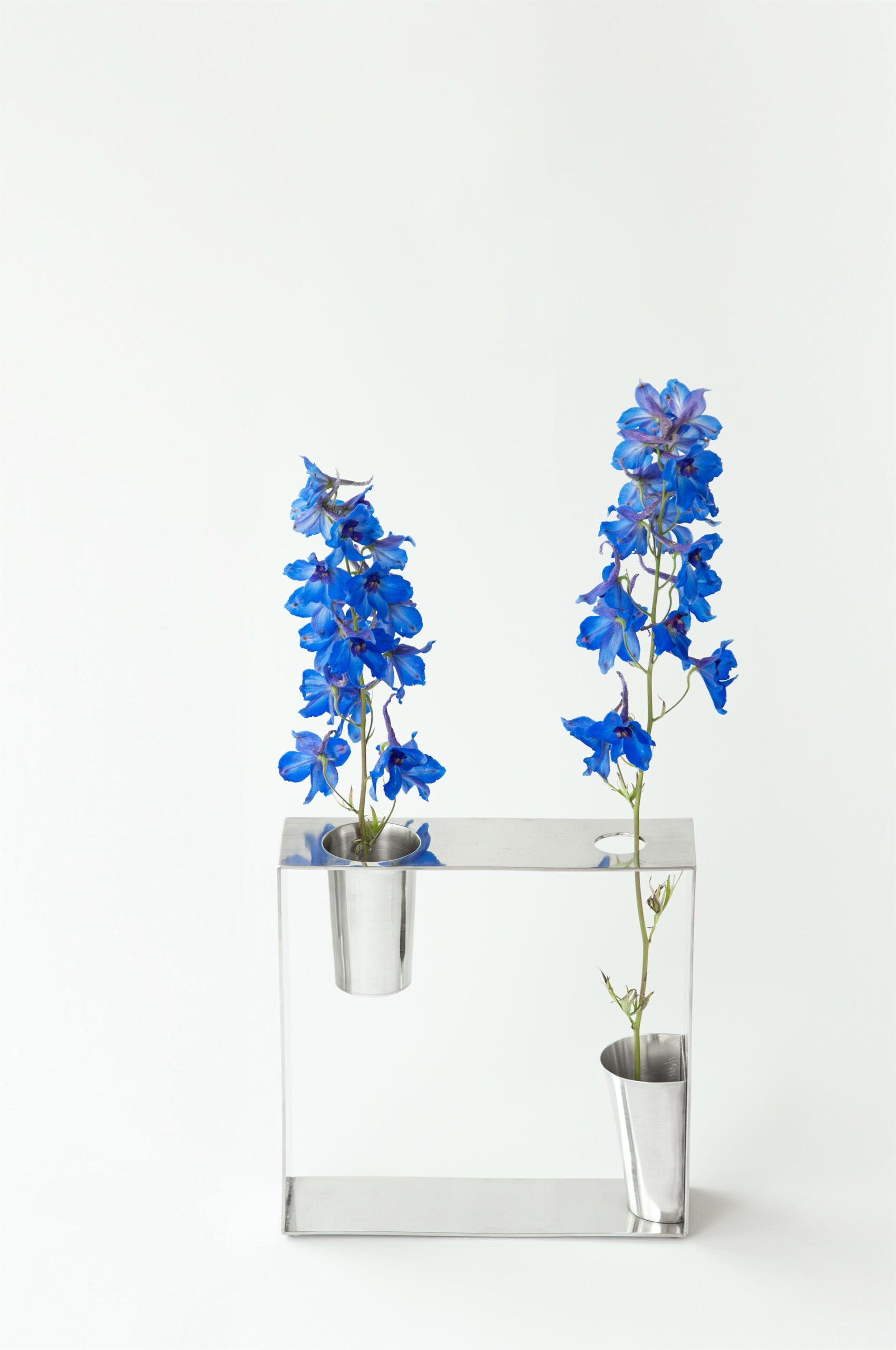
Alongside his independent practice, Bursell collaborates with designer Siri Svedborg. Their Burn & Turn series brings together turned wood with materials including hand-worked glass, ceramic and cast aluminium, emphasizing variation, tactility and the presence of the maker. The collection received Sight Unseen’s Best in Show award at Greenhouse during Stockholm Furniture Fair in 2024, and the pair were later awarded an IKEA scholarship through Young Swedish Design for the project. Across his work, Bursell approaches furniture as a meeting point between functional object, craftsmanship and material experimentation.
Interview
I was born in Stockholm, Sweden, and I am still based in Stockholm. I think of myself as very connected to the Swedish design context, but also to a broader Nordic craft tradition where materials, tactility, restraint, and small shifts in expression can carry a lot of meaning.
One of my earliest memories connected to art is probably the feeling of making things by hand rather than looking at art as something separate. Ever since I was very young, I have been drawing and building my own things. I can also remember, from an early age, the feeling of being inspired and having a strong desire to create something. Drawing, building, collecting materials, and trying to understand how objects are made came before any clear idea of “art” or “design”.
Not really. I have previously worked a lot in healthcare and social care as an extra job while studying. But in another sense, yes, I have always been making things. I studied fine art before moving into interior architecture and furniture design, and that combination still shapes my work. I often approach furniture as something between object, craft, sculpture, and everyday use.
My parents work with buying and selling 20th century design furniture and objects, and they have done so since I was little. I remember joining my father at flea markets and auctions when he was buying things. I think that shaped me subconsciously. I have been surrounded by these objects throughout my upbringing. I think I am drawn to furniture and objects because they belong to everyday life, but they can also carry stories about material, process, memory, and the hand.
My process usually starts with something quite simple: a material, a gesture, or a construction principle. I like it when a project grows out of something direct, working with a material, testing something unexpected, or following a simple idea and seeing where it leads. I am very influenced by craft and craft techniques: what can you do with the material you have, and what else could this material become?
A typical day moves between thinking and making. I often work with sketches, models, material tests, 3D drawings, images, and prototypes. Some days are very practical and studio-based; others are more about writing, editing photos, answering emails, or sending things out.
I am interested in materials that already carry cultural or tactile associations. All the materials we surround ourselves with create different associations, and by using a certain material or technique, you can strengthen the story and the associations for the viewer. I like when a familiar material can be shifted slightly, so it becomes both recognizable and strange, or unexpected.
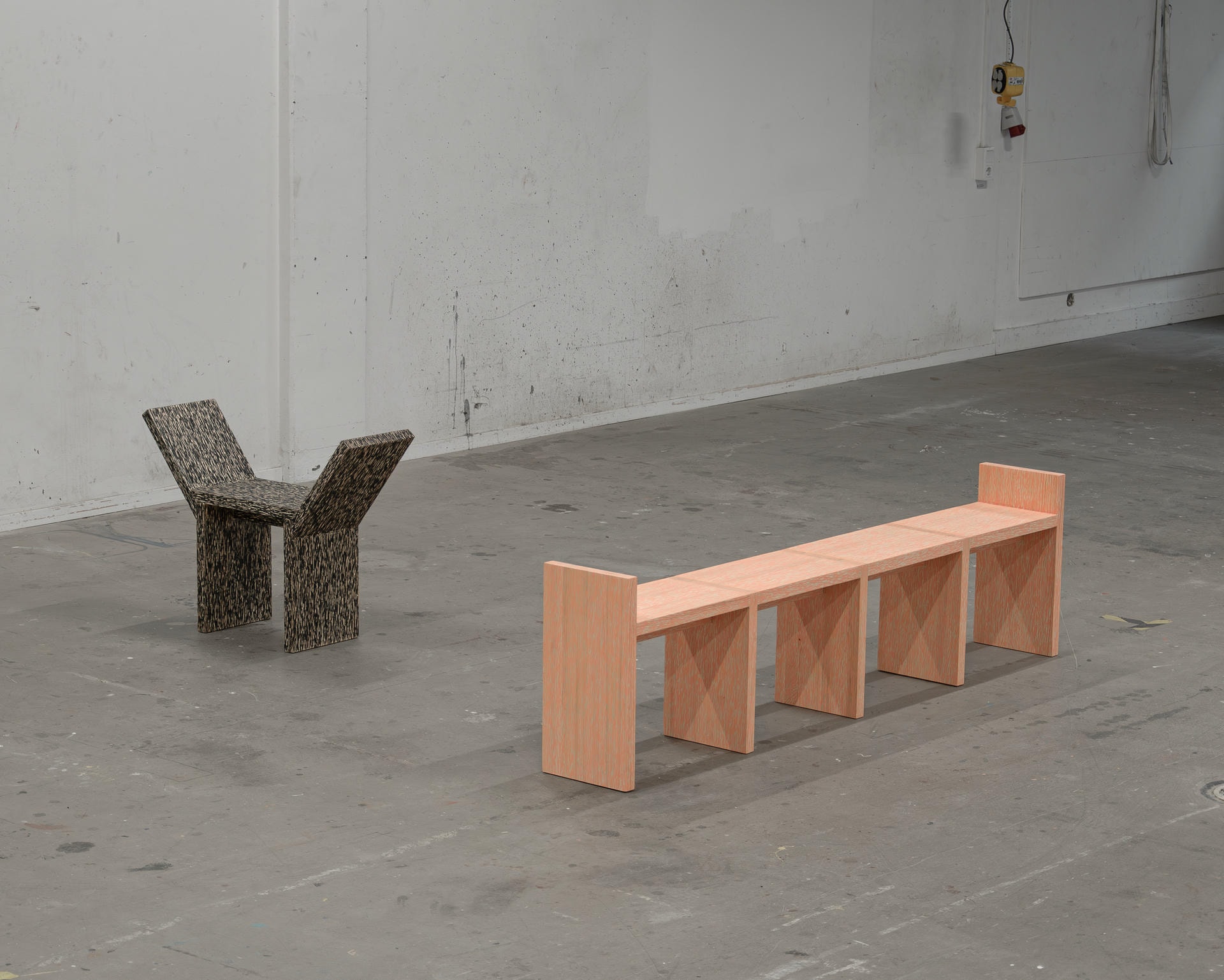
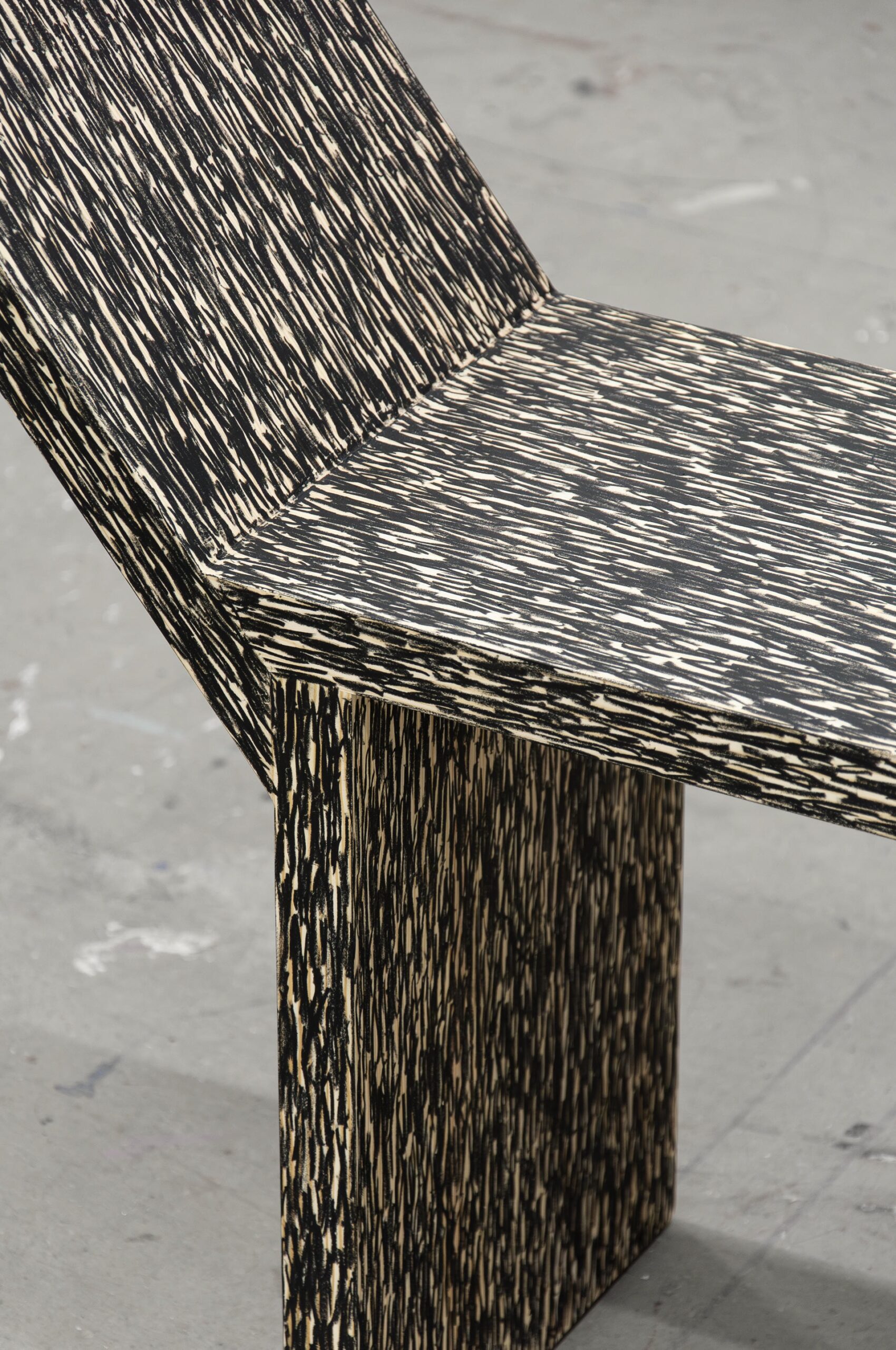
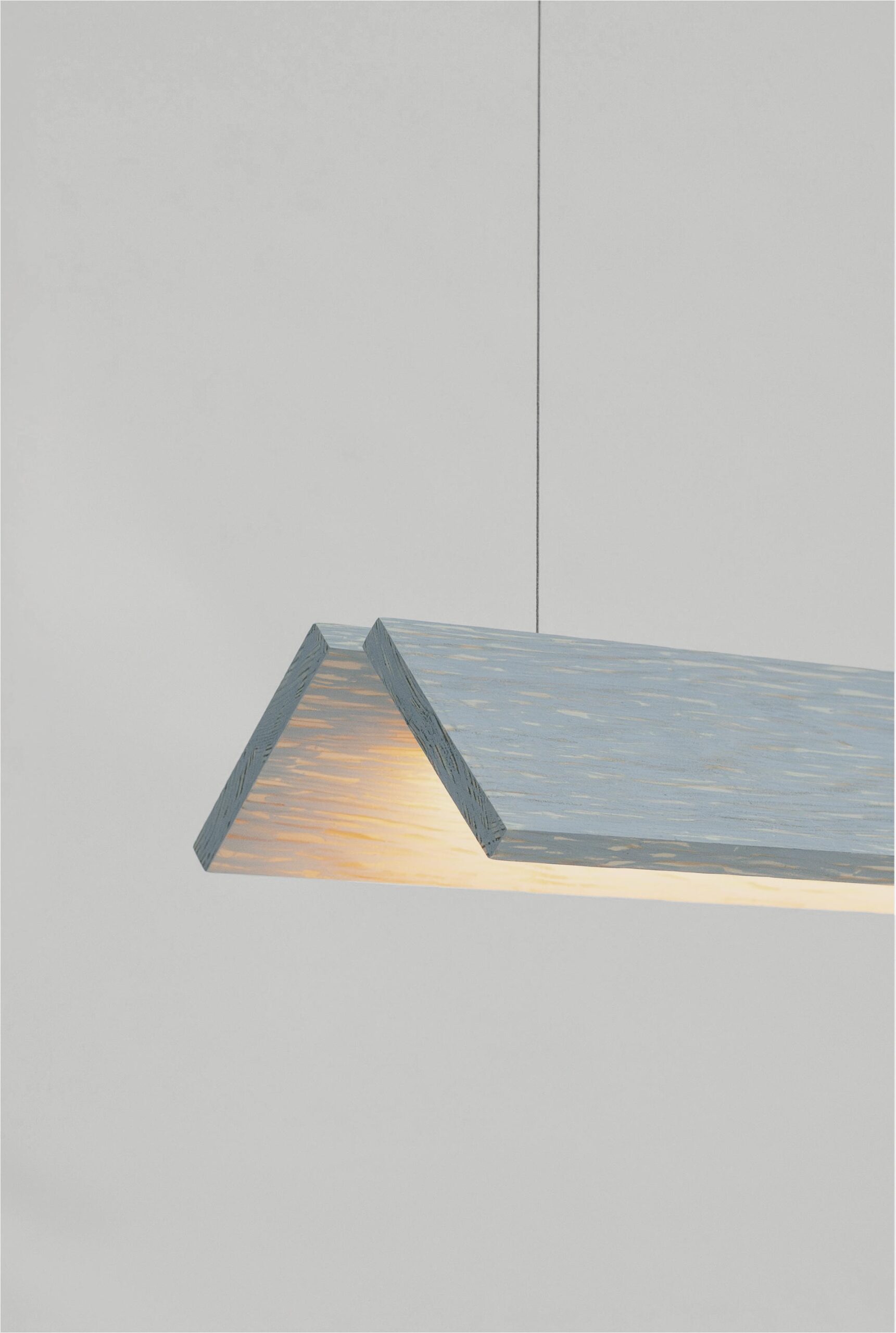
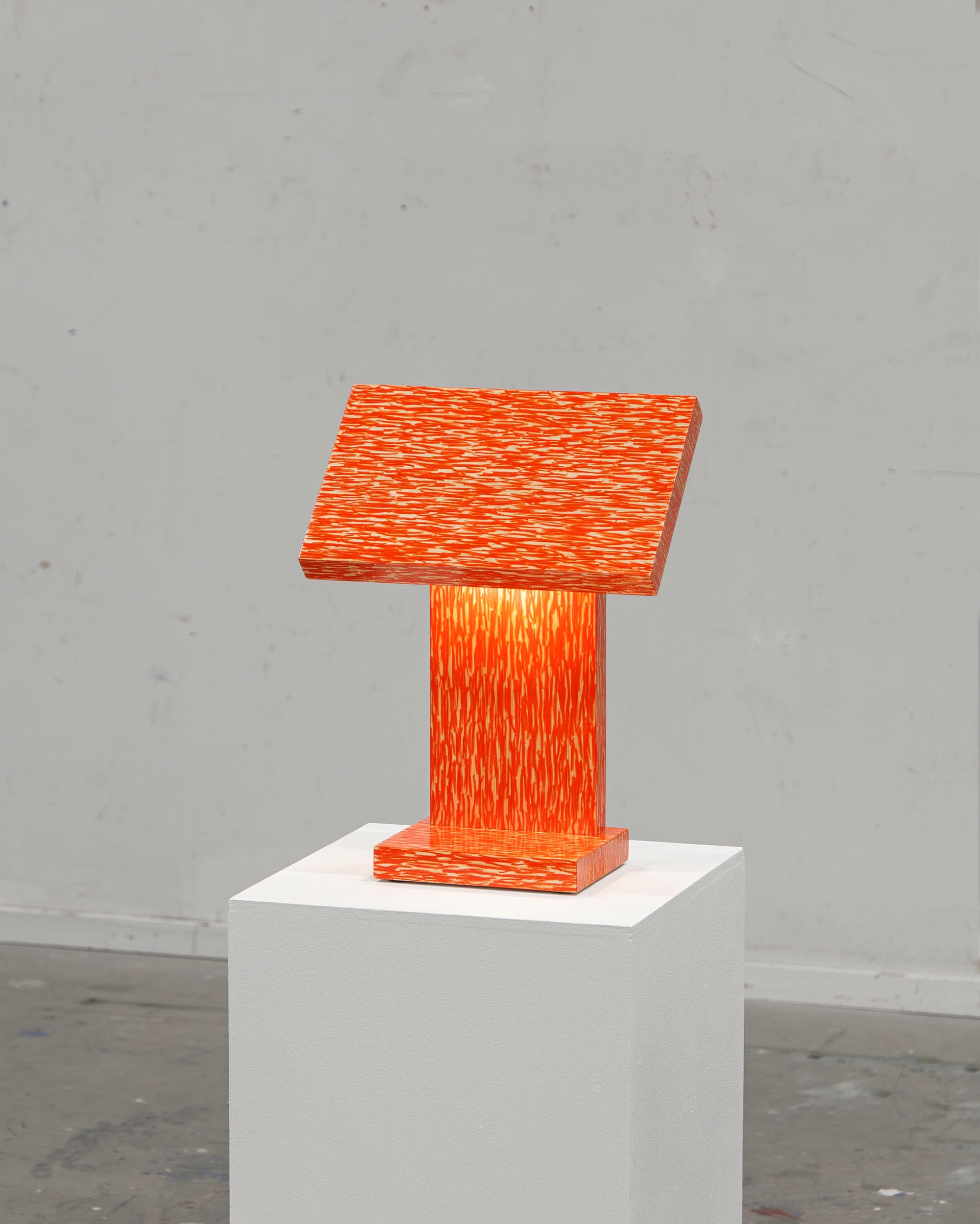
For example, in the project Crayon Pine, which I made together with Siri Svedborg last year, pine and wax crayon are two simple, everyday materials that most people have some kind of relationship to on their own. But together, they create an unexpected meeting and a surface that feels playful, handmade, and almost textile-like.

Crayon Pine, by Adrian Bursell and Siri Svedborg
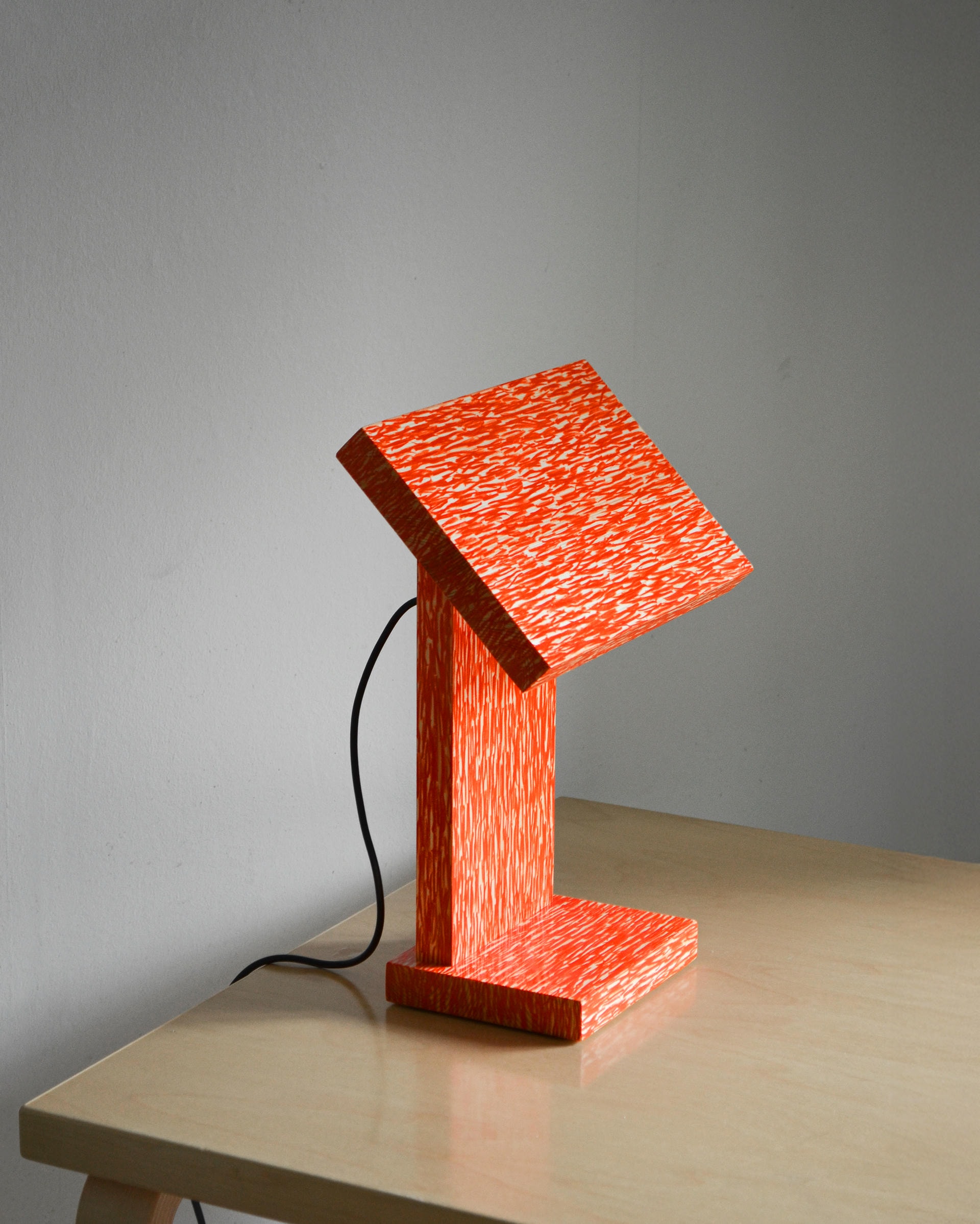
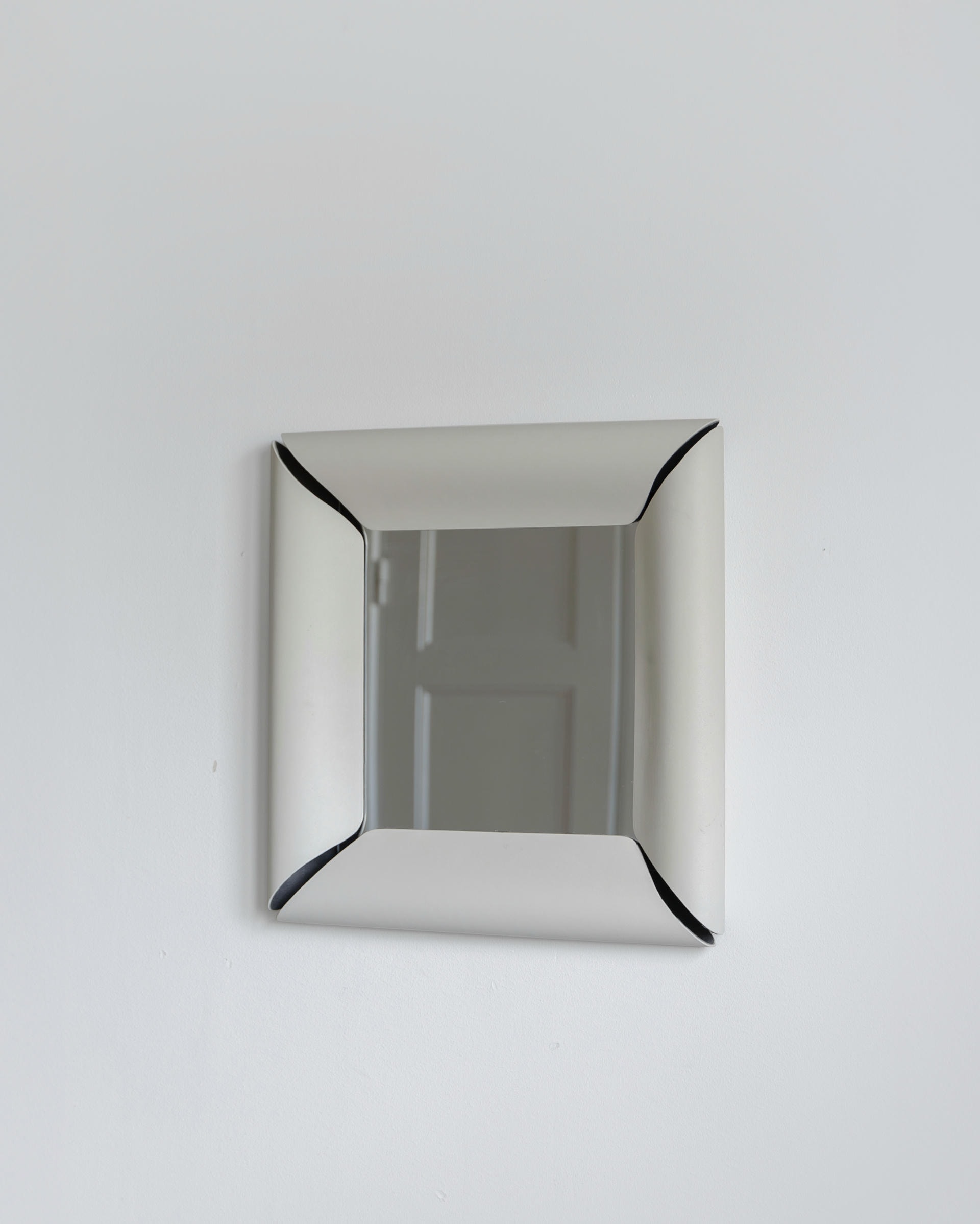
Many of my works are built around simple gestures, and sometimes simple but demanding gestures. Crayon Pine is made by drawing thousands of wax crayon lines directly onto solid pine, then sealing the surface. Burn and Turn combines wood and glass through processes where heat, rotation, and craft create controlled variations. I am interested in techniques where the process remains visible in the final object.
Start with materials and make things physically as early as possible. Do not wait until the idea is perfect. A lot of the intelligence of an object appears through testing, failing, adjusting, and looking carefully. You cannot predict everything. Also, try to understand both sides: the poetic side of the object and the practical side of how it is made, transported, used, and repaired. I do not always succeed, but I try.
I would not place my work in one specific movement, but it relates to contemporary craft, collectible design, and a renewed interest in material expression. There are also links to folk art, postmodern playfulness, and Scandinavian furniture traditions, but I try to keep the work open rather than tied to one category.
Familiar objects you have not seen before.
I am, of course, influenced by many designers, but above all, it is specific works that I like. There is no designer whose entire body of work I like, so I prefer to point to certain pieces rather than specific designers.
There are many projects, pieces, artworks, and examples of architecture that I really like and get inspired by. Two that I am thinking about right now are Jens Quistgaard’s series of pepper mills and Ulrik Samuelson’s Kungsträdgården subway station in Stockholm. I am also inspired by certain periods, for example, Nordic Classicism, often referred to as Swedish Grace.
There are many, but I would rather not point to one specific person.
I am often inspired by artists who work with material and tactility, and who do something unexpected with it that makes me feel something. Here too, it is more specific works that inspire me, rather than one specific artist. There are some works where I do not even know the name of the artist, but I remember the work. One work that comes to mind now is Roni Horn’s large glass sculptures.
I am interested in creating objects that feel direct and accessible at first, but become more complex the longer you look at them. I like it when design can be joyful without being superficial, and crafted without becoming nostalgic.

Crayon Pine, by Adrian Bursell and Siri Svedborg
“You cannot predict everything.”
The Questions
(The Proust Questionnaire is a set of questions answered by the French writer Marcel Proust.
Other historical figures who have answered confession albums are Oscar Wilde,
Karl Marx, Arthur Conan Doyle, Stéphane Mallarmé, Paul Cézanne…)
A calm studio day with time.
Losing curiosity.
Overthinking.
Cynicism.
People who keep making with sincerity.
Time spent on details.
Hopeful, slightly restless.
Efficiency.
Warmth.
Warmth.

Burn and Turn, by Adrian Bursell and Siri Svedborg
“Whatever”
More efficiency.
To trust my decisions earlier.
Doing what I believe in and what I find meaningful and fun.
A tree maybe.
In the city where I live now, but in a larger apartment.
My eyes.
A life without tenderness.
Thinking about what I want to make.
Sensitivity to materials.
Honesty and humour.
Writers who make the everyday feel strange.
I do not really have one.
I do not know.
People who keep doing things with care and integrity.
Short, simple names.
Pretension.
Waiting too long sometimes.
Peacefully.
I do not have one.
Crayon Pine, by Adrian Bursell and Siri Svedborg
“I like when design can be joyful without being superficial, and crafted without becoming nostalgic.”

Burn and Turn, by Adrian Bursell and Siri Svedborg 
Crayon Pine, by Adrian Bursell and Siri Svedborg Crayon Pine, by Adrian Bursell and Siri Svedborg
SHARE :