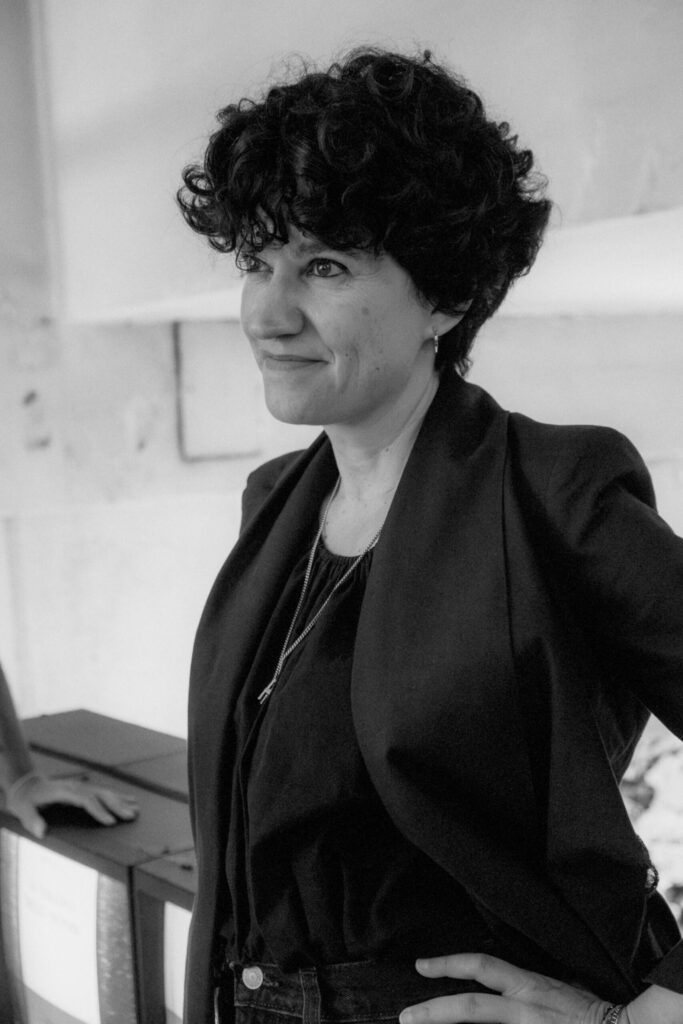
Annalisa Rosso
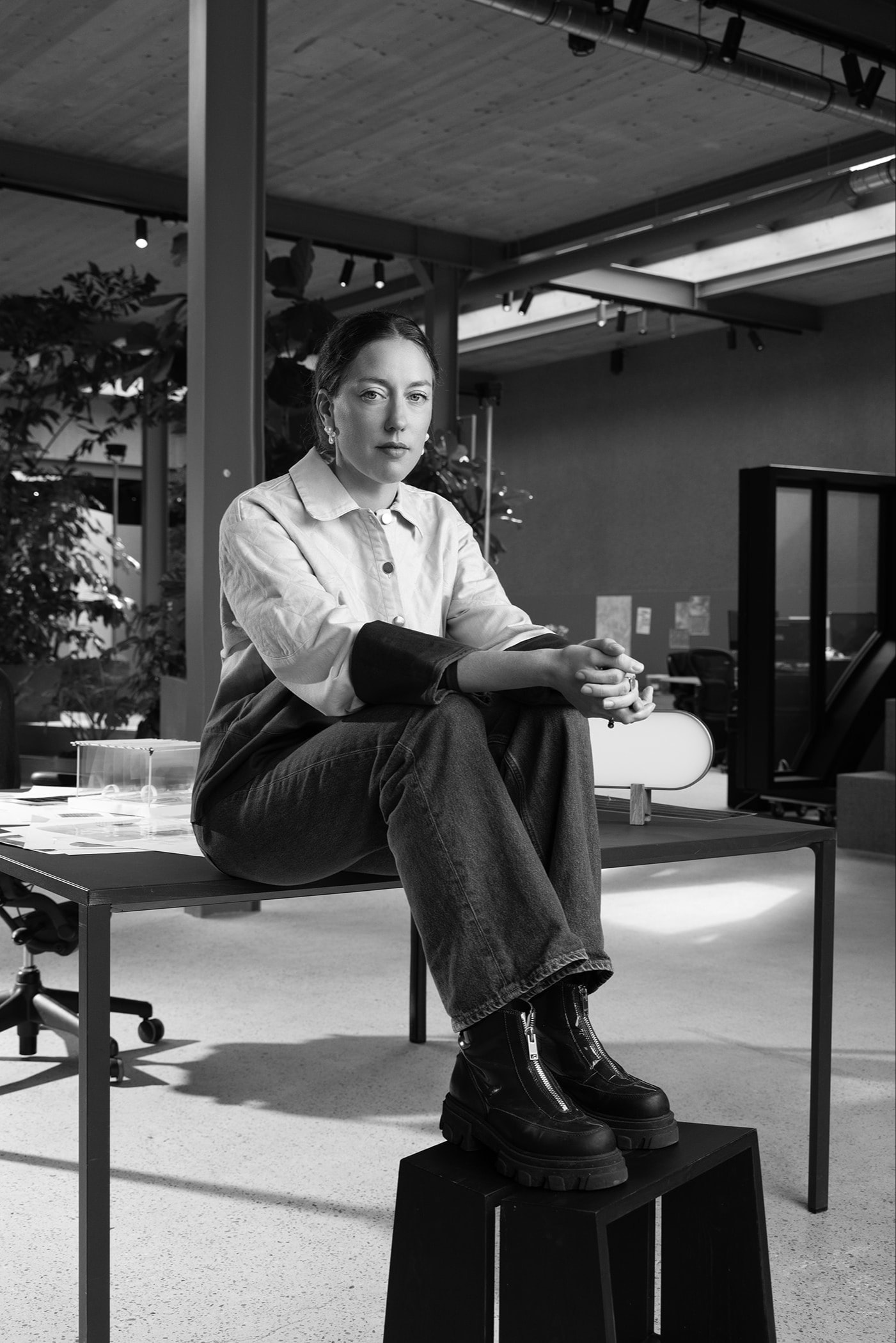
Annalisa Rosso is a curator, design advisor and editor whose work connects design, culture and communication. Trained in anthropology, she brings an interest in people and relationships to collaborations with companies, institutions and creative communities around the world. Together with Francesco Mainardi, she co-founded Mr.Lawrence, a strategic design consultancy. She is Editorial and Cultural Director, Advisor at Salone del Mobile.Milano, curator of Salone Raritas and Director of the Euroluce International Lighting Forum.
Her practice spans exhibitions, public programmes, installations and editorial projects, including collaborations with Es Devlin, David Lynch and Matilde Cassani for Salone del Mobile.Milano. Since 2017, she has worked with collector and philanthropist Silvia Fiorucci and her nonprofit La Società delle Api, developing artists’ residencies in France and Greece and exhibitions dedicated to contemporary design. Formerly Editor-in-Chief of Icon Design and Head of Domus online, Rosso has also contributed to international publications, served on design juries and committees, and represented Italian design as a Design Ambassador in Prague, Hong Kong and Copenhagen.
INTERVIEW
More than a way of looking, I would say it is a way of listening. Listening and noticing. As American anthropologist Anna Tsing suggests, noticing can be a form of resistance to our habit of looking only toward an already imagined future. I like her notion of “autumn thinking”, the attention of someone searching for mushrooms on the forest floor, training the eye to find what does not reveal itself at first glance. Every project begins in the attention I give to what I hear from others, and perhaps this is where my background in anthropology comes in most strongly.
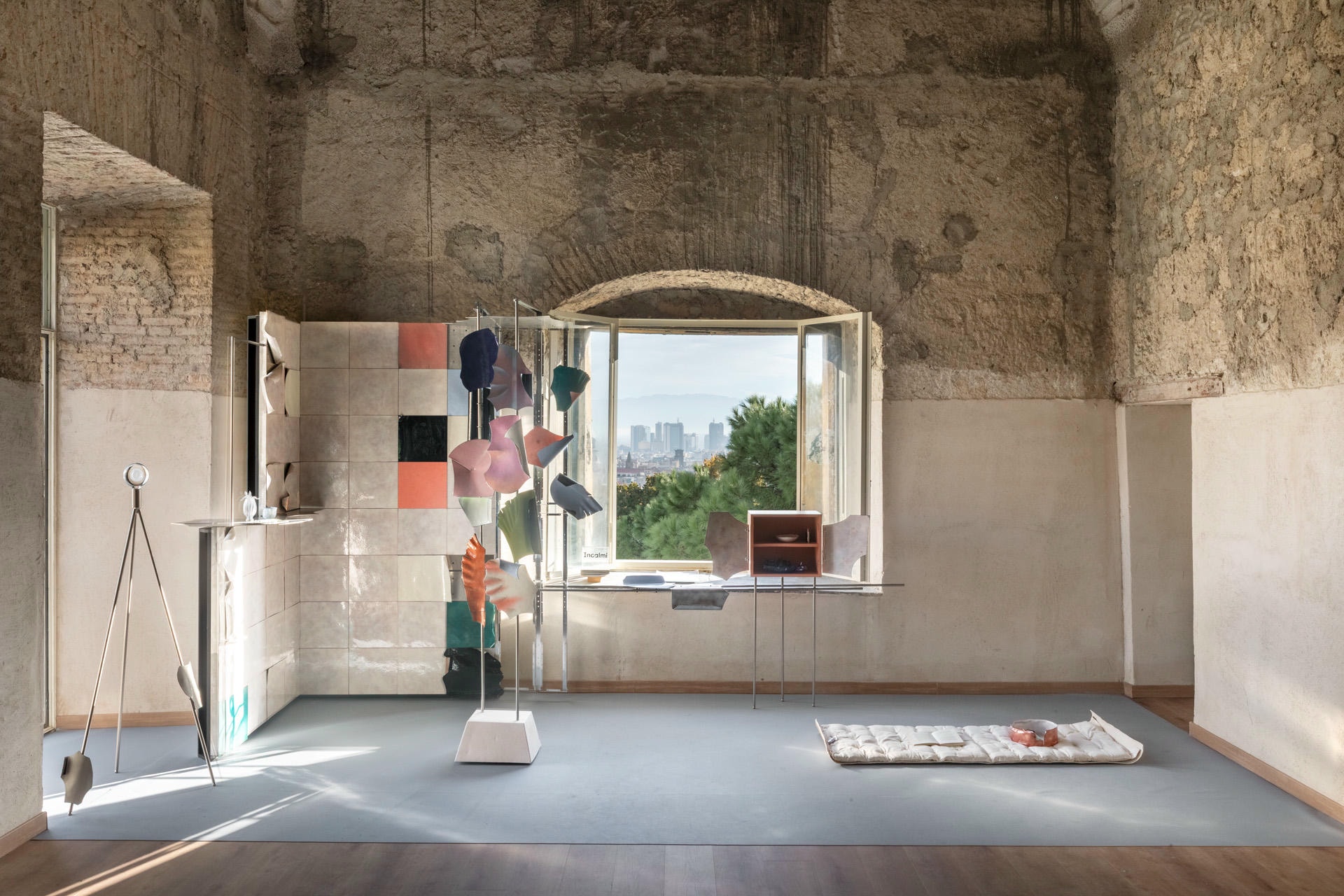
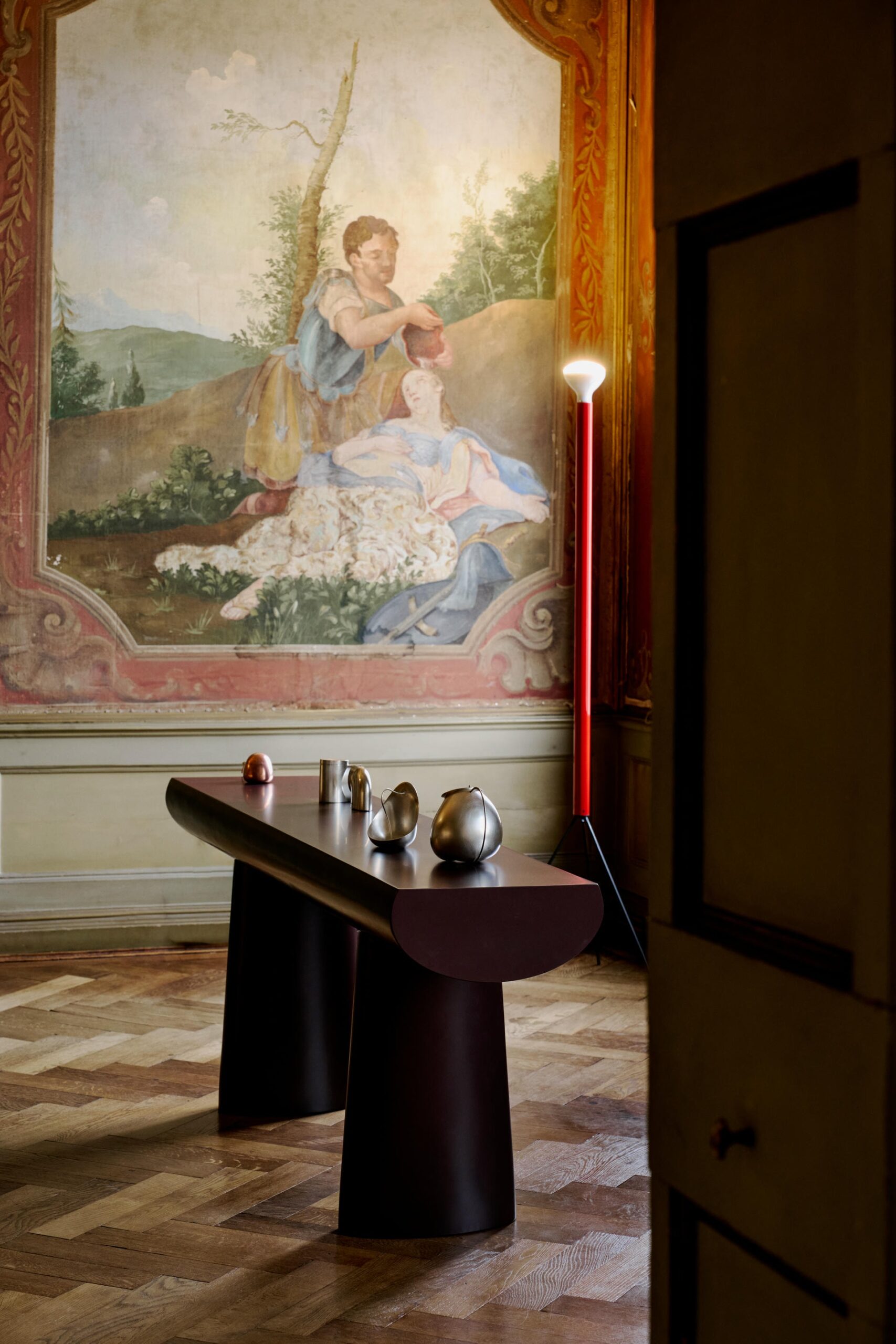
It always starts with an input that reaches me from someone else, and it usually grows out of exchanges from which the idea takes shape. This was the case with ON DISPLAY!, the exhibition I recently curated in Venice at Palazzo Lezze Michiel for the collector and patron Silvia Fiorucci and her nonprofit organization La Società delle Api. It came from long conversations about what it means to display, and to interpret, a work of art.
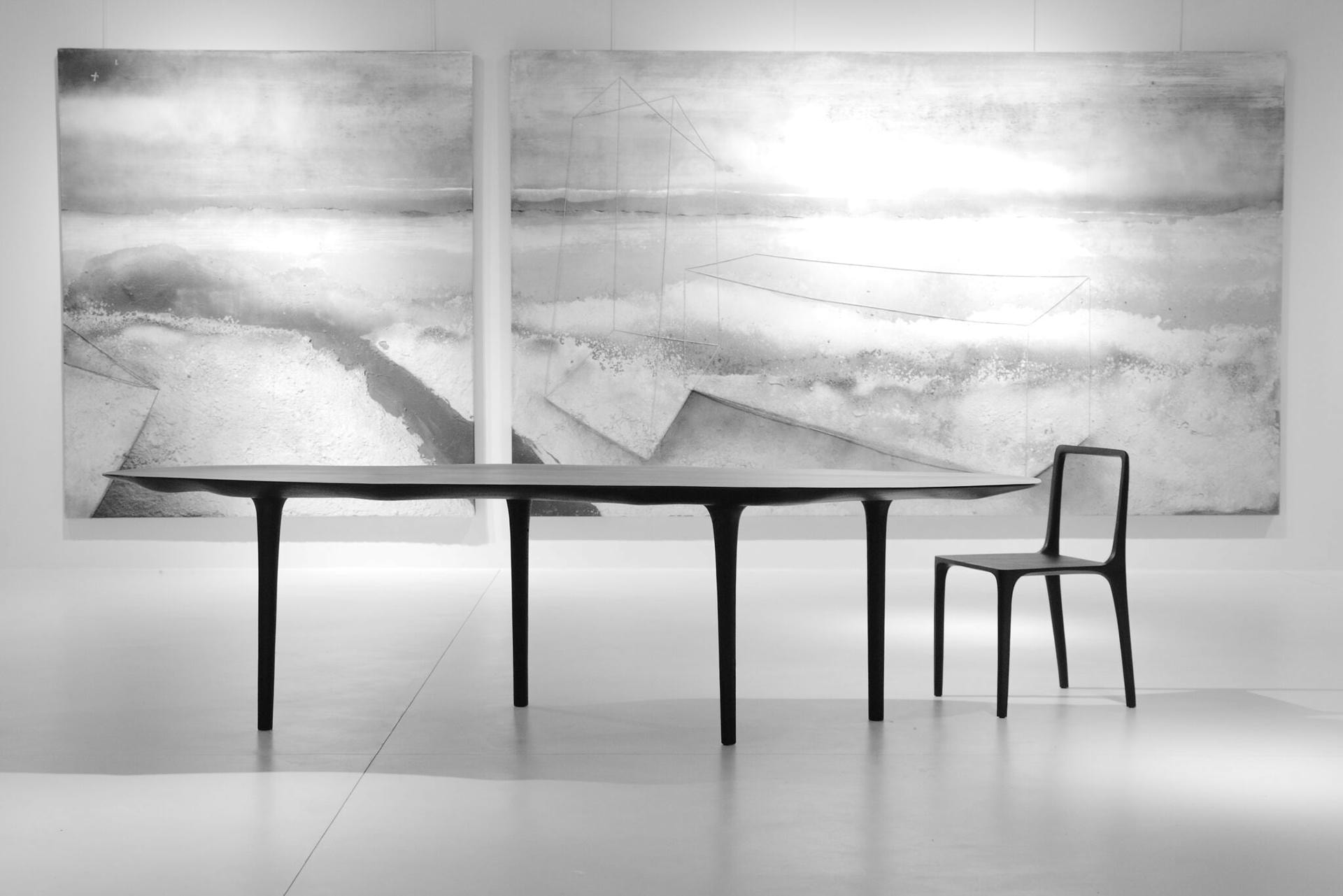
Nine designers and studios, Aldo Bakker, Valentina Cameranesi Sgroi, Formafantasma, Martino Gamper, Odd Matter, Parasite 2.0, Soft Baroque, Bethan Laura Wood and Zaven, were invited to dialogue with works by artists such as John Baldessari, Chiara Camoni, Marc Camille Chaimowicz, Sylvie Fleury and Francis Upritchard, among others. Their displays became the subject of the project: an act of interpretation that shapes how visitors see the artworks.
Very important, and very difficult. With time and experience, I have learned that synthesis is necessary to make a point of view intelligible. An object can be extraordinary and still say something else, and then it becomes noise. The hardest part is convincing others, whether an institution, a company, or a designer, that exclusion can bring advantages.
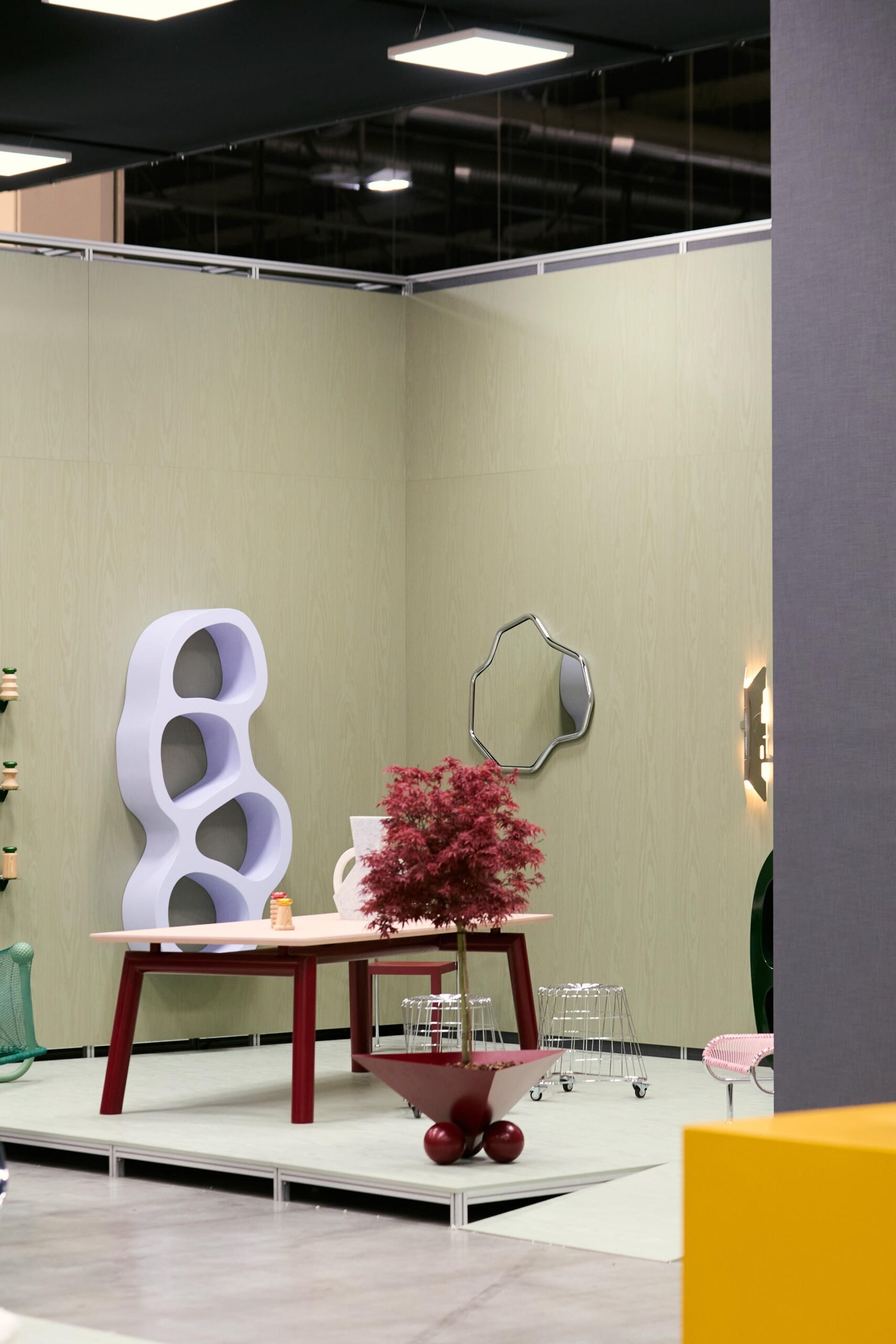
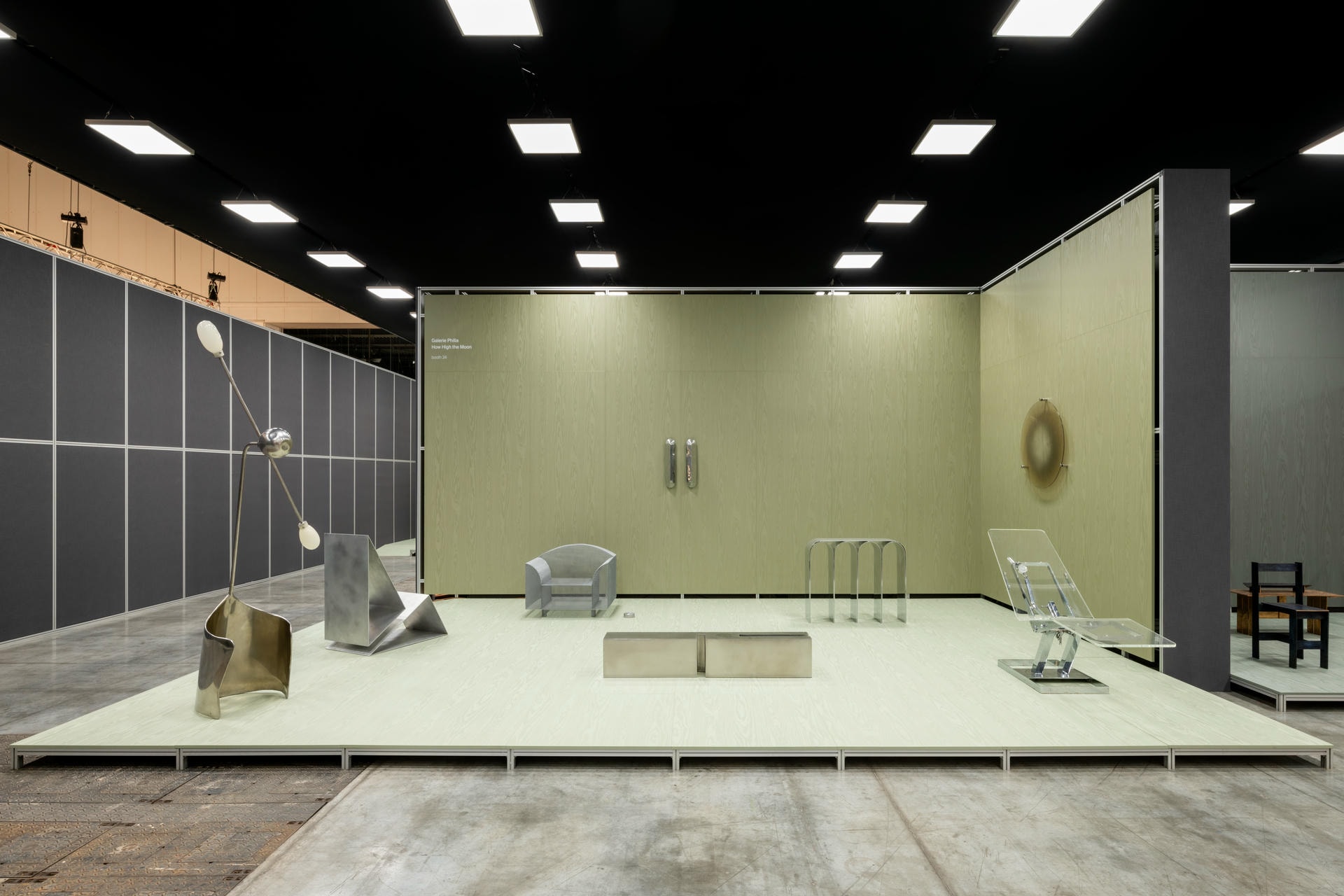
I see Salone Raritas as part of a much larger shift in the way the design industry is evolving. The boundaries between industrial production, limited editions, master craftsmanship, collectible design, and historical pieces are becoming increasingly porous. At the same time, the market is looking for objects with strong cultural and individual identities, particularly in hospitality, contract and high-end residential projects.
Raritas was never conceived as a collectible-design fair inside the Salone, nor as a white-cube exhibition. It is a bridge between worlds that have traditionally been kept separate, but which today increasingly coexist. This is a profound change: a broader understanding of what industry can be, where uniqueness and serial production are no longer necessarily opposites.

© Eller Studio
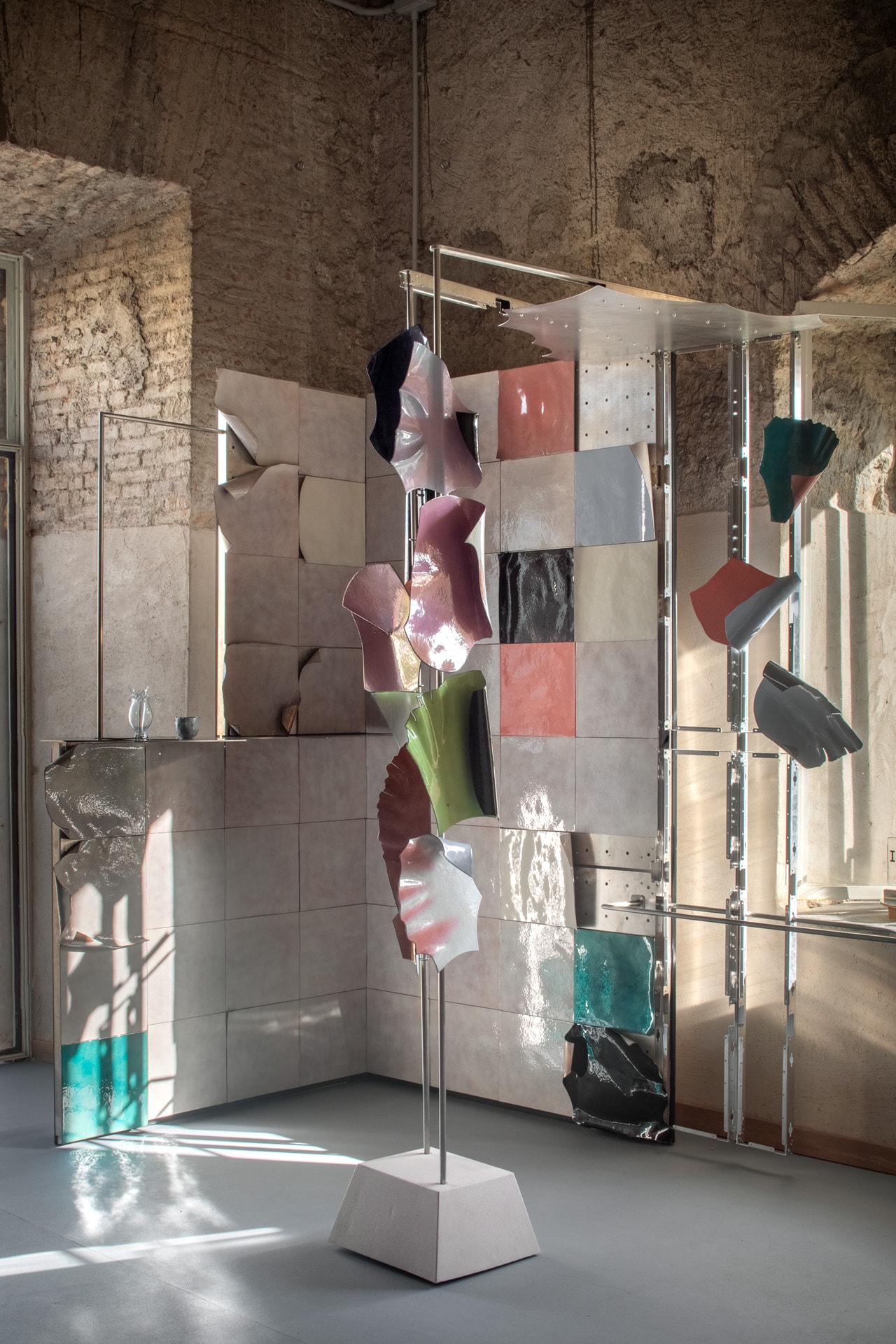

© Federico Floriani
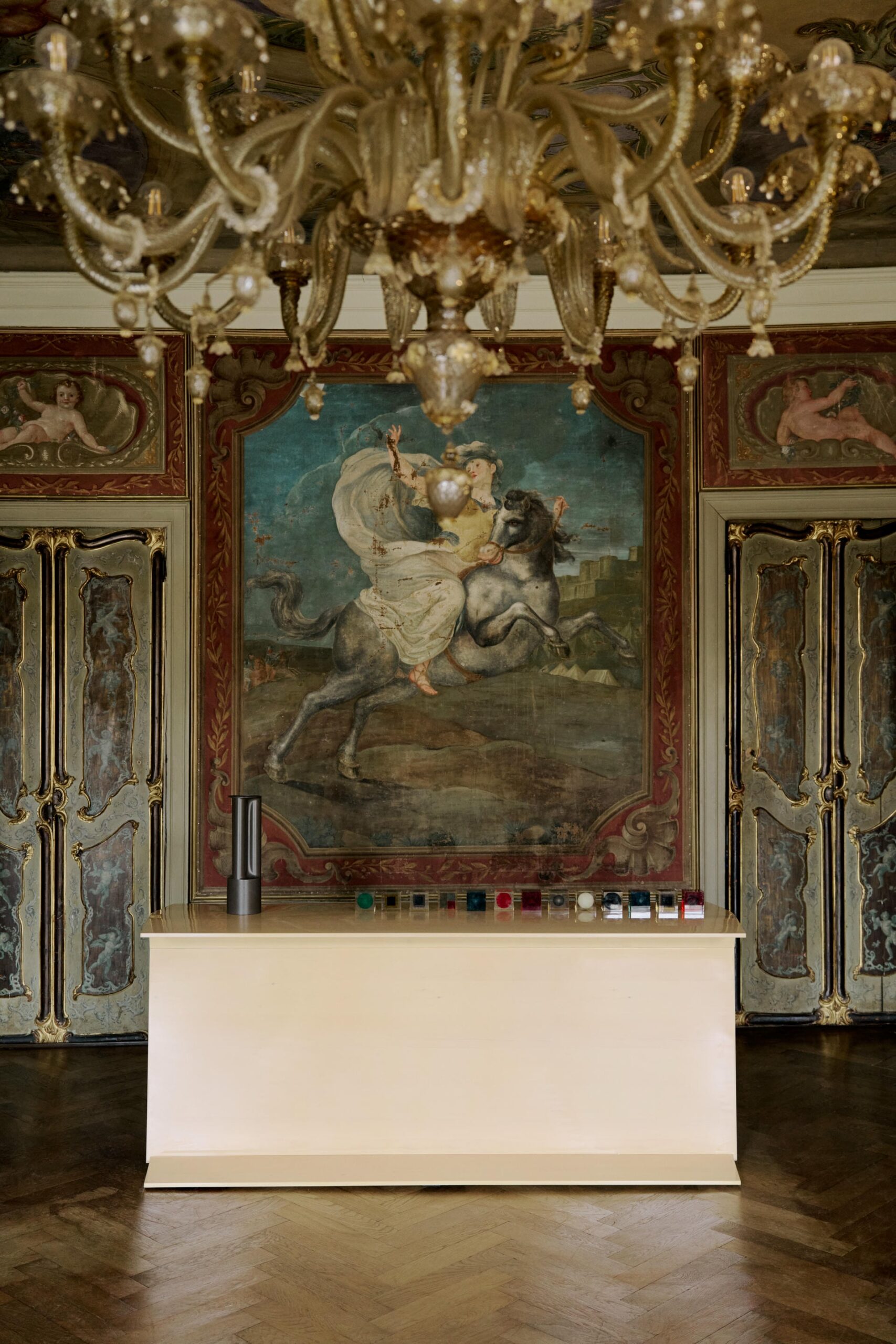
As early as possible. I need exhibition design to be part of the process from the very beginning to carry meaning. I would feel uncomfortable treating something so central to the main idea of an exhibition as simply a background.
This has certainly been the case with Formafantasma and Salone Raritas. The conversation with Simone Farresin and Andrea Trimarchi became fundamental right away, and it continues as we develop the second edition. Their thinking affects mine and vice versa. For this kind of collaboration to work, I think you need to be open to listening while remaining determined about the ideas you believe in, with Simone and Andrea, this balance comes naturally.
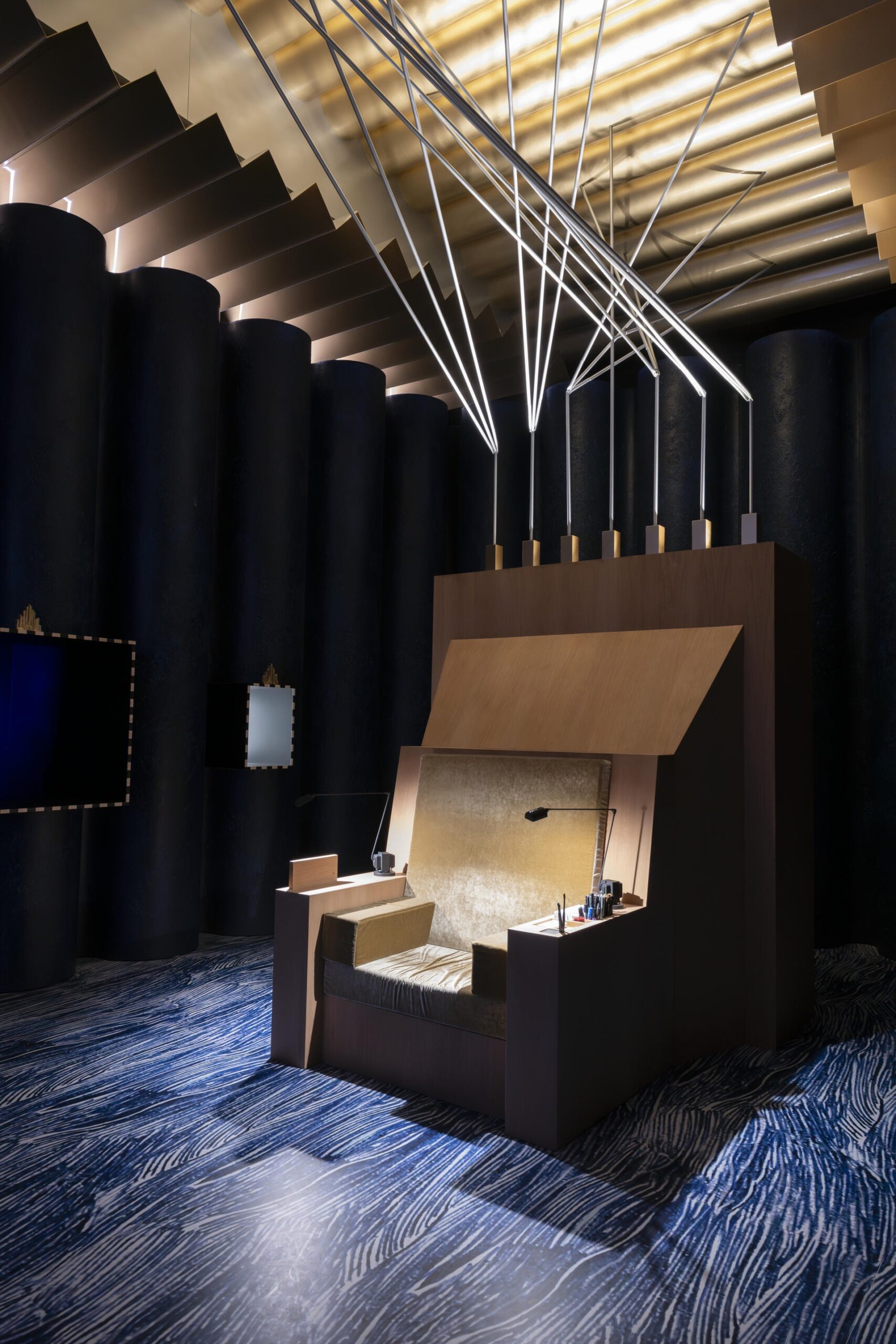
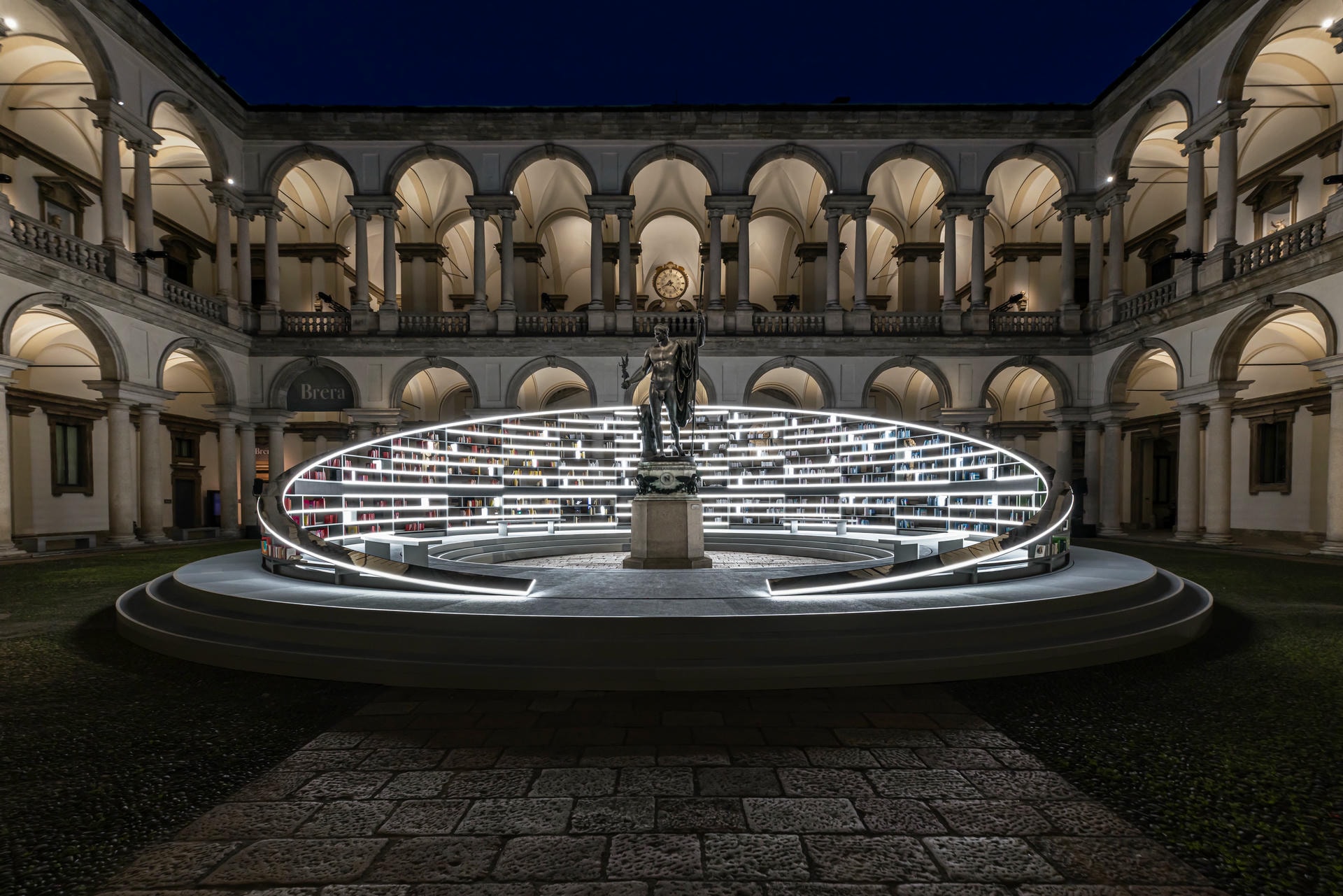
Every story is different, and sometimes the most hidden exchanges are the ones that give an exhibition its form. For Salone del Mobile.Milano I worked with Es Devlin on Library of Light, a monumental kinetic sculpture installed in the Cortile d’Onore of the Pinacoteca di Brera. It welcomed around 200,000 visitors and opened the way to a series of variations on the same concept. The dialogue with Grande Brera was decisive in discovering the history of the place and its lesser-known details, such as the only sculpture of a woman in the courtyard, which shaped the entire project.
I work mostly with the contemporary, and whether I am speaking with designers or other kinds of interlocutors, the initial deep dive is for me the most important part. Understanding, getting to know. My greatest satisfaction is when someone tells me I have grasped something of their work, or made a connection that revealed something they had not yet seen themselves. I suppose many years of psychoanalysis, together with a background in anthropology, have left their mark. Or at least a few useful habits.
My approach does not change. I always look for empathy and an open relationship, one that does not impose a point of view but allows people to discover something about themselves and others. My greatest aspiration is that a project does not end but becomes the beginning of exchanges and thoughts.
This is the case with ONSTAGE, the cultural project of OFFSTAGE that I curated in Milan with Cristian Minerva just a few days ago. Its purpose is precisely to activate a sincere, independent exchange among people who work on and research contemporary living: an unguided conversation, and we do not yet know where it will lead us.

Es Devlin, Library of Light © Monica Spezia
© Federico Floriani
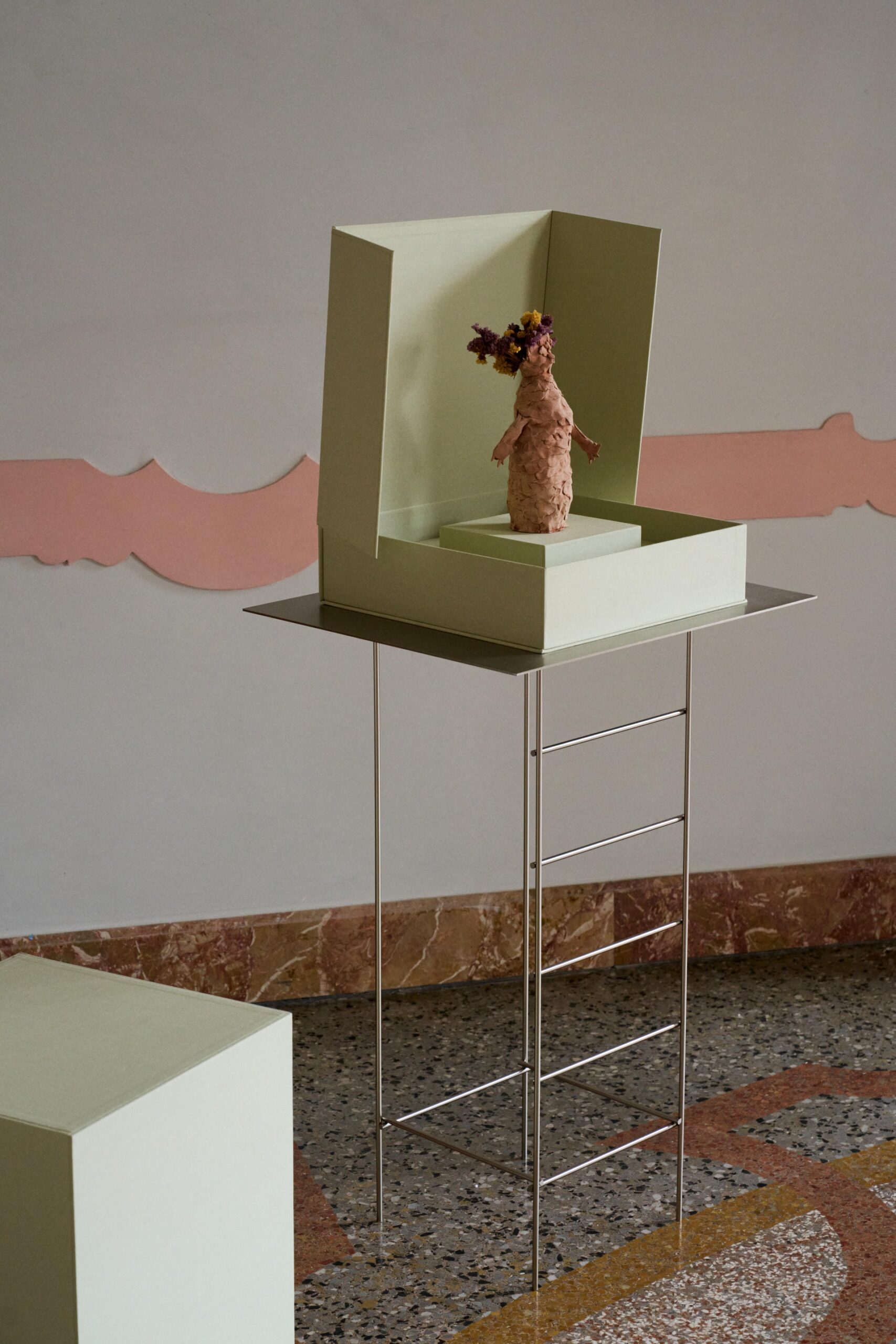
It happens often, but for Salone Raritas it was moving. Pieces so distant in era, geography, materials, aesthetics, and function spoke the same language; they resonated with one another.
For me, this is the new language of interior design that brings together different elements in harmony, like celestial bodies held in orbit by a gravitational force.
Perhaps the most invisible task is building trust. An exhibition is made of objects and spaces, but behind them is an enormous network of relationships, not always simple. People who agree to take risks, to expose something precious or intimate, to change their minds, to try something that has never been done before.
A large part of my work happens there, it is about creating the conditions for people to feel confident while keeping different expectations and sensitivities in balance. When it works, all that complexity disappears, and what remains feels almost easy!
Thank you so much Annalisa, for this lovely interview!
Share article :