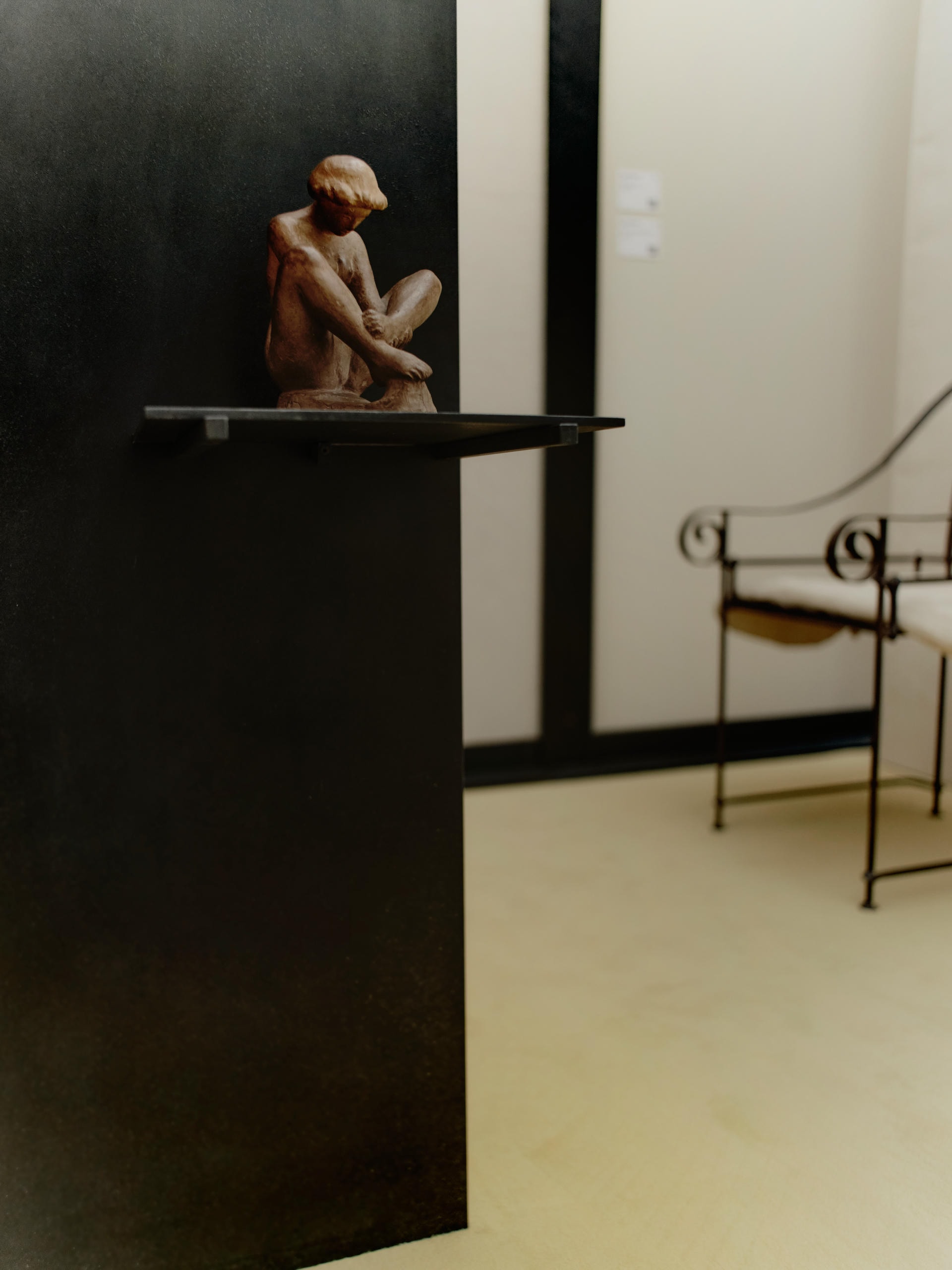
Bernal & Semerciyan
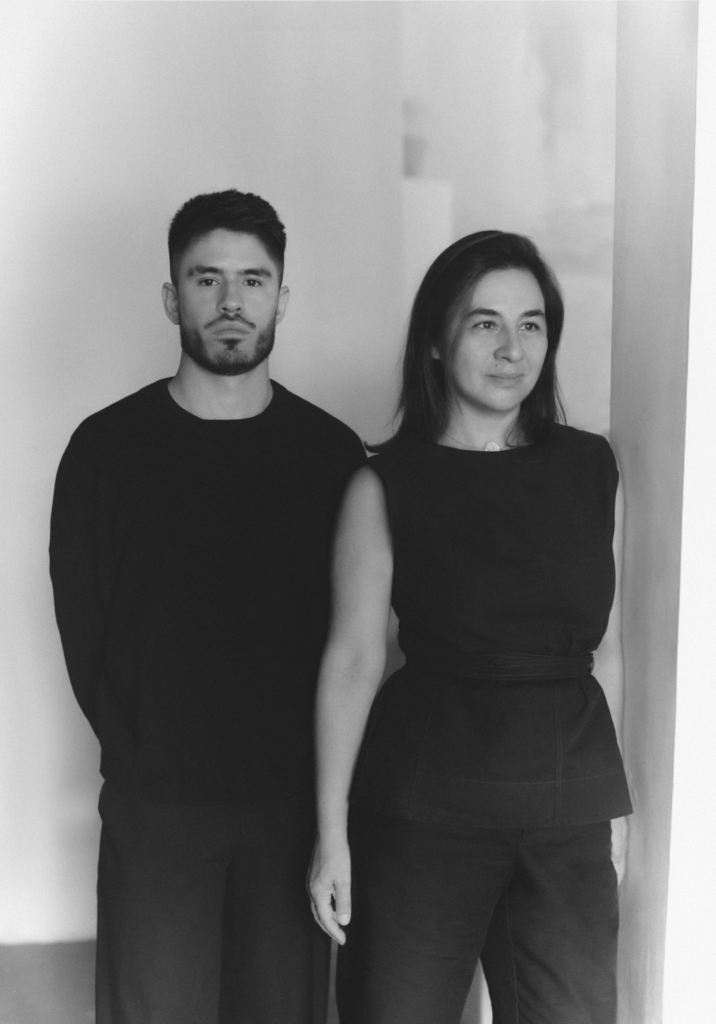
Bernal & Semerciyan is a collaborative practice founded by Graziella Semerciyan and Camillo Bernal, bringing together their complementary backgrounds in art, curation, interior architecture and design. Semerciyan’s experience spans the auction and gallery worlds, with a particular focus on decorative arts and design, while Bernal’s practice is rooted in interior architecture and a close engagement with craftsmanship and specialised workshops. Their collaboration grew from a shared interest in how objects are understood not only through their histories, but also through the spaces, materials and contexts that surround them.
Working across exhibitions, scenography, interiors, furniture and objects, the duo approaches curation and spatial design as part of a continuous process. Their projects bring historical and vernacular pieces into dialogue with contemporary design and craftsmanship, creating connections across periods, cultures and disciplines. Rather than following a fixed aesthetic language, Bernal & Semerciyan develops each project in response to its particular context, with an emphasis on research, materiality and the relationships between objects and space.
INTERVIEW

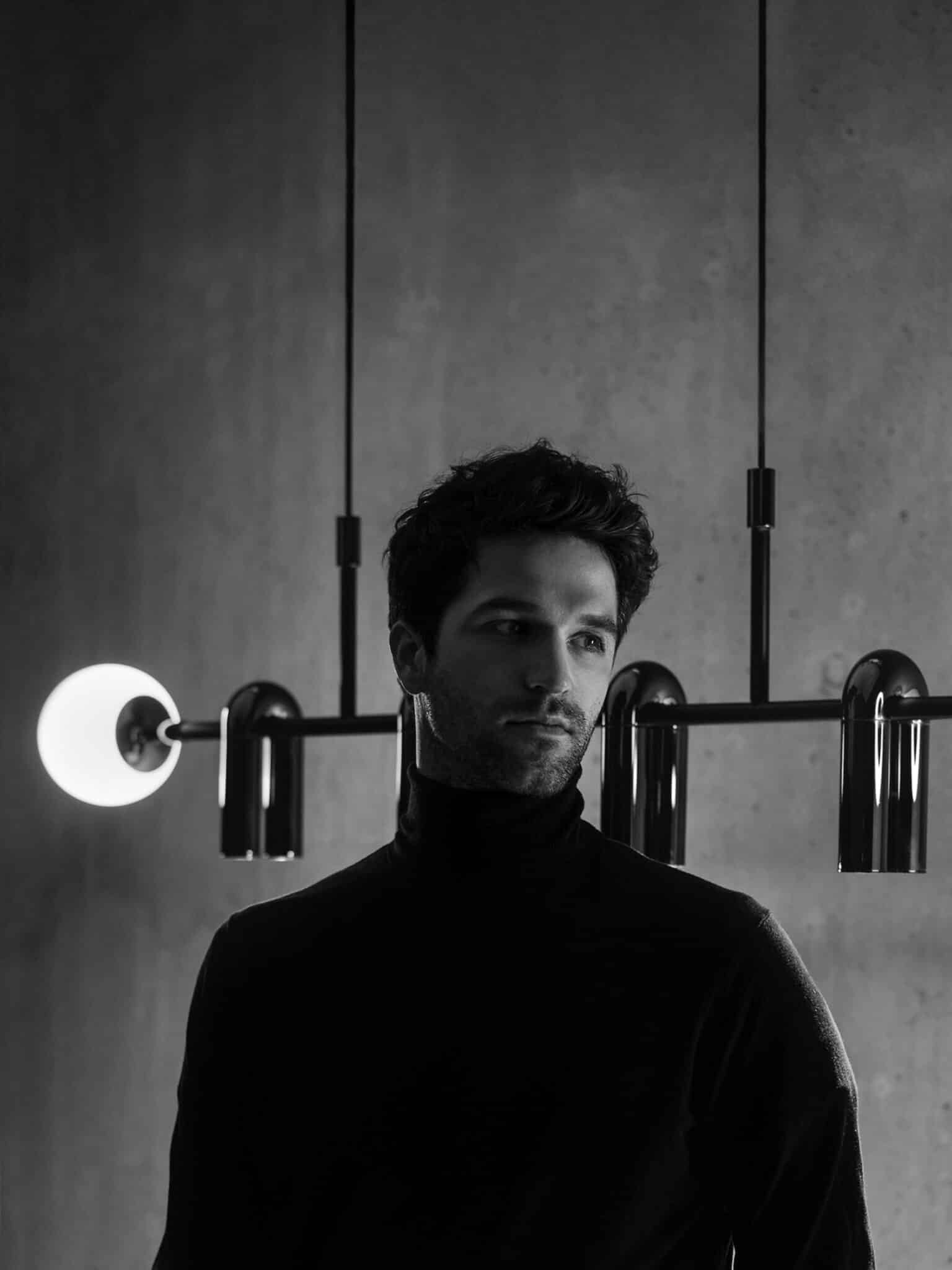
Fine Arts Paris © Paul Lackner
Working for many years with objects teaches you to look at them beyond their immediate appearance. You learn to pay attention to provenance, construction, material, condition and to all the small details that reveal how and why something was made. It has also taught me not to rely too much on established hierarchies. An anonymous or vernacular object can sometimes have as much presence and intelligence as something with an important attribution.
I am particularly drawn to objects that are difficult to categorise, or that might initially seem modest. Sometimes it is a proportion, a detail of construction, a repair or simply the traces left by use that make you stop and look again. For me, the curatorial process often begins with that second look. I am also always curious to discover something that feels unfamiliar, something different from what I am used to seeing. I am interested in objects that can challenge our cultural references and disturb, even slightly, the way we are accustomed to looking at things.
People often assume our backgrounds are very different, but we have always felt that they are simply two ways of looking at the same question.
Graziella approaches objects through a historical framework: who made them, how they were used, how they travelled through time, and why they continue to matter. Camillo approaches them through their physical presence: proportion, material, construction, and the way a space can change our perception of them.
At some point, we realised that neither perspective was complete on its own. An object never really exists in isolation, and a space is never neutral. The way something is placed, lit or surrounded inevitably affects the way we understand it.
Bernal & Semerciyan grew naturally from this exchange. We don’t really think of ourselves as working between curation and design. For us, they are two parts of the same process.
It is much less clearly divided than that. Of course, we each bring our own experience and reflexes to a project, but we try not to assign ourselves fixed territories.
A project can begin with an object that we have found, an artist or historical reference we have been discussing, but just as easily with a material, a spatial constraint or an architectural idea. From there, the conversation moves constantly between the object and the space.
There are moments when one of us naturally takes the lead because of a particular expertise or interest, but the important decisions are made together.
We also work very intuitively: images, books, objects and materials accumulate around a project, and gradually certain connections become evident.
What interests us is precisely the point at which it becomes difficult to say where the curatorial work ends and the spatial work begins.
For me, drawing has never been the end of the design process. A project continues to evolve when it enters the workshop.
Working closely with craftspeople means confronting an idea with the reality of a material and with someone else’s knowledge. A bronzier, a carpenter, an upholsterer or a specialist in finishes will often see possibilities—or problems—that cannot be understood through a drawing alone.
I enjoy that exchange because it introduces a degree of unpredictability. You may begin with a very precise idea, but the process of making can improve it, simplify it or sometimes completely change it.
This is increasingly important in the work we do together because we often design the elements that accompany the works: furniture, supports, architectural details or objects. We want them to feel specific to the project and to carry the intelligence of the people who made them.
We are not interested in mixing things simply because they are different. There has to be a reason for the encounter.
Sometimes that connection is formal or material; sometimes it comes from a shared function, gesture or way of making. Objects from completely different periods and places can reveal surprising affinities when they are placed next to one another.
This is also why anonymous and vernacular objects are important to us. Across different places and periods, people can arrive at remarkably similar forms simply because they are working with comparable materials or responding to the same fundamental human needs.
These objects allow us to move outside a history based exclusively on authorship and established names and to look instead at how people have responded to basic needs: sitting, storing, carrying, protecting or decorating.
The coherence of a project comes from these relationships. We want the visitor to feel that the objects belong together, even if at first it is not entirely obvious why.

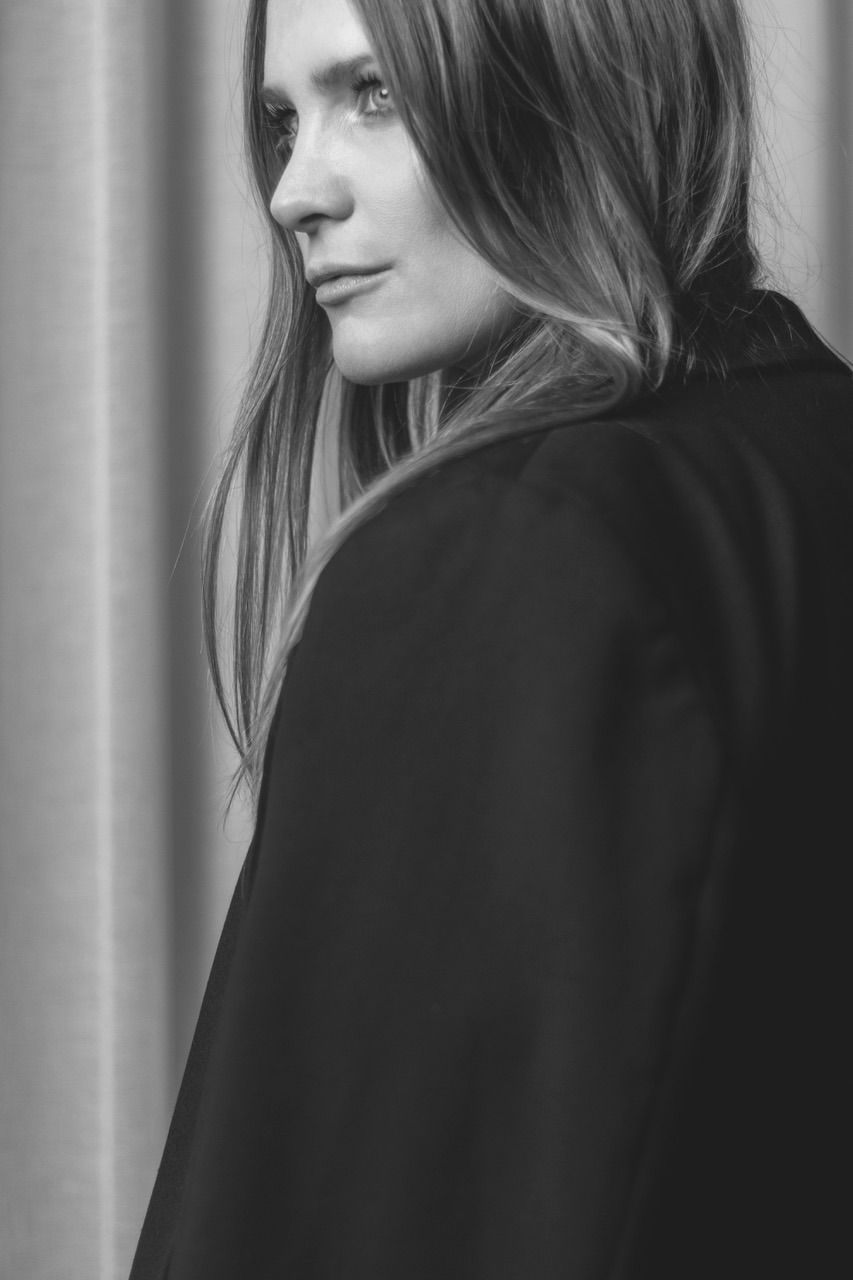
Hervé Rousseau © Paul Lackner
The first thing is to accept that curiosity does not give you authority over another culture. Our interest in Japan and Korea comes through objects, people, travel, reading and encounters, but we are conscious of approaching these subjects from outside. Research is therefore very important, as is reading, talking and working with people who can bring perspectives and knowledge that we may not be able to fully understand from where we stand.
We are also interested in what happens when objects and ideas travel. Cultural exchange has never been a simple, one-directional process. Things are translated, misunderstood, appropriated, reinterpreted and sometimes transformed into something entirely new.
Rather than trying to present a definitive image of Japan or Korea, we prefer to explore these movements and contradictions. It allows the exhibitions to remain open and to acknowledge our own position within the story.

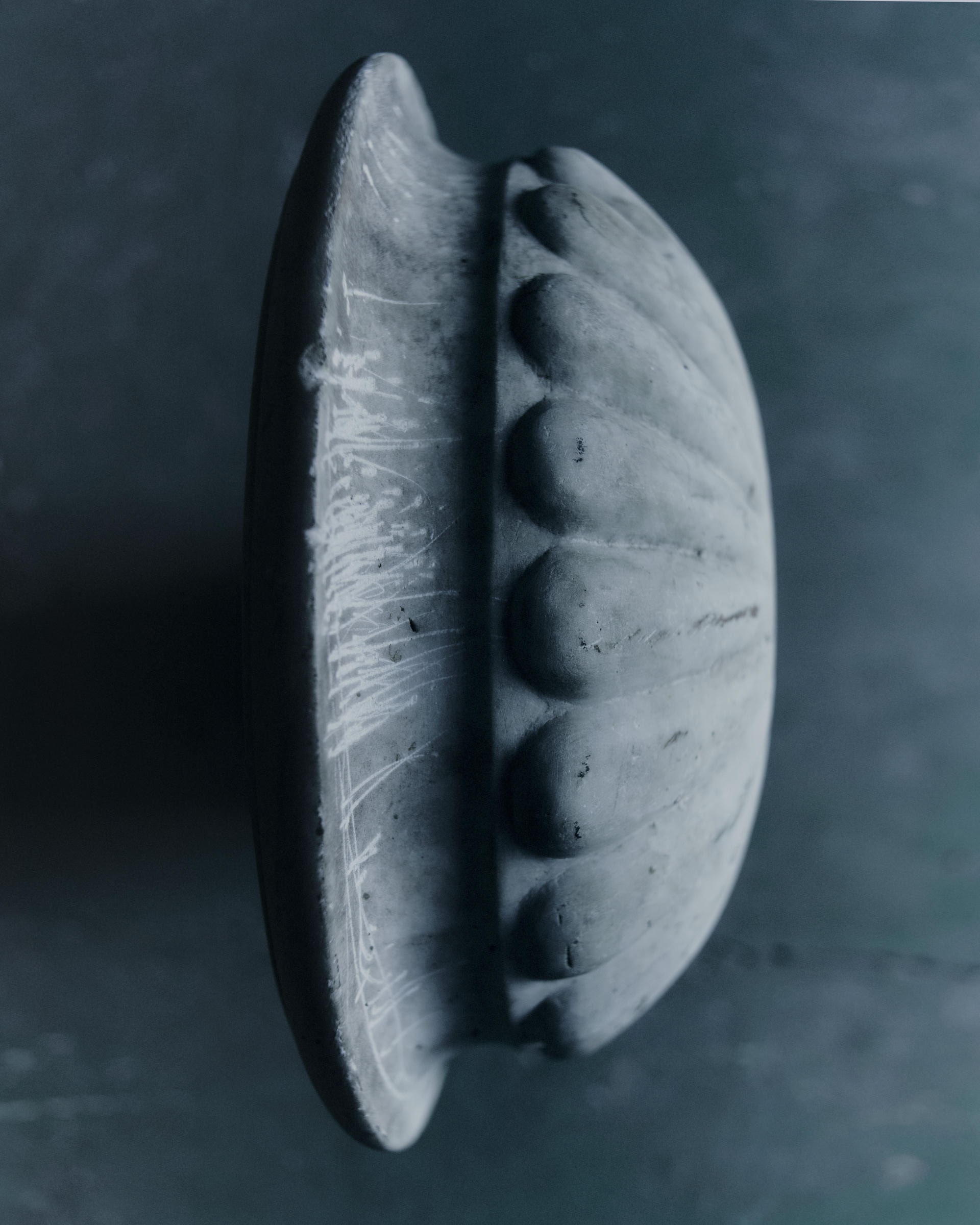
Korean Possessions © Paul Lackner
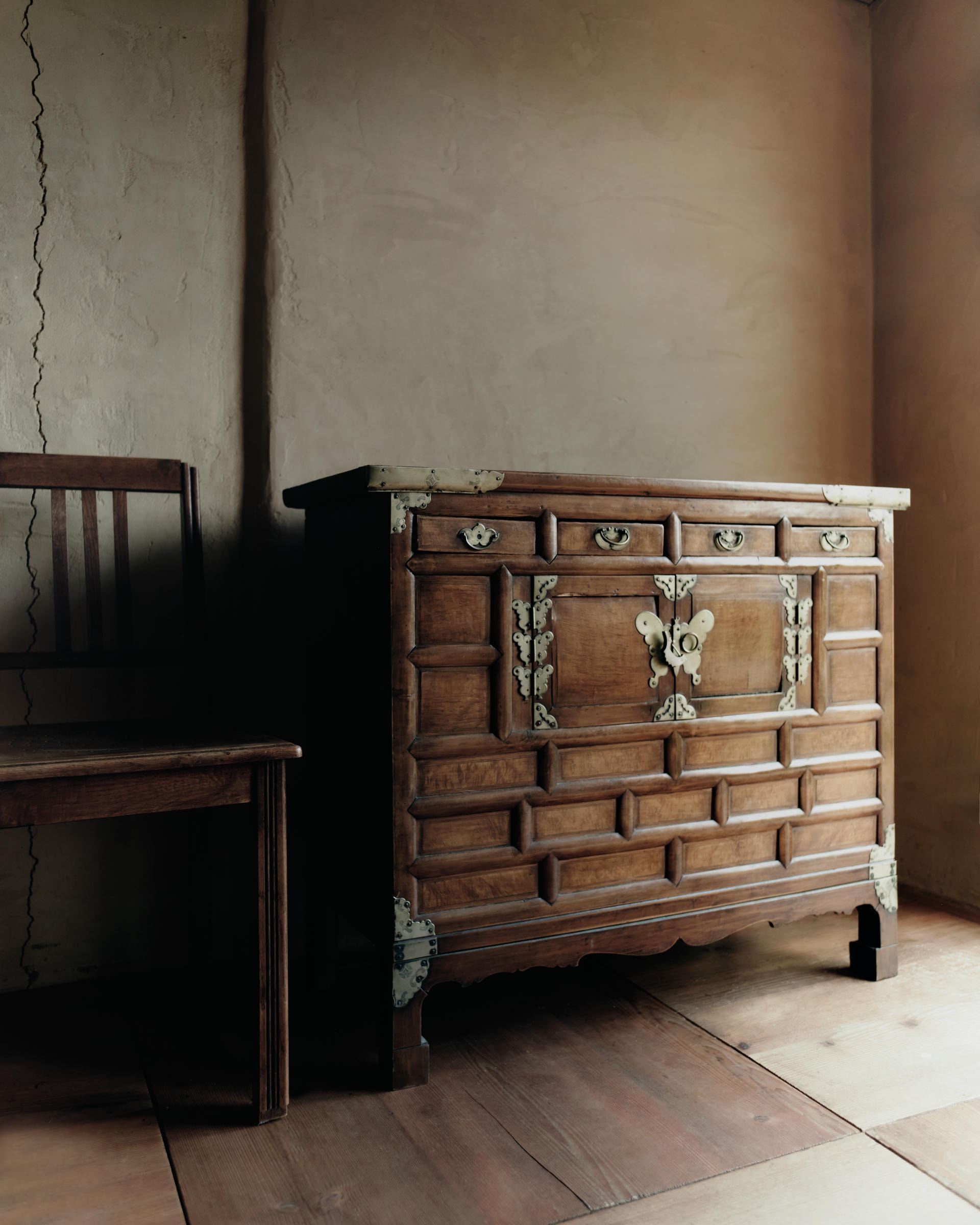
It happens often, and we think it is healthy.
We have different instincts, so there are inevitably objects or ideas that one of us understands immediately and the other does not. The interesting part is having to explain why something matters to you. Sometimes an intuition becomes stronger through that conversation; sometimes you realise that it cannot really be defended.
We try not to resolve disagreement through compromise, because compromise can easily weaken an idea. We prefer to keep discussing, testing or looking for another solution.
There are also times when one of us simply trusts the other’s conviction. Working together means learning when to insist, but also when to let the other person take you somewhere you would not necessarily have gone alone.
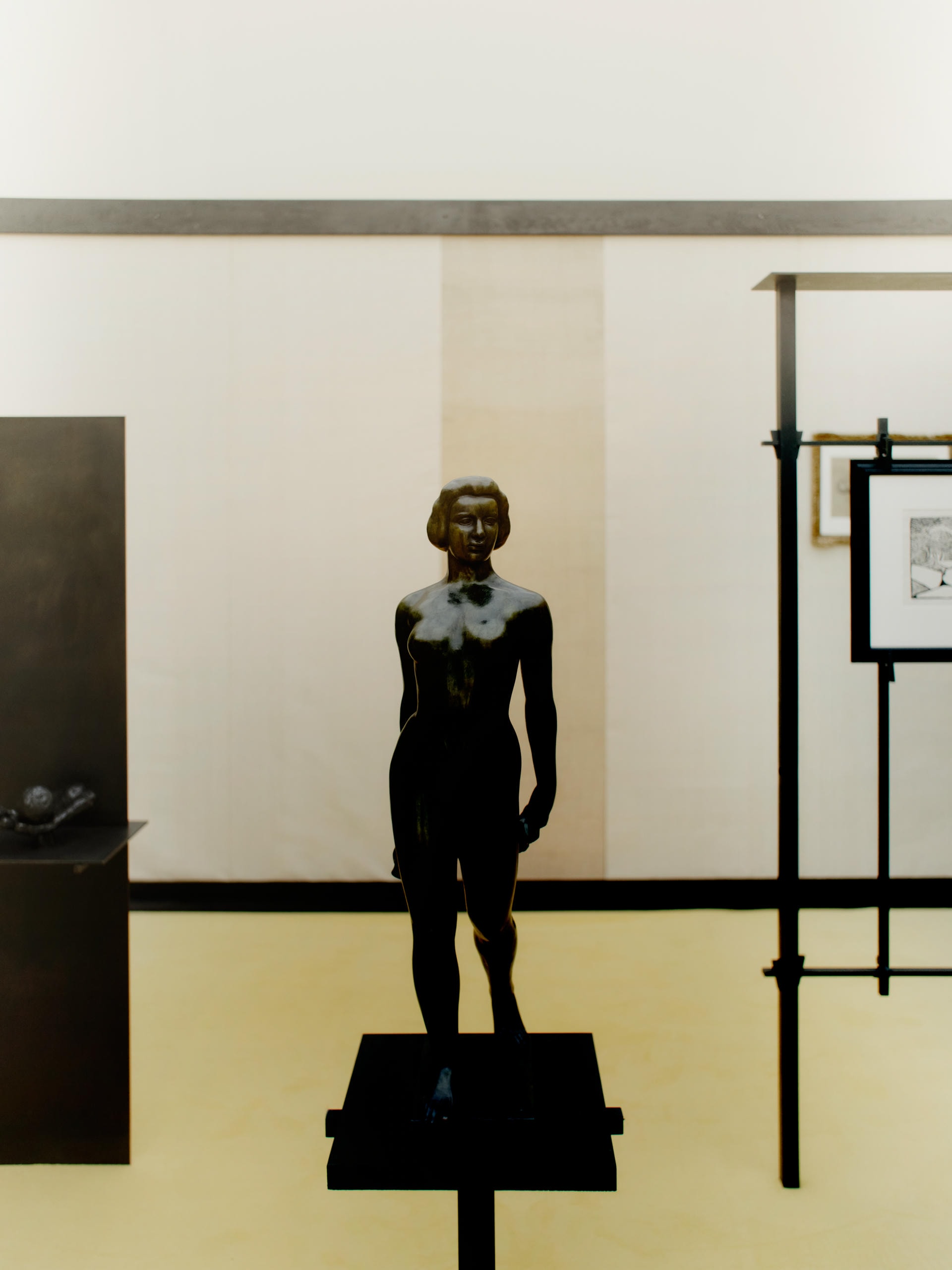
This balance has been central to the project from the beginning. The scenography needs to have an identity because it creates the conditions in which the works are seen, but it cannot become the subject of the exhibition.
We started by thinking about materials, proportions and ways of displaying works that could create a different rhythm from the conventional fair booth. The furniture and display elements are conceived as part of the same architecture rather than as isolated design pieces.
At the same time, everything has to work in relation to the artworks. A painting, a sculpture and a drawing each require a different kind of distance and attention.
For us, a successful scenography is one that you perceive very strongly when you enter, but that gradually recedes as you begin looking at the works.
Probably the amount of coordination and editing required to make something eventually appear simple. There are so many parallel realities behind an exhibition: finding objects, researching them, convincing someone to lend or sell something, budgets, insurance, transport, fabrication, technical constraints and installation. A single change can affect many other decisions.
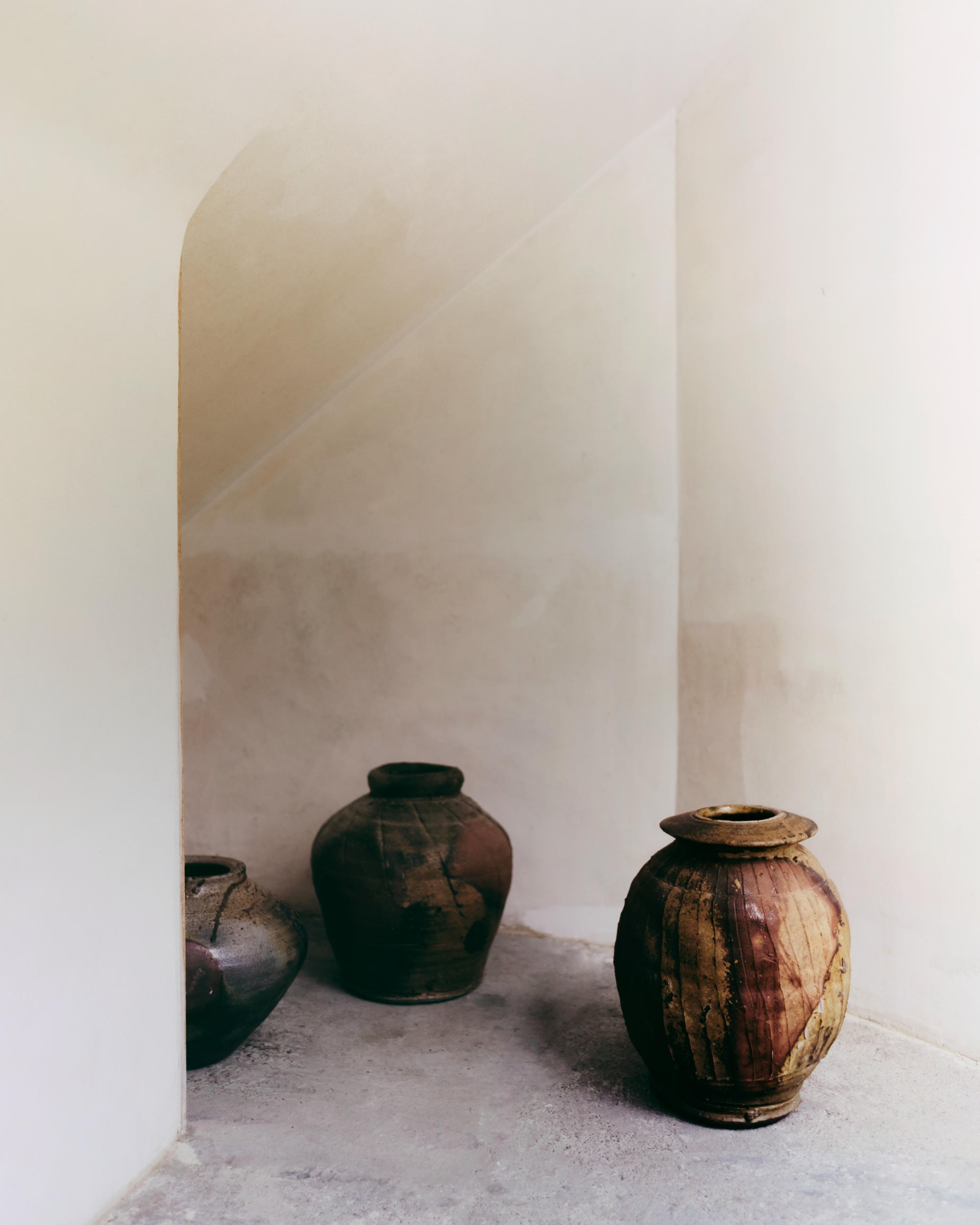
For Korean Possessions, for example, we worked with an association to find a papermaker who could produce Hanji specifically for the project. We then commissioned selected designers to work with this material, choosing them either because of their connection to Korea or because we felt their broader practice could lead to a relevant and thoughtful response. It is the kind of process that may ultimately appear very simple in the exhibition, but involves a long chain of research, conversations, relationships and production behind the scenes.
There is another invisible part that is equally demanding: knowing what to remove. We tend to accumulate a great deal during the development of a project—references, objects, materials, ideas—and then gradually edit them. The visitor should not have to see that complexity. Ideally, by the time the exhibition opens, all that work has disappeared and what remains feels clear and natural.
We don’t want Bernal & Semerciyan to be immediately recognisable through a particular colour, material or formal vocabulary. That would feel restrictive, especially because the contexts in which we work can be very different.
What we hope will become recognisable is a way of looking and bringing things together: an attention to objects and their histories, an interest in craftsmanship and vernacular forms, and a desire to create relationships between periods and disciplines that are not necessarily obvious at first.
We also want each project to remain very connected to its context rather than imposing the same aesthetic everywhere.
What would be difficult for us is a project in which the objects or the culture behind them are treated simply as decoration, or where the objective is primarily to produce an image. We need there to be something to investigate, something to learn and a genuine reason for making the project.
Ultimately, we want visitors to leave with a real understanding of our proposal and to know a little more about the subjects, objects or ideas we wanted to bring to light. The experience should not only be visual; we hope it can also generate curiosity and encourage people to look further.
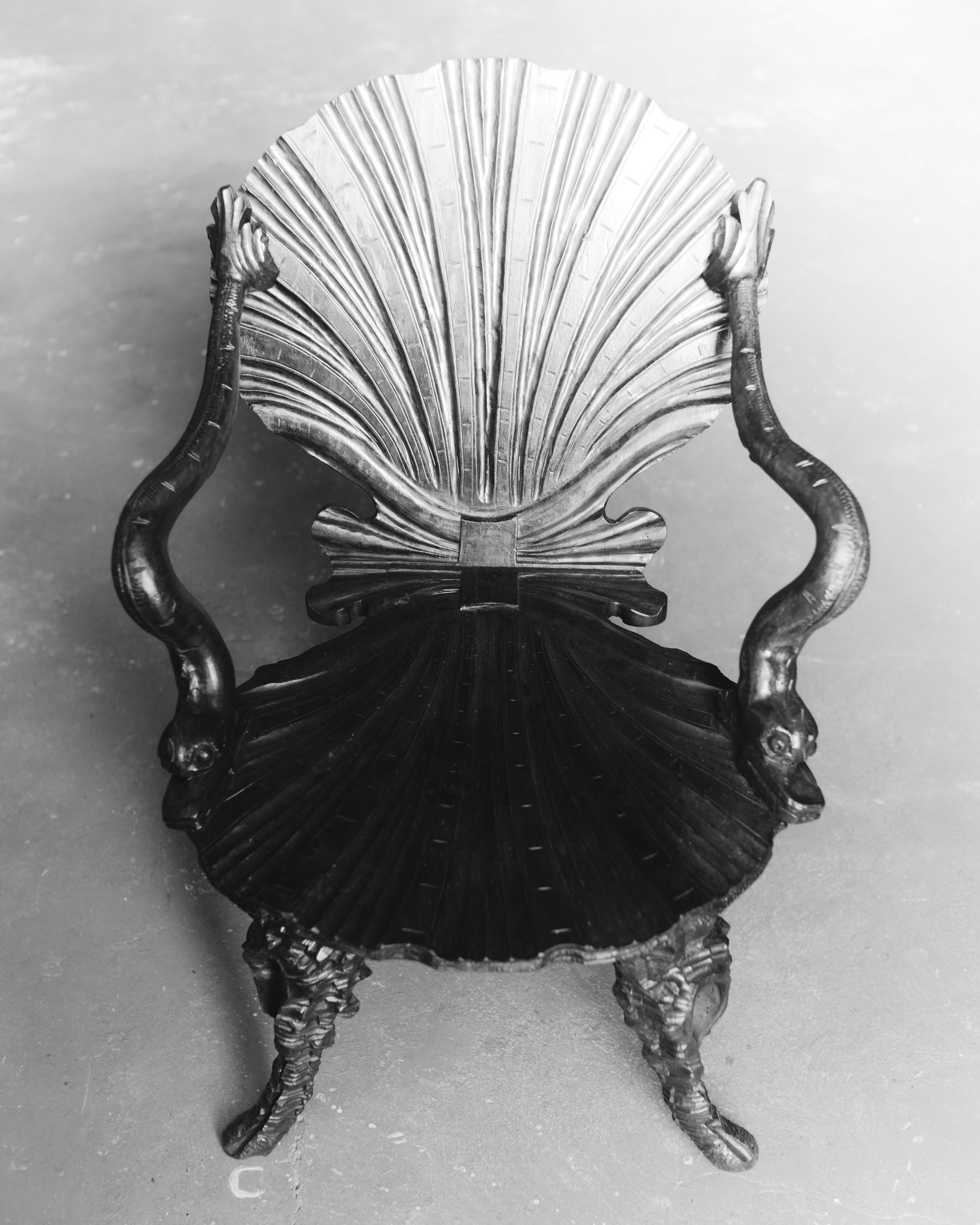
Invitation © Paul Lackner
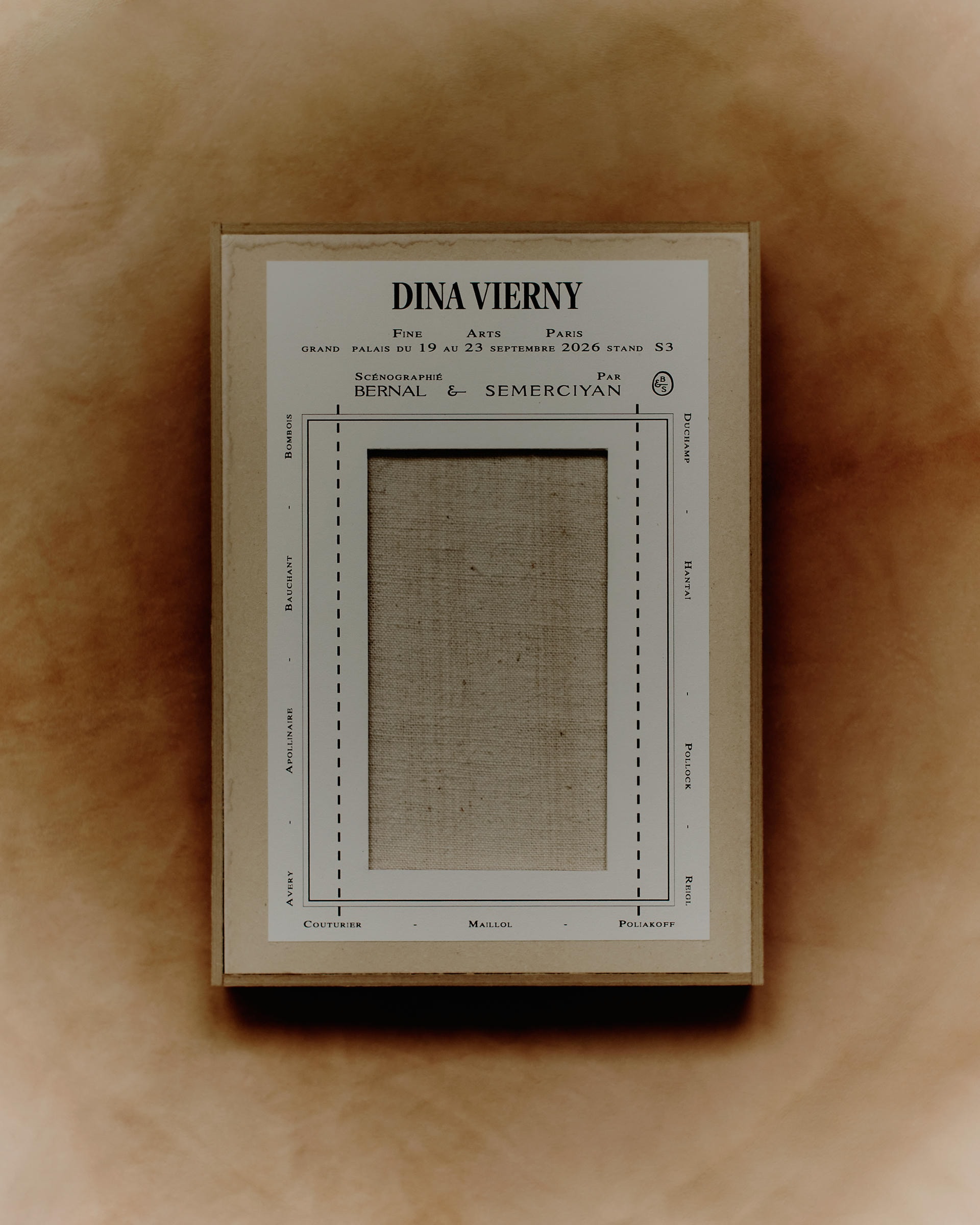
Thank you so much Graziella and Camillo, for this lovely interview!
Share article :