Philia
Magazine

Miminat Shodeinde
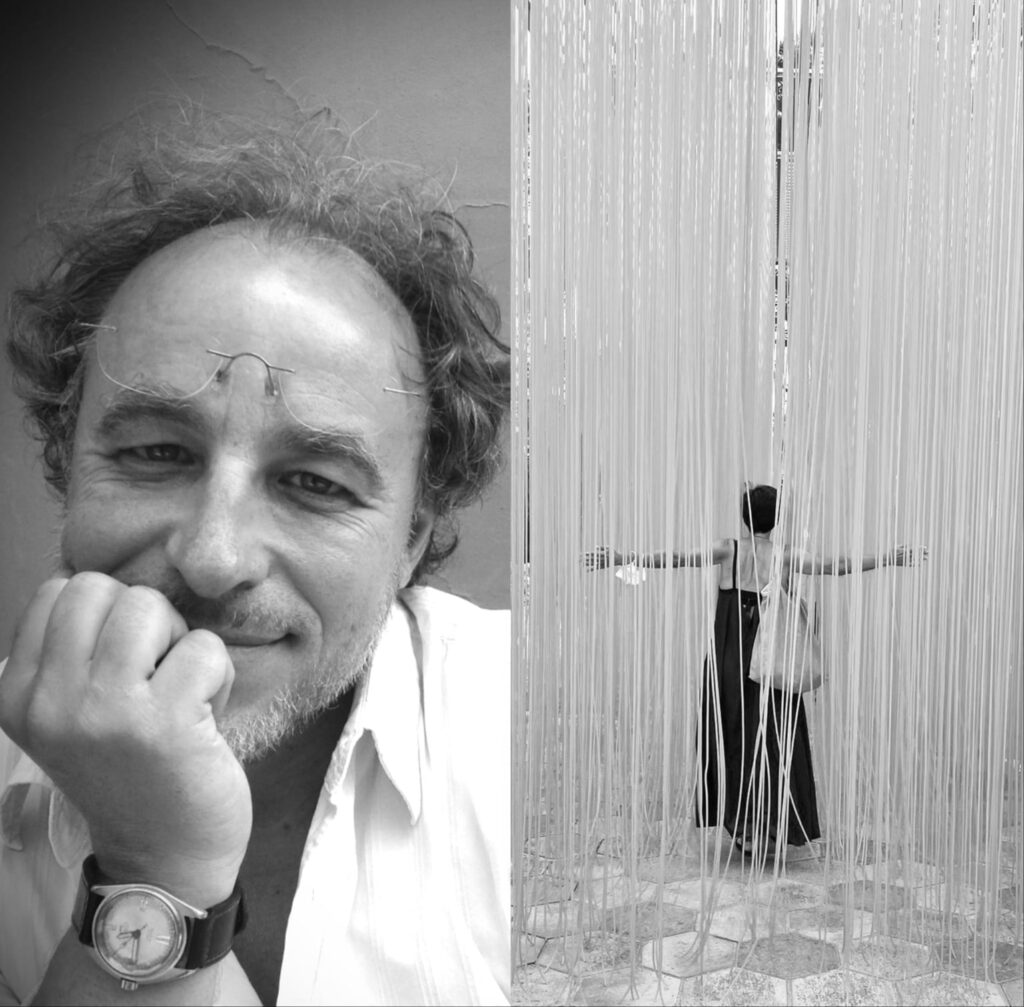
Miminat Shodeinde is a British-Nigerian artist and designer whose multidisciplinary practice explores the intersection of art, architecture, and collectible design. Born and raised in London, she approaches creation as a dialogue between the poetic and the practical, developing sculptural works and immersive environments that challenge conventional distinctions between form and function. Her work is distinguished by a refined balance of contrast and harmony, where contemporary sensibilities coexist with timeless influences to create pieces that are both expressive and deeply considered.
Drawing on her diverse cultural background and architectural perspective, Shodeinde creates objects and spaces that emphasize atmosphere, materiality, and spatial experience. Defying easy categorization, her practice moves fluidly between art and design, resulting in works that are sophisticated, functional, and rich in personality. Through a thoughtful integration of sculpture, design, and architecture, she continues to shape a distinctive creative language that is both elegant and emotionally resonant.
Slow Design Picks From Philia Collection
Studionudo
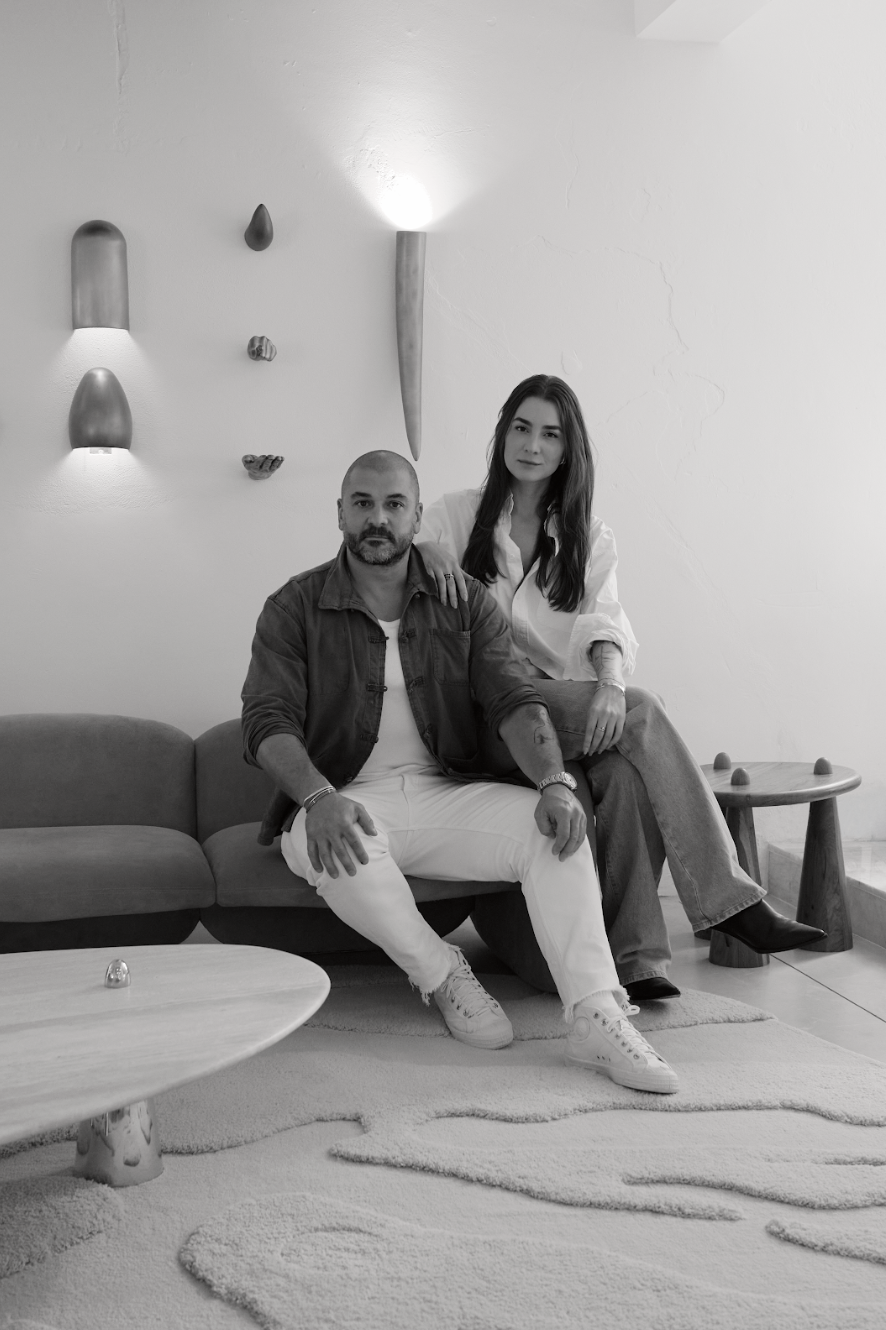
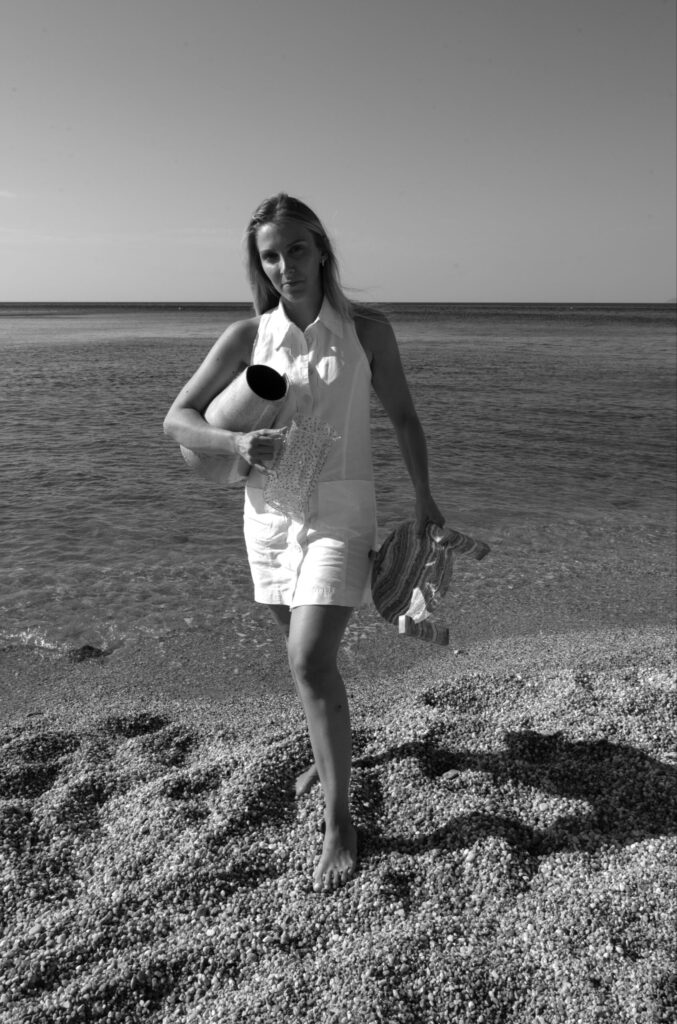
Fabiola Laccisaglia is an Italian designer and founder of Studionudo, whose practice explores the relationship between material authenticity, craftsmanship, and everyday function. Working across furniture and objects, she creates timeless pieces that preserve the natural essence of raw materials, balancing refined simplicity with sculptural presence.
Trained in Industrial Design at the Politecnico di Milano and drawing on experience in the luxury furniture industry, Laccisaglia collaborates closely with Italian artisans to develop collectible objects distinguished by tactile materiality, understated elegance, and a deep connection between nature, design, and daily life.
dAM Atelier Picks From Philia Collection
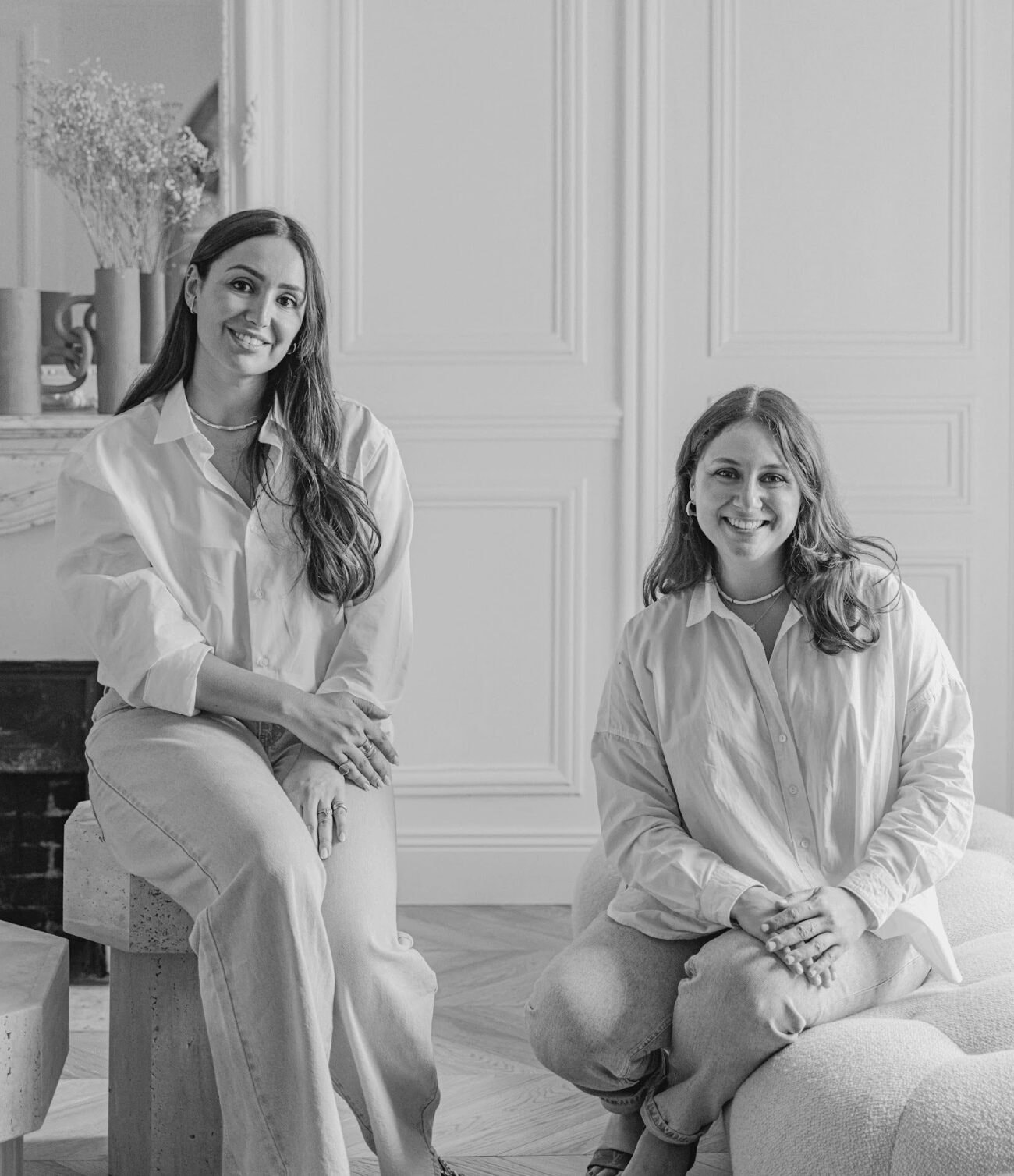
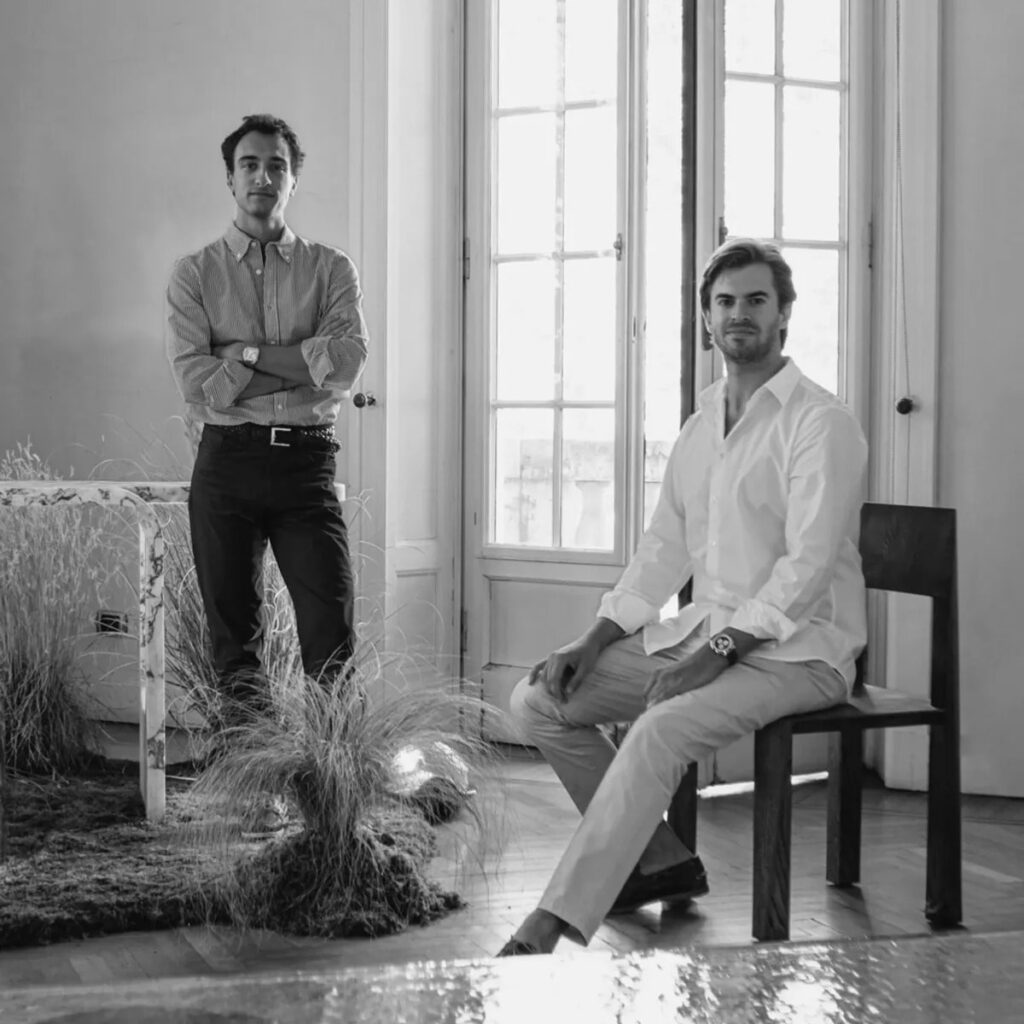
dAM Atelier is an experimental design studio founded by Paolo d’Alessandro and Marco Malgarini. Working between architecture and collectible design, the duo creates sculptural furniture and objects defined by bold geometric forms, structural exploration, and a refined minimalist aesthetic. Rooted in their architectural education at the Accademia di Architettura di Mendrisio, their work balances technical precision with artistic expression.
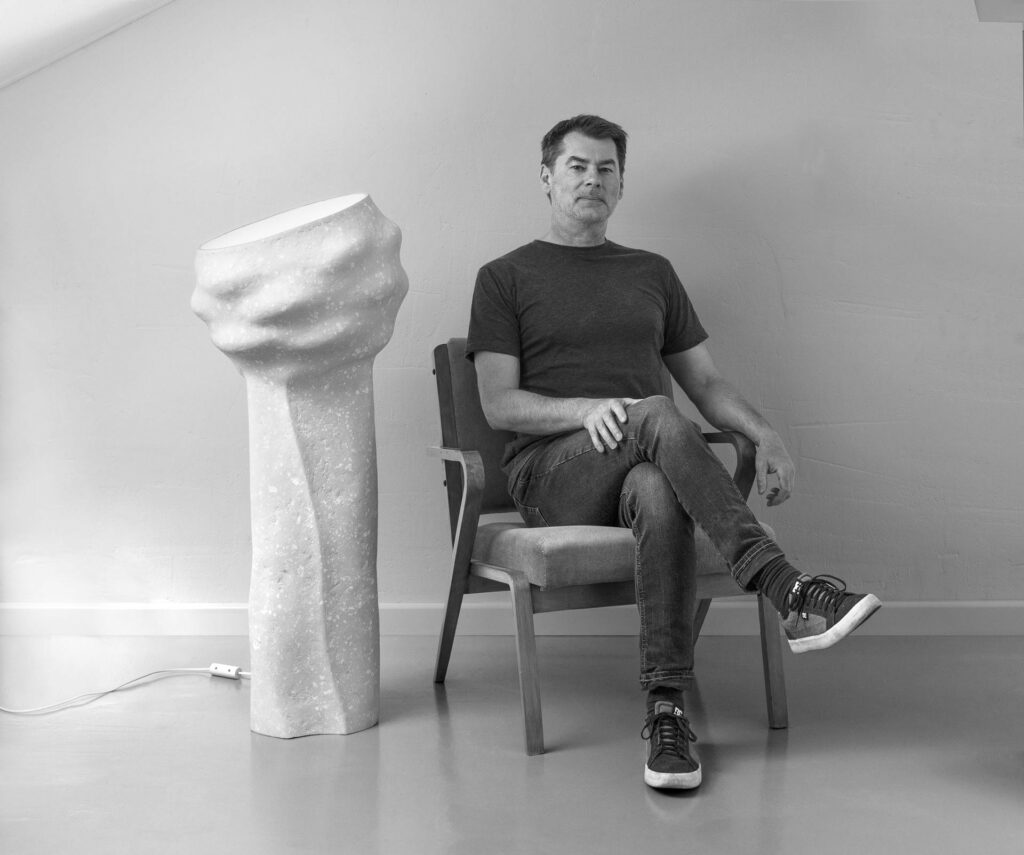
Donatas Zukauskas
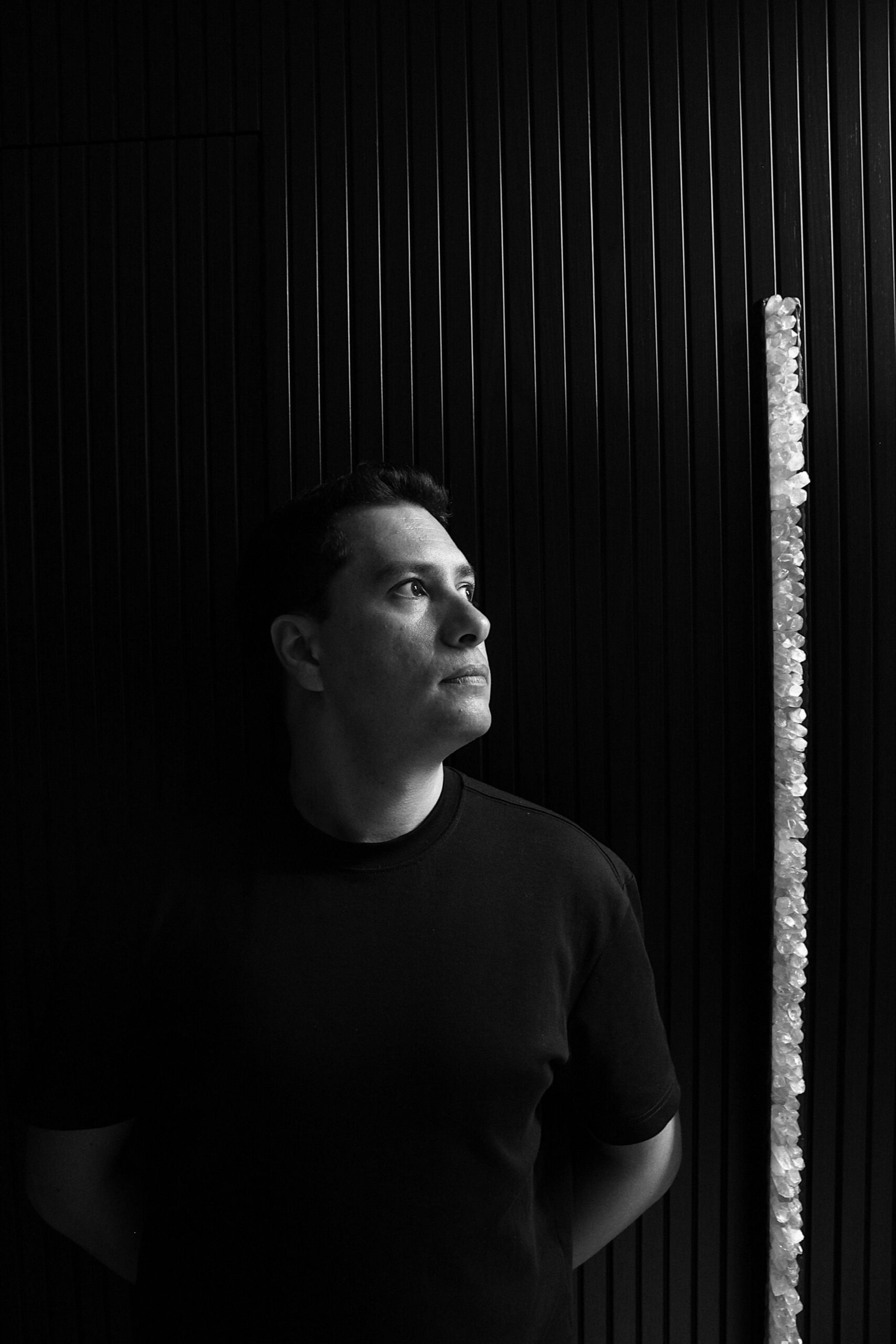
Donatas Žukauskas is a Lithuanian artist and designer whose practice bridges sculpture, design, and craftsmanship. Originally trained in graphic design at the Vilnius Academy of Arts, he spent more than two decades working across animation, advertising, and interior design before turning his focus to collectible objects and sculptural works.
Creating tables, lighting, vases, and sculptures, Žukauskas explores the beauty of imperfection through expressive forms and handcrafted processes. His work reflects a balance between functionality and artistic expression, resulting in pieces that are both poetic and deeply personal.
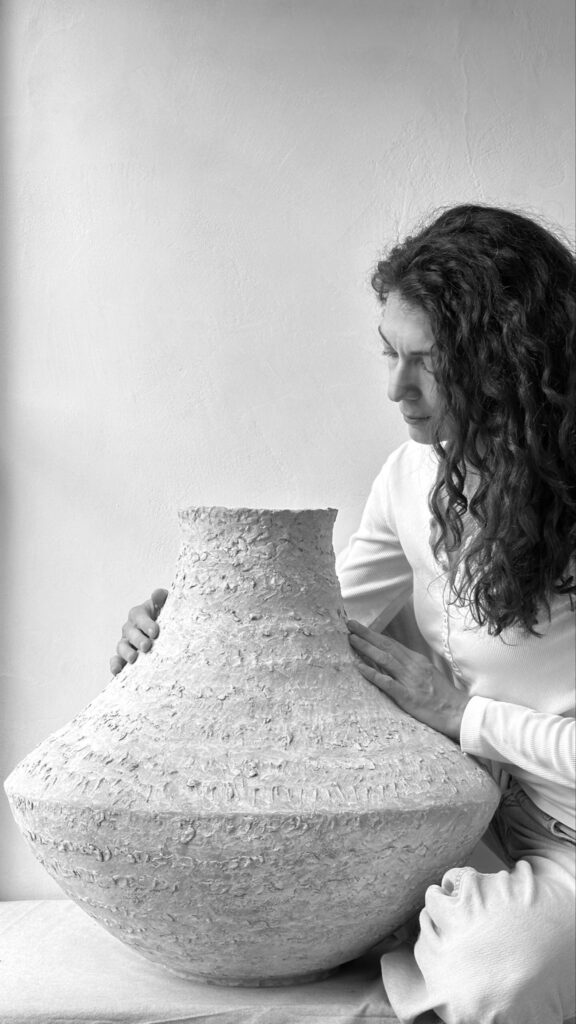
Elena Vasilantonaki Picks From Philia Collection
Elena Vasilantonaki is a ceramic artist based in Athens, Greece, whose practice explores the expressive possibilities of clay through sculptural and functional forms. Guided by a sensitivity to material, texture, and process, she creates works that celebrate the quiet beauty of the handmade.
Drawing inspiration from nature, everyday rituals, and the tactile qualities of clay, Vasilantonaki develops pieces that balance simplicity with a strong sense of presence. Her work reflects a contemplative approach to making, where form, surface, and imperfection come together to create objects that feel both timeless and deeply personal.
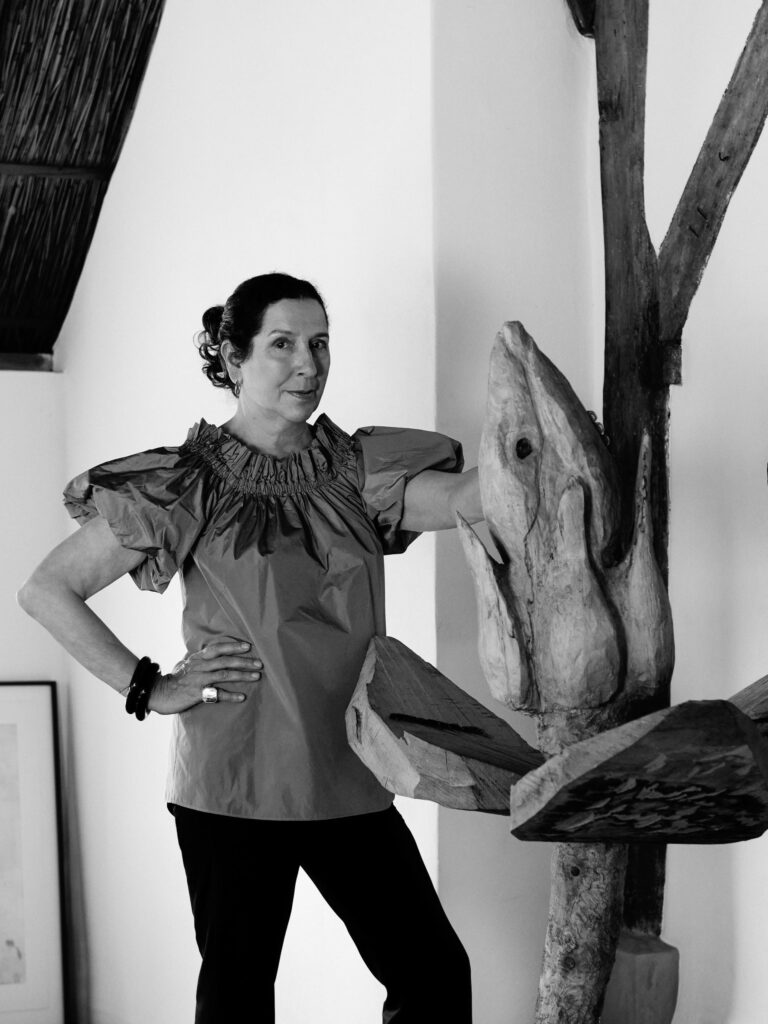
Herma de Wit
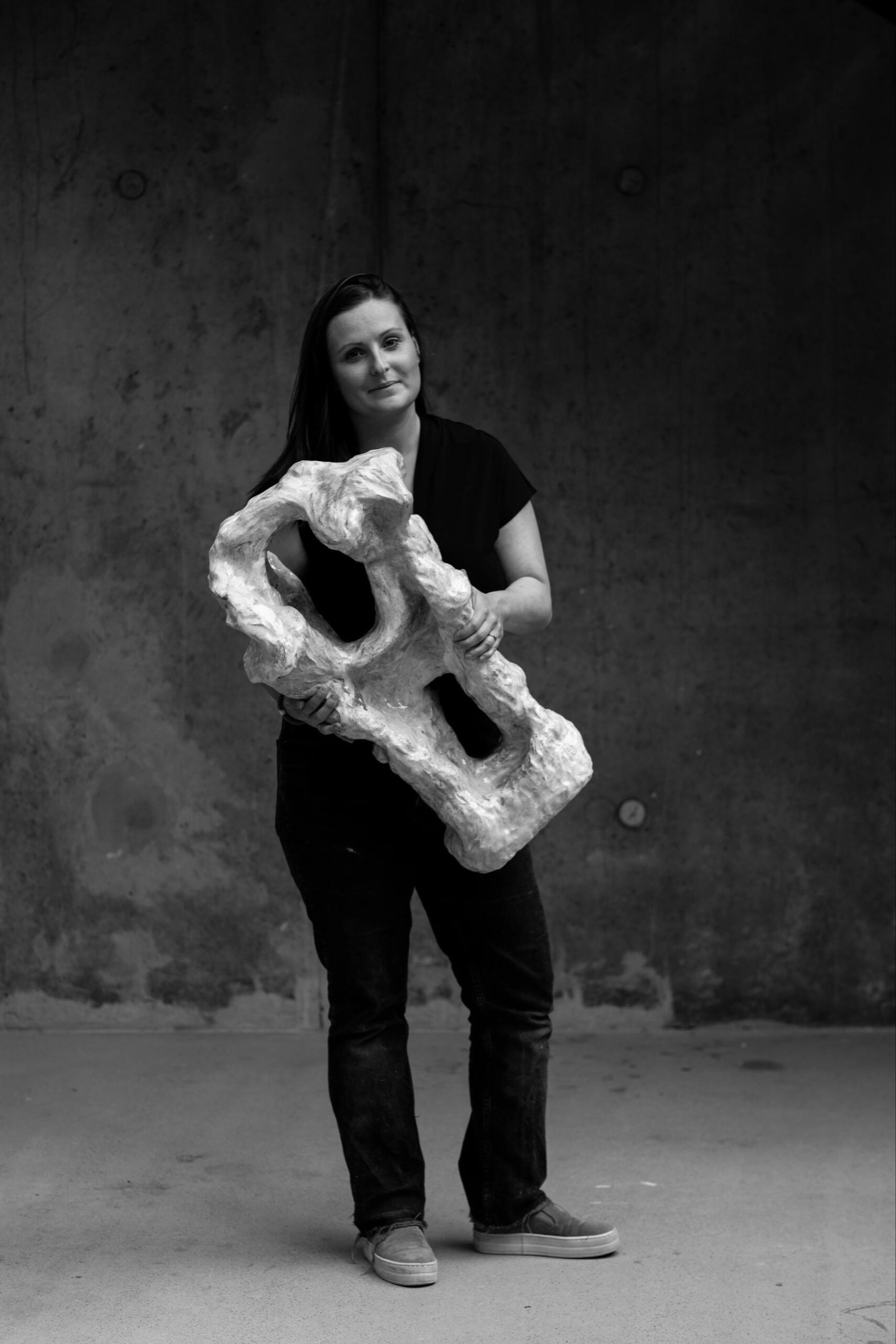
Herma de Wit is a Dutch artist based in Amsterdam, where she works between her city studio and a countryside retreat. Before dedicating herself fully to art in 1996, she built a career in fashion and founded her own label, HERMA DE WIT. Drawing on this technical background, her practice ranges from intimate works on paper to monumental sculptural installations, united by a deep sensitivity to material and form.
Nature lies at the heart of De Wit’s work. Through delicate prints of collected leaves, flowers, and branches, she explores the quiet poetry and spiritual resonance of the natural world. Her sculptures, often shaped from clay and earth, pay homage to the elemental origins of life and the enduring connection between humanity and the environment. Rooted in themes of growth, memory, and belonging, her work reflects a profound reverence for the forces that sustain and connect us.