Philia
Magazine

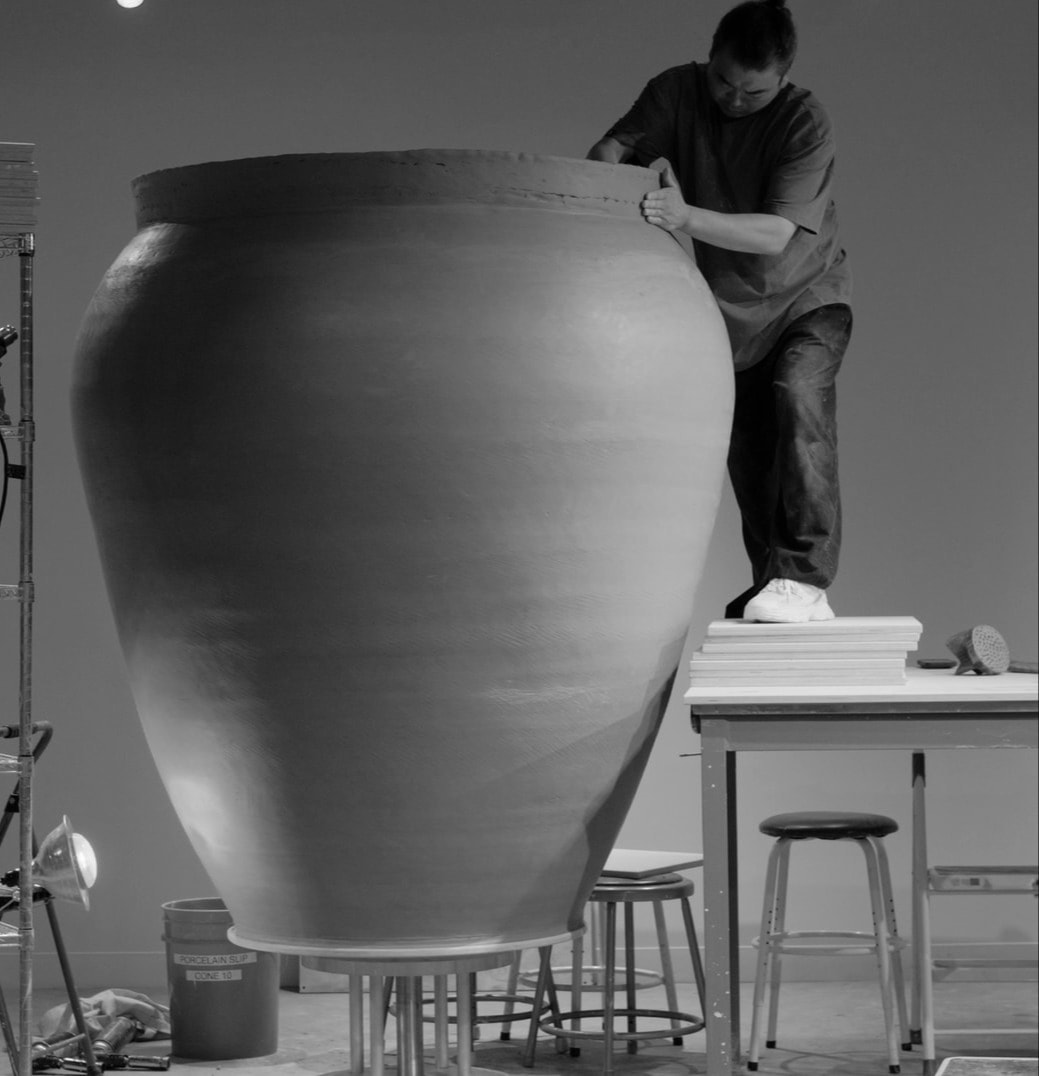
Dan Schneiger
Dan Schneiger is an American architect, artist, and designer whose multidisciplinary practice explores the intersection of architecture, sculpture, and collectible design. Trained as an architect at the University of Minnesota, Schneiger spent nearly two decades working on public, commercial, and residential projects before establishing his independent practice dedicated to sculptural furniture, lighting, and artworks. His work reflects an ongoing dialogue between architectural thinking and handcraft, creating pieces that balance structural precision with artistic expression.
Rooted in a deep appreciation for making by hand, Schneiger’s practice investigates the relationship between technology, materiality, and form. Rejecting the increasingly digital nature of contemporary design, he embraces traditional processes to create works that reveal the tactile qualities of wood, metal, and stone while maintaining a distinctly architectural language. Blurring the boundaries between art and design, his sculptural furniture and lighting embody a timeless sensibility shaped by craftsmanship, material honesty, and a refined understanding of space.
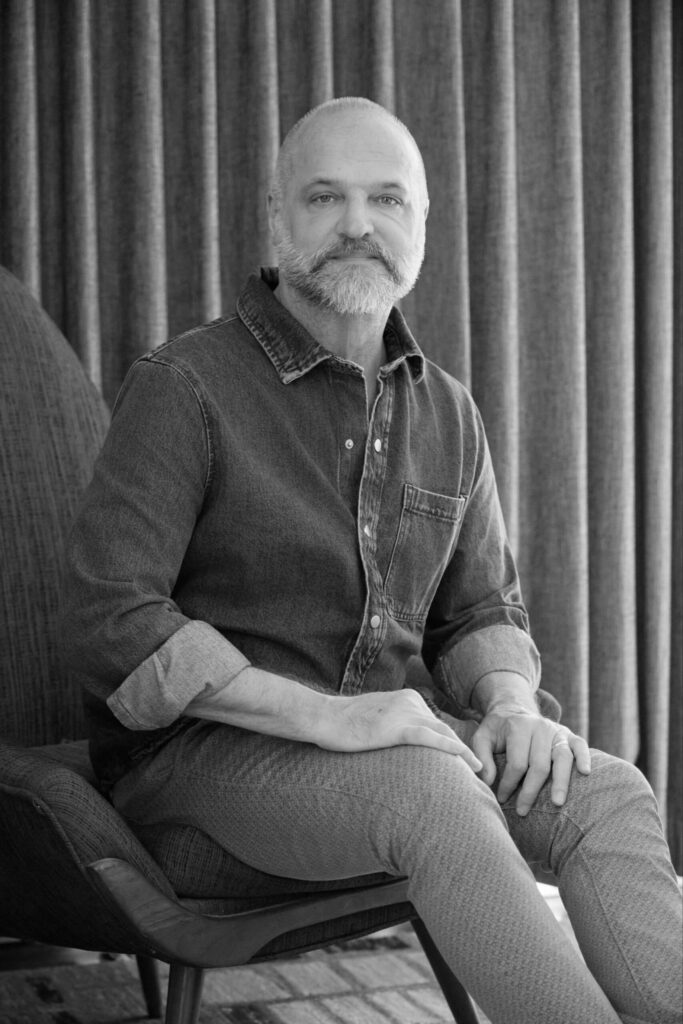
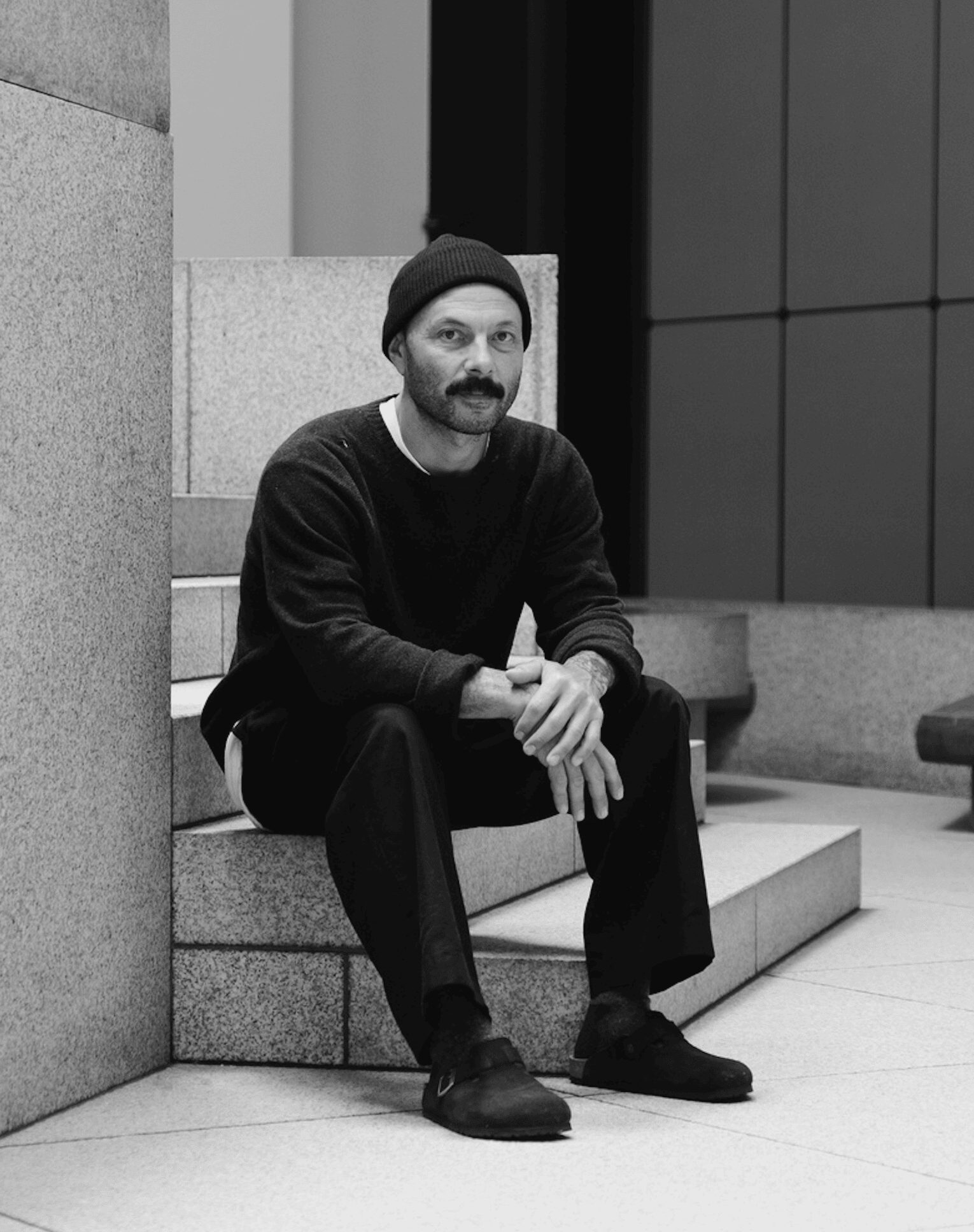
Dan Schneiger 5 Picks From Philia Collection
Dan Schneiger is an American artist, designer, and architect whose practice explores the intersection of sculpture, architecture, and craftsmanship. Influenced by modernist figures such as Constantin Brâncuși, Isamu Noguchi, and Richard Neutra, his work is defined by geometric forms, material experimentation, and a strong sculptural sensibility.
Originally trained as an architect, Schneiger worked across residential, retail, and public projects before fully dedicating himself to his artistic practice. Since relocating to Miami in 2014, he has developed a body of work that blurs the boundaries between art, furniture, and architecture, creating pieces that feel both tactile and timeless.
Working across collectible design, sculpture, and functional objects, his practice reflects an ongoing dialogue between structure and emotion, combining architectural precision with a deeply handcrafted approach.
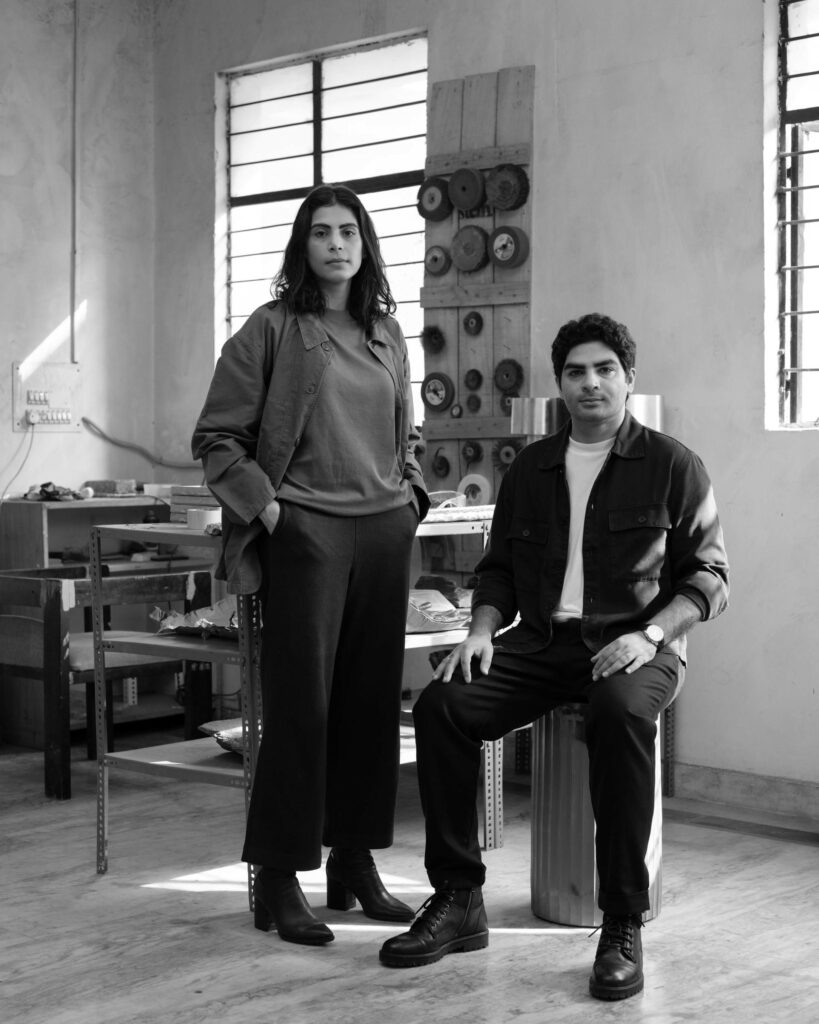
Stem Design
Stem is a design studio founded by Aman and Sugandhi, rooted in a shared sensitivity toward nature, materiality, and the emotional resonance of objects. Emerging from a deeply personal and intuitive process, the studio explores how everyday forms can carry memory, feeling, and quiet meaning within domestic spaces.
Working across lighting, sculpture, and functional objects, Stem approaches design as a slow and thoughtful practice shaped by instinct, craftsmanship, and storytelling. Using materials such as clay, paper, and found elements, each piece is developed through an emotional dialogue between form, texture, and atmosphere.
Defined by restraint and intentionality, Stem creates objects that are meant to endure both physically and emotionally. Their work reflects a belief that design should not only serve a function, but also accompany the rhythms of life with warmth, presence, and lasting significance.
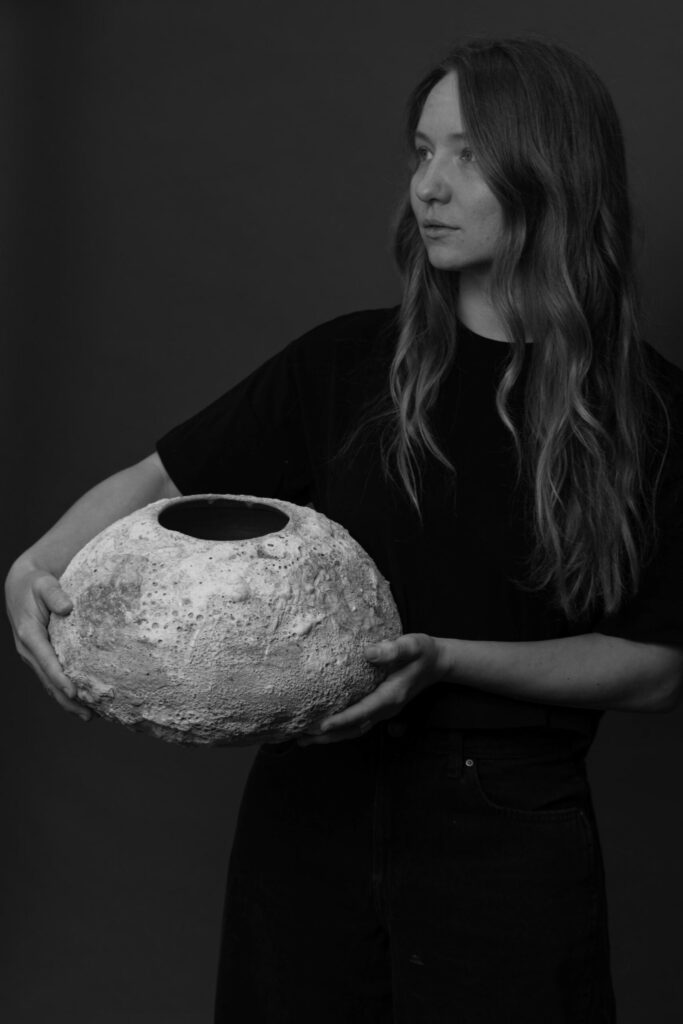
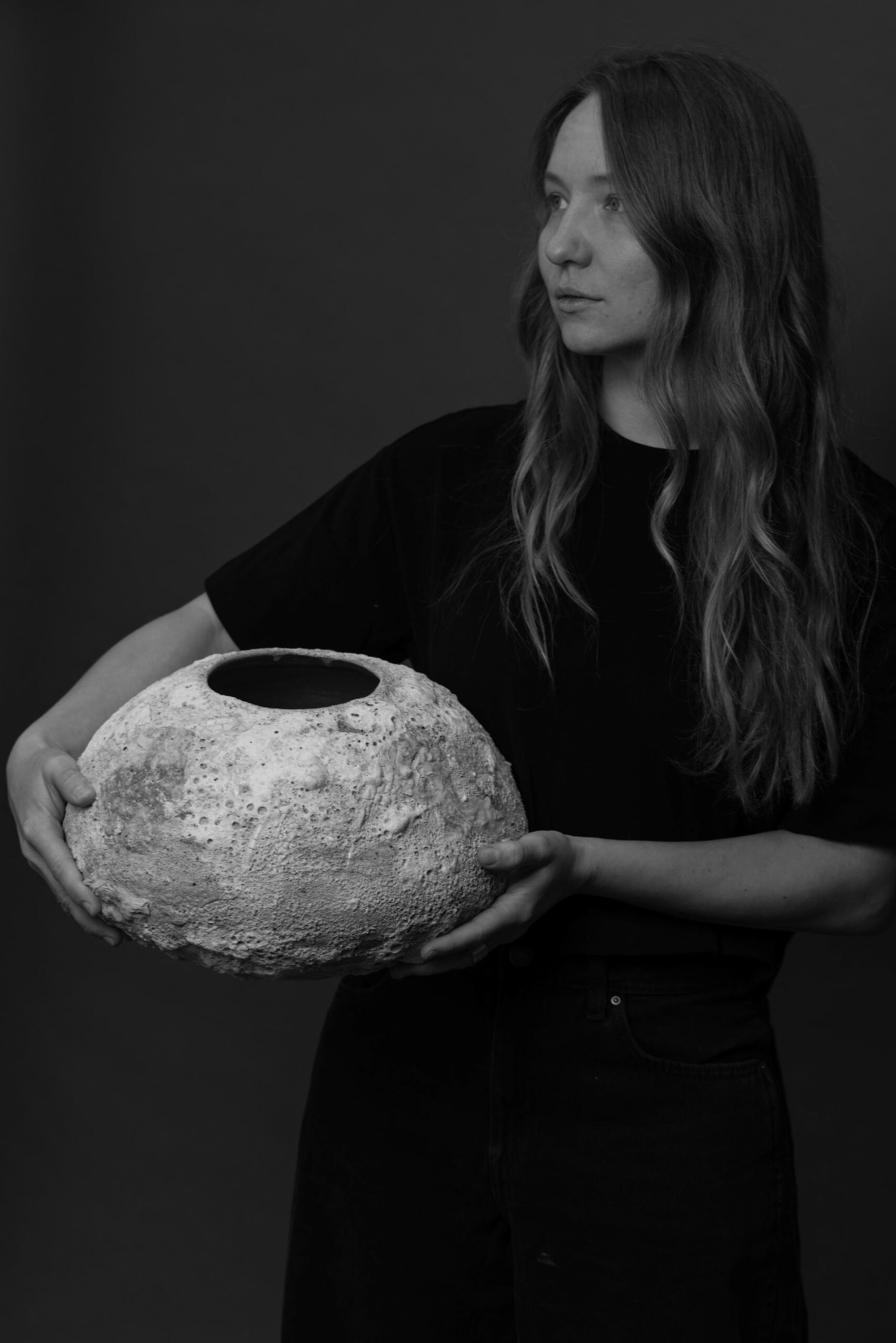
Maria Loram 5 Picks From Philia Collection
Maria Loram is a ceramic artist based in California whose practice explores the space between the organic and the cosmic through sculptural and functional ceramic works. Born in Russia and shaped by a multidisciplinary background spanning science, linguistics, yoga, and visual art, her work is deeply informed by Eastern philosophies, wabi-sabi aesthetics, and an ongoing fascination with material transformation.
Working with clay, paper, and experimental glaze techniques, Loram creates textured forms that evoke weathered landscapes, celestial surfaces, and artifacts shaped by time. Her process combines wheel throwing, handbuilding, glaze research, and painterly surface experimentation, resulting in pieces that feel both minimal and emotionally resonant.
Since returning to ceramics in 2022, Loram’s work has been exhibited internationally and featured through galleries and collections across the United States, Canada, Australia, and Europe. Alongside her studio practice, she has participated in artist residencies, taught workshops focused on glazes and textures, and continues to explore ceramics as a language of touch, impermanence, and quiet contemplation.
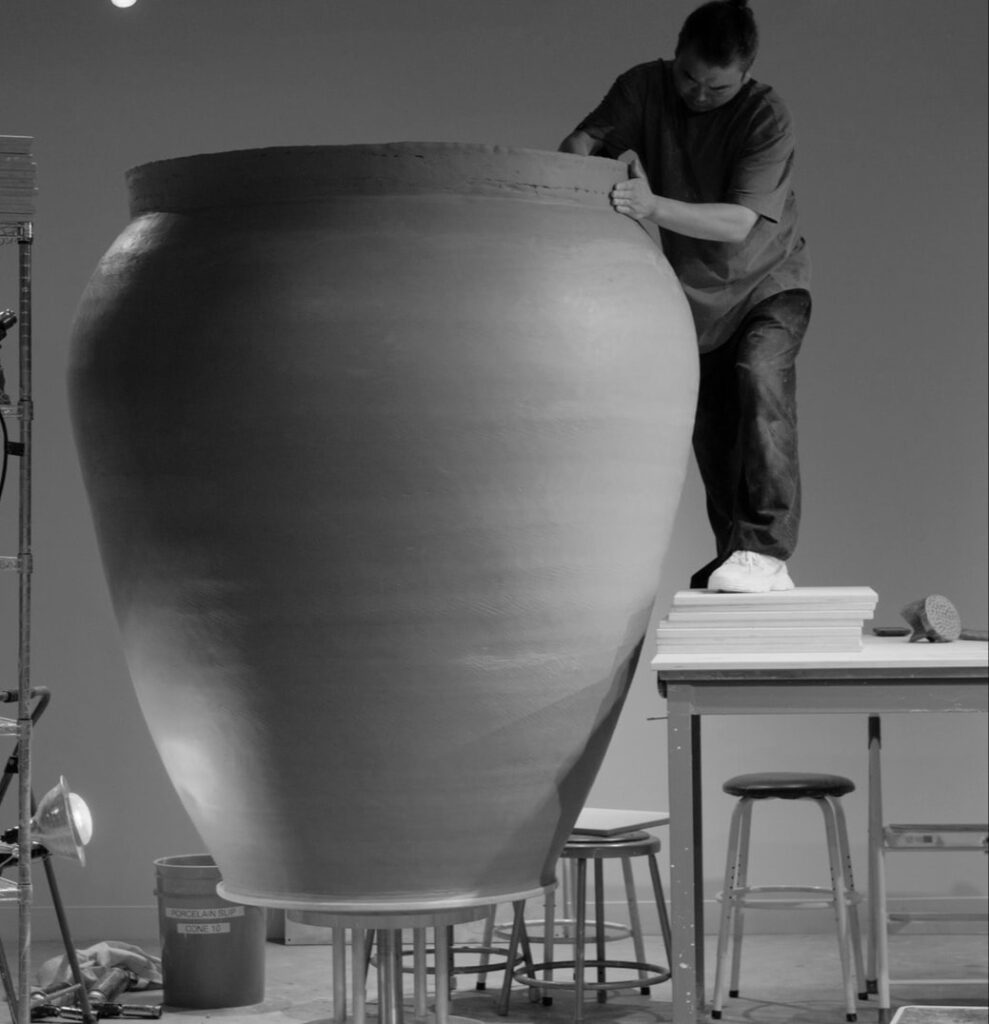

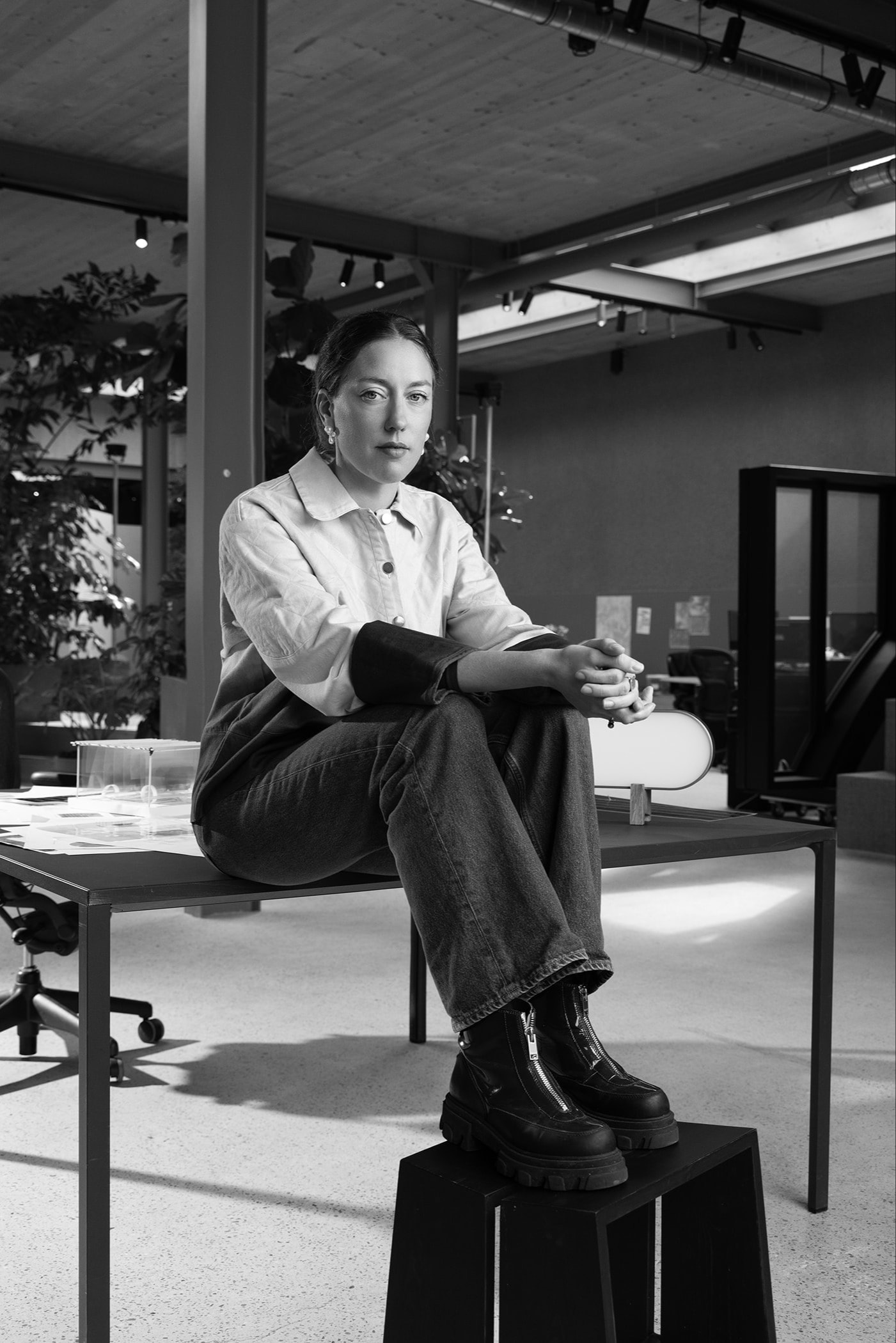
Louise Liljencrantz 5 Picks From Philia Collection
Louise Liljencrantz is a Swedish designer and co-founder of Veermakers. Her work explores the relationship between sculptural form and functionality, with a particular sensitivity toward materiality, craftsmanship, and proportion.
Working between Stockholm and Paris, she develops collectible furniture and interiors defined by a refined balance between Nordic restraint and contemporary expression. Through Veermakers, Liljencrantz approaches design with a strong attention to detail, creating pieces that feel both timeless and tactile.
Veermakers recently opened its first showroom in Le Marais, Paris, further expanding the studio’s presence within the contemporary collectible design scene.
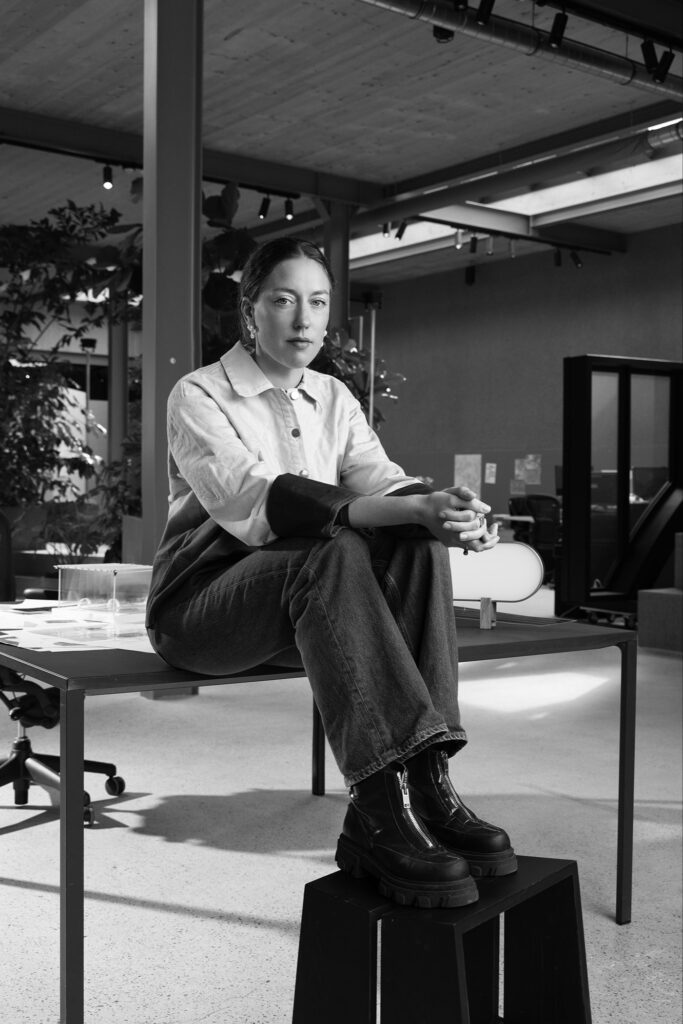
Marjan van Aubel
Marjan van Aubel is a Dutch designer whose pioneering practice explores the intersection of sustainability, technology, and design through the lens of solar energy. Based in Amsterdam, she has developed a distinctive approach that transforms sunlight into both a functional and aesthetic medium, integrating solar technology into everyday objects such as furniture, lighting, and architectural elements.
A graduate of the Royal College of Art and the Gerrit Rietveld Academy, van Aubel has collaborated with scientists and institutions to create works that challenge conventional perceptions of renewable energy, positioning it as a poetic and experiential force. Her projects, exhibited internationally and held in major museum collections, aim to redefine our relationship with energy by embedding it seamlessly into daily life, advocating for a future where sustainability and beauty are intrinsically connected.