Espacio 18 Arquitectura
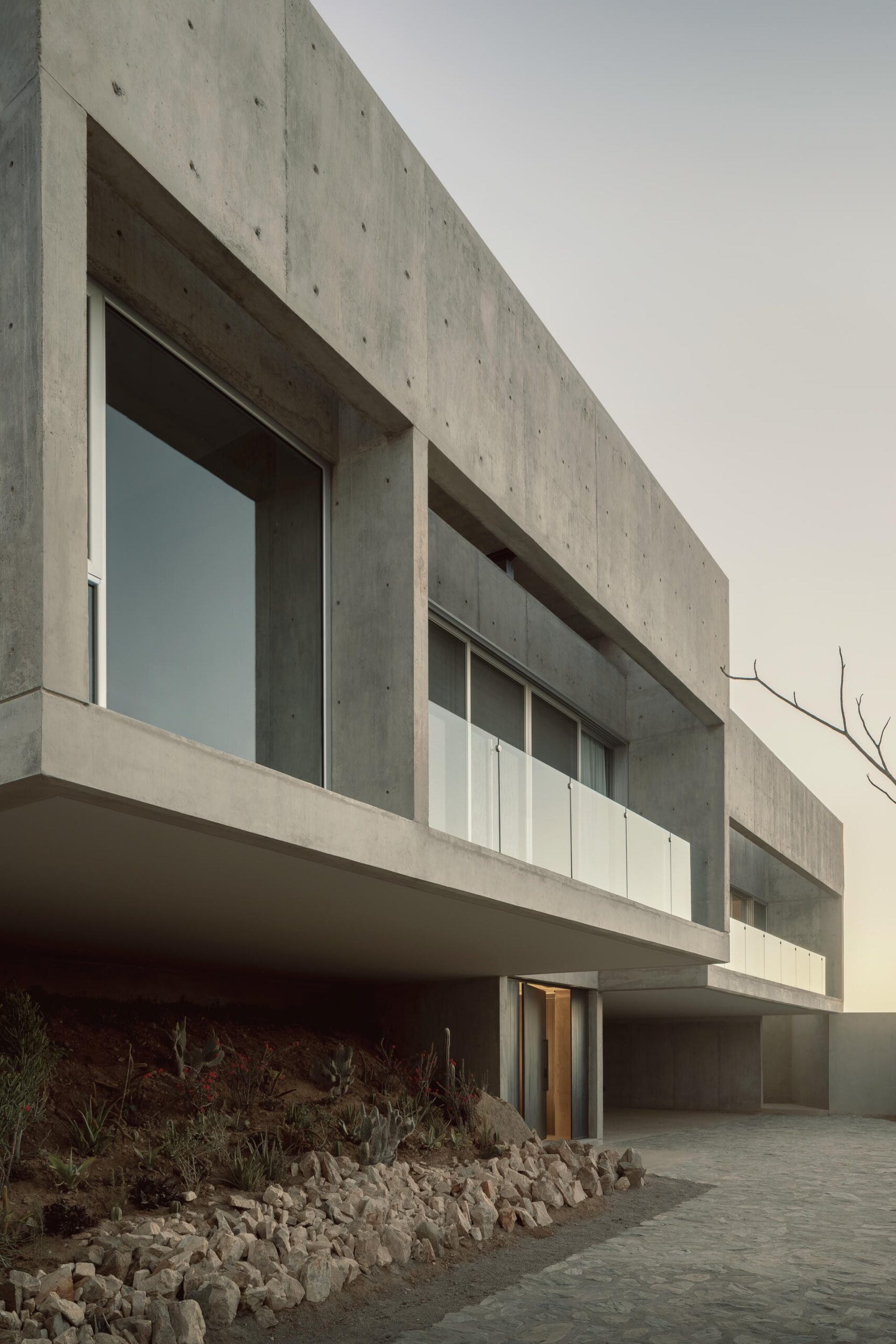
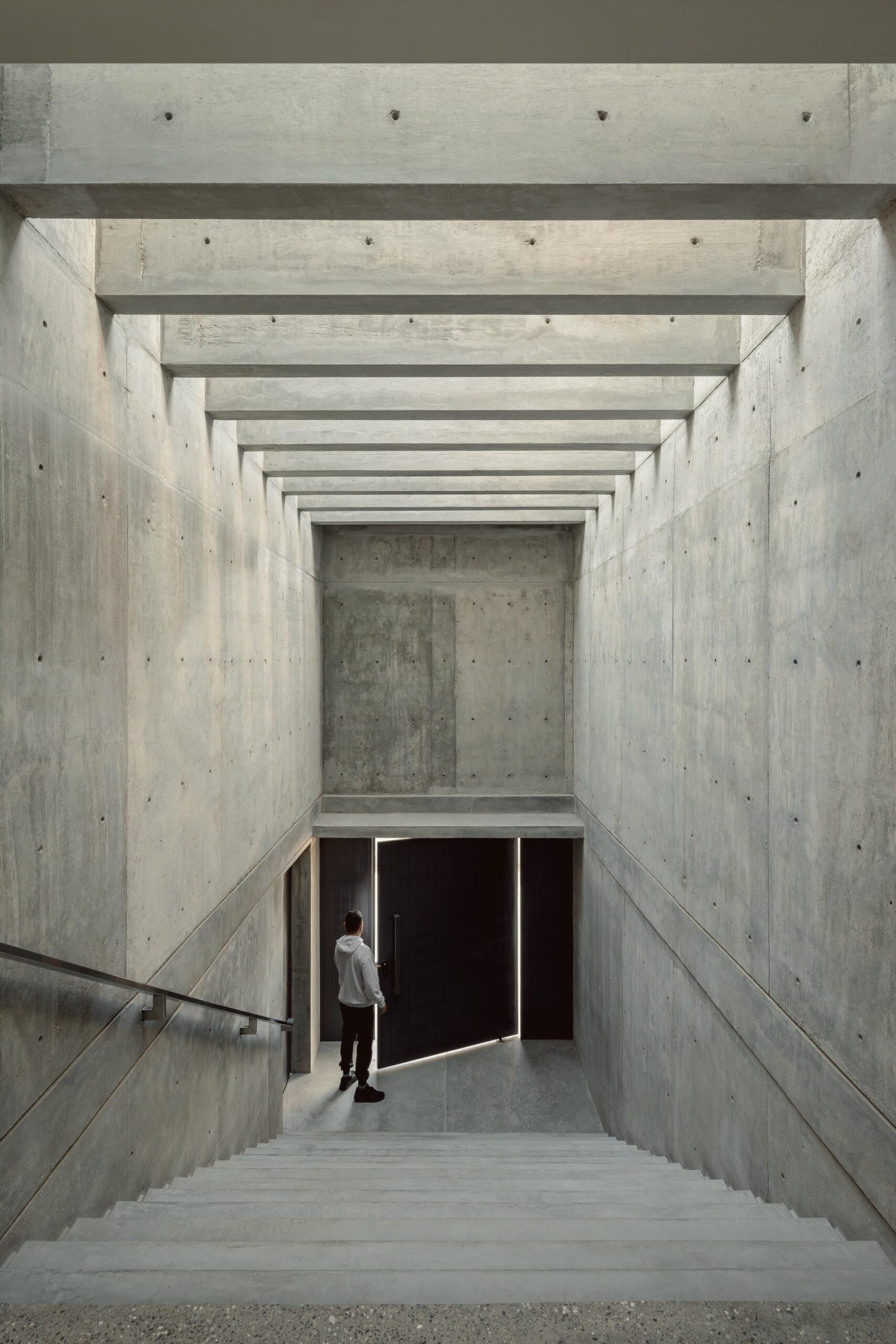
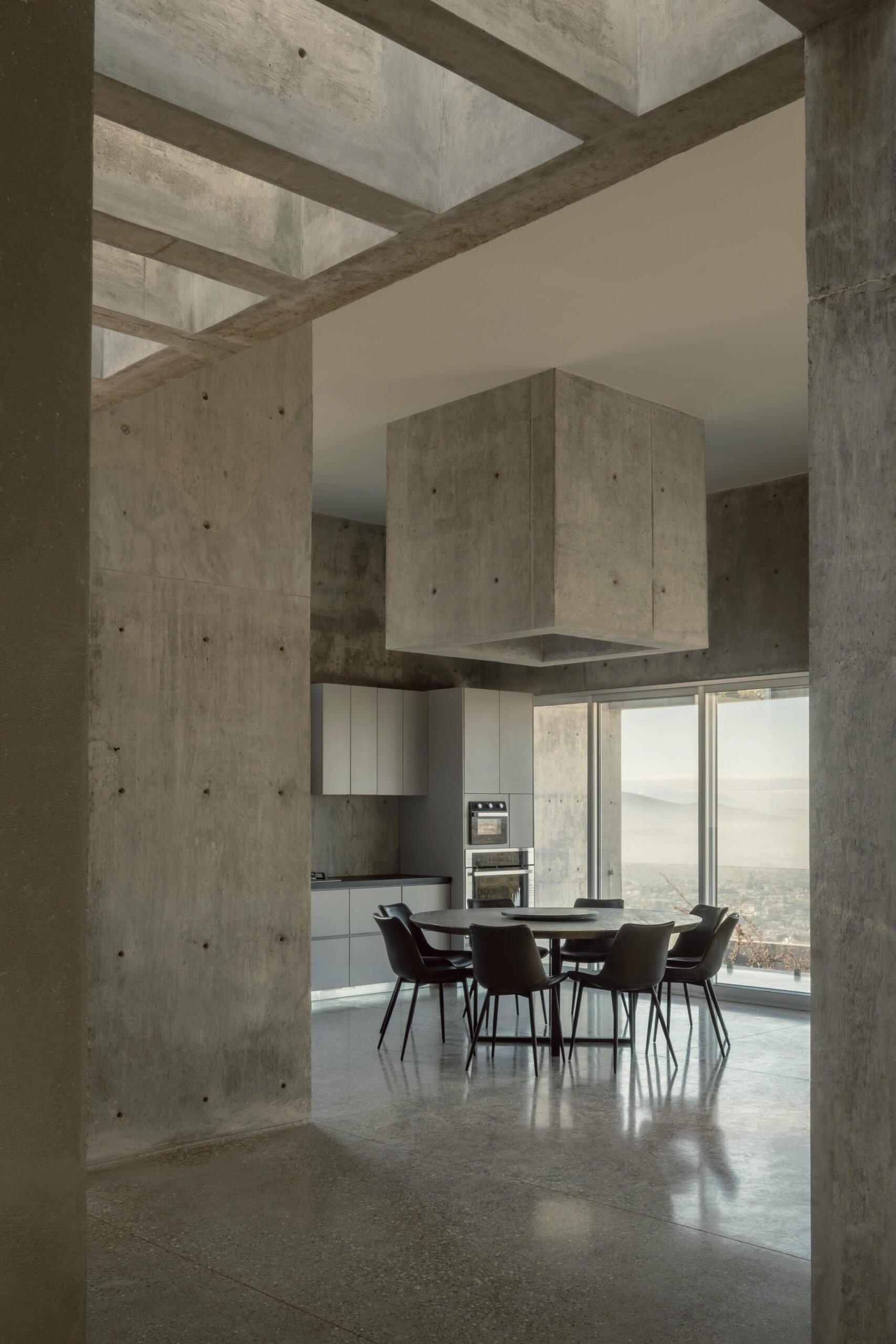
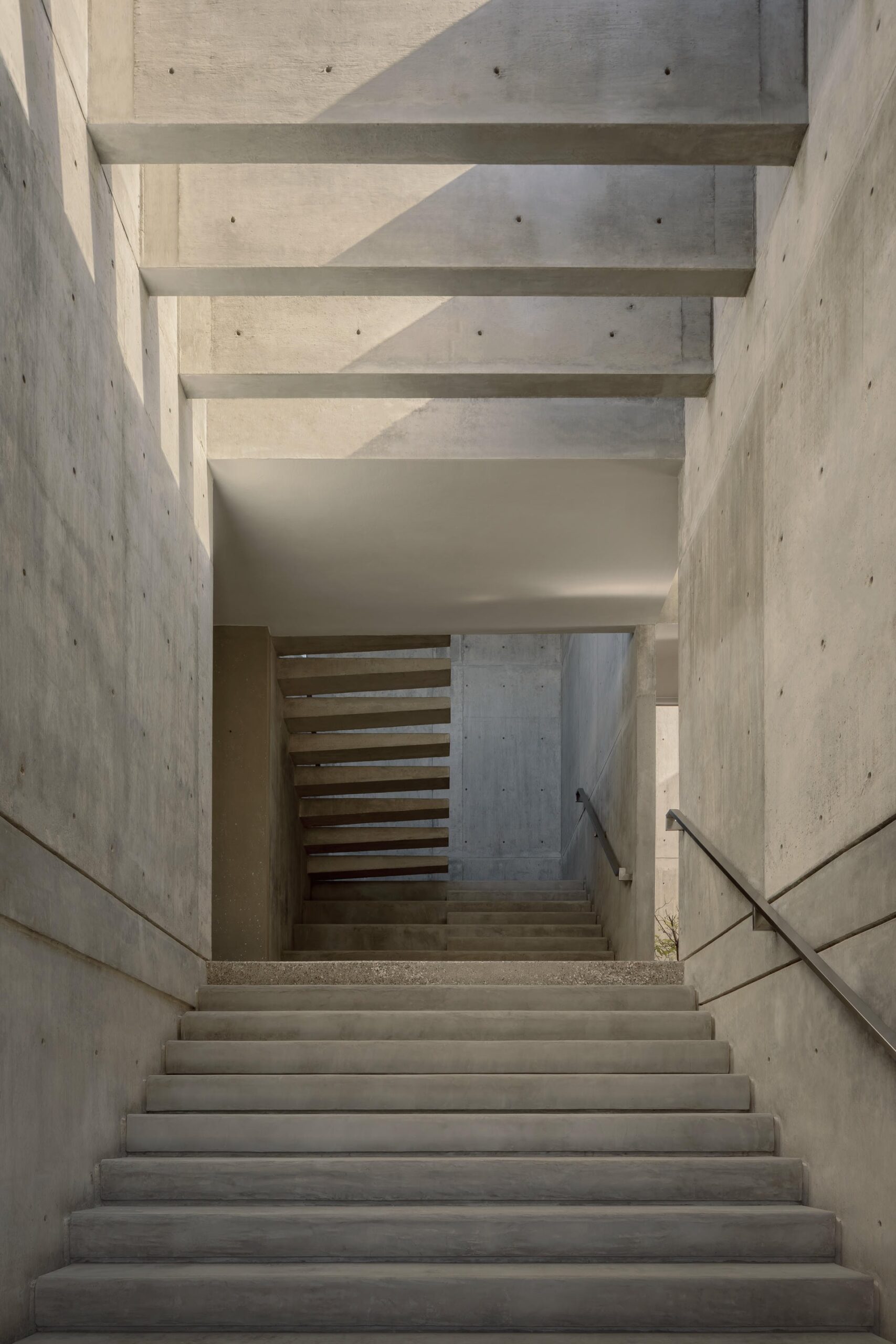
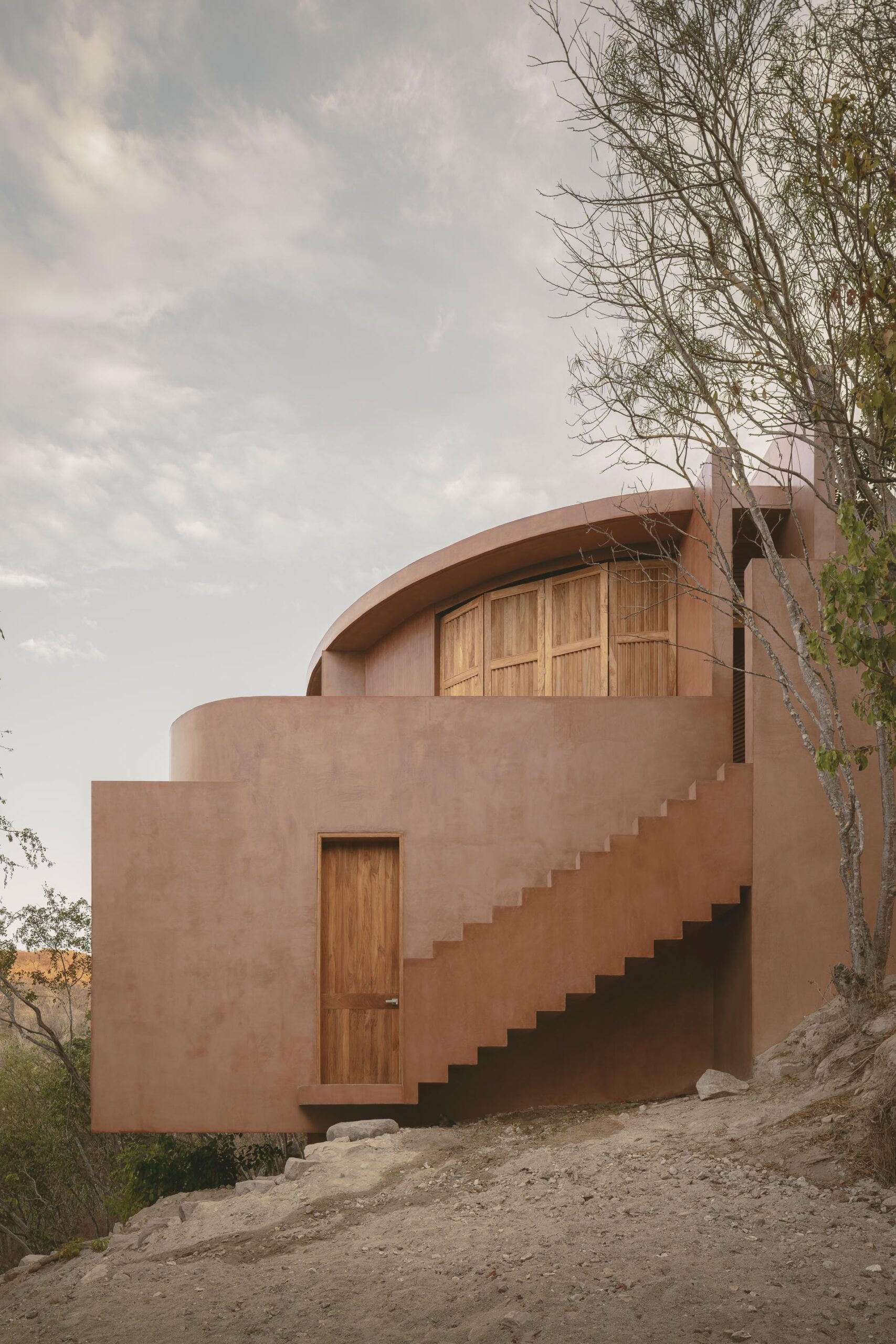
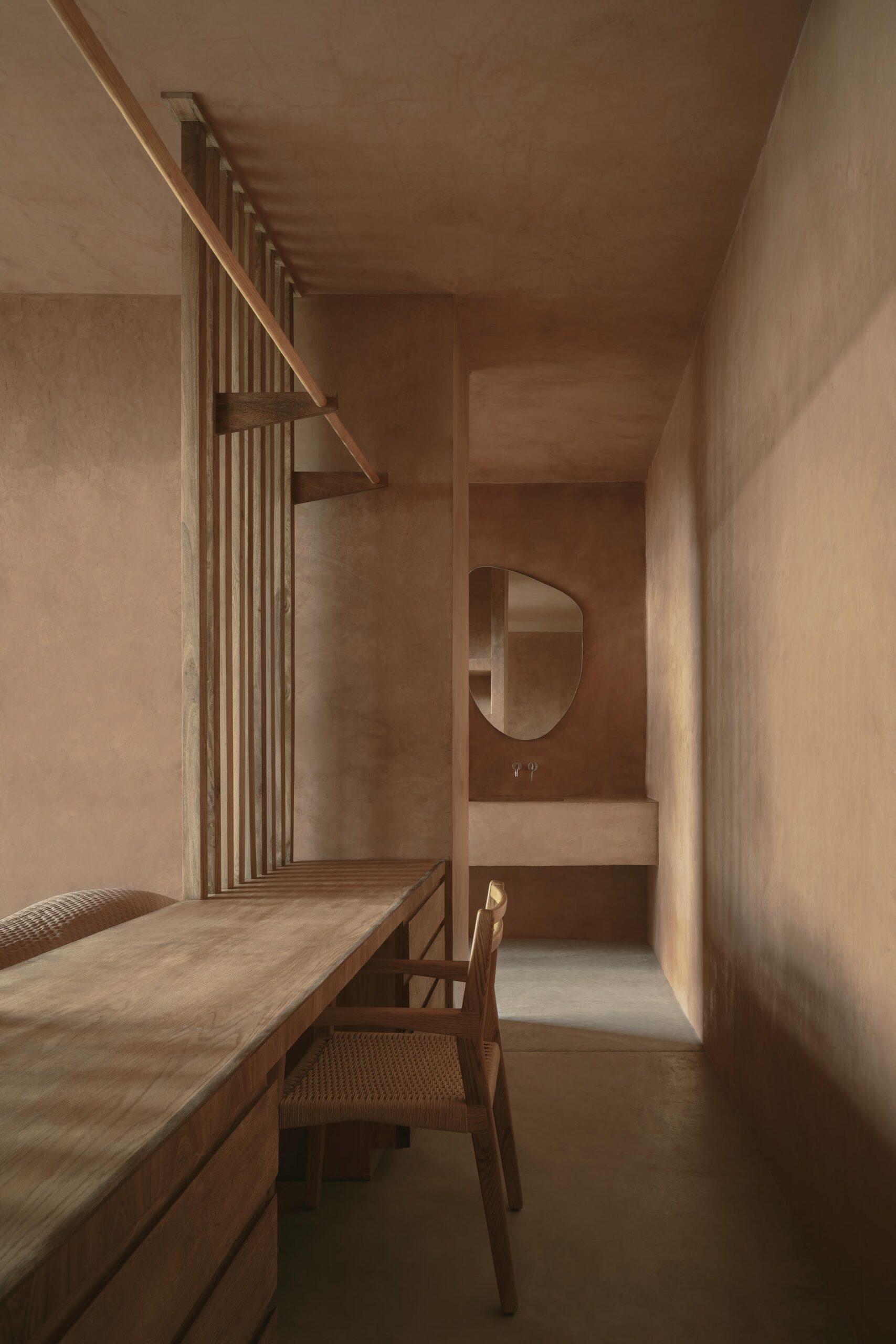
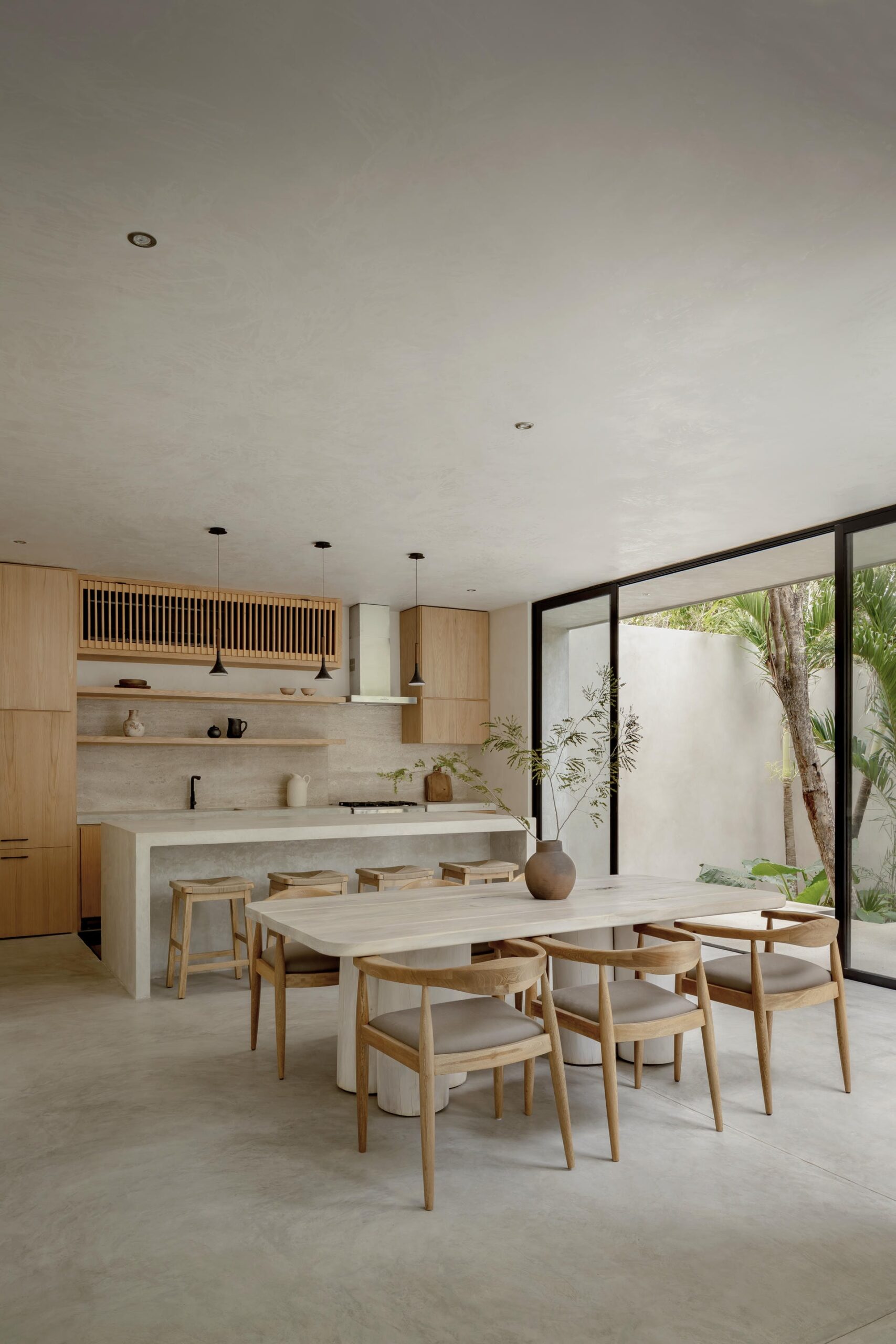
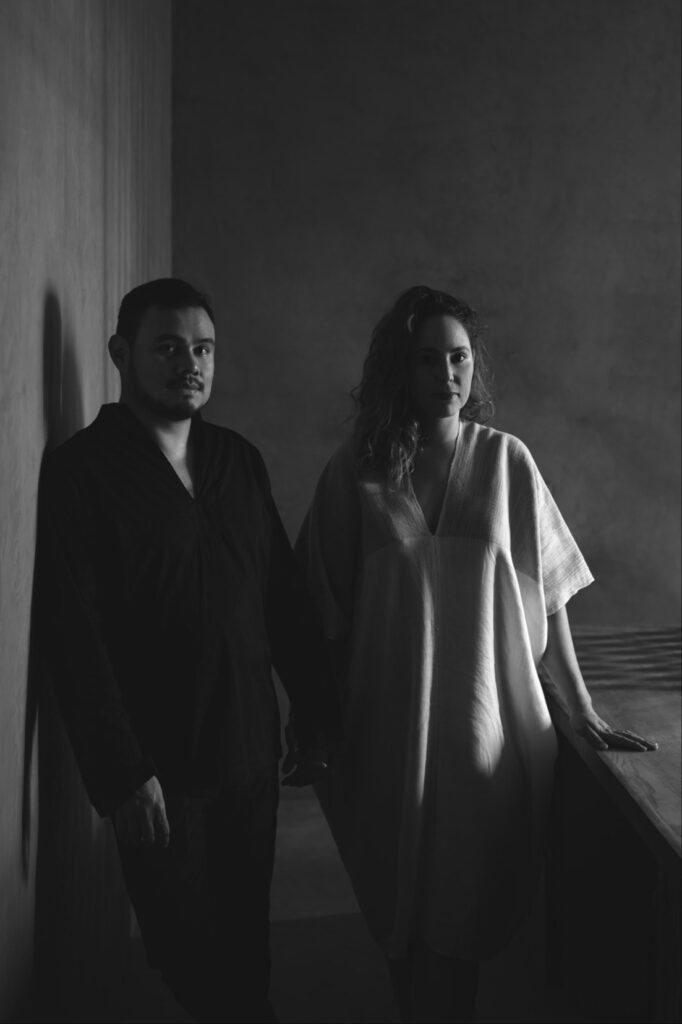
Espacio 18 Arquitectura is a Mexico-based architecture studio founded by Carla and Mario Avila. Working across residential, hospitality, and mixed-use projects, the studio develops a sculptural approach to architecture rooted in geometry, light, and landscape.
Their practice is guided by a process of reduction, seeking clarity of concept, precision in proportion, and a sensitive response to context. Through a restrained and materially honest language, Espacio 18 Arquitectura creates spaces that feel both timeless and grounded.
Balancing structure and atmosphere, their work reflects a careful orchestration of form and material, where each element contributes to a cohesive and enduring whole.
“Timelessness requires discipline, not novelty.”
INTERVIEW
Architecture for us was never just about buildings, but about atmosphere. From an early age, we were both drawn to space—how light enters a room, how materials age, and how architecture can shape emotion. We initially viewed architecture not as a profession, but as a way of understanding the world.
Over time, curiosity became discipline, and discipline became practice. Founding Espacio 18 Arquitectura was a natural continuation of our search to create spaces that are calm, intentional, and enduring.
The first step is always listening—not only to the client, but to the site, climate, orientation, and broader context. We begin by identifying an “essential gesture,” such as a courtyard, a structural rhythm, or a volume carved by light, which provides clarity for every subsequent decision.
Translating a client’s vision is about understanding their core values—silence, openness, intimacy, or monumentality—and using architecture as the medium to give those ideas form.
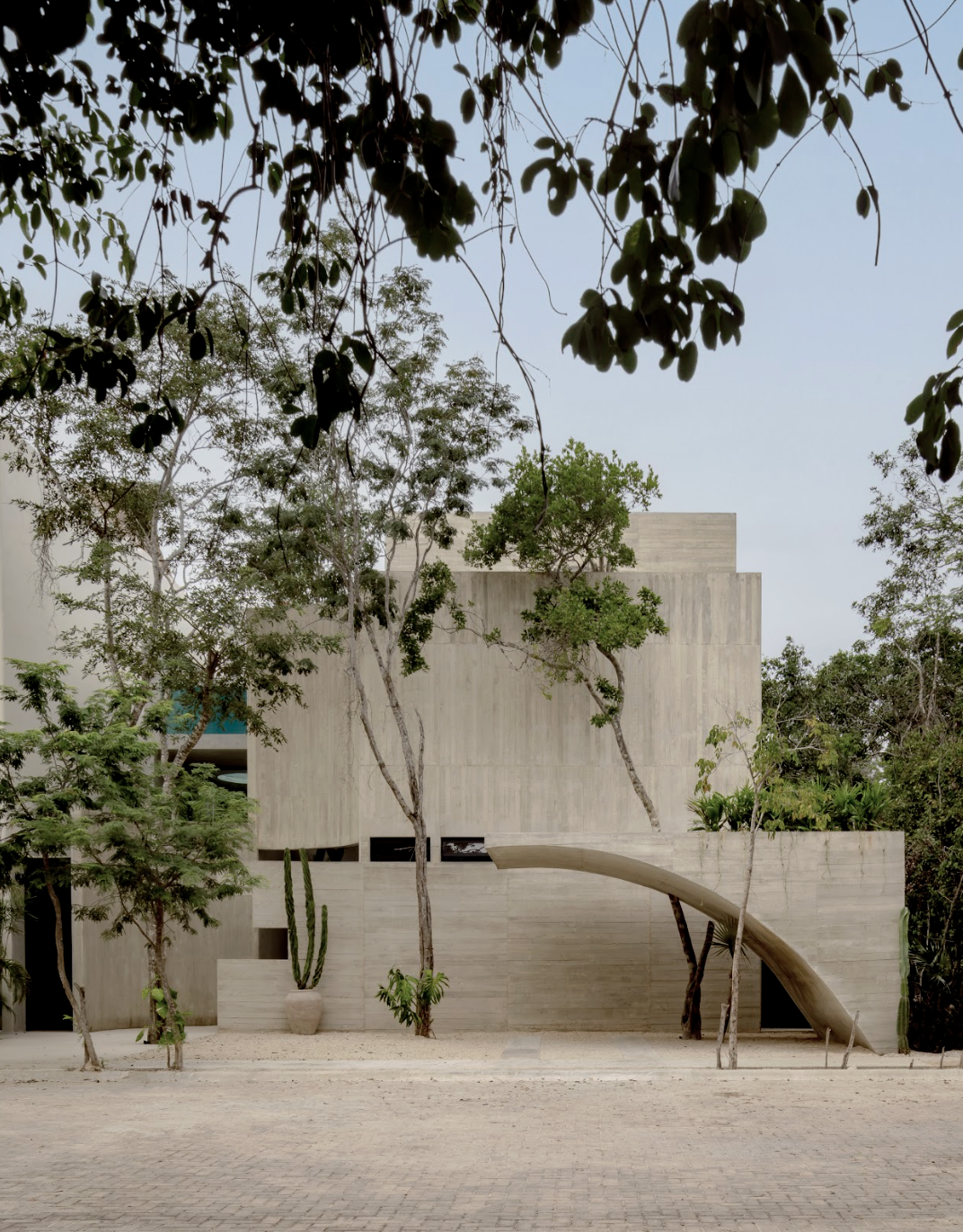
Our work is restrained, sculptural, and deeply material. We practice reduction, removing everything that does not strengthen the core idea. We are drawn to pure geometries, controlled natural light, and honest materials like concrete, stone, and steel. While influenced by European and Asian contemporary architecture, our work is always interpreted through our Mexican context. We pursue timelessness through proportion and light rather than following trends.
The early phase is the most intense period of collaboration, where the conceptual direction is defined. We prefer presenting fewer options with greater clarity. Once the core idea is established, the process shifts to refinement.
The best projects occur when early trust allows the architecture to evolve with coherence.
We are drawn to residential, hospitality, and landscape-driven projects—spaces experienced slowly and emotionally. Waterfront sites are especially meaningful as they demand restraint; architecture should frame nature, not compete with it.
Mixed-use projects are also rewarding for how they bridge the urban scale and the human experience.
We often reference Peter Zumthor’s Therme Vals for its material precision, Valerio Olgiati’s work for its intellectual clarity, Tadao Ando’s Church of the Light for its use of light as structure, and Manuel Aires Mateus for his approach to mass and silence.
These works share a sense of inevitability—architecture reduced to its essentials.
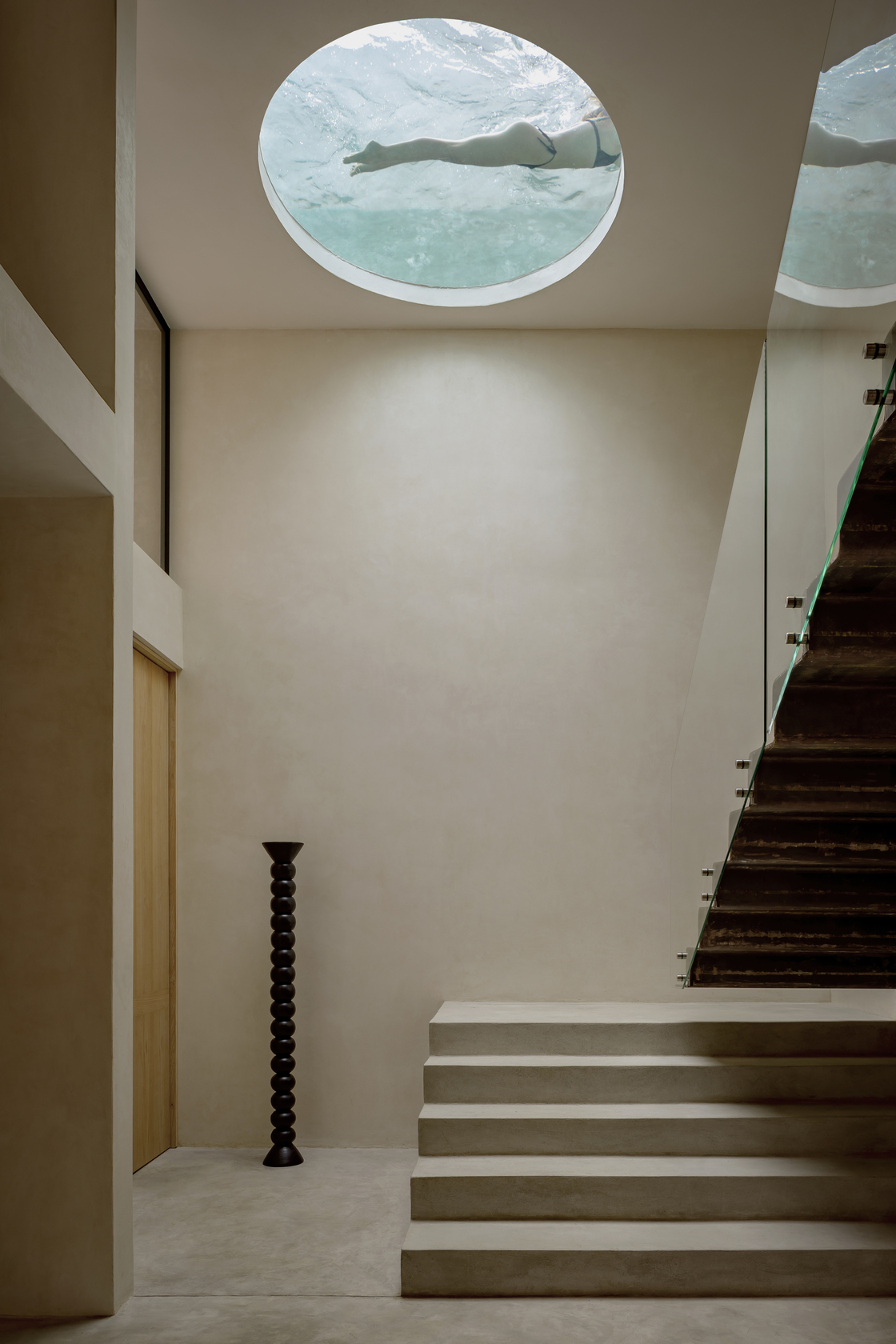
The fragmentation of attention required by contemporary practice. Architecture demands long periods of concentration, yet the profession involves constant administrative complexity and coordination. However, we accept that managing this complexity is necessary to build in the real world.
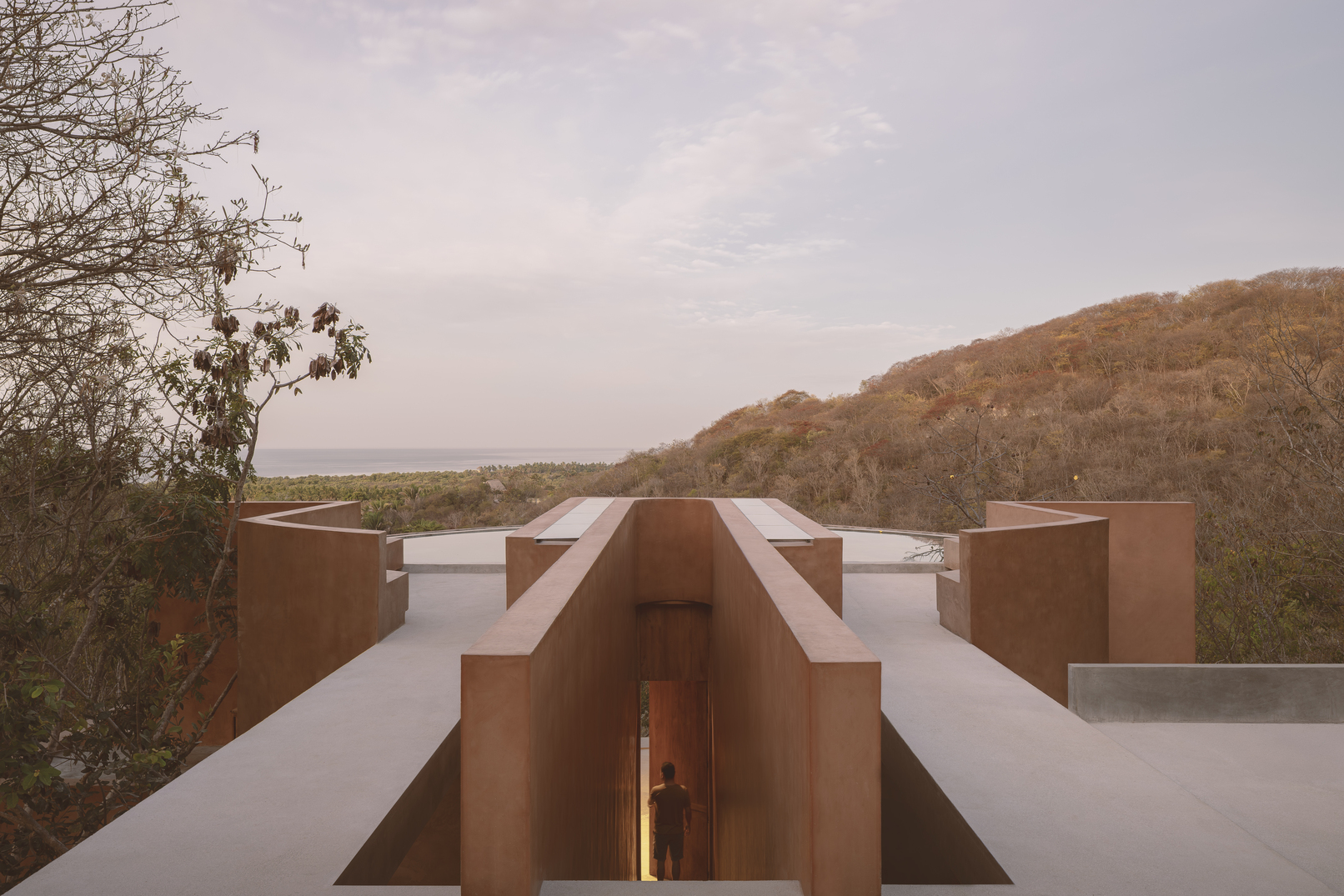
Travel is fundamental to recalibrating our perspective. Beyond architecture, we find inspiration in sculpture, drawing, and silence. The ocean is a recurring reference; its horizontality and calm presence often influence how we think about space.
Every project begins with a strong conceptual idea. We view architecture as the careful construction of light and shadow. Walls are instruments to shape light, and openings are spatial decisions. Light reveals architecture over time, while shadow provides depth.
Many buildings today lack depth and patience, placing too much emphasis on image rather than permanence. Architecture should respond to climate and culture while remaining materially honest. Timelessness requires discipline, not novelty.
To protect your criteria and trust the slow development of a practice. Consistency of thought and rigor matter more than speed. The right projects arrive when the work becomes clear.
Thank you so much Carla and Mario, for this lovely interview!
Share article :