Francesca Lanzavecchia
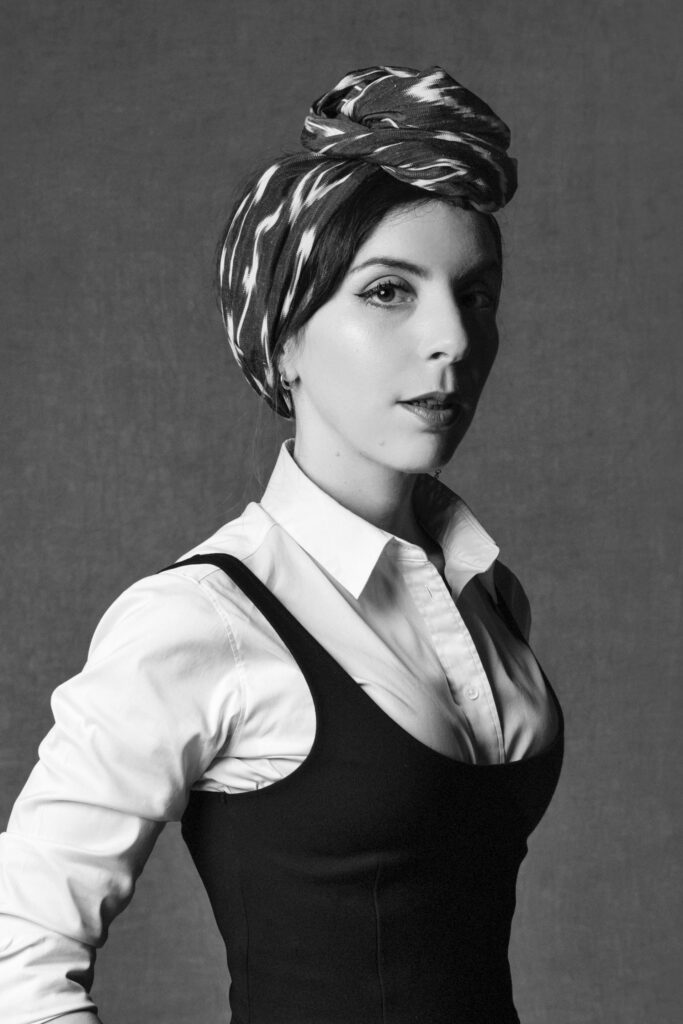
Francesca Lanzavecchia is an Italian designer born in Pavia in 1983, working across furniture, product and interior design. She studied Industrial Design at the Politecnico di Milano before graduating with honours in Conceptual Design from the Design Academy Eindhoven in 2008. In 2010, she co-founded the multidisciplinary design studio Lanzavecchia + Wai with Hunn Wai, operating between Milan and Singapore. Since 2023, she has also led her own independent practice, focusing on product and furniture design.
Lanzavecchia’s approach brings together research, craftsmanship, engineering and storytelling, exploring the relationship between objects and the people who use them. Guided by the principles of Universal Design, her practice places human diversity, vulnerability and everyday needs at the centre of the creative process. Through experimentation and a sensitivity to both functional and emotional needs, she creates objects that challenge conventional perceptions of design while exploring its capacity to enrich everyday life.
Interview
I was born in Pavia, a small medieval town just south of Milan. Although I lived and worked in different countries after university, I eventually chose to return to Milan. It is where my studio is, where my family is, and where industry, craftsmanship, and culture continue to nourish my work every day.
Art has always been part of my life. One of my earliest memories is visiting museums with my mother. I would come home and redraw my favourite paintings and sculptures from memory. It wasn’t really about reproducing them; it was my way of understanding how the world could be interpreted through someone else’s eyes, or through the sensibility of another time.
Contemporary art also felt surprisingly familiar, as my mother’s cousin was Piero Manzoni. Growing up with that proximity taught me that art belonged to everyday life rather than to a distant world. From an early age, I understood that art was not only about aesthetics, but about questioning reality and imagining different possibilities.
Yes. I’ve always been a very visual person. Long before I understood what design was, drawing was the way I made sense of the world. As a child, I drew on every piece of paper I could find, and I still think best with a pencil in my hand. Ideas become clearer as I draw them.
I understood quite early that visual expression was my most natural language. More than words, I found myself thinking through drawings, materials and stories. Design became the medium through which I could express myself.

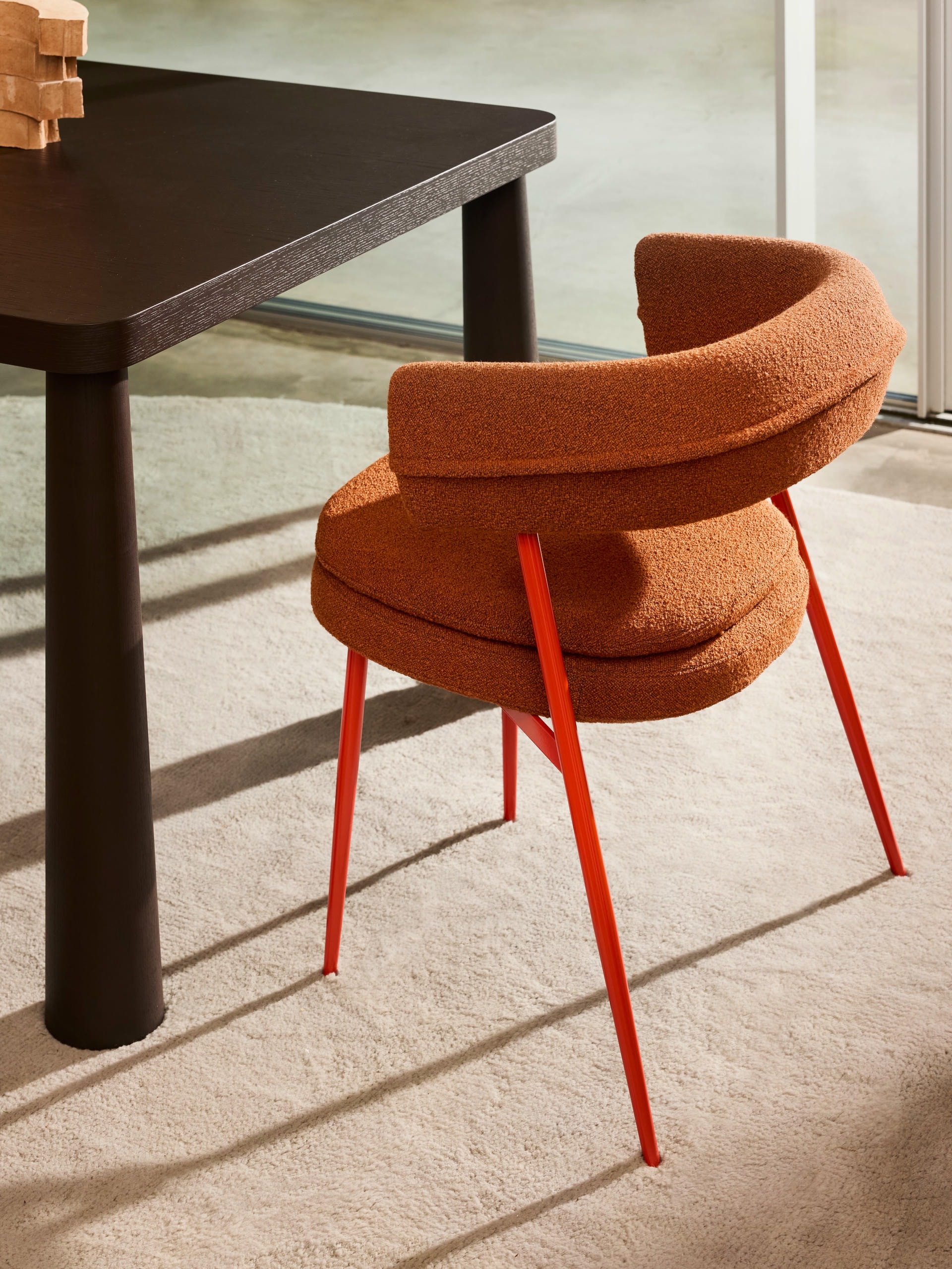
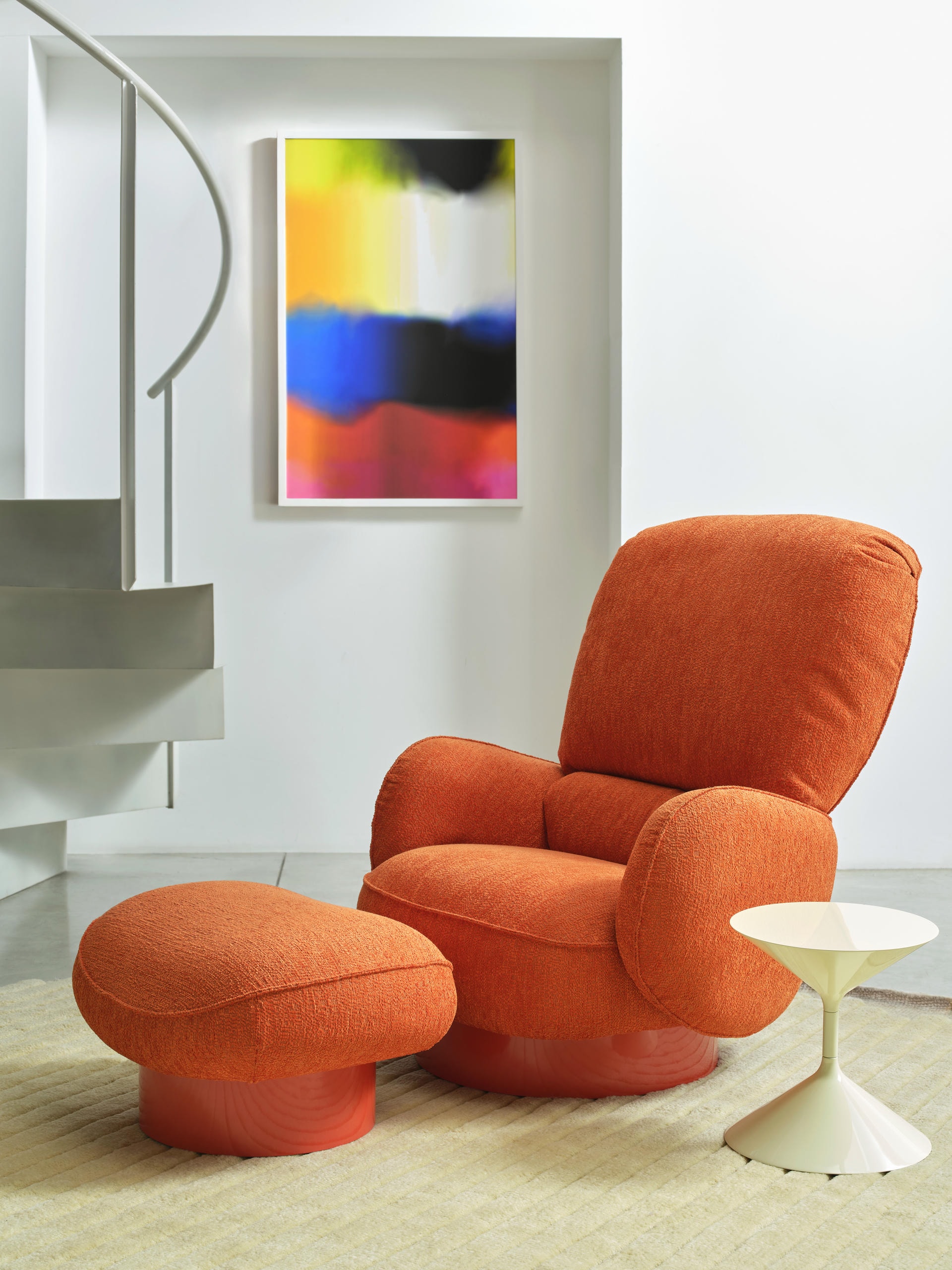
Nena Chair by Lanzavecchia + Wai for Zanotta

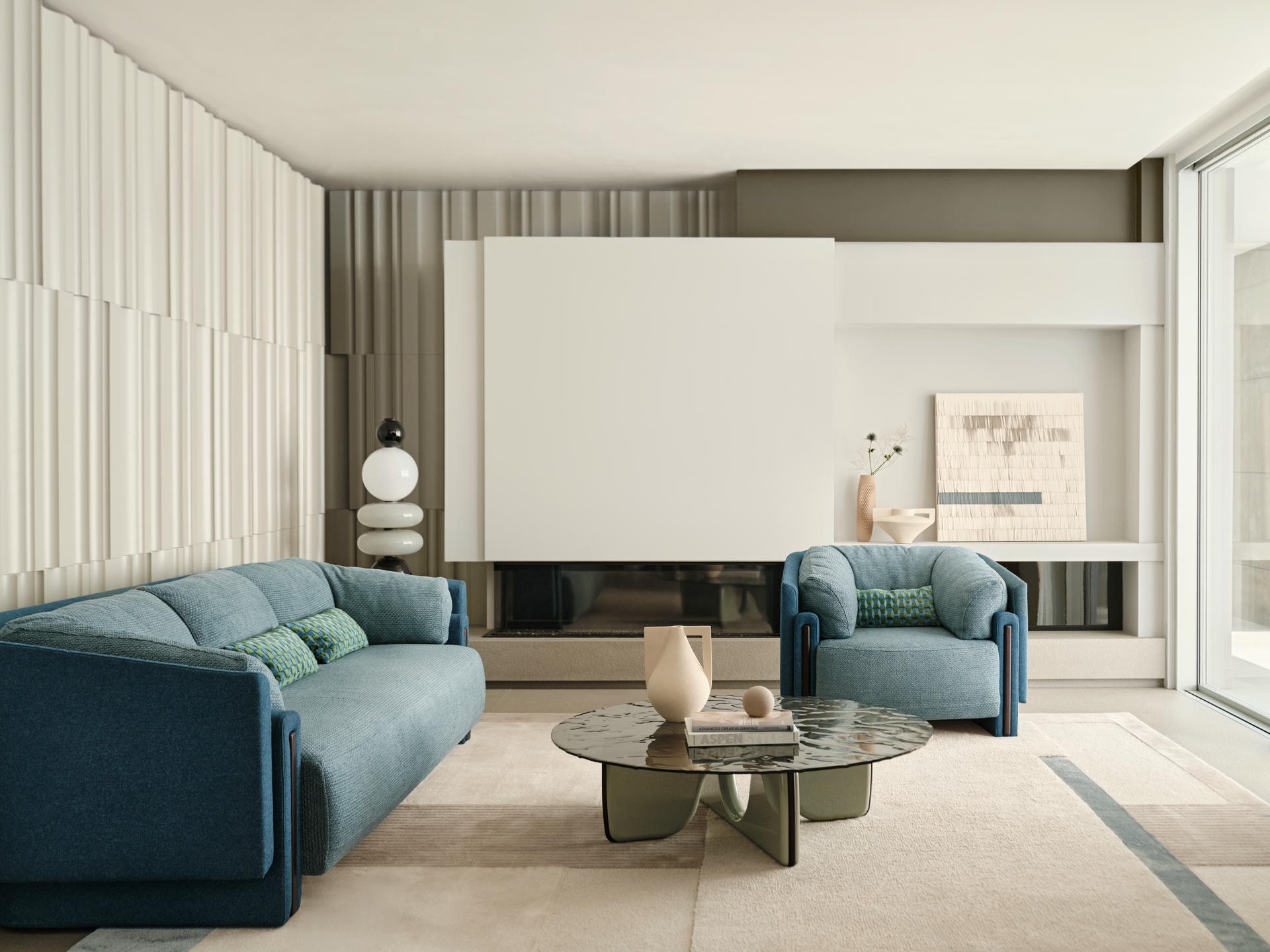
Vesta Living by Lanzavecchia + Wai for Turri
I’ve never been interested in objects as ends in themselves. What fascinates me are the relationships they generate: between people, objects and bodies; between gestures and rituals; between memory and innovation; between industry and craftsmanship.
Design became the medium through which I could explore those invisible connections and transform them into tangible experiences. It allows me to give form not only to ideas, but to ways of living, interacting and imagining.
My creative process is rooted in lateral thinking. It is nourished equally by science and the humanities, by literature, philosophy, travel, observation and conversations.
I rarely begin with an object. I usually begin with a question, an intuition or a contradiction that deserves to be explored. Often the brief is only the starting point. The real project begins when I discover the question nobody has asked yet.
I don’t think of design as a discipline isolated from others. I am constantly looking for unexpected relationships between materials, technologies, cultural references and human behaviour. For me, being a designer is less about finding answers than about learning to ask better questions.
Going to the studio feels almost like arriving on a small island of calm after the beautiful chaos of family life. The morning is usually dedicated to conversations with the team, project reviews, meetings and the practical aspects of running a studio.
I rarely focus on a single project at a time. I don’t really separate research from designing. Reading, travelling, visiting exhibitions, talking to artisans, teaching and sketching are all part of the same continuous process. My mind enjoys moving between different scales, disciplines and conversations. A discussion about glass might trigger an idea for a scenography, while a book I’m reading could unexpectedly unlock a furniture project.
My creative process thrives on these continuous connections. I’m constantly absorbing information, allowing ideas to travel across projects until unexpected relationships emerge. More than moments of inspiration, I believe in the slow accumulation of knowledge, experience and observation.
The material often comes from the story I want to tell.
When I collaborate with companies, I immerse myself in their manufacturing culture. Every company possesses a unique expertise developed over decades, sometimes centuries, and I see my role as helping that knowledge evolve towards new expressions.
In exhibition and scenographic projects, materials become an opportunity to experiment. I enjoy transforming familiar materials into something unexpected. We have recreated natural elements using paper, glass, textiles and countless other techniques, not to imitate reality but to encourage people to look at them differently.
Every material carries a memory and a cultural history. Part of my work is discovering the stories already hidden inside it and revealing them through a new perspective.

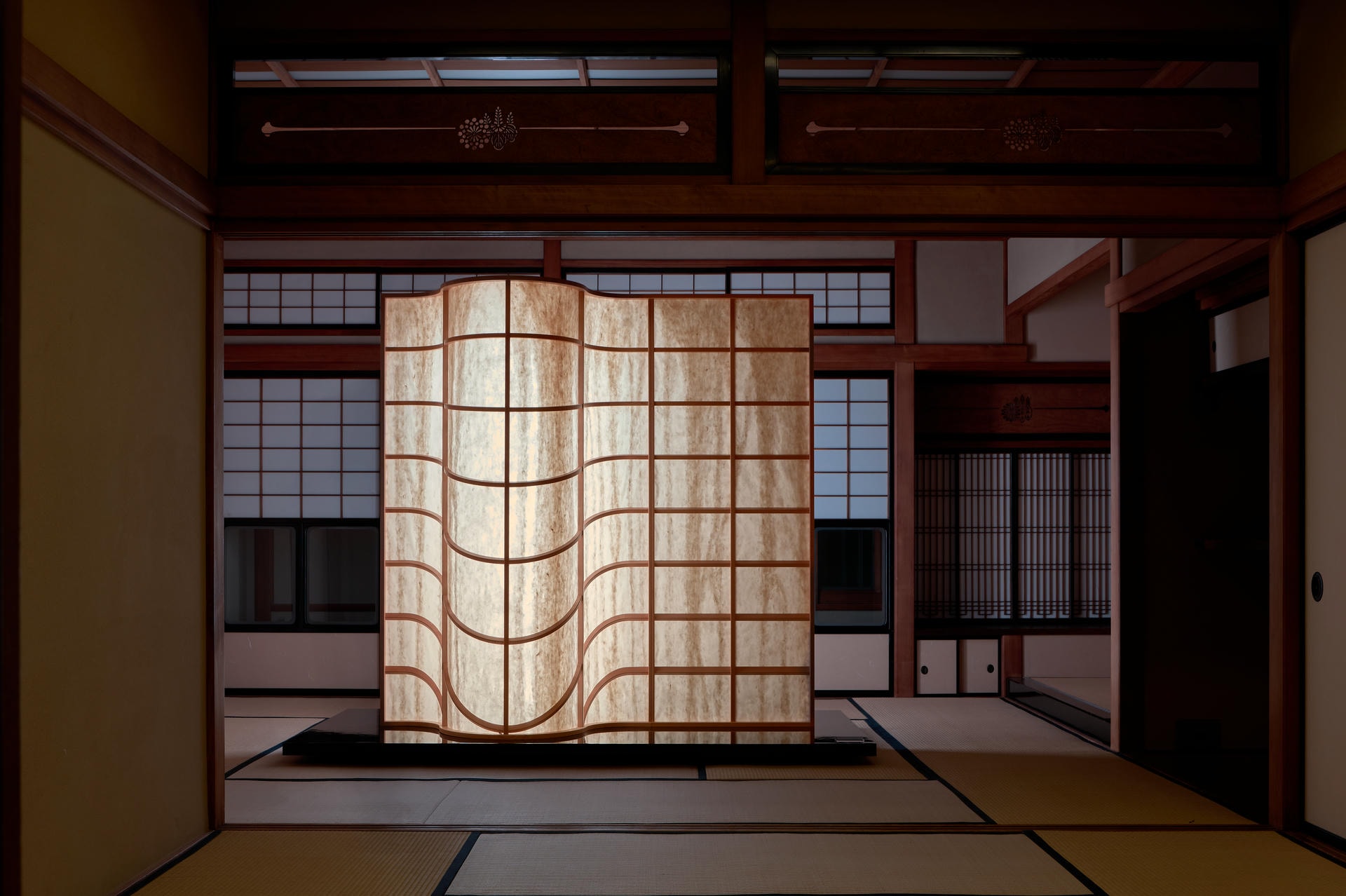
© Noritoshi Kuroki

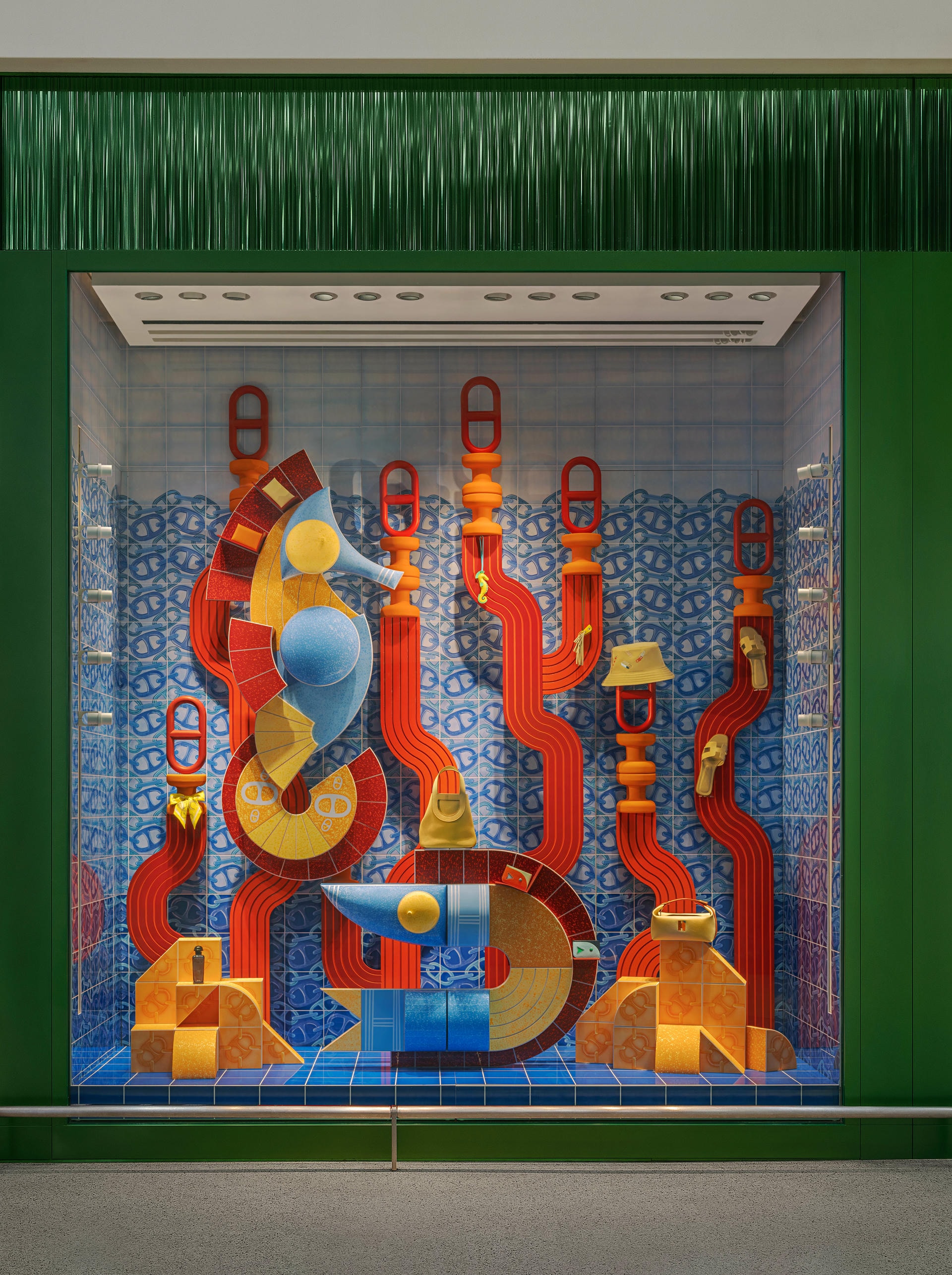
Hermès Windows, From Tile to Tale, Chengdu Airport, 2026
Technique is never the goal; it is the invisible structure that allows an idea to become an object.
Whether I work with industrial production or artisanal processes, I enjoy pushing materials just enough to reveal possibilities that were not immediately apparent. Often innovation comes not from inventing a new technology, but from combining existing knowledge in unexpected ways.
One of my ambitions is making complexity feel simple. The greatest compliment is when something feels effortless, even if months of engineering, prototyping and craftsmanship made that simplicity possible.
Stay curious. Be yourself.
Finding your own voice matters far more than trying to be original. Read beyond your discipline. Travel. Learn from artisans. Observe how people live, how they interact with objects and how rituals evolve over time. Allow yourself to make mistakes and to change your mind.
Creating objects is not the difficult part. Understanding why they deserve to exist, and what place they can occupy in people’s lives, is the real challenge.
Don’t try to become recognizable. Try to become honest. Recognition usually follows.
I don’t feel my work belongs to an existing movement. If I had to describe it, I would call it Poetic Rationalism: a practice where rigorous thinking meets emotional resonance, imagination and a quiet sense of wonder.
Every project begins with research, constraints and technical precision, but my ambition is always to create experiences that transcend their function. Whether I am designing a piece of furniture, an immersive scenography or an exhibition, I am interested in the moment where logic leaves room for emotion and the familiar reveals something unexpected.
I believe the most poetic experiences are not born despite rigor, but because of it. Technical intelligence, craftsmanship and storytelling are not separate dimensions of design; they reinforce one another, allowing objects and spaces to engage both the mind and the senses.
The great Italian masters have profoundly shaped the way I think about design.
Enzo Mari taught me intellectual honesty. Bruno Munari taught me that curiosity is one of the most powerful design tools. Achille Castiglioni showed me that intelligence and irony can coexist effortlessly.
Beyond design, literature has always played an equally important role. Writers such as Italo Calvino and Jun’ichirō Tanizaki have deeply influenced my way of thinking. They taught me that lightness is not superficiality, that shadows can be as meaningful as light, and that imagination often begins where words become subtle.

Malvasia Riviera Accent Chair by Lanzavecchia + Wai for SCAB
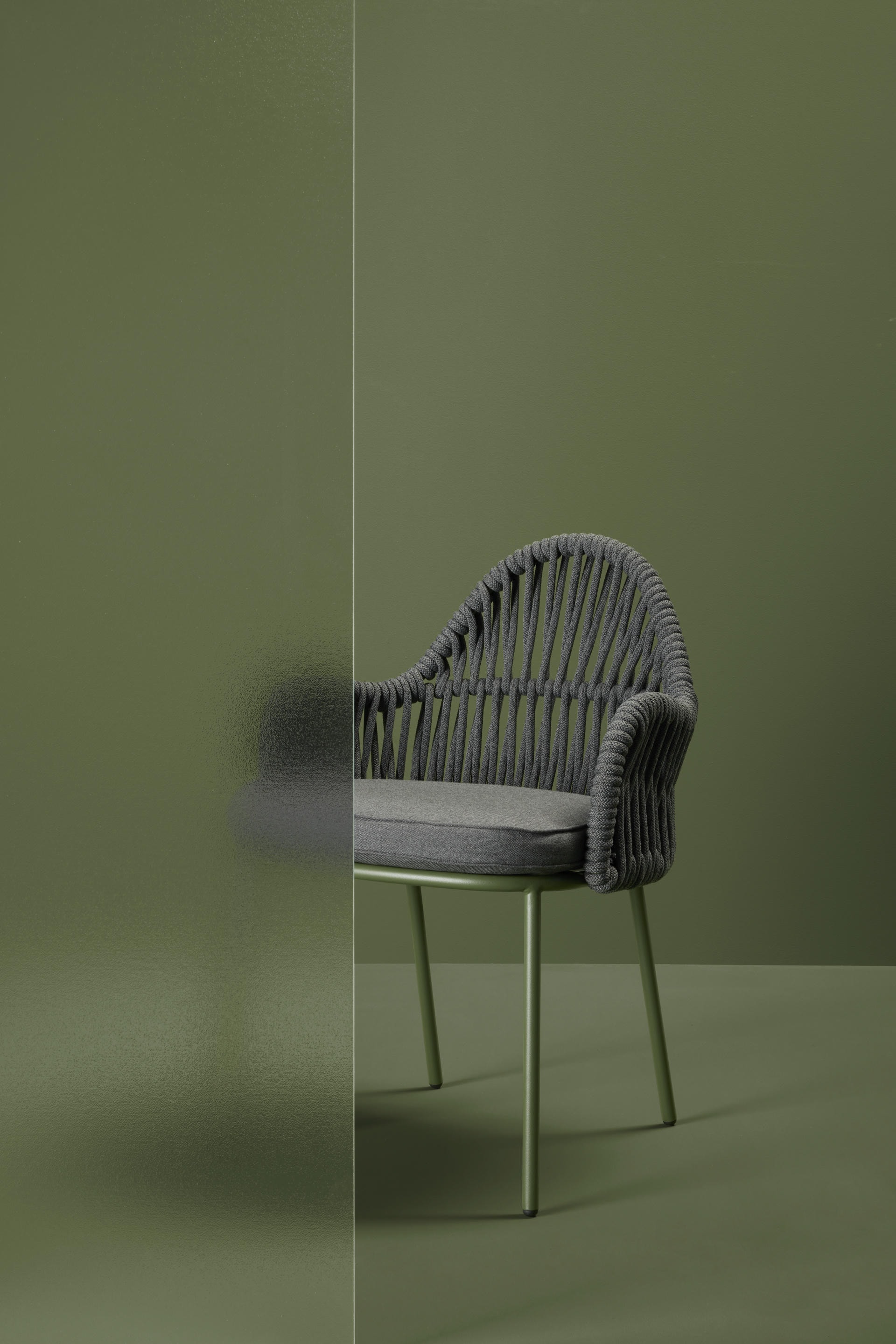
© Giuliano Koren
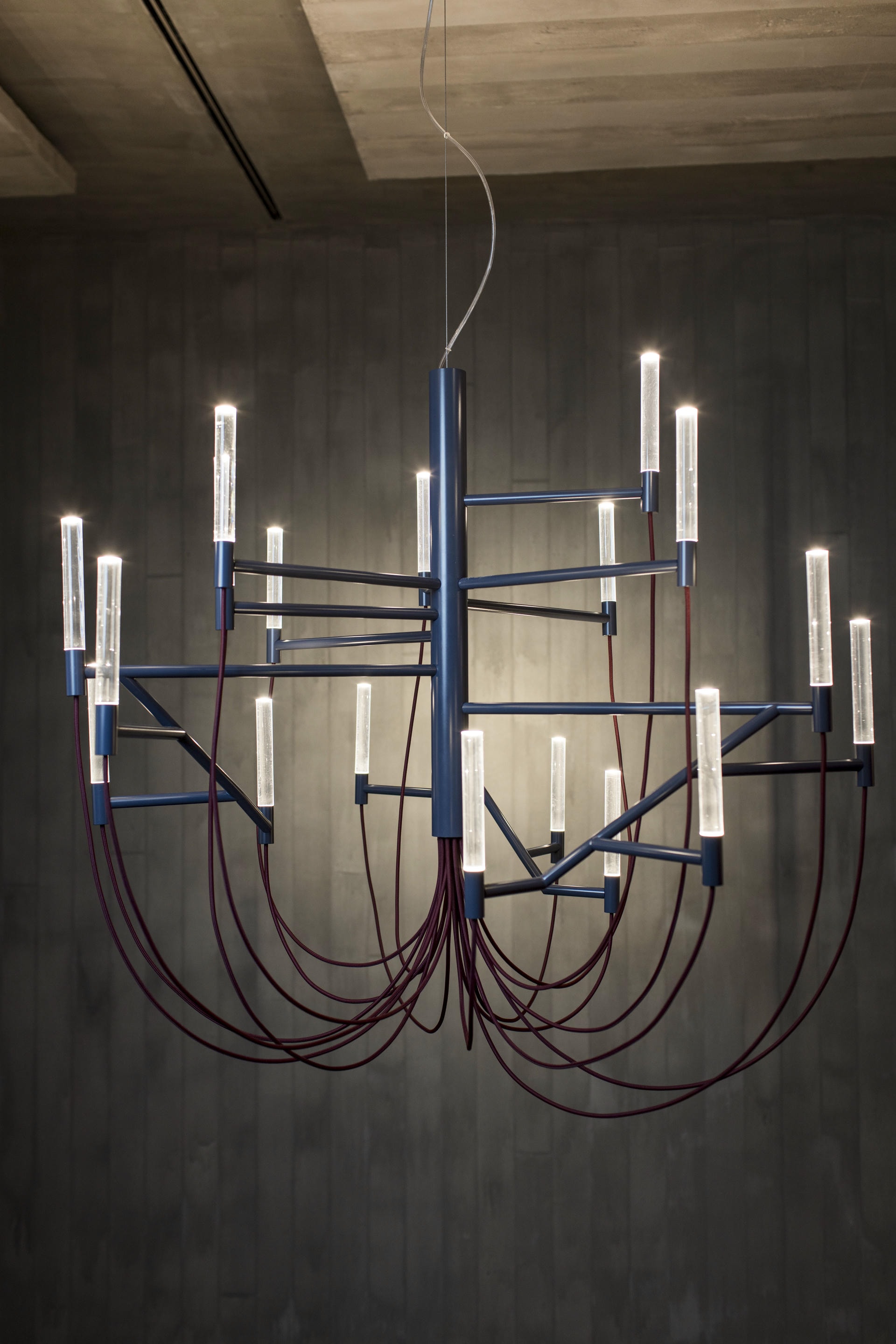
Ronan Bouroullec is certainly one of them. I admire the quiet poetry of his work and his ability to create objects that feel both inevitable and deeply sensitive. More generally, I appreciate designers who continue to question their own language instead of repeating a recognizable style. I believe longevity comes from remaining curious.
Some of the artists who have most influenced my way of thinking are Mona Hatoum, Rachel Whiteread, Miranda July, Ai Weiwei and James Turrell.
Although their practices are radically different, they all have the ability to shift our perception of reality. They challenge the way we experience space, objects, memory and human relationships. More than influencing my aesthetic, they have influenced the way I observe, ask questions and construct meaning.
Creating objects and spaces that reveal the extraordinary within everyday life, deepening our relationship with the world around us.
The projects that interest me most are those capable of building relationships: between people and materials, between industry and craftsmanship, between function and imagination, between different cultures and ways of thinking.
For me, beauty is not decoration. Beauty is one of the highest forms of function because it makes us care. It invites us to pay attention, to build emotional connections and to preserve what we value. In that sense, beauty is never superficial; it is what gives meaning and longevity to the things we choose to live with.
If my work can encourage someone to pause, smile, or simply notice something they hadn’t noticed before, then I feel it has already fulfilled its purpose.
“I believe the most poetic experiences are not born despite rigor, but because of it.”
The Questions
(The Proust Questionnaire is a set of questions answered by the French writer Marcel Proust.
Other historical figures who have answered confession albums are Oscar Wilde,
Karl Marx, Arthur Conan Doyle, Stéphane Mallarmé, Paul Cézanne…)
A walk in the Engadin with my family, where the only measure of time is the changing seasons.
A long illness that slowly takes away who you are.
Saying yes too often.
Superficiality.
My husband.
Buying far too many children’s books and reading them aloud to my kids as if I were performing on Broadway.
Wonderfully overwhelmed.
Certainty.
Reliability.
Empathy.

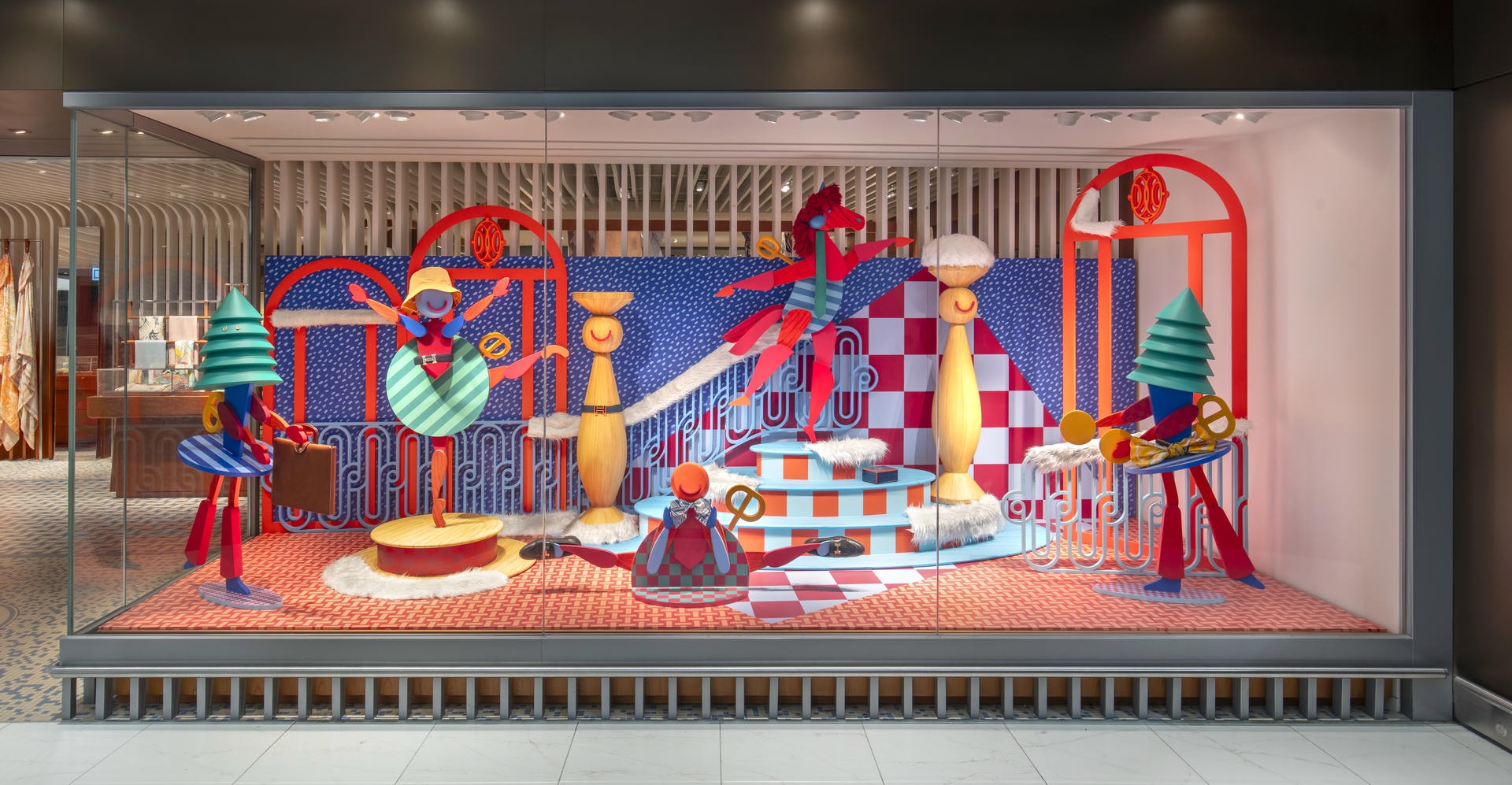
Hermès Windows, Faubourg at Play, Hong Kong International Airport, 2025 © Calvin Wong

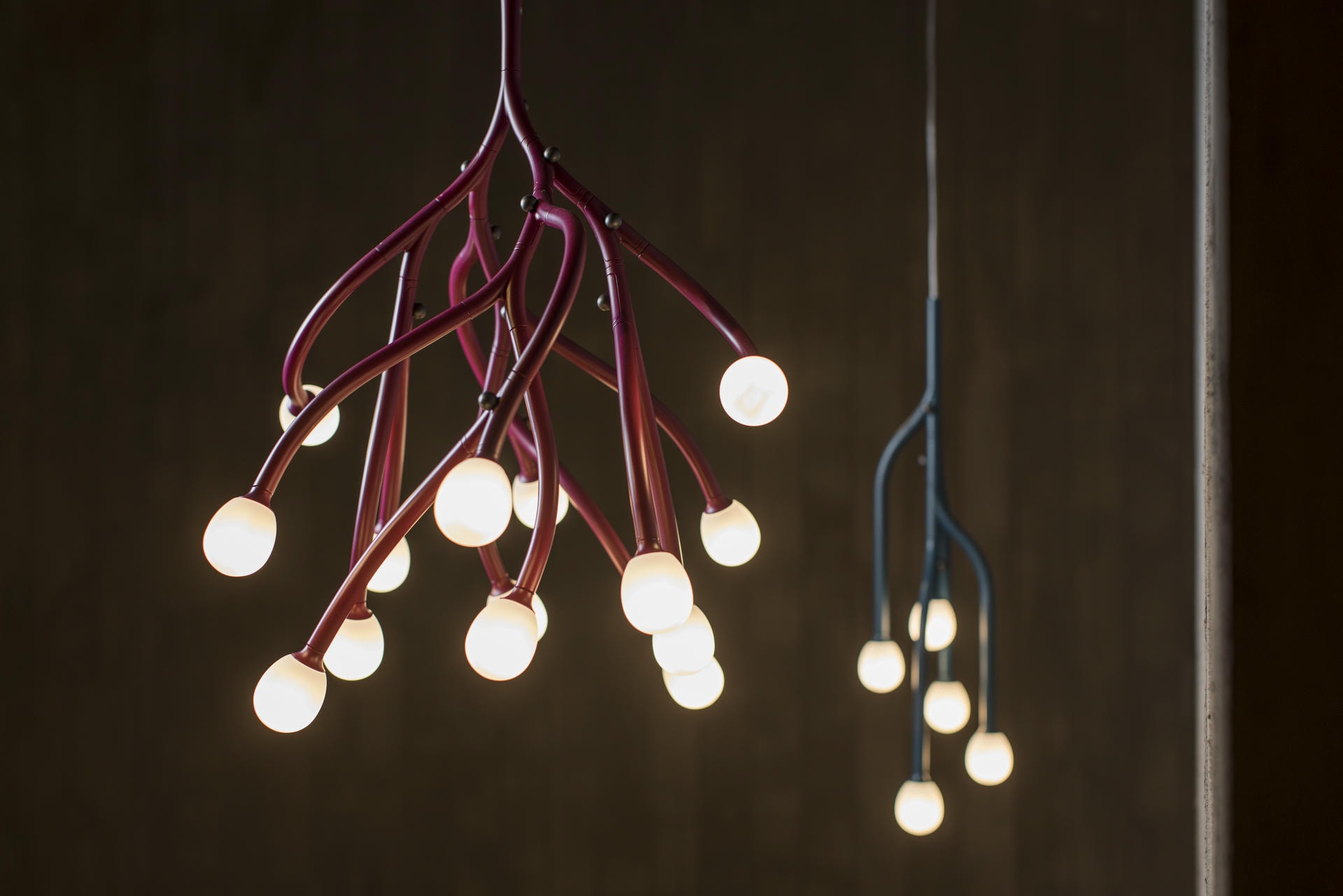
Tilia Chandelier by Lanzavecchia + Wai for Foscarini © Giuliano Koren
“Look at that!”
To sing.
Learning to let go more easily.
Building a family without giving up building a design studio.
A manta ray.
Japan.
My Achrome by Piero Manzoni.
Losing my memory.
Drawing, and making art with my kids.
Enthusiasm.
Honesty.
Italo Calvino, Haruki Murakami, Jun’ichirō Tanizaki and Pierre Lemaitre.
Pippi Longstocking.
Charlotte Perriand.
People who dedicate their lives to mastering something.
Nina and Tobia.
Pretence.
Not spending enough time with the people I love.
Old, peacefully, surrounded by the people I love, with many projects still in progress.
Never stop wondering.

Yori Kiri Bergère by Lanzavecchia + Wai for Zanotta
“Technique is never the goal; it is the invisible structure that allows an idea to become an object.”

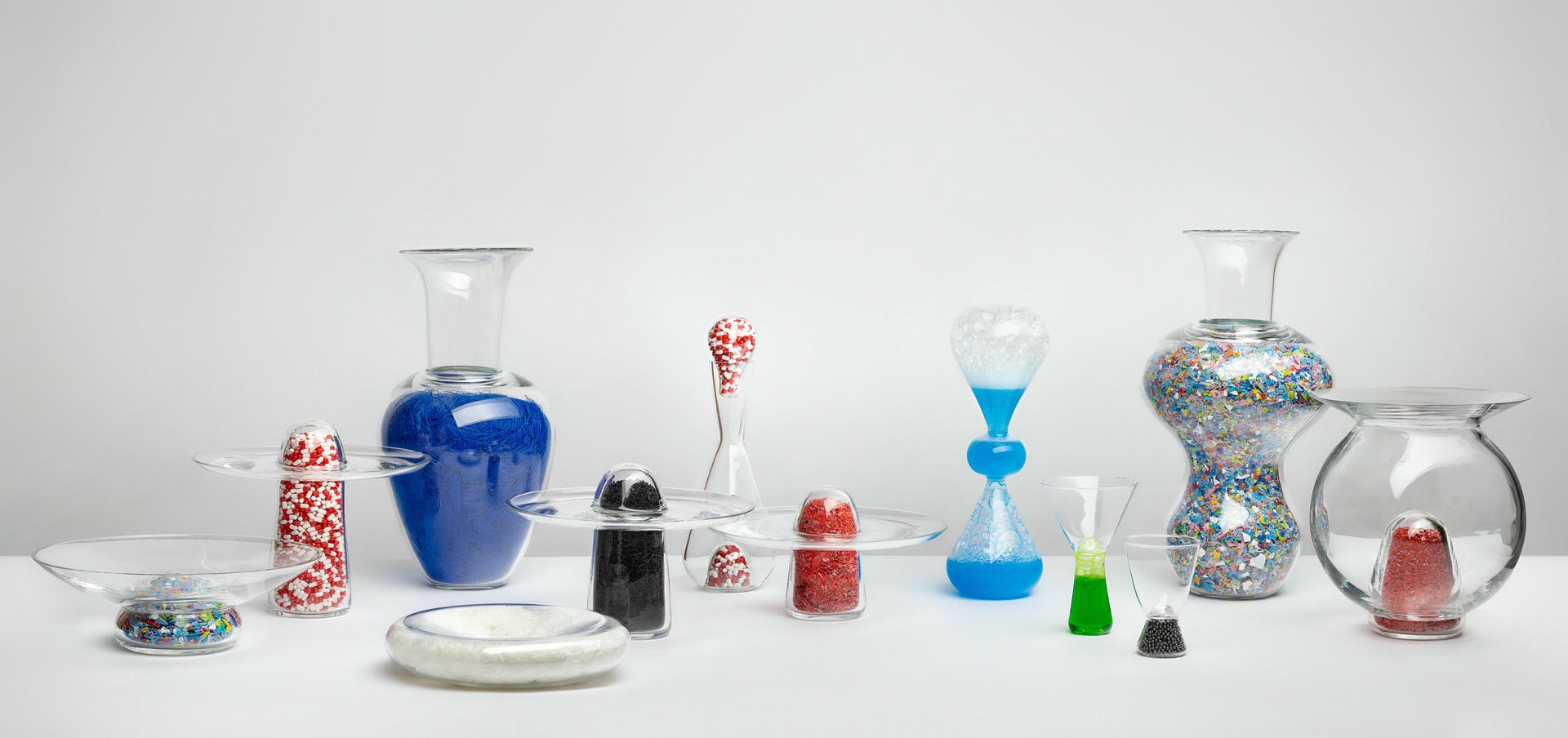
Veleni Murano Glassware Collection by Lanzavecchia + Wai for Particle © Noritoshi Kuroki Nena Chair by Lanzavecchia + Wai for Zanotta Vesta Living by Lanzavecchia + Wai for Turri
SHARE :