Franklin Azzi
Franklin Azzi is a French architect and designer whose multidisciplinary practice, founded in 2006, works across architecture, interior architecture, design, and contemporary art. Through projects ranging from urban interventions and adaptive reuse to large-scale towers and cultural spaces, Azzi has developed an approach grounded in sustainability, flexibility, and the intelligent transformation of existing structures.
Known for an architecture that is minimalist in expression yet highly attentive to functionality and environmental quality, his work explores how spaces can evolve alongside contemporary ways of living and working. Rather than pursuing a fixed formal style, Franklin Azzi emphasizes context, materiality, and long-term adaptability as central elements of the design process.
His projects include the rehabilitation of the Alstom halls in Nantes, Beaupassage in Paris, Tour d’Argent, and the transformation of the Montparnasse Tower alongside Nouvelle AOM. Working with a multidisciplinary team, Azzi continues to develop architecture that balances innovation, sustainability, and human experience across all scales.
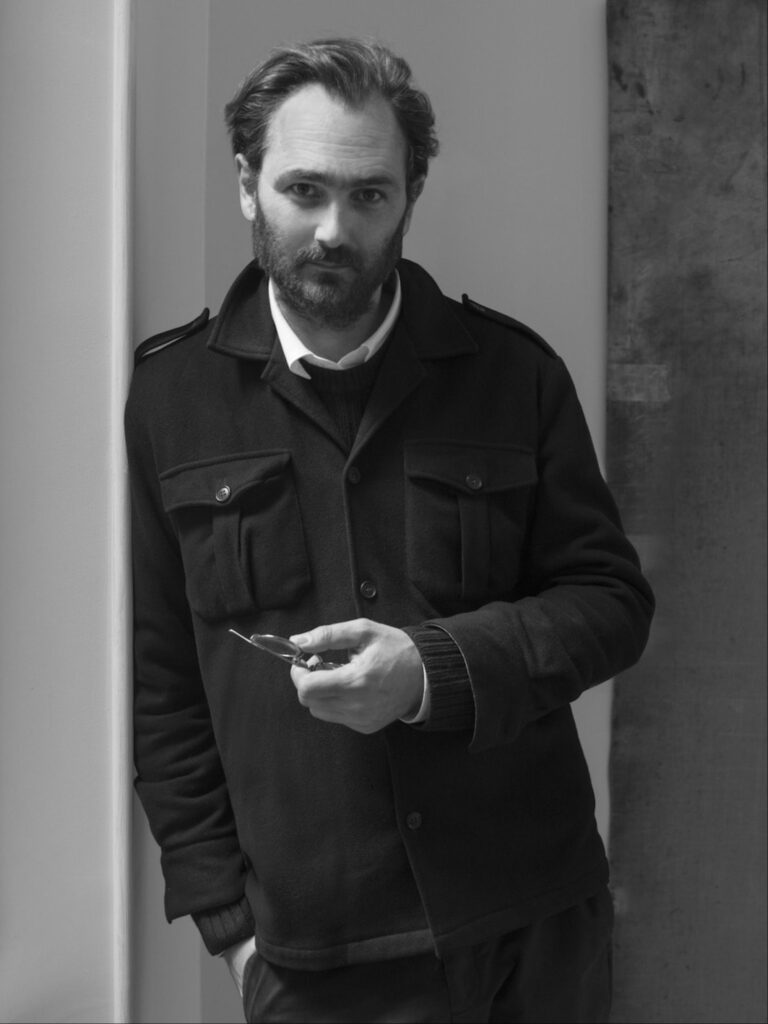
“Our duty as architects is to design lasting architecture that will stand the test of time and adapt to different uses.”
INTERVIEW

© TIAN FANGFANG

I have many sources of inspiration. I come from a “sampling” generation and have been nurtured by various influences at the crossroads of disciplines. I’ve learned to digest, assemble, and recompose again and again, depending on the context. Constantly reinventing my approach, I’m constantly seeking to synthesize these different influences.
Right after high school, which I can’t say I was very good at – I had a kind of revelation: I enrolled in the 1st year of the École Spéciale d’Architecture. At the time, they were organizing meetings with outside personalities such as Steven Holl, Frédérique Borel, and Rudy Ricciotti – great practitioners, not teachers by training, who passed on their passion for the profession. I then had some experience abroad, notably at the Glasgow School of Art, created by Charles Mackintosh. Back in Paris, I worked with Architecture Studio, and then, I decided to set up my own architecture and interior design agency in 2006, the one you know today!
Within my agency, I develop a transversal approach stimulated by the intertwining of different views and disciplines. In constantly working on architecture, interior architecture, design, and contemporary art, with the support of the dedicated endowment fund, I develop a way of designing and building that can be applied to all scales and typologies of space.
Working closely with humans and their environment, I question, scrutinize, analyze, and explore contexts, manufacturing methods, and materials to bring the spaces I design to life. All my work starts by trying to understand the particularity of a space and how it has been treated historically and in literature in the broadest sense – books, films, music. This iconographic and historical accumulation has its origins in the global vision in which I like to work on projects. It has always been like that and continues to be so today at the agency, even now that there are 70 of us; this creative process is part of our DNA.
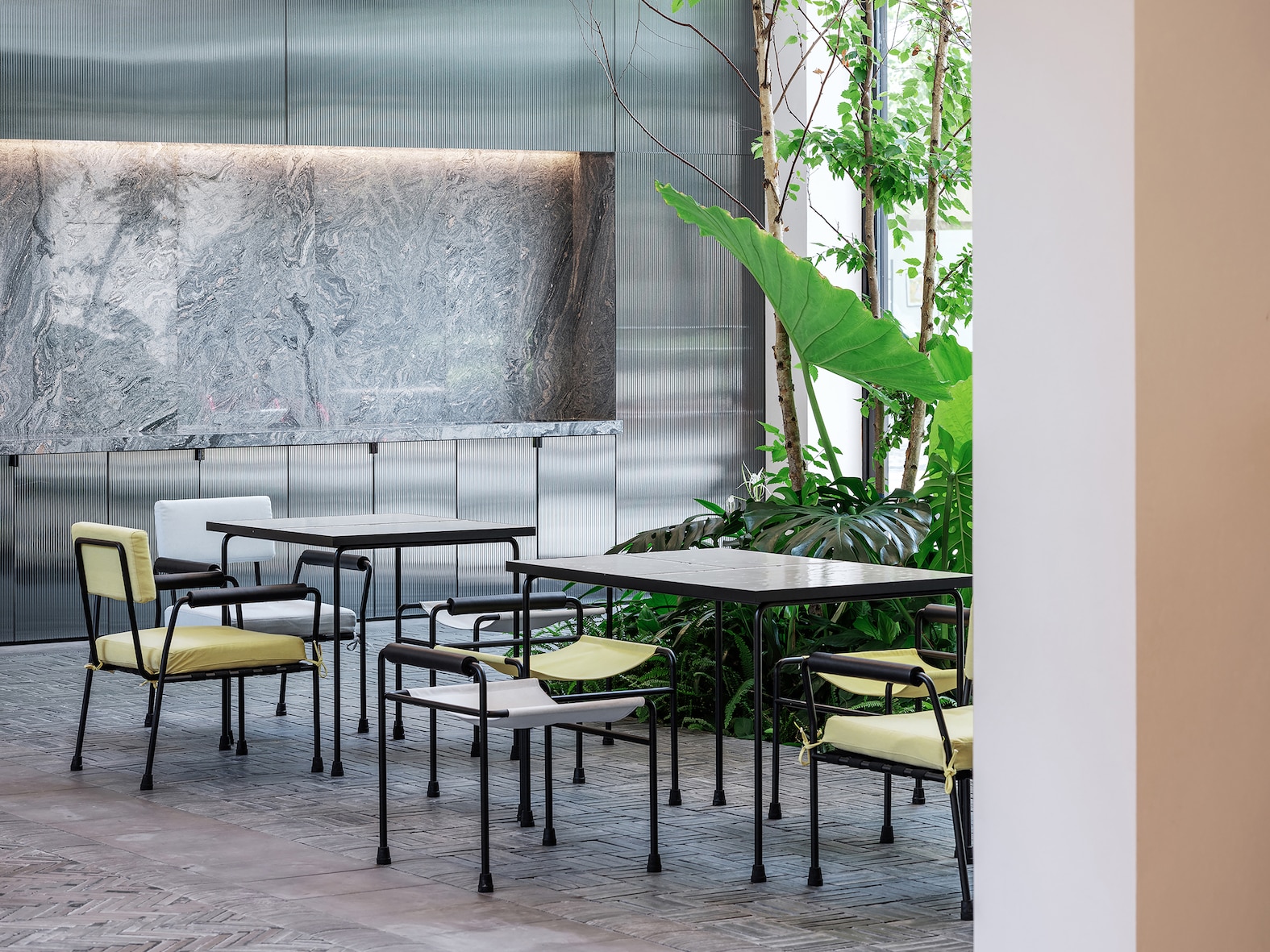
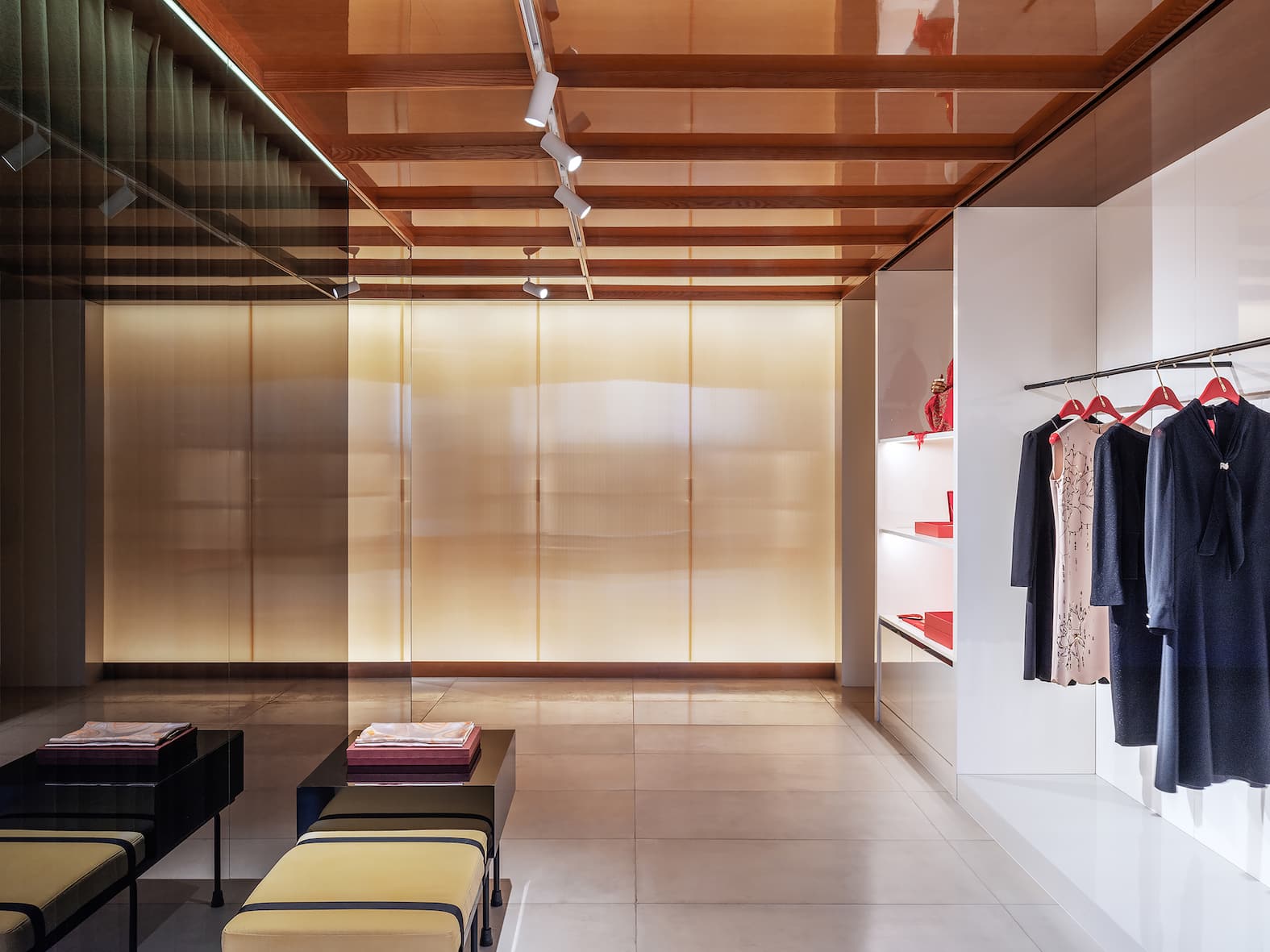
I place my commitment as a designer-builder at every level of creation, from the largest scale to the smallest manufacturing detail, whether it’s a public or private commission, in France or abroad. Regarding retail projects, I always felt that it was a fantastic opportunity to collaborate with several figures from fashion, such as Christophe Lemaire, Bali Barret, and Isabel Marant, and EP Yaying more recently. For this last Chinese brand, we worked closely with the fashion designer Serge Ruffieux and chose to emphasize transparency, openness to the outside world, and the integration of nature within the building. The space dedicated to the brand meets the public space in a principle of fluid urbanity. After Jiaxing, Hengshanfang, and New-York, we are currently working on the Beijing boutique. The agency is very proud to carry out these projects in China, as we succeeded in blending our European aesthetic with certain timeless Asian codes and crafts to create a new style.
When you look at the architects of the ’80s who made France famous, they were architects-artists. They drew up very free projects, and then the engineers had to make sure they were carried out. Today, we’re at the crossroads of all kinds of crises, be they economic, health, or environmental. In fact, our profession has become highly technical. Our duty as architects is to design lasting architecture that will stand the test of time and adapt to different uses.
Today, we can say that there is a difference between the trade and the profession. In other words, young architects learn a profession in the noble and almost exclusively creative sense of the term, in which they are asked to let go of the reins and express themselves freely. And then, as soon as they get their first job, they realize that the reality is different, because 90% of our time is spent solving really complex constraints. I often tell young architects who have just graduated and who join my agency that this resolution of constraints will lead to a creative path that is quite unique and to which each person brings their own signature. As far as I’m concerned, I’m a bit like the minimalist artists who like to work with materials, the industrial process, and the economics of the project. I think there’s a lot of creativity in technique. The result is a form of creativity that is quite pure. That’s what I advocate at the agency.

© TIAN FANGFANG
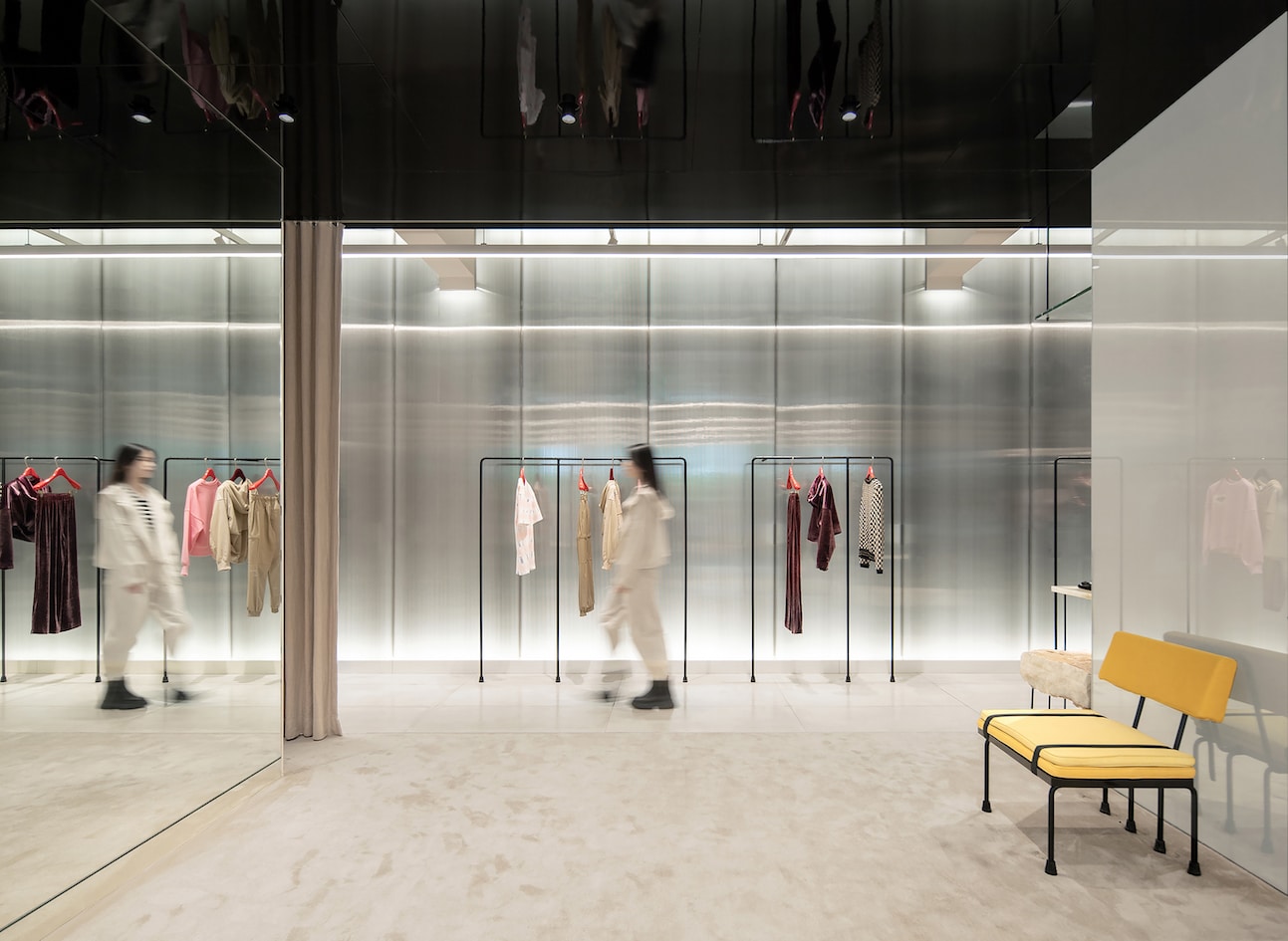
I don’t have a specific object in mind, but I like them when they have different functions and stand through time. I like timelessness. The enduring nature of the object. We should invent a lifetime guarantee for objects.
If I had to name just one, I’d say Paul Virilio, who was my teacher when I was a student. I often think back to his words, which continue to inspire and influence me, and I’m resolutely in line with the legacy of this thinker and builder with his exploratory approach.
Thanks to his thinking and teaching, I now advocate a type of architecture known as “justness”: measured in its needs, sober in its writing, and enduring thanks to its ability to withstand the test of time and adapt to new uses.
Thank you so much Franklin, for this lovely interview!
Share article :