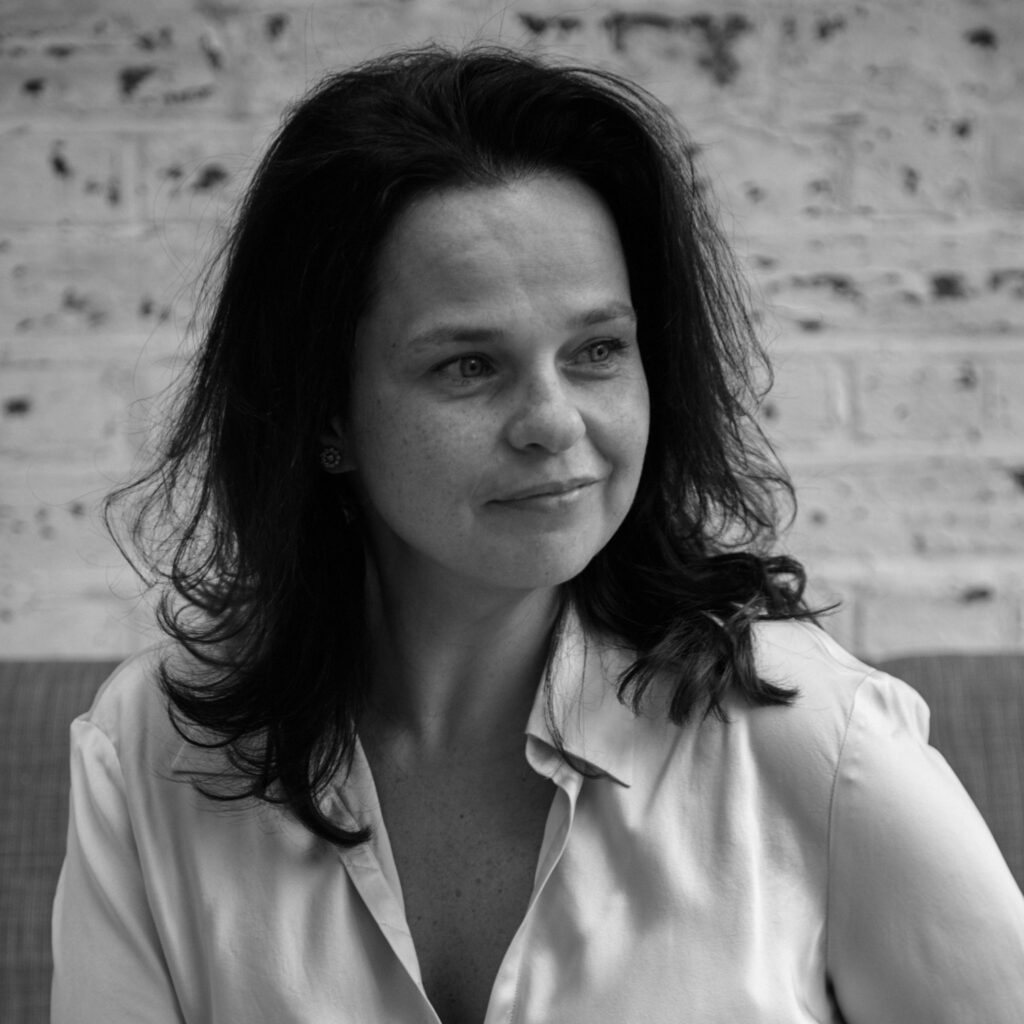
Gisela Simas
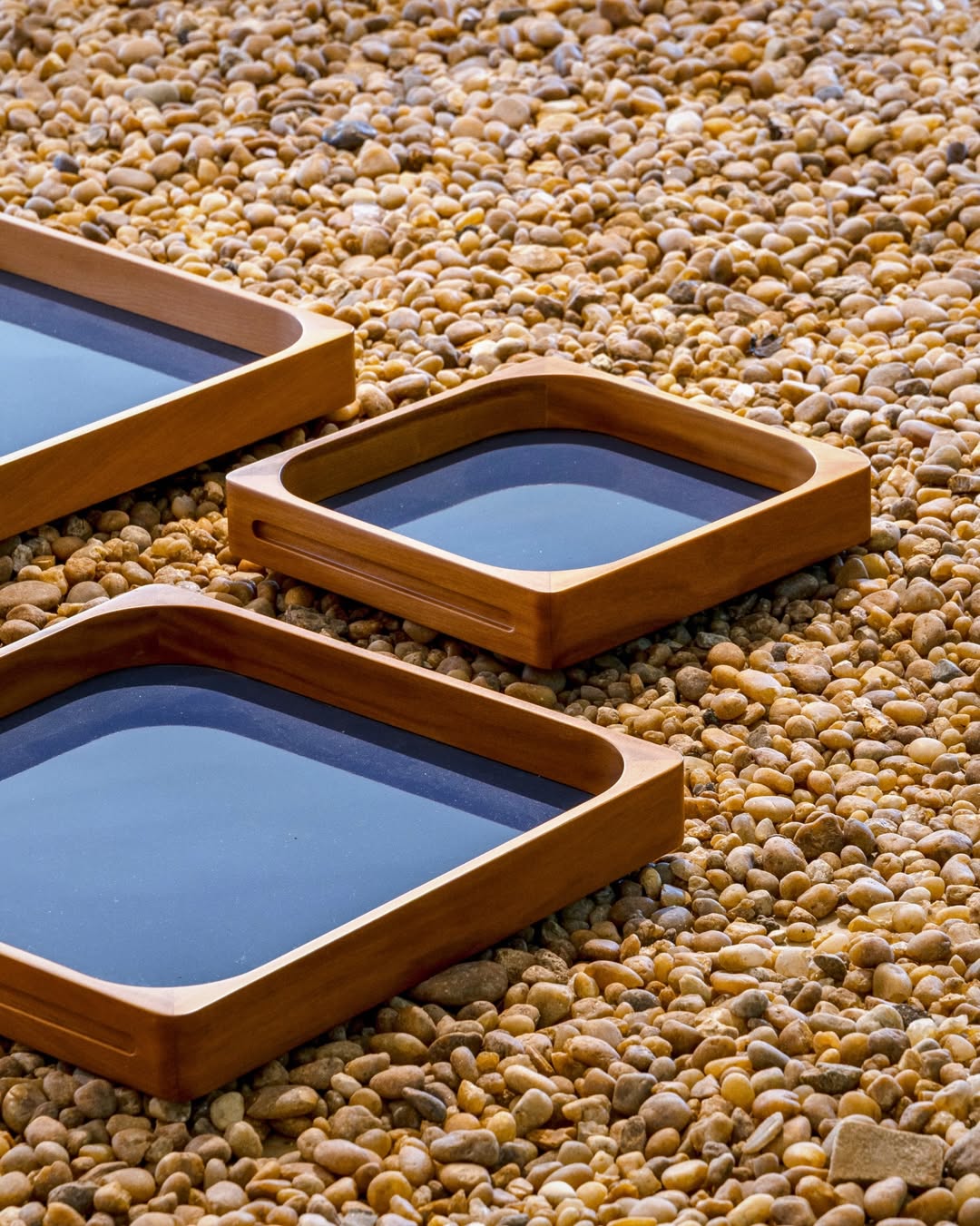
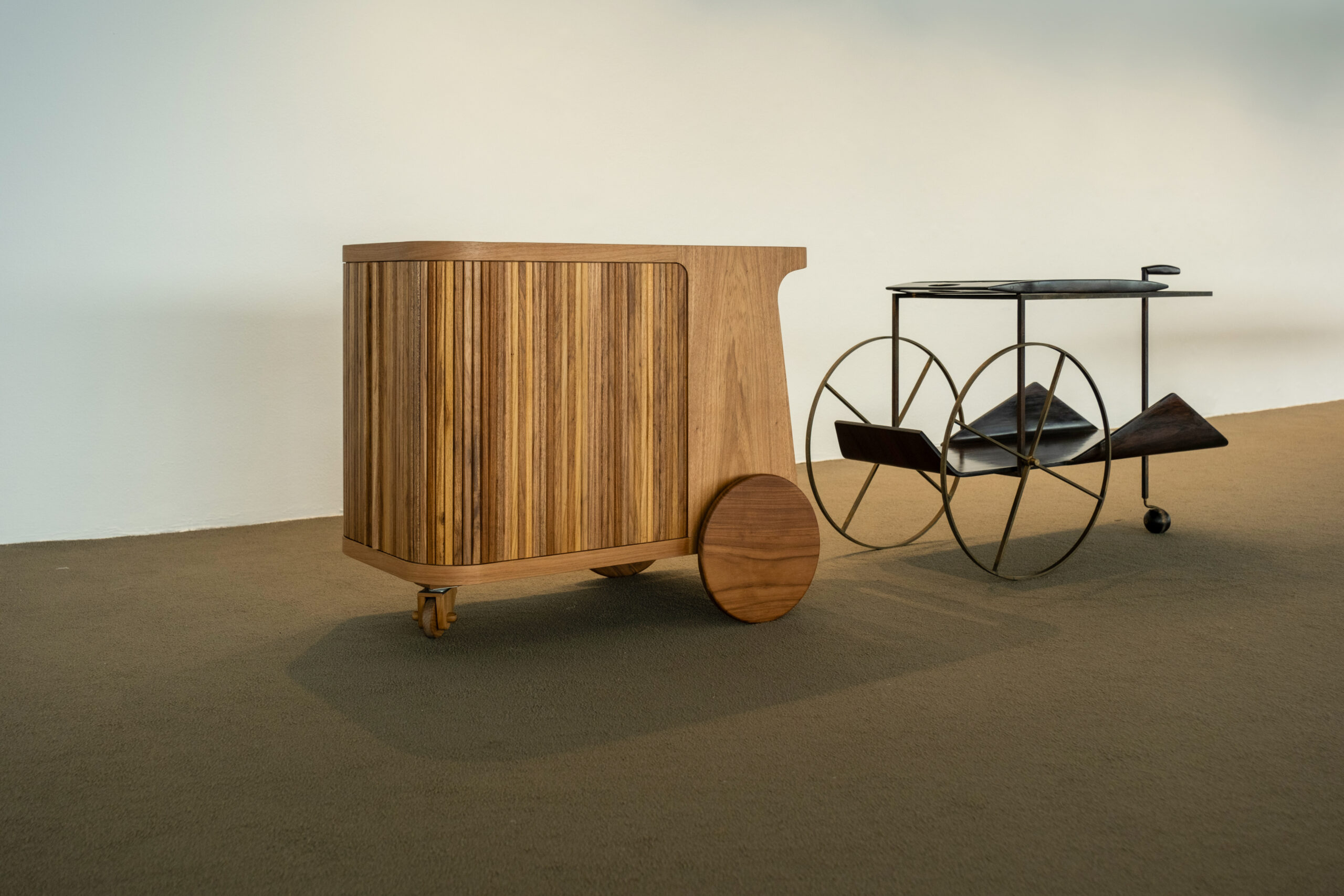
Gisela Simas is a Brazilian designer whose work is guided by a quiet restlessness, an innate sense of play, and a deep connection to the legacy of Brazilian modernism. Drawing from lived experience, personal encounters, and the places she has inhabited, her designs emerge from an emotional and intuitive process before being shaped by rigorous thought and craft. Sustainability is central to her practice, informing both material choices and production methods. Through emblematic works such as the Bar Milan, the Lucrécia table, and the Congonhas lamp, Simas explores balance, generosity of form, and functional elegance, while celebrating the richness of Brazilian design on an international stage. Alongside her creative work, she leads her namesake studio with a holistic vision, uniting creation, production, and delivery into a single ecosystem rooted in ethics, beauty, and long-term collaboration.
Interview
I was born in Petrópolis, in the mountains of Rio de Janeiro, Brazil. That green landscape with its strong presence of nature.
My first memory is of my childhood home, Casa do Sol, a modernist house. The light, the lines of the architecture, and the furniture around me made a deep impression on my senses.
Not always. I first studied literature, then worked in fashion and interior design. Only after 1996 I dedicate myself fully to furniture, lamps, and object design, which I consider my true vocation.
A deep fascination with spaces, materials, and how they affect our daily lives. For me, design is not only about function, but also about memory, and the whole human chain involved needs to be happy and doing my designs with compromise and love.
My process is very sensory. I start with a feeling, a memory, or a form observed in nature or architecture. Brazilian modernism is a strong reference, as well as the tactile qualities of wood and natural materials.
There is no “typical” day. Some days I spend sketching or prototyping in the studio; others are filled with dialogue — with artisans, manufacturers, or clients. I also dedicate time to connect with the community in my hometown, Petrópolis, where I am a founder of an NGO called SOS SERRA.
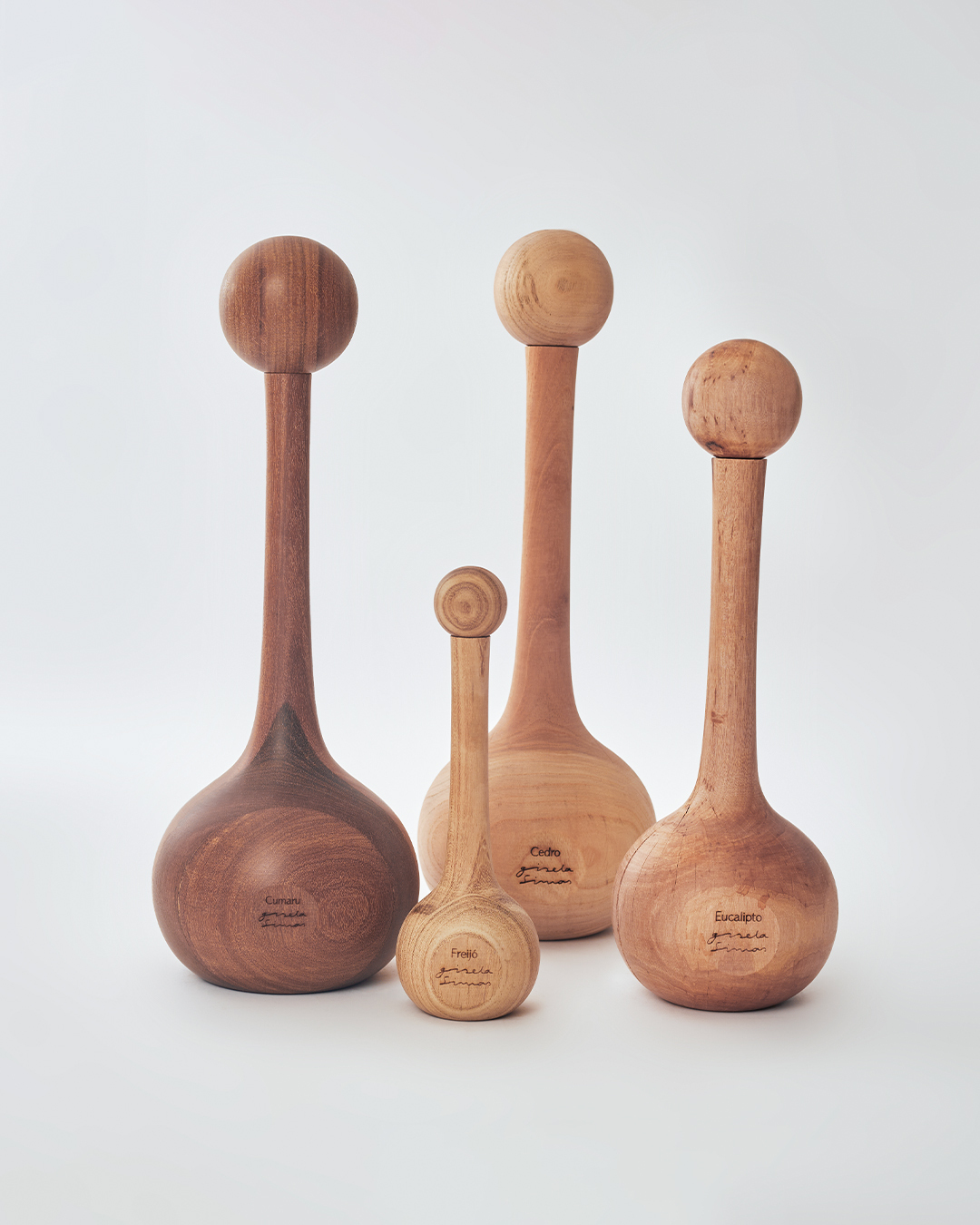
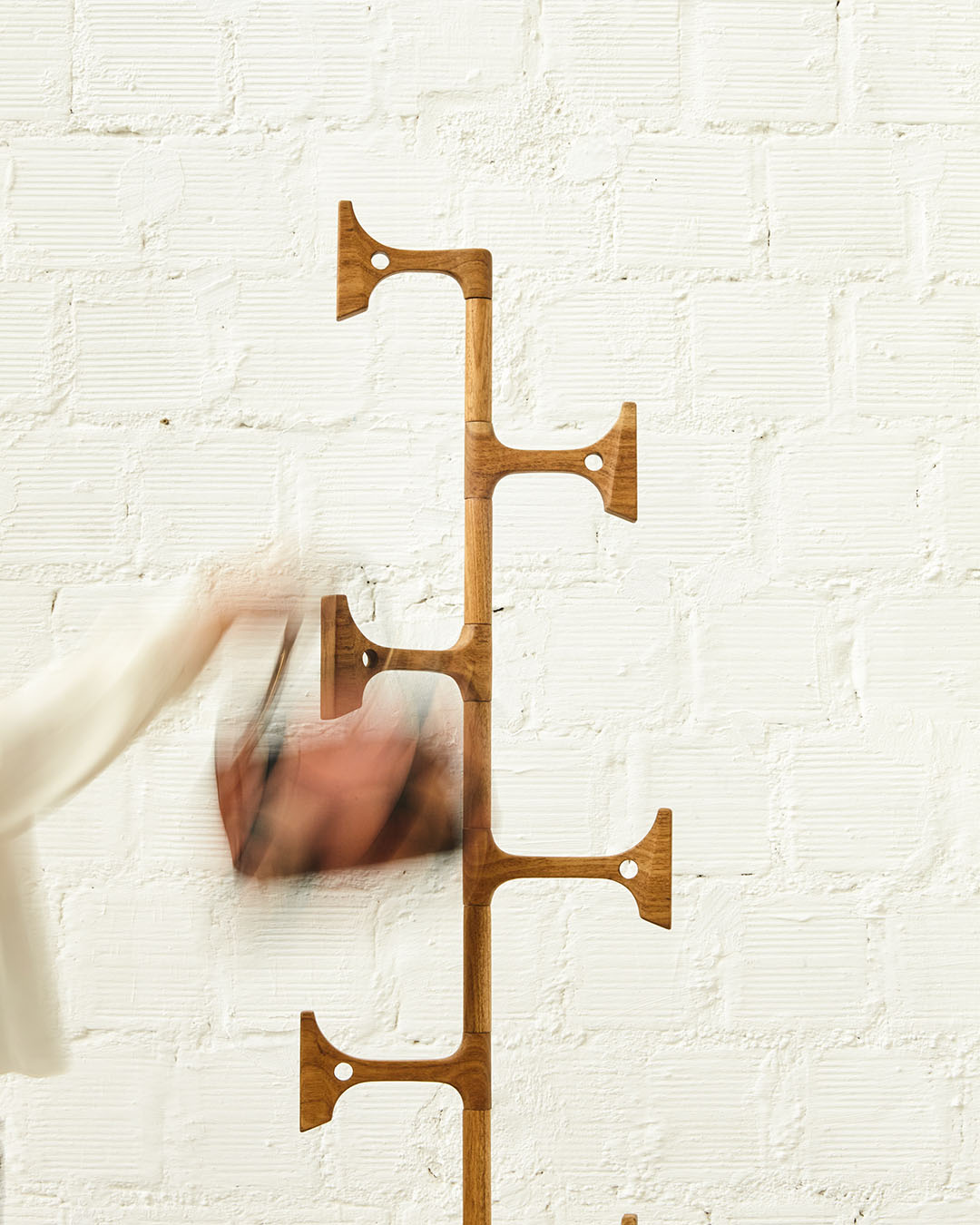
Wood has always been my first love: it carries history, warmth, and memory. I used to say that wood should be like humans — even when it is cut, it is still with beautiful veins and full of life.
Cork, metal, and glass also appear in my work, each chosen for its dialogue with form and function
They often involve fluid lines that require technical innovation in production. I enjoy working closely with artisans and industry to find solutions that respect the material and make the form possible.
Listen to your instincts. Respect the material. And don’t be afraid of experimenting — mistakes often open the door to discovery.
I would say they are deeply connected to Brazilian Modernism, but with a contemporary sensibility that seeks lightness and playfulness.
At Casa do Sol, in my home, we had pieces by Michel Arnoult—masters of Brazilian design who founded “mobilia contemporanea”—as well as José Zanine Caldas, Sérgio Rodrigues, entre outros.
I admire designers who communicate with simple lines as Claudia Moreira Salles and Lia Siqueira. Of course, Fernando and Humberto Campana gave new meaning to Brazilian design on the global stage.
I find inspiration mostly in architecture and design, but if I have to choose one Brazilian artist, it would not be a contemporary, but our eternal modernist Tarsila do Amaral, who explored colour, our people, and a very strong sense of the power of women. Music also inspires me.
Modernist Playfulness.
Only that design, for me, is a way of sharing emotions and memories with others. Each piece I create carries a story — and my hope is that it becomes part of someone else’s story too.
“Design is not only about function, but also about memory.”
The Questions
(The Proust Questionnaire is a set of questions answered by the French writer Marcel Proust.
Other historical figures who have answered confession albums are Oscar Wilde,
Karl Marx, Arthur Conan Doyle, Stéphane Mallarmé, Paul Cézanne…)
Having my kids and my husband by my side.
To lose them.
When I complain.
When they complain.
My husband.
Owing a Mini Cooper in Rio de Janeiro.
To be inspiring and able to change people’s lives.
Beauty.
Integrity.
Integrity.
“We came as human beings to love and be loved.”
Music.
To be fully present in everything I do.
Being able to wait before answering.
Myself at 55 years old.
London.
My family.
Thinking only about yourself.
Being in my joinery or inside, and crazy about a new project.
My blue eyes.
Hard work and the ability to make things happen.
Rui Castro.
Mrs. Doubtfire.
Tarsila do Amaral.
Those who have chosen to help others.
Antonio.
People who think they are not capable — that mindset freezes humanity.
I don’t regret — I learn.
In my sleep.
Life is hard; we should play more.
“Wood has always been my first love: it carries history, warmth, and memory.”
SHARE :