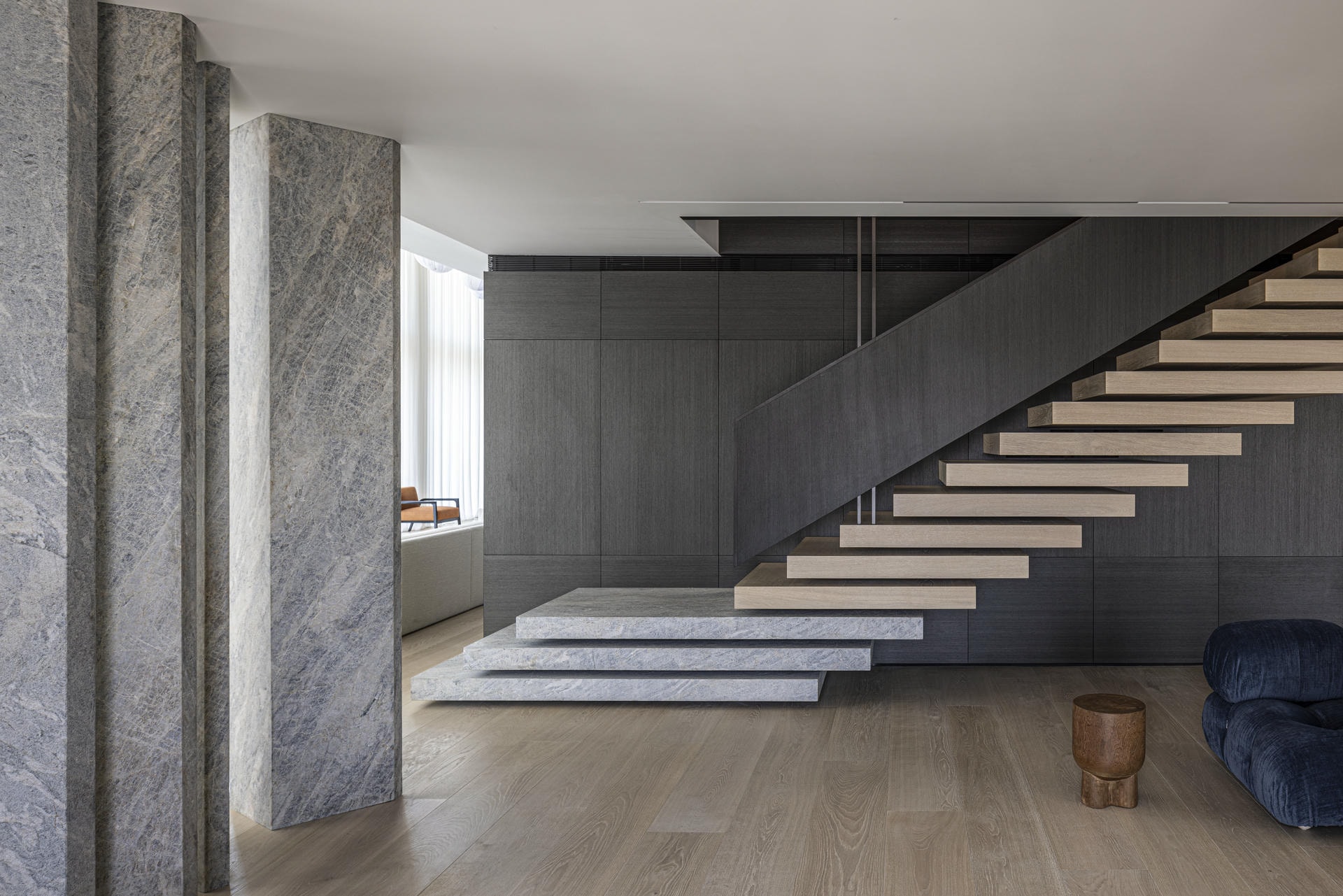
Irene Goldberg
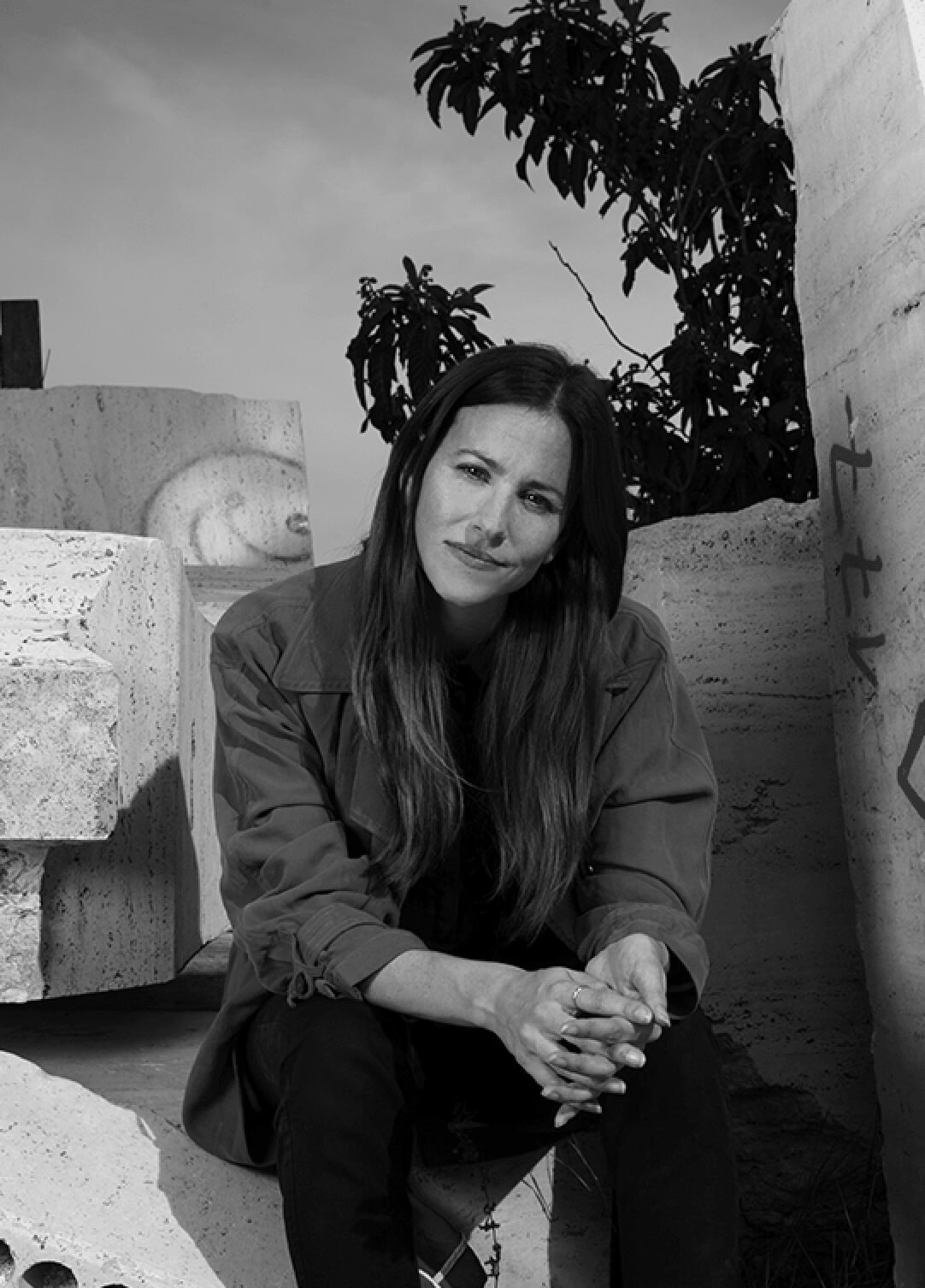
Irene Goldberg has built a practice that crosses architecture, interiors and collectible design, moving between the conception of spaces and the creation of objects. Born in Venezuela in 1970, she relocated to Israel in 1983 and later studied at the Mackintosh School of Architecture in Glasgow, graduating in 1997. This ability to work across different scales has become integral to her approach, in which architecture and object-making are understood as part of a continuous creative language shaped by simplicity, materiality and emotional experience.
Goldberg co-founded Baranowitz & Goldberg Architects in 2017 before establishing her independent studio in 2025. Today, she works from the heart of Tel Aviv, where she shares a design gallery with her partner in life, Gal Gaon. The space provides a setting for her evolving collections of collectible design while remaining connected to her ongoing architectural and interior projects, allowing the different aspects of her practice to develop alongside one another.
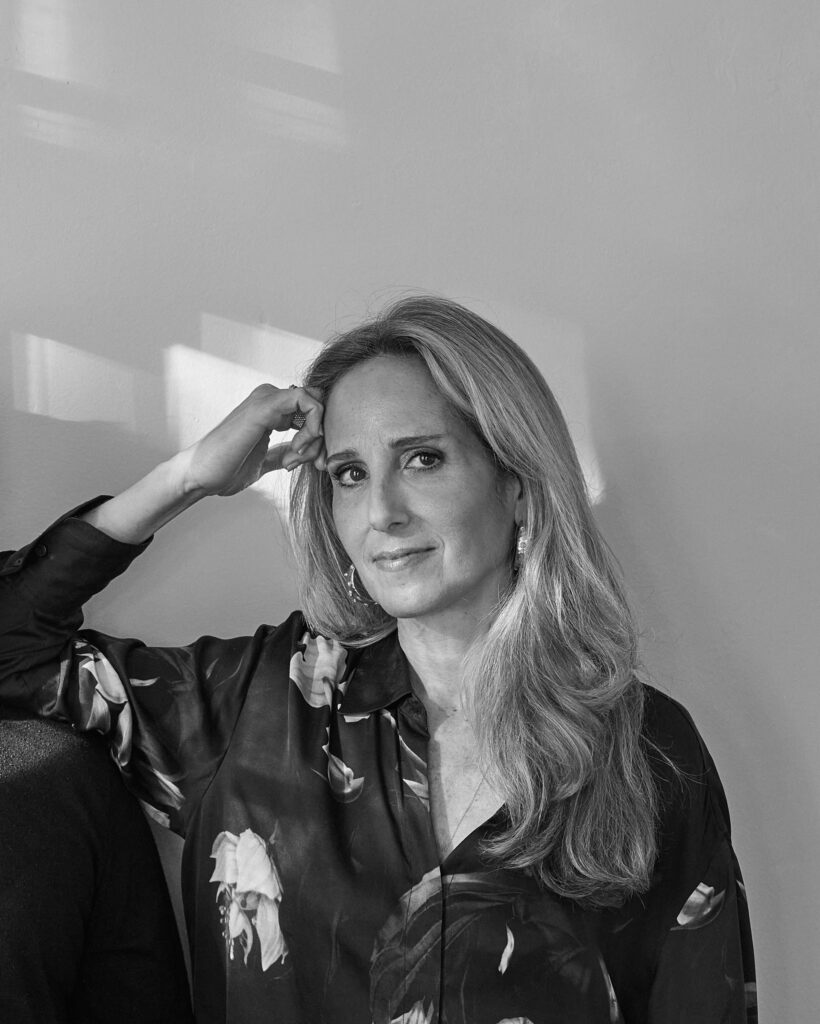
“Architecture should reveal itself gradually. The best spaces never tell you everything at once.”
INTERVIEW

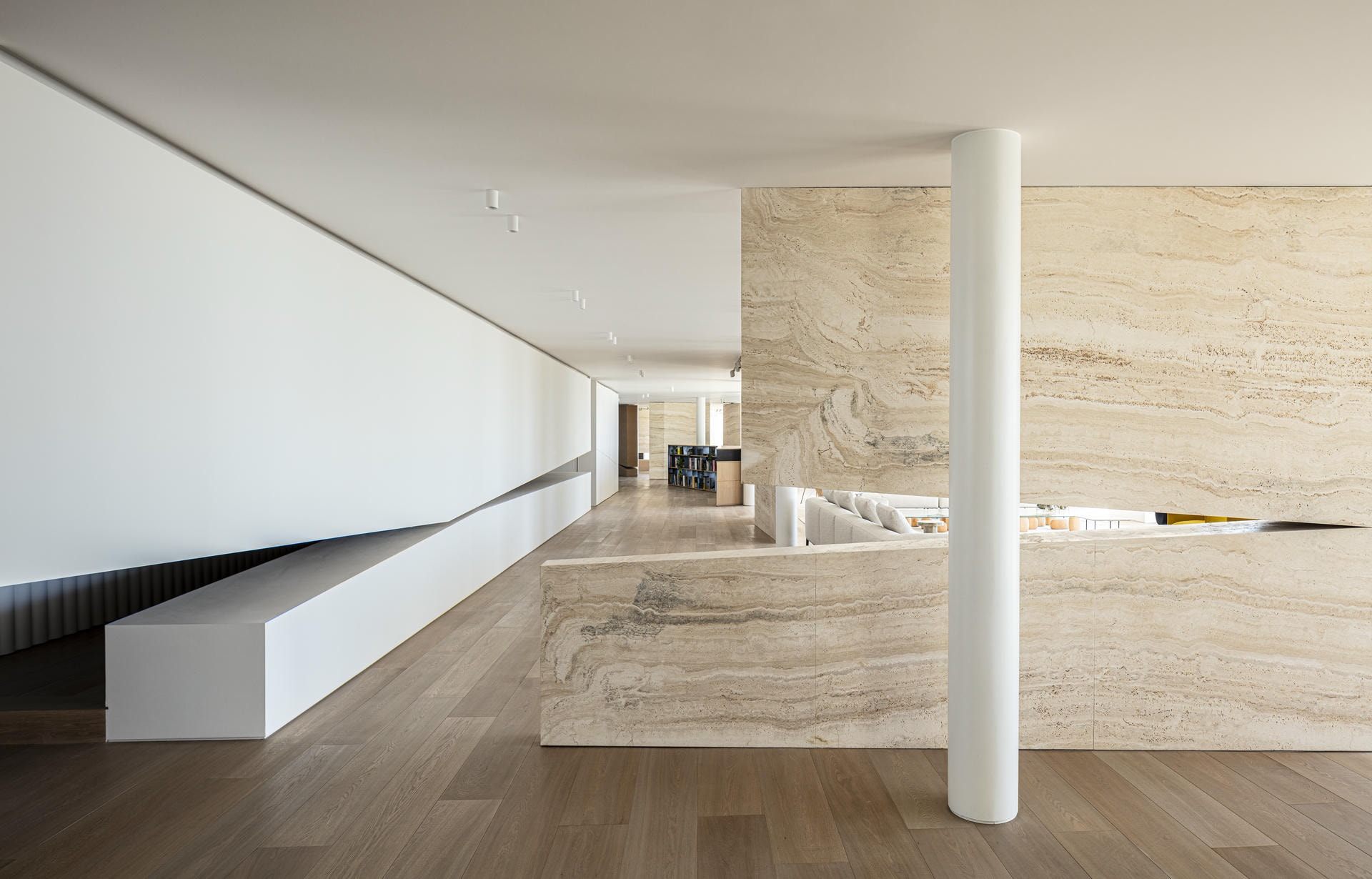
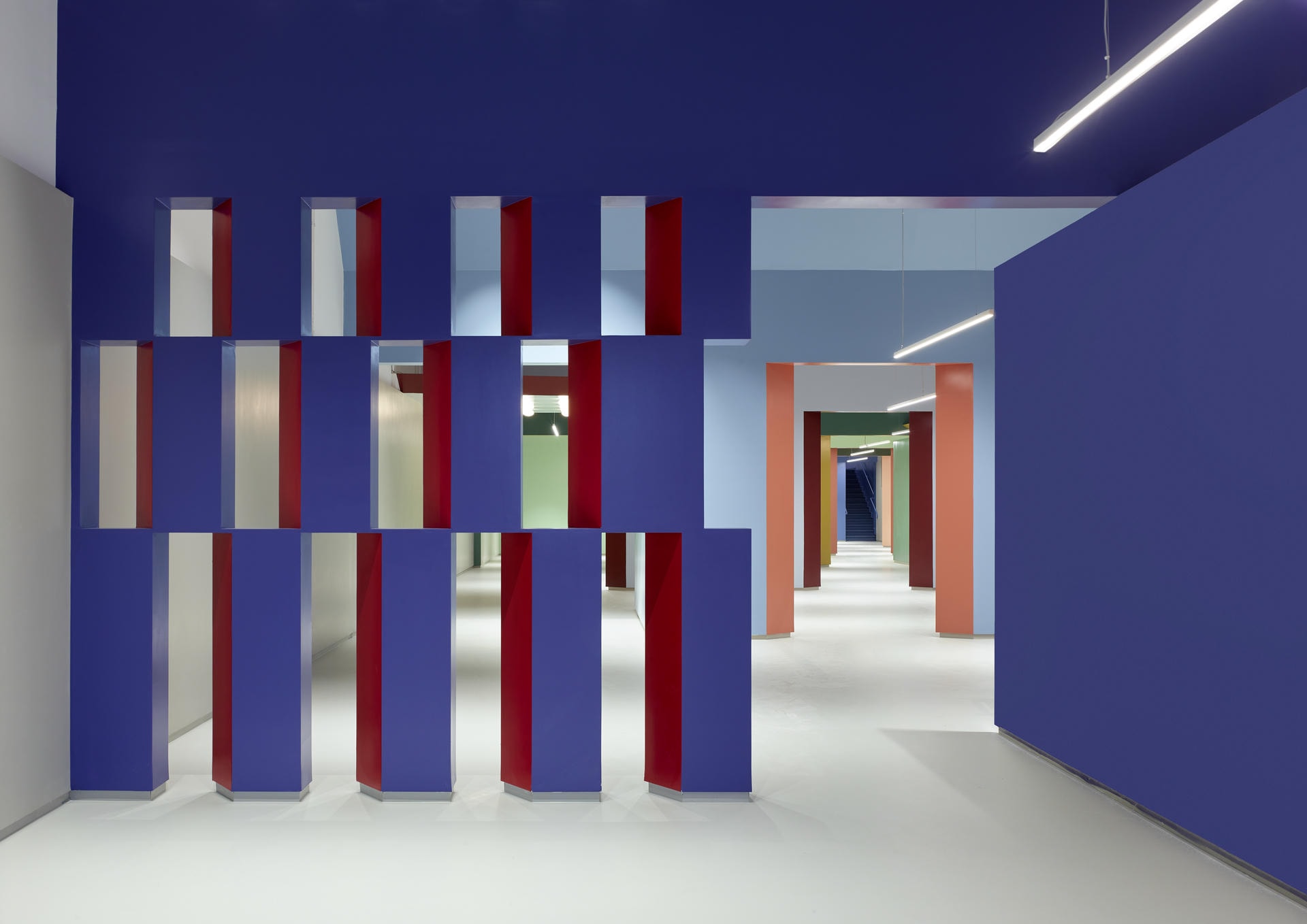
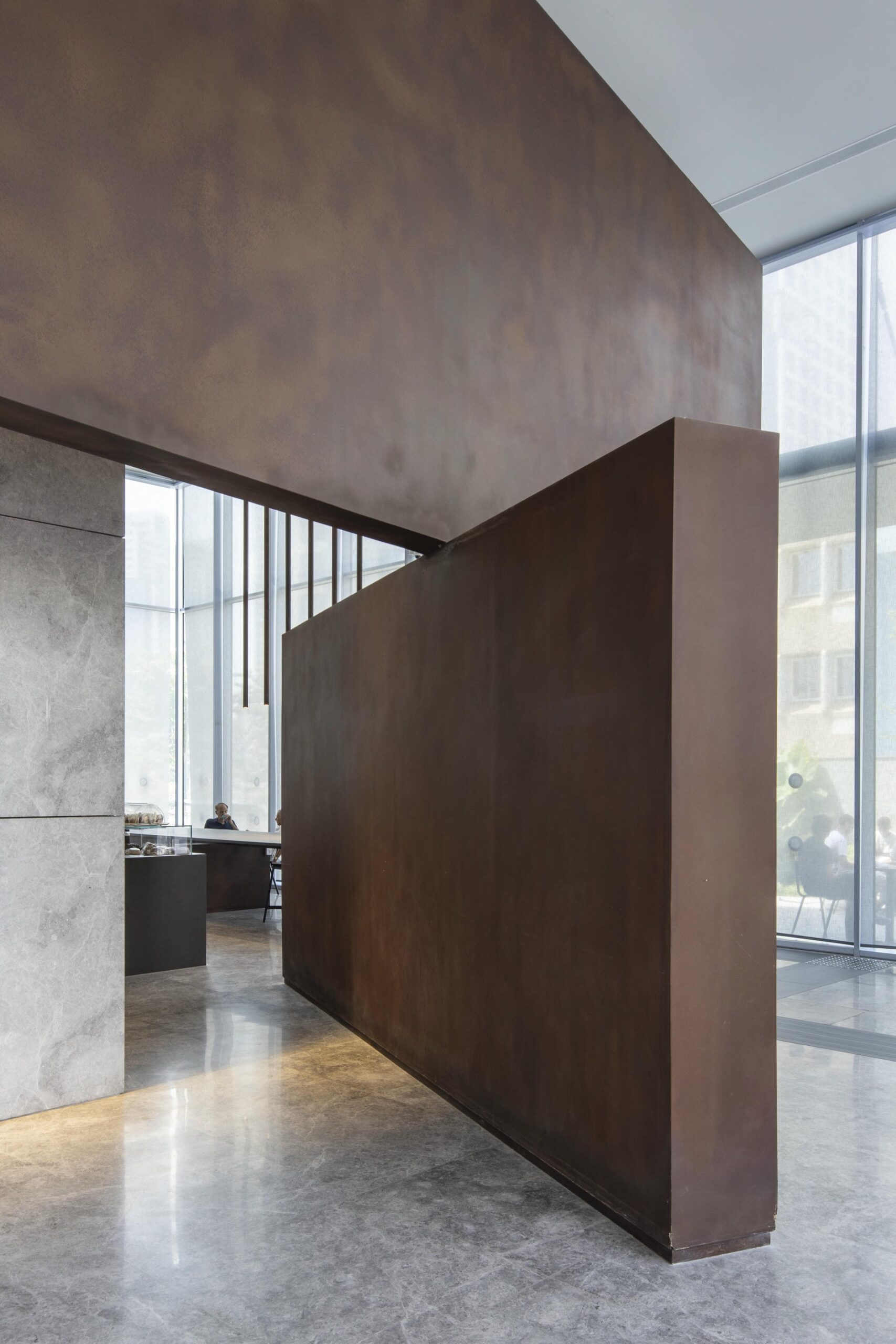
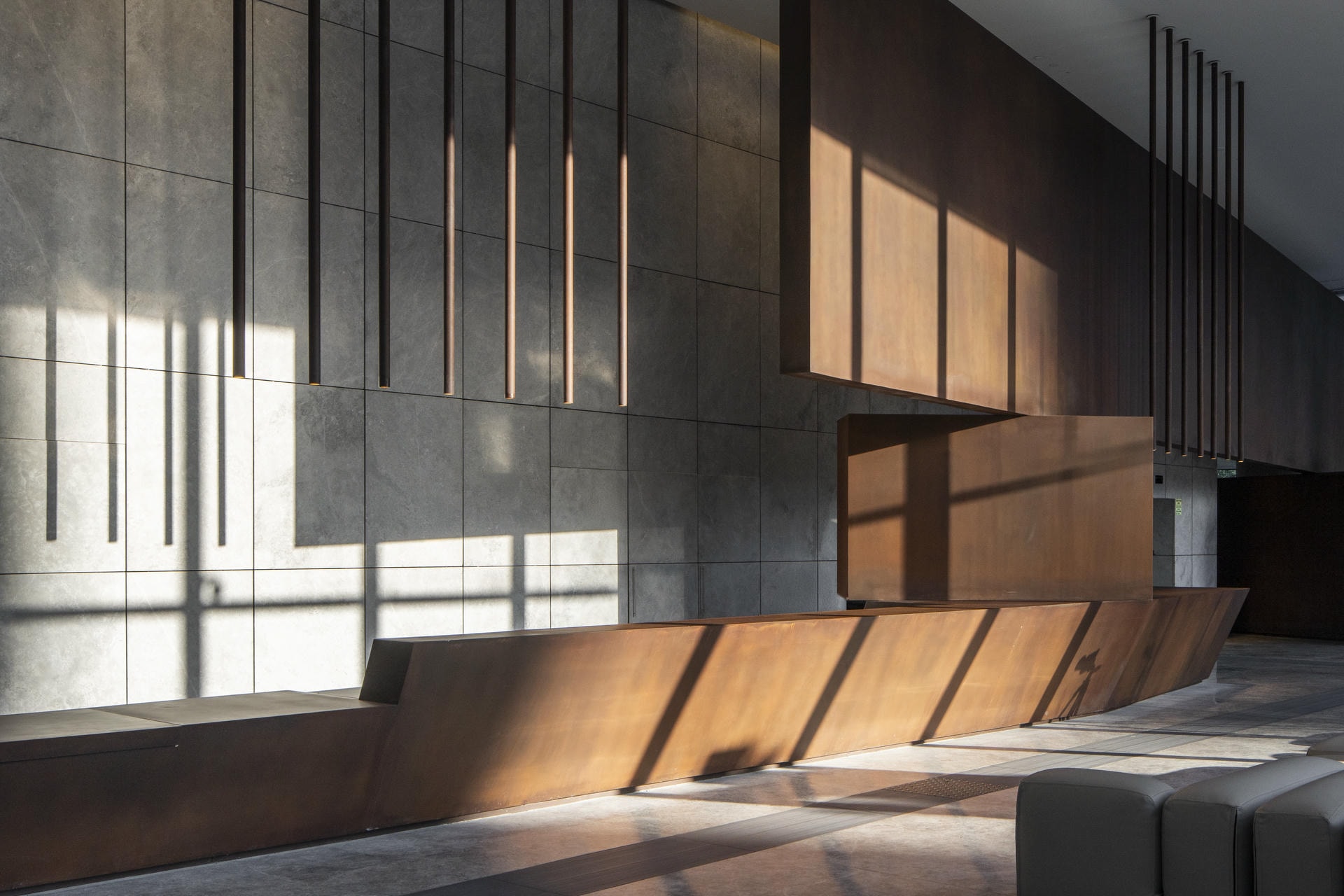
One Lobby Tower, courtesy Baranowitz & Goldberg Architects © Nimrod Levy
The first conversation with a client is where every project truly begins. Before sketches, materials, or plans, there is listening. I listen to their stories, their dreams, and the way they imagine living. What fascinates me is that no one can fully see the world through another person’s eyes. The beauty of design lies in that space between imagination and interpretation.
My role is to transform those aspirations into something beyond what either of us could have envisioned alone—always honoring what matters most to them, while opening the door to new possibilities. Design, for me, is not about imposing a vision; it is about revealing one.
To say the maximum with the minimum.
That idea has guided my work from the beginning. I am interested in clarity rather than complexity, and in creating emotion through carefully considered proportions, materials, light, and detail.
I also approach every project as a total design experience. Architecture, interiors, furniture, objects, and art are all part of the same composition. For me, they should speak the same language and contribute to a single vision.
I was born in Caracas, Venezuela, in 1970, into a family where creativity was woven into everyday life. My father was an architect, my mother a piano teacher, and our home was filled with music, art, design, and a profound appreciation for beauty. The house where I grew up—a modern concrete residence designed by my father—became my first lesson in architecture. I remember Sunday mornings in the garden, surrounded by family, with music drifting through the house and creativity naturally flowing through every corner. Without realizing it, I was learning that design was not merely about objects or buildings; it was a way of experiencing the world.
Growing up, we traveled extensively throughout Venezuela. The country’s extraordinary landscapes, intense tropical light, vibrant colors, and dramatic contrasts left a lasting imprint on my imagination. Those memories continue to influence my work today, shaping my sensitivity to materiality, proportion, rhythm, and emotion. From an early age, I was drawn to design in all its forms and scales. Whether architecture, furniture, objects, or art, I found endless fascination in the relationship between form and feeling. Architecture became my chosen discipline, not because it defined limits, but because it offered a foundation from which everything else could emerge.
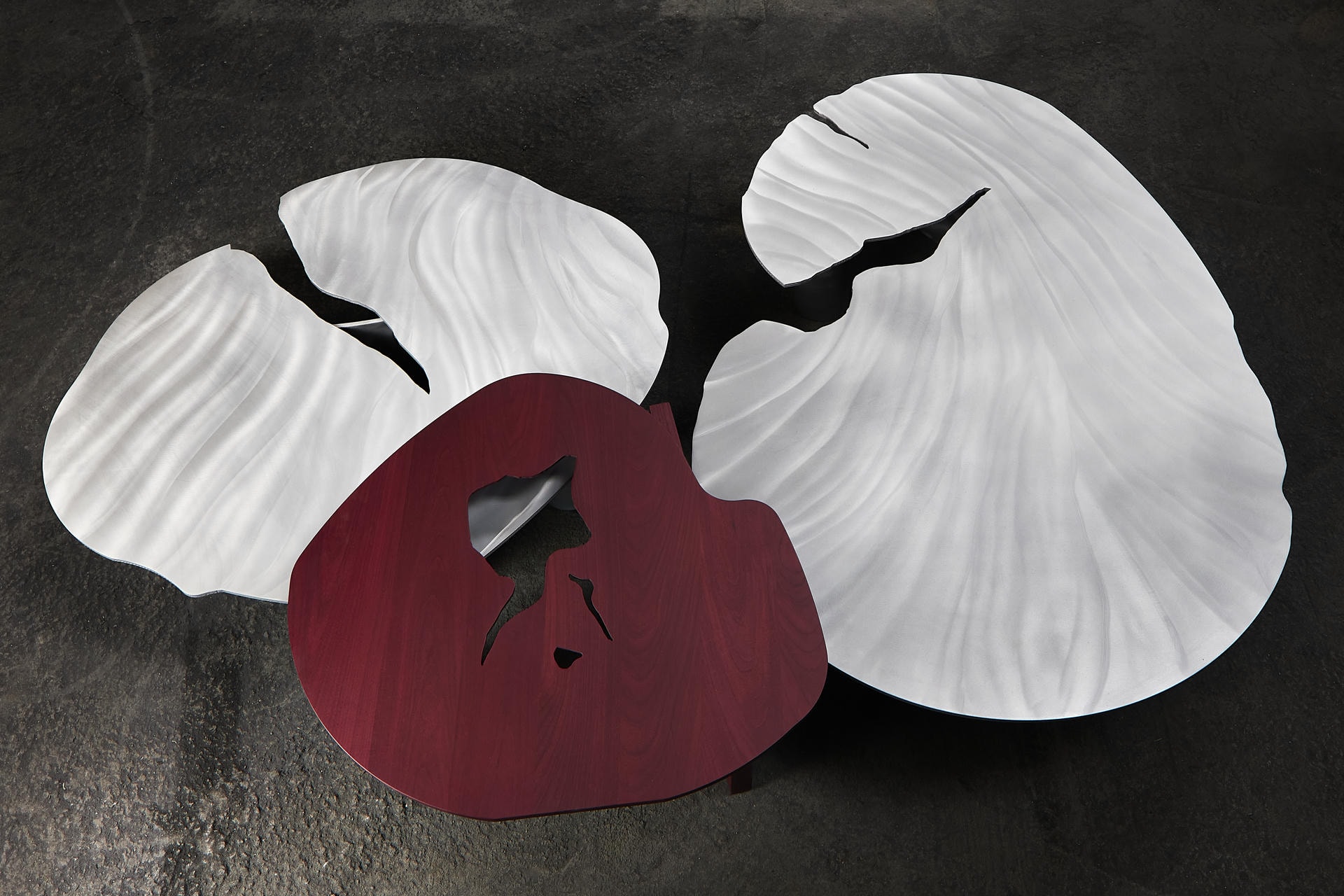
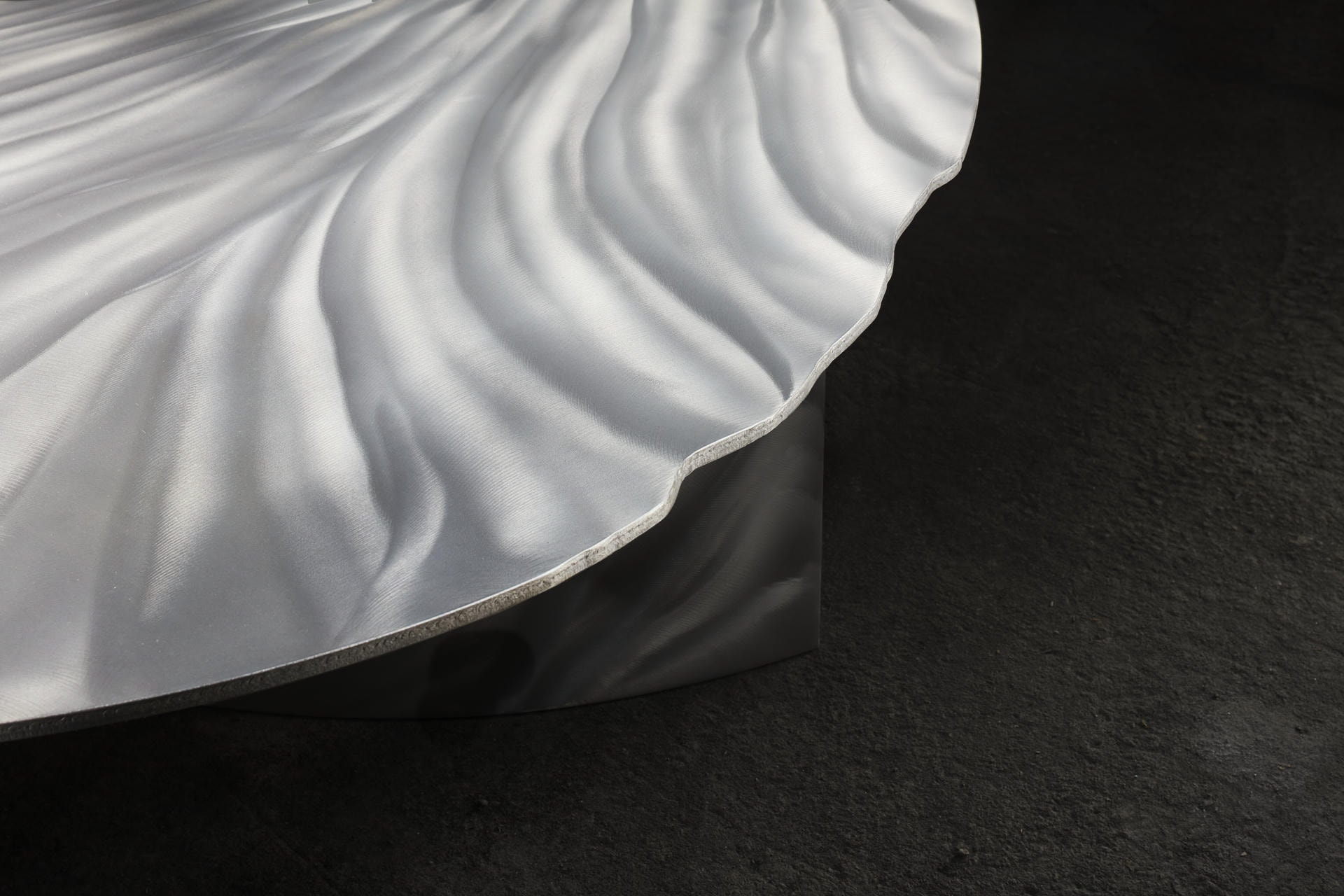
Today, my work moves fluidly between architecture, collectible design, and art. I am interested in creating pieces that balance structure and emotion, precision and spontaneity, function and poetry. Each project is an exploration of harmony, materiality, and the enduring dialogue between space, memory, and beauty.
I have always found that question difficult to answer because I have never consciously pursued a specific style. Rather than following a predefined aesthetic, my work is guided by intuition, experience, and the accumulation of influences gathered throughout my life. Design, for me, is not about repeating a formula; it is about understanding people, places, history, and context, and allowing those elements to shape each project naturally.
My work is undoubtedly influenced by modernist architecture and design—the clarity, honesty, and sense of order they embody. At the same time, I carry with me the memories of my childhood in Venezuela: vibrant colors, powerful landscapes, intense light, and a deep connection to nature. These seemingly opposite influences coexist in my work and create a balance between restraint and emotion. If there is a common thread throughout my projects, it is the pursuit of expression through simplicity. I am drawn to designs that communicate the most with the least. I value discovery, privacy, emotion, and atmosphere. I am fascinated by contrasts: the quiet and the dramatic, the soft and the raw, the intimate and the monumental.
Perhaps those contrasts best describe my approach to architecture. I seek spaces and objects that feel calm yet powerful, refined yet deeply human—works that reveal themselves gradually and invite a lasting emotional connection.
For me, designing a space is very similar to composing a painting.
It is an exercise in balance—between presence and absence, expression and restraint, emotion and order. Every line, material, texture, and color must have a purpose. I am not interested in excess; I am interested in precision.
When I design, I imagine the experience of the person moving through the space. I think about every step, every view, every moment of discovery. I ask myself where a space should be quiet and contemplative, and where it should become more expressive and emotionally engaging.
I believe emotional richness does not come from adding more elements, but from carefully controlling the relationship between them. Sometimes a single material, a subtle change of light, or one unexpected gesture can create a stronger emotional response than an entire room filled with objects.
Like a painting, architecture relies on composition. It is about finding the right amount of color, the right proportion of materials, and the precise placement of every line and volume. When those elements are in harmony, a space can feel deeply emotional while remaining calm, disciplined, and timeless.
Ultimately, I strive to create environments that reveal themselves gradually—spaces that feel effortless, yet are the result of a highly considered process.

Lani Penthouse, courtesy Baranowitz & Goldberg Architects © Amit Geron
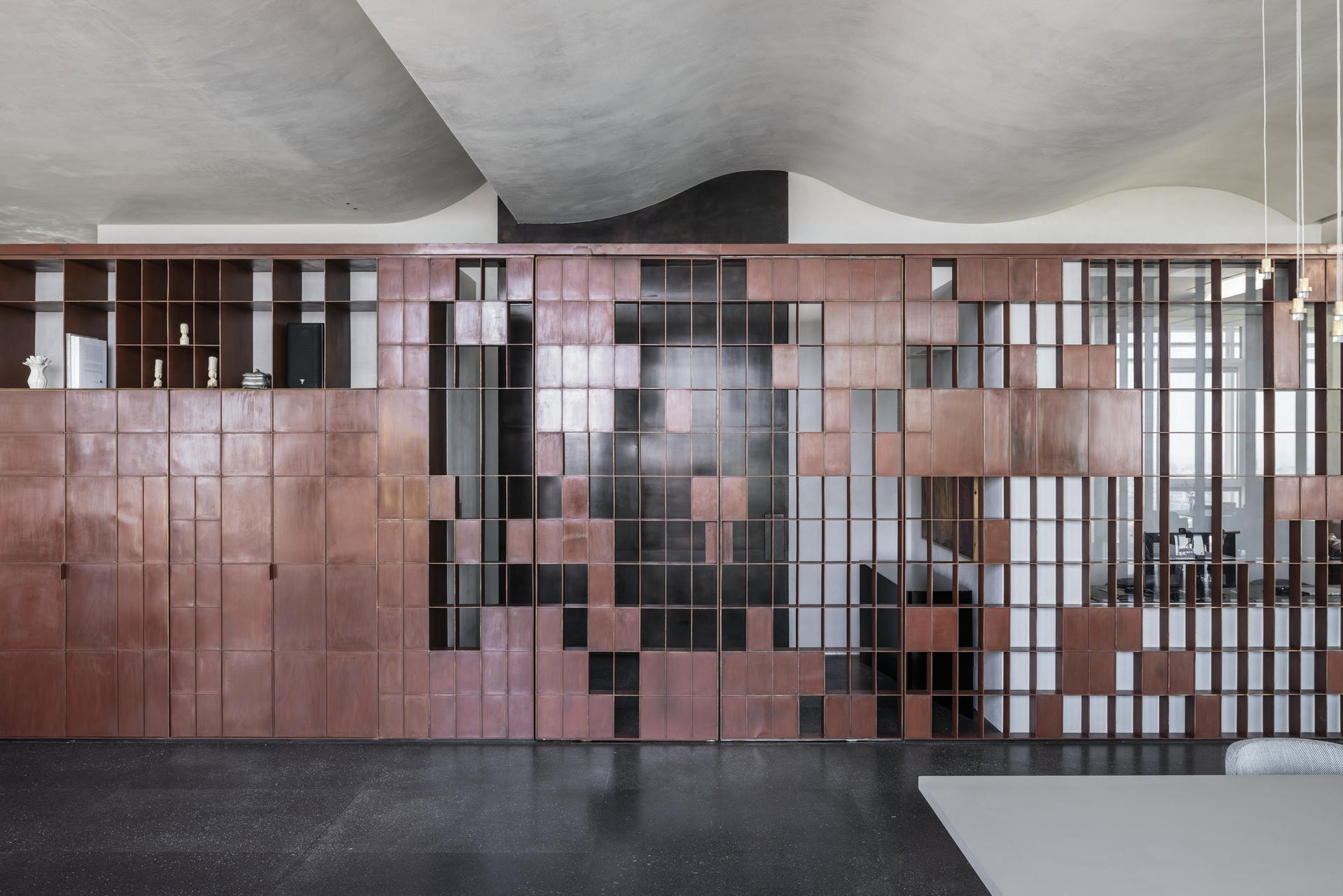

One Lobby Tower, courtesy Baranowitz & Goldberg Architects © Nimrod Levy
One of the projects I am most proud of is the renovation of a listed four-story townhouse.
What excited me most about the project was the idea of creating a continuous architectural journey through the house. The experience began at the entrance, where the door and the patio introduced the first chapter of the story, and unfolded through a sculptural staircase that connected every level, from the basement to the rooftop.
The staircase became the heart of the project. More than a means of circulation, it was conceived as a changing spatial experience. As one moved through the house, perspectives shifted, light conditions changed, and the relationship between materials continuously evolved. The staircase revealed the house gradually, creating moments of surprise and discovery along the way.
I was particularly interested in achieving the maximum impact through a single architectural gesture. While the staircase became the focal point, the rest of the house remained calm and restrained, allowing the experience of movement and space to take center stage.
For me, the project embodied many of the ideas that continue to guide my work: simplicity, sequence, emotion, and the belief that architecture should be experienced as a story rather than a collection of rooms.
Villa Allem – Valerio Olgiati
Although I have never visited Villa Allem in person, I fell in love with it from the moment I discovered it through drawings and photographs. There is something extraordinary about its simplicity and precision. What fascinates me most is how a subtle gesture can transform the entire experience of the building.
I am particularly drawn to the tension between the man-made concrete structure and the almost untouched natural landscape that surrounds it. The contrast is powerful, yet deeply harmonious.
Therme Vals – Peter Zumthor
What moves me most about Therme Vals is the journey through the space. Every room, every transition, and every change of light feels carefully orchestrated. The experience is almost musical.
It is impossible to move through the building without feeling emotionally affected by it. The architecture speaks through atmosphere, rhythm, and sensory experience rather than through form alone.
Teatro Olimpico – Andrea Palladio
What I love most about the Teatro Olimpico is its element of surprise. The extraordinary stage set creates an illusion that continues to amaze visitors centuries after it was built.
It is a brilliant example of how architecture can transcend function and become an emotional and intellectual experience. The ingenuity of the perspective and the theatricality of the space make it one of the most inspiring works of architecture I know.
EVERYTHING…

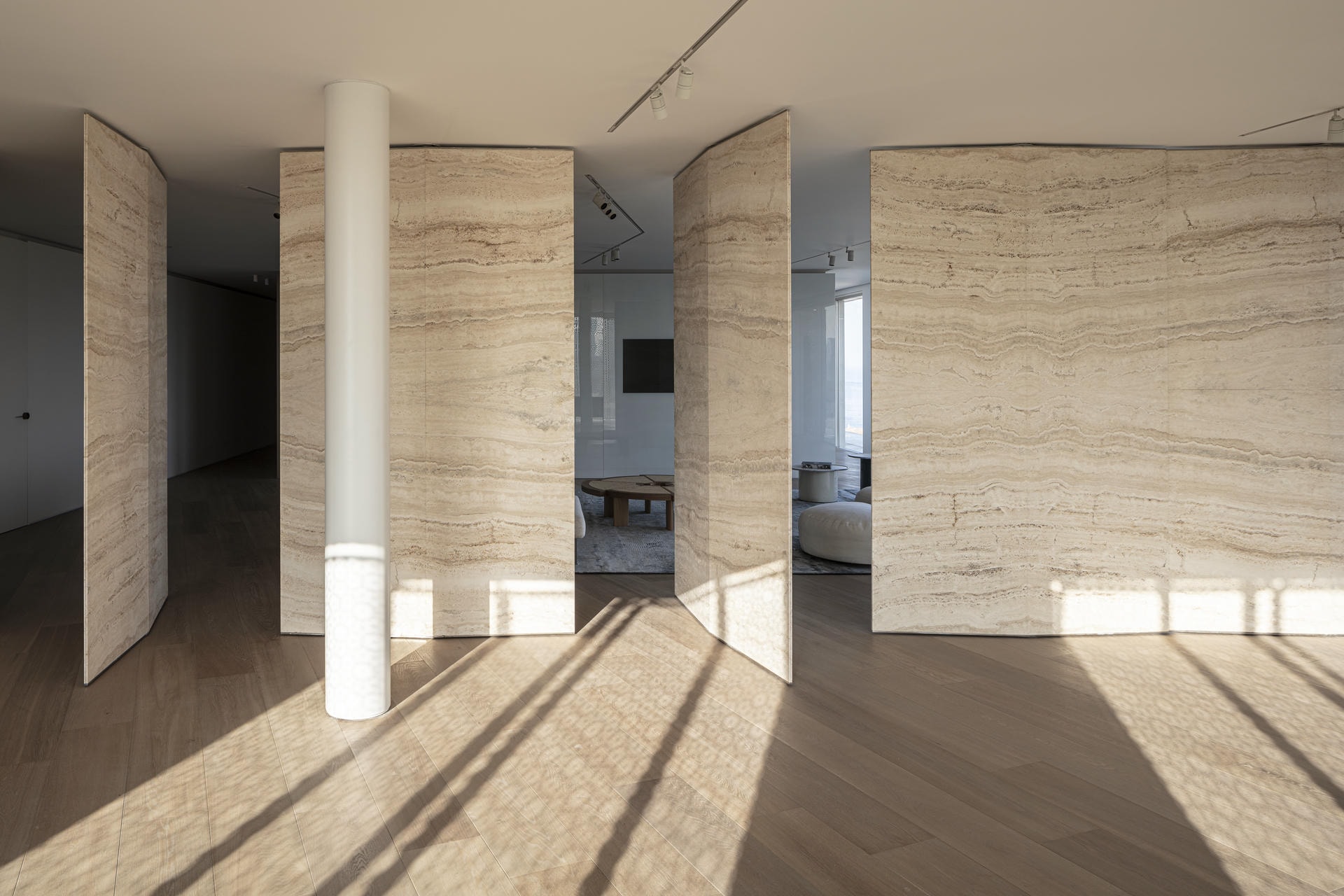
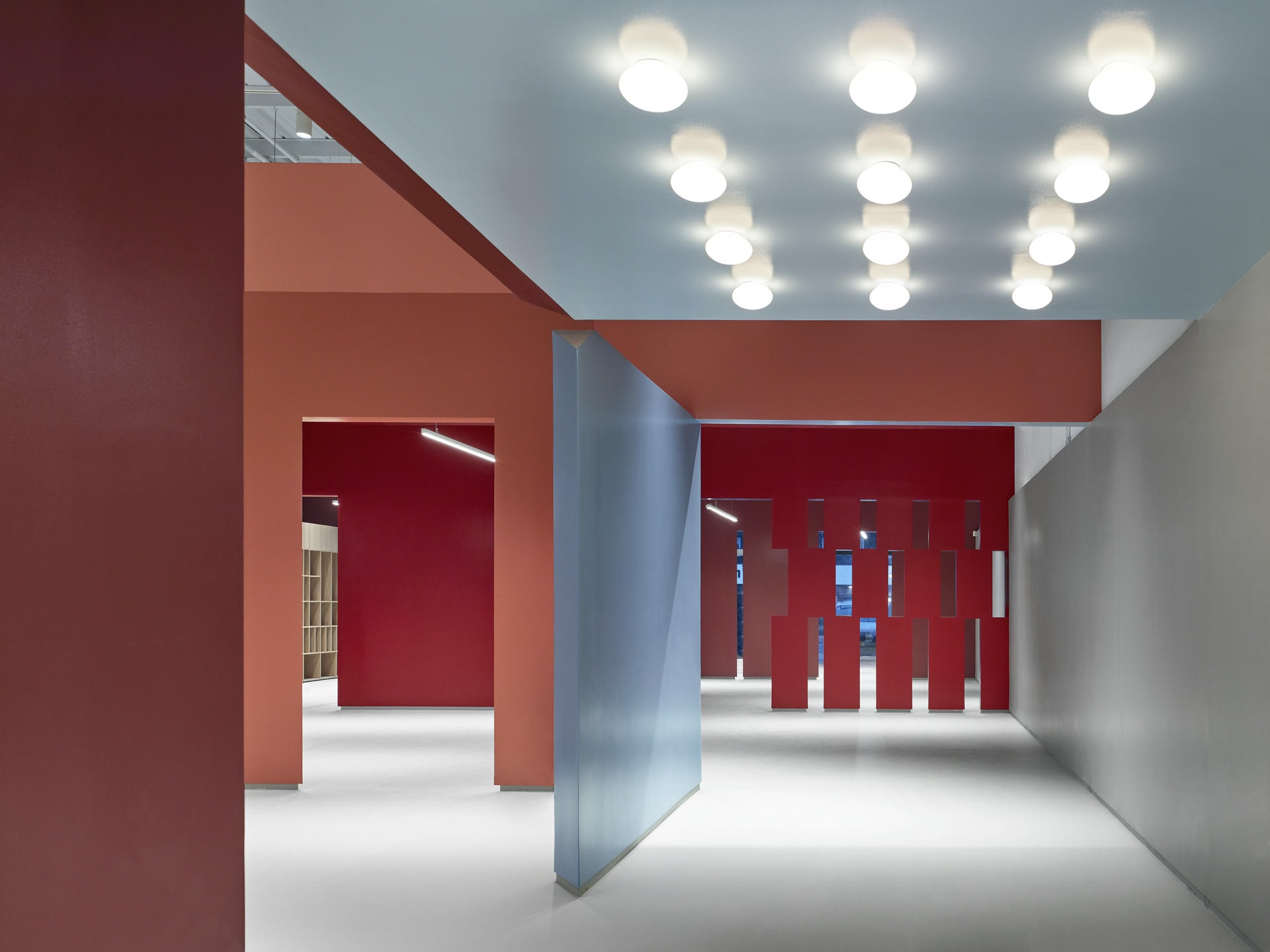
Pitaro Showroom, courtesy Baranowitz & Goldberg Architects © Amit Geron
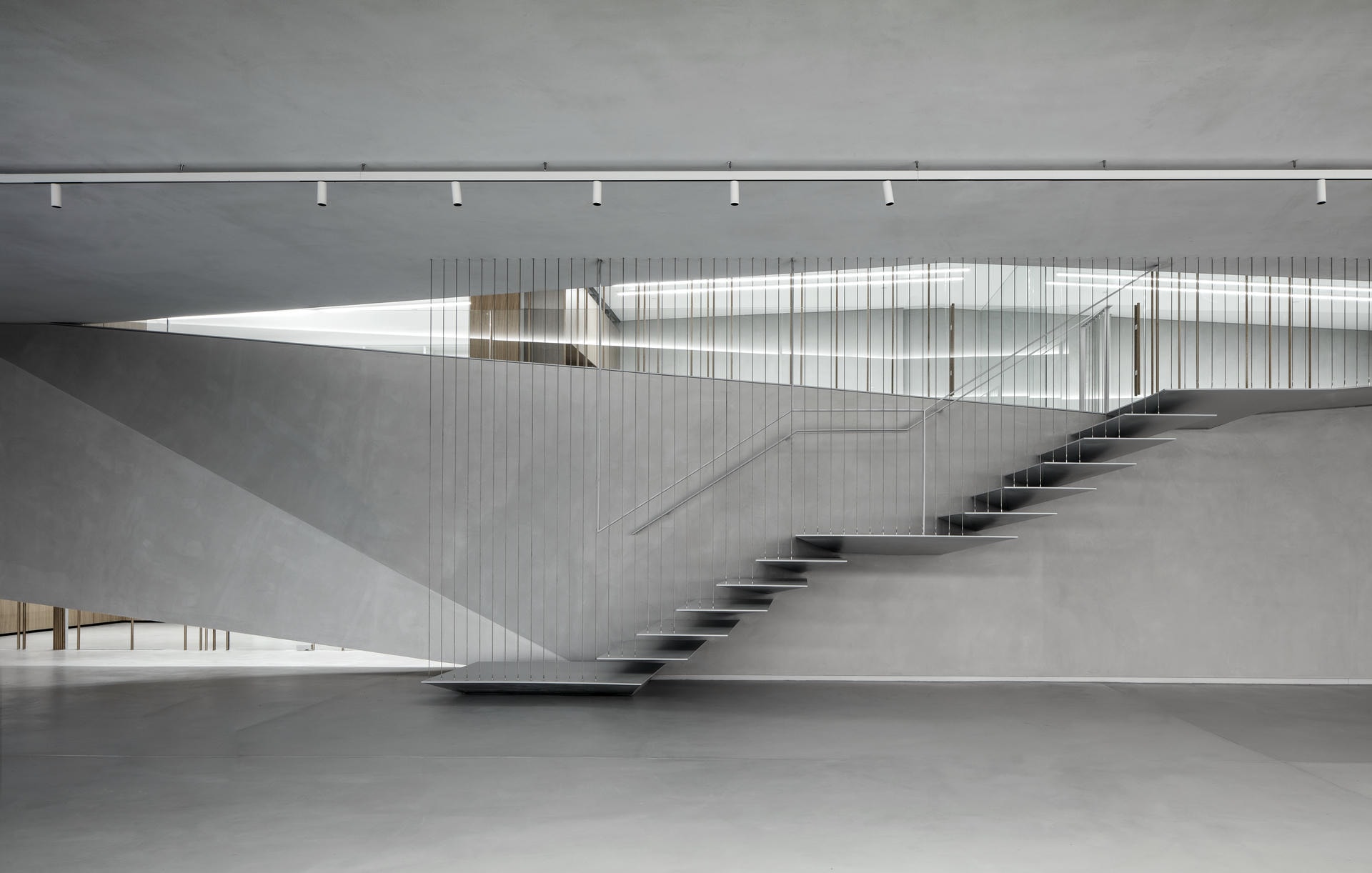
I love the beginning of a project. The layout phase is like a game or a puzzle that slowly reveals itself. It is the moment when the project comes alive, and everything starts to make sense.
Once the concept is clear, I usually know what the project wants to become. The rest of the process—from drawings to construction—is much more demanding and filled with practical problems that need to be solved. Of course, that is part of architecture, but if I had to choose, I would always choose the excitement of creating over the challenges of executing.
Carol Penthouse, courtesy Baranowitz & Goldberg Architects © Amit Geron
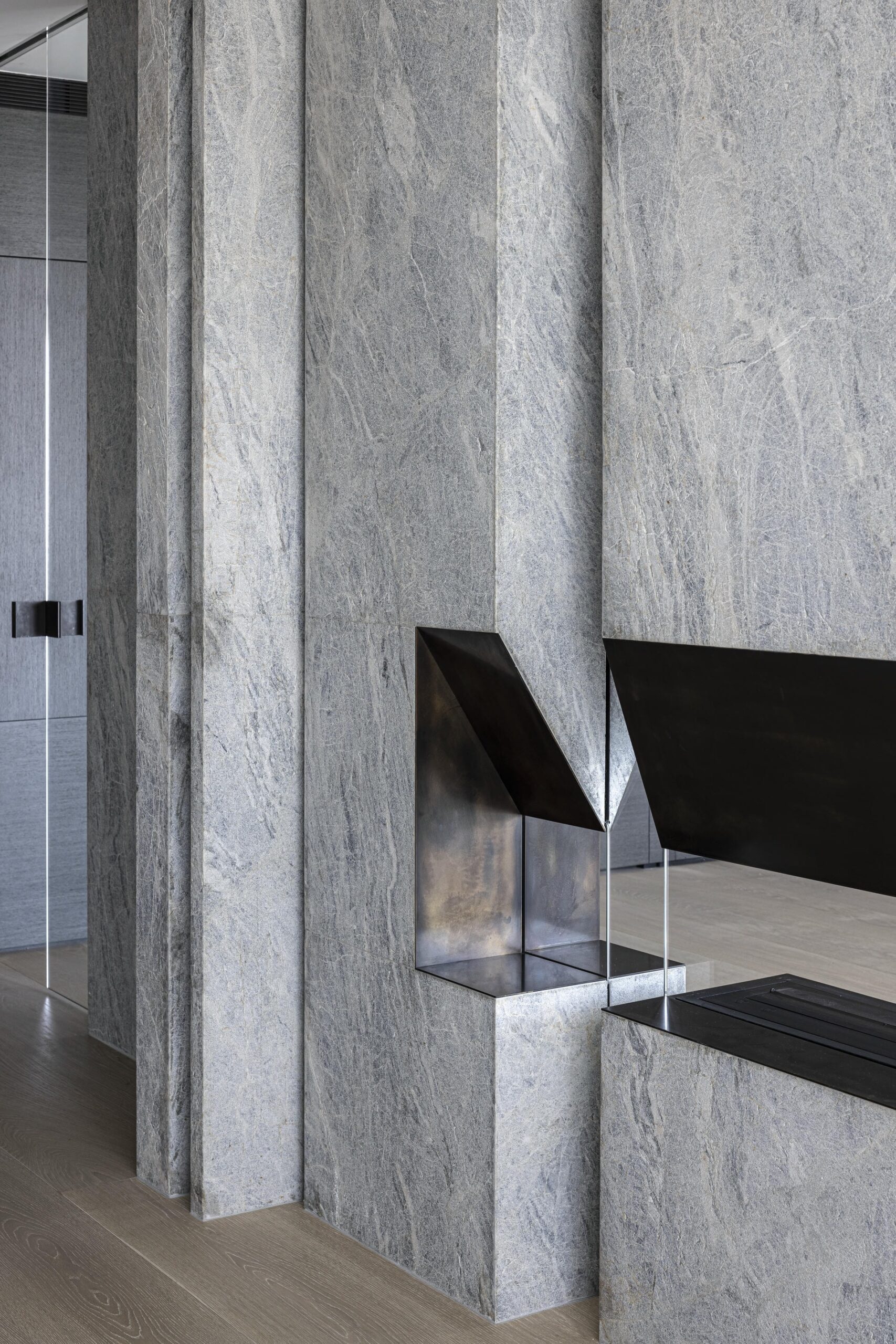
To say the maximum with the minimum.
It is a principle that guides everything I do. I am always searching for the greatest emotional impact through the most essential gestures. Simplicity, precision, and balance are not limitations—they are the tools that allow a project to speak clearly.
I think many contemporary buildings have forgotten how to surprise us.
They are often efficient, rational, and technically sophisticated, but they rarely create wonder. Some of the buildings I admire most continue to move people hundreds of years after they were built.
Architecture should do more than function well. It should create emotion, curiosity, and memories. It should make us feel something.
Don’t be afraid, be brave, go all the way.

Thank you so much Irene, for this lovely interview!
Share article :