Katherine Chia
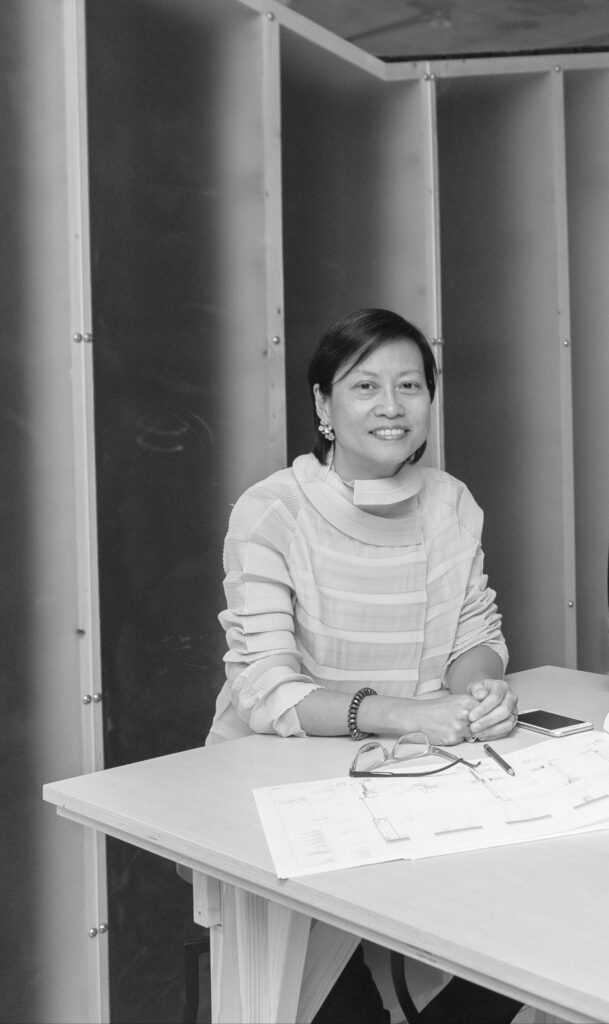
Katherine Chia, FAIA, is an architect and co-founder of Desai Chia Architecture, a New York-based practice she established with Arjun Desai in 1996. Known for its thoughtful approach to materials, natural light, and the relationship between architecture and its surroundings, the firm works across residential, cultural, and commercial projects, as well as product design and collaborations with artists. Its work emphasizes simplicity, sustainability, and the creation of spaces that respond to both their environment and the people who inhabit them. Desai Chia Architecture has received numerous distinctions, including the AIA Institute Honor Award, and was named Best Small Architecture Firm at the 2025 Architizer A+ Awards.
Chia earned her Master of Architecture from the Massachusetts Institute of Technology (MIT) and her Bachelor of Arts from Amherst College. Before establishing her own practice, she worked with artist and architect Maya Lin on a range of art and architecture commissions. Alongside her architectural work, Chia has been actively involved in education and cultural institutions, having taught at Parsons The New School of Design and served in leadership roles at the Van Alen Institute and AIA New York. She currently serves on the boards of the Center for Architecture and the International Center of Photography and is a Trustee Emerita of Amherst College.
“I always want our projects to be enduring and inspiring– a building should provide a sense of renewal each time one returns to it.”
INTERVIEW

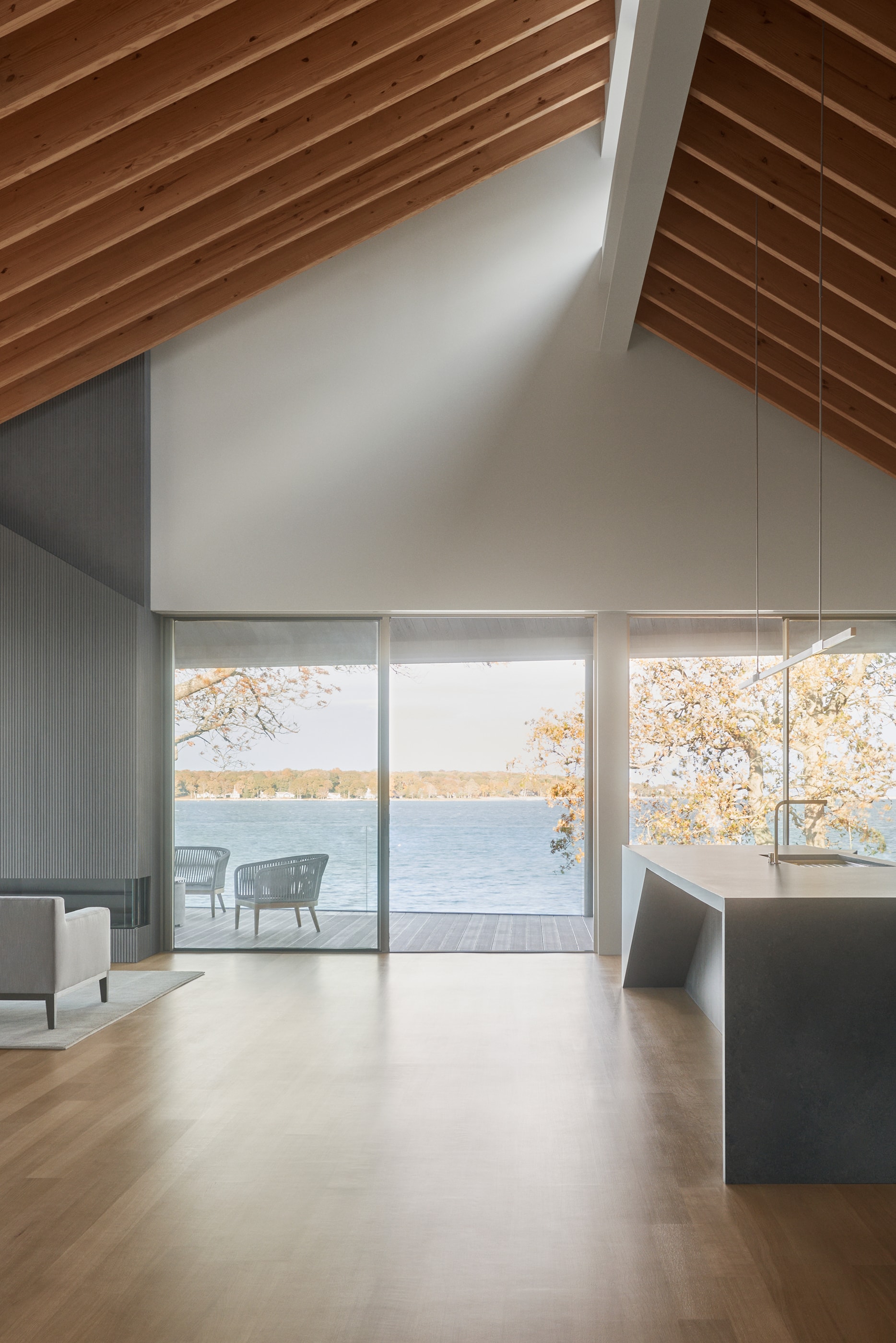
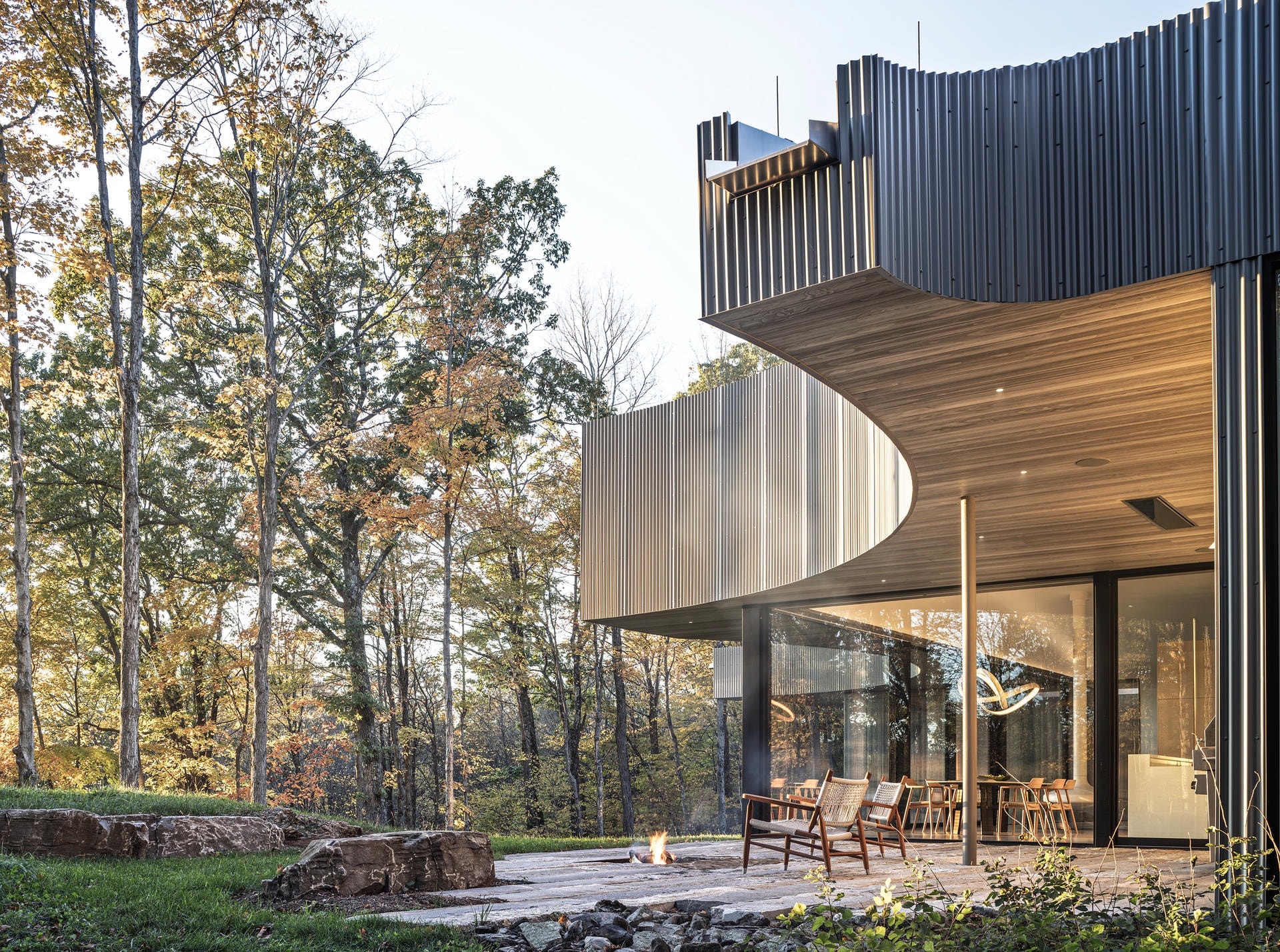
Chatham Residence © Paul Warchol
My childhood was filled with making– my mother taught me how to sew so I could make my own clothes, my grandfather and I would spend hours on woodworking projects in his workshop, and I enjoyed drawing and painting as well.
I started off in college as a math major and then switched to a fine arts major– in the end, I merged math and fine arts into a path toward a career in architecture.
I think of myself as a closet archaeologist, digging into the history and essence of a client’s background. I ask: what motivates them, what inspires them, what are the successes and challenges they have faced? These questions apply to all clients, large or small, regardless of whether they have asked us to design a single-family home, a large workplace, a culturally-specific museum, or an educational experience for a large community of students.
The first conversations with a client reveal the foundational beliefs and motivations for the meaning of a place. The physical site itself also offers a lot of inspiration for the design– the “genius loci”, or spirit of place, reveals nuances that are inherently special to that particular location.
The dictionary definition of “style” is a particular manner or technique by which something is done, created, or performed. Our work continues to evolve, so instead of defining our work as a style, I prefer to describe themes that influence our design thinking but don’t hem us into one way of designing.
Movement, light, structure, material expression, collaboration, community, resilience, enduring architecture– these are all themes embedded in our work. With each new project, we continue to explore these themes while investigating new formal and structural strategies, materials, and ways of engaging architecture with light. We are always thinking about ways in which architecture can build community and support collaboration while also connecting people to nature.
It is very hard to choose favorites since there are so many amazing buildings that inspire me for different reasons! I appreciate both the simple and the sublime. I lean toward architecture that is connected to its place in its siting, use of materials, and the way it enriches people’s lives both in the past and in the present.
I think it’s so important to experience architecture in person in order to see how a building works & performs, how it engages with its surroundings and the lighting conditions of the region, and how the materials and forms weather over time. So I try to travel to new places at least once a year and immerse myself in the local art and architecture to absorb the creative inspirations from a particular place.

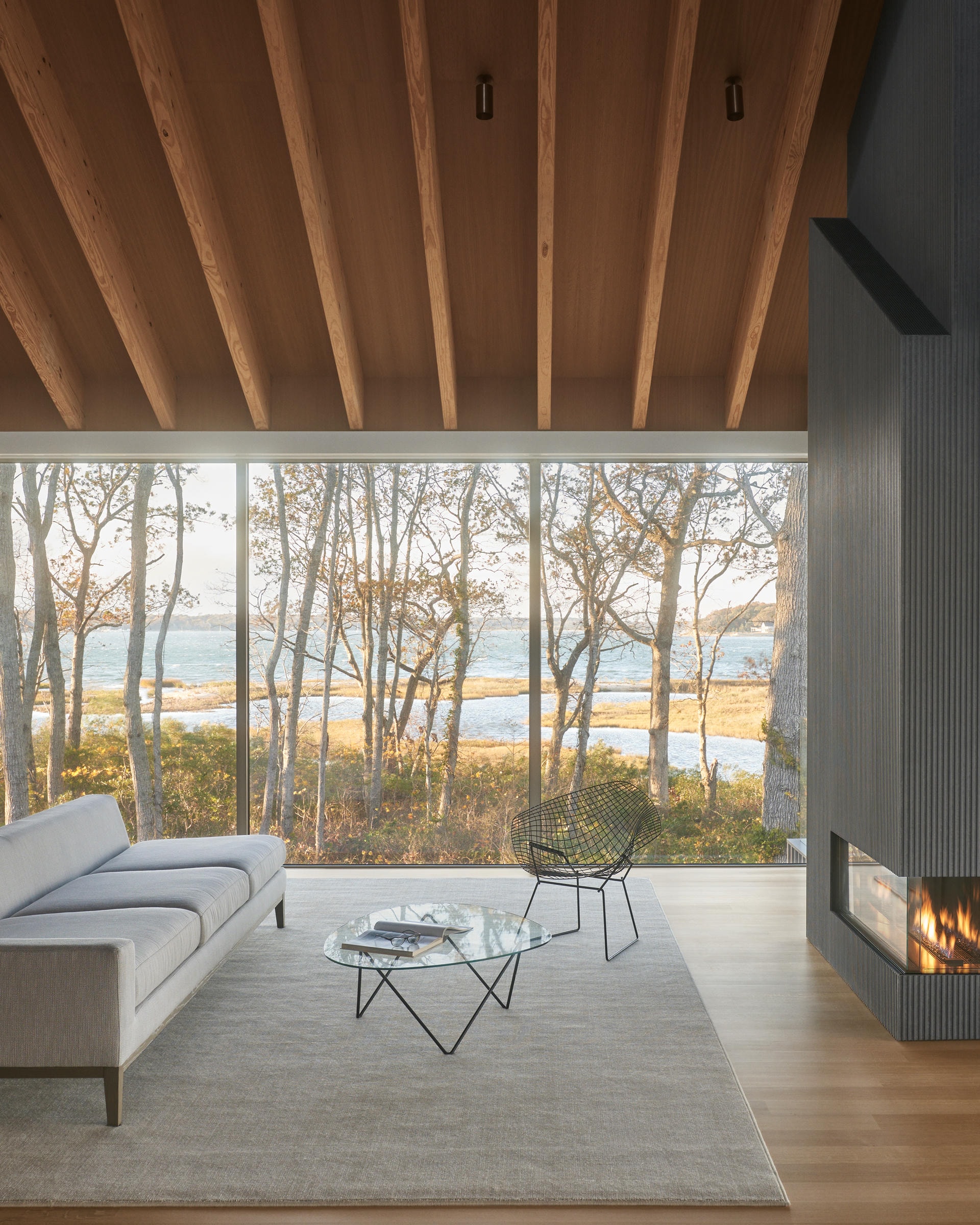
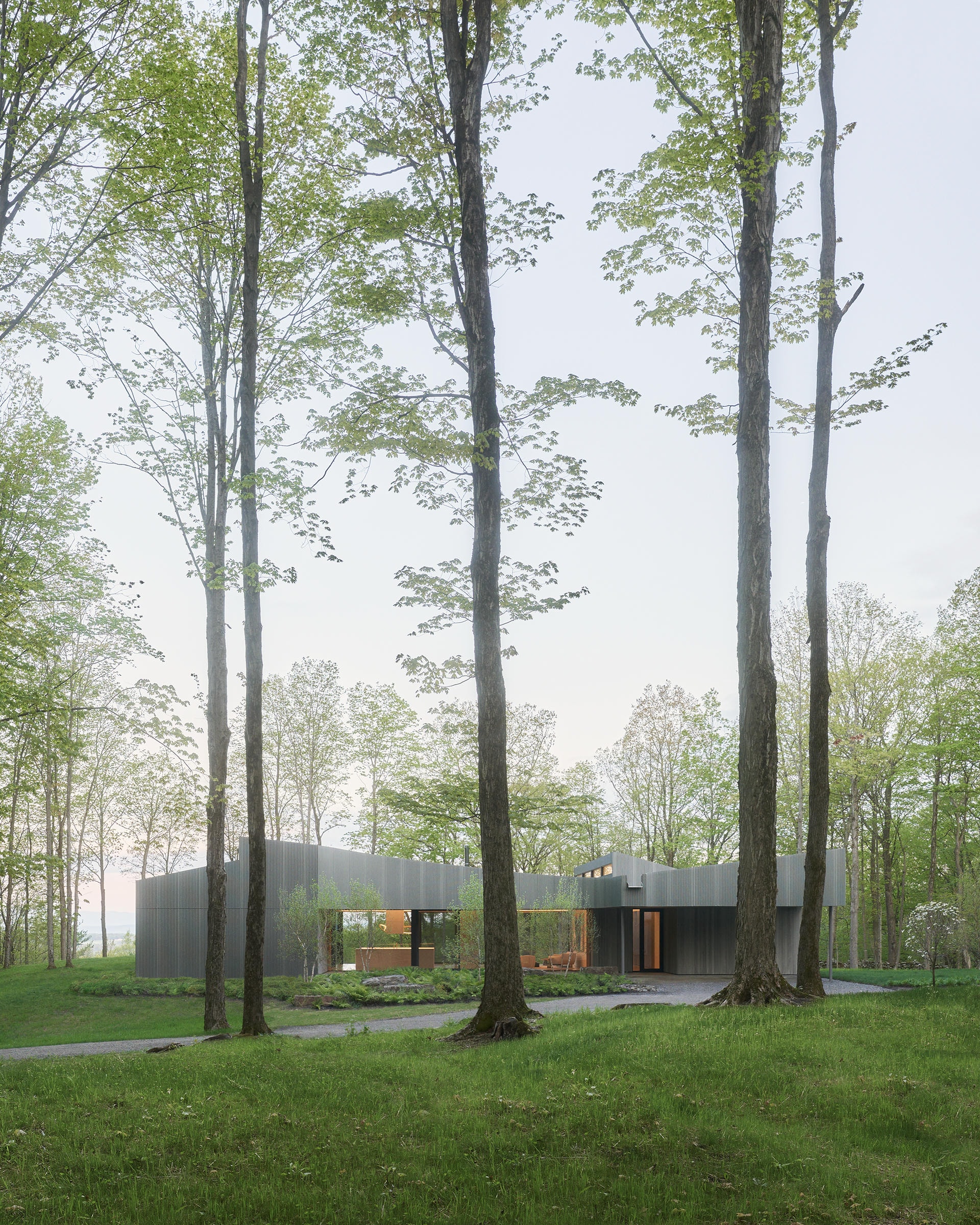
Chatham Residence © Jake Balston

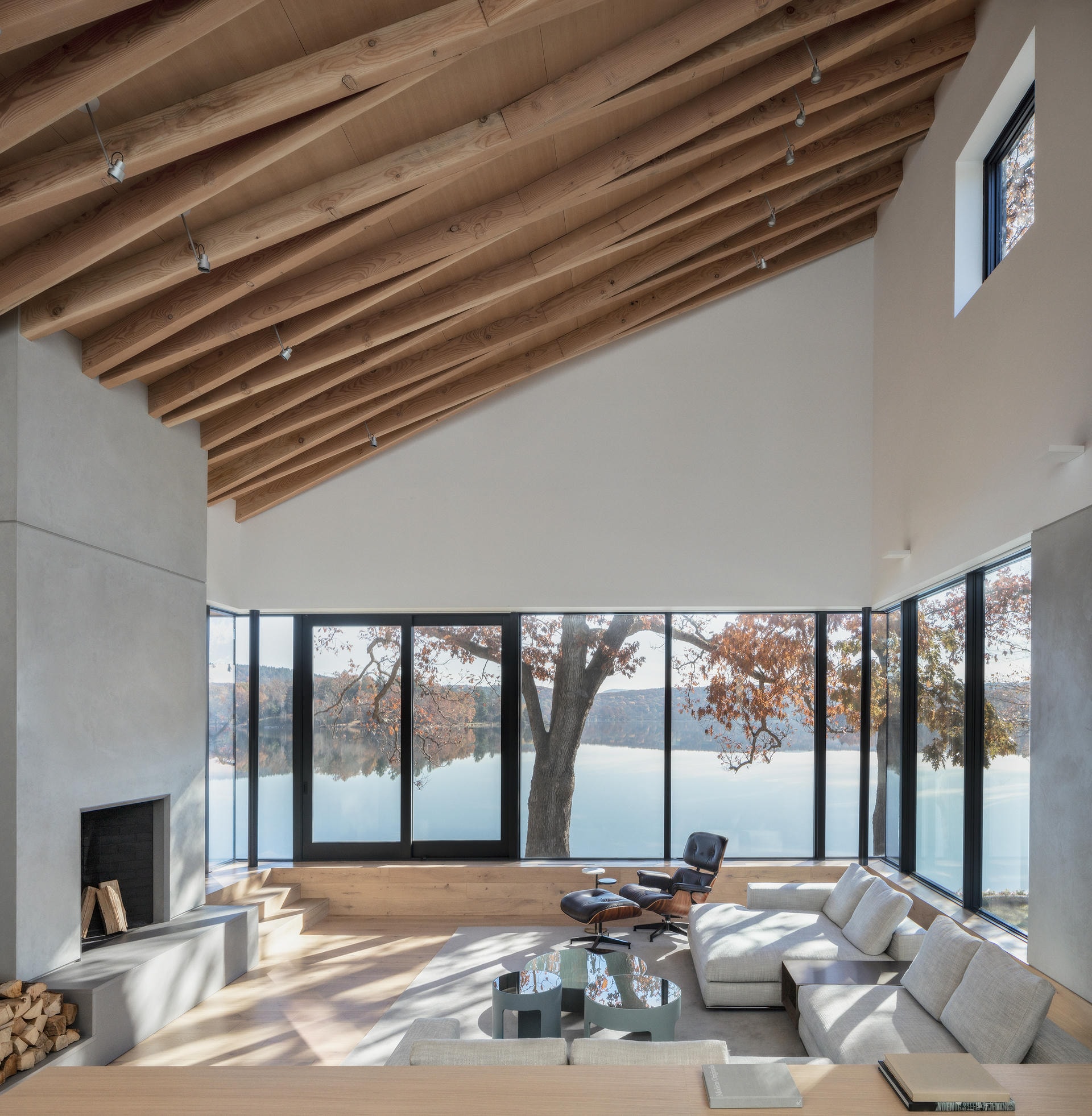
Copake Lake House © Paul Warchol
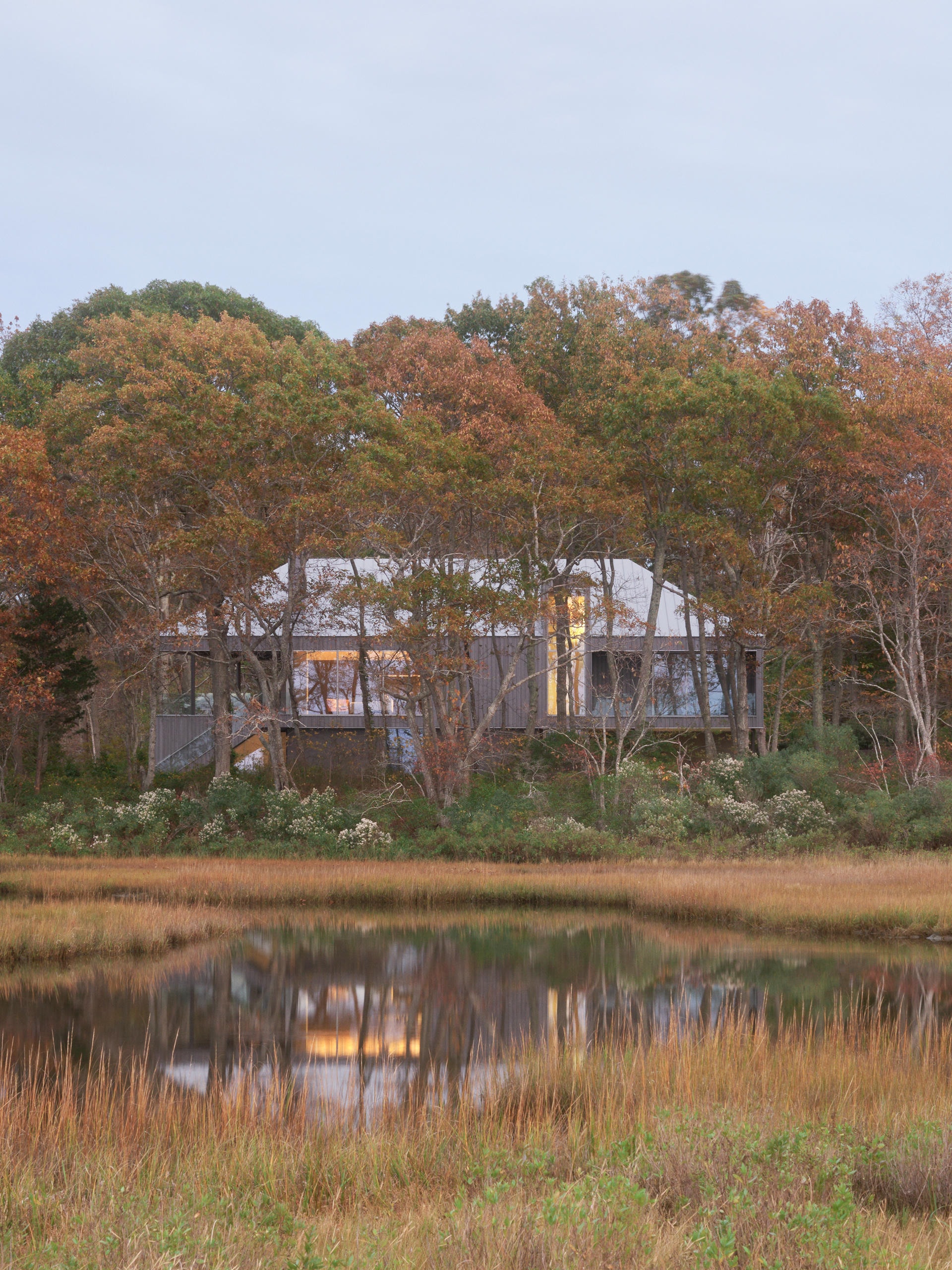
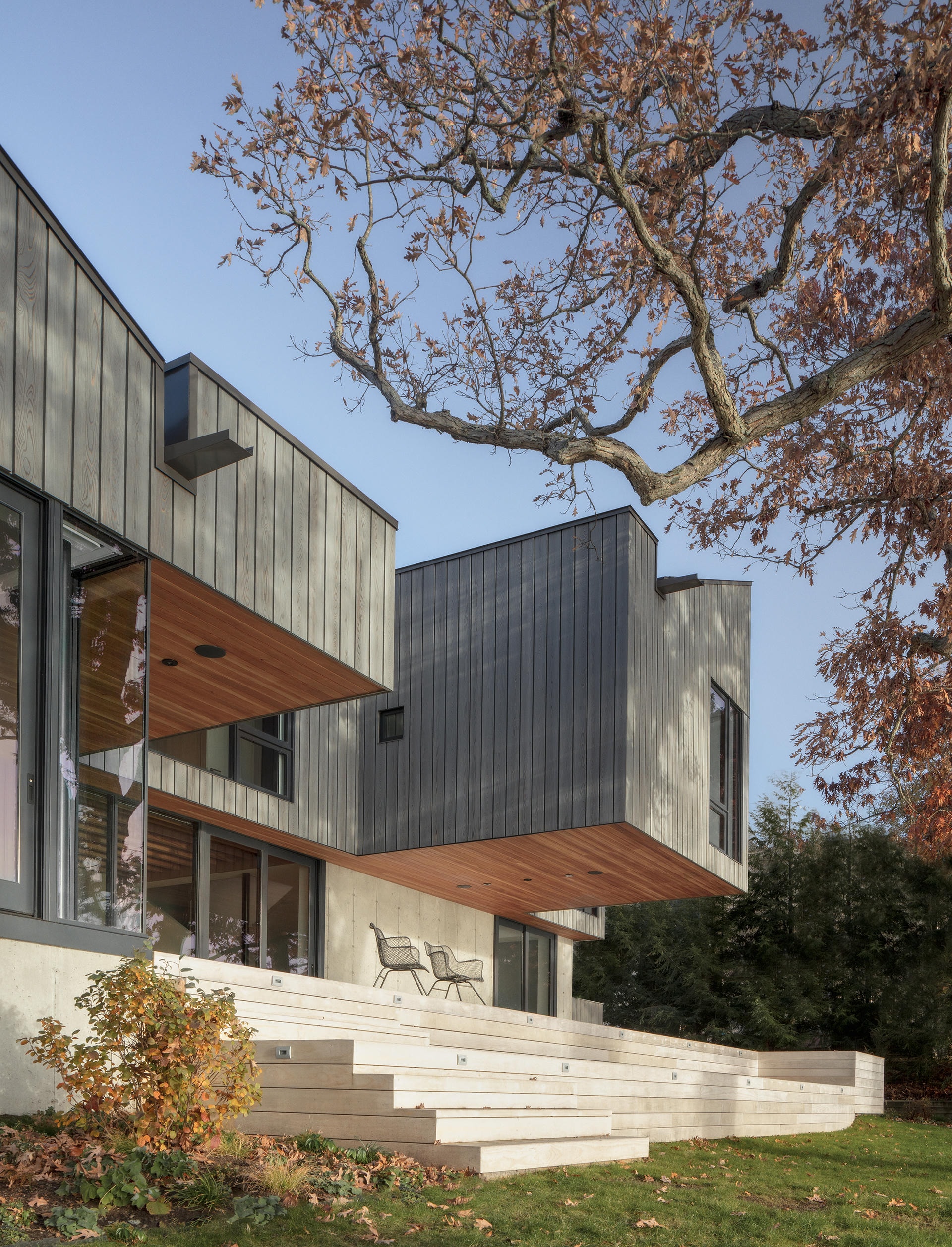
The Chatham Residence is a recent project in which many of our design themes coalesced in a way that was quite profound. The forest tree canopy informed the design of the home, and the building itself embraces the ridgeline and the surrounding trees. A series of arc-ed cantilevers mimic the shape of leaves that we found on site– these broad overhangs provide shade below and create playful shadows on the ground, both inside and outside of the home.
Corners of the roof culminate in three custom scuppers that manage stormwater runoff. They channel the water into drywells and rain gardens around the property. This method of rainwater management protects the site from erosion and sustains the native ecosystem of plants and pollinators.
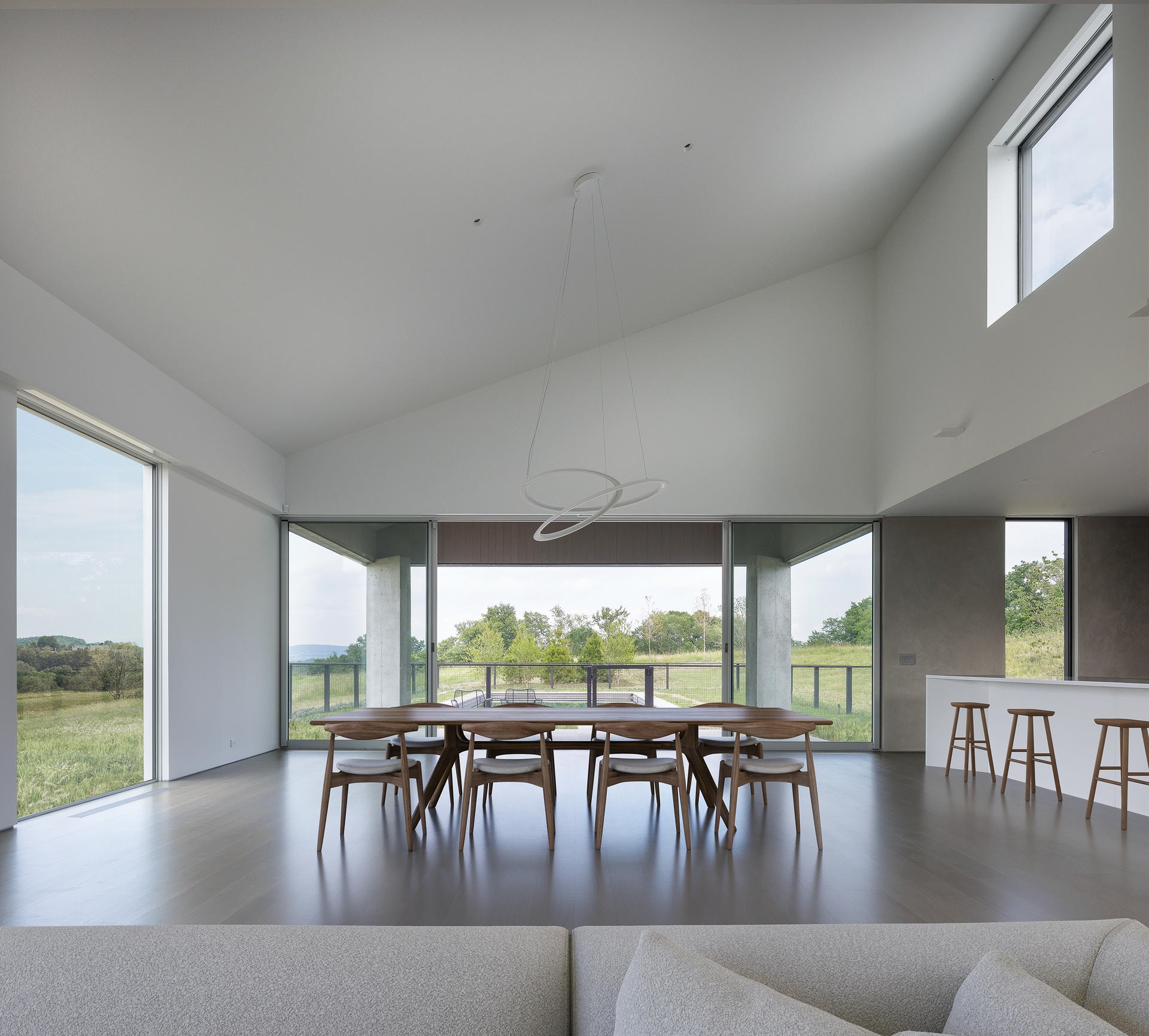
Corrugated aluminum siding sculpts the facade with minimalist precision as light plays across the curved surfaces throughout the day. The durability of this material makes the home extremely resilient to climate conditions throughout the year (which was an important client criterion). The interiors of the home are bathed in light from vaulted clerestories and coved ceilings. During construction, the project expanded to include a greenhouse for thirty varieties of fruits and vegetables; a barn and pastures for raising eighty goats, sheep, chickens, and mini donkeys; and a guest house that includes wellness and fitness activities.
Working as an architect requires a lot of stamina– it’s a complex profession that requires a lot of expertise in many related fields. I am energized by all of that, so I have accepted that being an architect requires one to embrace both the good and the tough aspects of the work.
I live in New York City, which is a constant source of inspiration– both the diversity of people as well as the richness of the cultural institutions. I draw a lot of architectural inspiration from the art world, so visiting museums and galleries helps me to synergize ideas across creative disciplines.
I always want our projects to be enduring and inspiring– a building should provide a sense of renewal each time one returns to it.
I am always grateful when a client tells me – years after a project is finished– that they are still invigorated by the design and that they have been able to experience the architecture in powerful ways that they never imagined.

Stanfordville Residence © Paul Warchol
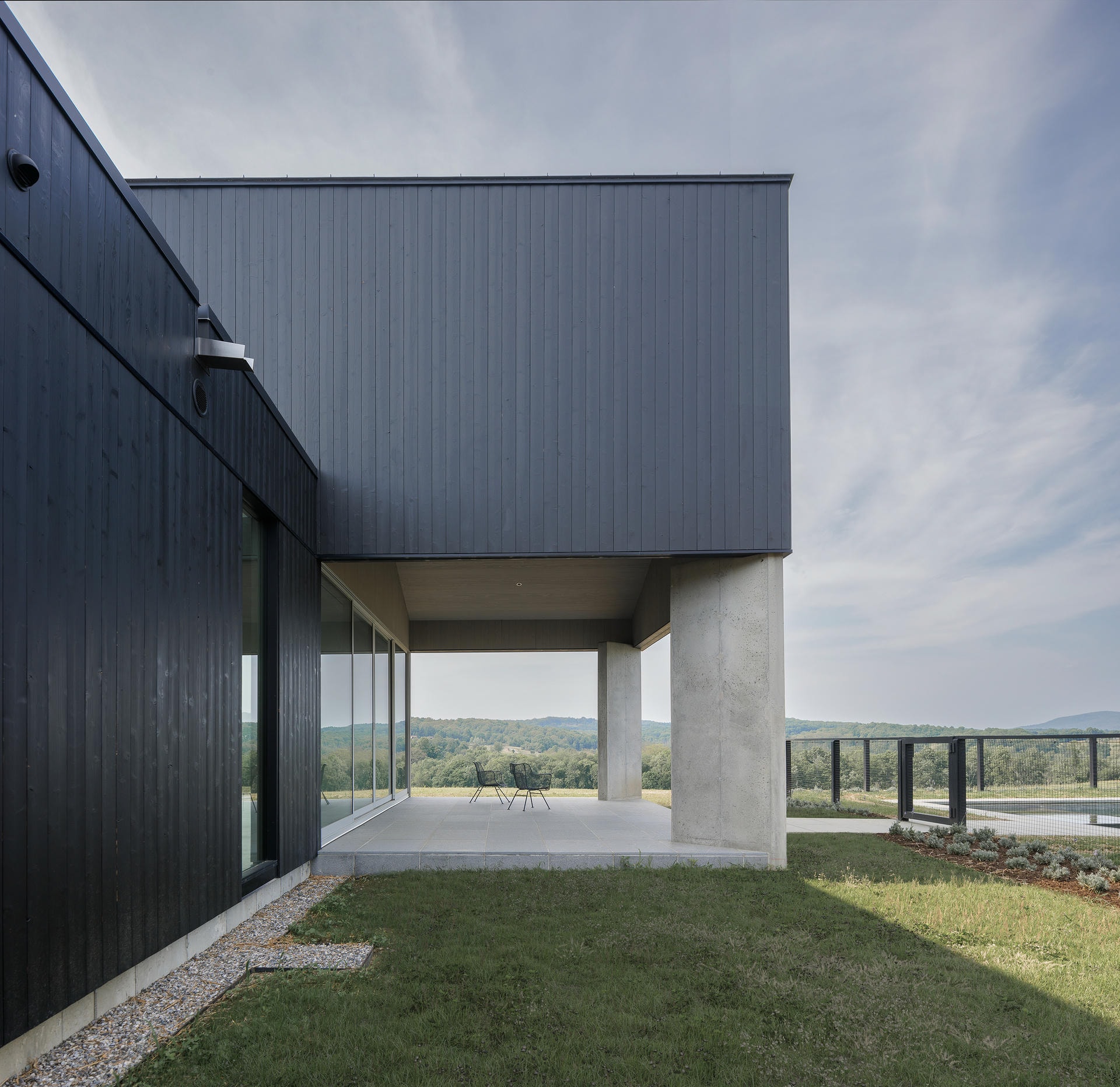

Ledge House © Paul Warchol
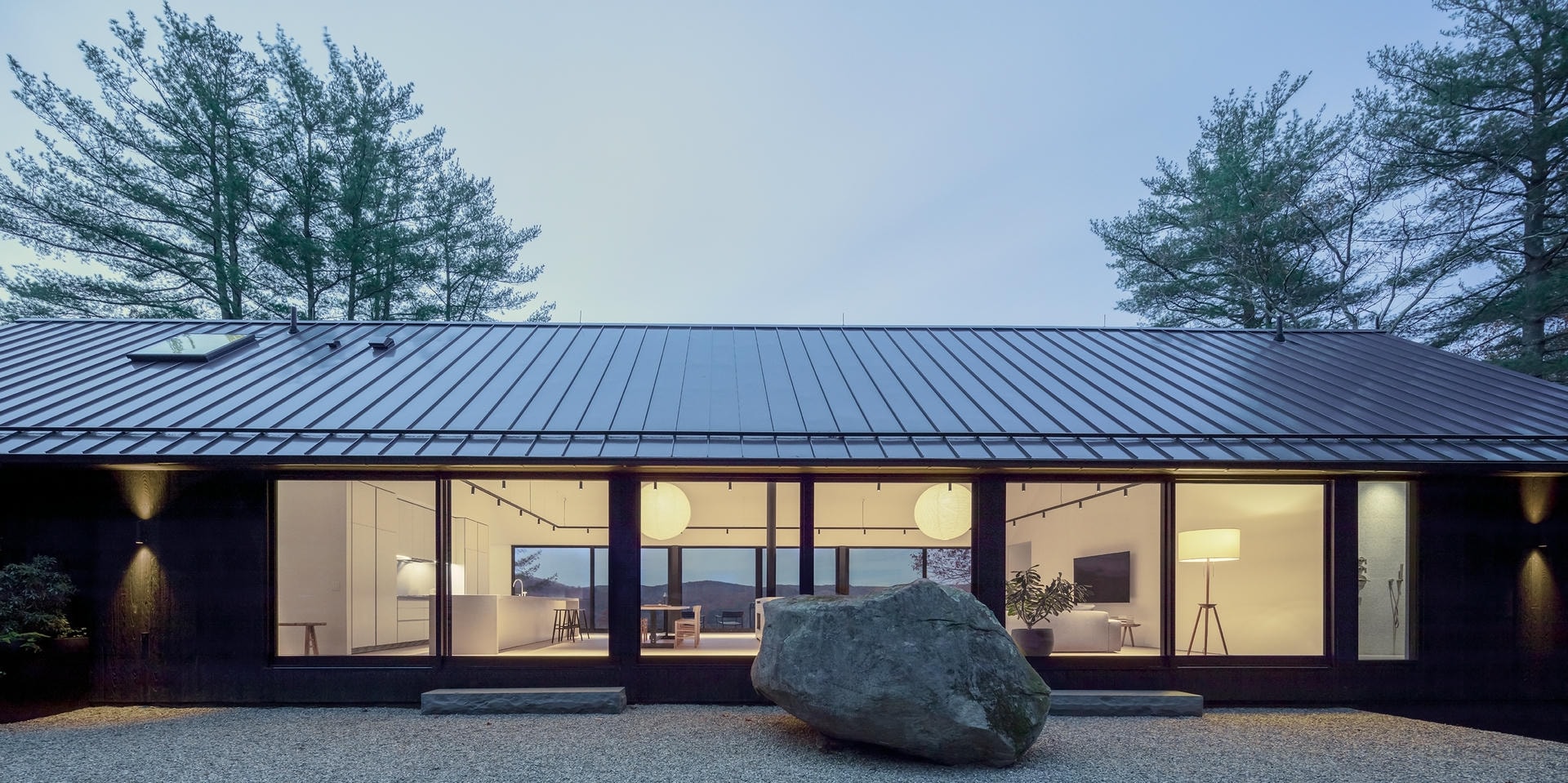
Chase the Details.
In addition to the residential, commercial, and academic projects in the office, we are working on two museum projects.
The museum projects are allowing me to fuse my passion for art and architecture in a really meaningful way by creating exhibit spaces and community destinations that support creative dialogue and learning.
Architecture will always be defined by the craft of making. I do worry about the changing expectations of craftsmanship and authentic design.
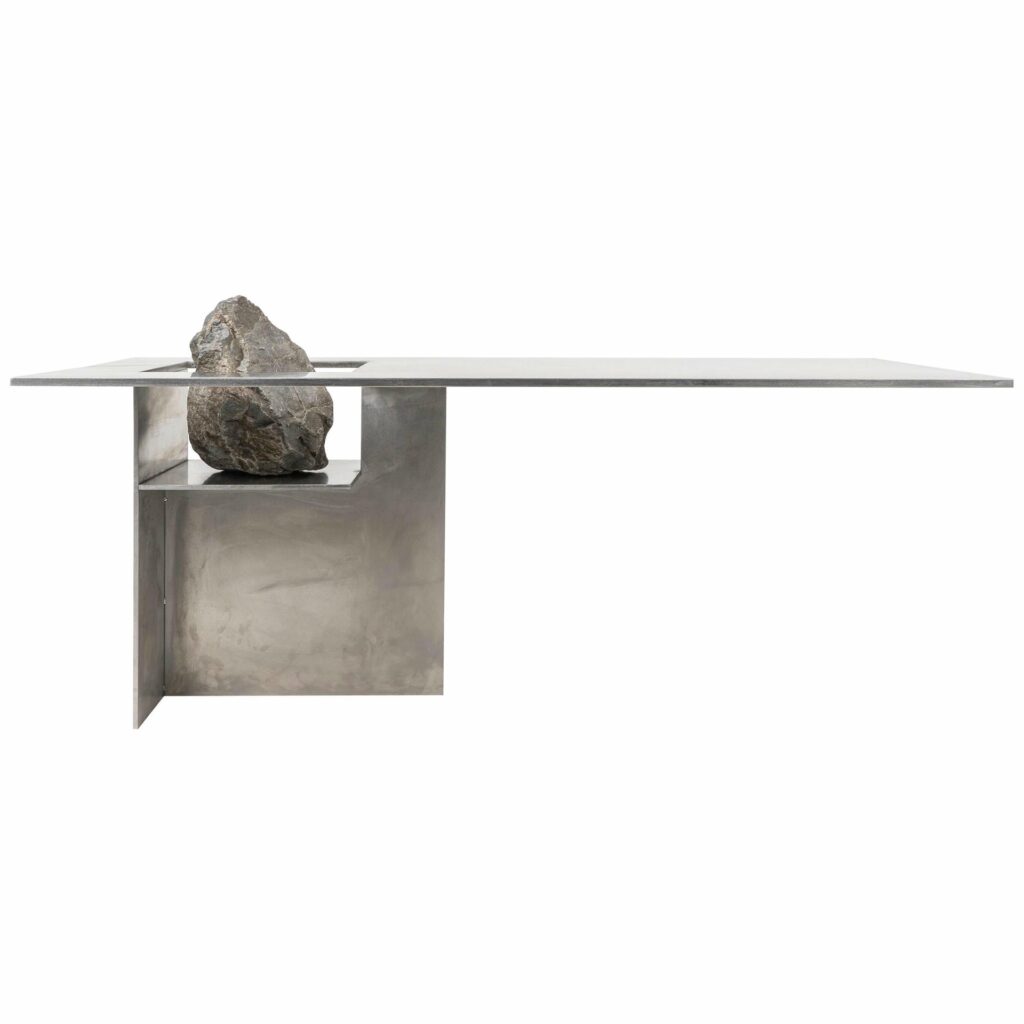
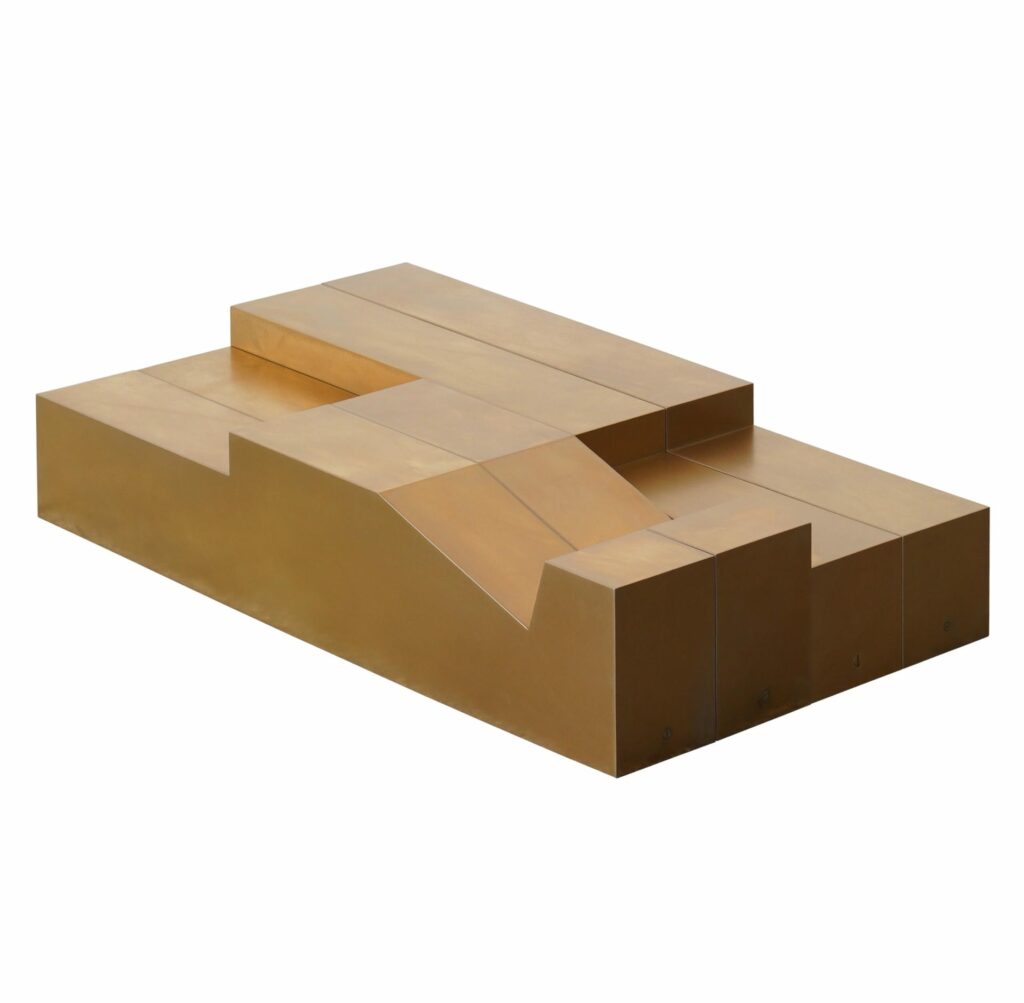
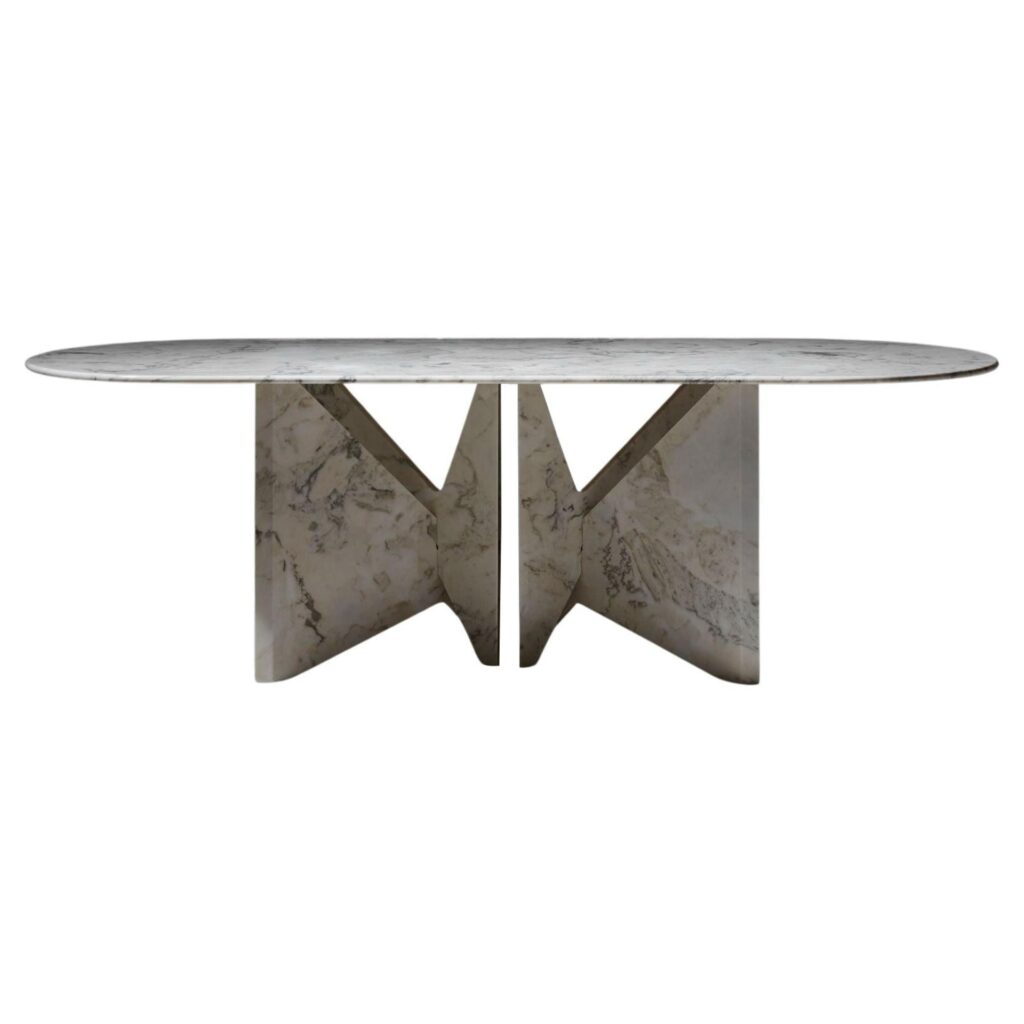
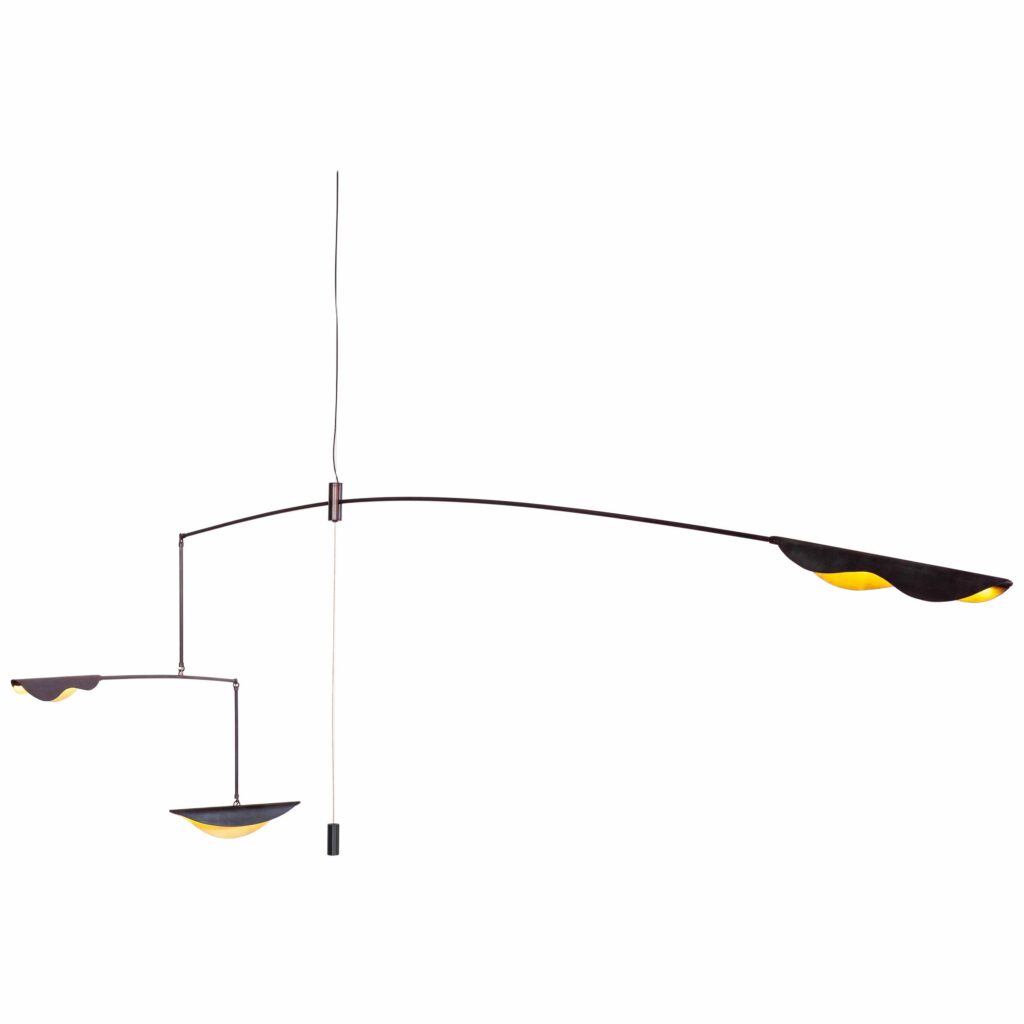
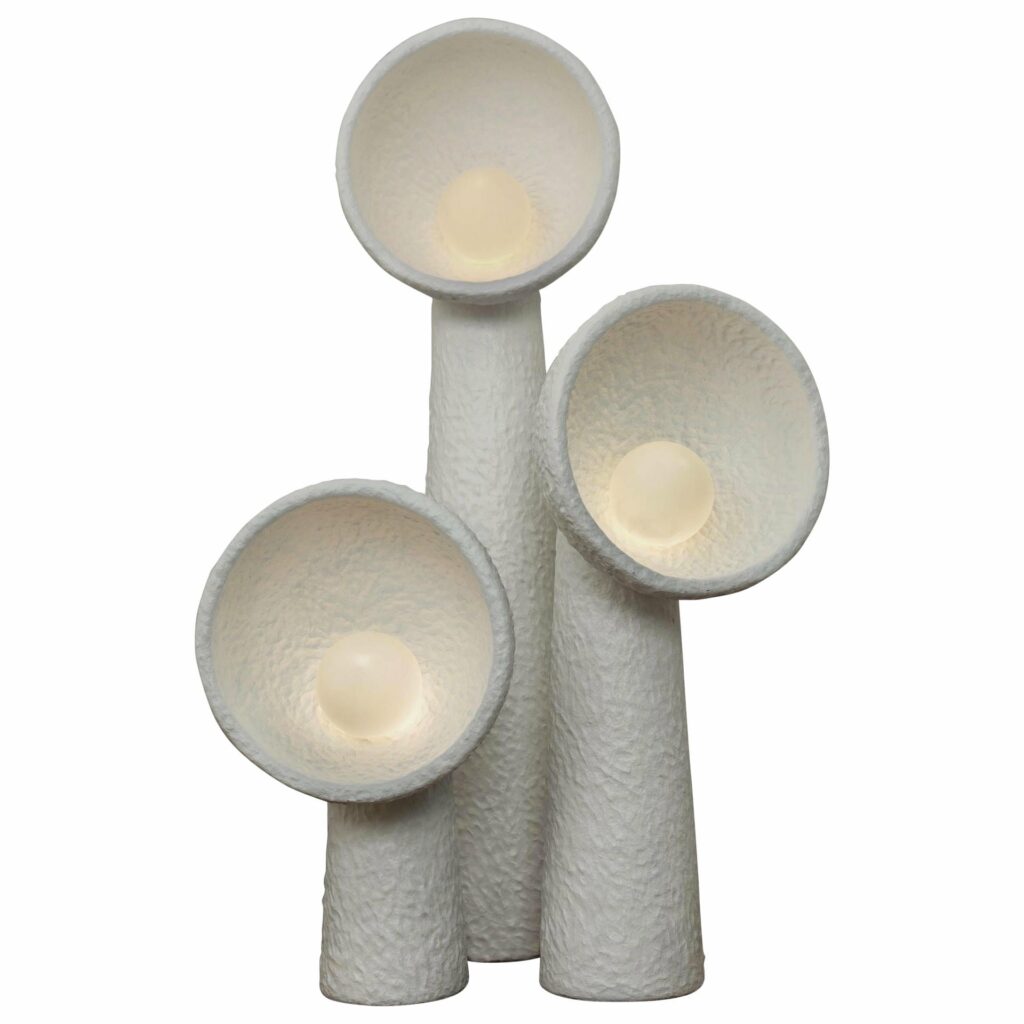
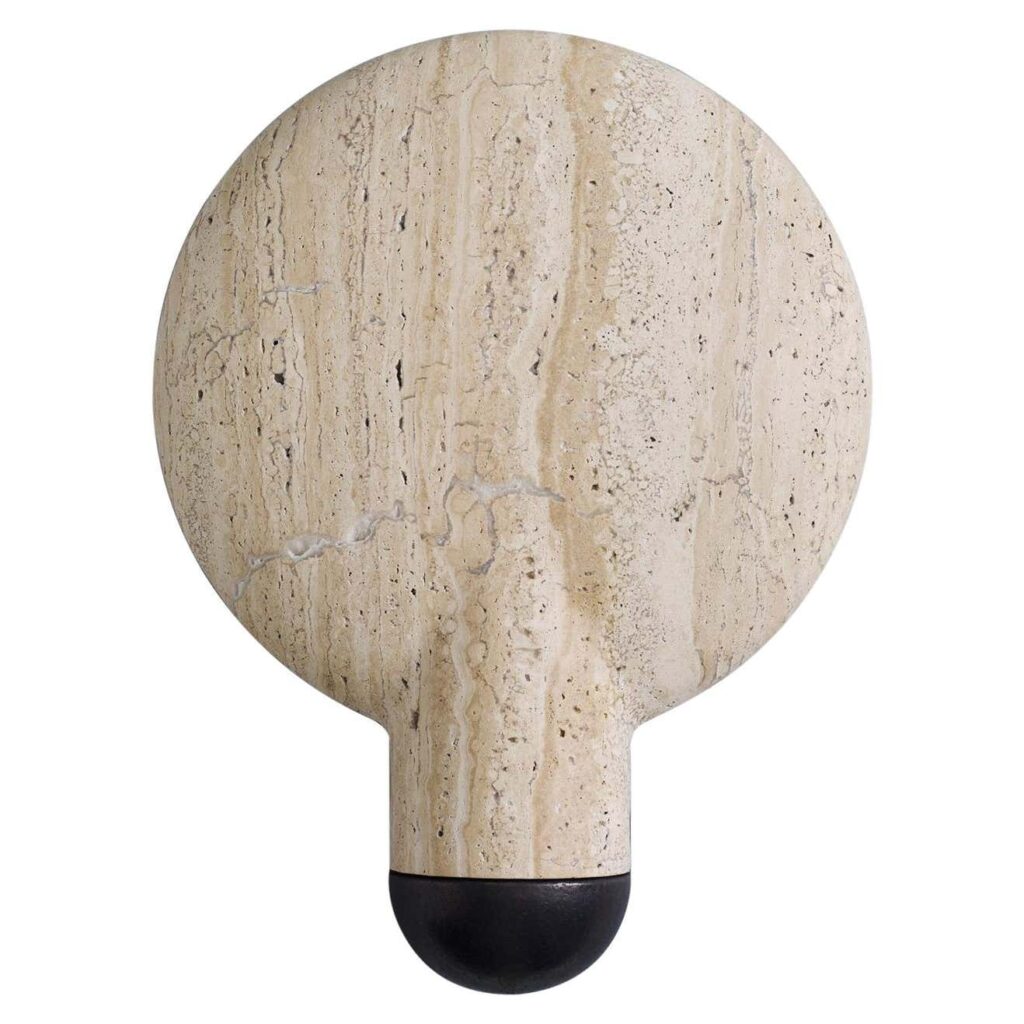
favorite pieces from the Philia Collection
So many intriguing and beautifully made pieces to choose from! Here are a few that captivated me.
Thank you so much Katherine, for this lovely interview!
Share article :