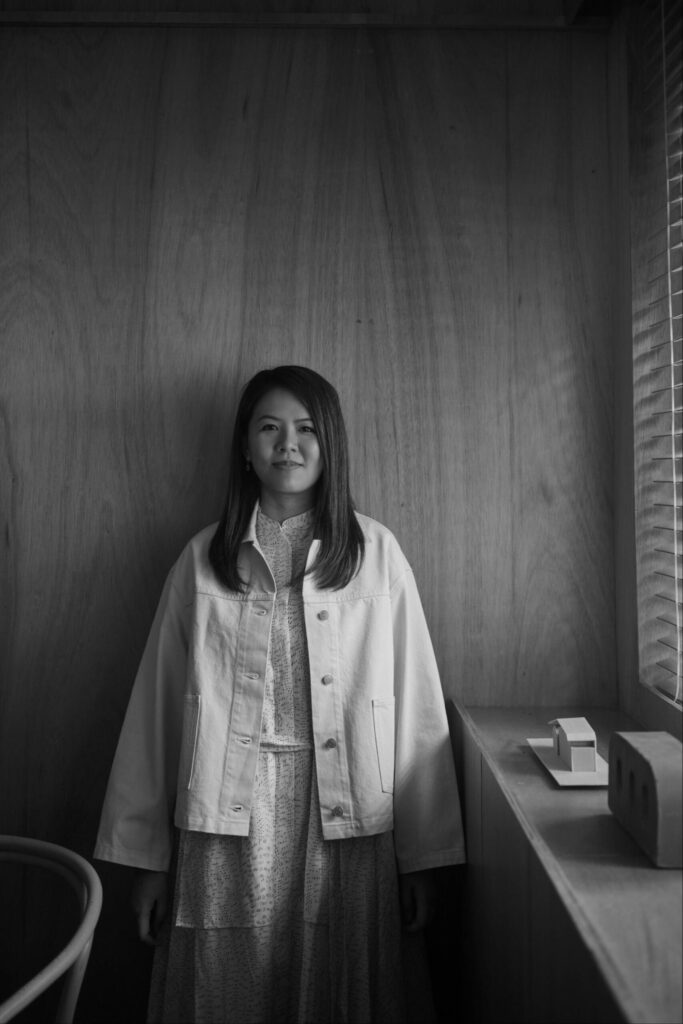
Lim Shing Hui
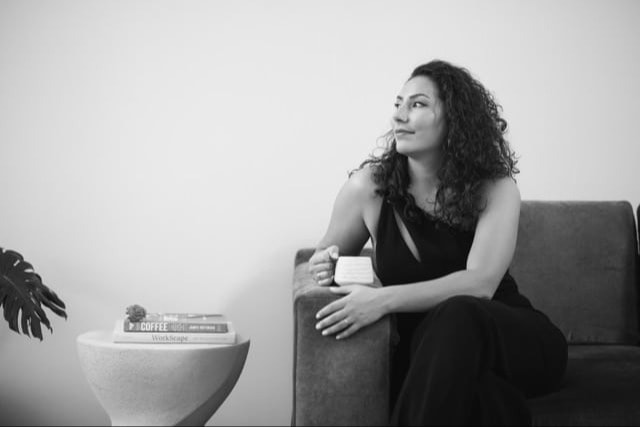
Lim Shing Hui is the founder and principal architect of L Architects, a Singapore-based practice she established in 2016. Born, raised, and educated in Singapore, her work is grounded in a sensitive and intuitive approach to space, with a particular interest in how architecture can foster emotional connection and a sense of intimacy in everyday environments.
Before founding her own practice, she gained experience working in established local firms, shaping a foundation that combines technical precision with a more exploratory, human-centred perspective. Through L Architects, she has developed a body of work that is both restrained and expressive, often characterised by a careful attention to materiality, light, and spatial narrative.
Her projects have received both local and international recognition. In 2022, she was awarded the SIA Design of the Year, becoming the youngest recipient to date. In 2024, L Architects was selected by Wallpaper* as one of 20 emerging practices worldwide to join its Architects Directory. More recently, the studio’s “In a Park” project received the Small Residential Interior of the Year award at the Dezeen Awards 2025, marking a significant milestone for a Singaporean architectural practice on the global stage.
“Architecture, for me, is about uncovering and strengthening the quiet qualities that already exist in daily life.”
INTERVIEW

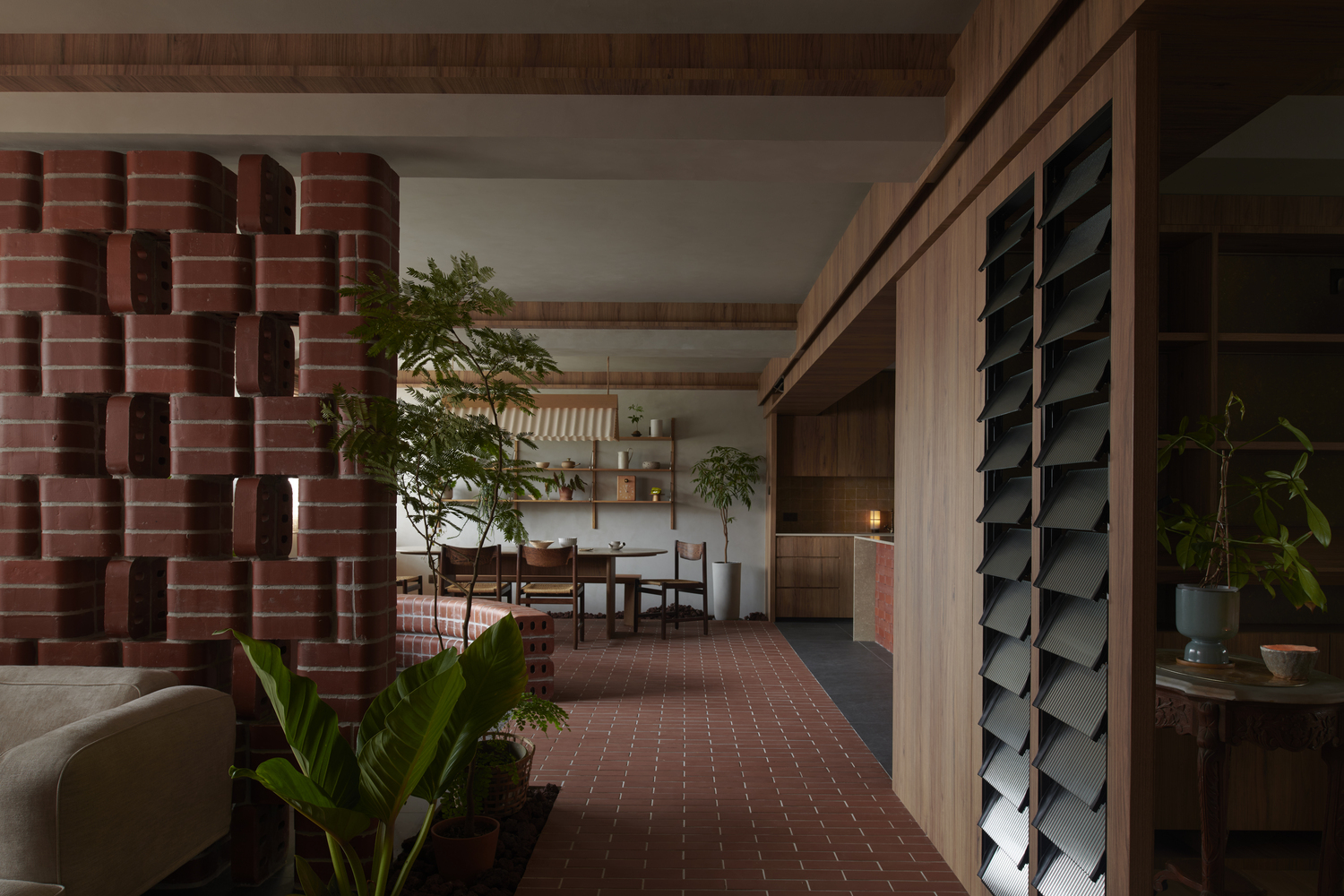
In a Park © Jovian Lim
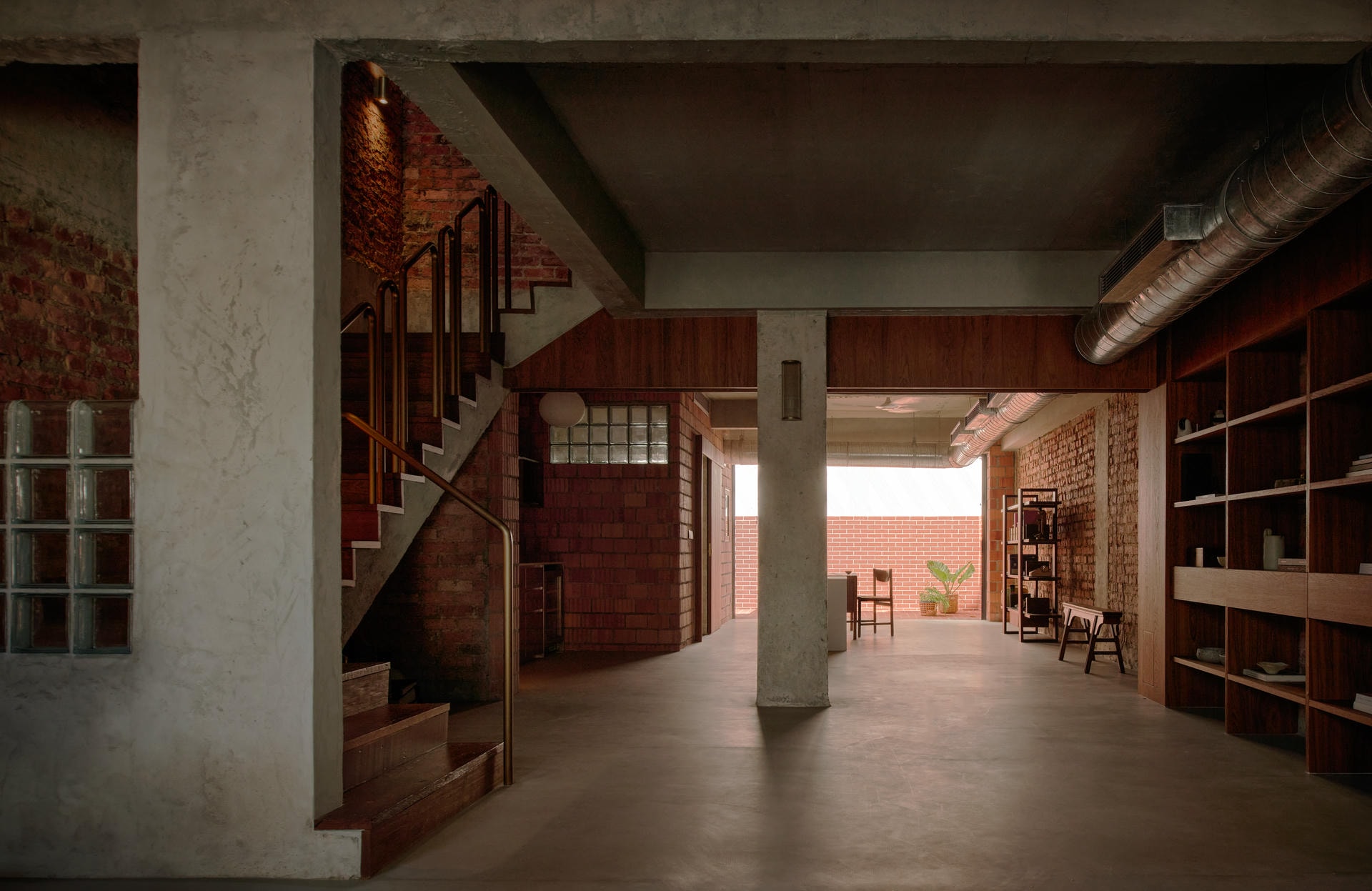
To be honest, I am proud of all of our projects — ha ha. I think we have created them with the same amount of sincerity from start to end. But if I really had to pick one, the project closest to my heart would be A Brick and Mortar Shop, where we experimented a lot with simple materials.
My father is an interior contractor, yet in his youth, he aspired to become an artist. Circumstances, however, intervened: my grandfather did not have the means to support his art education abroad. Though this path remained unrealized, my father’s sensitivity to art, craft, and making deeply shaped my own upbringing.
Through his work, I was introduced to the world of materials, space, and design at an early age compared to my peers. My affinity for nature and the arts grew naturally from these experiences, quietly guiding my sensibilities over time. In this sense, architecture did not emerge as a sudden choice, but as an inevitable convergence of inherited aspirations, early exposure, and personal inclination.
As a contextual designer (meaning my work is largely inspired by what we see and feel on site), I do spend quite a bit of time there, often to find an emotional connection. Sometimes, I mentally prepare myself before entering a project site by emptying any preconceived thoughts or notions of similar typologies. In this way, I feel I can be my most authentic self, and that my contribution to the project becomes more meaningful. From there, we share our thoughts with our clients and shape the project brief together.
I feel that our work doesn’t have a fixed design style. I believe that sticking to one specific style would limit our creativity and flexibility. My team and I prefer to work with fewer defined boundaries, allowing us to explore different directions for each project. I think creative freedom is what fuels us the most.
Last year, I travelled to Germany to visit the Bruder Klaus Chapel, designed by Peter Zumthor. The heavy steel door pivots slowly to open into the chapel’s nave, and strangely, I found myself enjoying its weight. It made you open it carefully, almost as if preparing yourself mentally and emotionally before entering the space.
After leaving the chapel, I couldn’t stop thinking about it, and it made me reflect on the way we practice as architects today.
The part of my work as an architect that I enjoy the least is the amount of paperwork we have to do — but I know it is an absolute necessity. While I don’t particularly enjoy this task, it helps keep me grounded as a designer. I have learned to take it in stride.
I find my inspiration in traveling and exploring nature. It always refreshes me and gives me a new perspective. Every time I spend time outdoors, I begin to notice the small details that often go unnoticed in daily life.
There is something about being in nature that grounds me and helps me reconnect with my creativity as a designer.
Finding value in the ordinary — whether in a simple object or an unremarkable building that only needs care and renewal. For me, architecture is about uncovering and strengthening the quiet qualities that already exist in daily life.

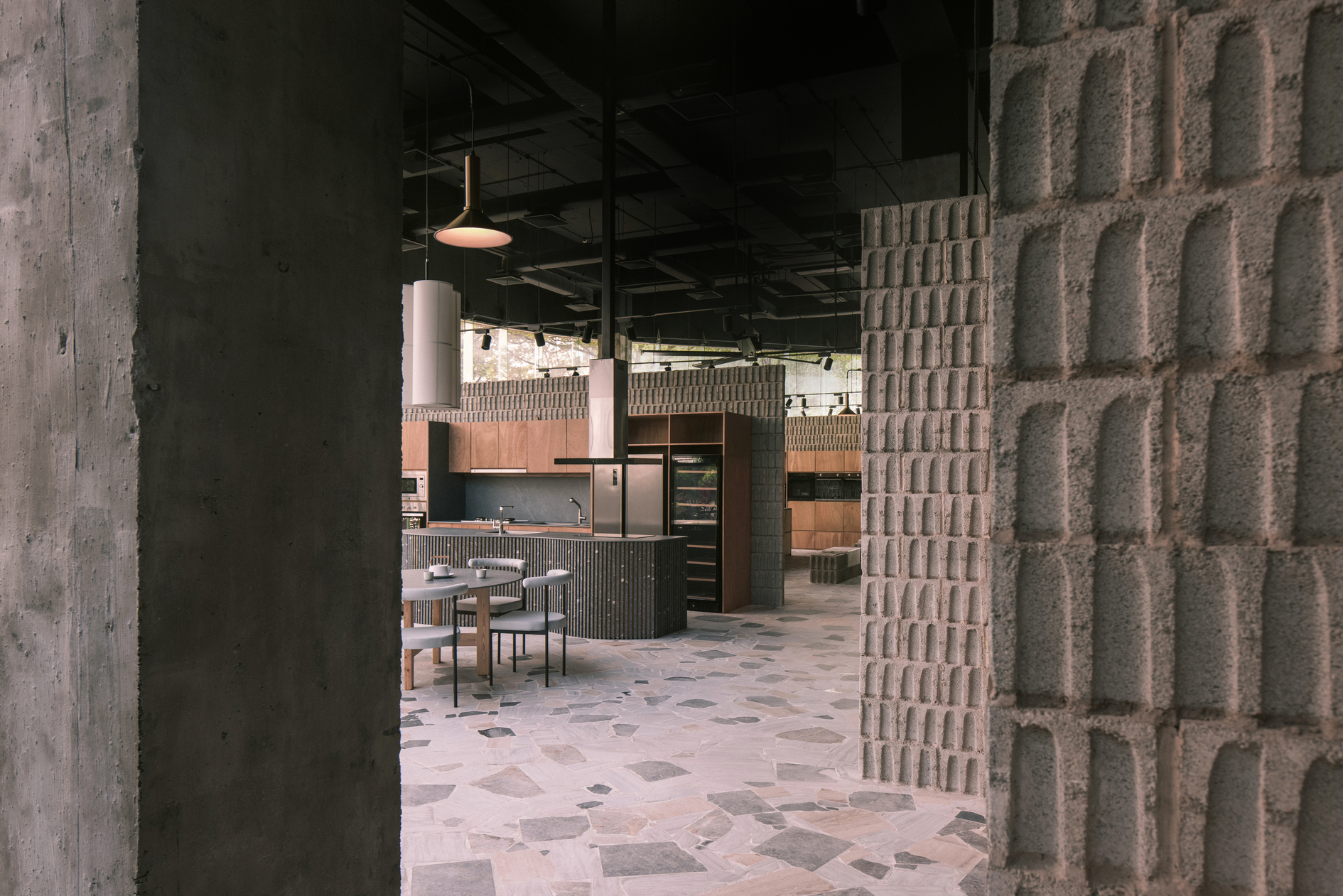
A Brick & Mortar Shop © Finbarr Fallon
After the pandemic, I have been questioning the scale and necessity of new construction, given its heavy impact on the environment. As architects, we should build in moderation, focusing on sustainability and resourcefulness. Renovation and adaptive reuse can often be more responsible than new builds. In our office, over half of our projects are renovations, and interior architecture frequently takes precedence, allowing us to create meaningful spaces while minimizing ecological impact.

House of Trees © Khoo Guo Jie
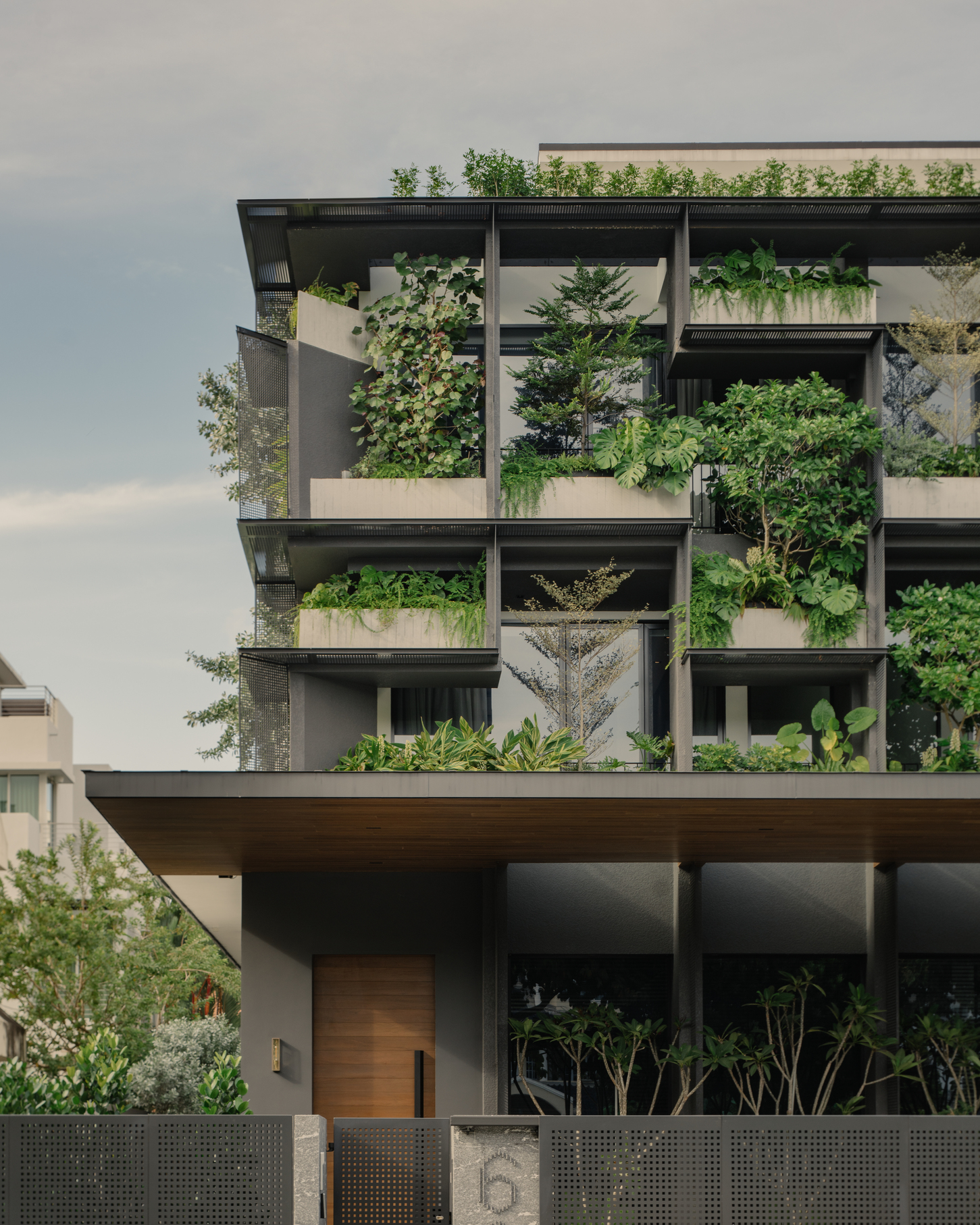
I enjoy exploring natural light and materials, as they are deeply interconnected. Materials give light meaning — revealing textures, colors, and subtle gradients — while light brings materials to life. Observing how materials respond to different angles and intensities of natural light is, to me, a poetic experience.
Truly understanding this relationship is a powerful tool for any designer.
Starting points are important. If you have a good starting point and a clear logic behind it, it often leads to a beautiful story. Stories are where people often find emotional connections.
The advice I wish someone had given me when I was starting out is to have courage. When I started my own practice in 2016, I was fearful and often tried to conform to what I thought the market wanted, rather than staying true to what I genuinely wanted to create.
Thank you so much Shing Hui, for this lovely interview!
Share article :