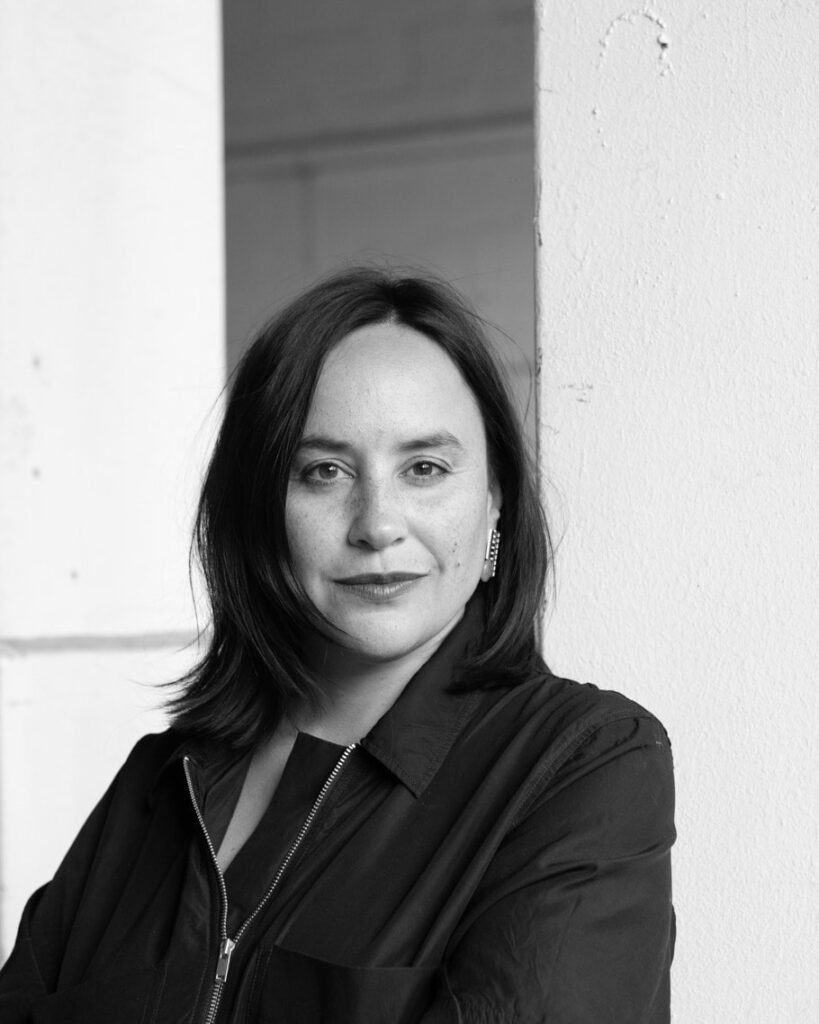
Liv Vaisberg
INTERVIEW

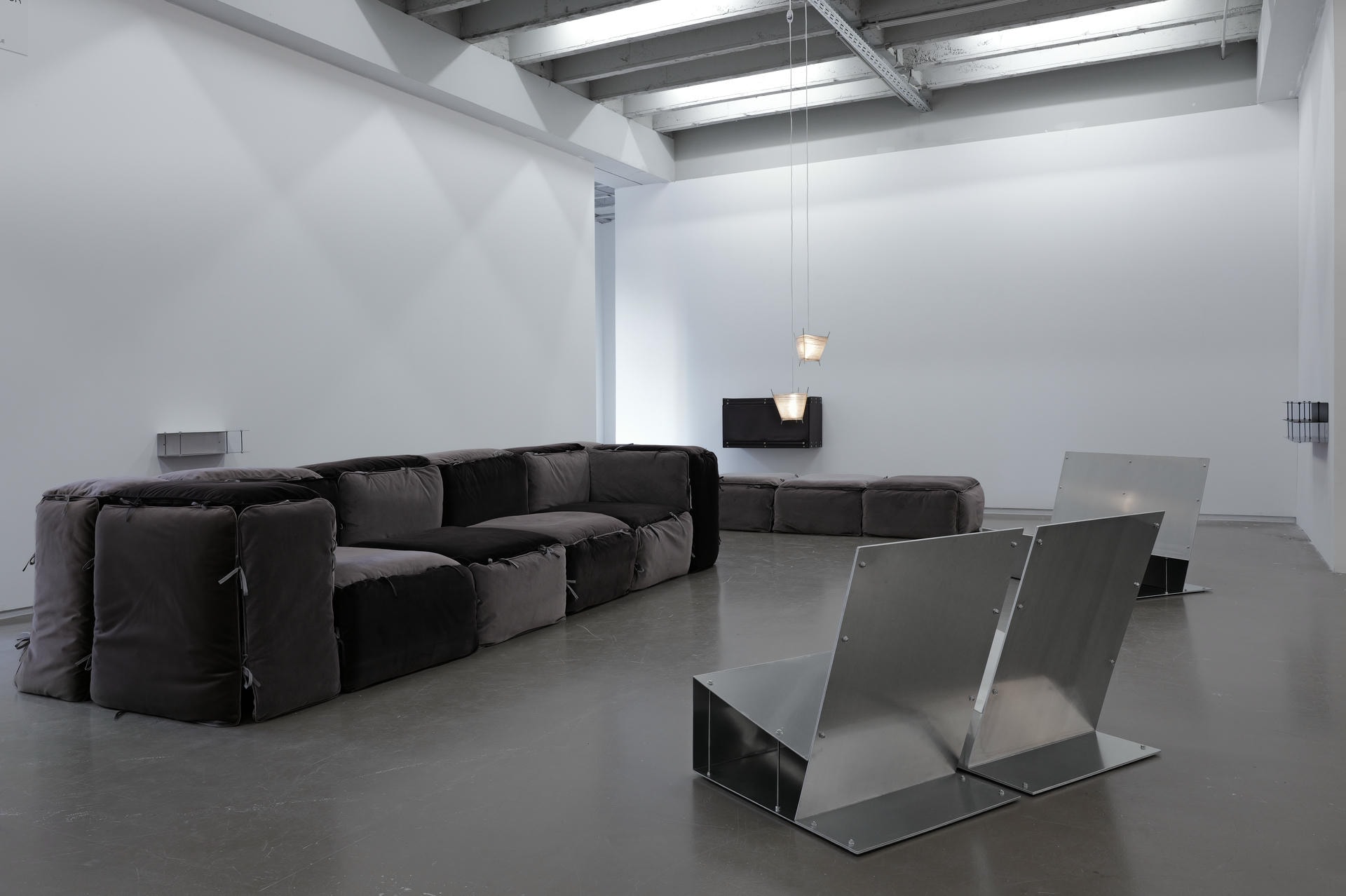
CURATED 2025 © Adrien Maurice
A large part of my role is translation. Different communities often share interests but do not necessarily use the same language. I try to understand what is already familiar to each group and use that as a bridge towards something new.
For example, COLLECTIBLE adopted elements of the art fair model to introduce art collectors to contemporary collectible design. With Club COLLECTIBLE, we use a structure similar to museum patron groups, but address it to interior designers and architects who want to deepen their engagement with contemporary design. The aim is not to erase the differences between these worlds, but to create a shared point of entry and allow genuine relationships to develop.
A framework is never neutral. It determines whose work becomes visible, how it is understood, and which audiences it can reach. Creating a new format allows me to respond directly to a gap rather than trying to squeeze a new practice into a structure that was not designed for it.
I am attracted to creating platforms that are genuinely useful, whether by offering visibility, building a market, connecting communities, or giving a developing field greater legitimacy.
I also do not think of my projects as isolated ventures. They grow, overlap, and lead to new questions. I rarely abandon my previous “babies”; one platform often creates the conditions for the next.
I love the early stage, when an idea is still fluid and can be transformed by a conversation, a journey, a studio visit, or an unexpected encounter. Brainstorming with people and organisations, recognising a possible connection between them, and then watching that relationship grow is probably the most stimulating part of what I do.
I also enjoy the gradual shift from an abstract idea to something concrete: finding the right people, building trust, shaping the programme, solving practical problems, and seeing everyone begin to move in the same direction. And, of course, there is the adrenaline of the final weeks before a large-scale event, when years of conversations suddenly become visible in one place.
For me, personal vision does not come out of the blue. It is nourished by listening to many different people, observing what is changing, and recognising connections between ideas that may initially seem unrelated.
I try to listen closely to designers, galleries, colleagues, institutions, collectors, and audiences, including when their perspectives contradict one another. My role is then to connect those dots and give them a coherent direction. A strong vision does not have to be closed or rigid. It can be precise while continuing to evolve through the people who contribute to it.

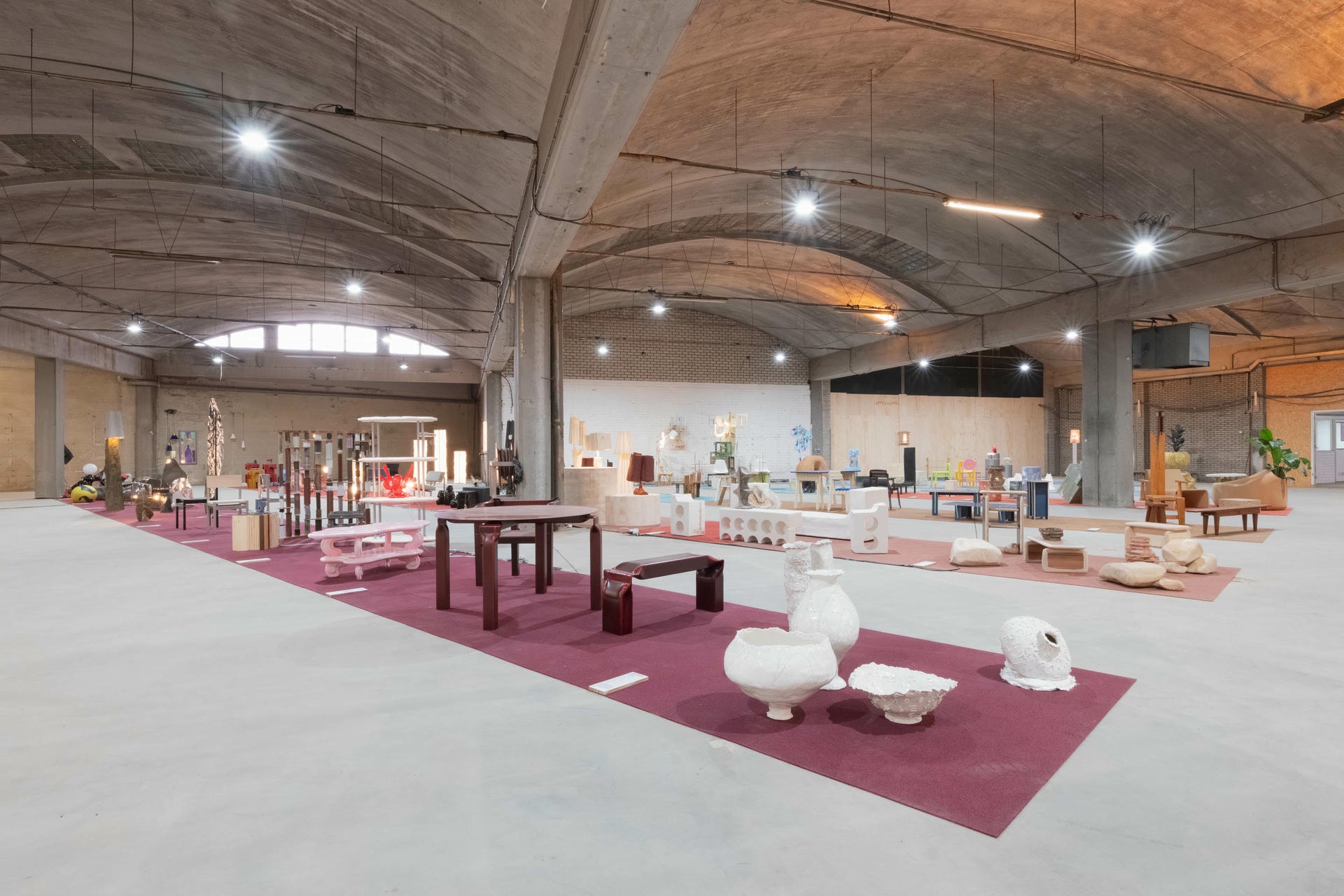
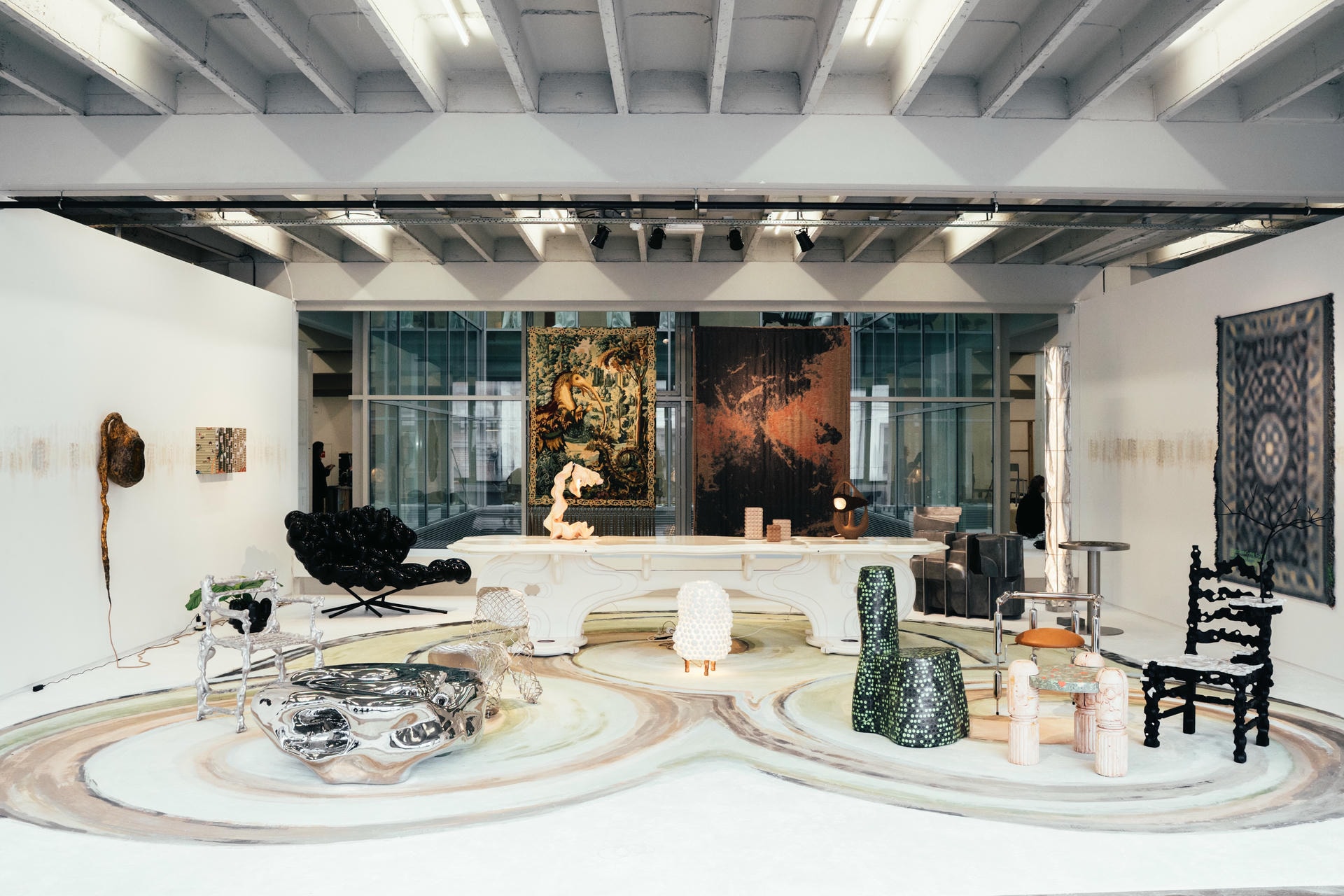
COLLECTIBLE New York 2024 © Simon Leung
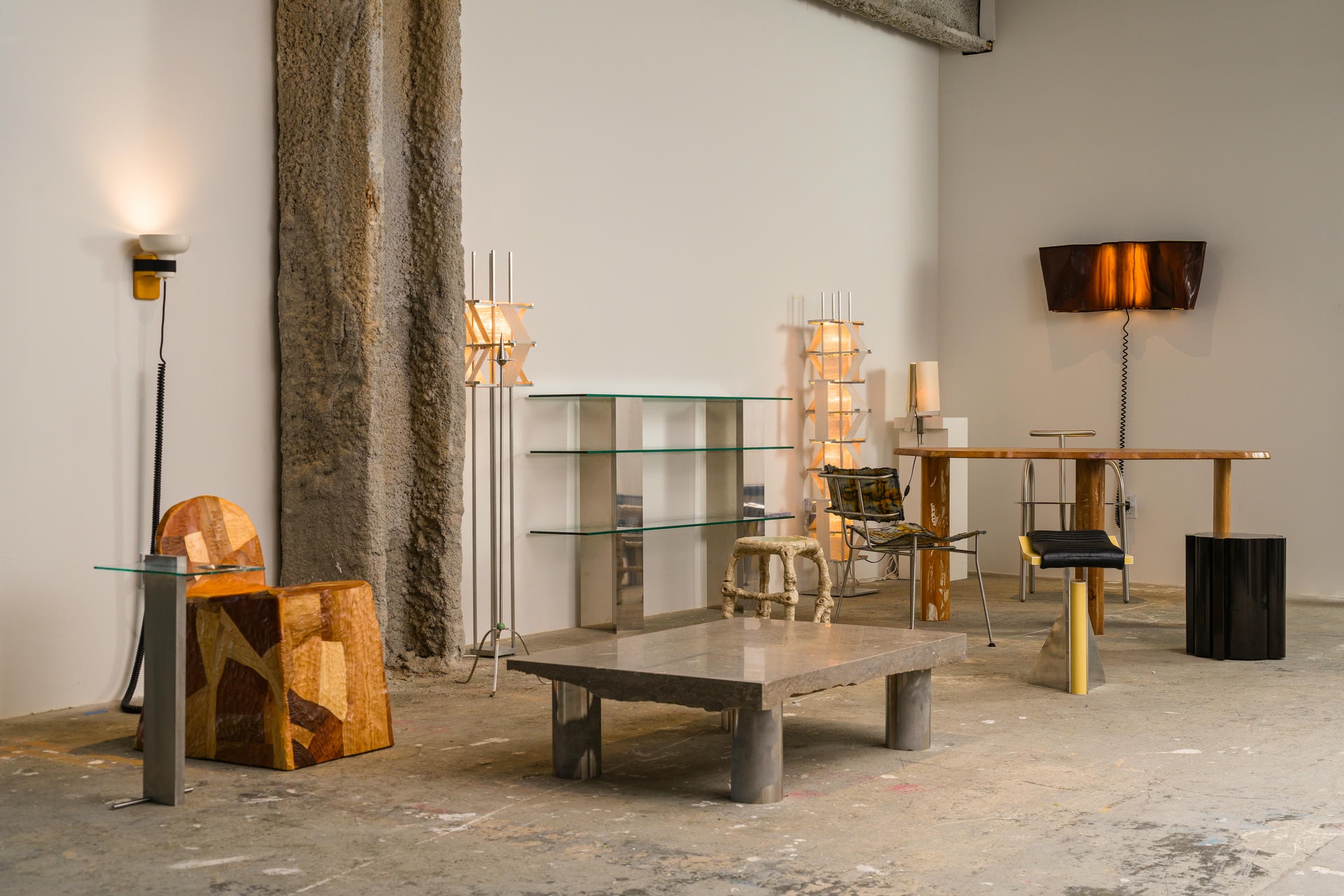

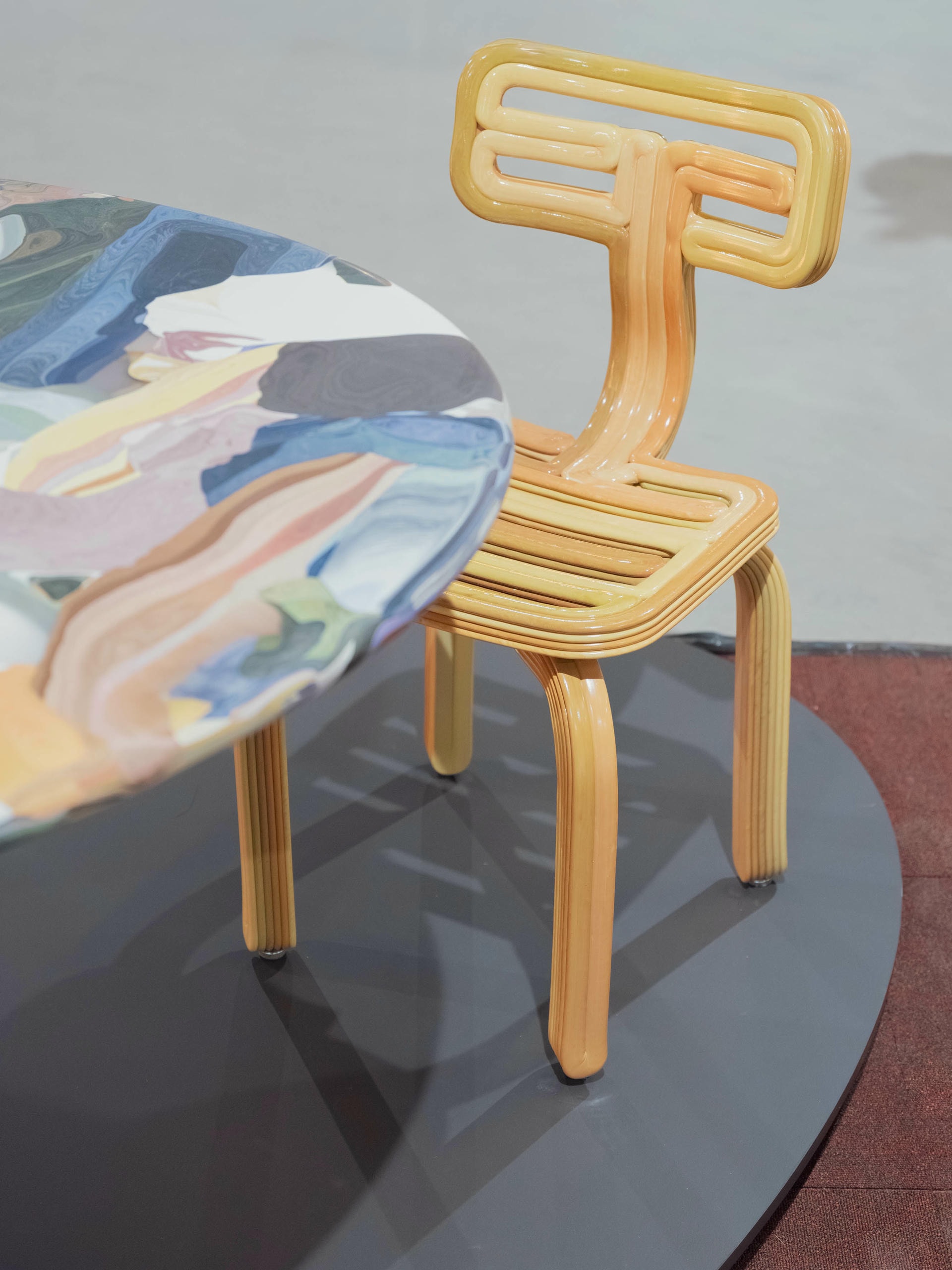
Forward Furniture 2025 © Titia Hahne
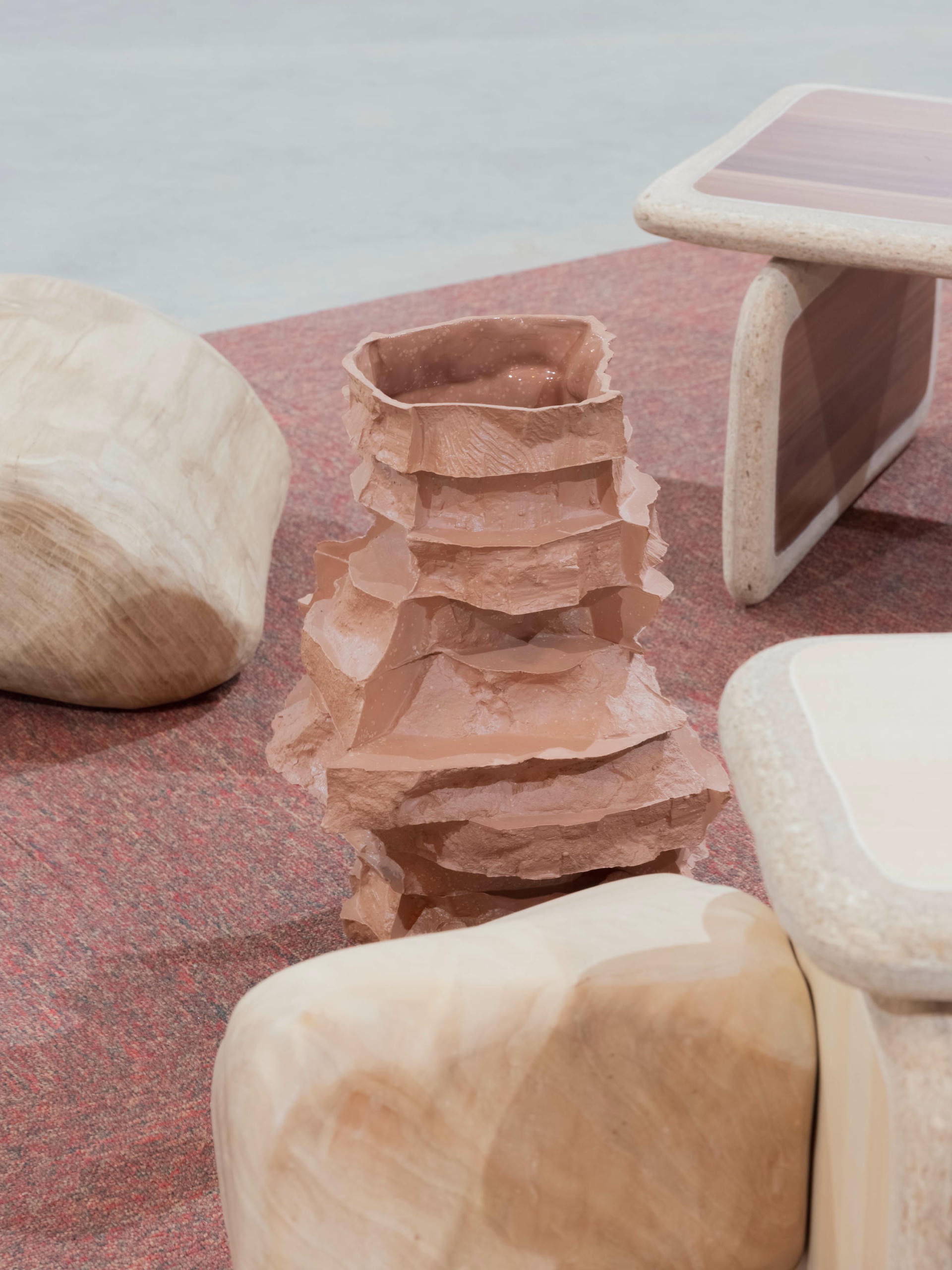
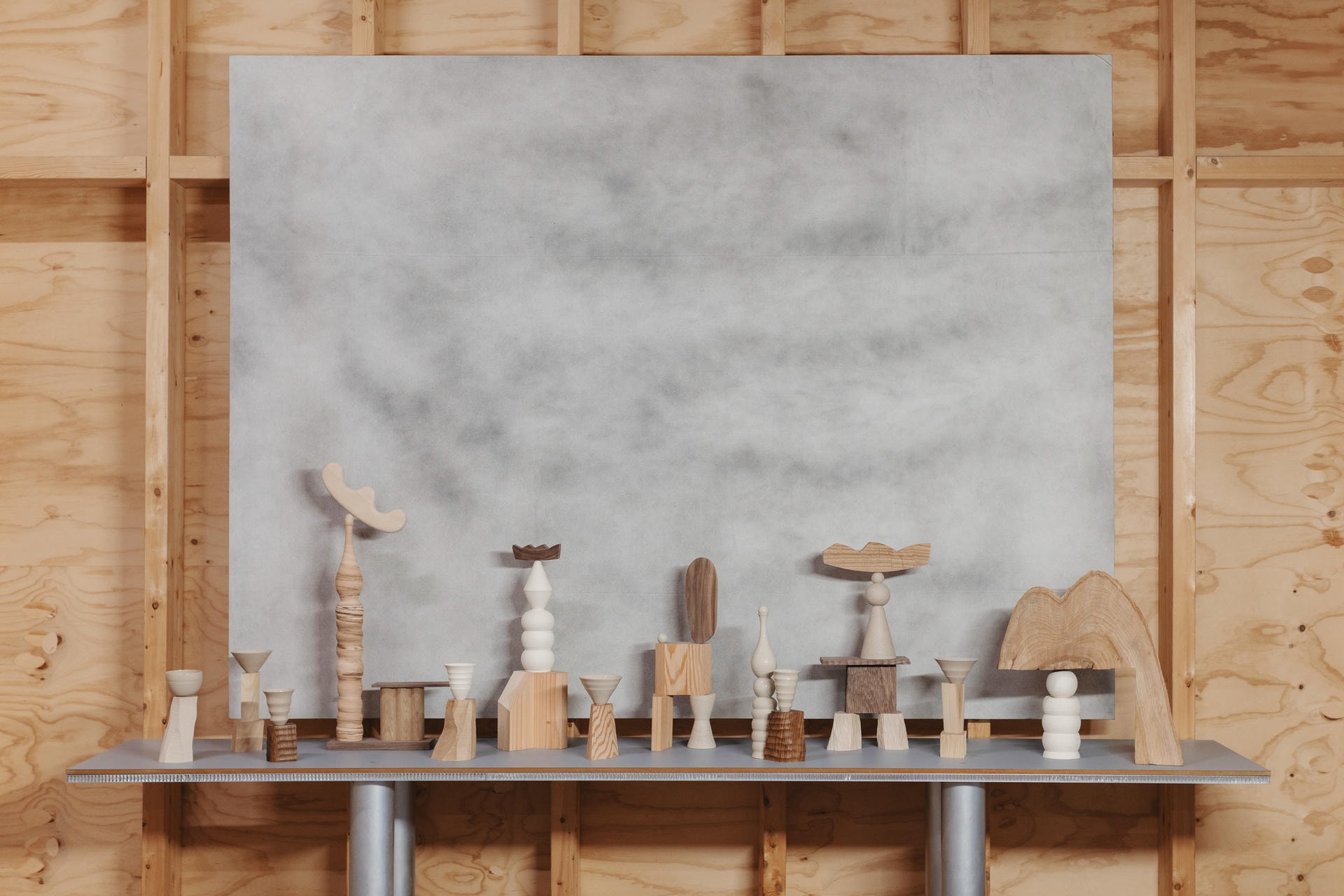
When we launched COLLECTIBLE, it was the first fair dedicated exclusively to 21st-century collectible design. That focus gave us a very precise position from the beginning. We did an enormous amount of personal scouting, often finding designers and experimental practices before they had gallery representation or an established market.
We did not simply represent an existing scene; we helped that scene recognise itself and grow. Designers, galleries, collectors, curators, and institutions began meeting through the fair and building relationships beyond it. Today, the field has much greater visibility and increasingly nourishes itself, but the continued scouting and the clarity of our selection remain essential to COLLECTIBLE’s identity.
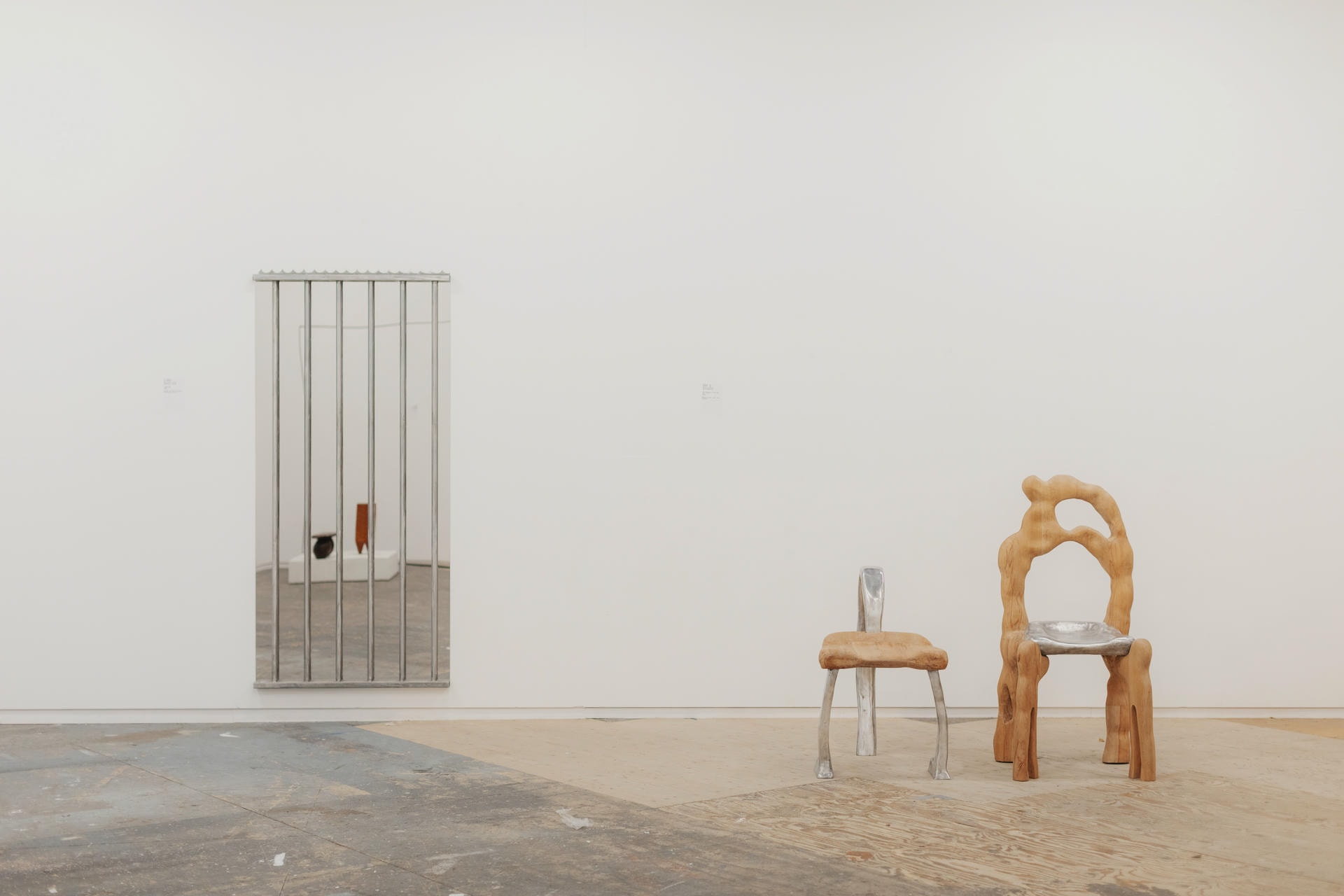
I look for a singular and expressive language, but also for substance behind it. A work might demonstrate an exceptional understanding of materials, a strong narrative, a clear position, or a willingness to take risks. Limited production alone is not enough. There needs to be a reason why the work exists in that form and why it could not simply be translated into a conventional mass-produced object.
For galleries, I also look at the courage and commitment behind their programme. Are they prepared to support experimentation and invest in a designer’s development, rather than only presenting what is already easy to sell? COLLECTIBLE is an ecosystem, so attitude matters too: seriousness, generosity, curiosity, and a willingness to contribute to the wider field are all important.
My understanding has expanded from the object itself to the entire ecosystem that makes the object possible. Contemporary design cannot be separated from education, production, craftsmanship, galleries, commissioners, institutions, collectors, architects, and the spaces in which it is ultimately used. I have also become less interested in policing the boundaries between art, design, craft, fashion, and architecture. Many of the strongest practitioners move naturally between these disciplines. What matters is the rigour of the thinking, the quality of the execution, and the relationship between form, material, function, and meaning. Increasingly, I understand contemporary design not simply as a category of objects, but as a way of thinking through how we live.
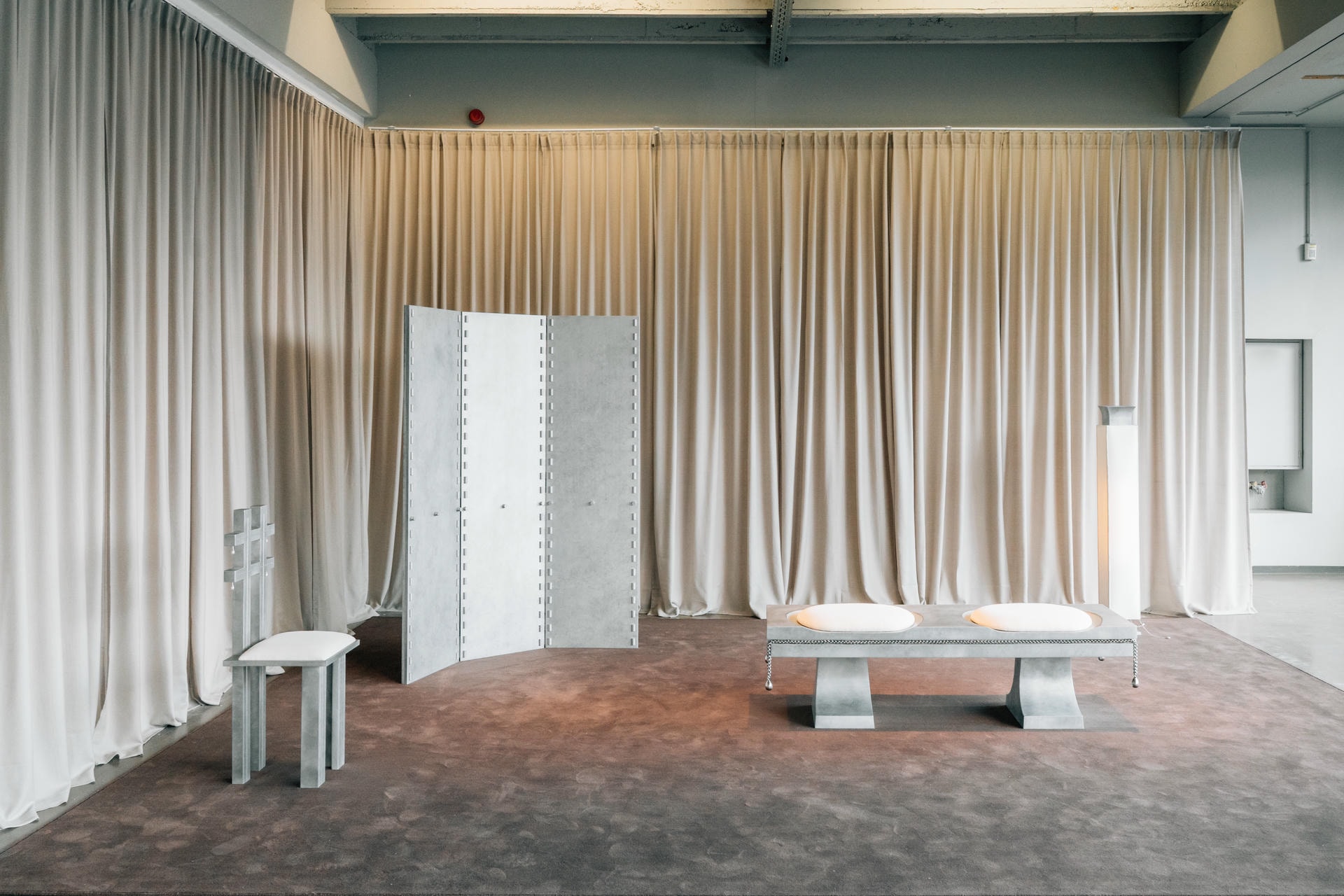
I want to create the conditions in which an experimental practice can be discovered, understood, collected, commissioned, and ultimately sustained. That might mean a first introduction to a gallery, collector, institution, architect, or journalist, but also the sense of belonging to a wider professional community. Collectible design may be receiving much more attention today, but many practitioners still struggle to make a living. Collectors often remain willing to spend considerably more on art than on design, while interior design projects can still be cautious about incorporating truly contemporary work. The landscape is completely different from ten years ago, but there is still a great deal to do. I hope our platforms can shorten the distance between a serious creative practice and a sustainable career.
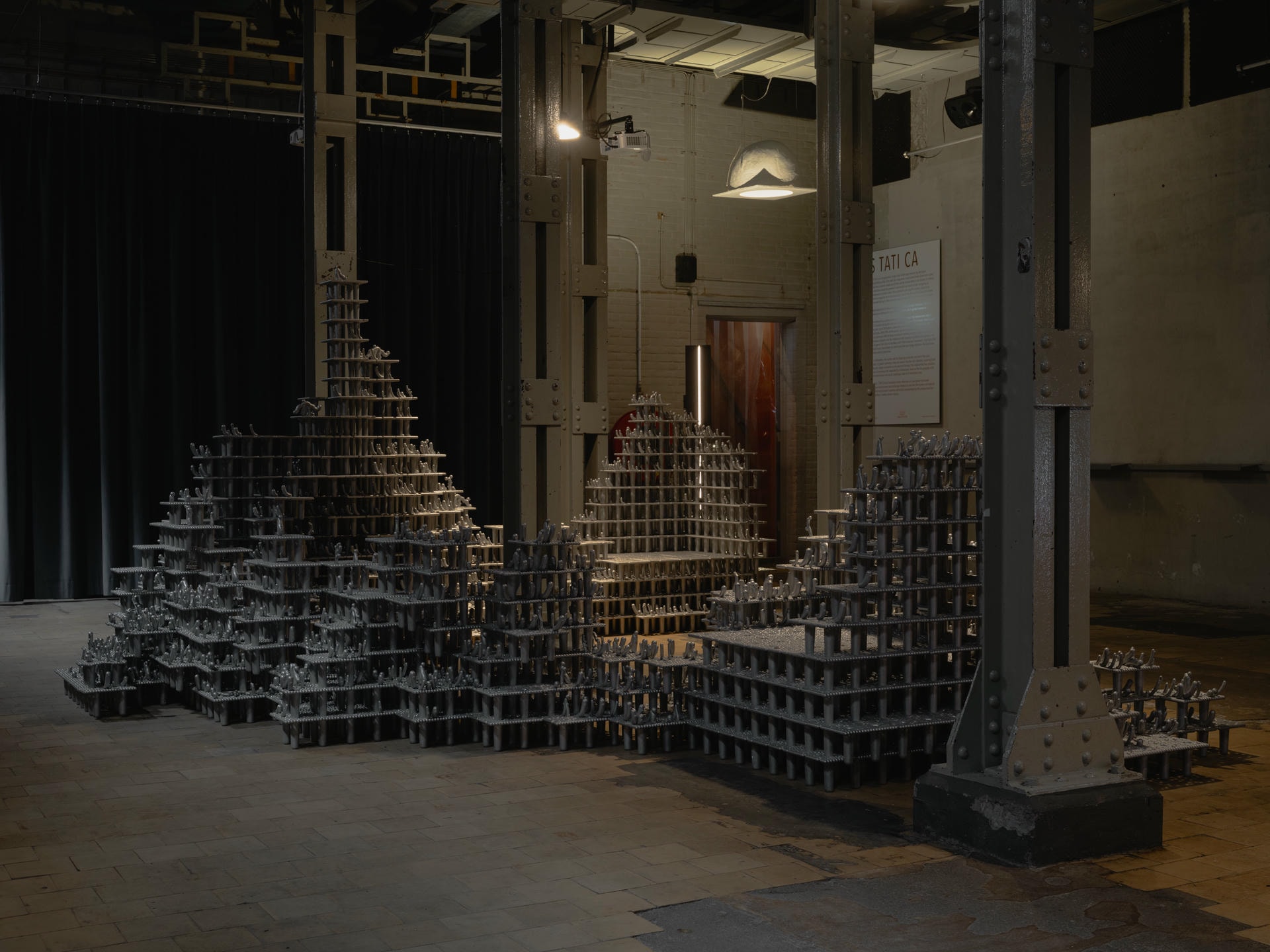
COLLECTIBLE New York 2024 © Simon Leung
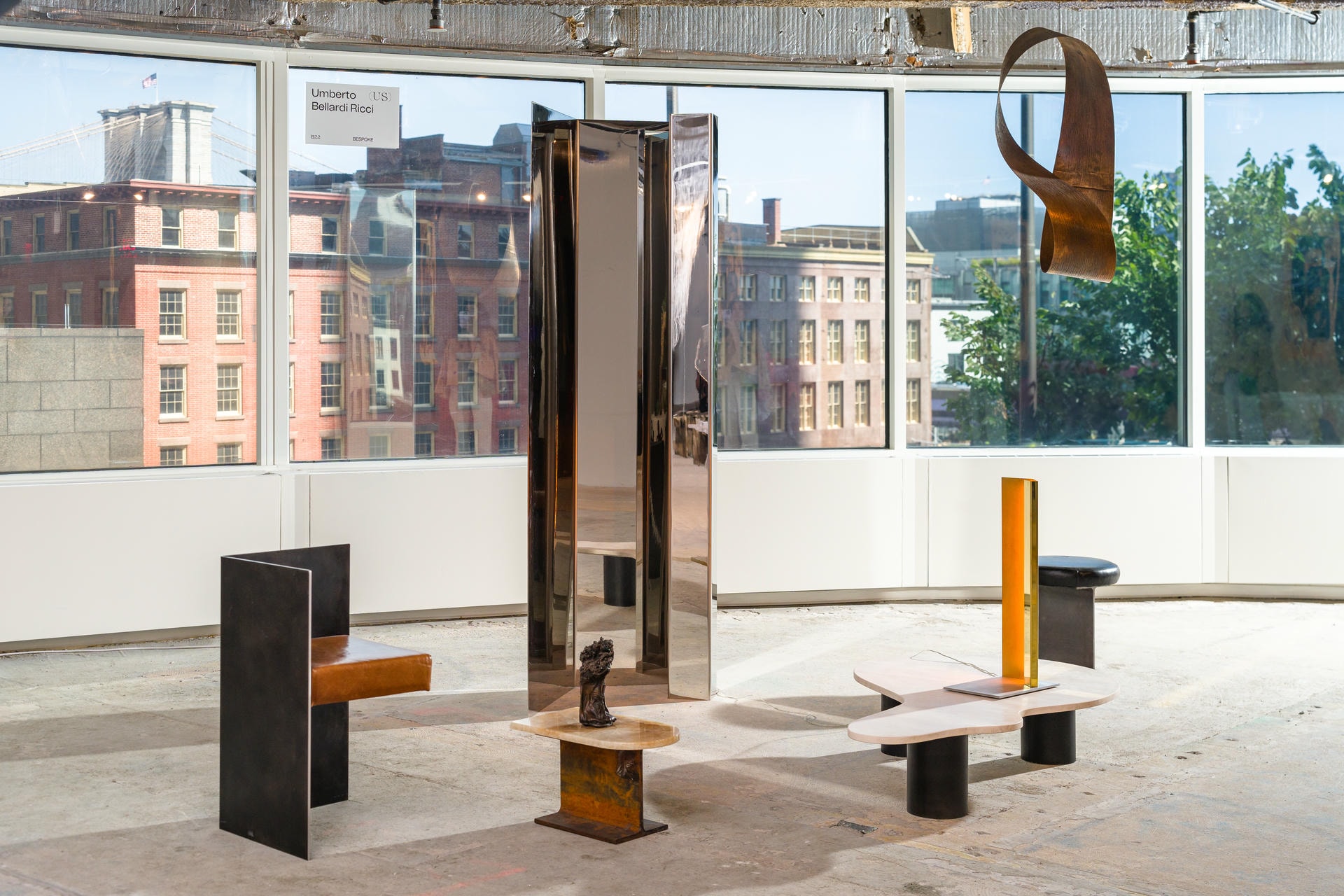
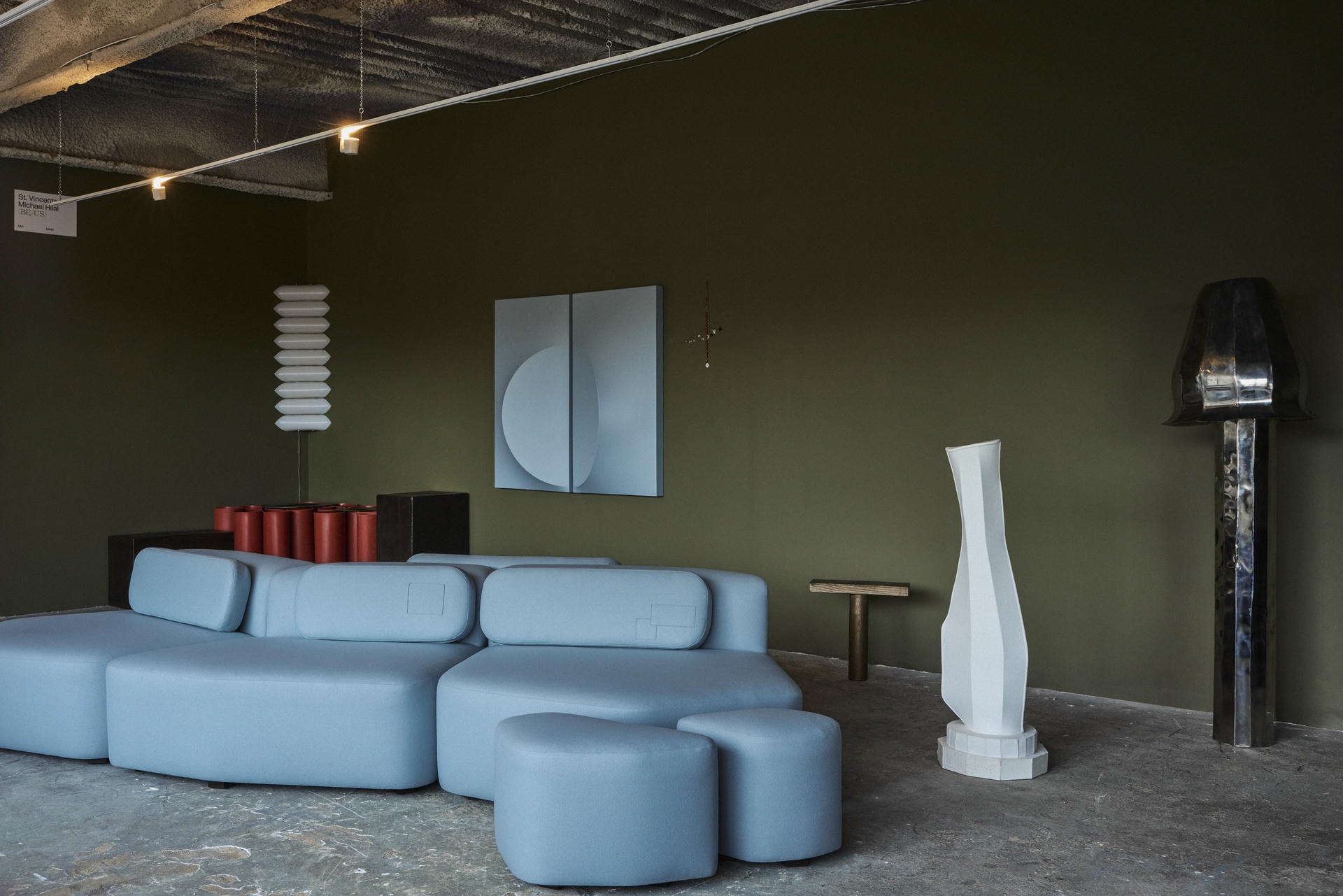
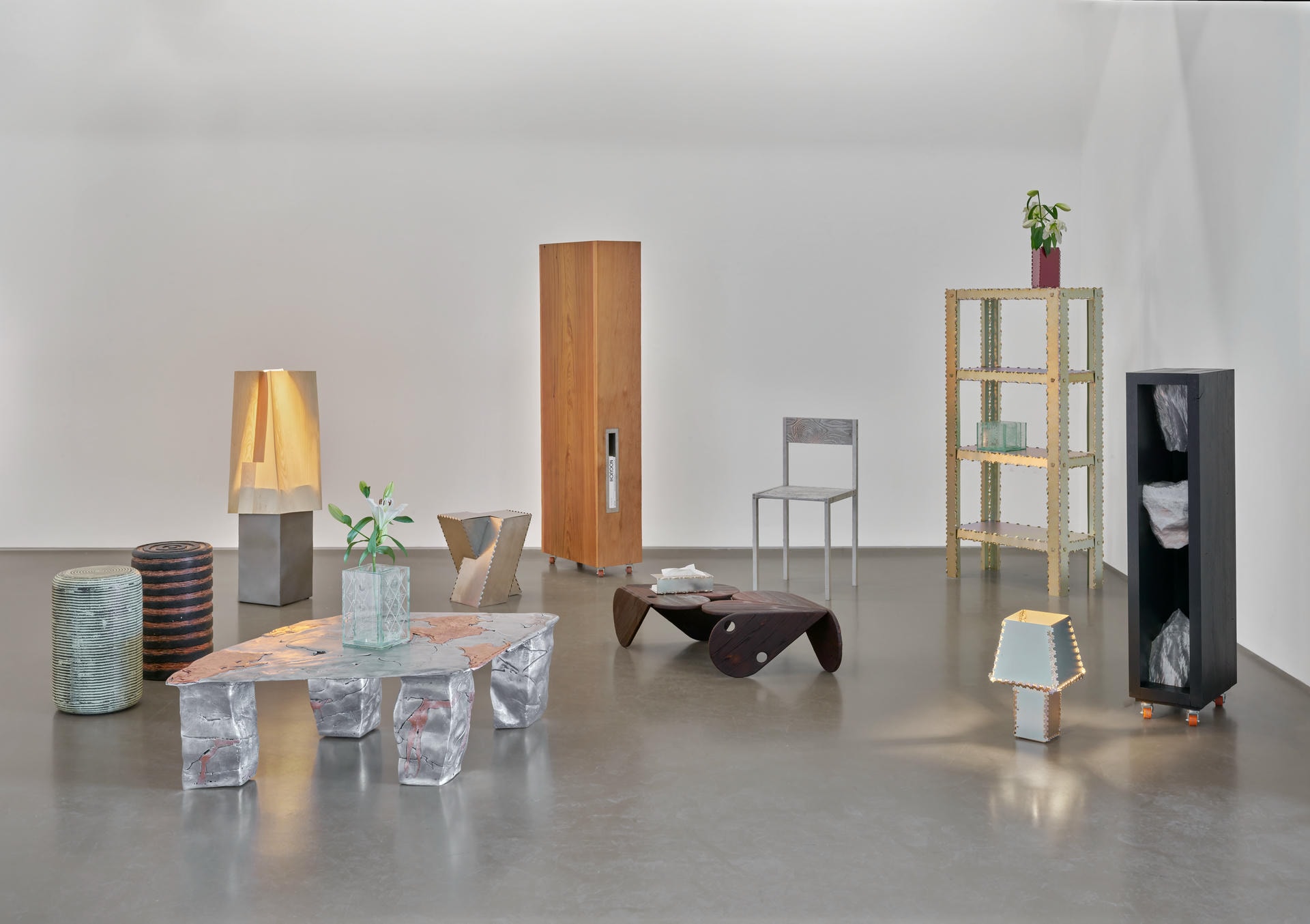
COLLECTIBLE 2026 © Adrien Maurice
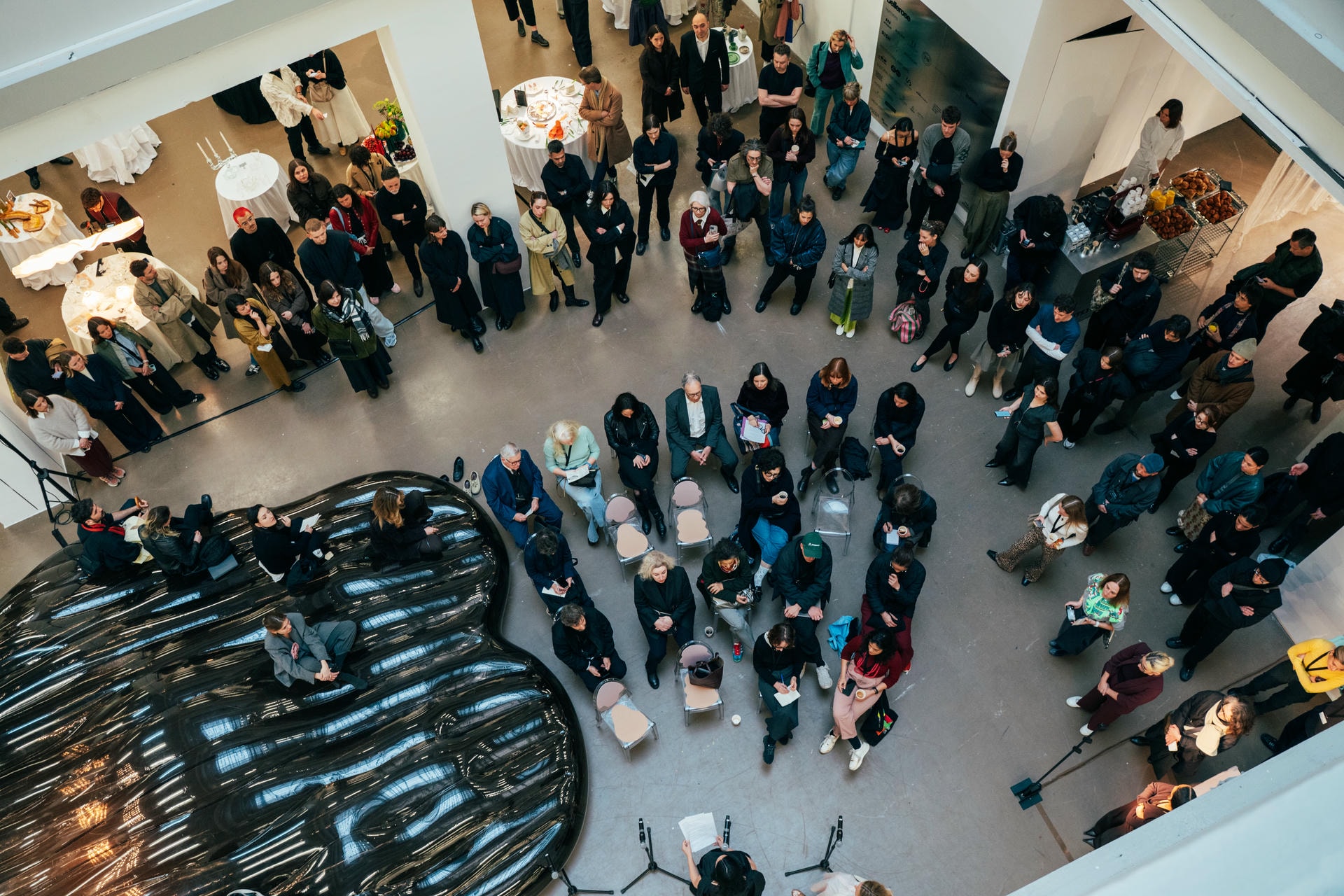
I am increasingly interested in how design shapes behaviour and everyday life. Not only what an object looks like, but what it asks us to do, how it directs movement, influences relationships, or determines who feels welcome in a space.
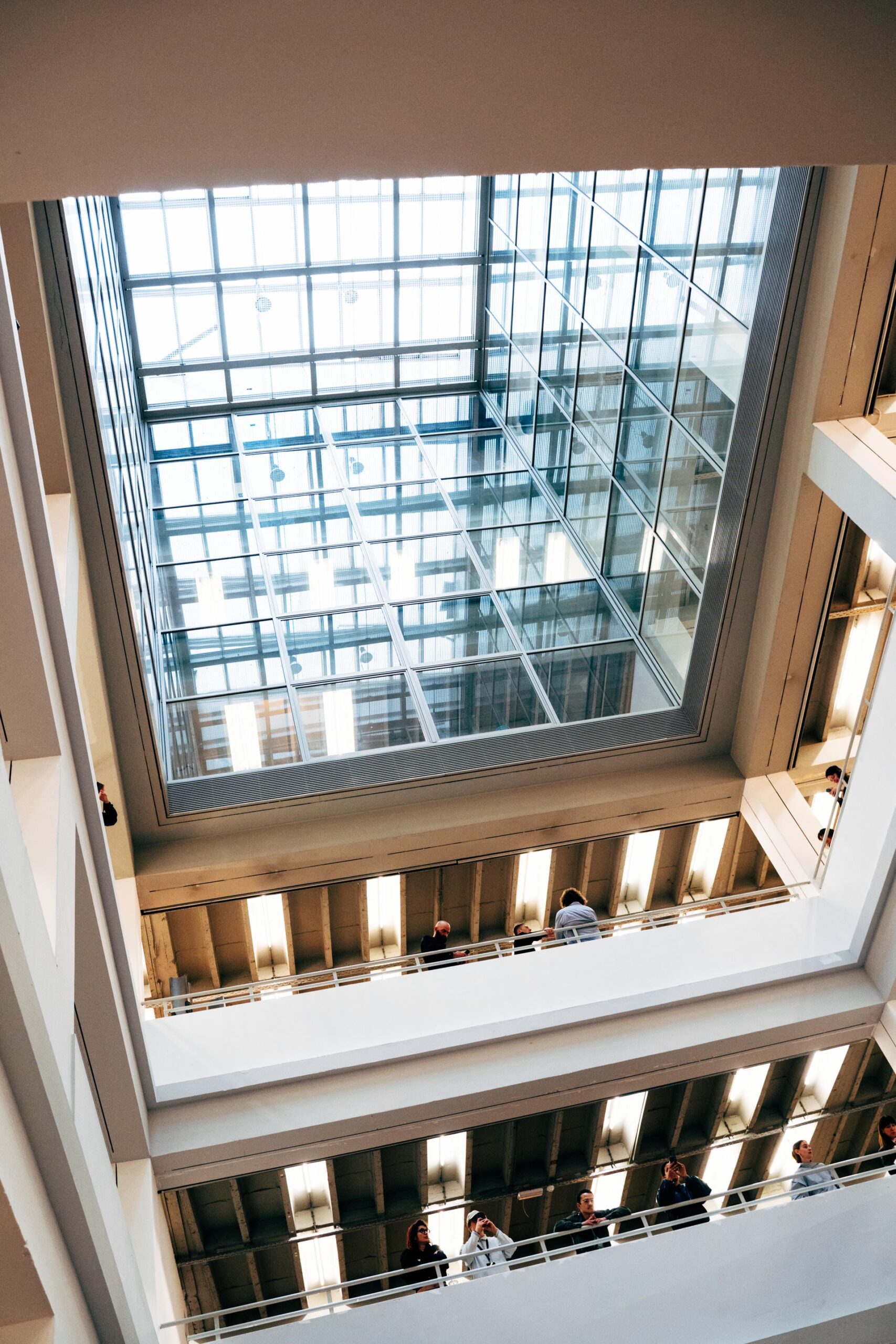
This thinking is central to the 2027 Design Biennale Rotterdam, titled Theatre of Use: How Does Design Shape Everyday Life?
I am also interested in the tension between the growing visibility of collectible design and the continuing economic fragility of many practitioners. How can the field develop without reducing experimentation to a recognisable style or market trend? How can we build stronger relationships between designers, galleries, institutions, collectors, architects, and interior designers?
The boundaries between art, design, craft, fashion, and architecture are becoming increasingly fluid. Rather than trying to define where one ends and another begins, I am interested in what these disciplines can make possible together, and how they can create new ways of living, working, and relating to one another.
Thank you so much Liv, for this lovely interview!
Share article :