
Matteo Ferrari
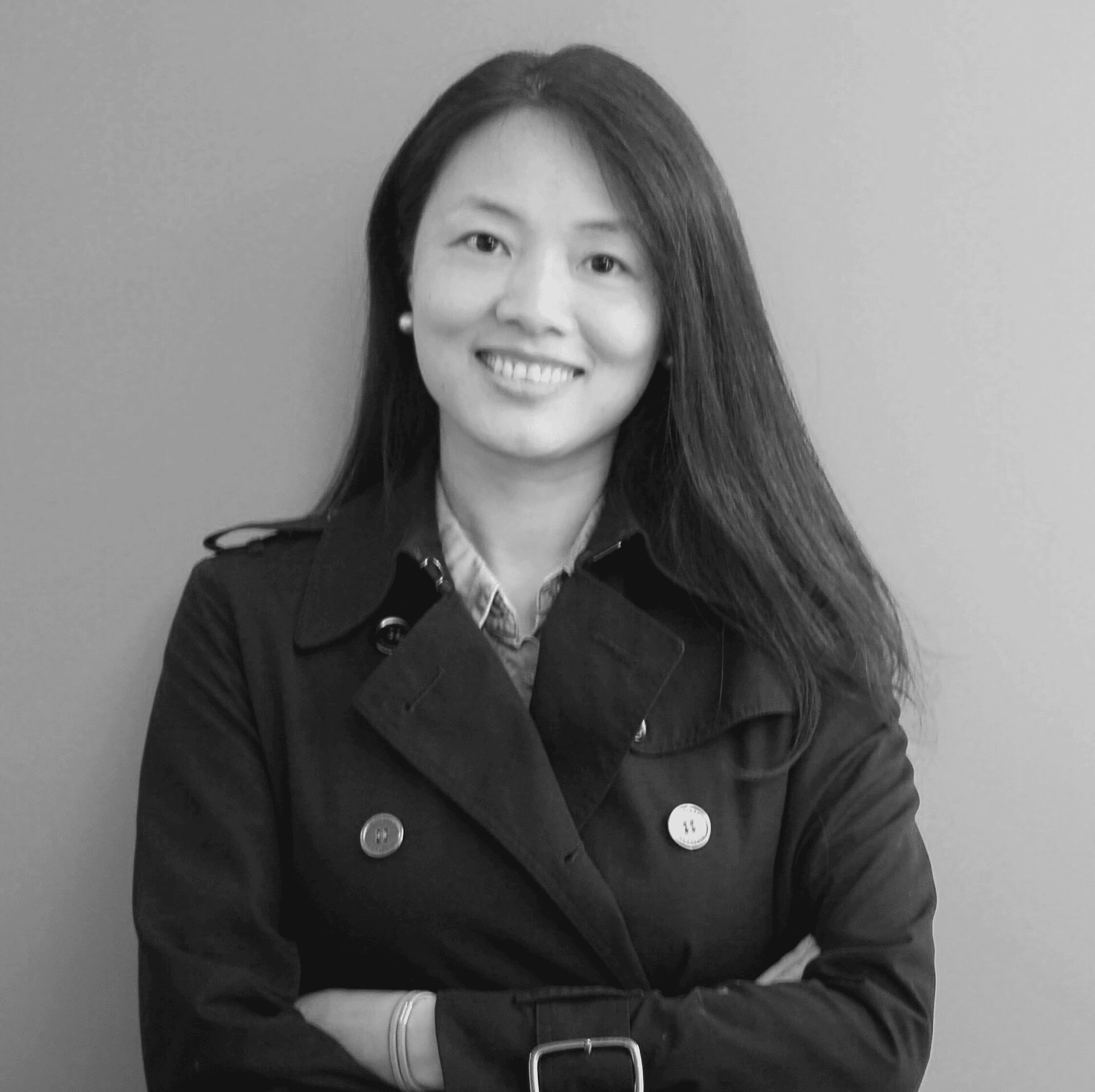
Matteo Ferrari is an Italian architect based in Madrid and founder of Matteo Ferrari Studio. Since establishing the practice in 2015, he has worked internationally across retail, hospitality and residential projects, collaborating with both global brands and independent clients. His experience across different contexts and scales has shaped an approach grounded in sensitivity to place, material and the particular requirements of each project.
His work is defined by a continuous dialogue between international perspectives and local craftsmanship, rather than by a fixed or recognisable aesthetic. For Ferrari, architecture begins with an attentive reading of its context and brief, allowing each project to develop its own identity in response to its surroundings, purpose and circumstances.
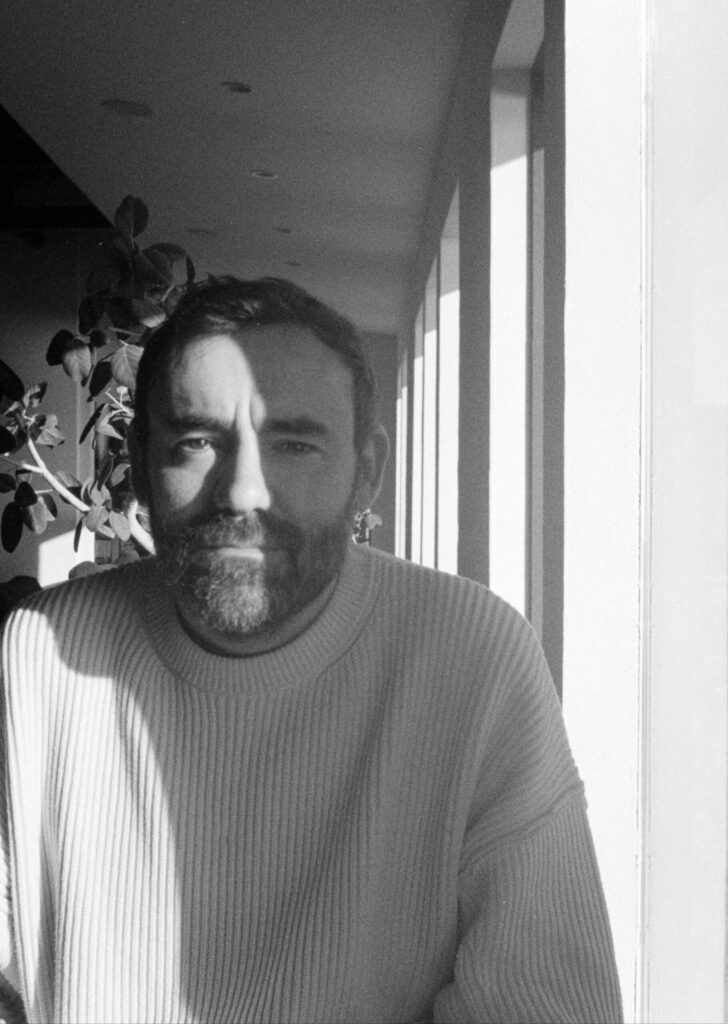
“People rarely remember dimensions. They remember how a place made them feel—and materials have an extraordinary ability to preserve those memories.”
INTERVIEW

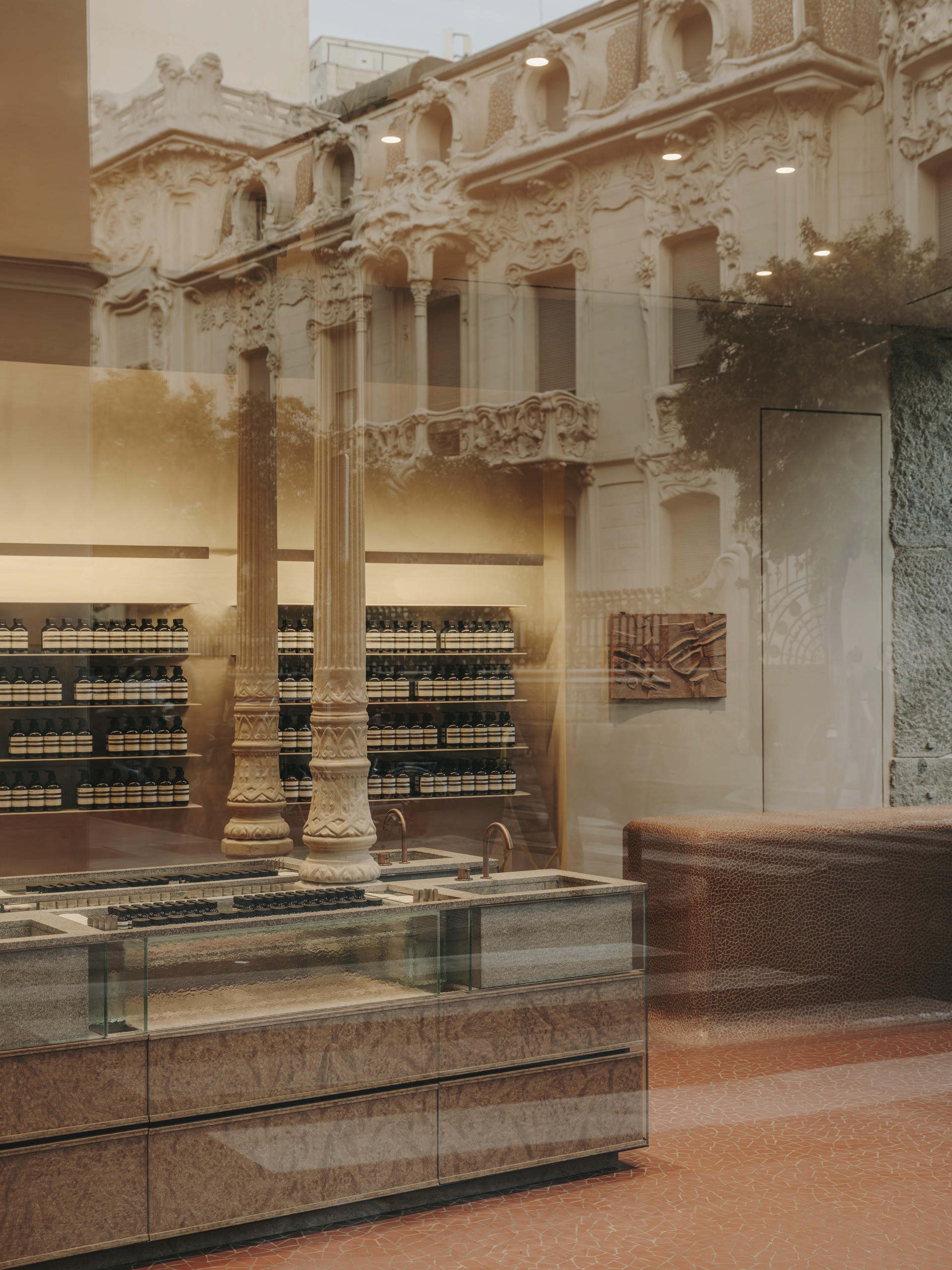
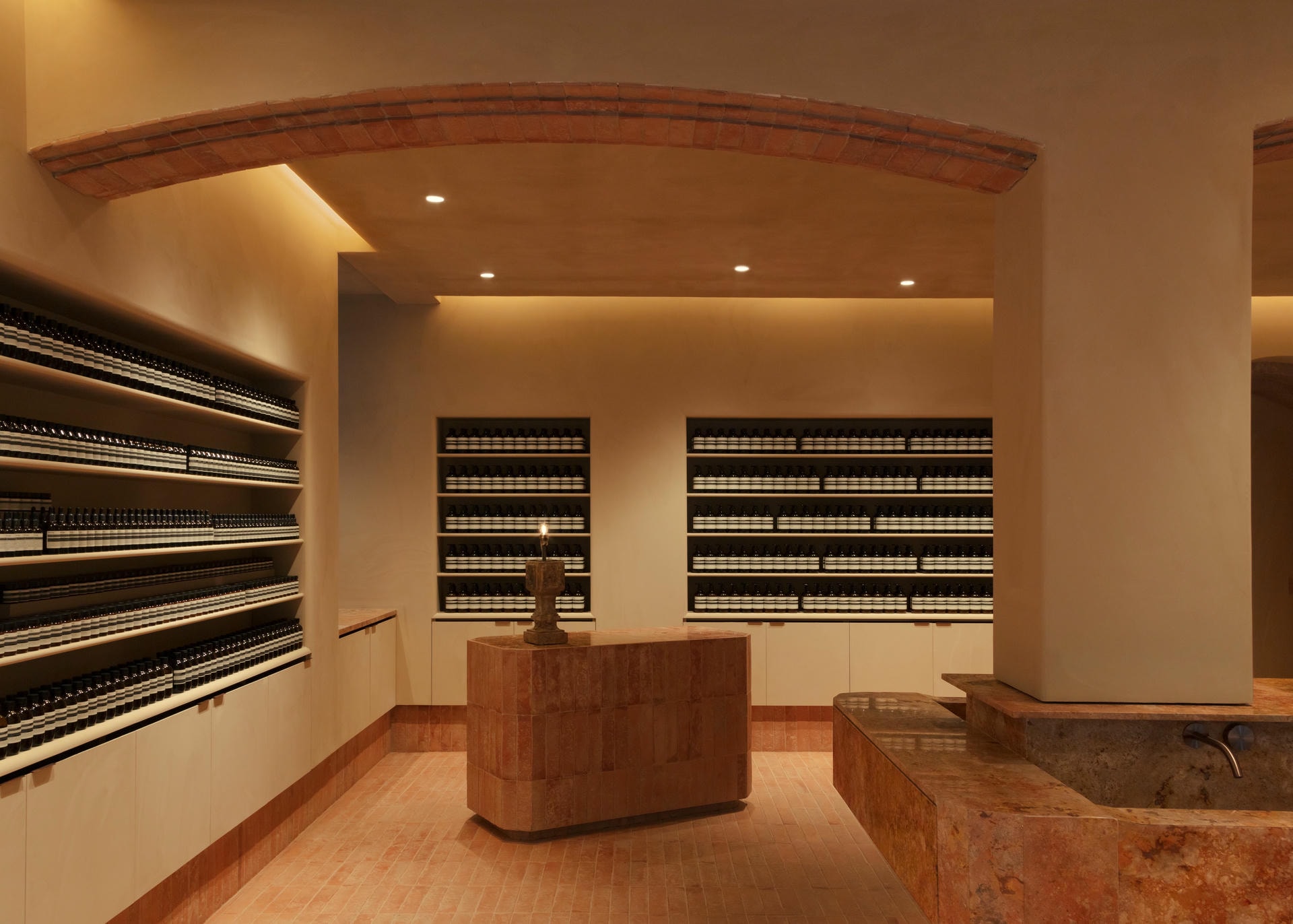
AESOP LAS SALESAS, MADRID © Matteo Ferrari and Ciszak Dalmas
I didn’t grow up dreaming of becoming an architect. What fascinated me was seeing how certain places continued to attract people over time. Why do some spaces become part of our lives while others simply disappear from memory? I became fascinated by the invisible qualities that allow certain places to remain alive in our collective memory. Architecture simply became the way to explore them.
The first conversations are never about the design. With the client, we try to understand why the project deserves to exist and what it can contribute to its place. That process often requires questioning what we have learned and avoiding automatic answers. From there, we focus on two things: how space shapes perception, and how materiality gives the project its own language. Once those elements align, the project becomes a natural consequence rather than a starting point.
I would describe my work as calm and contemplative. I tend to use simple forms, subtle gestures, and a more complex material language. I’m interested in spaces that can be felt without constantly making themselves visible — where the strongest gesture is often the one that seems almost inevitable, yet still creates an emotional response.
I don’t see existing buildings as constraints, but as conversations already in progress. They often contain answers, but also contradictions — and those contradictions can become the most interesting opportunities for a project. Every intervention should feel like a new chapter in a story that started long before us. It probably won’t be the final chapter, but hopefully it will at least be an entertaining one.
Research helps us understand what is already there and how we can intervene in a meaningful way. Materiality turns that understanding into something sensorial, while social context reveals how a place is lived, shared, and transformed over time. This becomes especially interesting in retail, where spaces are often temporary, yet they may be experienced by thousands of people. Their physical life may be short, but the emotions and ideas they generate can last much longer.
Travelling helps me slow down, breathe, and really observe. Every journey reveals how culture, climate, tradition, and craftsmanship can produce completely different answers to the same problem. That diversity keeps me curious and reminds me that there is never just one right solution.

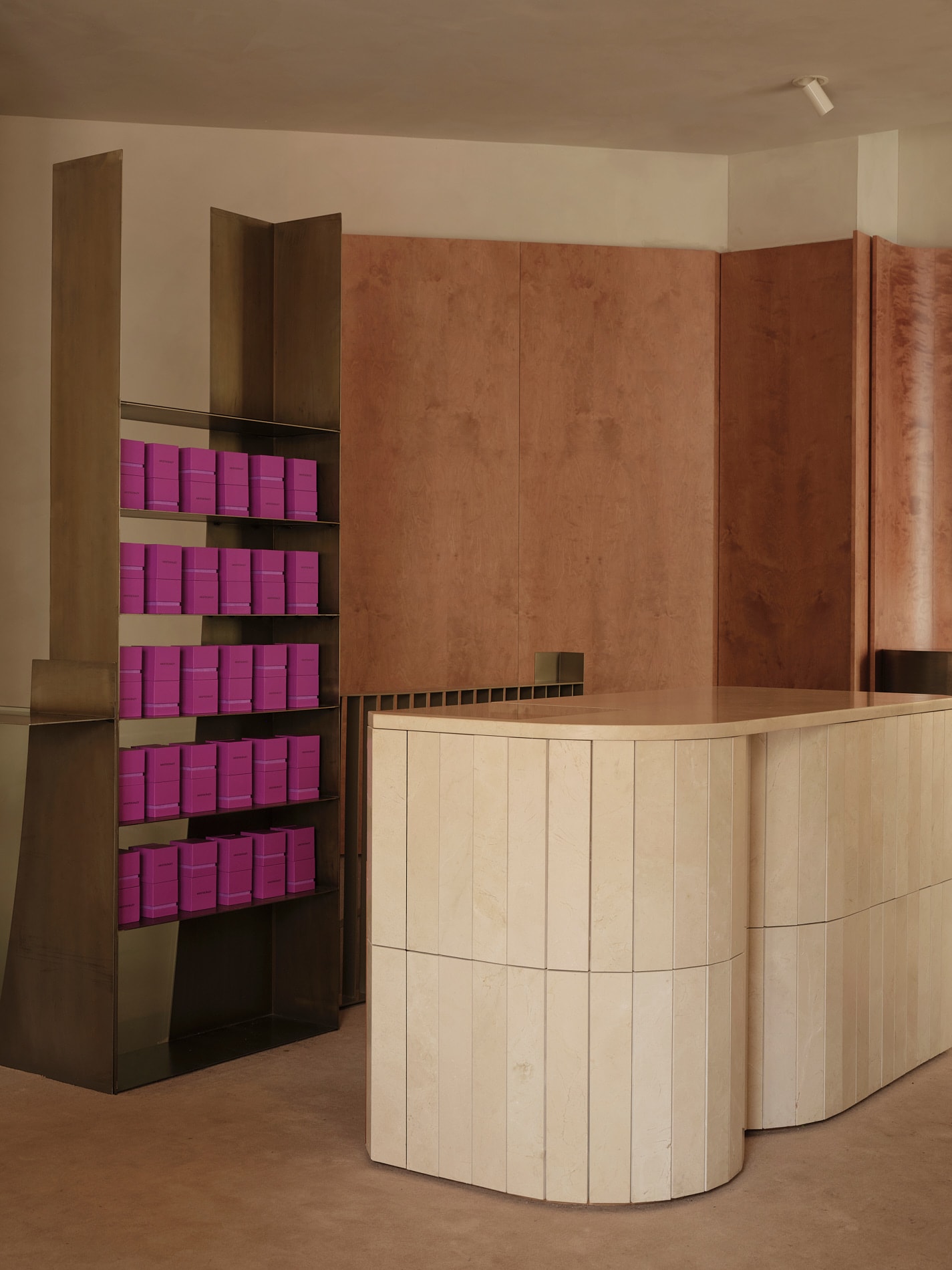
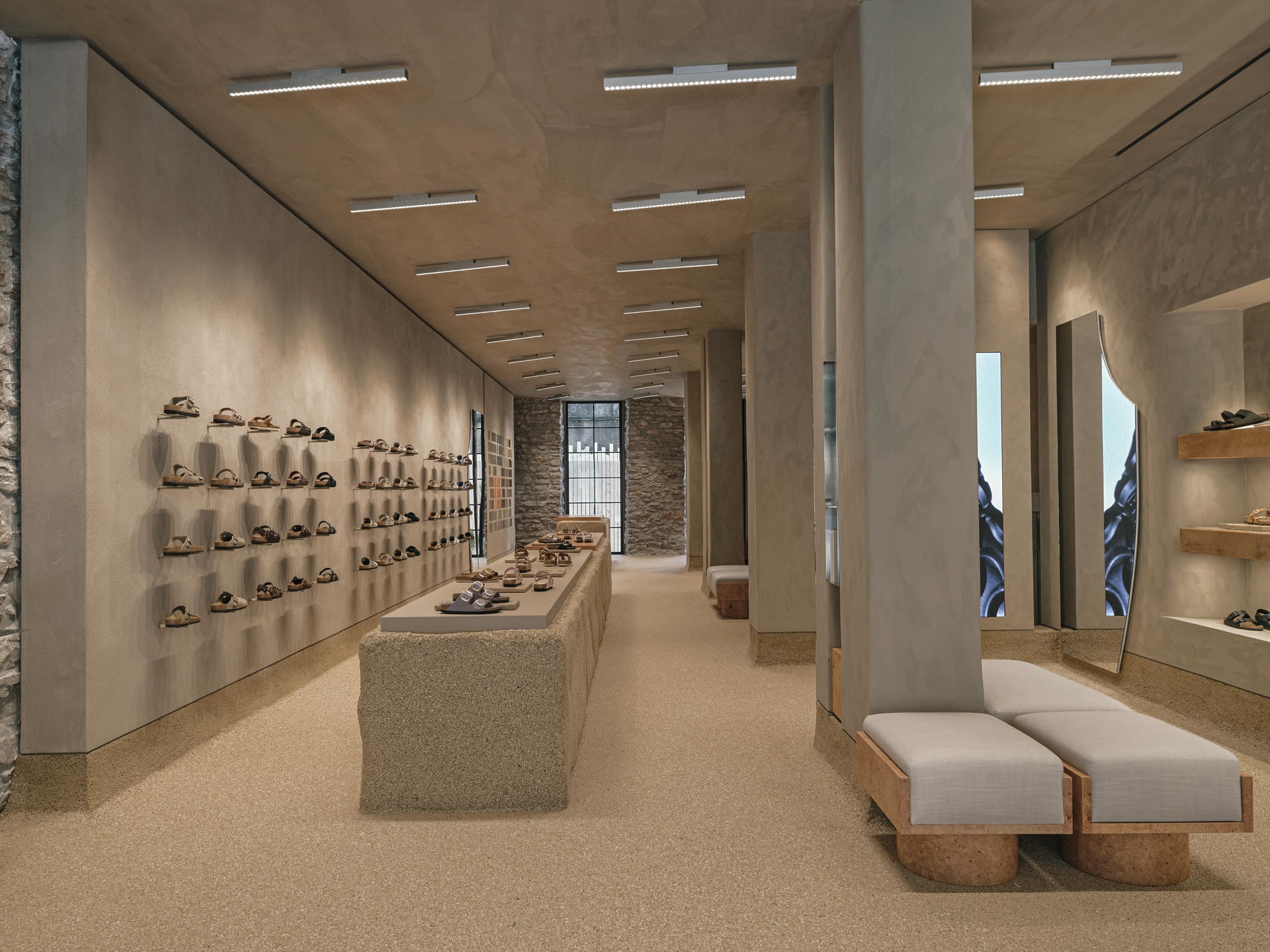
ARISTOCRAZY MADRID STORE © Matteo Ferrari

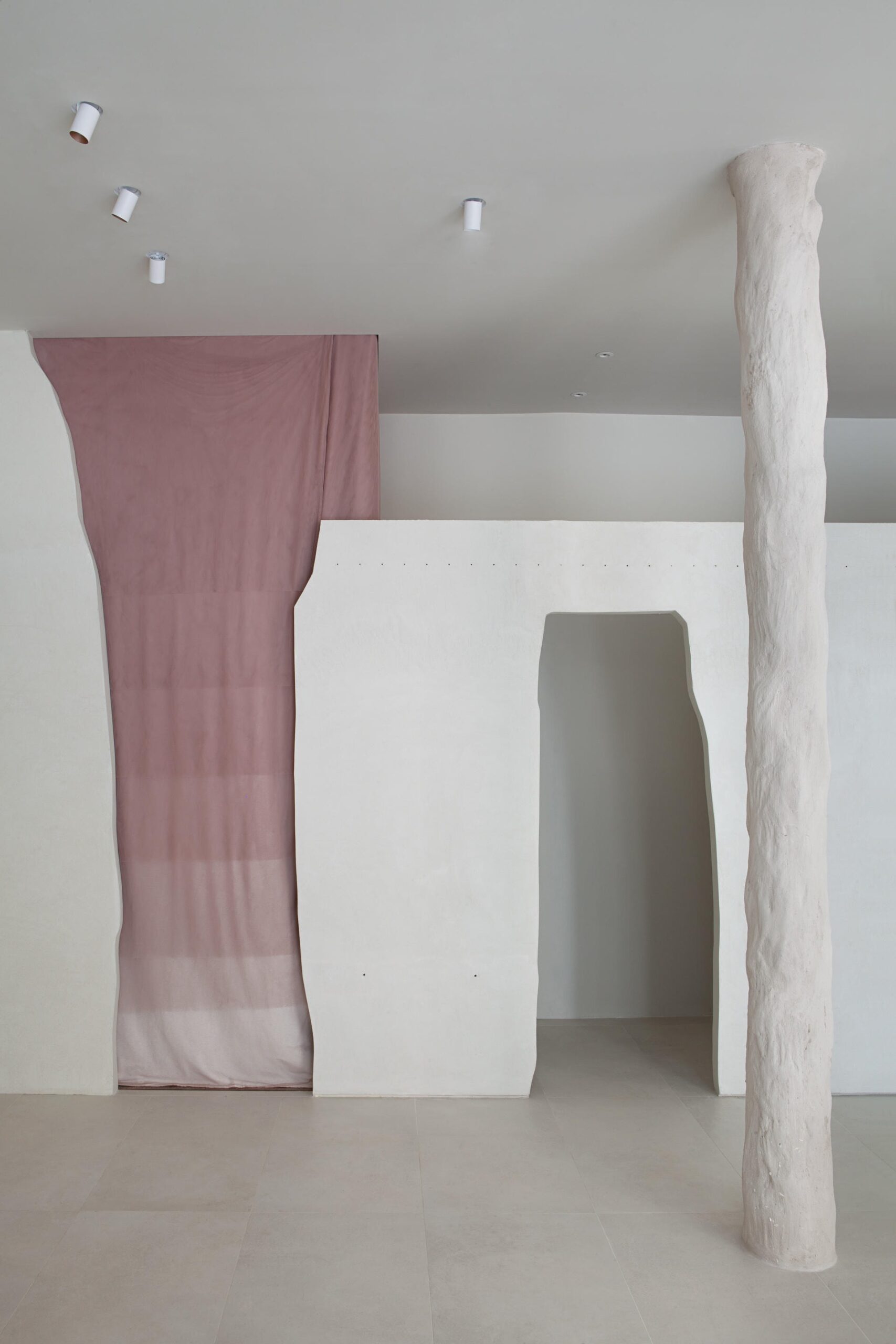
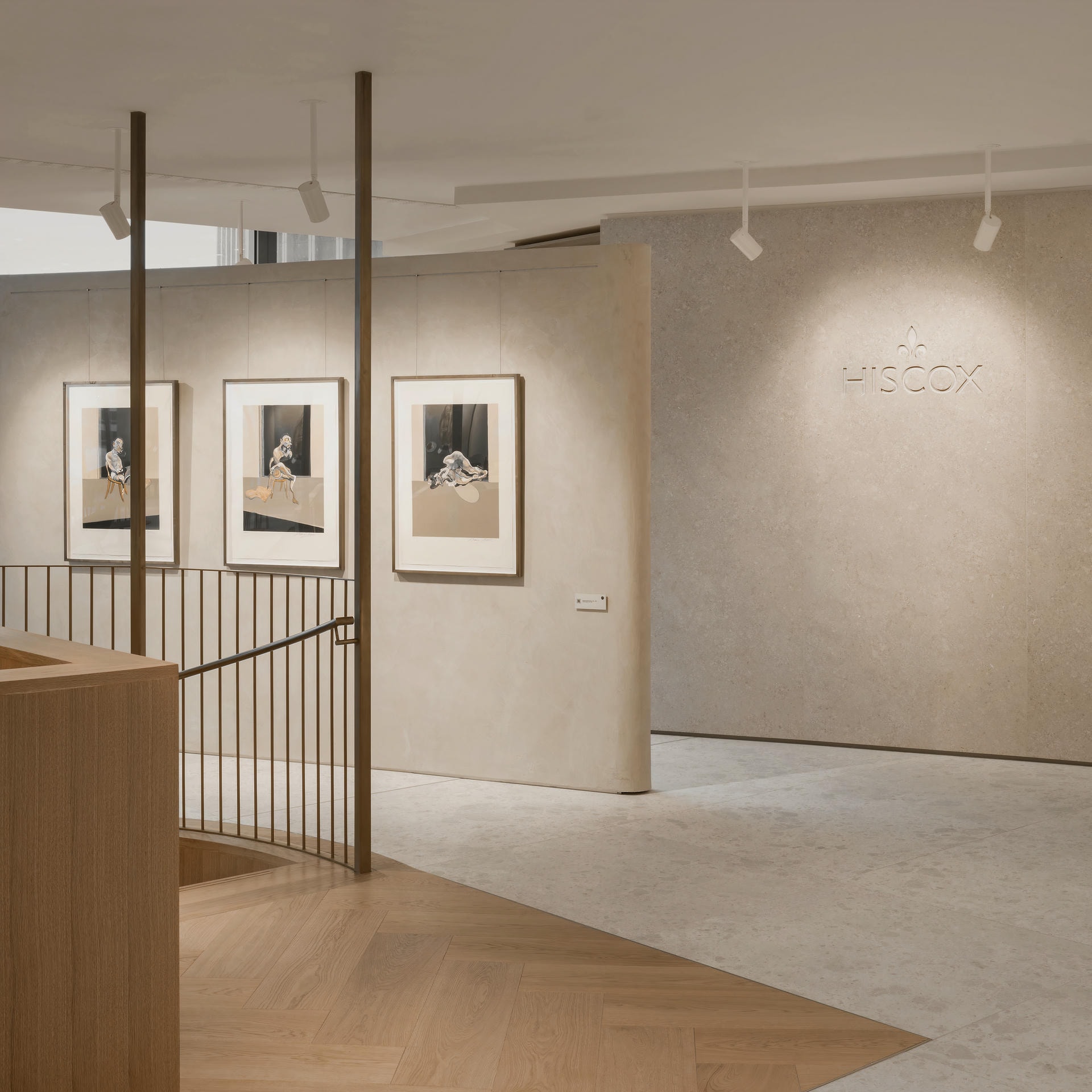
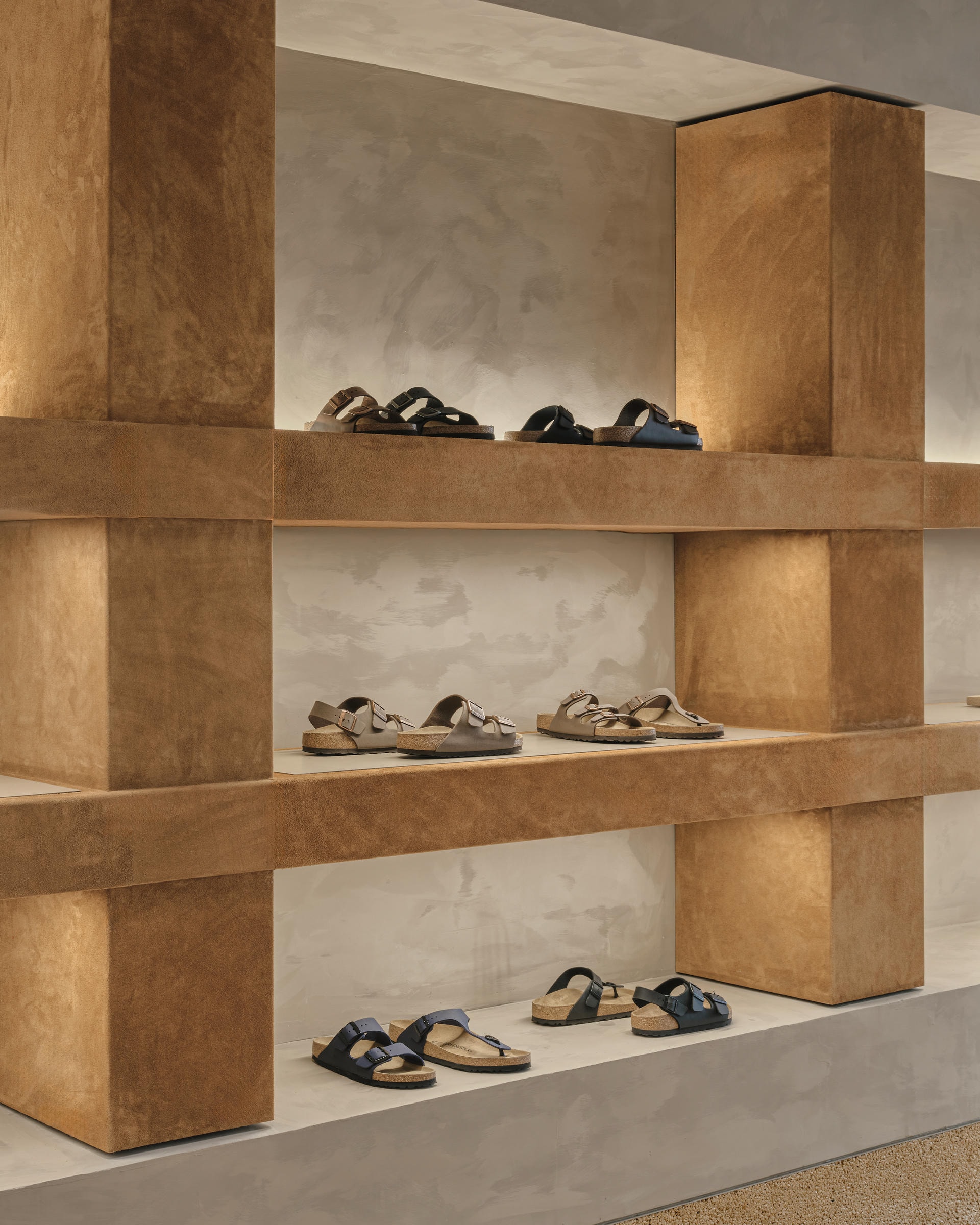
GISELA FLAGSHIP STORE © Matteo Ferrari and Ciszak Dalmas
Even though I sometimes find inspiration in places that were never intended to become architectural references, I am particularly fascinated by projects built around one clear idea—and by the discipline never to betray it.
César Portela’s Cemetery of Finisterre has always stayed with me for the way it translates a spiritual dimension into an architecture deeply rooted in the landscape.
In a similar way, Tadao Ando’s interventions in Naoshima create a remarkable dialogue between architecture, light, nature, and art, where every decision reinforces the same narrative.
Everything seems to be moving too fast right now, and what I enjoy the least is having to make important decisions without enough time. Architecture needs observation, discussion, and sometimes the freedom to change direction, but the process often demands instant answers.
The challenge is to keep the original idea clear while dozens of decisions try to pull the project in different directions. Every project seems determined to become a different project along the way.
Architecture is visible when the architect disappears. I believe a project succeeds when people experience a place without being distracted by unnecessary gestures or by the identity of its designer. The space does not belong to us; it belongs to the people who will inhabit, transform, and remember it.
I sometimes feel we have become too focused on the immediate impact of buildings: we celebrate novelty and aim to make an instant impression rather than build a lasting relationship. Buildings will outlive trends, technologies, and even the people who design them. Perhaps we should spend more time asking how they will be experienced thirty years from now, rather than how they will be photographed tomorrow.
I wish someone had encouraged me earlier to find my own voice and to be bolder in shaping a vision that truly felt like my own. Architectural education gives us references, but it also creates habits. This discipline is not an exact science: it is built on accumulated knowledge, yet it ultimately depends on personal interpretation. I find that paradox especially fascinating.
Then again, architecture has never been the easiest career choice.

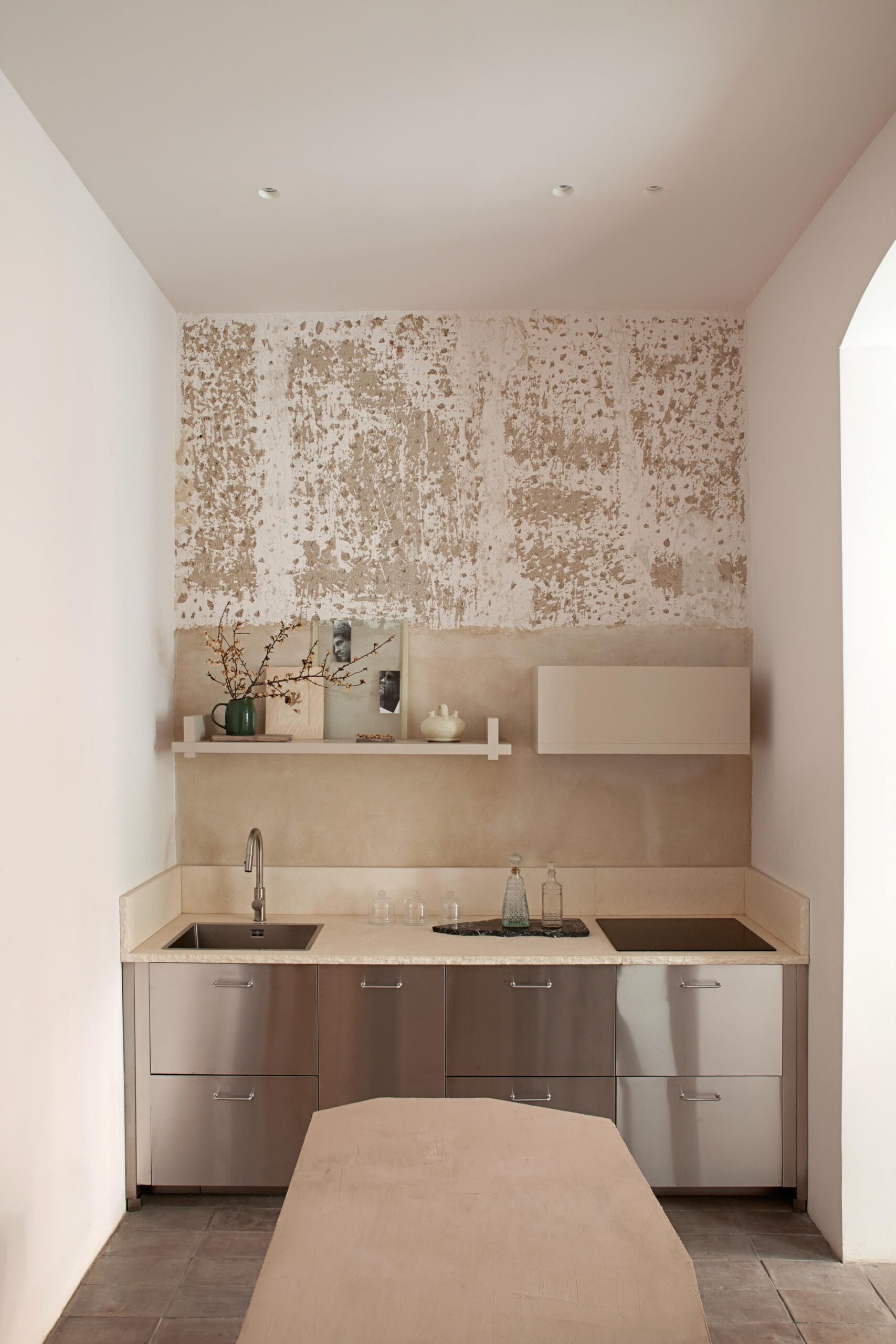
CASA OLIVAR © Matteo Ferrari and Carlota Gallo
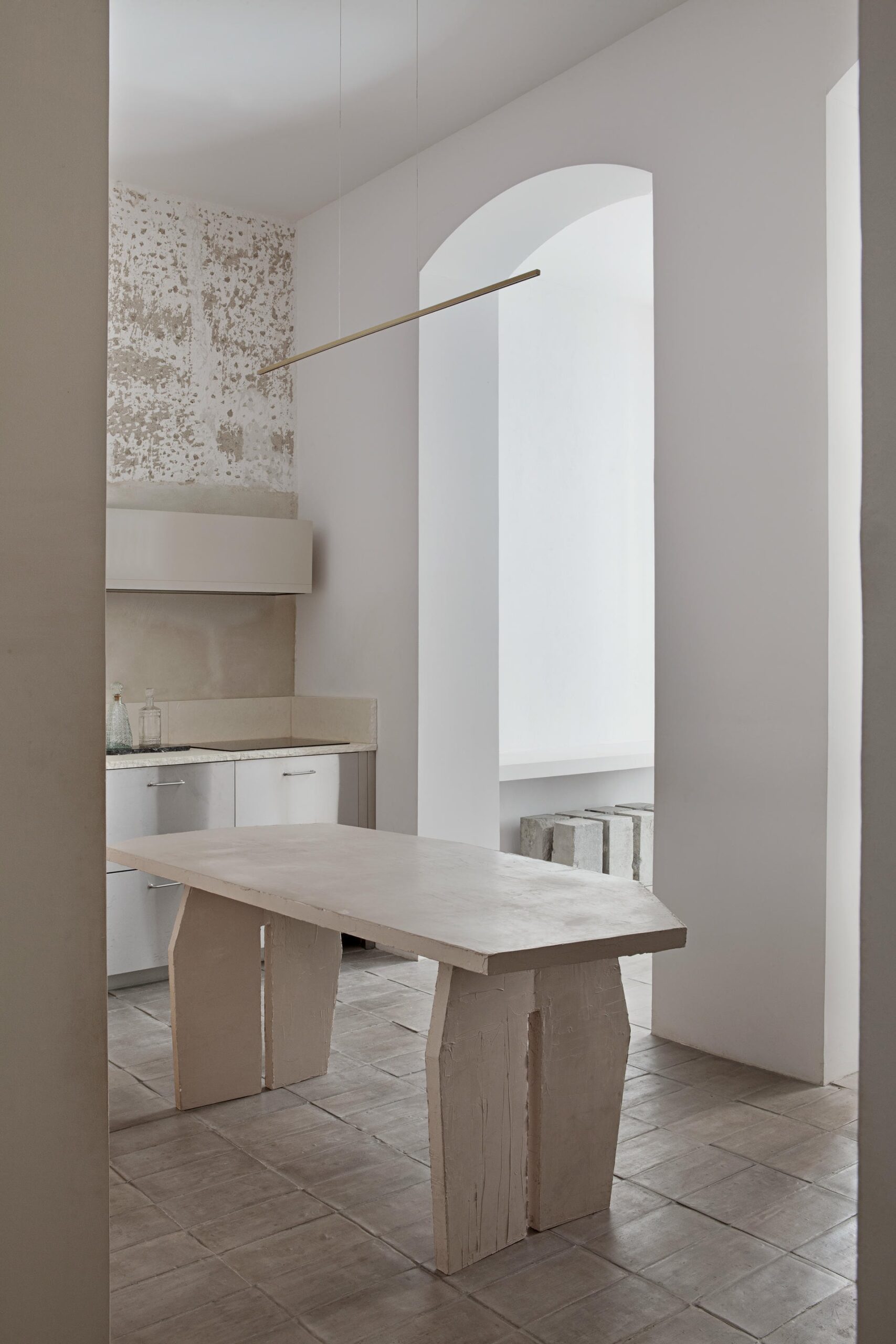
favorite pieces from the Philia Collection
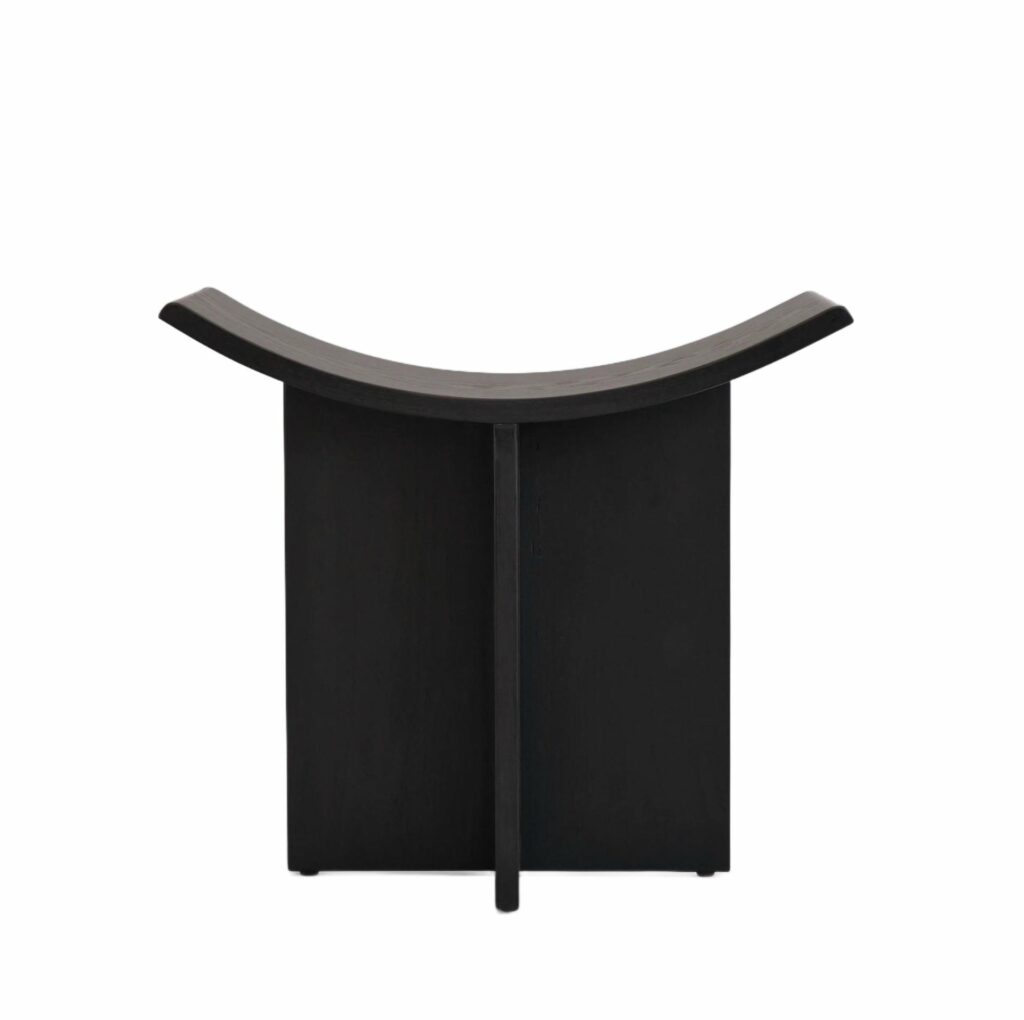
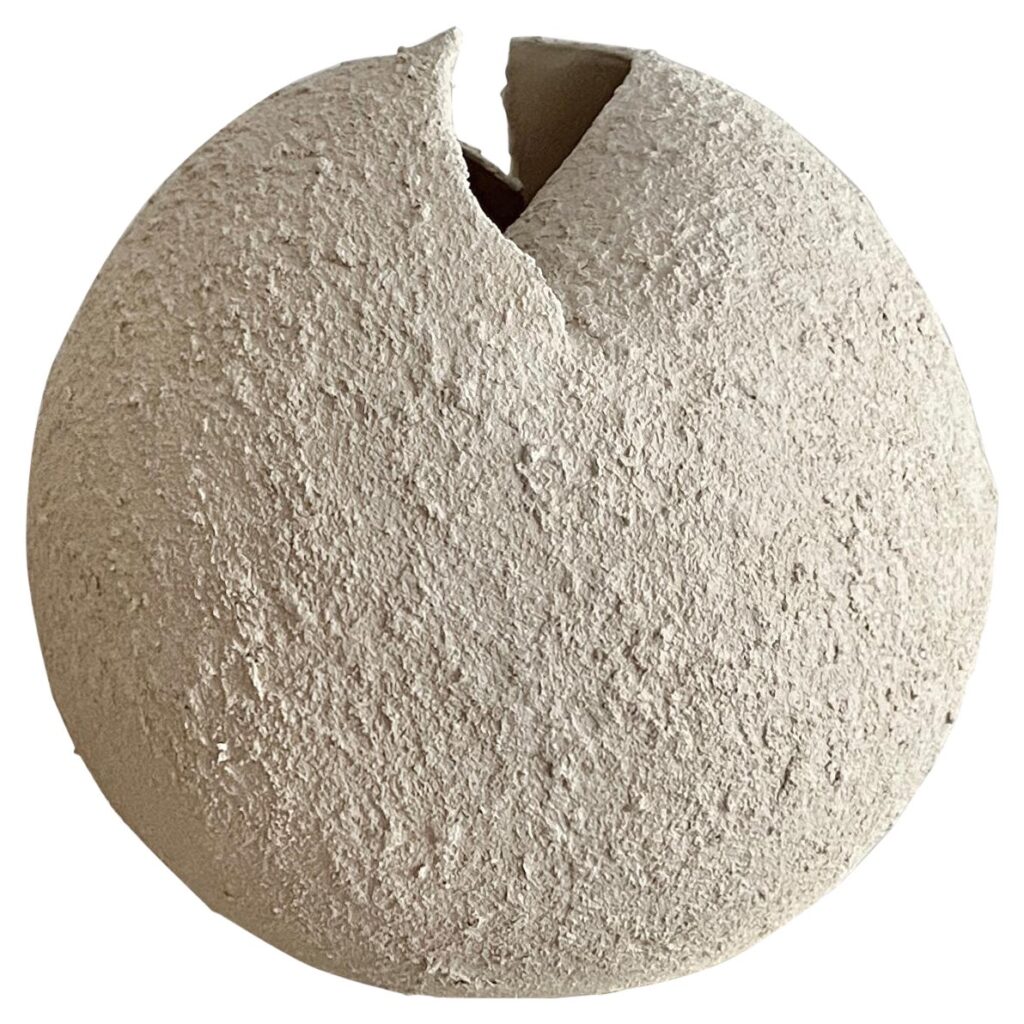
Grain Sculpture by Laura Pasquino
It captures the beauty of imperfection. It feels more discovered than designed, almost like an archaeological fragment.
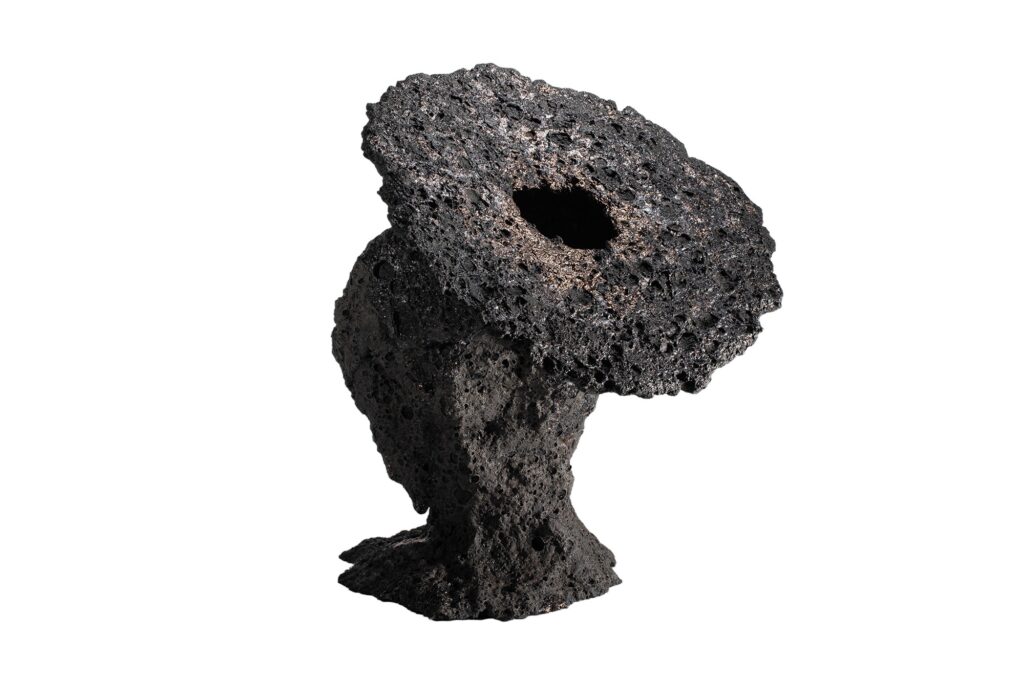
Inspired from Earth’s Origins, Organic Form Clay Sculptural Vase by Niclas Wolf
I’m drawn to the tension between its primitive geometry and raw materiality. It has a strong presence without ever needing to be loud.
Apparently, I have a weakness for objects that say very little at first but say it extremely well.
Thank you so much Matteo, for this lovely interview!
Share article :

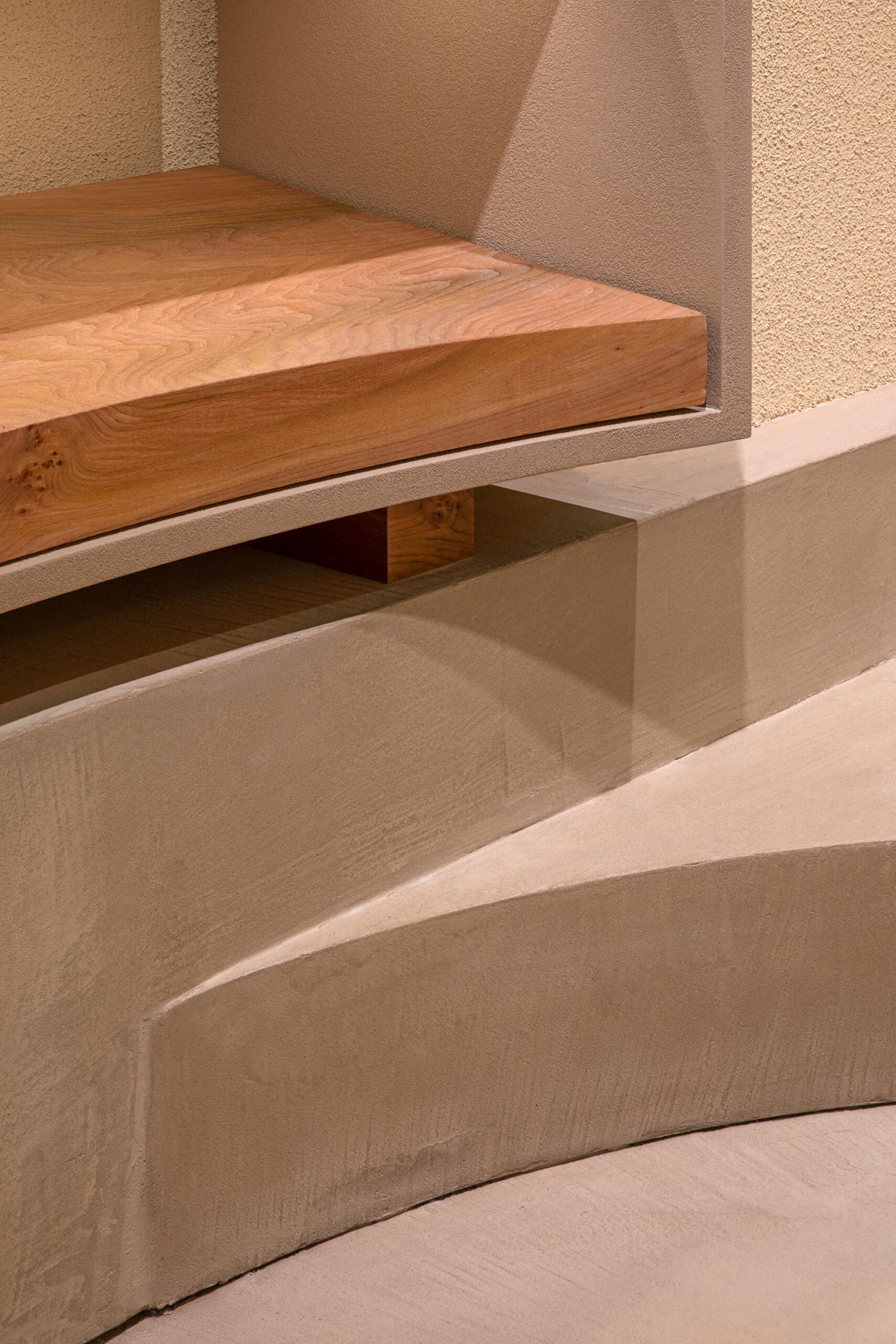
Too clear, too simple, too bold. It almost feels inevitable, as if it couldn’t have been designed any other way.