Nicholas Bijan Pourfard
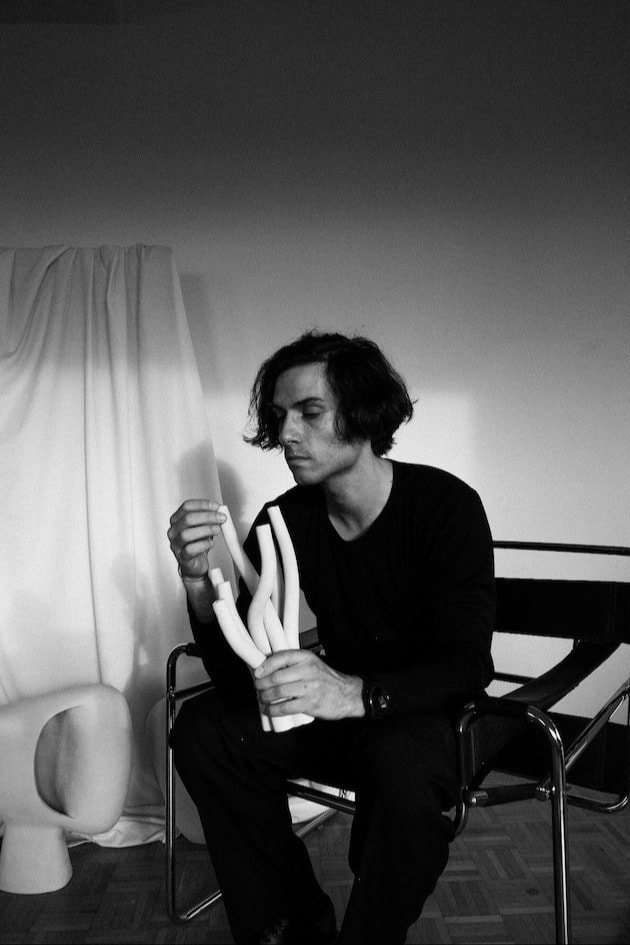
Nicholas Bijan Pourfard is a Southern California-based designer whose work moves between furniture and collectible design, shaped by an early foundation in luthiery. After crafting over 400 bespoke guitars under his label Prisma Guitars, he transitioned toward furniture as a means to expand his exploration of form, material, and expression.
His practice is driven by a dialogue between structure and movement, where materials are not only shaped but activated, giving rise to objects that feel both dynamic and grounded. Through a process rooted in making, Pourfard develops a sculptural language that balances tension and fluidity, precision and intuition.
Blending traditional craftsmanship with a contemporary sensibility, his work reflects a deeply personal approach to design — one where each piece becomes an extension of identity, narrative, and transformation.
Interview
I was born and raised in San Diego, CA.
Through a childhood love of skateboarding, I found myself very interested in architecture and the use of public space. This interest transitioned into an appreciation of art and design quickly, and I became fixated on creating things.
I have not always worked directly in the art/design field, but I accidentally fell into a career of building electric guitars. I have built and sold around 400 guitars to date and continue to operate.
I started designing out of a sense of absence, feeling like there weren’t enough objects around me that evoked emotion or had personality.
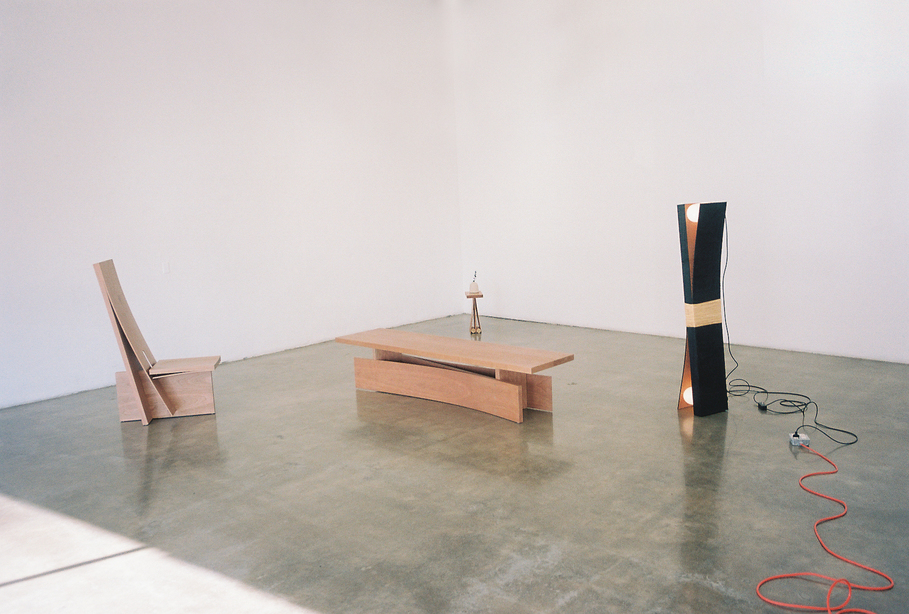
My creative process begins with material investigation, where construction methods and material or tooling constraints actively shape the resulting design.
My day usually begins in the garden, walking, tending, and observing. Being outside and caring for something that owes me nothing and is always changing gives me an unexplainable sense of joy and purpose. It’s the most grounding way I know to reset my mind before facing the challenges of work and design.
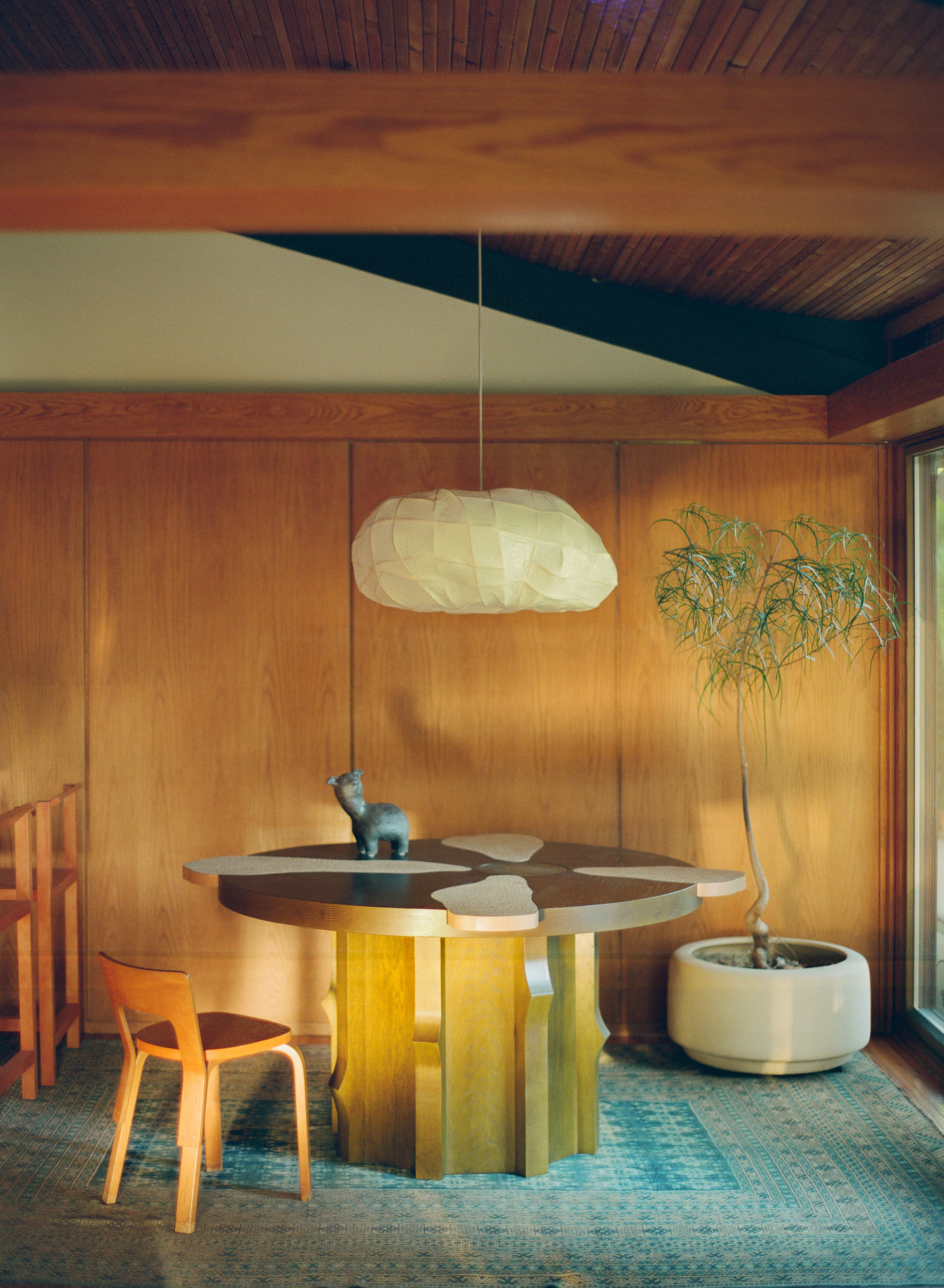
I typically choose materials based on form, recognizing that some lend themselves naturally to organic shapes while others feel more appropriate when controlled or constrained.
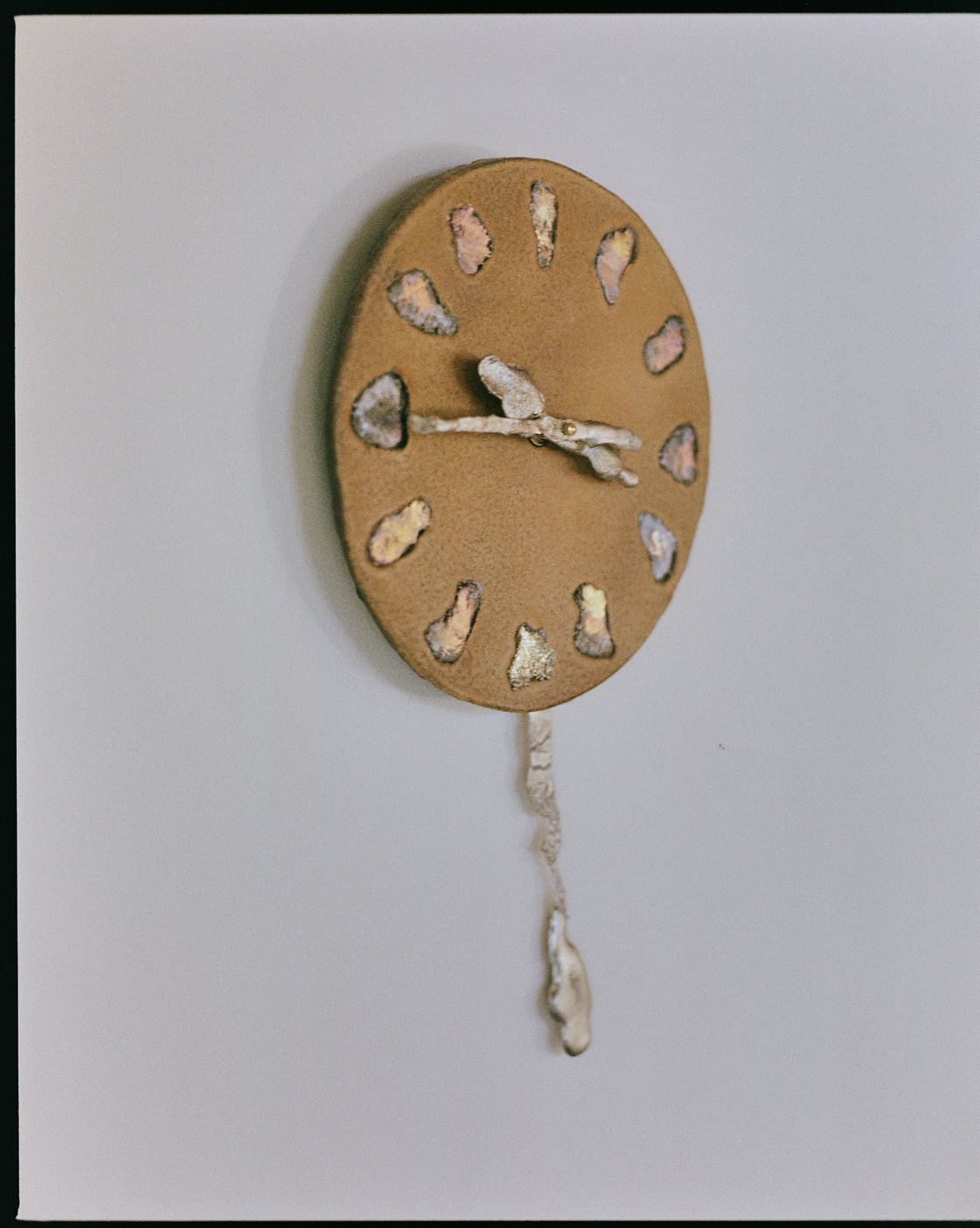
Experimental functionality.
I’ve been feeling increasingly connected to my culture lately, and I can sense it having a strong impact on the work I want to create in the year ahead. I’m excited to share more soon.
The technical properties of my work vary from series to series. One recurring constant, however, is an element of articulation or movement. Whether that movement serves functionality or simply aids installation depends on the context of the piece.
My advice to anyone interested in designing these types of pieces—and something I have to remind myself of at times—is to think as little as possible. Some of my favorite works emerged almost as impromptu exercises, and I’ve come to value the clarity that comes from making quick, intuitive decisions throughout the process.
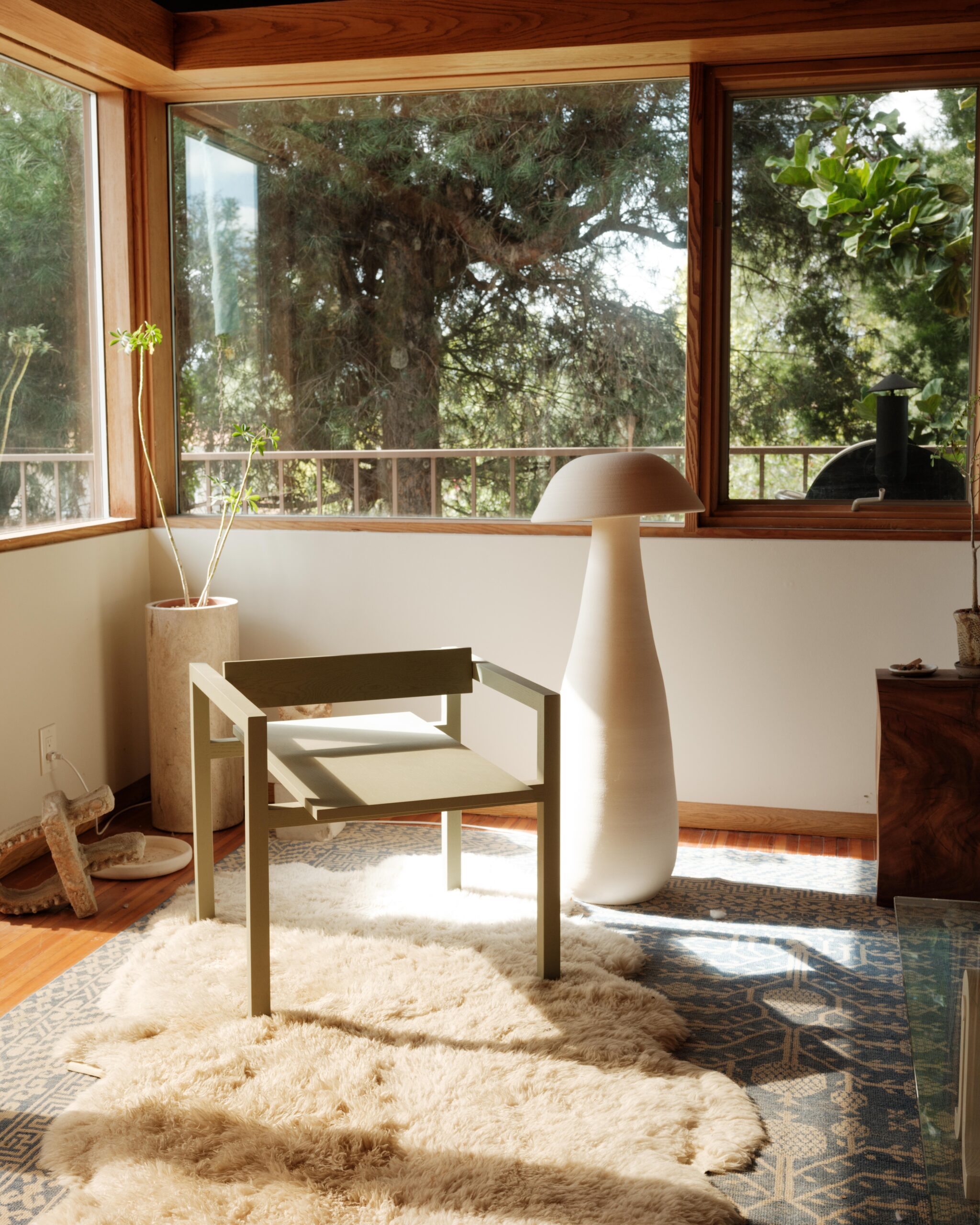
I would say my metal and woodwork are informed by a kind of constructivist minimalism, while ceramics, glass, and casting allow me to step away from that language and focus on a more human sensibility associated with California Craft.
Enzo Mari, Gas Aluenti, Gerrit Rietveld, Eva Hesse, Donald Judd, JB Blunk.
Minjae Kim, Emily Thurman, Sheyang Li, Yuki Gray.
Claire Hu, Tyler Christopher Brown, Serban Ionescu.
“I started designing out of a sense of absence, feeling like there weren’t enough objects around me that evoked emotion or had personality.”
The Questions
(The Proust Questionnaire is a set of questions answered by the French writer Marcel Proust.
Other historical figures who have answered confession albums are Oscar Wilde,
Karl Marx, Arthur Conan Doyle, Stéphane Mallarmé, Paul Cézanne…)
Farm homesteading with loved ones.
Planes.
Self-Doubt.
Resentment.
My Grandpa.
Plant collecting.
Relaxed.
Self-discipline.
Empathy.
Empathy.
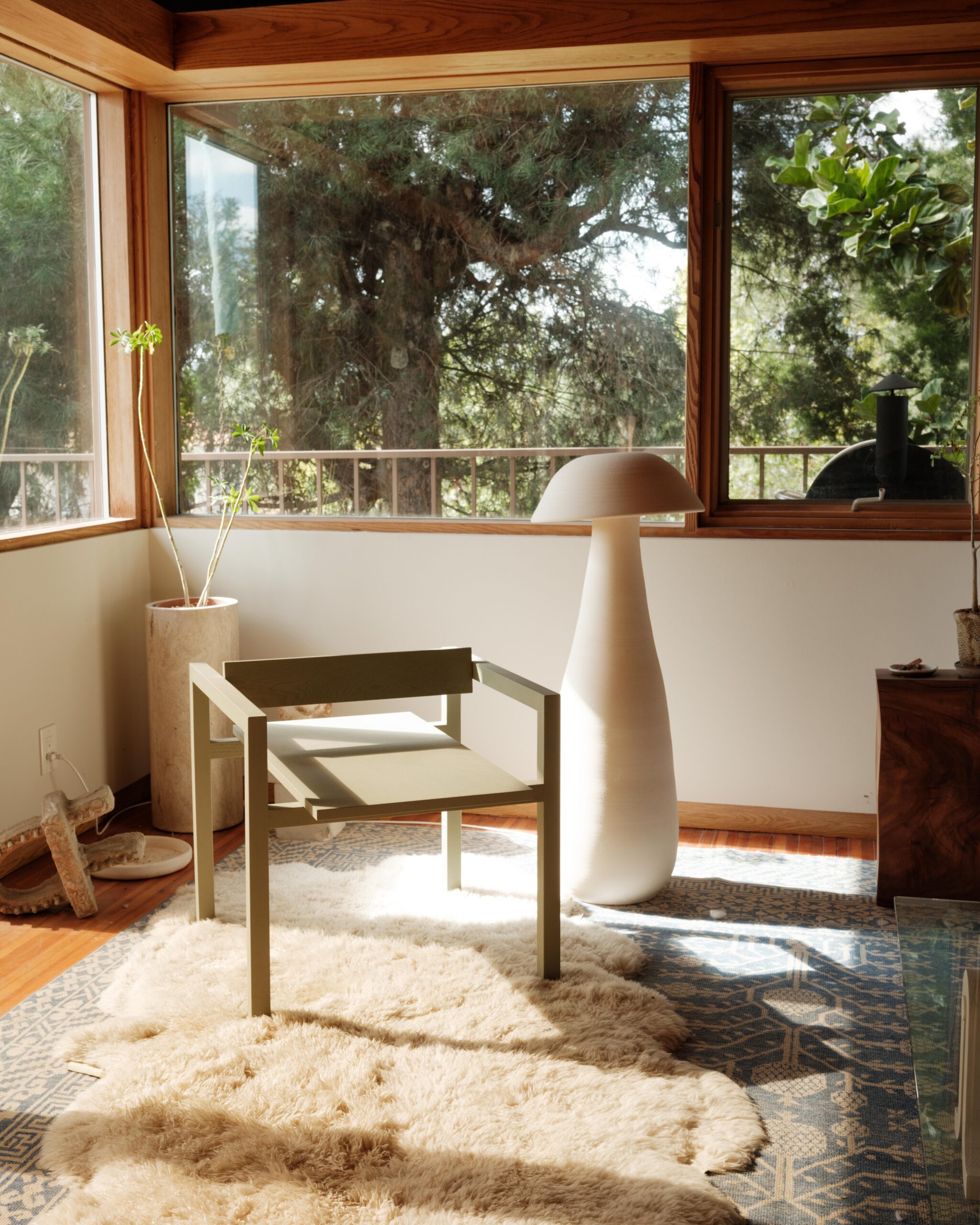
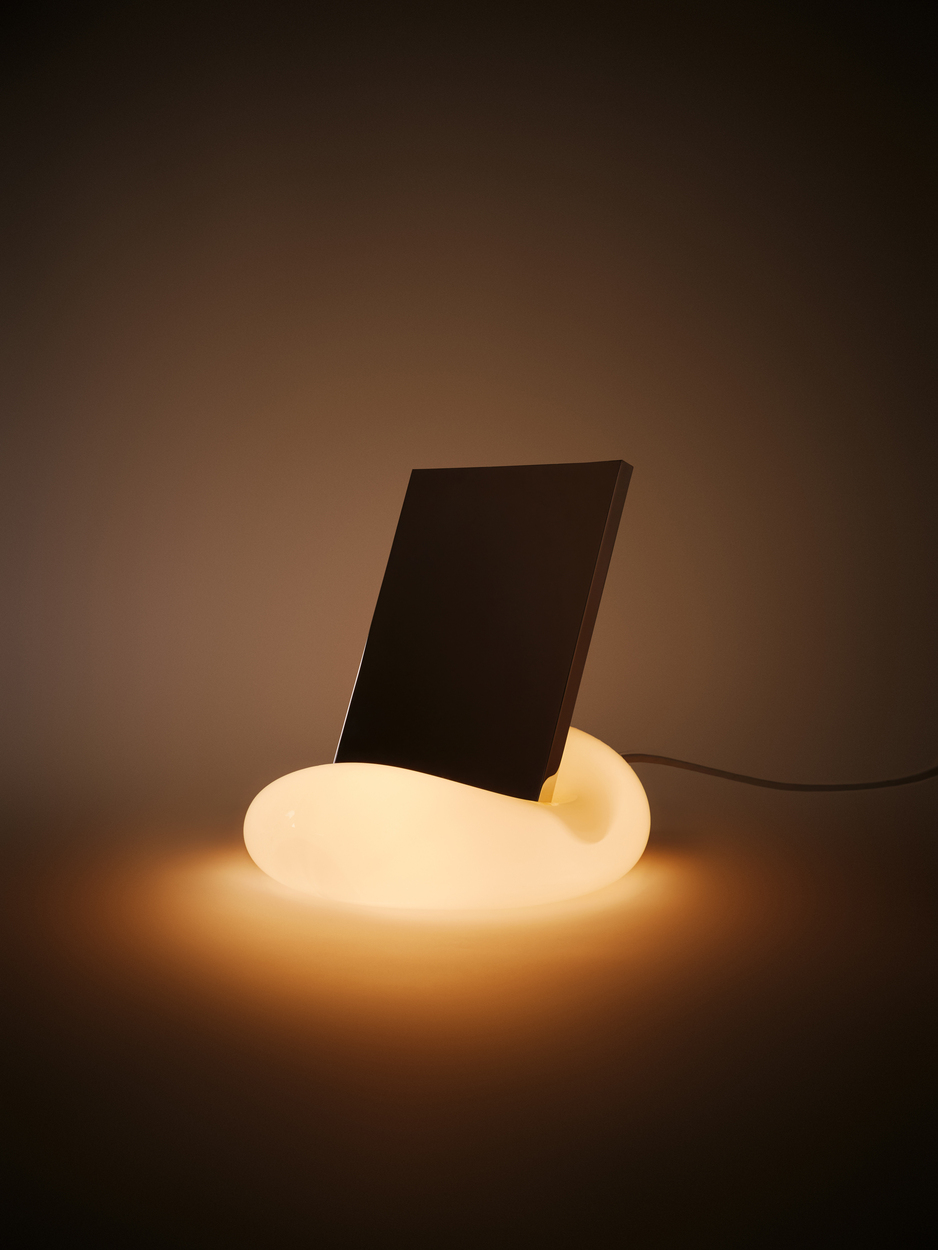
“Like”.
A voice to sing.
Being more open to experiences.
My Garden.
A tree.
Italy.
The fruit I grow.
Complacency.
Playing Guitar.
My hands.
Open-mindedness.
Rumi.
Little foot – Land before time.
–
Mom and Dad.
Marjan, Sasan.
Oysters.
Not asking enough questions.
Unsure, but plant a huge tree on me.
If you can’t reach a fruit its for the birds.
“Being outside and caring for something that owes me nothing and is always changing gives me an unexplainable sense of joy and purpose.”
SHARE :