I was born in Moscow and now live and work in São Paulo, Brazil, where I have been for the past 10 years. This decade-long experience in São Paulo has significantly influenced my artistic journey and design philosophy.
MAGAZINE · INTERVIEW
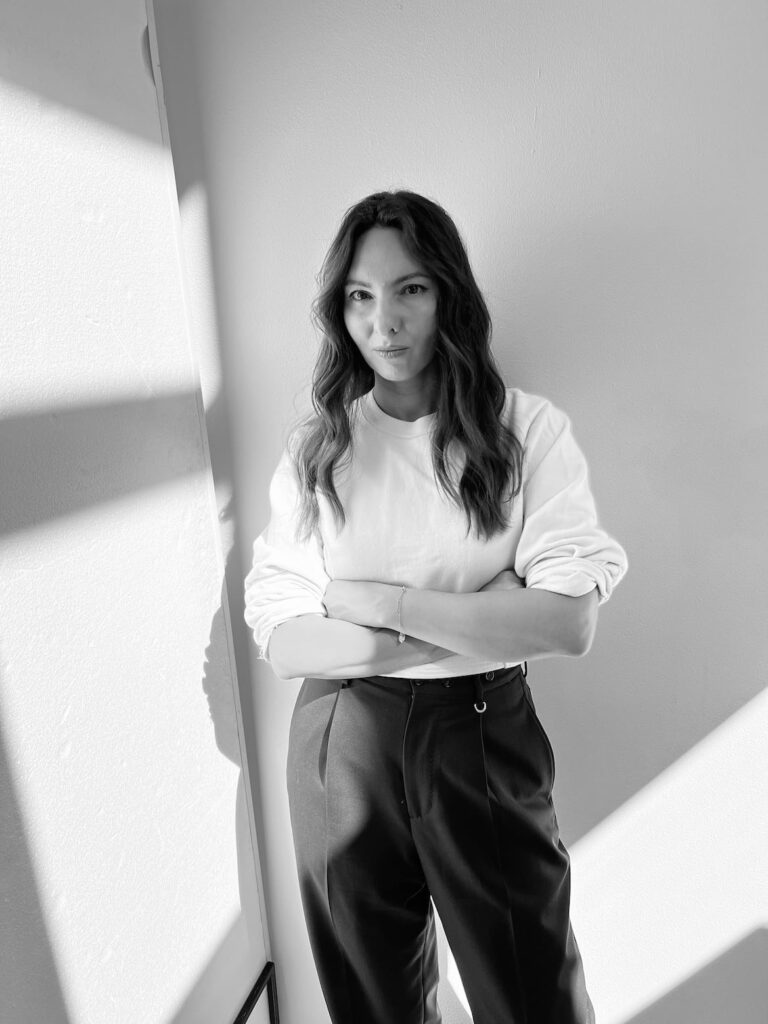
Olga Treivas
Olga Treivas is a Moscow-born architect and designer based in São Paulo, Brazil, where she leads the multidisciplinary practice Treivas. Working across architecture, exhibition design, and collectible design, her practice explores the dialogue between cultural narratives, material experimentation, and contemporary craftsmanship. Alongside her architectural work, she investigates the expressive potential of crystal glass, reinterpreting traditional techniques through a contemporary lens while exploring the material’s rich history, plasticity, and inherent tension between strength and fragility.
Treivas has developed a distinguished portfolio of museum, exhibition, and cultural projects, including retrospectives for Marina Abramović and John Baldessari, as well as the design of public cultural spaces. Her experience also includes collaborating with OMA on the renovation of the Garage Museum of Contemporary Art, reflecting a practice that moves fluidly between architecture, scenography, and collectible design.
Let's know more about
Interview
Where were you born and where are you from?
What is your first memory connected to the art world?
My first art-related memory is deeply intertwined with architecture. Growing up in a family of architects, I was frequently exposed to the creative process from a very young age.
One particular memory that stands out is when I visited the Moscow Architectural Institute as a child. The halls were filled with architectural models, drawings, and discussions about space, design, and art. This environment, full of creativity and the constraints associated with growing up in the Soviet Union, was my first exposure to the fact that art and architecture are closely connected.
It was then that I realized the power of interpretation and the potential of working in the simplest conditions with shapes and spaces and still evoking emotions – a realization that still influences my work today.
Have you always worked in the art/design field?
Yes, I have always worked in the art and design field. My background in architecture naturally led me to explore the intersection of these disciplines. From founding the Treivas Architecture Bureau to collaborating on museum exhibitions and working as a crystal glass designer, my career has consistently revolved around creative expression. Whether it’s designing buildings, crafting exhibition spaces, or creating objects, my work has always been deeply rooted in both art and design. These fields have allowed me to explore different forms of creativity while maintaining a focus on craftsmanship and aesthetics.
What led you to design creation?
In addition to architecture, I developed a passion for various artistic mediums, including sculpture and visual arts. This curiosity drove me to experiment with different materials and techniques, allowing me to understand the nuances of design beyond just buildings.
As I advanced in my studies and career, I realized that design creation is not just about aesthetics but also about problem-solving and enhancing human experiences. This guided me toward various projects, from crafting exhibition spaces that resonate with visitors to designing objects that were both artistic and functional. The interplay of form and function continues to inspire my work, pushing me to explore innovative design approaches that engage and provoke thought.
How would you describe your creative process and its influences?
My creative process is rooted in collaboration, research, and cultural context. I start by immersing myself in the project, exploring its history and the needs of its users. This helps me identify unique characteristics that inform my design decisions.
I engage with clients, artisans, and other stakeholders involved. For instance, in one of our recent projects, I worked closely with a local woodcarver to incorporate authentic patterns, blending traditional craftsmanship with modern architecture.
I also draw inspiration from various artistic disciplines, balancing aesthetics and functionality to create designs that evoke emotional responses while serving their intended purpose. This dynamic approach allows me to produce thoughtful and innovative designs that stand the test of time.
Could you describe a typical day of your work?
Our team operates across a six-hour time zone, spanning from Argentina to the Middle East. Living in Brazil, I start work the moment I open my eyes. The first six hours after waking are filled with calls and meetings. Only then do I allow myself a pause. I have lunch, pick up my son from school, and make time for yoga or karate
lessons. Afterwards, I work for another two to four hours and – voilà! – I’m left with a wonderful free evening with my family and friends.
Why did you choose the specific materials you work with?
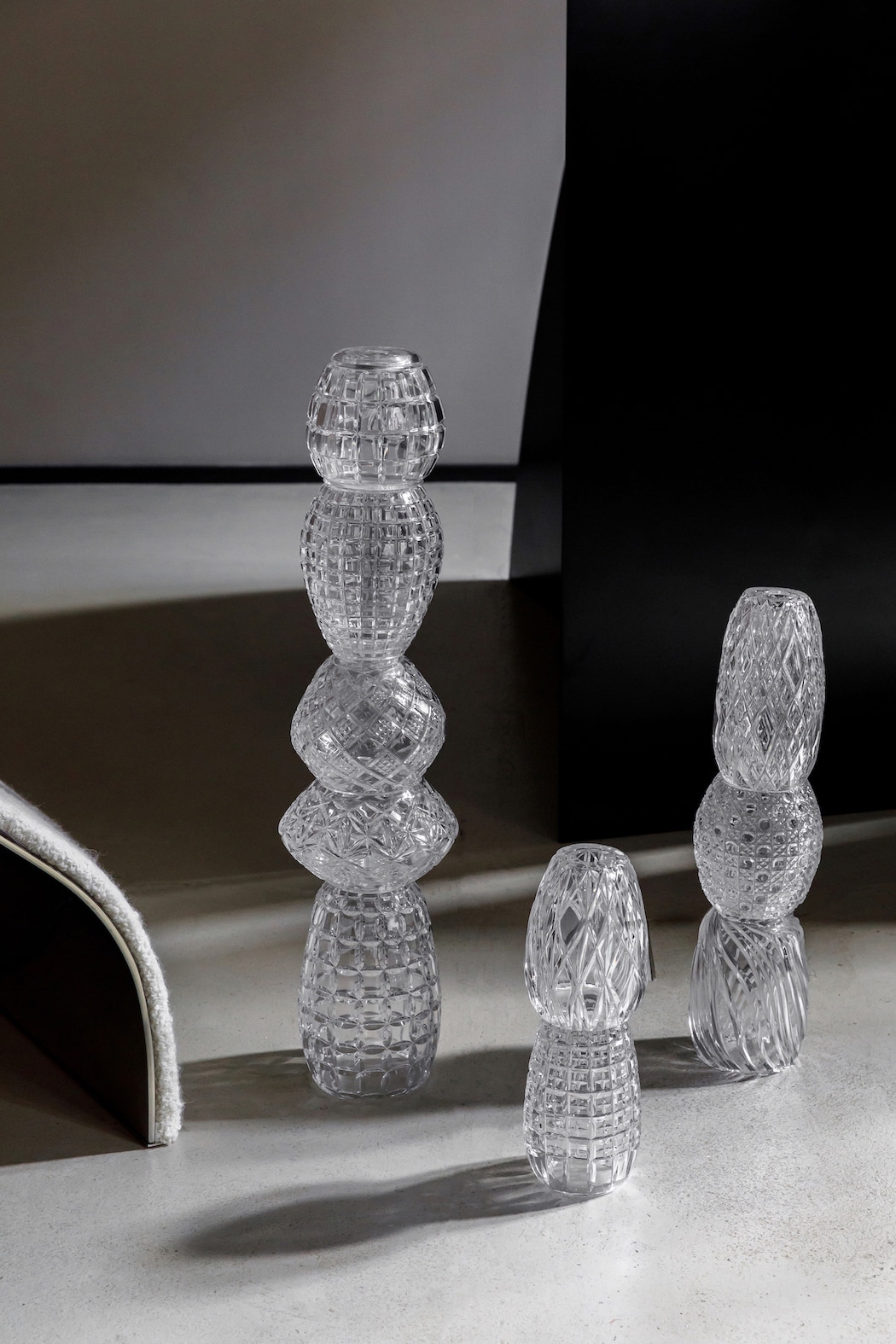
I chose to work with crystal glass because of its intriguing qualities—its transparency, fluidity, and the way it interacts with light. Crystal offers a unique blend of fragility and strength, allowing me to explore both the material’s delicate nature and its ability to create bold, sculptural forms.
Having said this, to be honest, crystal is so complex to produce that there’s simply less competition. To create a single piece, you need a small factory and a team of 5 to 12 specialists across various disciplines. It is our mission to highlight the intricacies of this craft.
Living and working in Brazil has also taught me not to chase the latest technologies, but rather to interpret my craft through the use of regular materials. In my work, I apply this understanding to the fullest, engaging with a wide range of traditional materials—from wood to synthetic polymers.
What are the technical particularities of your creations?
Quite simple! These are the most complex tools and techniques – and that’s not sarcasm. This is truly part of our mission. We choose and study traditional but fading techniques, such as cut crystal glass. We immerse ourselves in the production process and engage in educational work, all while creating new objects at the intersection of tradition and new meanings.
If your works had to belong to a design movement, how would you define it?
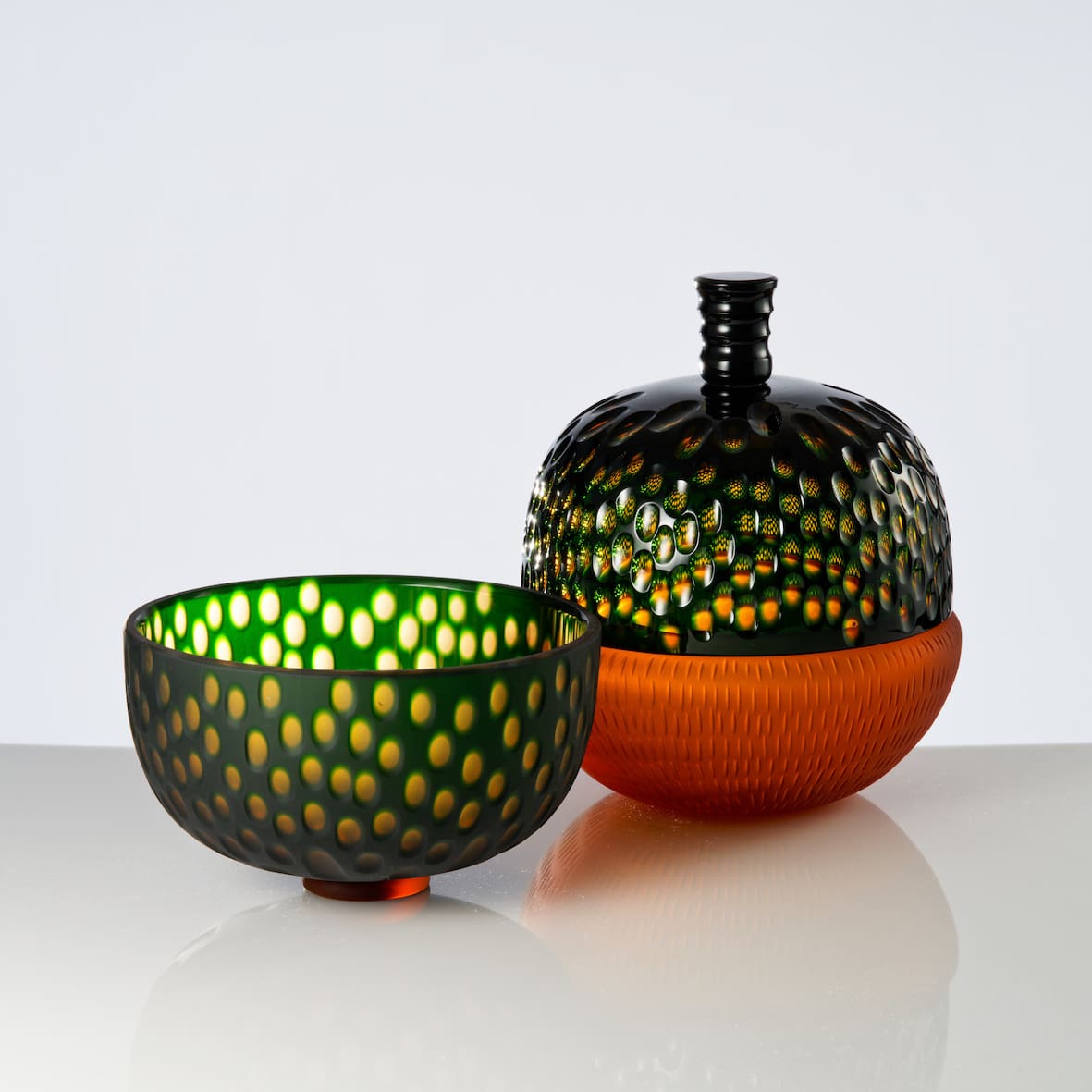
Ha! In terms of approach, I resonate with the principles of the Metabolism movement from the latter half of the 20th century. On top of that clear, structured framework, I would layer elements of pinpoint surrealism with a touch of moderate deconstruction.
What advice could you give to beginning artists who would like to create sculptural design works?
- Be persistent and be consistent: Success in architecture and design comes from hard work and dedication. Commit to going above and beyond in your projects. Continuous effort and resilience will help you stand out and achieve meaningful results.
- Pay attention to details: Cultivate a habit of keen observation. Whether it’s analyzing the texture of materials, the functionality of a product, or the aesthetic harmony of colors, attention to detail is crucial. For example, when designing a piece for an exhibition, I ensure that every element resonates with the exhibition’s overarching theme and purpose, enhancing the viewer’s experience.
- Be bold and embrace courage: Embrace ambitious projects, even when faced with challenges. Don’t shy away from pushing your creative boundaries or working with difficult clients. Taking risks can lead to innovative outcomes and growth in your design practice.
- Stay curious and commit to lifelong learning: Maintain a strong foundation in research and be open to new ideas. Exploring different materials and techniques can expand your perspective and enrich your work. For instance, drawing inspiration from various artistic disciplines can lead to the development of unique products that challenge conventional norms.
- Exercise patience: Remember that architecture and product design are processes that often require time to perfect. Allow yourself the space to iterate and refine your designs. Rushing can compromise the quality and thoughtfulness of your work. Embrace the journey and enjoy the evolution of your creations.
What designers and artists have influenced you?
As a glass artist and architect, I draw inspiration from several contemporary designers whose work significantly influences my approach:
- Patricia Urquiola: Her thoughtful use of materials and innovative approach to glass design push boundaries while maintaining a refined aesthetic. I admire how she balances functionality and artistry, which resonates deeply with my own philosophy.
- Jaime Hayon: His ability to seamlessly blend functionality with artistic expression in glass design sets a high standard in the industry. I appreciate his playful yet sophisticated style, which inspires me to think outside the box in my creations.
- These designers not only shape my artistic vision but also motivate me to integrate their innovative ideas into my own work, continually pushing the boundaries of what is possible in glass art and architecture. I find interest not only in the brilliance of objects but also in how a person conveys their mission – the unique tone of voice they use in the media.
What contemporary designers do you appreciate?
The artist duo, Evgeny Antufiev and Lyubov Nalogina, have a remarkable way of distilling history, transforming it into their own unique, tactile, and enigmatic language. Their project, Twelve, wood, dolphin, knife, bowl, mask, crystal, bones, and marble – fusion. Exploring materials at Collezione Maramotti haunts and pushes me to this day.
What contemporary artists, in any kind of art, have you been inspired by?
Authenticity, Imperfection – reflecting the genuine craftsmanship and the beauty found in imperfection. Each piece tells a story that weaves together historical influences and contemporary design. Tropical exuberance and Slavic restraint if there is any chance to connect them.

If you had to summarize your creations in one word or sentence, what would it be?
We are confident that what makes architecture special or even outstanding is not static shapes but the feelings and vibrations it may provoke in a spectator by showing its imperfection, irregularity, and even roughness.
“Design creation is not just about aesthetics but also about problem-solving and enhancing human experiences.”
The Questionnaire
The Questions
(The Proust Questionnaire is a set of questions answered by the French writer Marcel Proust.
Other historical figures who have answered confession albums are Oscar Wilde,
Karl Marx, Arthur Conan Doyle, Stéphane Mallarmé, Paul Cézanne…)
What is your idea of perfect happiness?
Nature+Art+Persons formula
What is your greatest fear?
To Lose interest
What is the trait you most deplore in yourself?
Endless patience
What is the trait you most deplore in others?
Inattentiveness
Which living person do you most admire?
Maria Nasimov, my dear friend and founder of TAAD design fair
What is your greatest extravagance?
Сollecting carnivorous plants
What is your current state of mind?
Precarious balance
What do you consider the most overrated virtue?
Patience
What is the quality you most like in a man?
Fire in his eyes
What is the quality you most like in a woman?
Fire in her eyes
Which words or phrases do you most overuse?
“It could be interesting”
Which talent would you most like to have?
Blind impudence
If you could change one thing about yourself, what would it be?
Having more confidence in my twenties
What do you consider your greatest achievement?
To master crystal craftsmanship
If you were to die and come back as a person or a thing, what would it be?
Yayoi Kusama‘s pumpkin on Naoshima Island. Nice view and intelligent people coming from all corners of the world to see you
Where would you most like to live?
Sao Paulo is ok
What is your most treasured possession?
Inner balance
What do you regard as the lowest depth of misery?
Airplane food
What is your favorite occupation?
Librarian
What is your most marked characteristic?
Structured irregularity
What do you most value in your friends?
Kindness
Who are your favorite writers?
Kazuo Ishiguro for today
Who is your hero of fiction?
Lady with a log from Twin Peaks
Which historical figure do you most identify with?
Lina Bo Bardi as a woman, immigrant and architect
Who are your heroes in real life?
My partner Alex Avramov is a genius in the field of art education, an athlete, and a handsome man
What are your favorite names?
Valentine is so old-fashioned! Love this name
What is it that you most dislike?
Yammer
What is your greatest regret?
Not investing in bitcoin
How would you like to die?
Doesn’t matter but put my ashes in my crystal vase ‘Summer’
What is your motto?
Imperfection! irregularity! roughness!
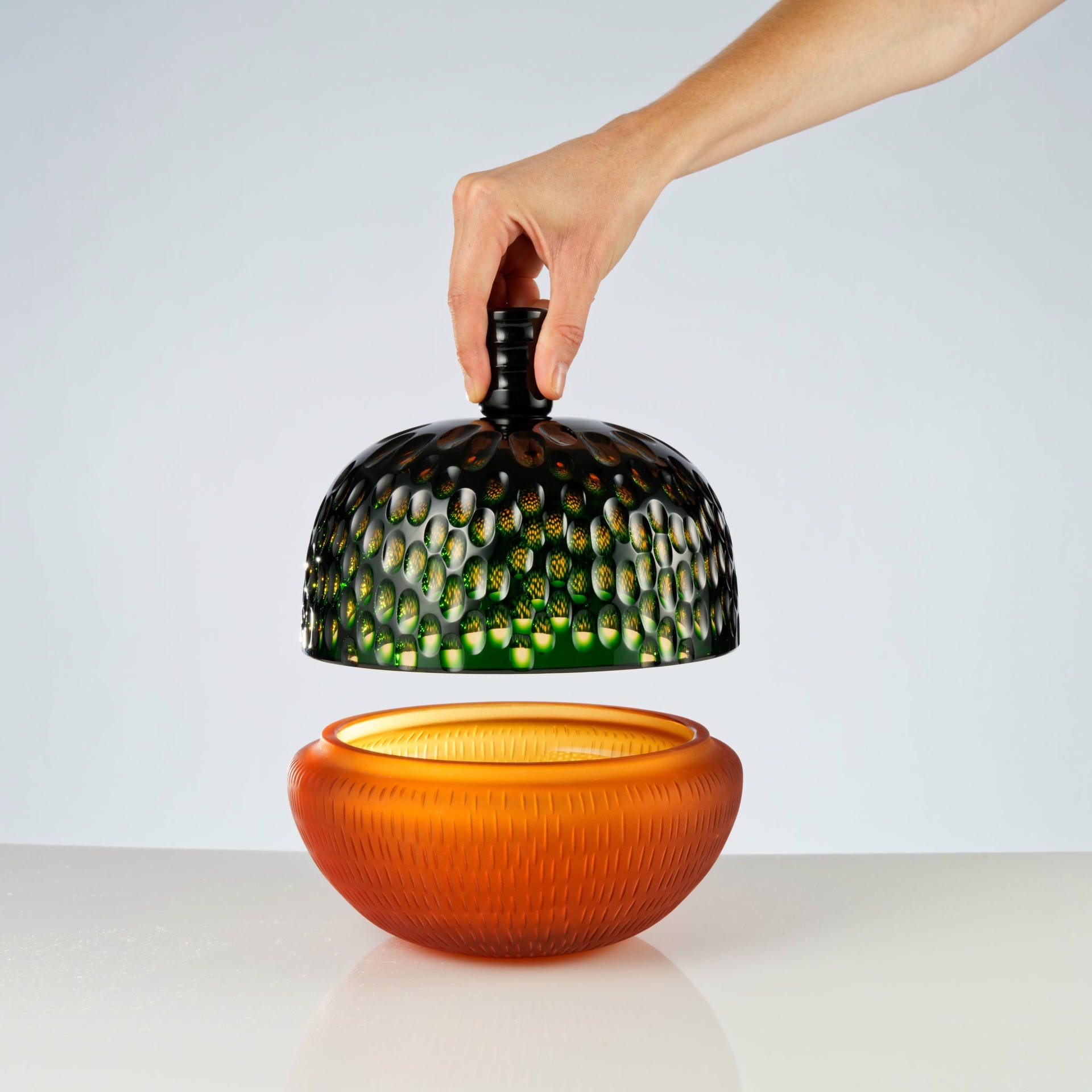
“The interplay of form and function continues to inspire my work, pushing me to explore innovative design approaches that engage and provoke thought.”
SHARE :