YC Chen
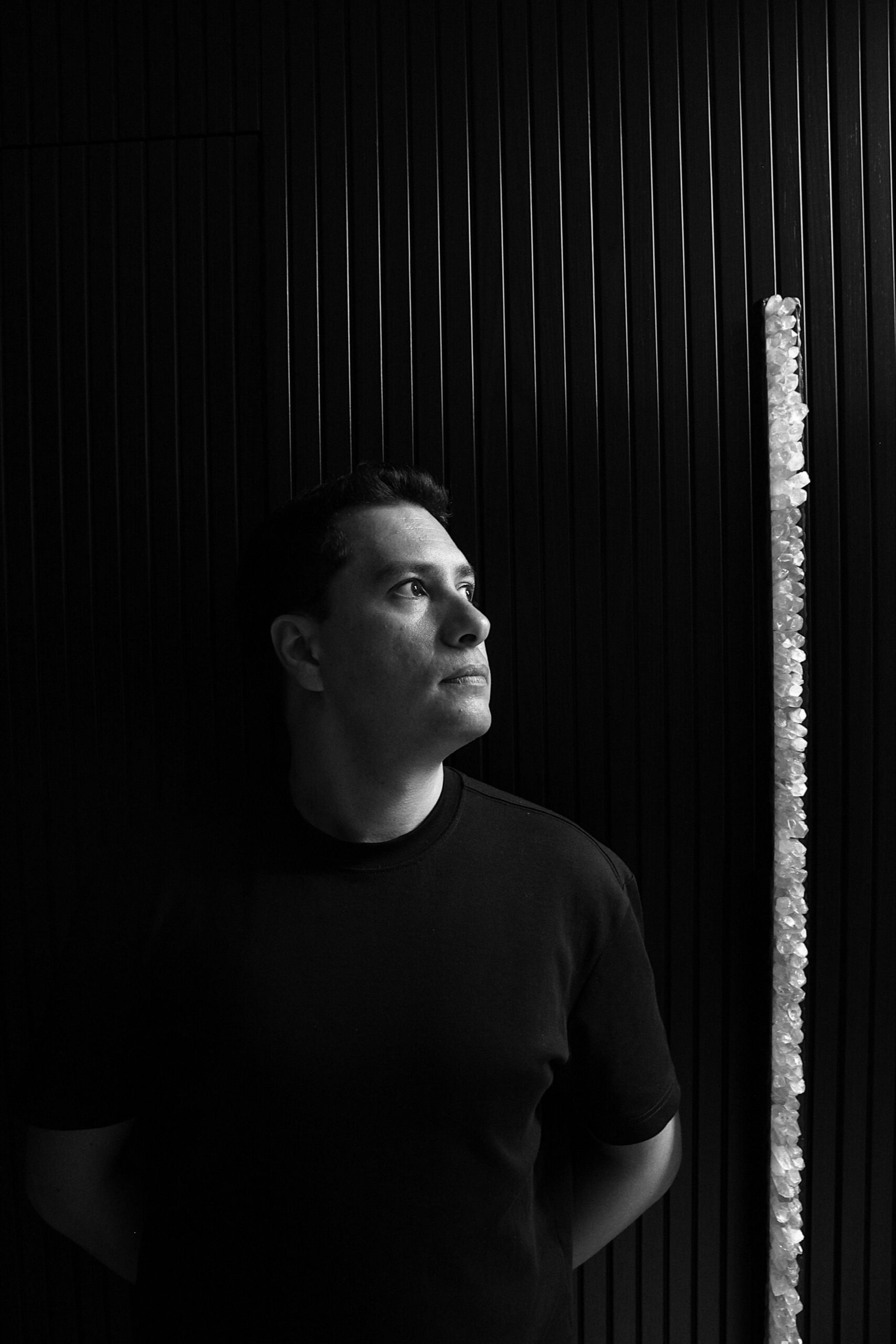
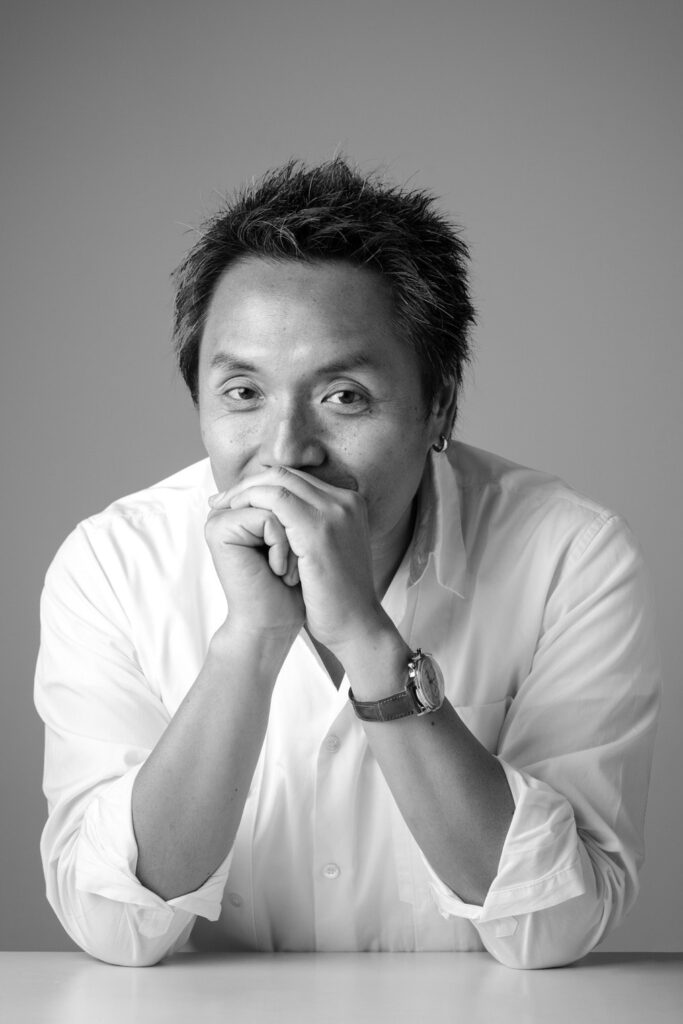
YC Chen is the founder and creative director of hoo, an interior design studio established in 2009. Born in Shanghai and raised in Hong Kong, he studied in the United States and graduated from the University of Michigan with a Bachelor of Business Administration (Honors). Before founding hoo, Chen spent eleven years in the advertising industry as a creative director.
His work is known for one-of-a-kind, haute couture residential projects defined by precision, strong authorship, and meticulous attention to detail. In 2016, Chen received the Perspective 40 Under 40 Award, recognizing his creativity and achievements as a leading young figure in Asia’s interior design field.
“Design needs to have a life and feel human.”
INTERVIEW
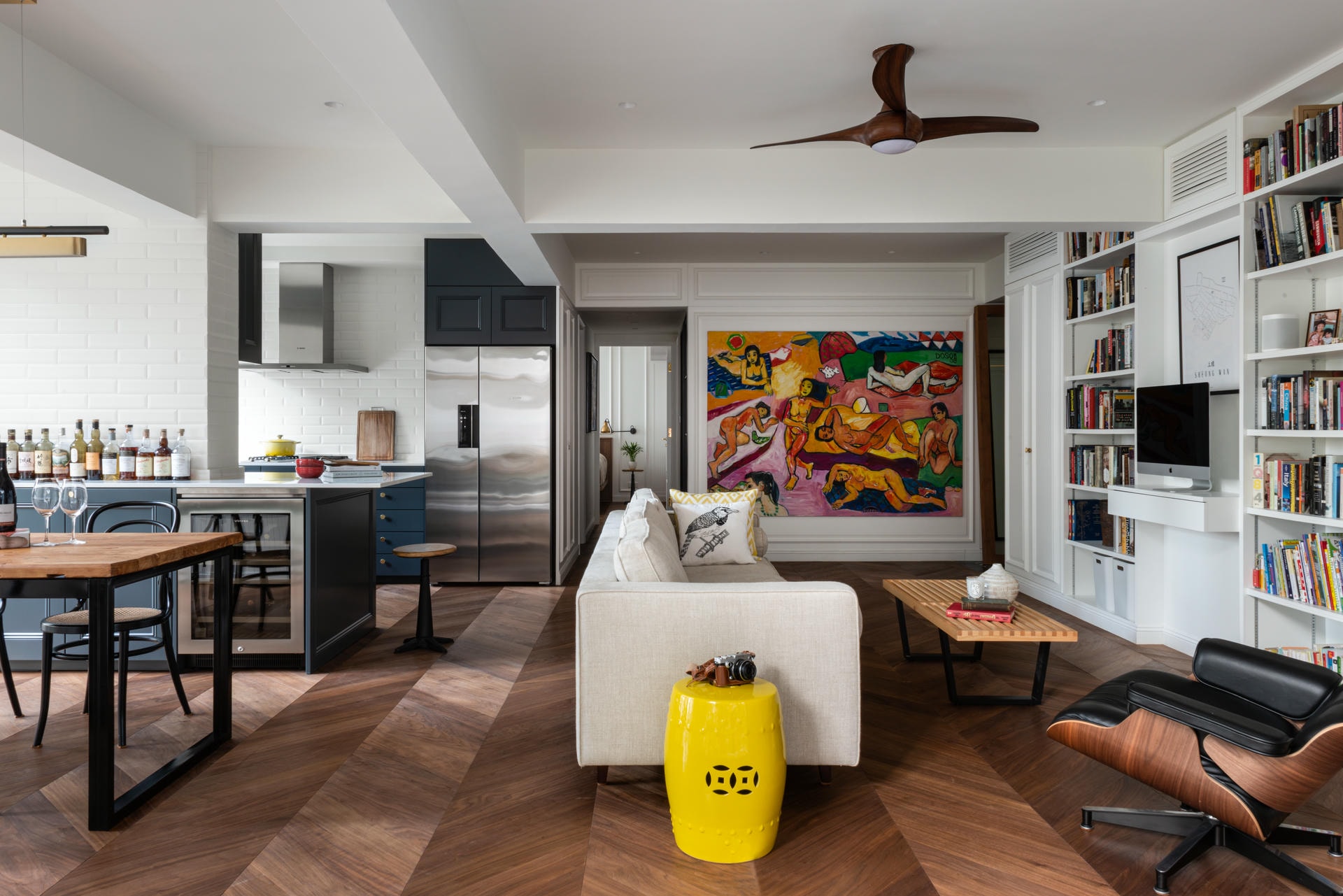
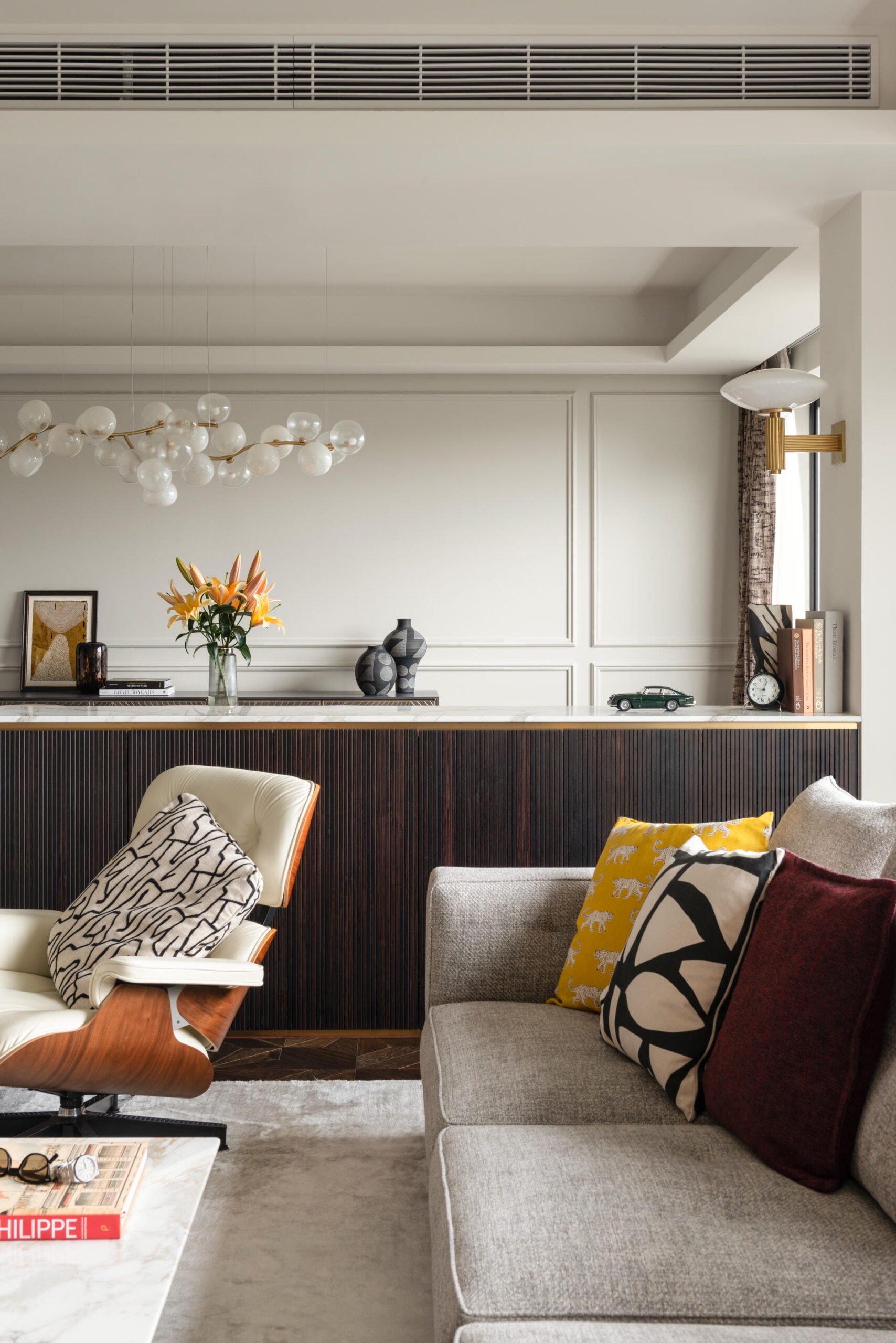
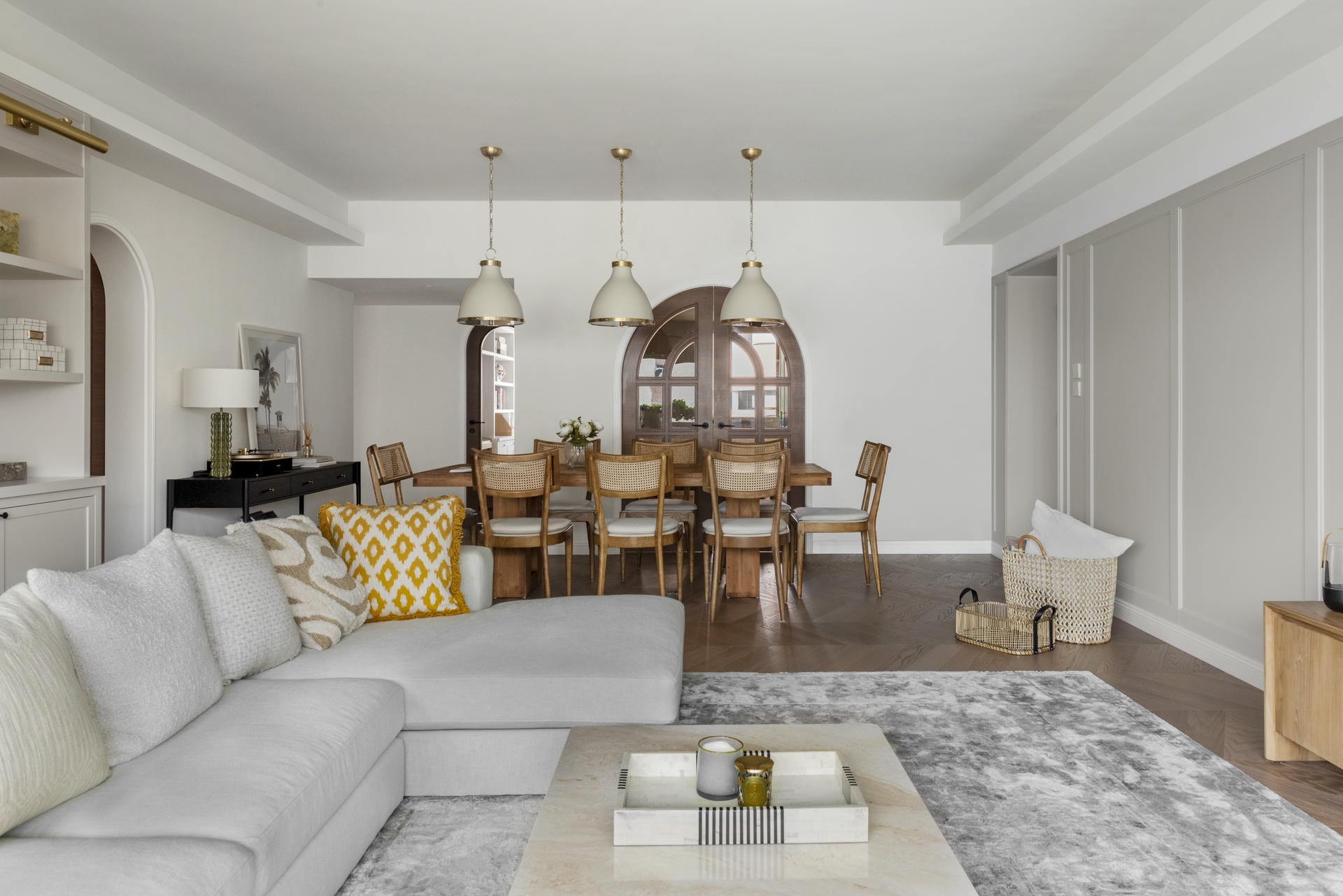
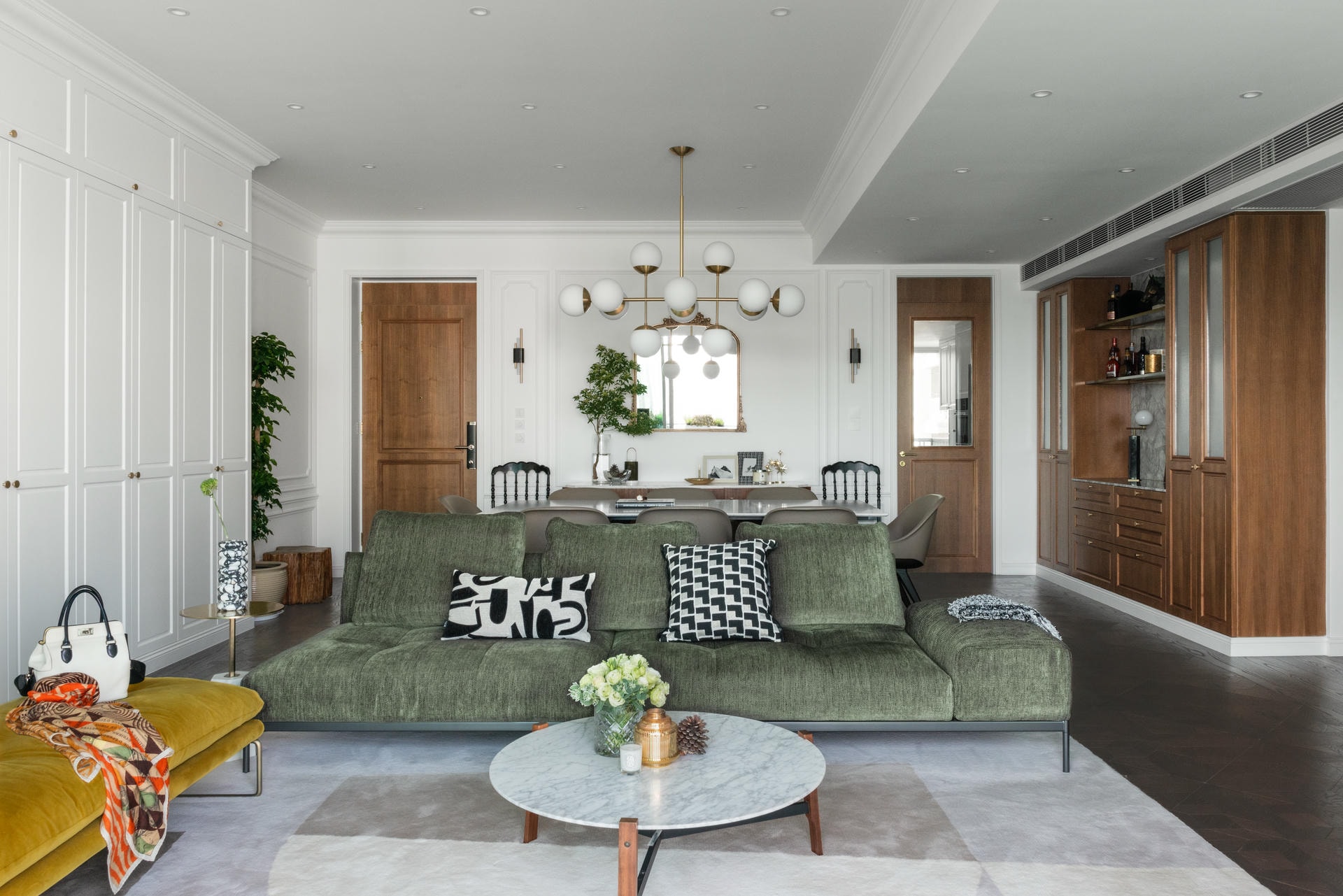
I wouldn’t say we have a specific signature style, though we were known for Scandinavian and mid-century modern designs when we first started. In recent years, we’ve done many coastal and rustic projects. We are committed to creating timeless, practical, and beautifully curated spaces tailored to each client’s lifestyle and aspirations. We can work in minimalistic, rustic, or classic styles. Our strength is versatility — crafting interiors across a variety of styles. We also handle our own styling, handpicking one-of-a-kind pieces and accessories that add character and elevate the overall design. I guess we simply make every style stylish.
Interior design and architecture were actually my original interests when I was in high school. But coming from a traditional Chinese family, my parents believed these careers wouldn’t provide a stable or successful future. So I ended up studying Business Administration in the US, which felt completely irrelevant to me — I was never interested in numbers, nor was I ever meant to be a Wall Street person. Knowing I had a creative mind, I returned to Hong Kong after graduation and joined an advertising agency (which really upset my father).
In 2008, I designed my first home in Hong Kong, and my friends and family were amazed. That led to helping a few friends with their homes, and eventually I started thinking about turning it into a career — especially since I was fed up with advertising politics. Having spent 11 years in the advertising industry as a creative director, I had already developed my own aesthetic sense and a strong understanding of branding.
So in 2009, I started my own interior design studio, hoo, meaning “one of one, one of a kind.” My philosophy has always been to create individualized, tailor-made projects for every client. At the time, many Hong Kong interiors looked similar; you couldn’t tell which designer did what. I believed a bespoke approach would make a difference. We work across different styles — and hopefully make each style stylish.
Definitely the career change from advertising to interior design. Looking back, I don’t know where I found the courage to start from scratch in mid-career. But I’m grateful I did — and 16 years later, I’m still here.
We mostly work on residential projects. I believe we need to study the client’s everyday needs and lifestyle. Interiors need to be human. I always ask myself: “Am I designing a home just to attract attention?” “Is it only for awards?” “How will the family actually live in this space?” A home must be livable. Designers can’t be selfish, creating picture-perfect spaces that ignore real life. We must think from the inhabitant’s point of view.
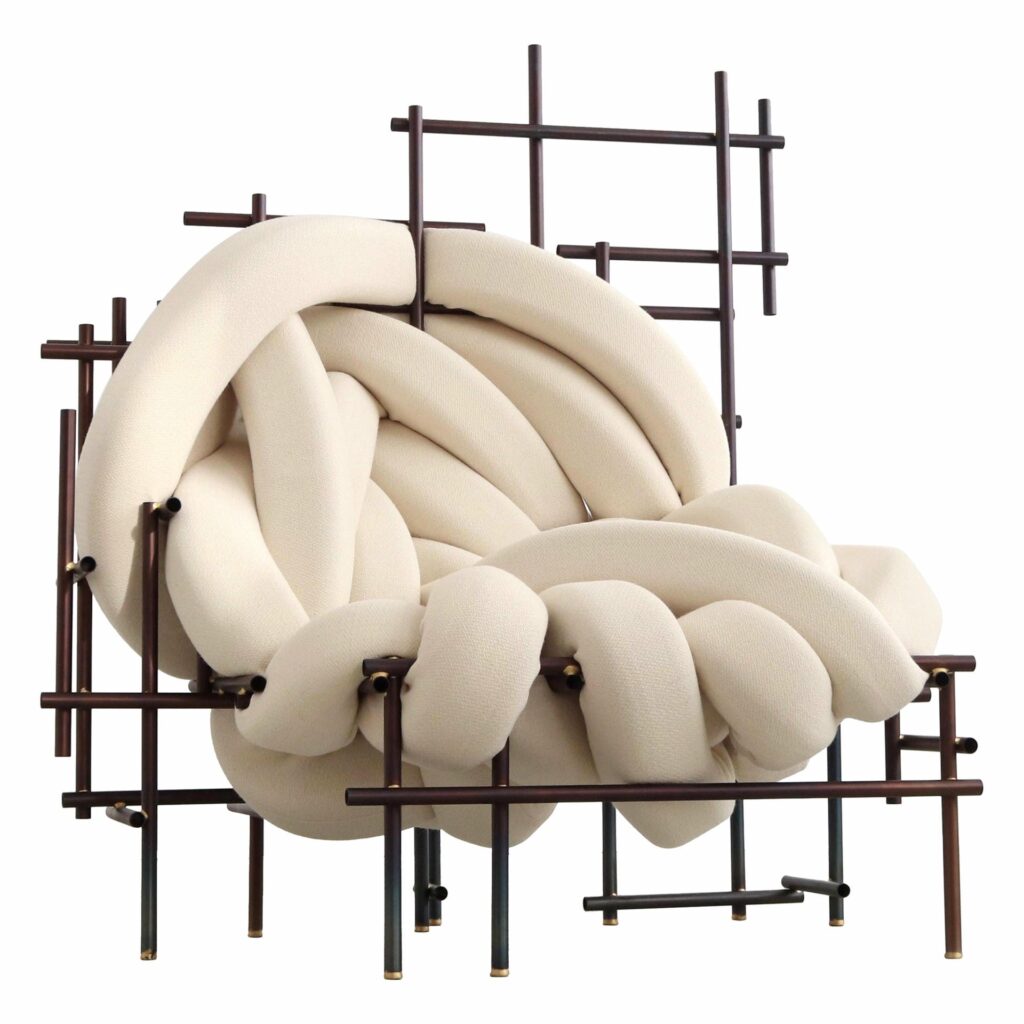
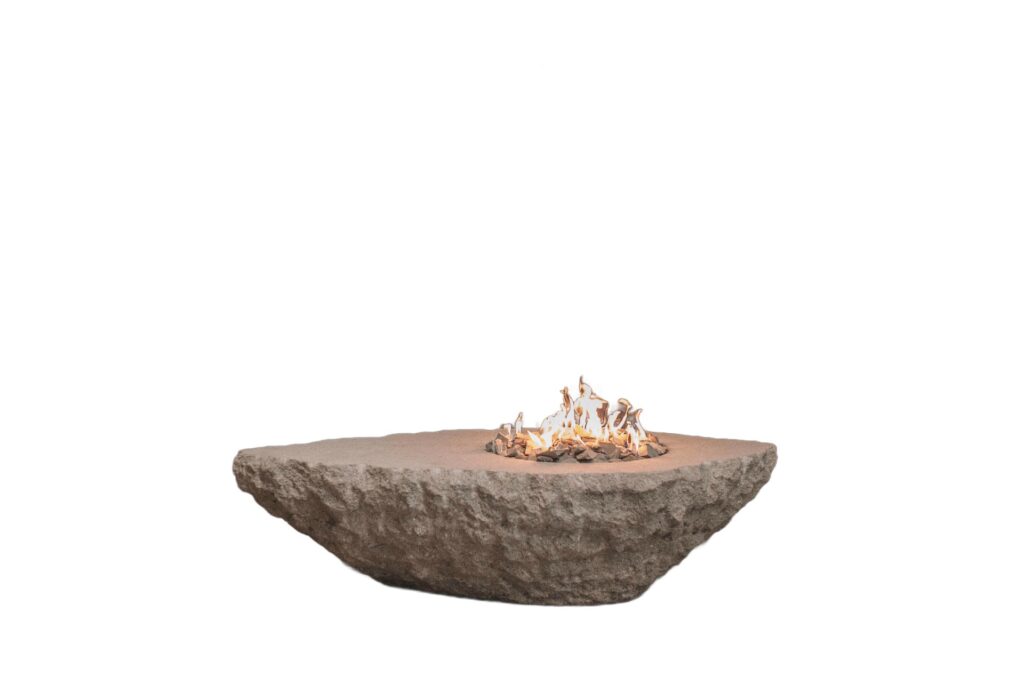
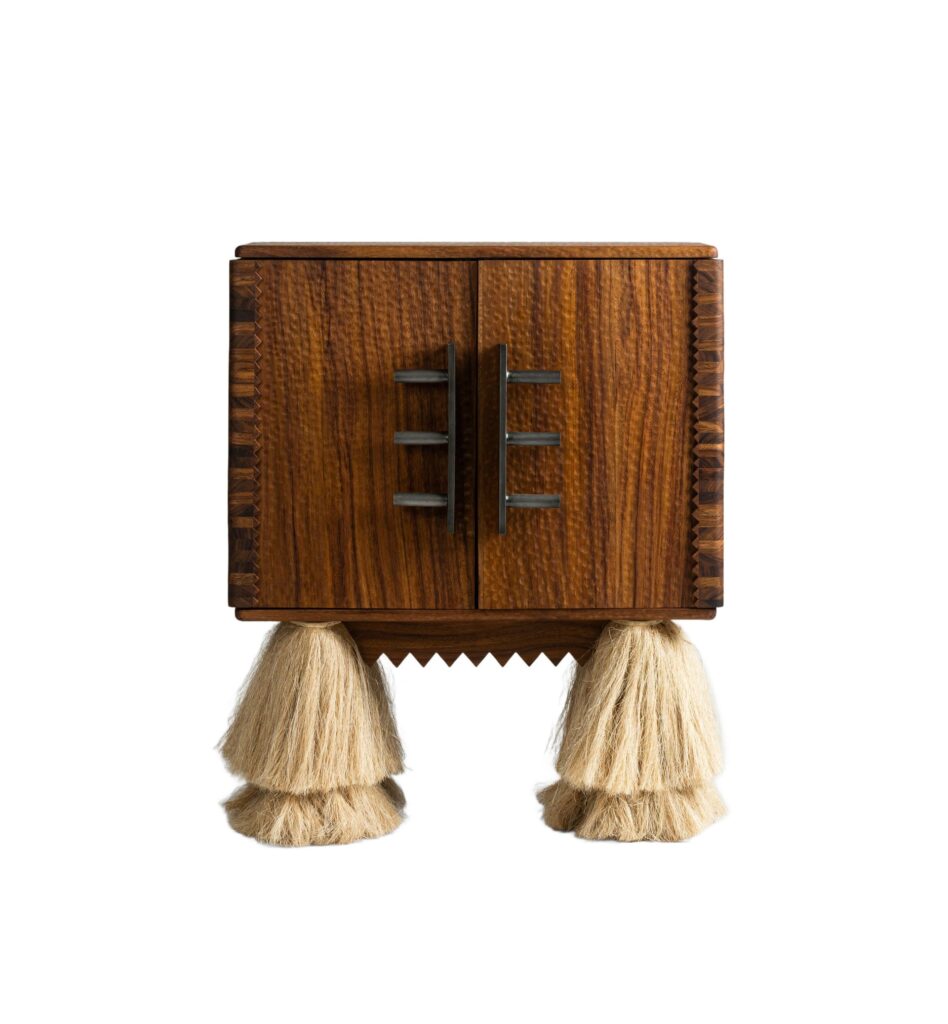
We always start with space planning — it’s the most important stage. We need to understand the client’s habits in order to come up with a well-considered layout, especially in Hong Kong, where space is limited. Then we discuss overall design direction and aesthetics, building the right mood references. Once the layout and mood board are aligned, we move into detailed design for each area, ensuring the final space is consistent and tasteful.
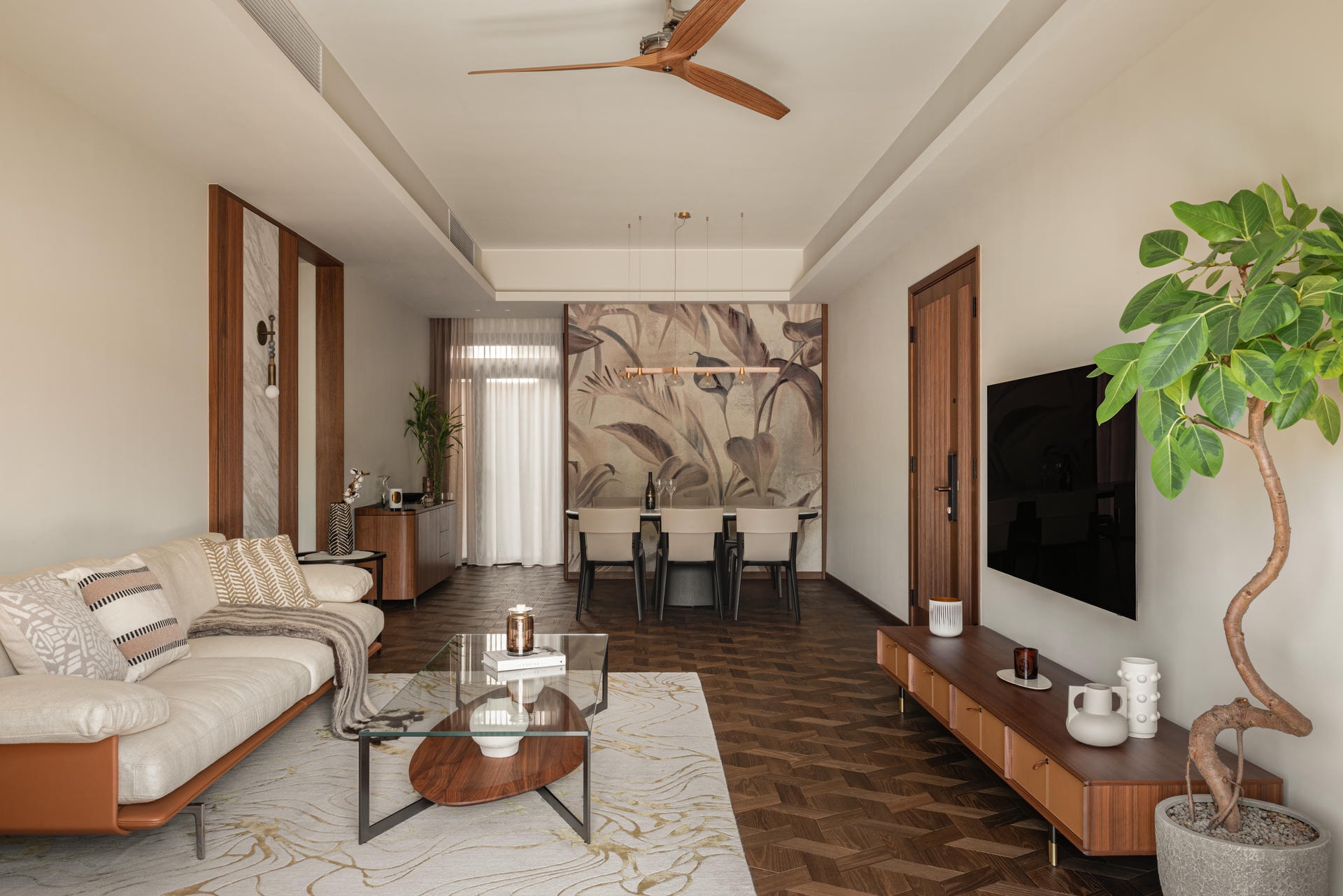
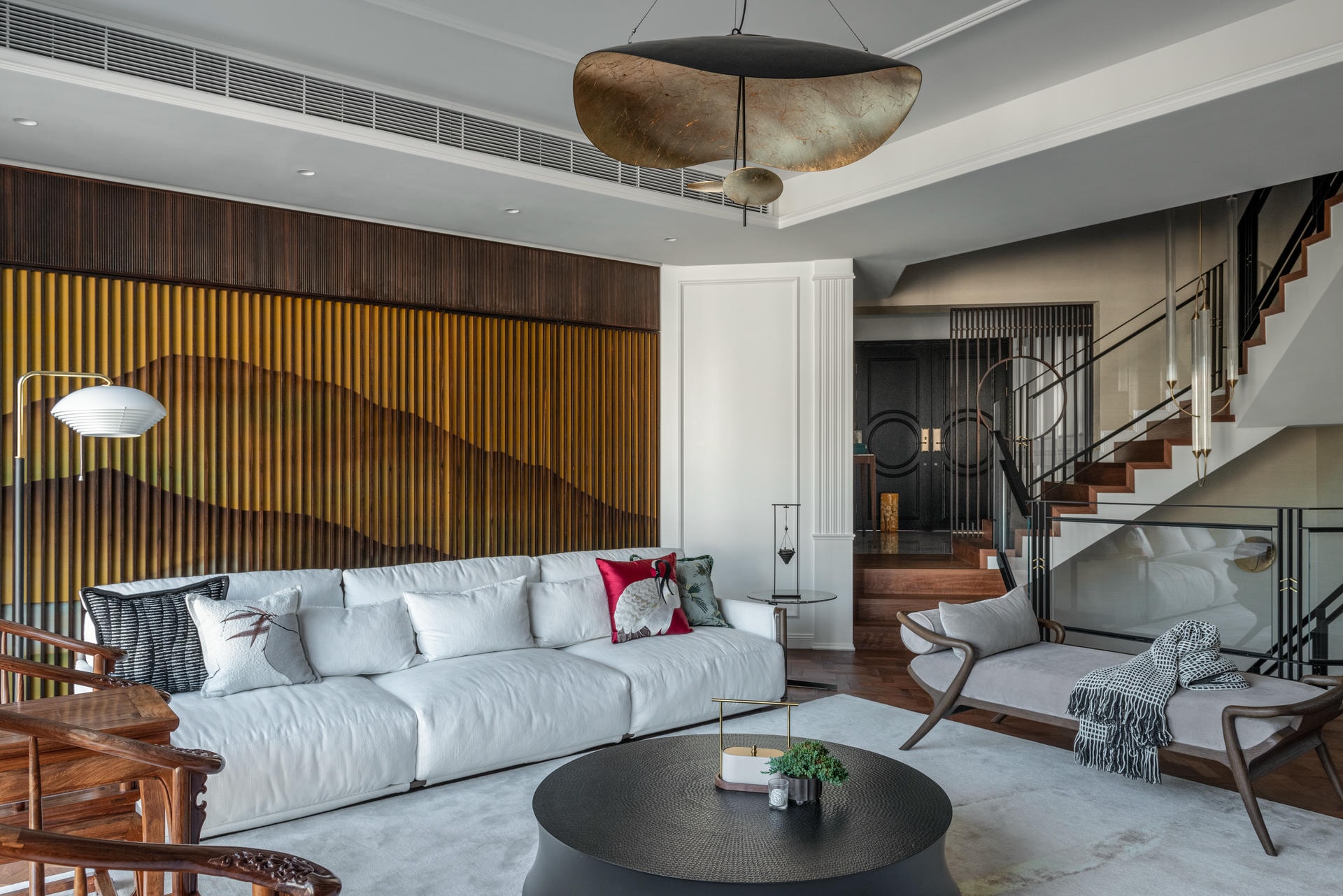
I would say Madeline, because it was our first attempt at Contemporary Chinese style in 2019. Most people prefer modern or minimalistic designs, especially in Hong Kong, so it was a rare opportunity to explore something different. It was also our first house project, so we put extra effort into the large-scale space. We did extensive research on Chinese elements, reimagining them in a modern and chic way. We also spent a lot of time on finding the right furniture pieces, lighting, wallpapers, and decorative accessories. It was a very memorable experience.
Look at fashion. I am always intrigued by fashion, and I enjoy looking at the shop designs of all the famous brands. It’s a good tip to look at how they use colors and materials on clothes, how they photograph them in ad campaigns, and how they translate them into their flagship stores. It’s a great way to learn about mix and match with proportions, colors, materials, and shapes. One brand that particularly caught my eye is AESOP. Every shop is different, yet every shop is so stylish and eye-catching, sharing the same design language.
There are always ups and downs, but you have to have faith, even though it’s easier said than done. When you are going through a difficult period, remember that there will always be another way forward. When you feel stuck or desperate, step back and put things aside for a while. With time, life has its ways of working around you. A solution will always appear, whether it’s the one you hoped for or not. You learn to accept it and move forward.
Always stay curious. Travel is the best way to be inspired — to learn about different cultures, their design, architecture, colors, and materials. Don’t just rely on online references; observe the real world. Inspiration is everywhere.
Earlier in my interior design career, I liked Elle Decoration UK a lot. And also Wallpaper, Monocle, and AD. In recent years, I have been a big fan of Vogue Living, especially designers from Australia. Their approach is bold and refreshingly unique.
Pick your battles to fight. We have learned to avoid rude or disrespectful clients and not to waste time on those projects that lead nowhere. Good work requires mutual trust.
When someone is unreasonable, it disrupts the entire process and affects our morale. It also impacts other projects because of the extra time and energy demanded. Trust is essential for creating meaningful work.
There is an upcoming residential project I am working on that I find quite interesting. Every space in the apartment — the living area, dining area, bedrooms, bathrooms, and kitchen — has a different color scheme and material palette.
Nothing is repeated, and I am excited to see how everything comes together in a few months.
In today’s over-saturated world of AI and social media, there are so many “me-too” designs. Anyone can generate ideas instantly.
I believe design needs to have a life and feel HUMAN. It’s important to stay true to originality and creativity, to keep pushing boundaries, and to believe that our next work is our best work.
Thank you so much YC Chen, for this lovely interview!
Share article :