Amarist Studio
Interview
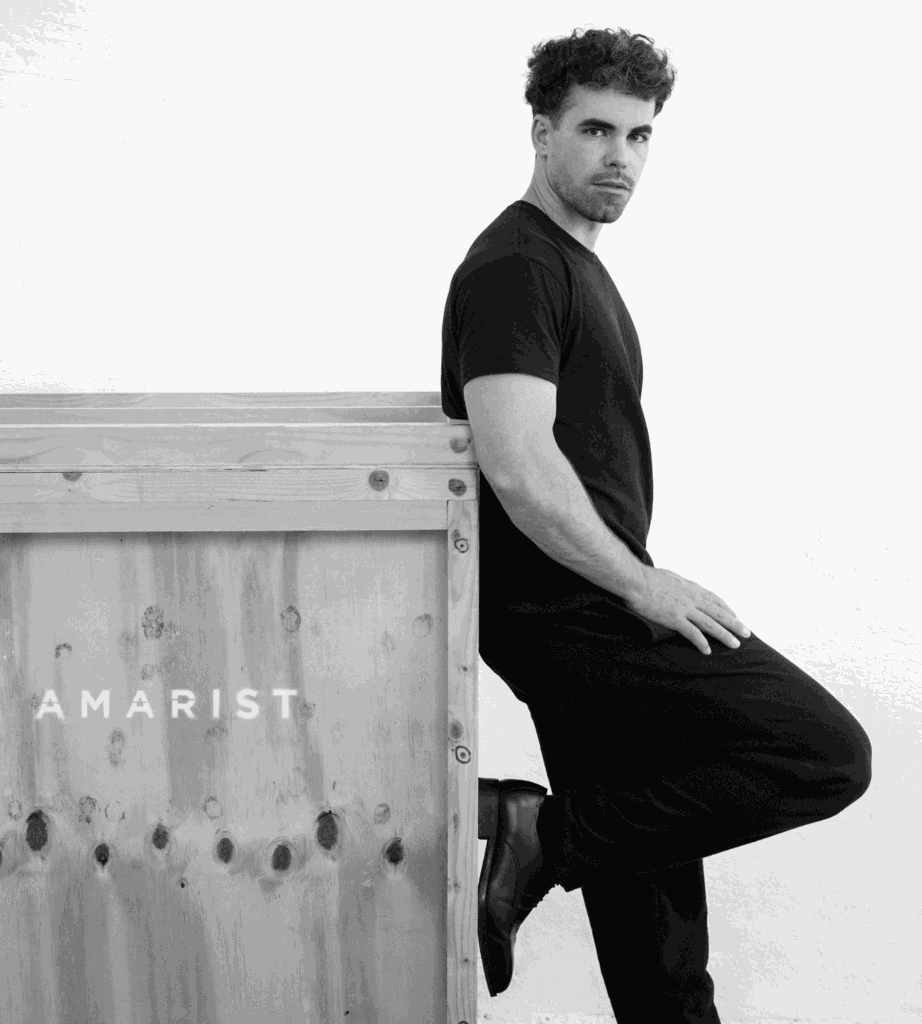
I was born in Zaragoza, Spain. But I grew up in a small village in the Pyrenees, where I have spent most of my life, alternating different periods between Barcelona, Zaragoza, and the mountains.
When I was a child, I used to look through my father’s arts and crafts magazines and visit craft fairs. Later, during my teenage years, I remember my first visit to ARCO Madrid.
More or less, yes. It has always been present since I was a child.
I remember spending hours building things, shaping wood, working with leather or taking objects apart. Although my first summer jobs were related to the mountains and adventure sports.
My father was a craftsman who worked with wood and leather, combining both materials to create furniture, objects and accessories. I grew up surrounded by tools, materials and manual working processes.
I was also in contact with other craftsmen and traditional trades. There has always been a creative atmosphere in my family. I remember my grandmother painting, my mother also painted, and photography has been a hobby present in the family for several generations.
I spend a lot of time thinking about ideas and materials. Once I have something clearly defined in my head, I start experimenting directly on the material. I rarely make elaborate sketches or models; normally I just make a few scribbles on a piece of paper to differentiate ideas.
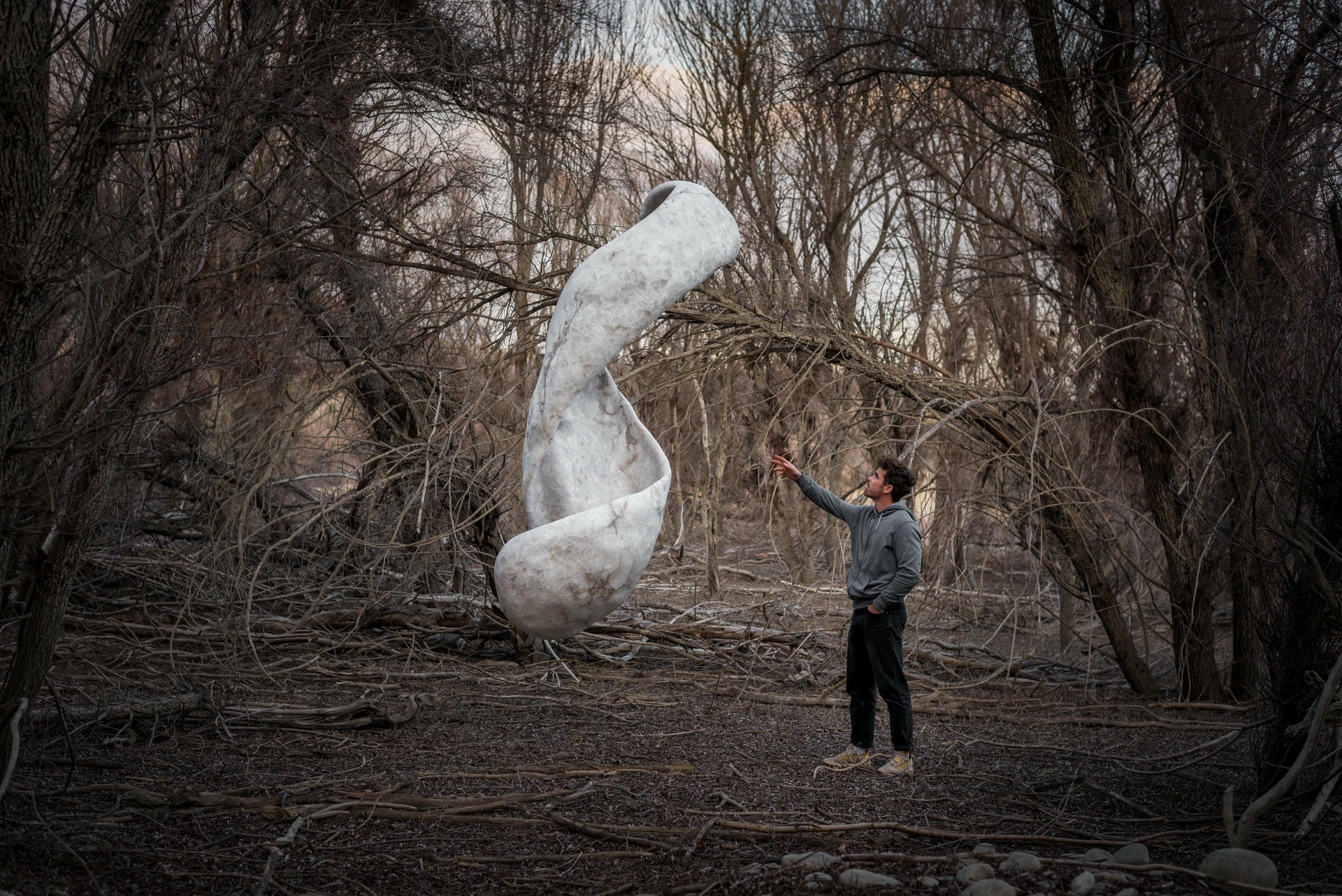
My main influence is nature. I live surrounded by mountains and spend a lot of time walking, observing and practicing outdoor sports. I am fascinated by folds in rock, geological formations, textures, dry riverbeds, the erosion caused by water or ice. All those processes of natural transformation fascinate me.
I am also very curious. I like observing the world, following social and technological changes, and imagining dystopian futures where the environment we know has been transformed.
Sometimes I have developed works with a more political dimension. I am interested in geopolitics and how it ends up influencing our everyday lives.
I usually wake up around 7:30. I check emails and social media in bed, have breakfast calmly and deal with the most important matters.
Then I go to the workshop until lunchtime.
I always try to reserve a few hours each day to think and let my mind wander, both about ideas and about life.
In the afternoon I continue working until around 18:30. Afterwards I go training or do some sport, and in the evening I go back to pending matters and prepare the list of priorities for the following day.
But every week can be very different. Workshop work is physically demanding, so I usually combine weeks focused on manual work, carving, sanding and assembly with others more focused on researching materials, developing ideas and designing new pieces, and others dedicated to photography, logistics, management and preparing shipments.
I usually start and finish all the pieces that go into the gallery circuit myself, while at the same time developing new designs that sometimes take months before they finally come to life.
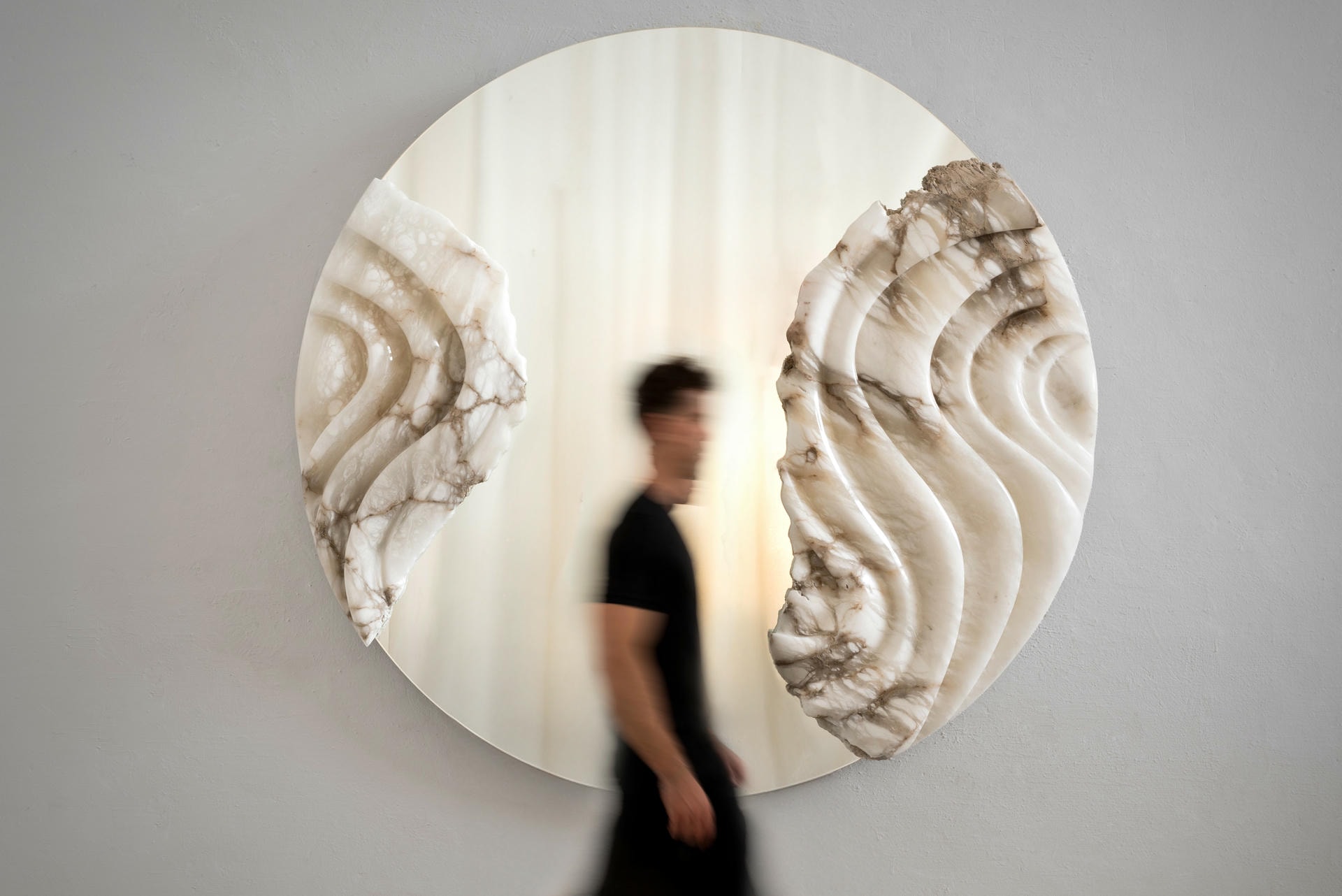

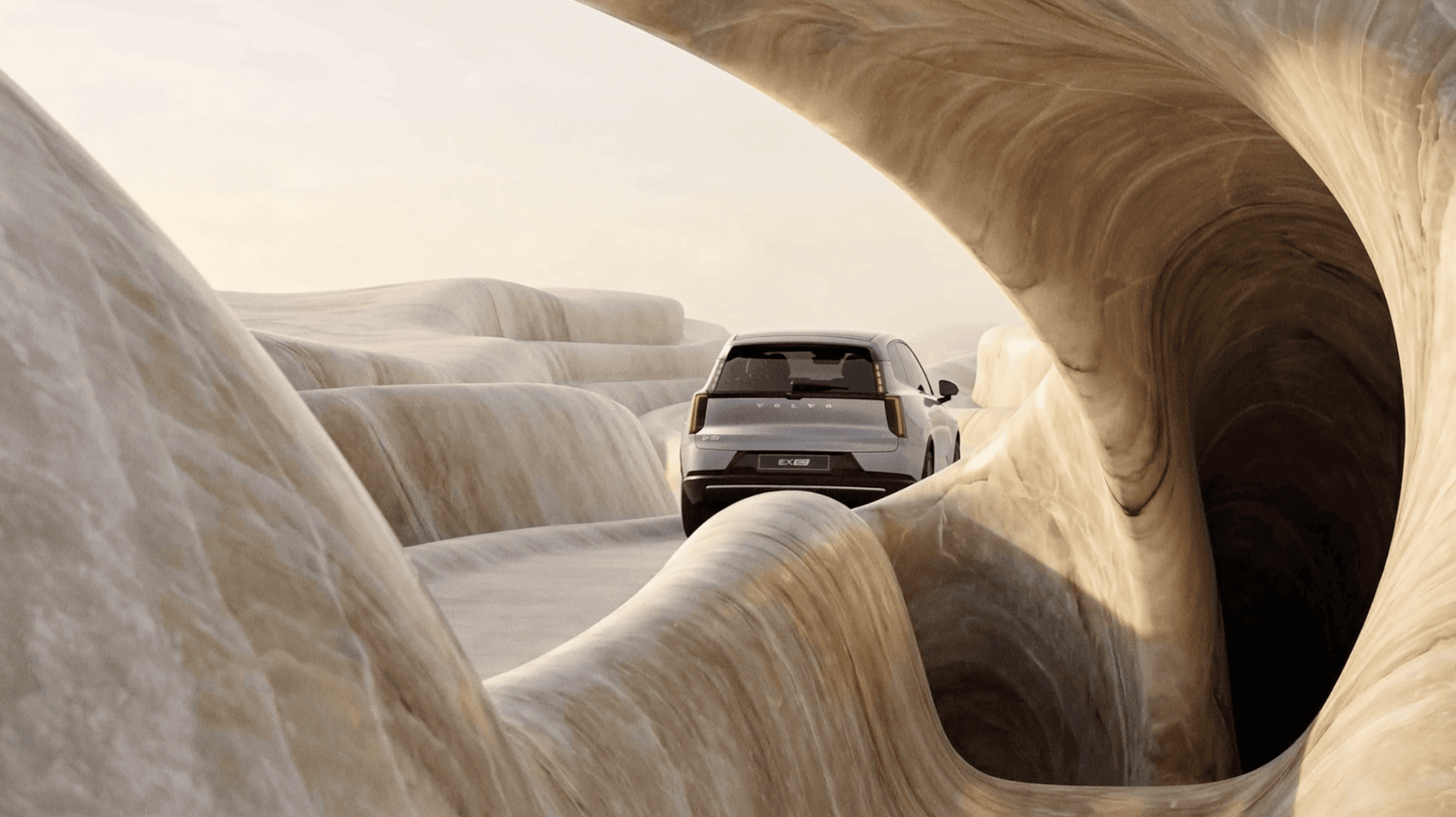
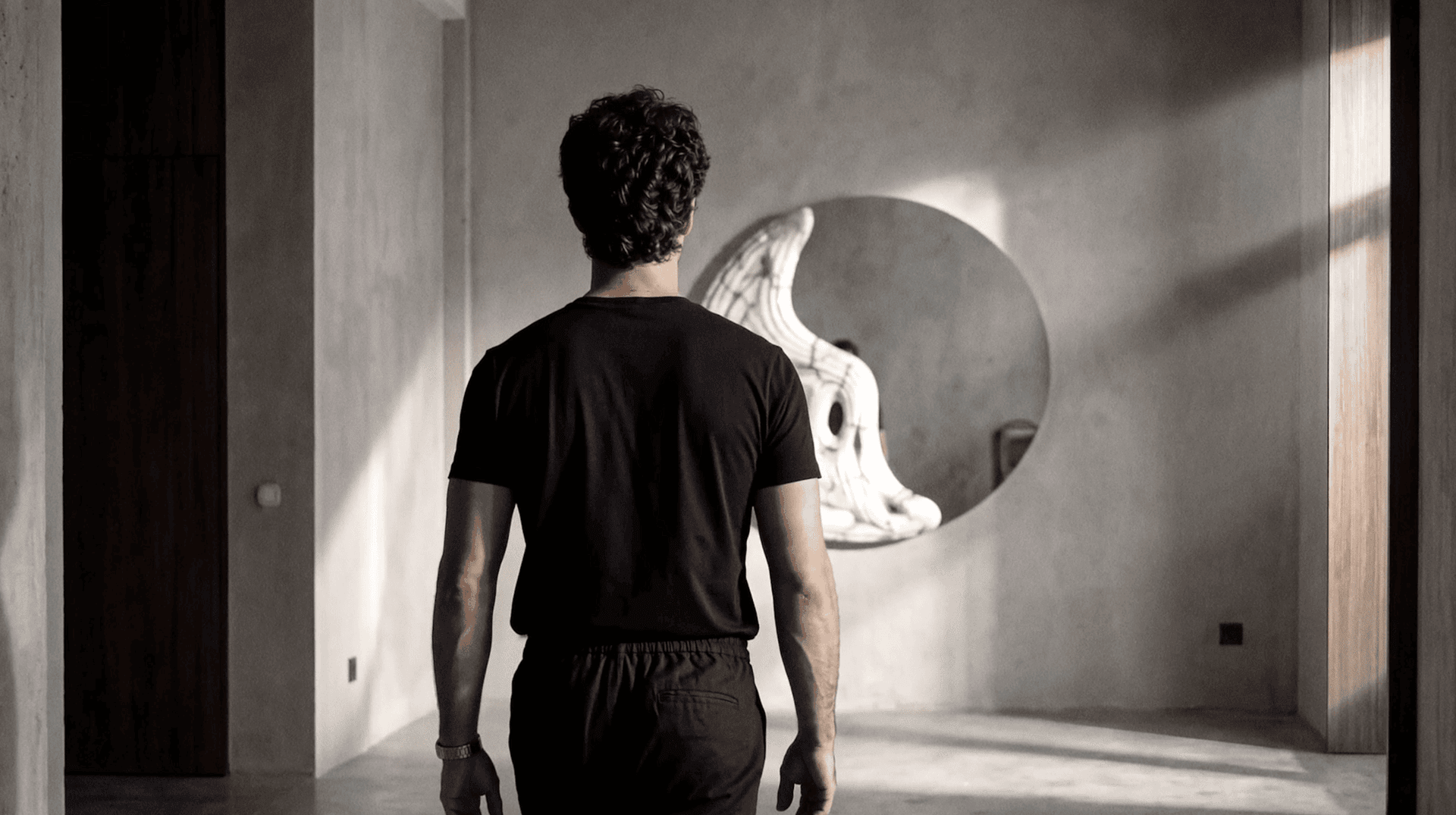
Volvo EX60 Campaign, Creative Agency: Be A Lion
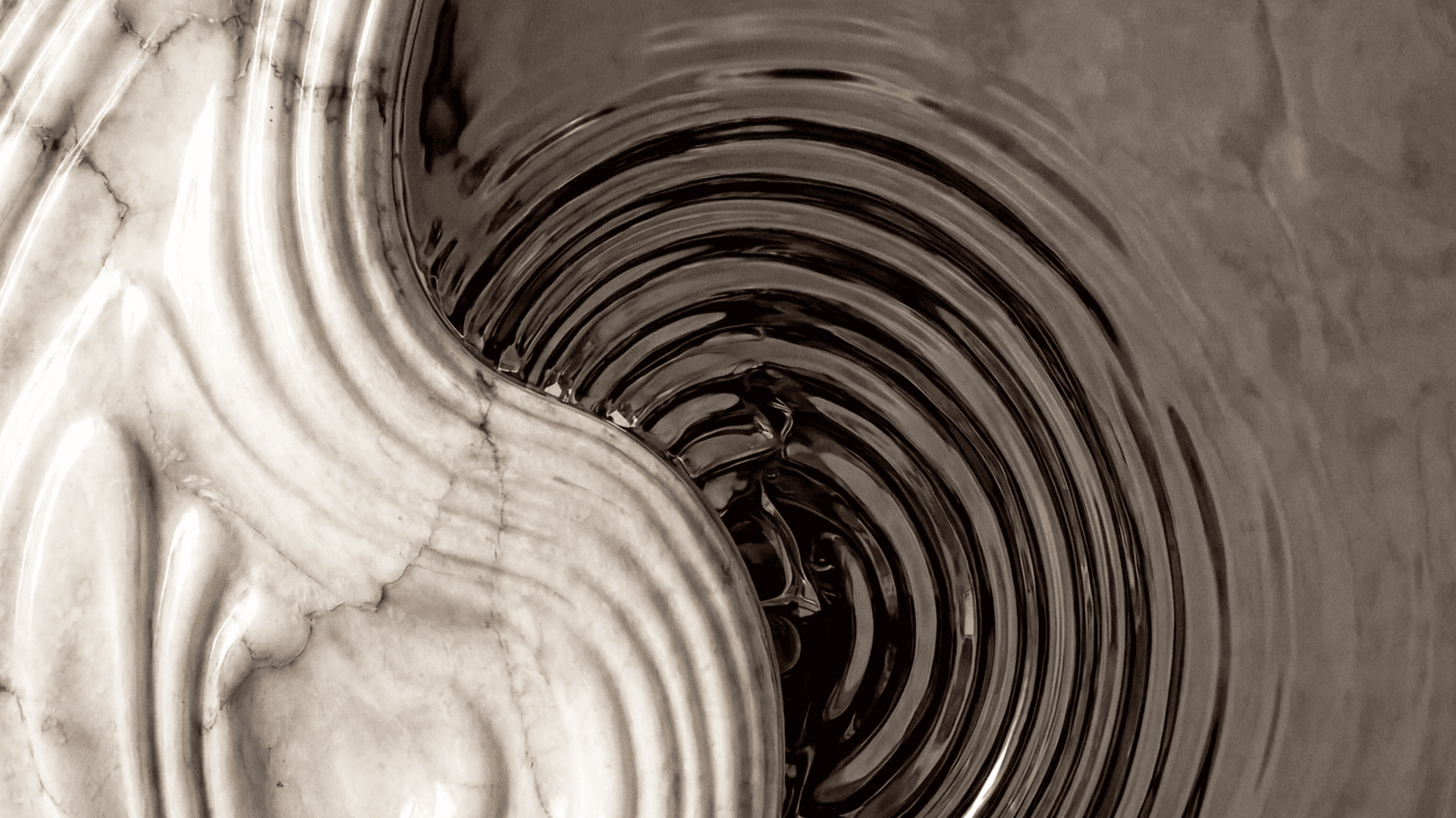
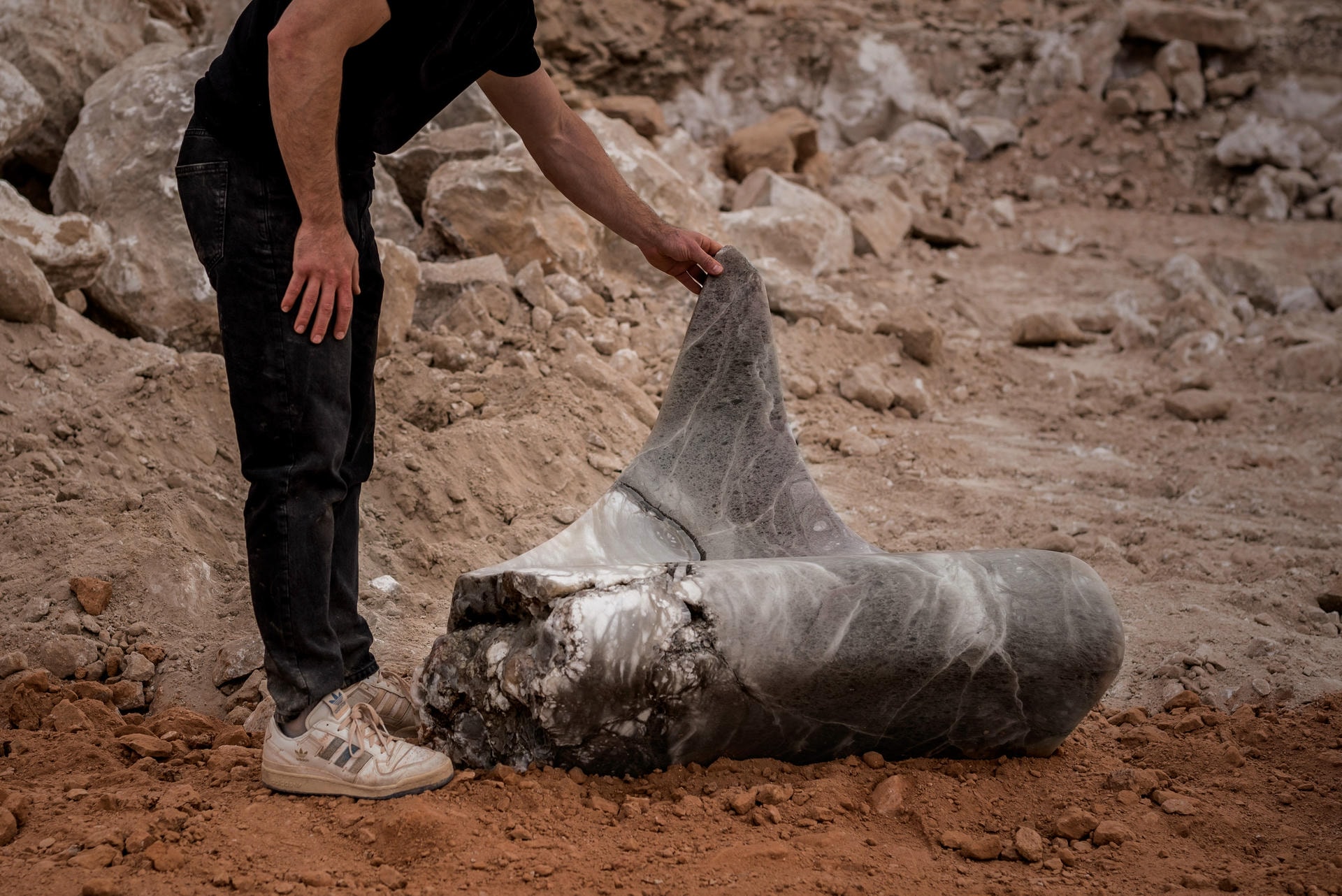
I usually materialize the idea directly by sculpting the piece. I establish a dialogue with the material and improvise throughout the process.
I do not like being too rigid with the initial idea. Sometimes the piece ends up exactly as I imagined it and other times it leads me towards forms that I discover during the process itself.
Most of my pieces are made this way. On other occasions I use 3D modelling and CNC technology to generate a base form, especially when working on large-scale pieces or pieces weighing hundreds of kilos. Afterwards I continue working on them in the same way.
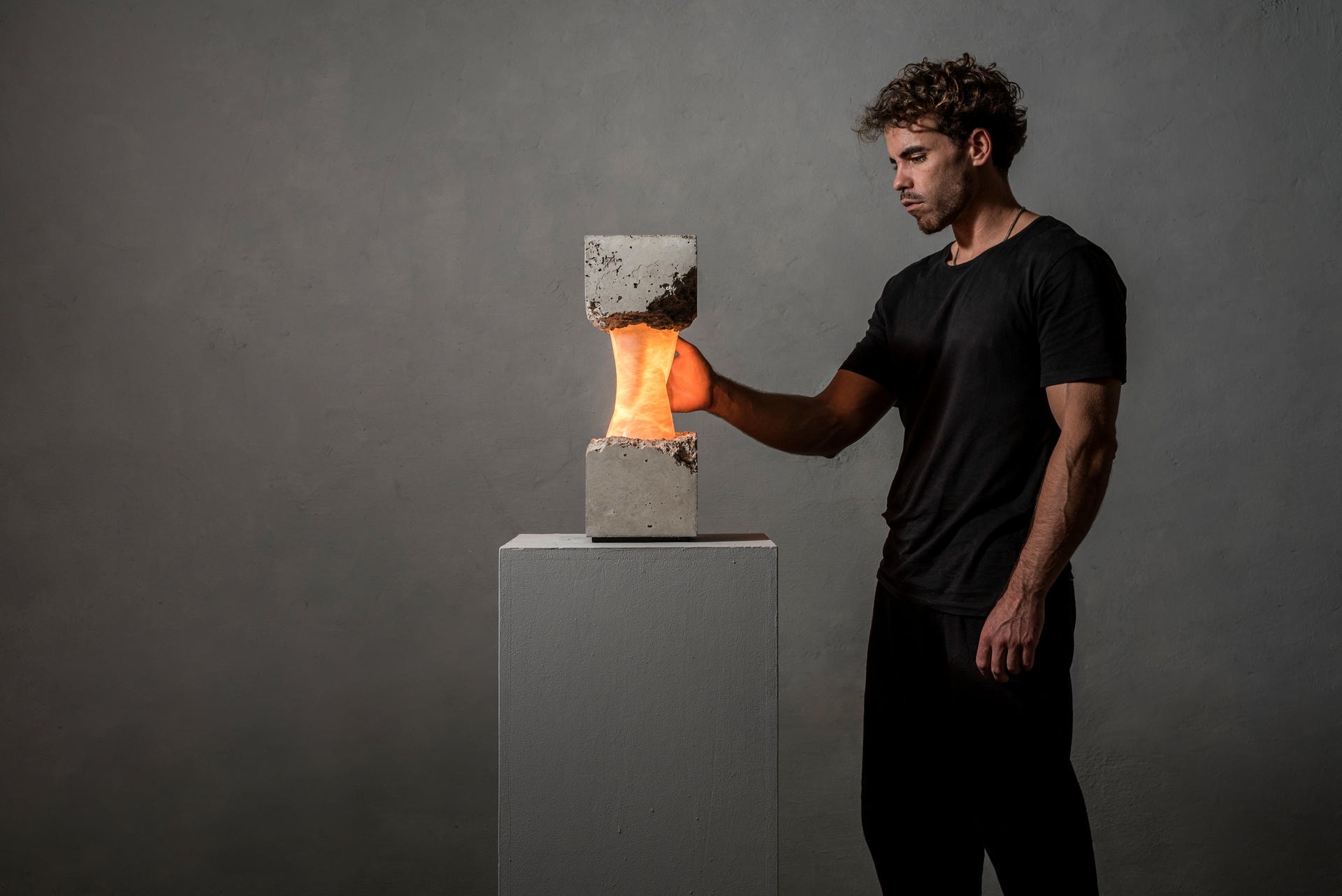
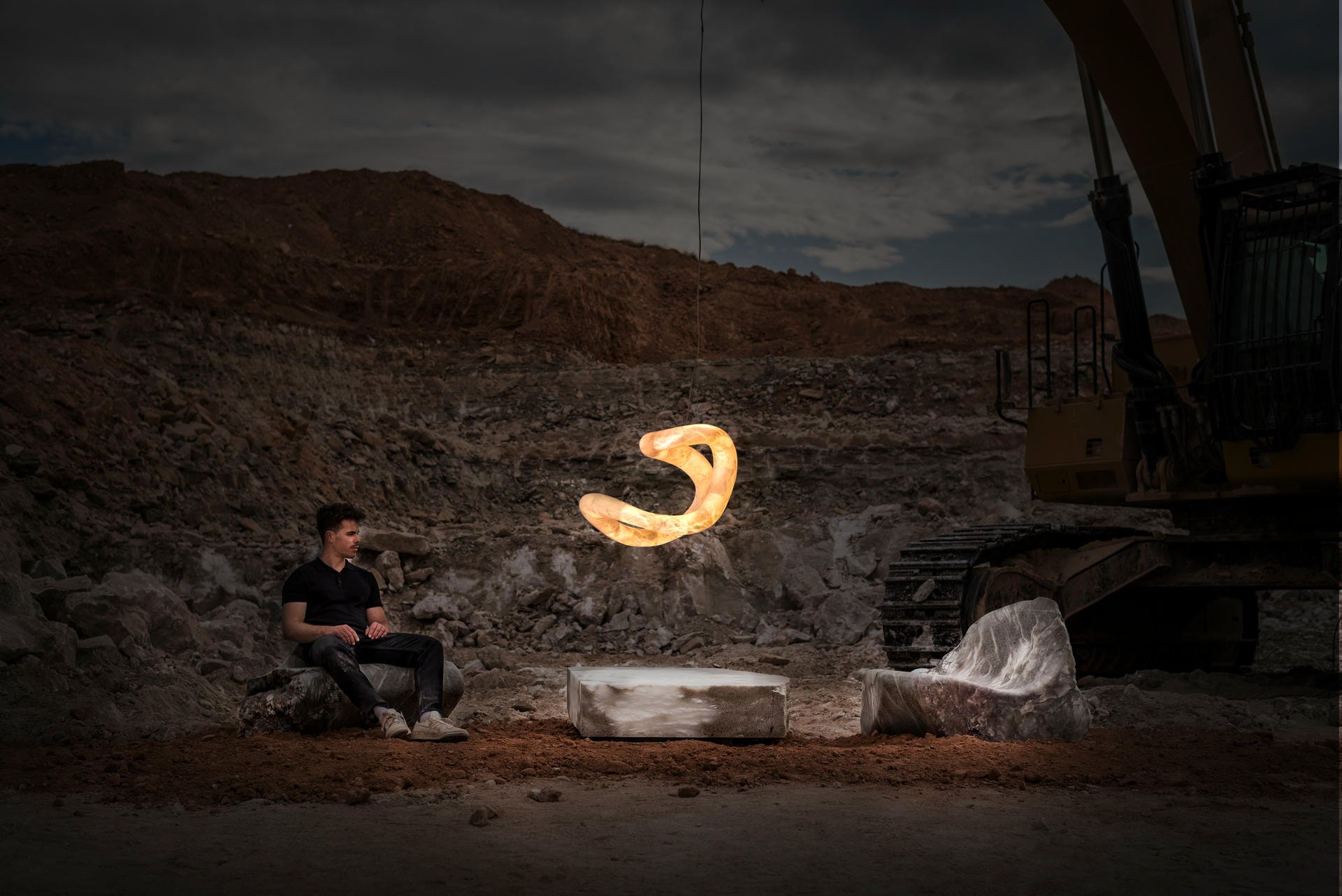
I am interested in combining materials that allow me to create new materialities and processes of transformation. I try to make each material part of an evolution, of a change, and to generate forms, textures and effects that could not emerge in any other way.
Alabasters with different veining, resins, mineral compounds, concrete or wood are combined to generate new readings of the material and create results that none of them could produce on their own.
I would tell them to forget for a while about school, references and great masters.
I see too many young creators trying to replicate the techniques or styles of other artists and then simply changing the form.
It is important to build your own identity and develop a personal way of looking at the world.
Natural Brutalism.
I observe a huge amount of art and design, although I rarely pay too much attention to names.
When I became interested in collectible design, I followed the work of Studio Drift, Maarten Baas, and Nacho Carbonell closely. But I have also been deeply influenced by many local craftsmen and traditional trades.
Nacho Carbonell, Sebastian Errazuriz, Maarten Baas and Ezequiel Pini.
Eugenio Merino, Antón García-Abril (Ensamble Studio), Denis Villeneuve, Ezequiel Pini, Snøhetta.
Archaeological remains of a future that does not yet exist; traces of a hybrid nature, fossilized and transformed by time.
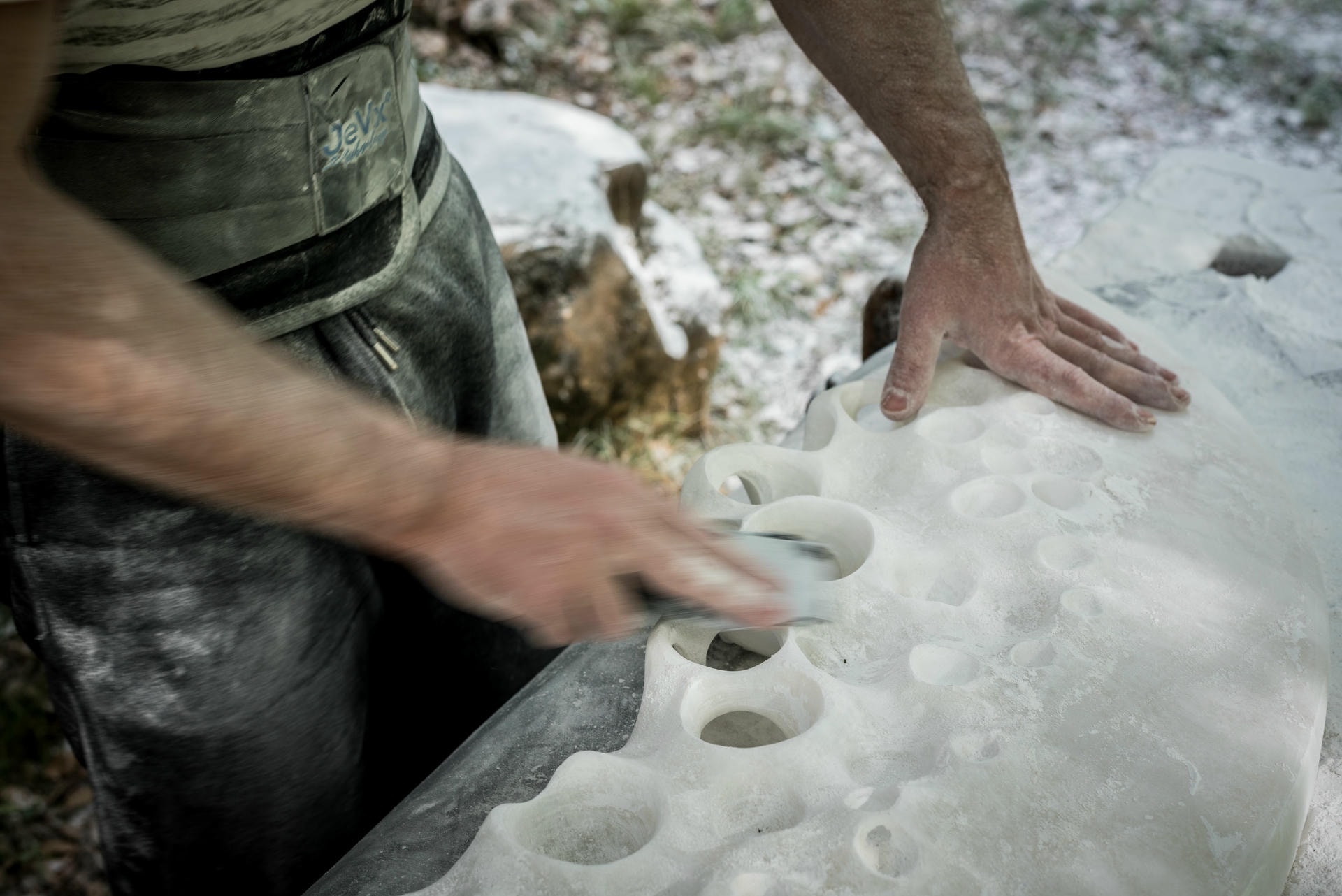
“I establish a dialogue with the material and improvise throughout the process.”
The Questions
(The Proust Questionnaire is a set of questions answered by the French writer Marcel Proust.
Other historical figures who have answered confession albums are Oscar Wilde,
Karl Marx, Arthur Conan Doyle, Stéphane Mallarmé, Paul Cézanne…)
The absence of worries in a place surrounded by nature, with few people and plenty of health.
Running out of time and not having done everything I imagine doing.
Being absent with people.
Wanting to please everyone.
My mother.
My work.
Focused.
Obedience.
Being resourceful.
Commitment.
I complain about people quite a lot. And things like: “we should do this” or “we should change this” (whether it’s about building things, the house, the workshop, or life in general).
The ability to learn languages easily.
Being more sociable and more present.
My lifestyle.
An explorer.
Somewhere like where I live now (the Pyrenees), but more authentic, with less regulation, fewer rules and fewer people. Somewhere remote in Canada.
My home.
Neglect.
Thinking.
Nonconformity.
True friendship.
I mostly read scientific articles, technical texts, essays and the occasional real-life adventure story.
–
–
My parents.
Short and original ones.
Not questioning what is established and the lack of initiative to change it.
Not having started earlier.
I would rather not. But if I have to, very old, in good health, and with my dreams fulfilled.
My father left me a phrase: “Life is neither long nor short. Generally speaking, it either isn’t enough for us or it is too much.”

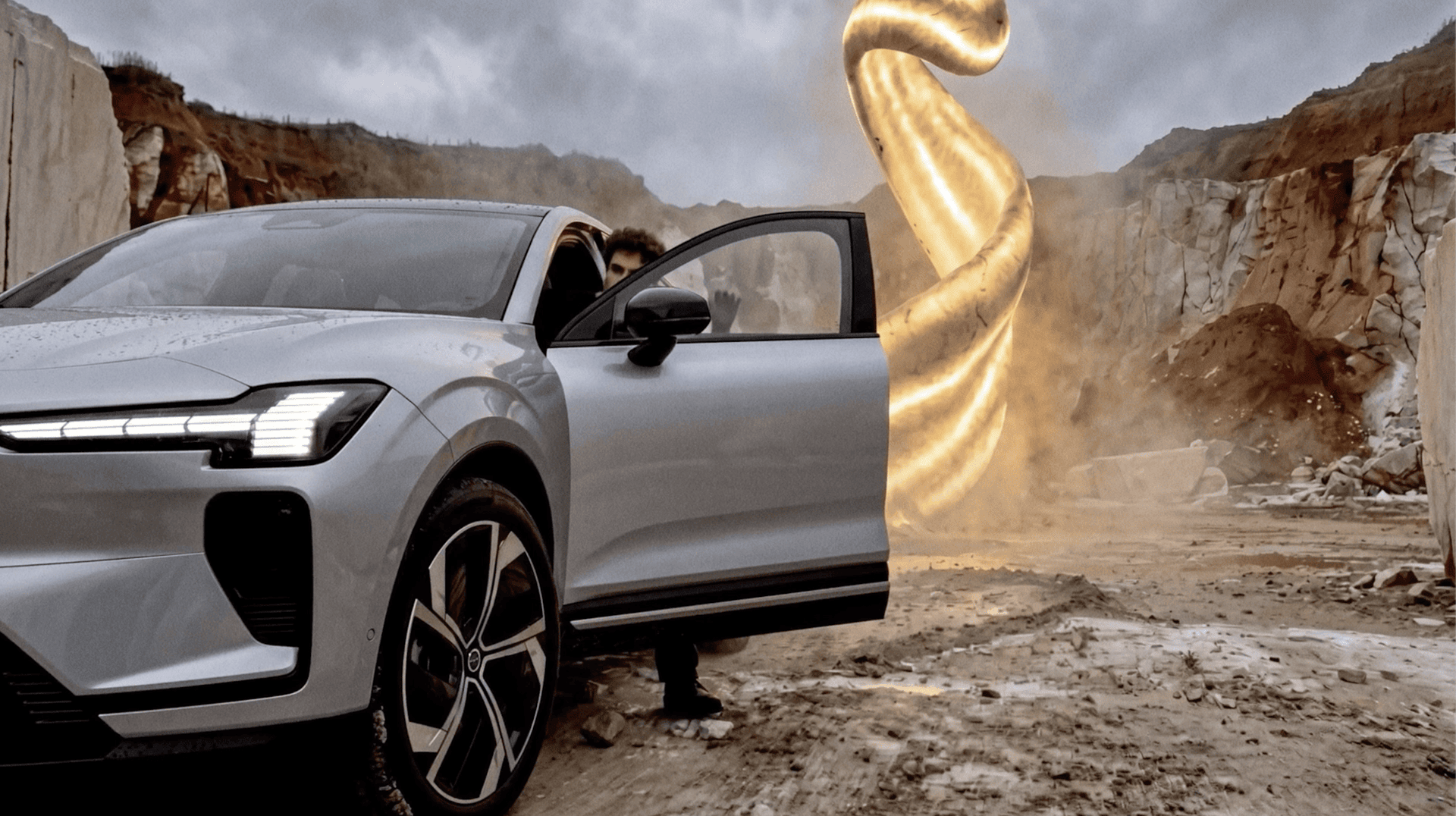
Volvo EX60 Campaign, Creative Agency: Be A Lion
“It is important to build your own identity and develop a personal way of looking at the world.”


Volvo EX60 Campaign, Creative Agency: Be A Lion 
Volvo EX60 Campaign, Creative Agency: Be A Lion
SHARE :