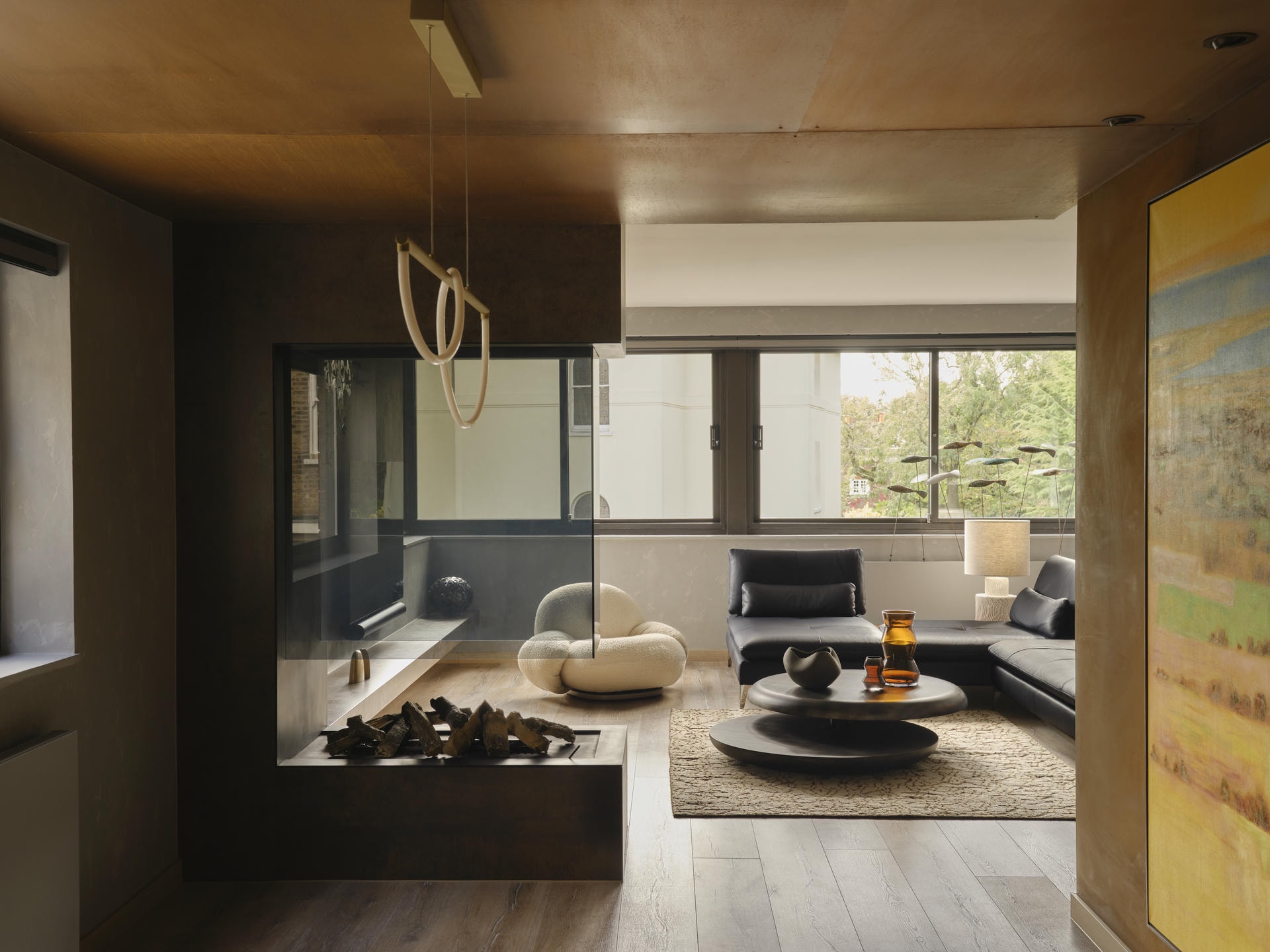
Caroline Milns – Zulufish
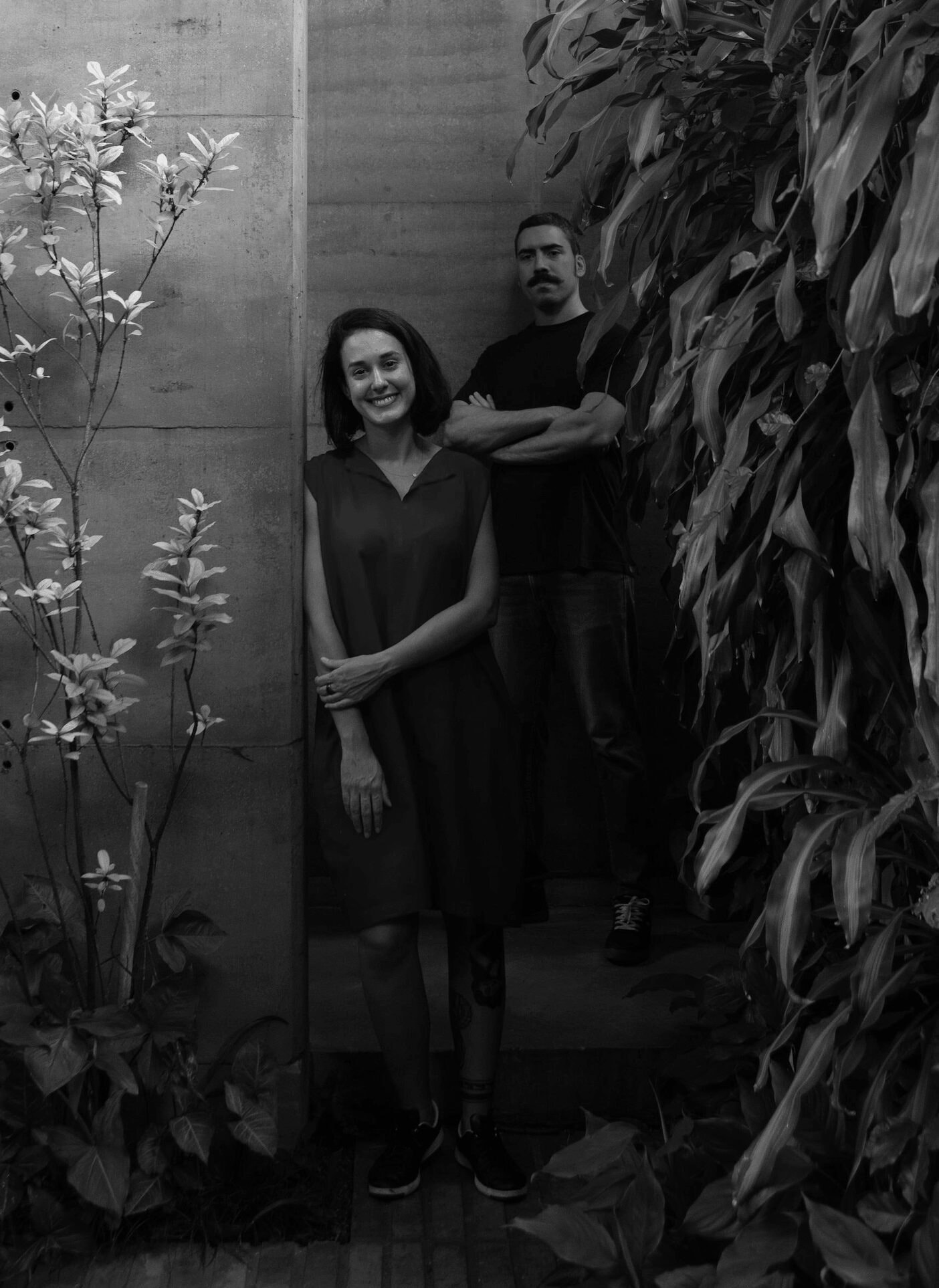
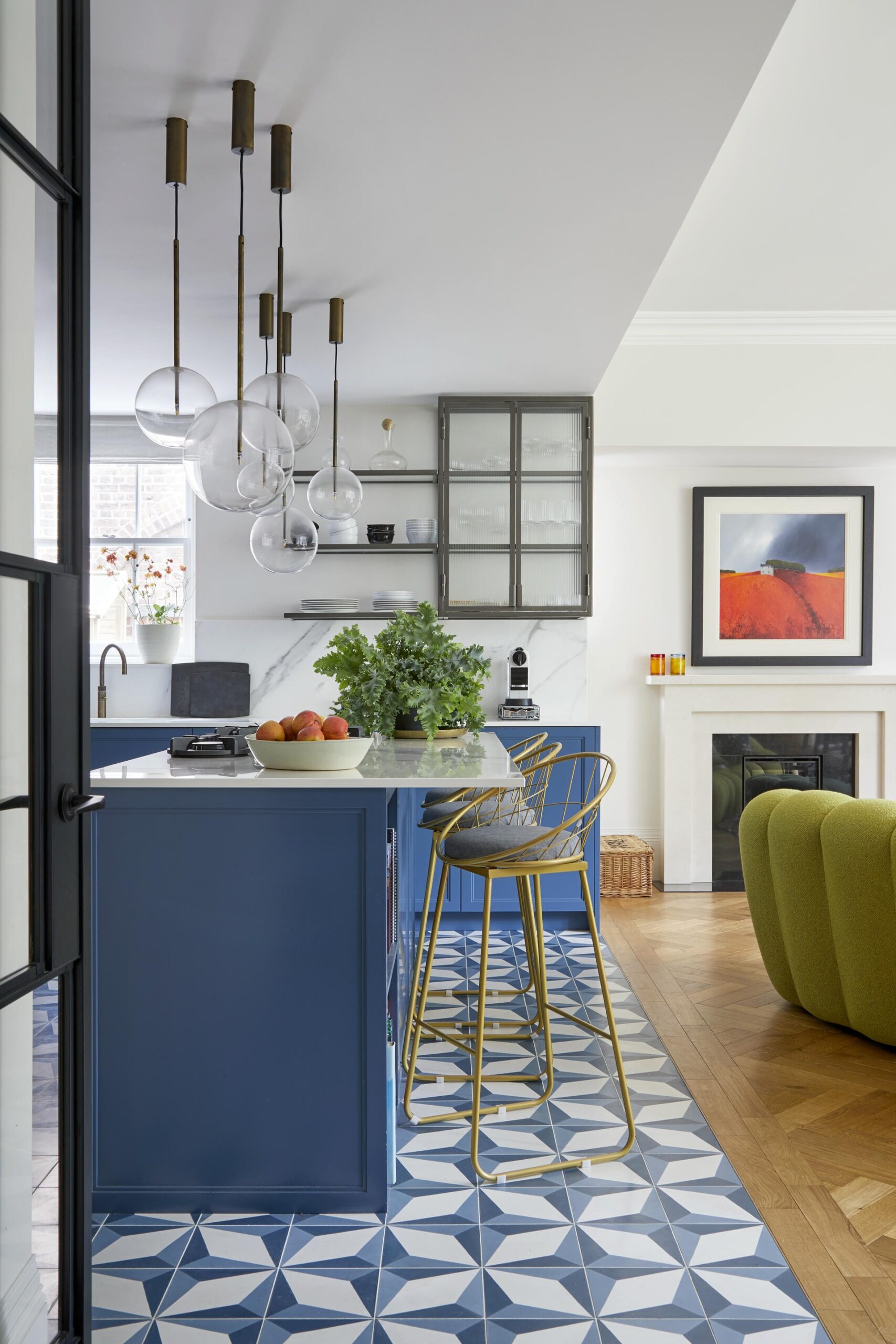
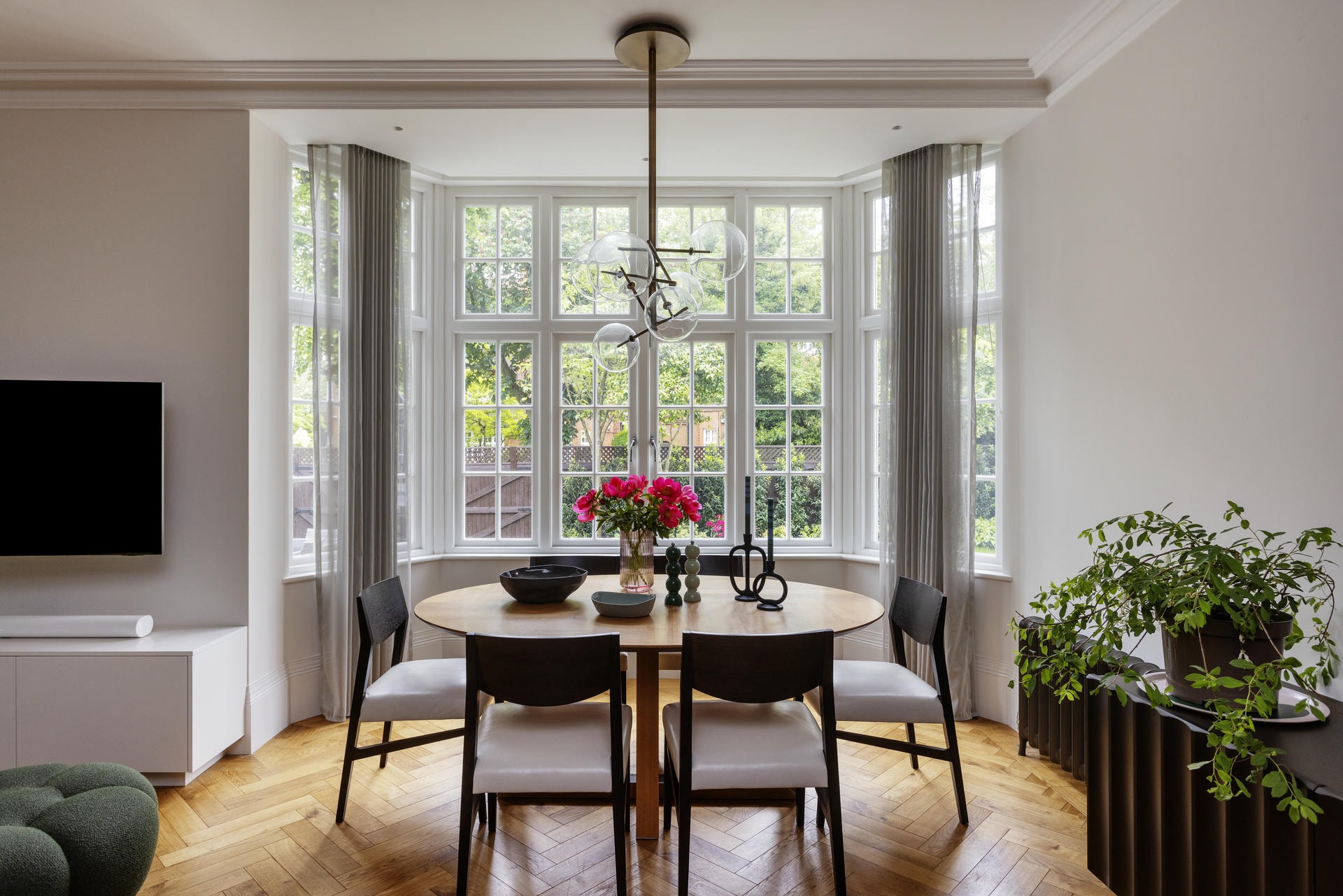
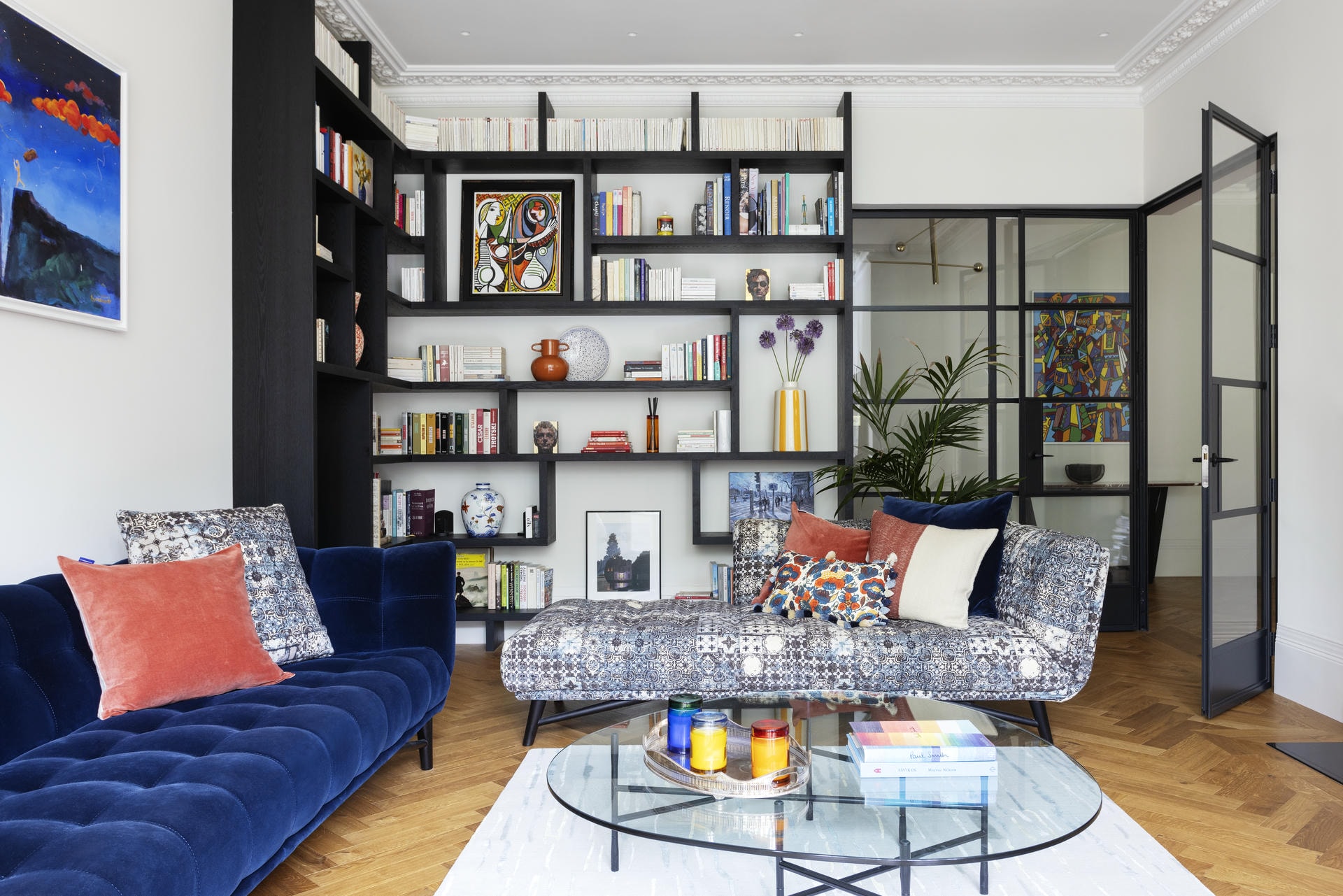
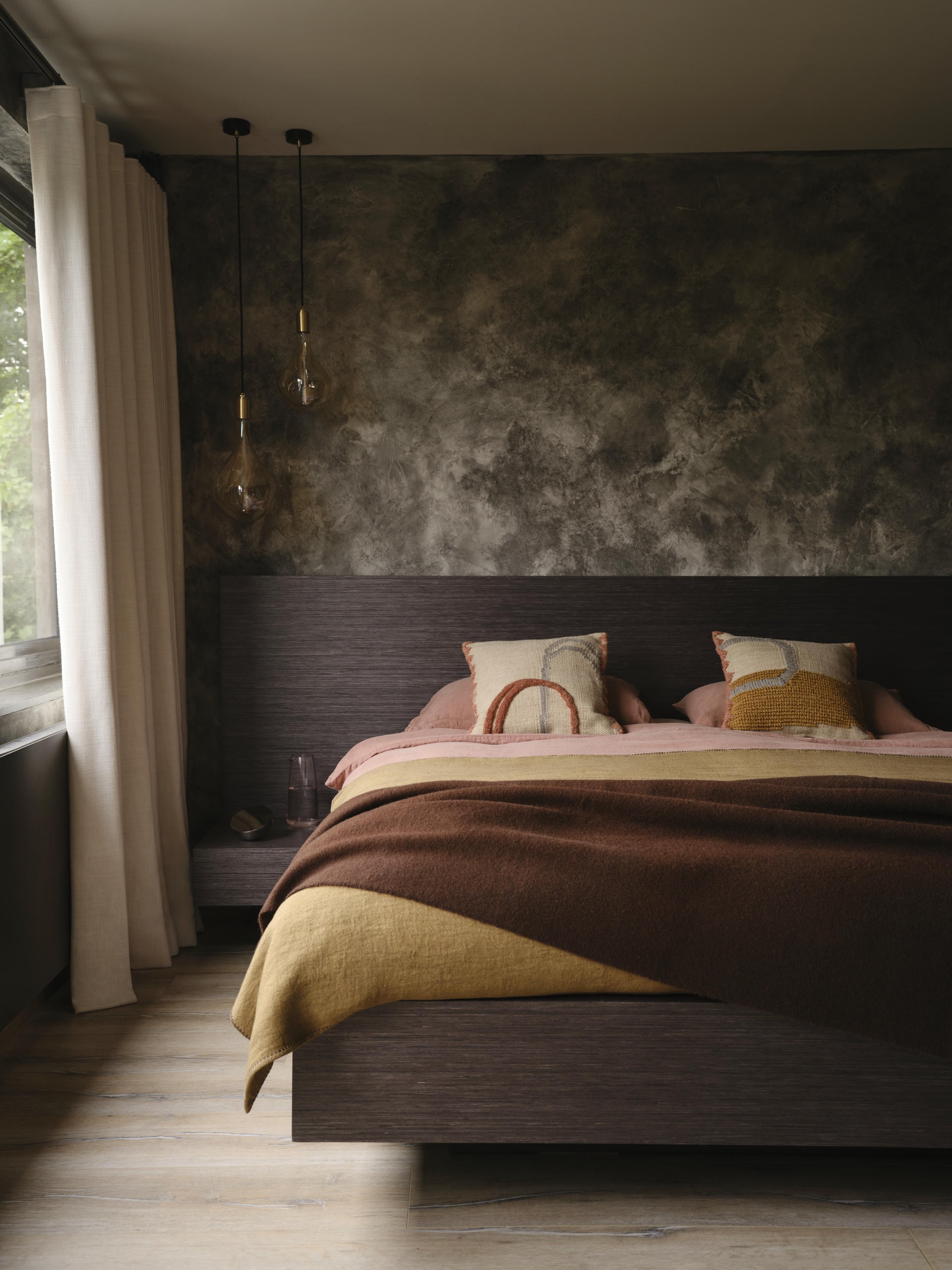
Founded in 2005, Zulufish is a multi-award-winning interior design consultancy, architectural practice, and design & build specialist based in West London. The company offers a comprehensive range of interior design and architectural services, along with an integrated design & build solution. With extensive experience in transforming even the most challenging properties into exceptional living spaces, Zulufish creates homes that reflect the unique personalities, tastes, and design values of its clients. Renowned for seamlessly blending old and new, the team combines cutting-edge technologies and finishes with creative, intelligent space planning. The result is not only visually stunning but also deeply functional and comfortable. For Zulufish, every project represents an opportunity to create something remarkable and distinctive—beautifully designed, expertly planned, and professionally delivered.
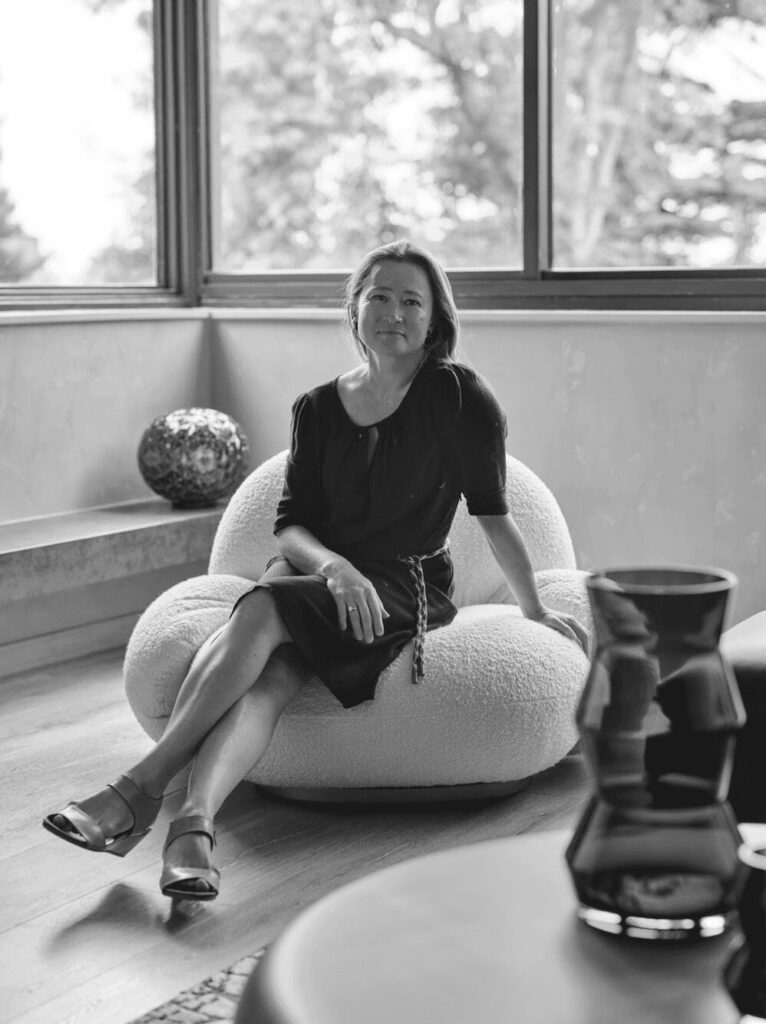
“Good design is transformative. It’s much more than aesthetics — it can elevate your mood, improve your wellbeing, and enrich the way you live every day.”
INTERVIEW
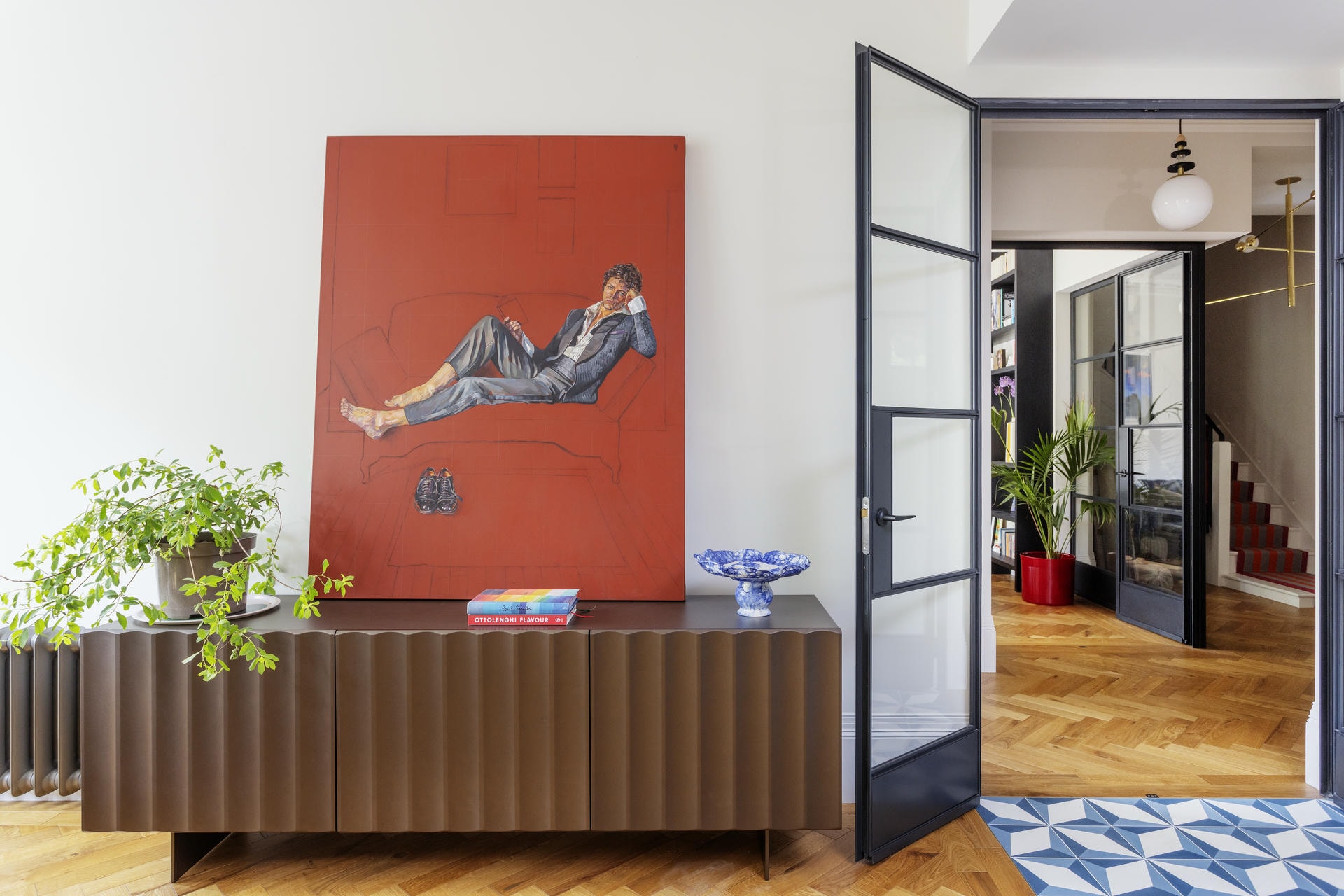
We start with the client. From the very beginning, we invest time in understanding how a home should support the rhythms and routines of daily life. Sometimes that means designing a flexible, open-plan layout that allows family life to unfold naturally; other times it’s about creating defined zones; a quiet workspace for remote working, a home gym, a space for entertaining, or a snug to retreat and recharge. Every project is unique.
From a young age, I’ve always been deeply inspired by travel. Experiencing different cultures has shaped my design aesthetic and fuelled my love of colour, texture, and craftsmanship. With over 25 years of experience in the world of design and interiors, my journey began as a textile designer for Monkwell fabrics. I later led a talented team at the John Lewis home design studio, before re-training as an interior designer in 2007. I had the privilege of working with leading firms such as Helen Green and McVitty Interior Consultants, where I contributed to a diverse range of residential and commercial projects.
Yes, it was in 2013, when I launched the interiors arm of Zulufish with the ambition to create timeless design and inspiring interiors. The business had been originally established by my husband, Felix Milns, in 2005 as a design and build service. With my background in textile design allowing me the time to explore my passion and understanding how to transform a space, interiors became a natural extension of the business; it felt very serendipitous.
We made the conscious decision to work together as a family business, and as part of that journey, we created a dedicated studio space within our own home during its renovation. It was important to us that clients could not only visit for project updates, but also immerse themselves in a real, lived-in environment that showcases the power of thoughtful interior design.
People often assume interior design is all about moodboards and colour schemes, and of course, those elements play a hugely important role. But there’s also an intangible layer to the process, right at the outset: the ability to truly understand how a space needs to serve the people living in it. And that insight isn’t always immediately obvious, even to the client. Ultimately, great design goes beyond aesthetics, it’s about creating environments that feel intuitive, considered, and deeply personal.
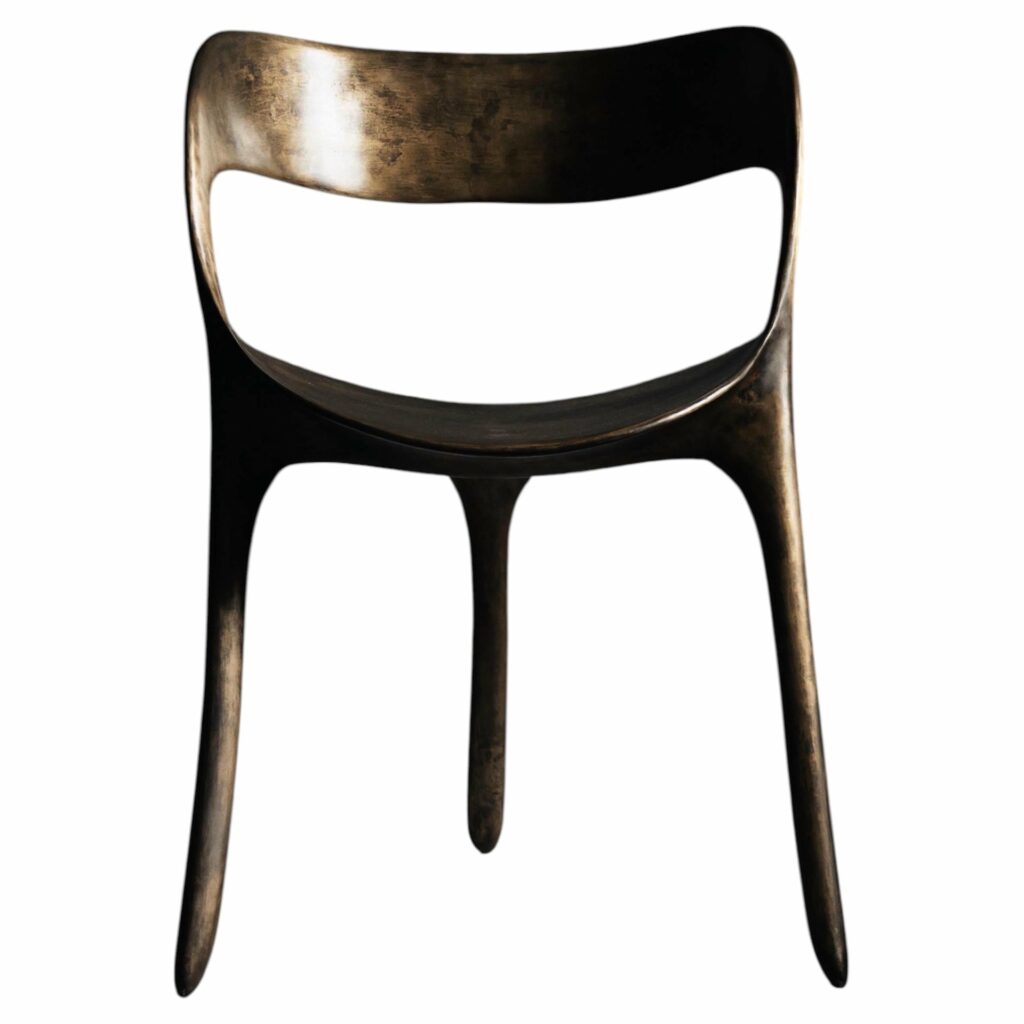
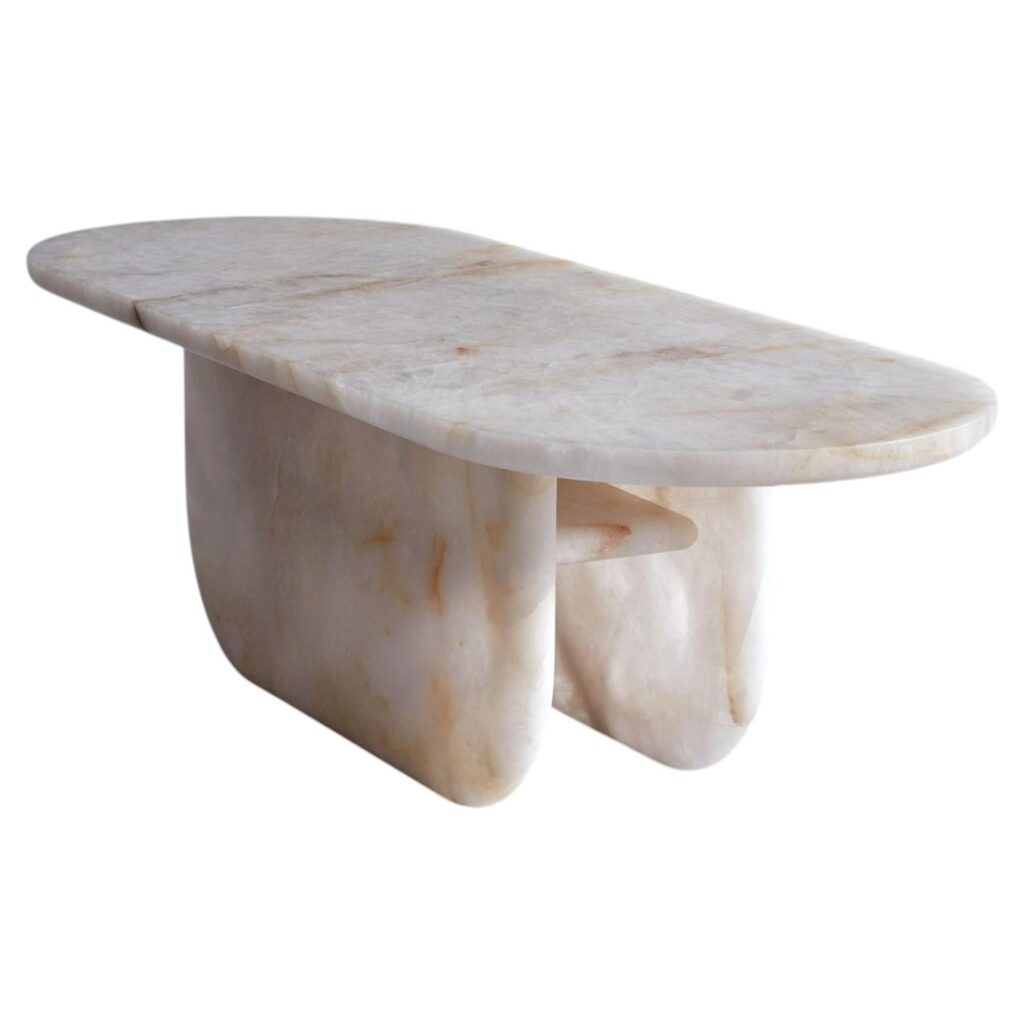
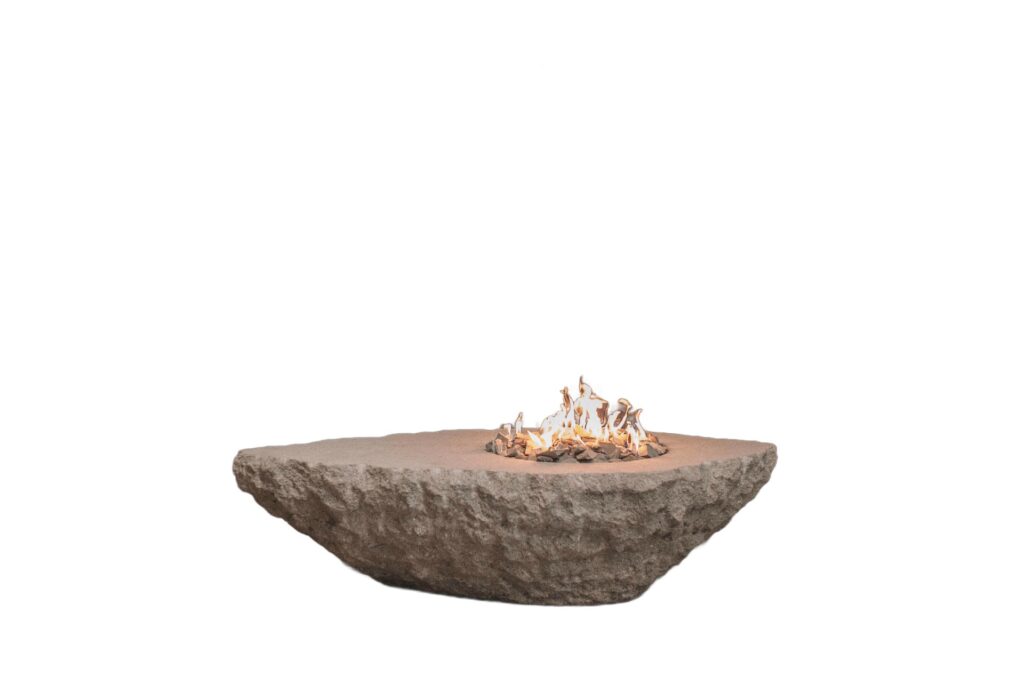
I don’t think I have one set signature style, because for me, design is about having my eyes open to the world around me, and about evolving. I suppose my mantra is that ‘good design is transformative’. It’s much more than just about aesthetics; it can elevate your mood, improve your wellbeing, and enrich the way you live or work every day.
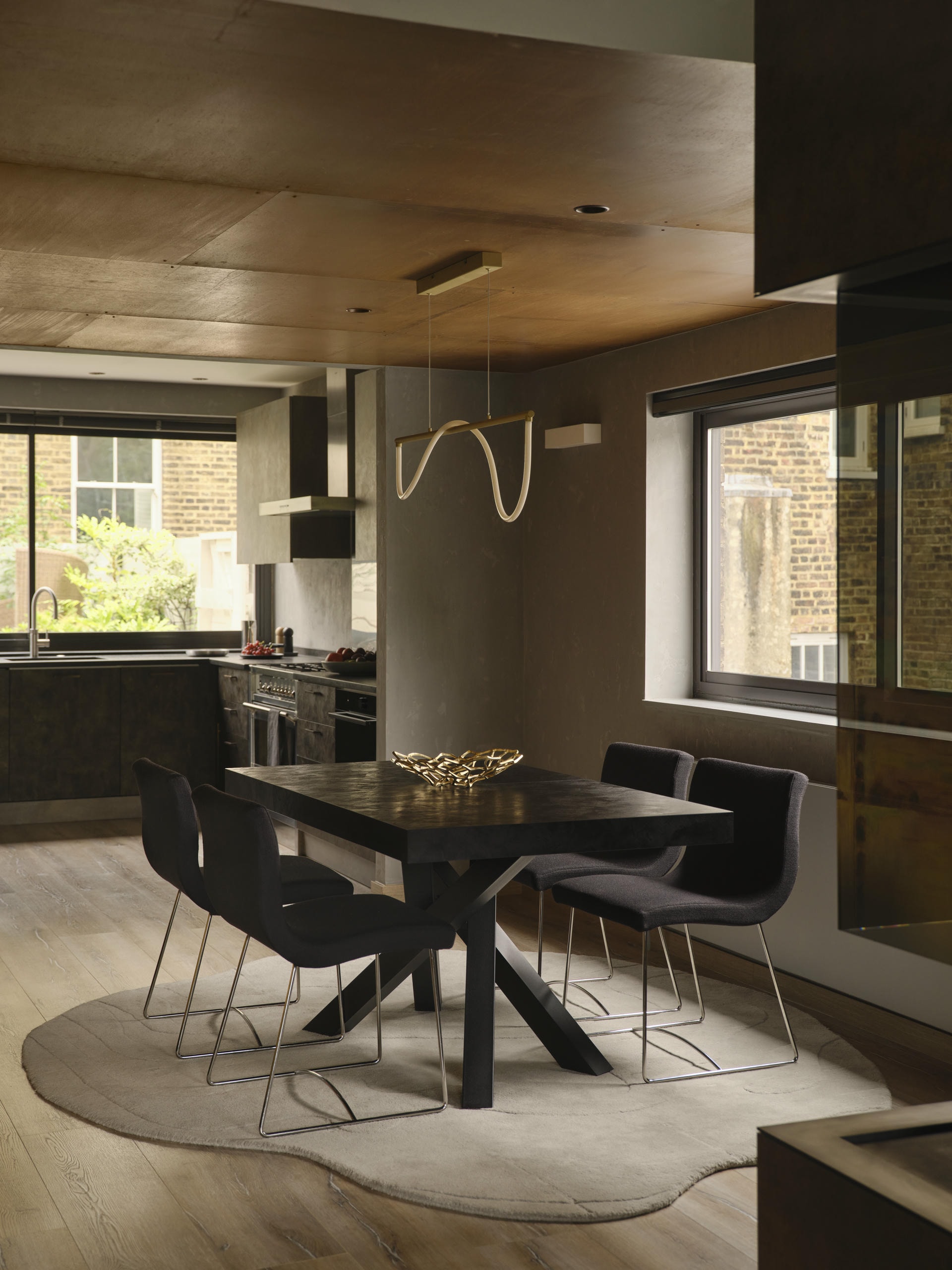
Each project has its highlights, especially that moment when you can feel the bones of the building truly start to take shape as home, which is always hugely exciting and rewarding. We recently worked on a full-house refurbishment for a family of four in London, a project that required a complete reconfiguration of the layout to maximise space and natural light. The property had great potential but felt disconnected and disjointed. Our interior architecture plan transformed the lower ground floor, converting a disused garage and a series of cramped storage rooms into a series of bright, inviting spaces. This included an elegant guest suite, a highly functional utility and mudroom, and a bespoke wine room. Given the lack of natural light and low ceilings, we lowered the floor to create a sense of grandeur, opening up the full length of the space. It shaped the entire framework for the overall flow of the home, ensuring that light and space were maximised and creating a seamless connection between the interior and exterior at the rear.

© Ben Anders
Never be shy about helping others. I’m a great believer in Karma; if you help people along your career path, it will always come back to you. Also, I’m afraid there’s no substitute for hard work, it will be the making of your own success.
Immerse yourself in as much hands-on experience as possible. There are so many exceptional design studios across the UK, each creating truly inspiring work. Take the opportunity to learn from them; it’s the most valuable foundation you can build before setting out on your own path.
One of the most important lessons I’ve learned is that great design takes time. It requires patience, persistence, and perhaps most crucially, the ability to communicate that clearly. Communication is vital so that everyone on the journey understands and feels part of the process.

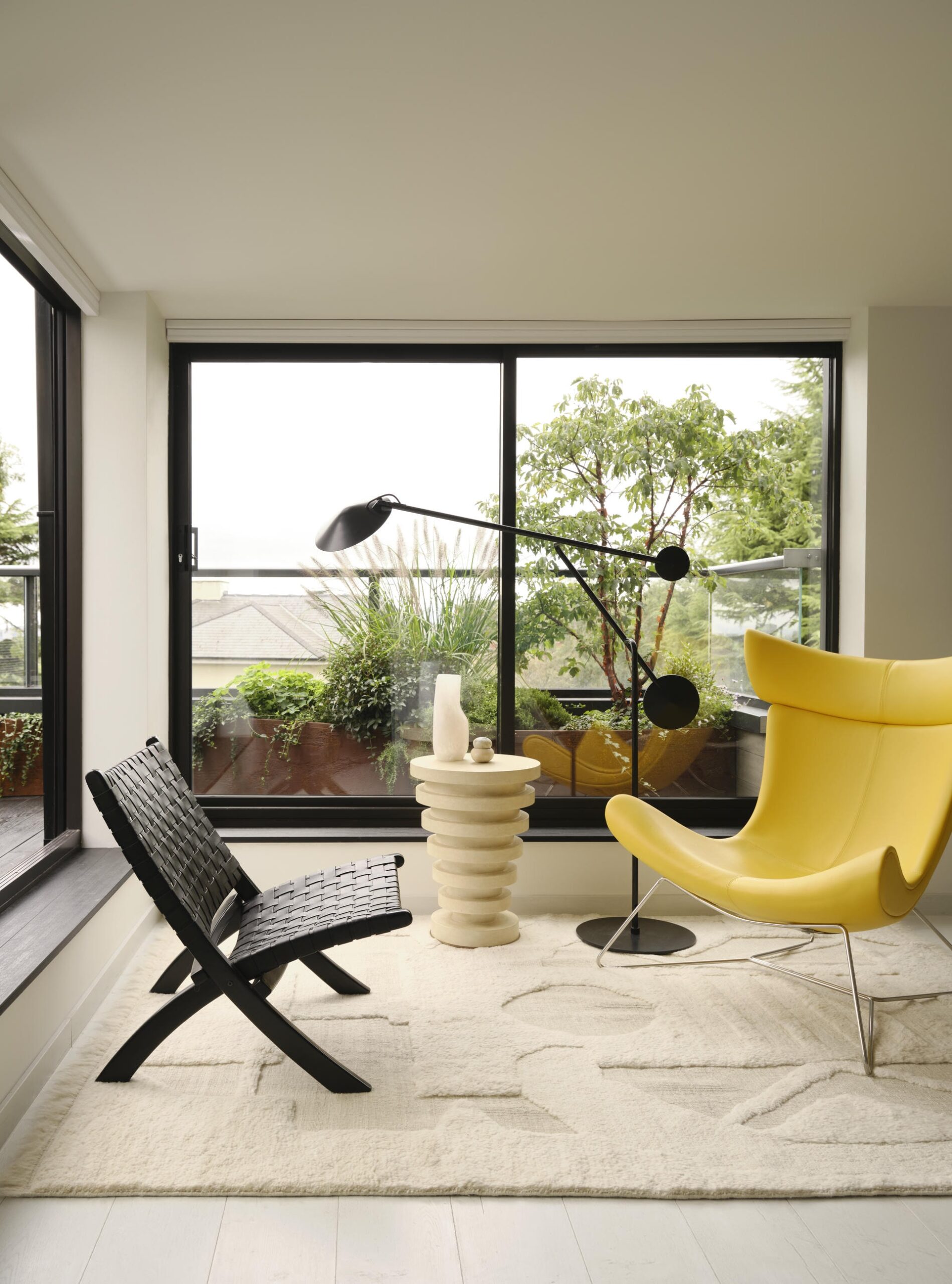
© Ben Anders
One book that has stayed with me is ‘Shantaram’ by Gregory David Roberts, and anything by William Boyd. I love how you would want to meet any of his characters, they are all so interesting.
I also like to tune into the Moonshots Podcasts; I am a big fan of learning about AI and staying curious about where it’s heading.
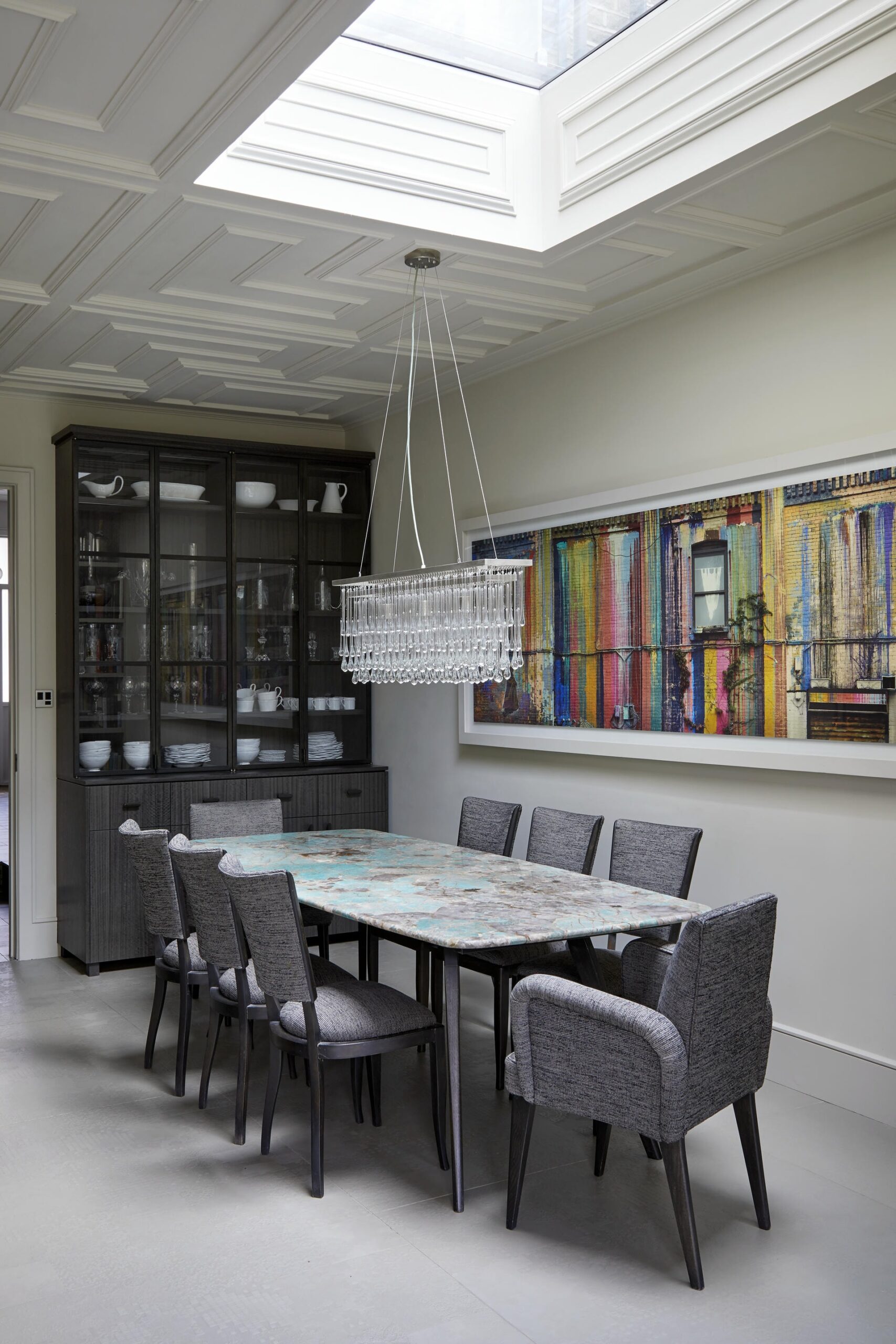
We are currently finalising a project in St Johns Wood, which is a full house renovation, including architectural design, a bespoke Kitchen and joinery and interior design for a family. From the outset, this brief was about transforming a home that felt architecturally flat and somewhat disconnected into a place that truly welcomes and embraces its inhabitants. Our approach centred on redefining the living areas, transforming them from fragmented and underused spaces into a cohesive flow that feels natural and inviting. This included creating flexible living zones such as a sophisticated dining area, a cosy family snug and games room, and a carefully considered home bar, each designed to support both relaxed family moments and elegant social gatherings. We carefully layered striking, architectural detailing with a wonderful three-tiered coffered ceiling that leads from entrance through to rest of the home, creating a balance of architectural strength and lived-in elegance, where each space feels both timeless and intimately lived in, not just beautiful, but truly a home.
Thank you so much Caroline, for this lovely interview!
Share article :