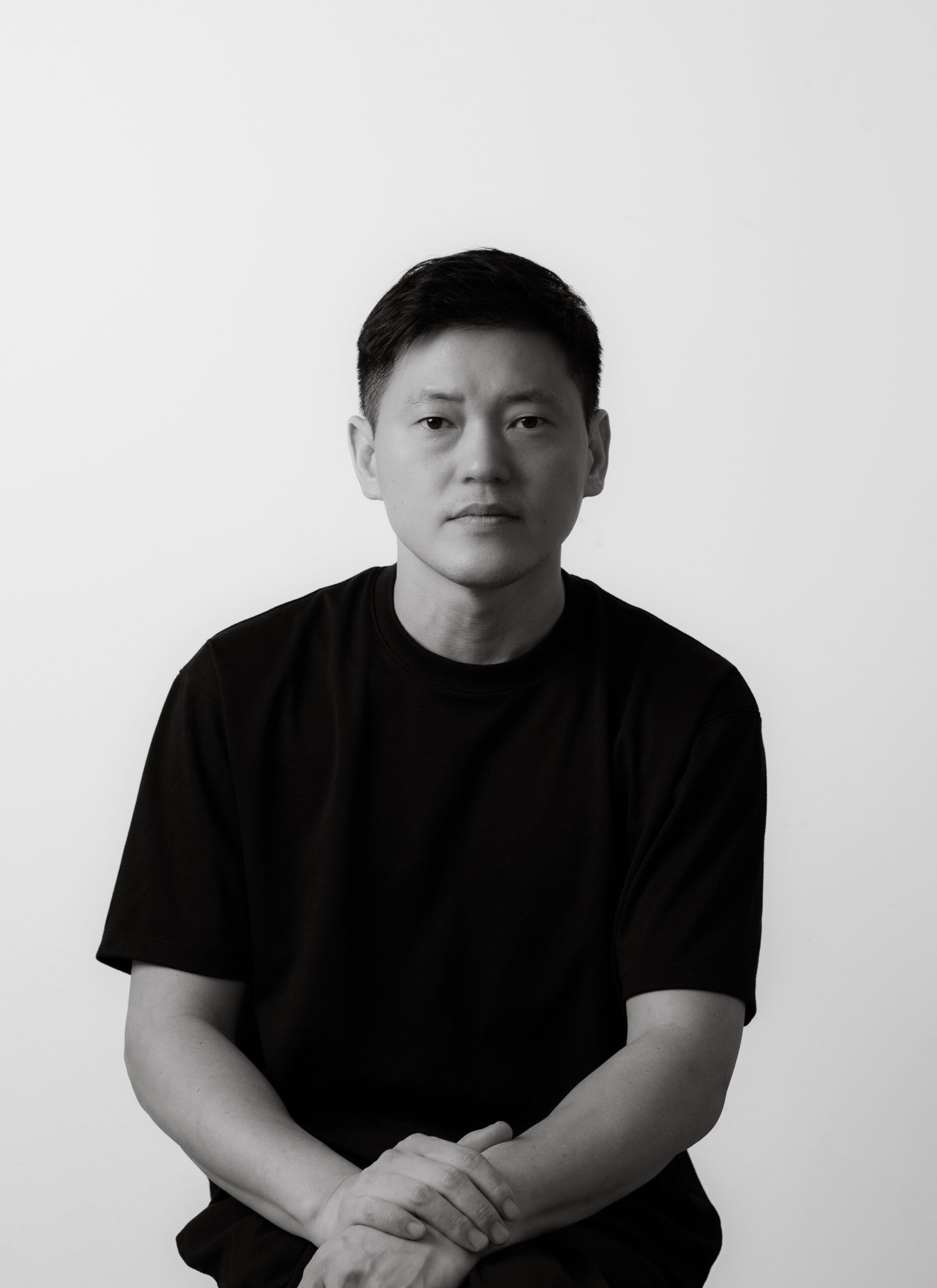
Philia
Magazine

Martina Guandalini
Martina Guandalini is an Italian architect, interior designer, and product designer based in New York. Her practice spans architecture, interiors, and collectible design, united by an interest in creating spaces and objects that evoke emotion through materiality, form, and atmosphere. Working across disciplines, she develops designs that challenge convention while establishing a distinct visual language rooted in experimentation and refinement.
Guandalini gained international recognition in 2020 when she was named NYCxDESIGN Honoree for Best Emerging Designer following the debut of her Soulmate furniture collection, which was presented by Dezeen, Sight Unseen, and at the Salone del Mobile in Milan. Since then, she has continued to expand her body of collectible furniture while collaborating with leading brands and galleries, establishing a practice that seamlessly bridges architecture, interiors, and contemporary design.
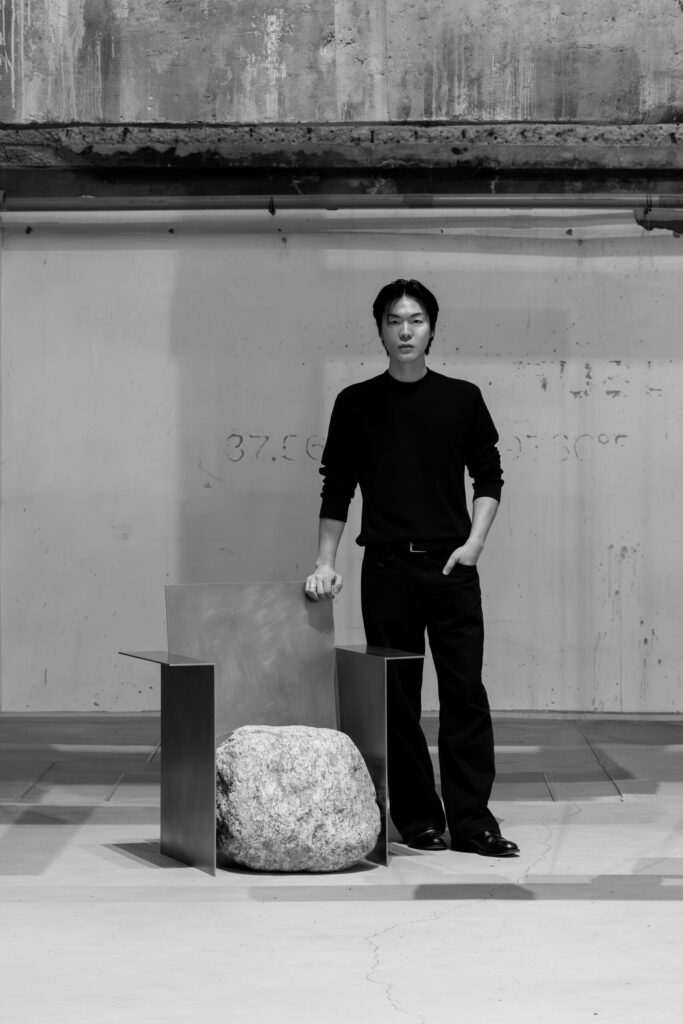
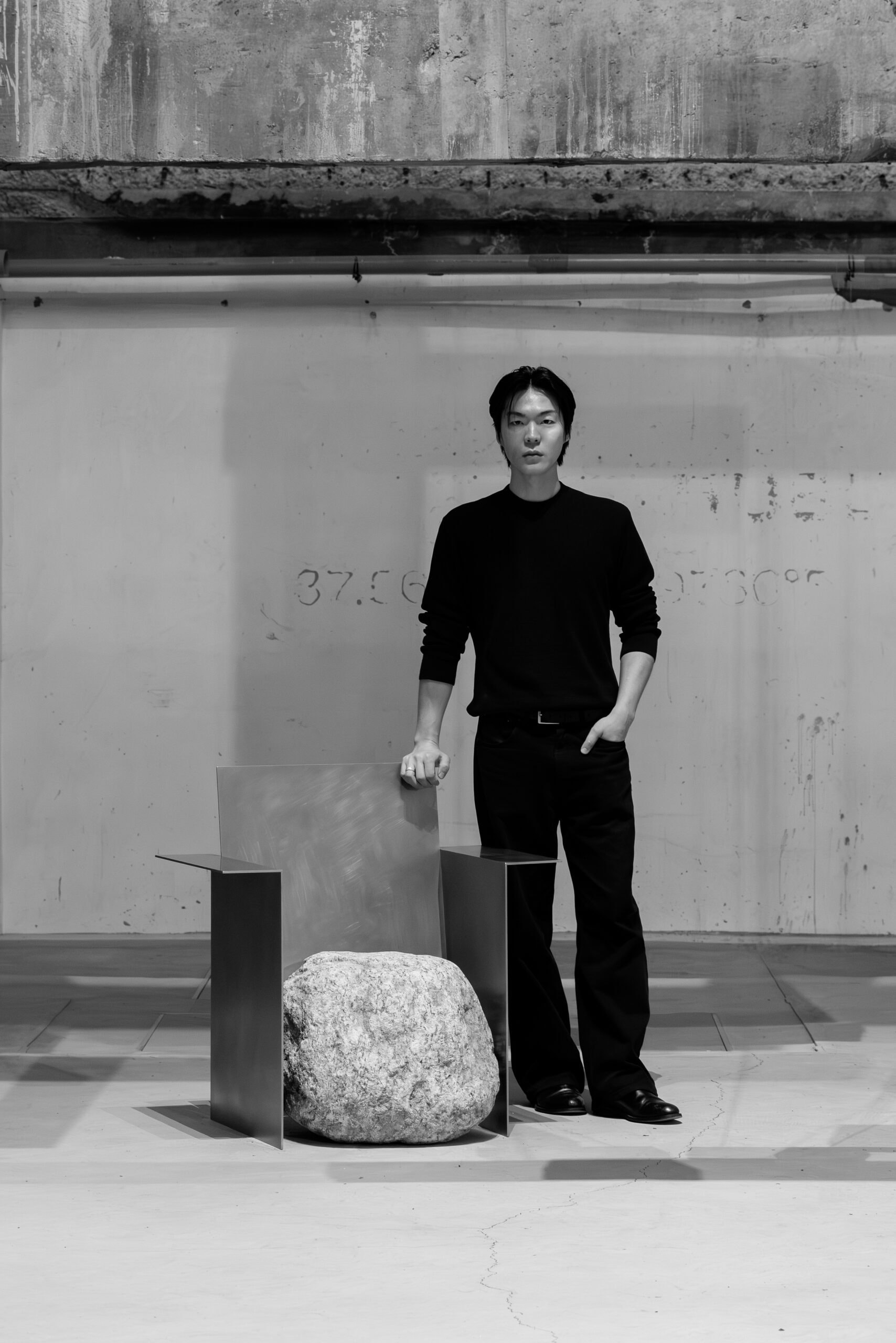
Sisan Lee
Sisan Lee (b.1995) is a Seoul-based designer whose practice explores the relationship between nature and the artificial. Working across sculpture, furniture, and spatial objects, he investigates how raw natural materials interact with the structural logic of industrial production.
Through the use of materials such as stone, wood, and metal, Lee creates compositions that highlight the tension between organic irregularity and industrial precision. His works often reference primitive structures while employing contemporary fabrication techniques, resulting in objects that feel both timeless and distinctly modern.
Operating between design and sculpture, Lee’s practice reflects an ongoing interest in the dialogue between natural formation and human intervention. By allowing material characteristics to guide form and structure, his works seek a quiet balance between raw material presence and constructed order.
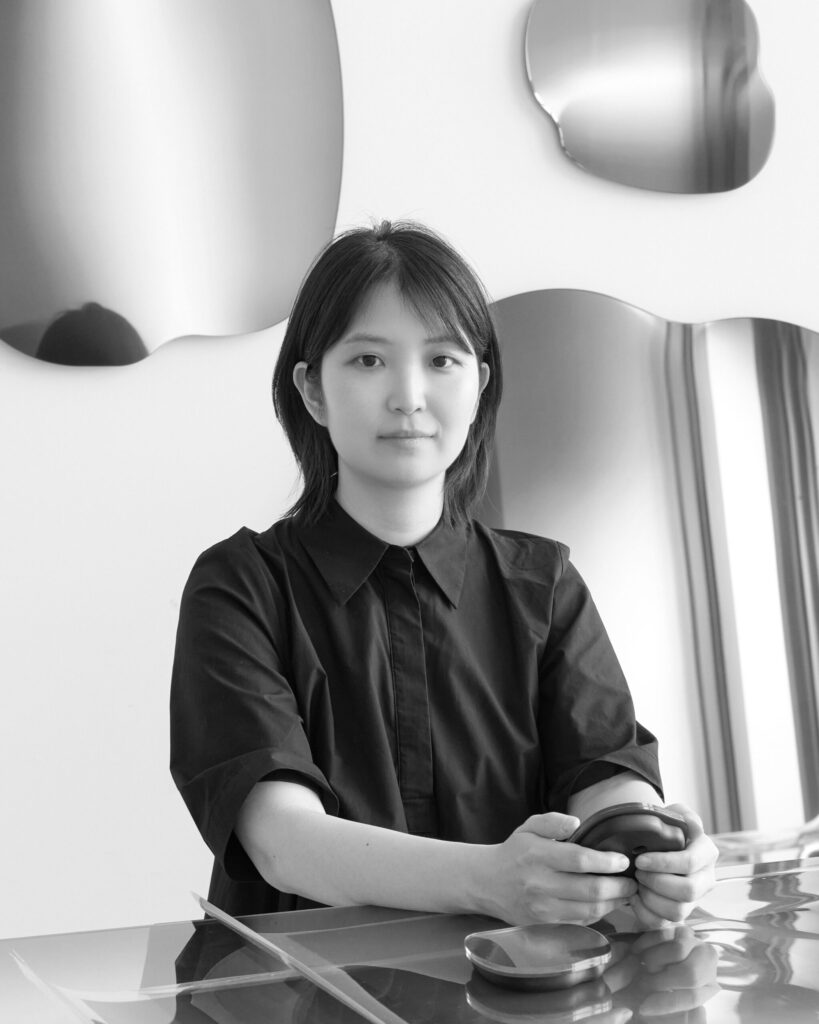
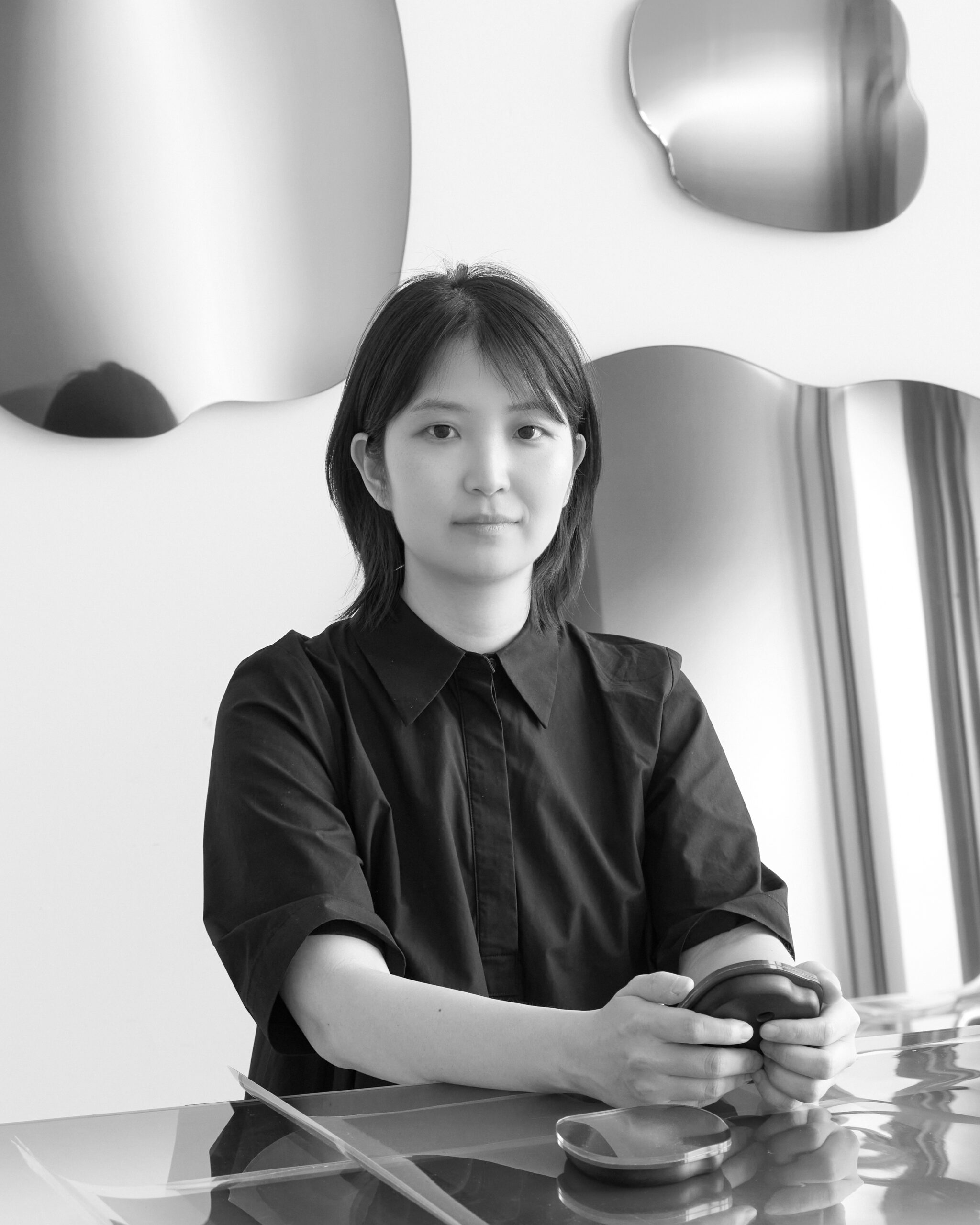
Studio Chacha
Studio Chacha, founded by Cha Shin-sil, is a Seoul-based design studio working primarily with glass. Her practice explores the delicate balance between control and unpredictability inherent in the material, embracing the transformative qualities of heat, light, and transparency.
Through experimental processes, Cha reinterprets familiar forms into sculptural objects that blur the boundary between function and art. By layering colors, altering geometric structures, and manipulating glass through lampworking techniques, her work creates optical depth and shifting visual effects that invite closer observation.
Positioned between collectible design and material exploration, Studio Chacha produces objects and furniture that emphasize the expressive potential of glass, where subtle variations in color, texture, and form transform everyday typologies into unexpected visual experiences.
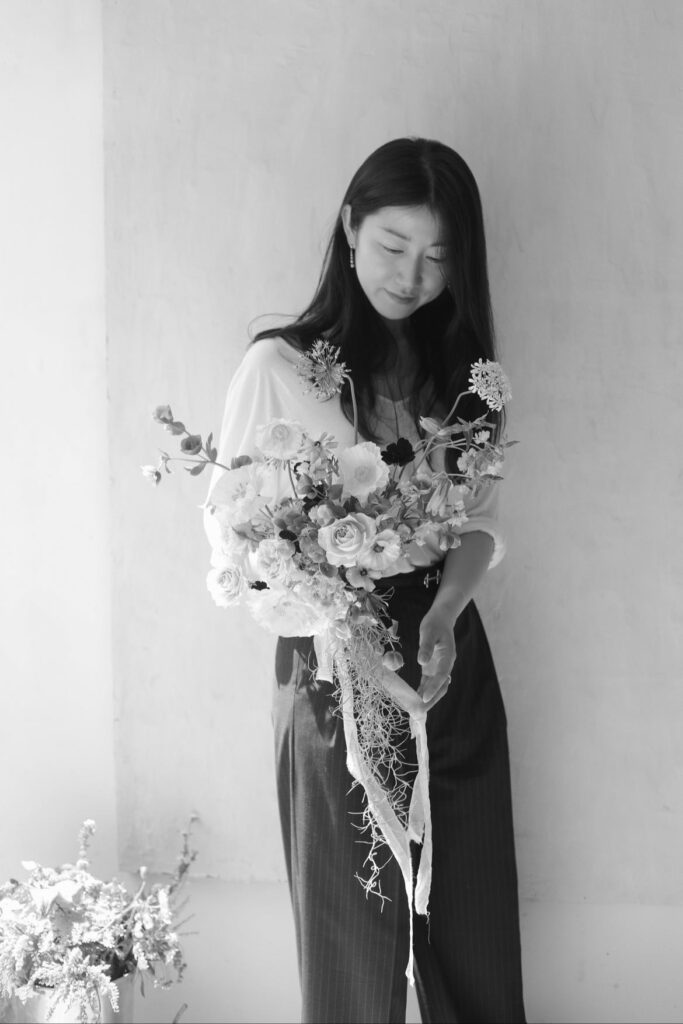
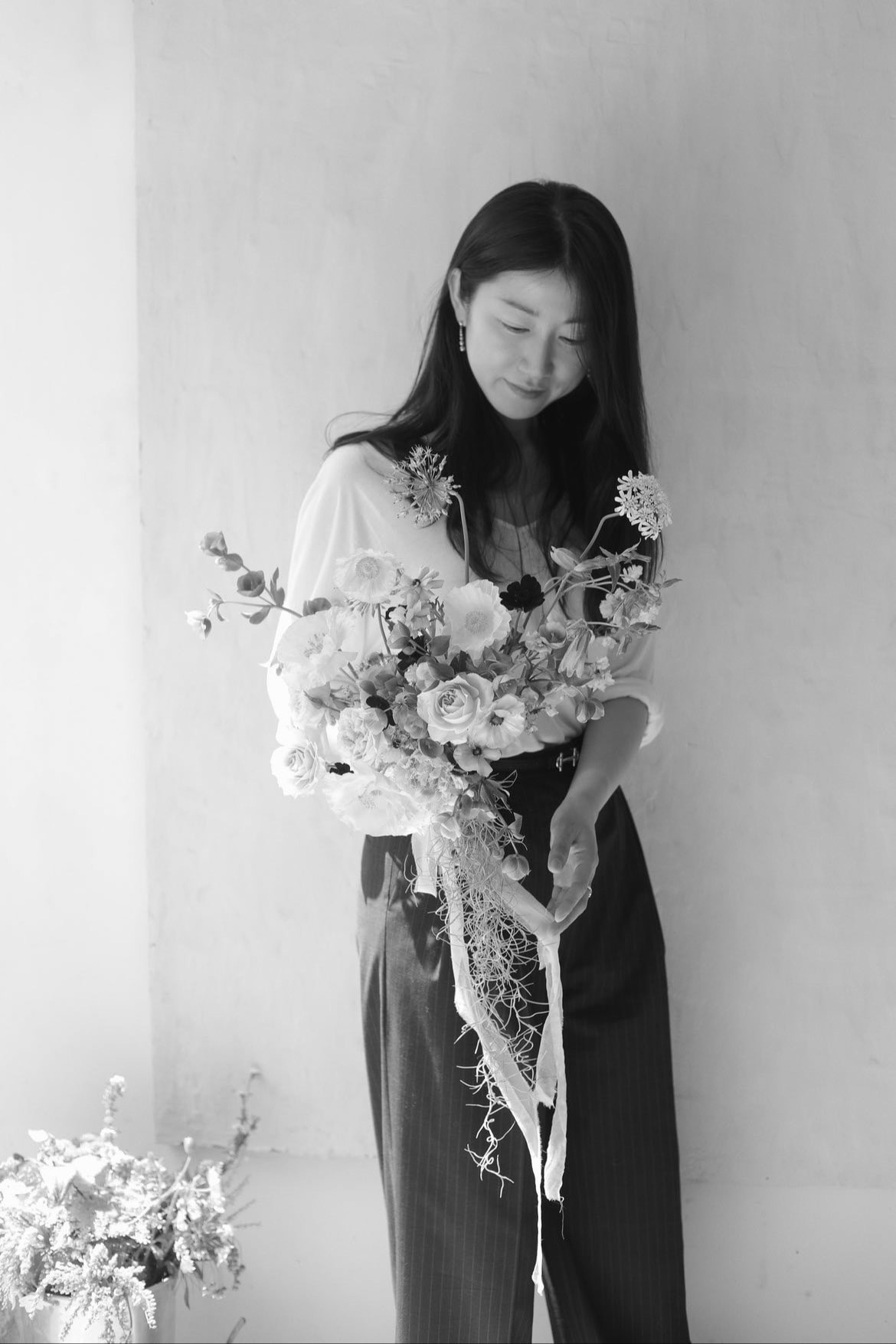
Minseon Kong
Minseon Kong is a Seoul-based floral artist and spatial director. Having studied art from an early age, she majored in Fine Art before completing a master’s degree in Visual Design. Grounded in a painterly sensitivity and a structured understanding of design, she now works with flowers as a medium through which she composes spatial environments.
Through her brand Midsummer, Kong interprets the nuances of each season with subtle precision. Rather than treating flowers as decorative elements, she approaches them as materials that carry time and atmosphere. With restrained structures and carefully considered negative space, she creates scenes that are quiet yet distinctive.
Her practice centers on introducing a minimal structure to nature. Within her installations, intention and chance, order and seasonality coexist, forming moments where natural presence and spatial composition come into delicate balance.
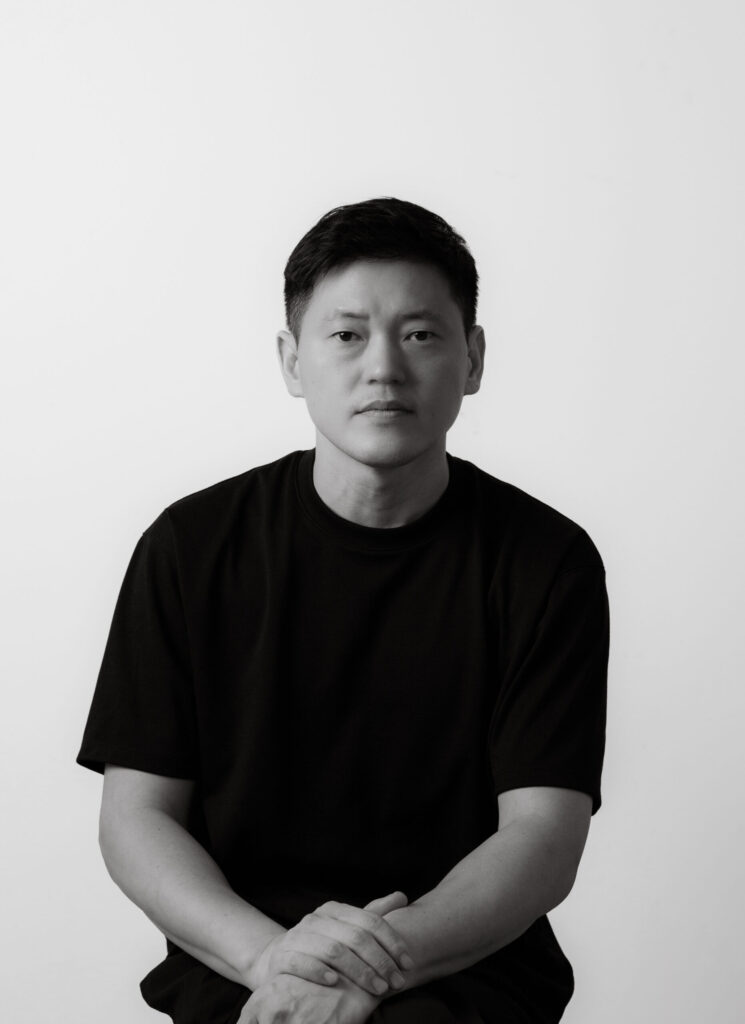
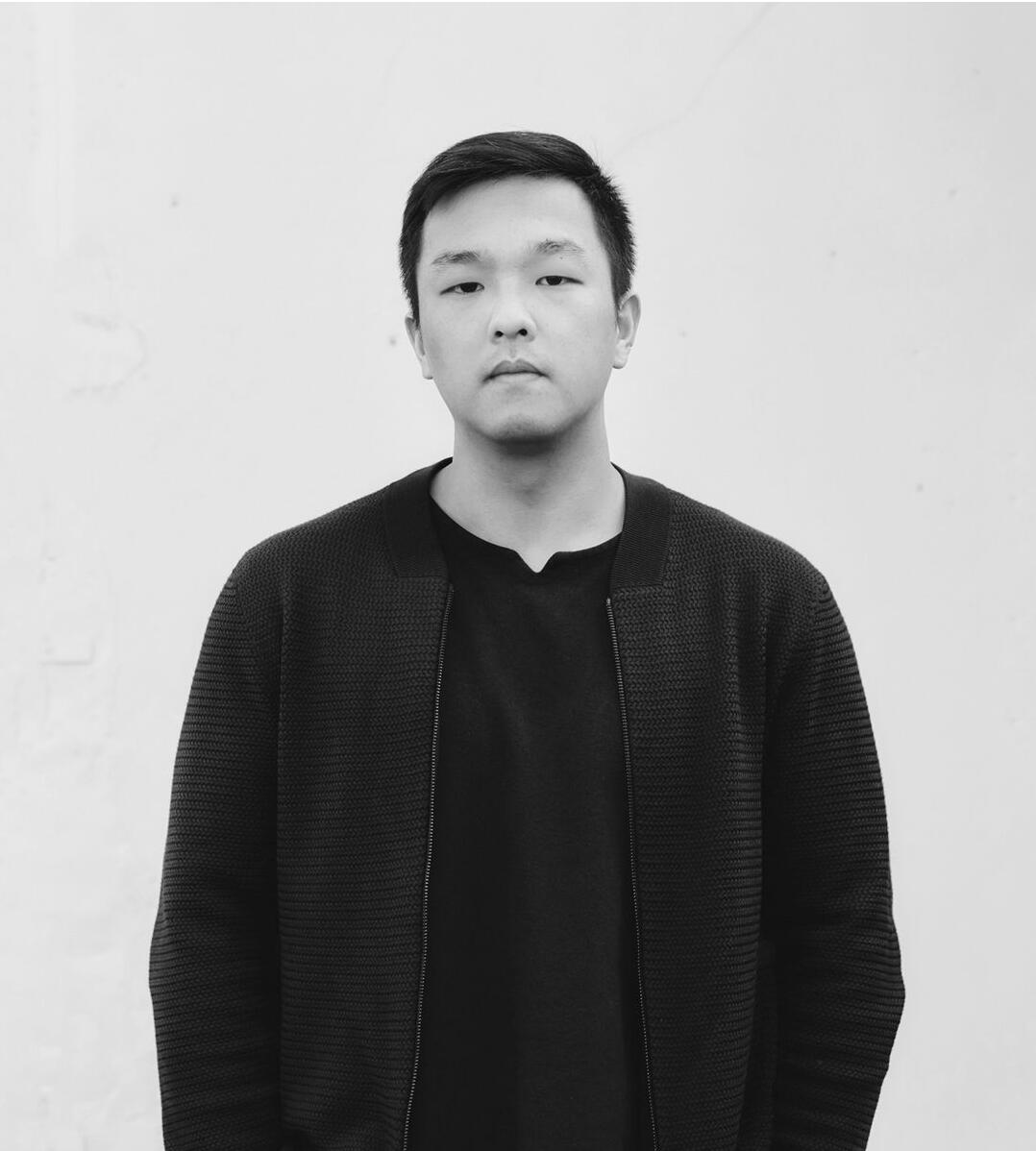
Hyungshin Hwang
Hyungshin Hwang is a Seoul-based designer whose work explores memory, materiality, and structure through furniture and objects. Trained in woodworking and furniture design at Hongik University, where he earned both his BFA and MFA, Hwang develops a distinctive formal language that transforms everyday experiences and emotional narratives into carefully crafted forms.
Central to his practice is the ongoing Layered Series, first introduced at KIAF in 2007. Through modular construction and layered surfaces, the series reflects the accumulation of time, memory, and lived experience. Hwang’s work has been exhibited internationally at Milan Design Week, DMY Berlin Design Festival, Design Days Dubai, and Art Beijing, while also being presented at institutions including La Triennale di Milano, the Korea Craft & Design Foundation, and the National Hangeul Museum. Alongside his studio practice, he has taught at several leading universities in Korea, continuing to shape a body of work defined by a quiet sensitivity to material and form.
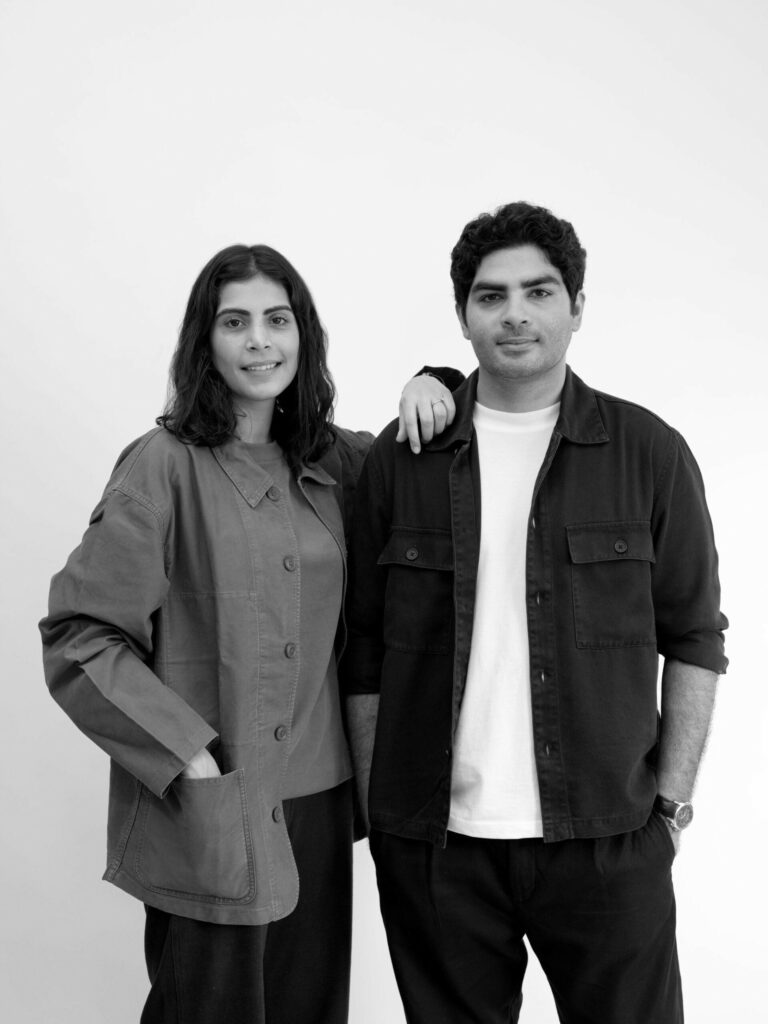
Stem Design 5 Picks From Philia Collection
Stem is a design studio founded by Aman and Sugandhi, whose practice explores the relationship between material, emotion, and everyday objects. Guided by a quiet appreciation for nature and craftsmanship, the studio creates collectible lighting, sculpture, and functional objects that balance sculptural simplicity with a strong sense of intimacy and meaning.
Working slowly and intentionally with carefully selected materials, Stem develops timeless pieces that celebrate tactile beauty and emotional resonance. Each object is conceived as a lasting companion, reflecting a philosophy of thoughtful making, enduring craftsmanship, and quiet, purposeful design.
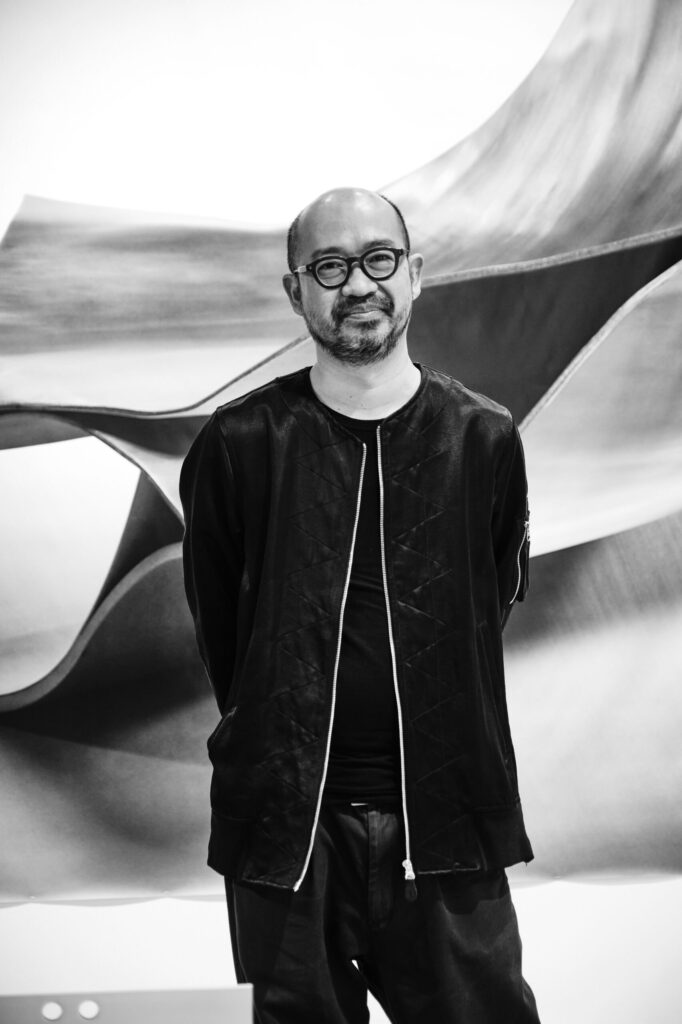
Toshiki Omatsu
Toshiki Omatsu is a Tokyo-based Japanese designer, born in 1973, and a member of the Architectural Institute of Japan. He graduated from the Kyoto Institute of Technology, Department of Architecture and Design (B.Arch.) in 1996, and later received a diploma from The Berlage Institute in Amsterdam in 1999, supported by the Japanese Agency for Cultural Affairs’ Overseas Study Grant.
After working in several architecture offices across London, Tokyo, and Hong Kong, he founded his own practice, Toshiki Omatsu Atelier, in 2005, where he designs architecture, furniture, products, and artworks. Over the years, he has won several competitions in Japan. He currently serves as Chairperson of the Space Design Department at Kuwasawa Design School in Tokyo, the oldest design school in Japan.
Since 2018, Omatsu has been actively developing furniture under the concept “Aluminium x Technology beyond Art & Design”, with a particular focus on the expressive and technical potential of aluminum.