Philia
Magazine
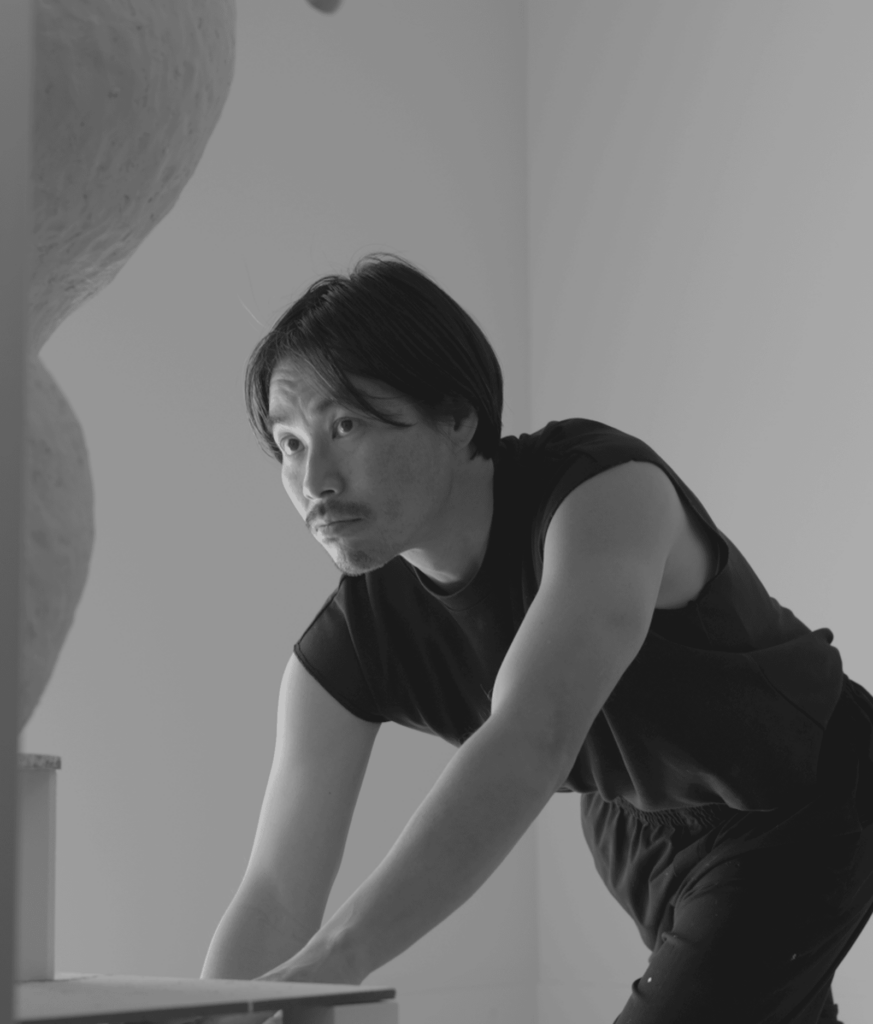
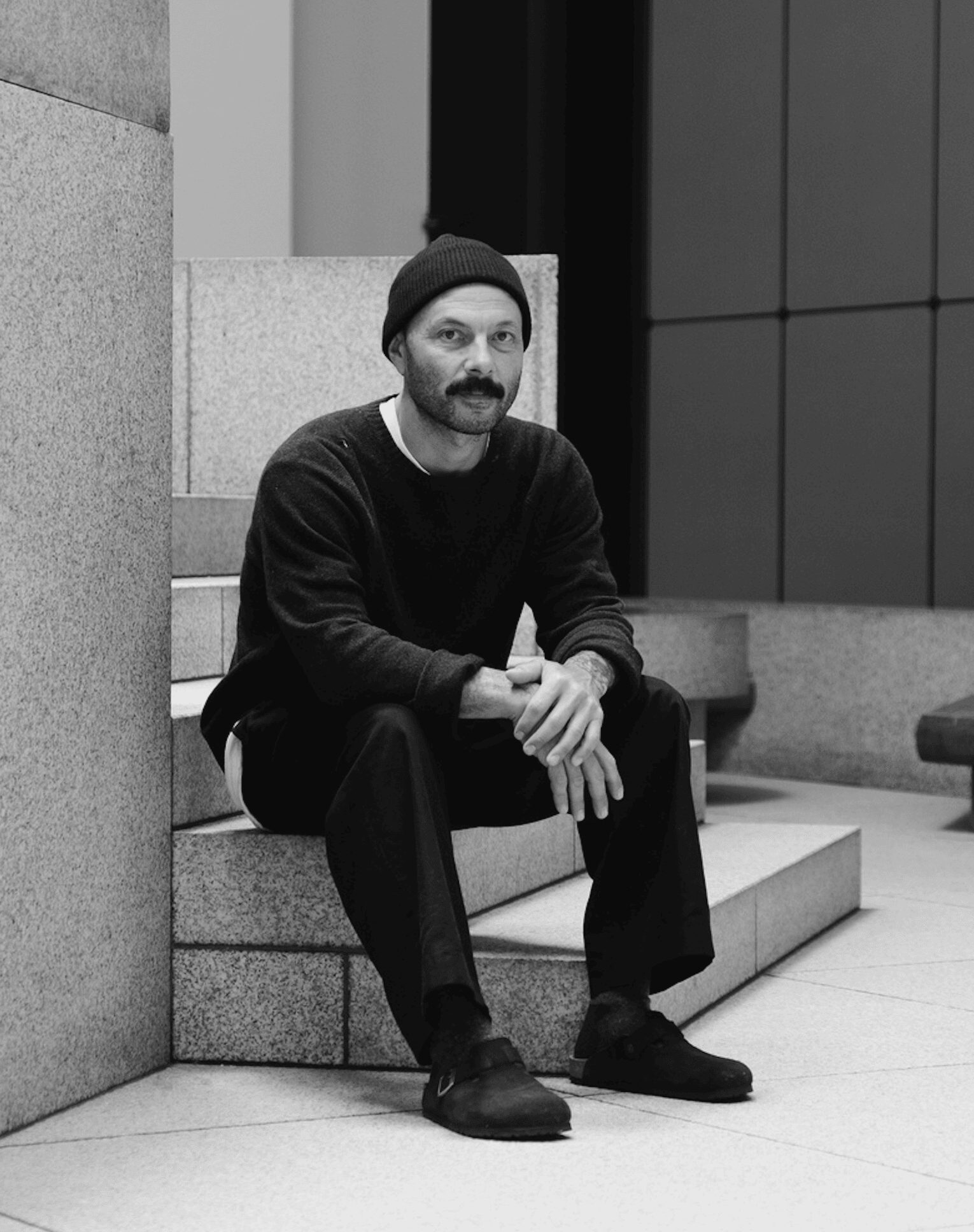
Kansai Noguchi
Kansai Noguchi is a Japanese sculptor and ceramic artist whose practice brings together influences from different cultures, histories, and artistic traditions. Born in Fukuoka in 1982, Noguchi began his creative career as a professional musician before moving to the United States in 2013. An encounter with the work of Isamu Noguchi the following year became a defining moment, prompting him to leave music behind, return to Japan, and pursue sculpture and pottery.
Drawing from the simplicity of Japanese Jomon pottery, Korean Yi Dynasty ceramics, and ancient Greek sculpture, Noguchi explores their relationship with abstract expression through a process rooted in experimentation, intuition, and precision. His background in music continues to inform the way he works, approaching composition through combinations of form and material while allowing moments of improvisation and physical sensibility to guide the process. Moving between cultural references rather than adhering to a singular tradition, his work reflects an ongoing exploration of the connections between culture, history, and contemporary expression.
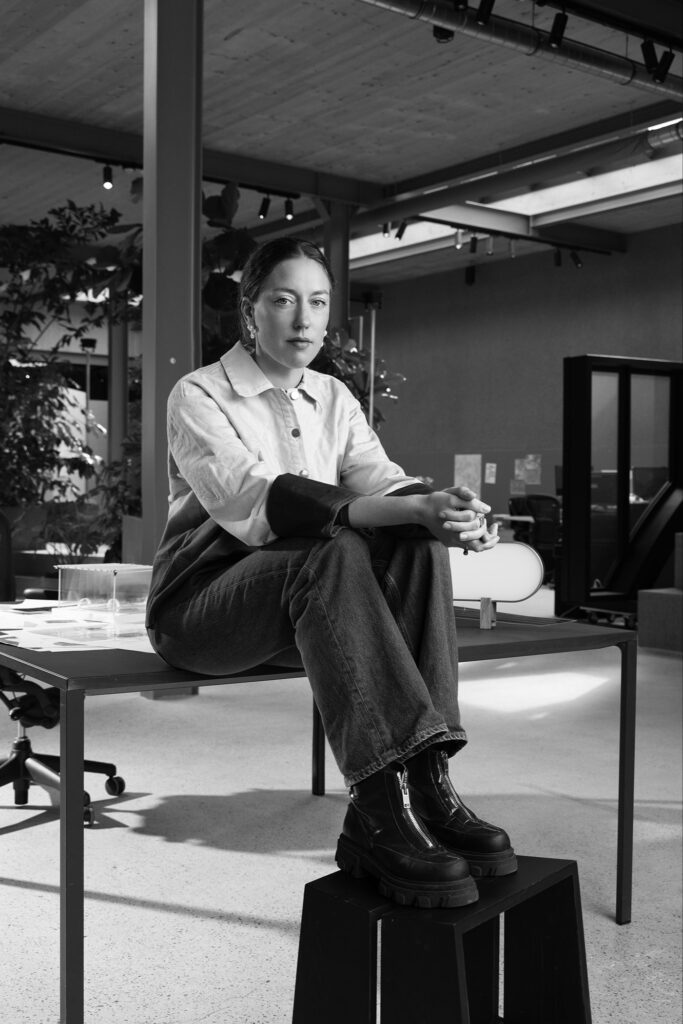
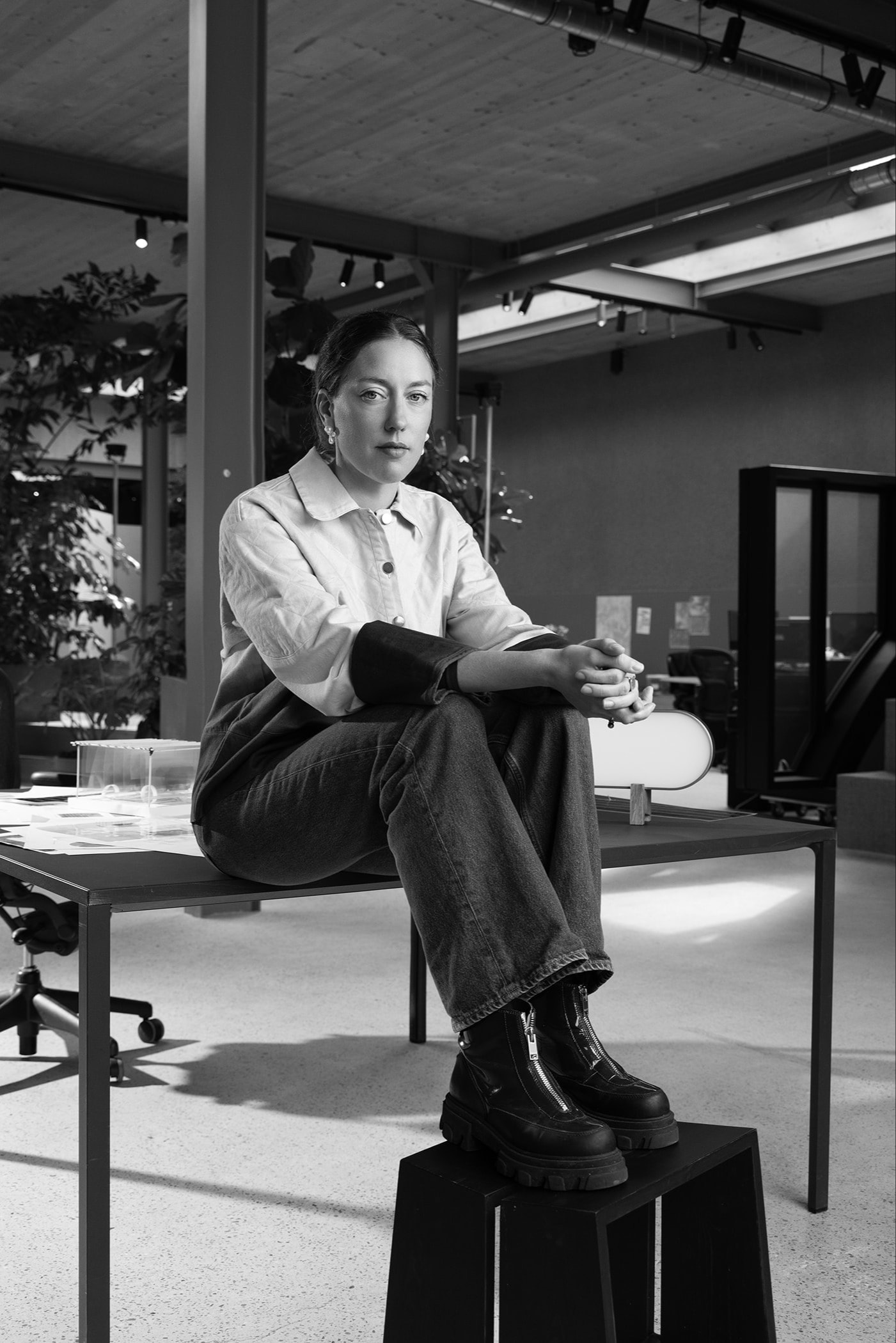
Marjan van Aubel
Marjan van Aubel is a Dutch designer whose pioneering practice explores the intersection of sustainability, technology, and design through the lens of solar energy. Based in Amsterdam, she has developed a distinctive approach that transforms sunlight into both a functional and aesthetic medium, integrating solar technology into everyday objects such as furniture, lighting, and architectural elements.
A graduate of the Royal College of Art and the Gerrit Rietveld Academy, van Aubel has collaborated with scientists and institutions to create works that challenge conventional perceptions of renewable energy, positioning it as a poetic and experiential force. Her projects, exhibited internationally and held in major museum collections, aim to redefine our relationship with energy by embedding it seamlessly into daily life, advocating for a future where sustainability and beauty are intrinsically connected.
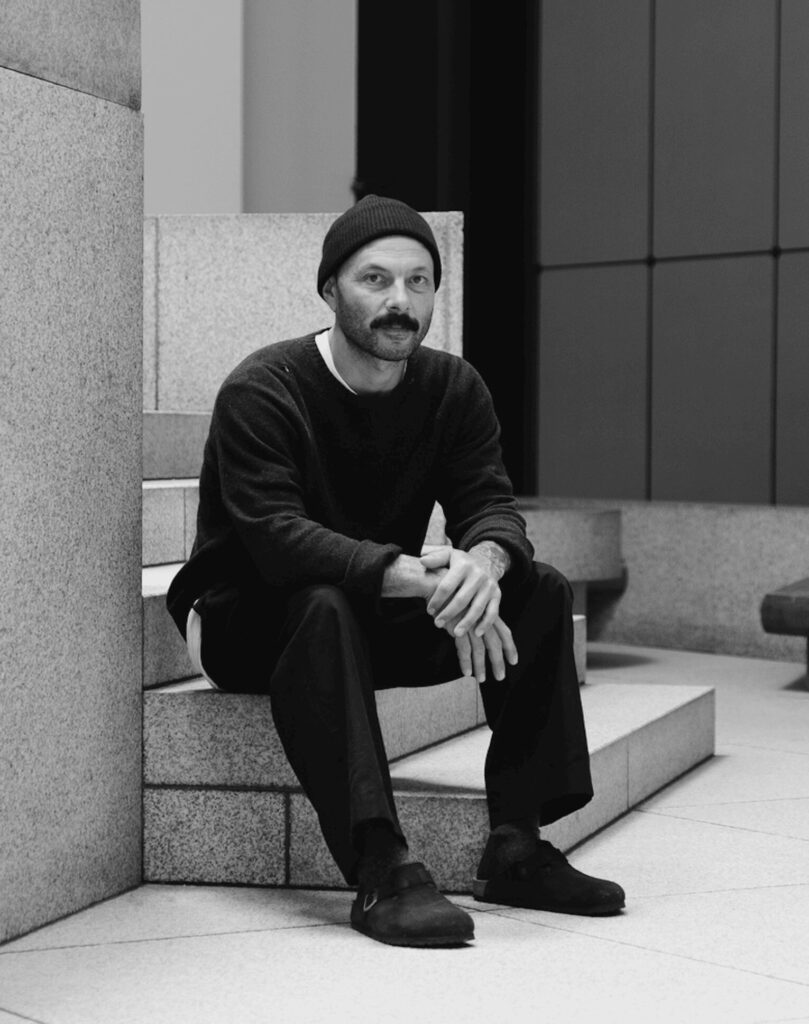
Ido Yoshimoto
Ido Yoshimoto is a California-based artist whose practice is deeply shaped by the forests and landscapes of West Marin. After more than two decades working as an arborist, he turned to art, bringing with him an intimate understanding of trees, their structures, and their natural life cycles. Working primarily with salvaged and locally sourced wood, Yoshimoto creates sculptural and functional pieces that preserve the character and history of their material while introducing deliberate geometric interventions.
Through an intuitive and material-led approach, Yoshimoto explores the dialogue between natural growth and human intention, allowing the irregularities, textures, and forms of the wood to guide each work. Balancing raw organic expression with precise craftsmanship, his practice reflects on transformation, impermanence, and the passage of time, revealing new possibilities within materials that might otherwise be overlooked.
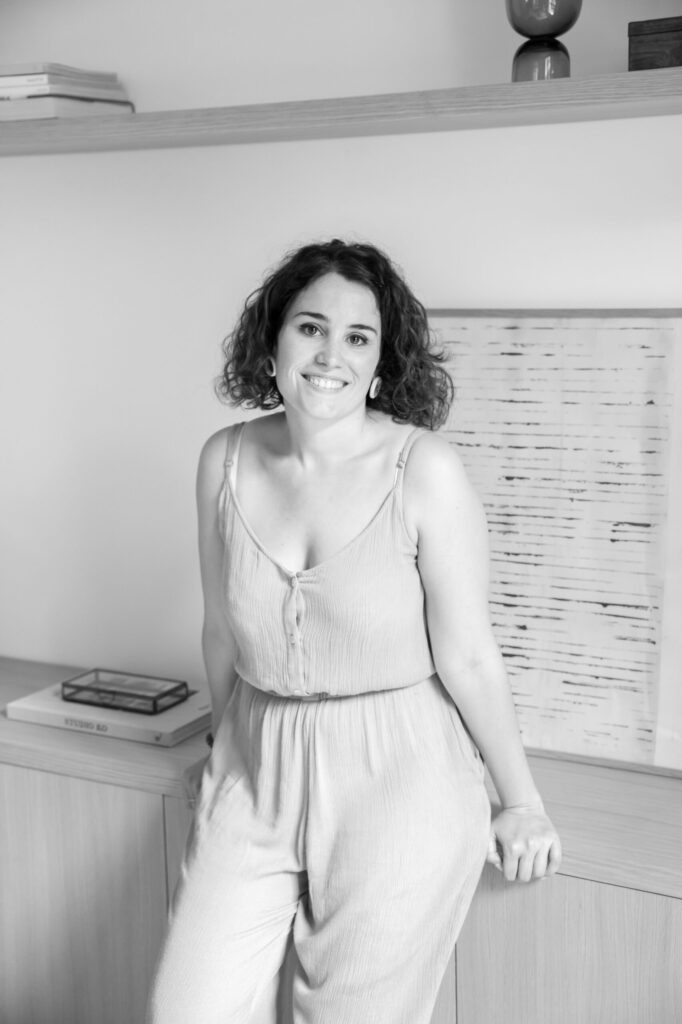
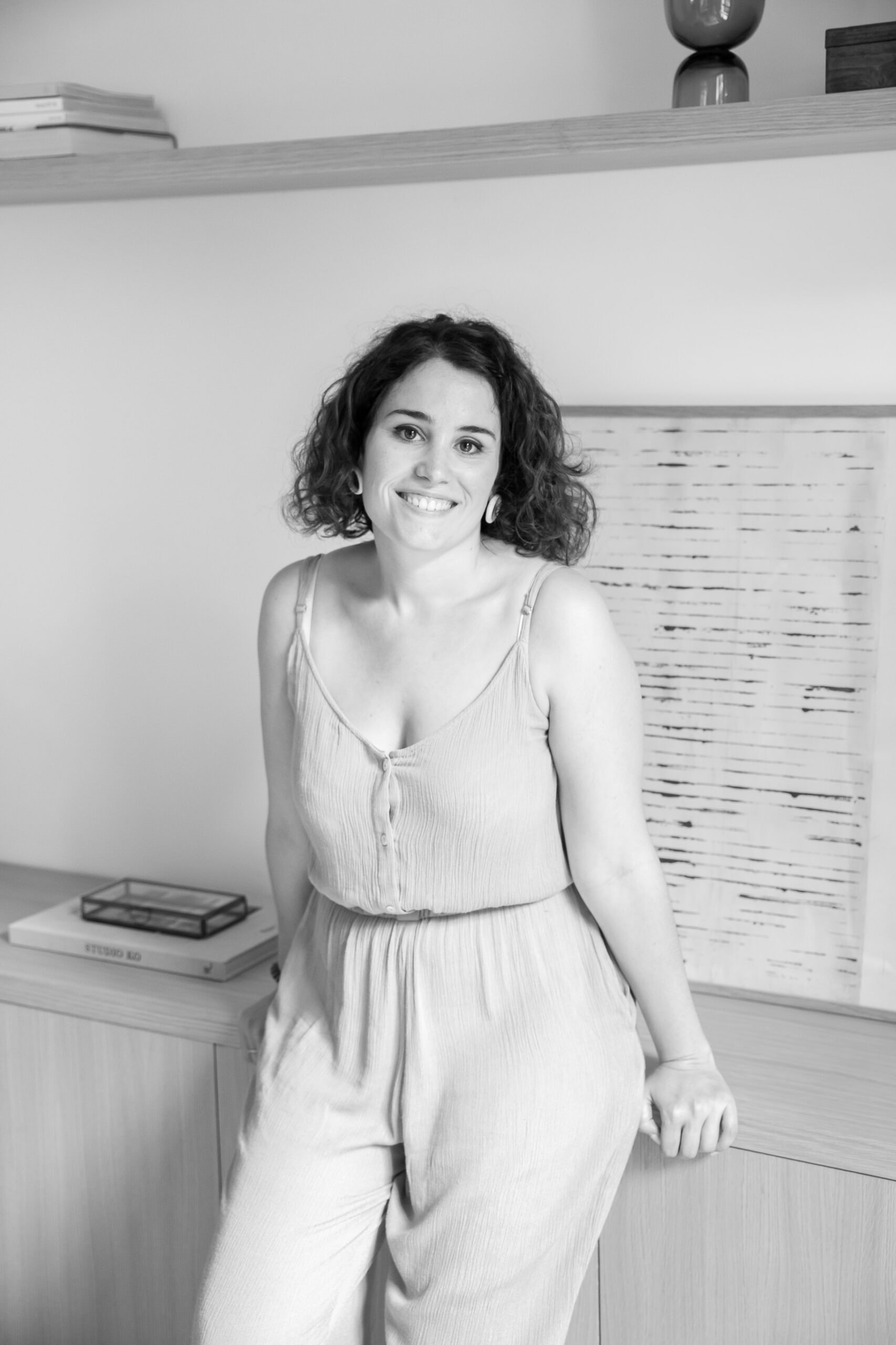
Beatriz Bolibar
My earliest memories are very domestic and very visual. As a child, I was obsessed with spaces — everywhere I went, I had to touch and see all the rooms. I didn’t know it then, but I was fascinated by how materials, colours, and lighting could tell a different story in every space.
At the same time, I spent hours drawing, making things with my hands, and even doing my brother’s art homework for fun.
Beatriz Bolibar is a Barcelona-based interior designer and ceramic artist, and the founder of Cuit Studio. Trained in Interior Design at BAU and later completing a master’s degree in Hospitality Design at Elisava, she developed her early career working across high-end kitchens, as well as bars and restaurants in Amsterdam. While her professional path initially unfolded within hospitality, her focus gradually shifted toward the home — intimate, lived-in spaces shaped by light, material, and everyday rituals.
Working with ceramics since the beginning of her career, Bolibar developed a parallel practice that has become central to her work. What began as an intuitive and personal exploration evolved into a tactile extension of her spatial thinking, allowing her to move between scale, from architecture to object.
Through Cuit Studio, she brings together interior architecture and hand-built stoneware pieces — often conceived as lighting, vessels, or quiet sculptural forms that inhabit domestic environments. Her work is guided by a slow, material-driven process rooted in craftsmanship, where texture, weight, and imperfection are embraced as essential qualities.
Balancing structure with sensitivity, her practice reflects a contemporary approach to living — one that values restraint, atmosphere, and emotional resonance over spectacle. Each project and object is conceived as part of a broader narrative of the home, where design is not only seen, but lived with over time.
My earliest memories are very domestic and very visual. As a child, I was obsessed with spaces — everywhere I went, I had to touch and see all the rooms. I didn’t know it then, but I was fascinated by how materials, colours, and lighting could tell a different story in every space.
At the same time, I spent hours drawing, making things with my hands, and even doing my brother’s art homework for fun.

Mateus Dutra
Mateus Dutra is a Brazilian-born designer based in New York and the founder of Atelier Dutré, a practice situated at the intersection of sculpture and function. Drawing from an international background spanning fashion, photography, and interior design, his work is informed by time spent between New York, Paris, and Scandinavia.
Working primarily with stone, Dutra approaches marble as a material of both physical presence and emotional resonance. His practice explores form, proportion, and surface, creating sculptural objects that balance weight with restraint and permanence with a sense of movement.
Rooted in a family lineage connected to stone extraction and craftsmanship, his work reflects an ongoing dialogue between inherited knowledge and contemporary experimentation. Through furniture and spatial objects, Dutra reinterprets traditional materials for a contemporary context, seeking to create pieces that are both grounded and enduring.
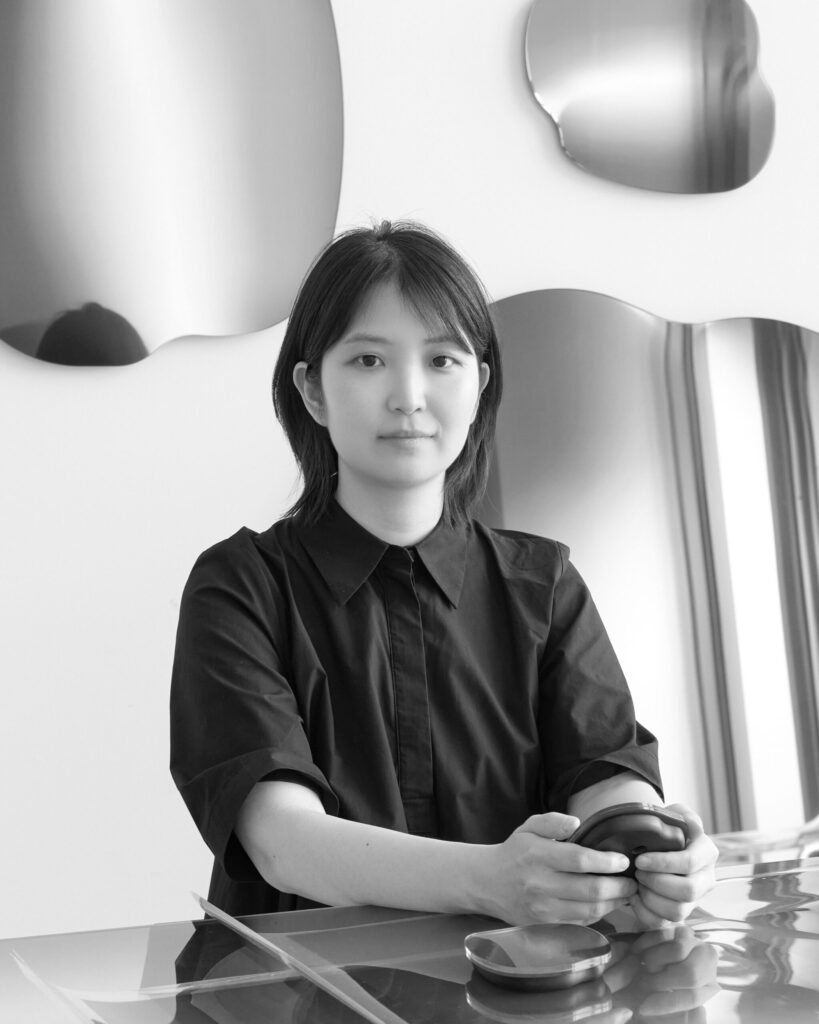
Studio Chacha Picks From Philia Collection
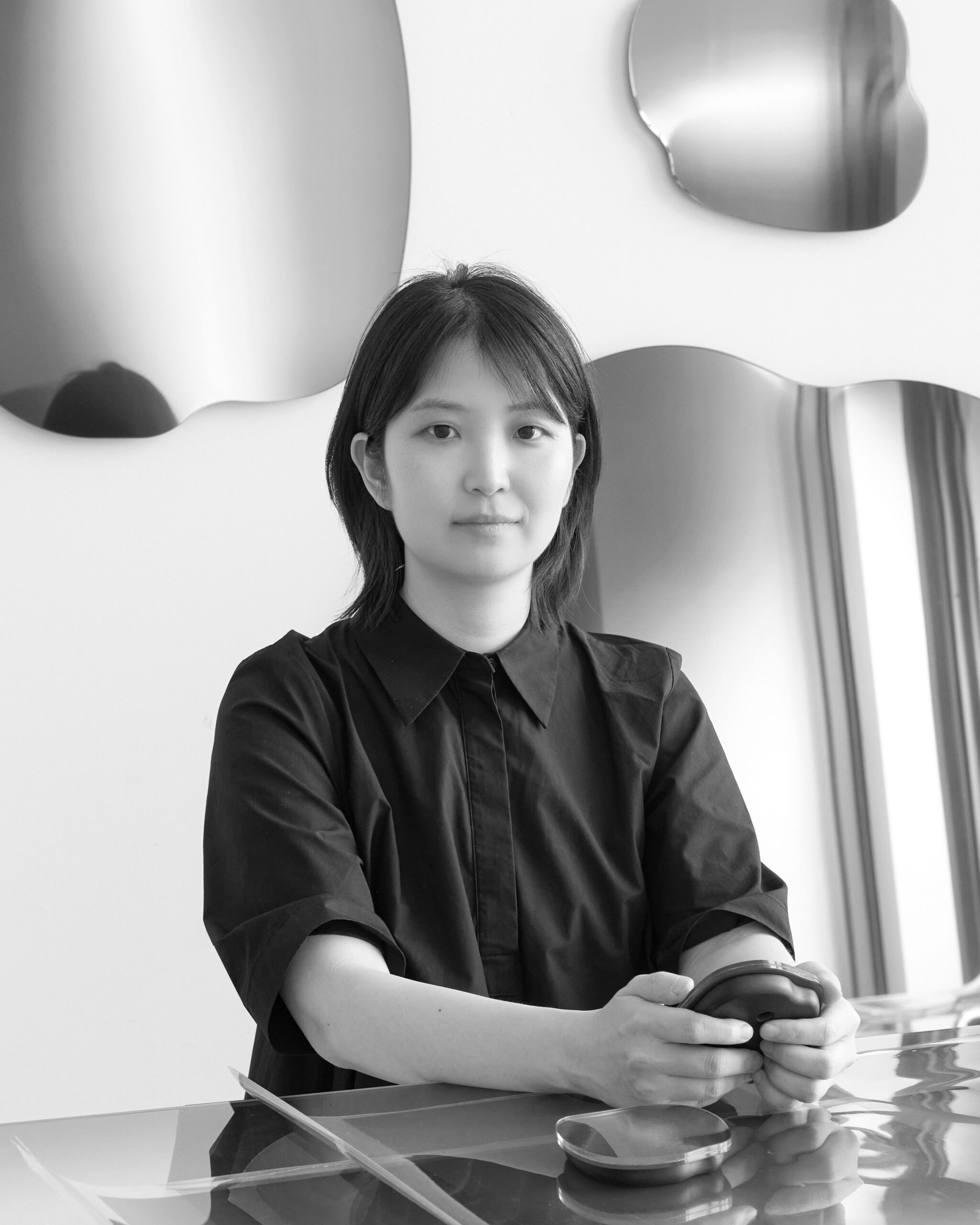
Studio Chacha, founded by Cha Shin-sil, is a Seoul-based design studio working primarily with glass. Her practice explores the delicate balance between control and unpredictability inherent in the material, embracing the transformative qualities of heat, light, and transparency.
Through experimental processes, Cha reinterprets familiar forms into sculptural objects that blur the boundary between function and art. By layering colors, altering geometric structures, and manipulating glass through lampworking techniques, her work creates optical depth and shifting visual effects that invite closer observation.
Positioned between collectible design and material exploration, Studio Chacha produces objects and furniture that emphasize the expressive potential of glass, where subtle variations in color, texture, and form transform everyday typologies into unexpected visual experiences.
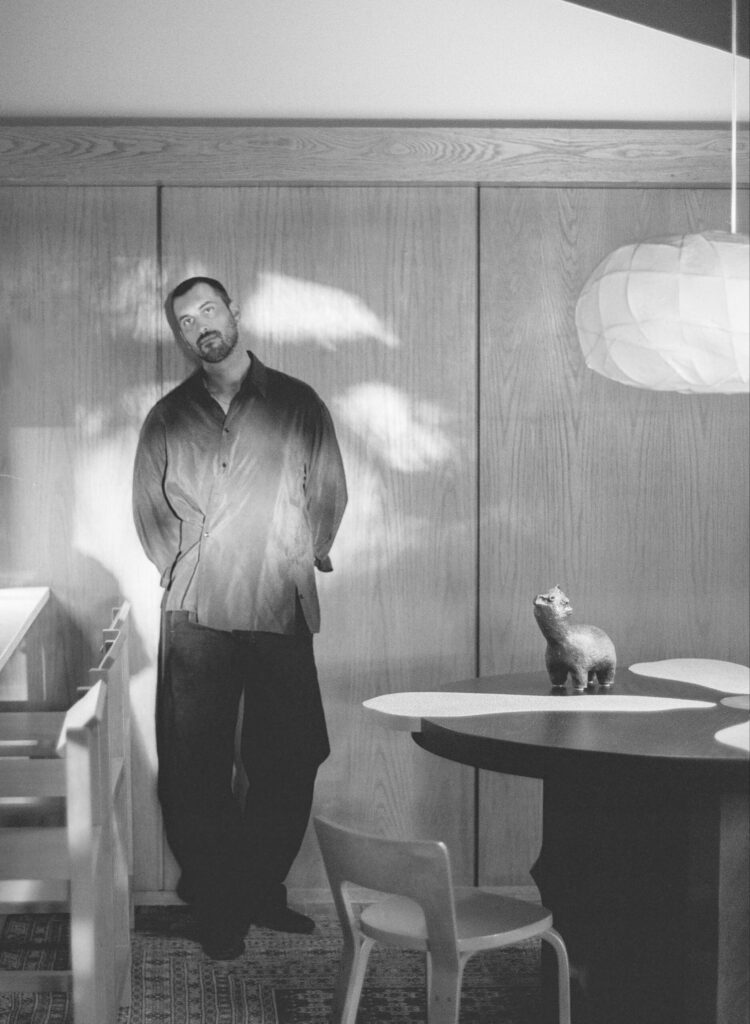
Nicholas Bijan Pourfard
Nicholas Bijan Pourfard is a Southern California-based designer whose work moves between furniture and collectible design, shaped by an early foundation in luthiery. After crafting over 400 bespoke guitars under his label Prisma Guitars, he transitioned toward furniture as a means to expand his exploration of form, material, and expression.
His practice is driven by a dialogue between structure and movement, where materials are not only shaped but activated, giving rise to objects that feel both dynamic and grounded. Through a process rooted in making, Pourfard develops a sculptural language that balances tension and fluidity, precision and intuition.
Blending traditional craftsmanship with a contemporary sensibility, his work reflects a deeply personal approach to design — one where each piece becomes an extension of identity, narrative, and transformation.